


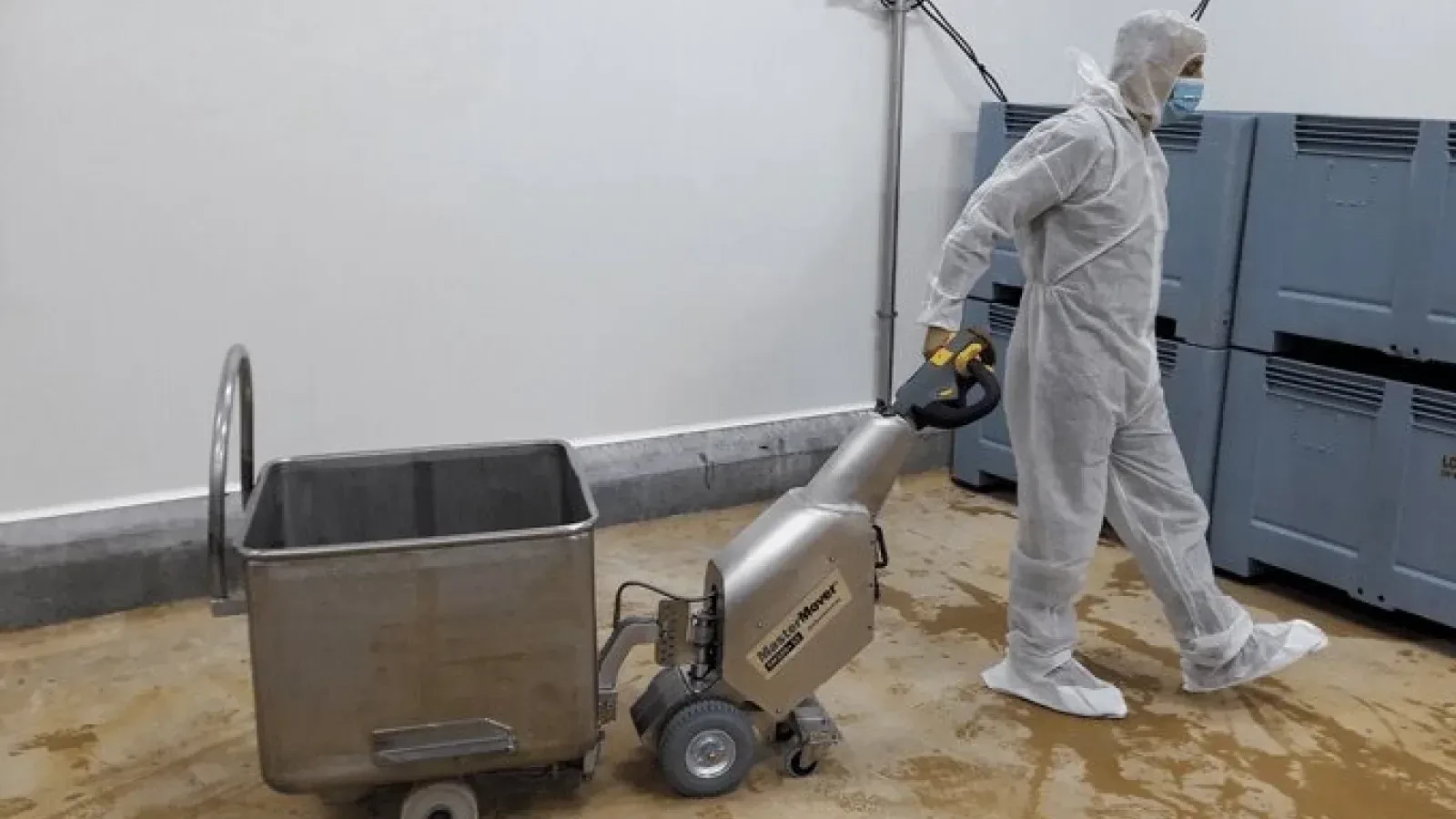
The area entered by the mover
Food production, pharmaceutical manufacturing, laboratories, wet areas and controlled spaces change material expectations.

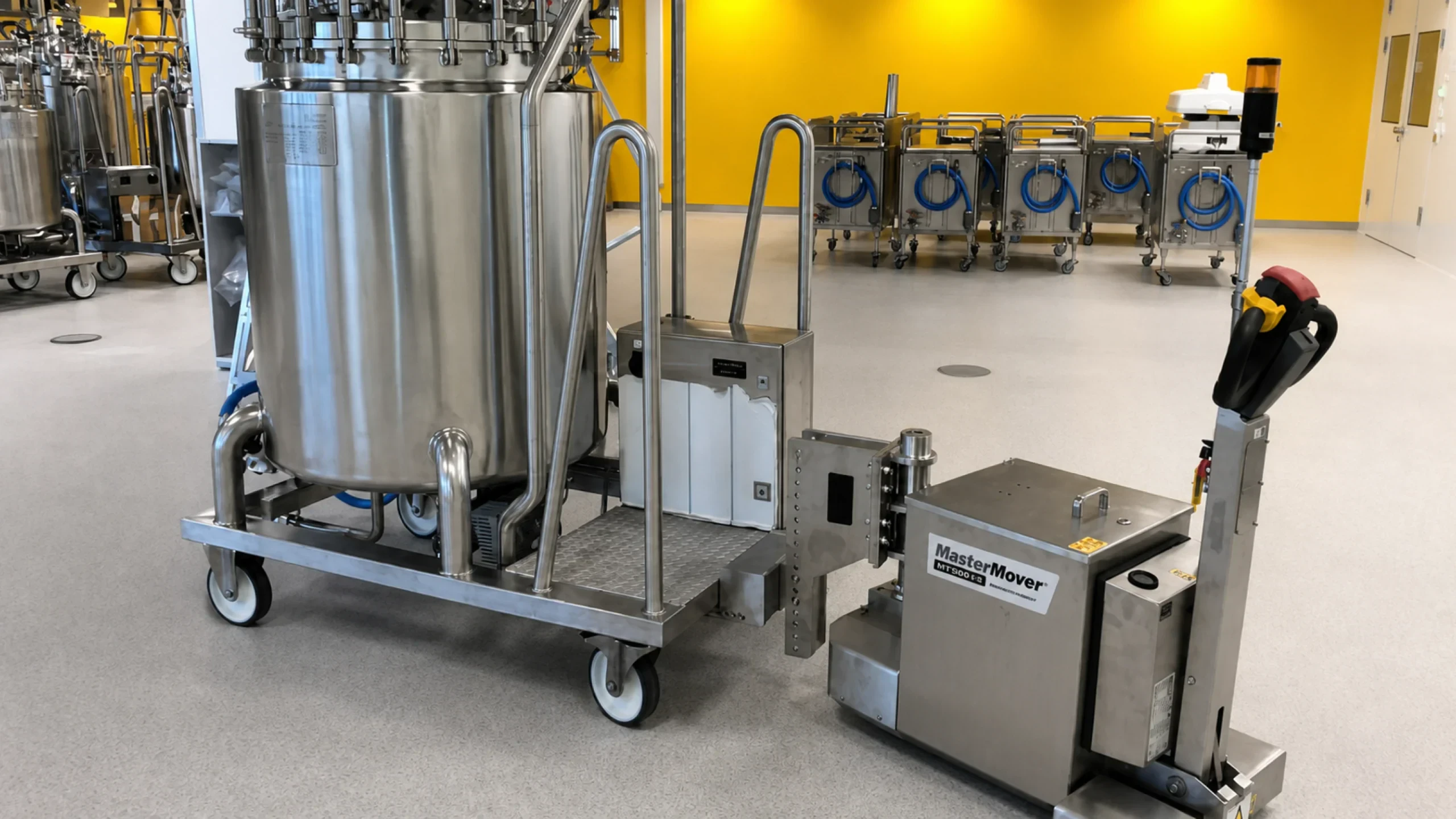
For areas where equipment enters the cleaning routine and has to remain suited to the working environment.
Stainless movers are not an aesthetic upgrade. They become relevant when the equipment enters hygienic, washdown, humid, chemical or material-sensitive areas.
When load, route and coupling are clear, selection becomes more precise and movement becomes easier to control.
Material and construction follow the area, cleaning routine and internal expectations.
Wheeled loads can move with control without adding hard-to-clean workarounds.
Cleaning, moisture, chemicals, drainage and internal checks shape the choice.
These criteria separate compact, heavy-duty, stainless, trailer and adapted configurations.
Food production, pharmaceutical manufacturing, laboratories, wet areas and controlled spaces change material expectations.
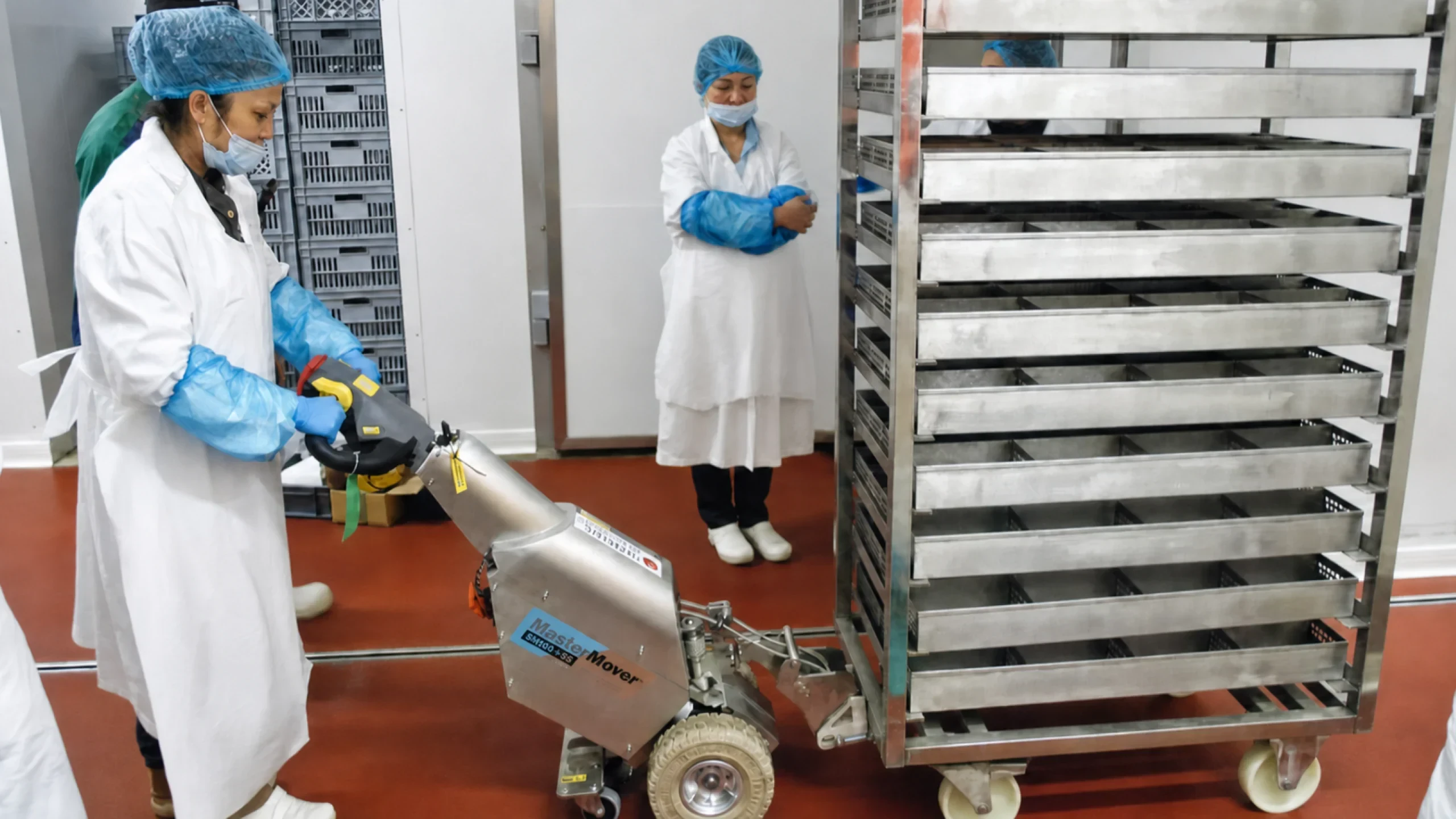
Washdown routine, chemistry and cleaning frequency influence material and construction.
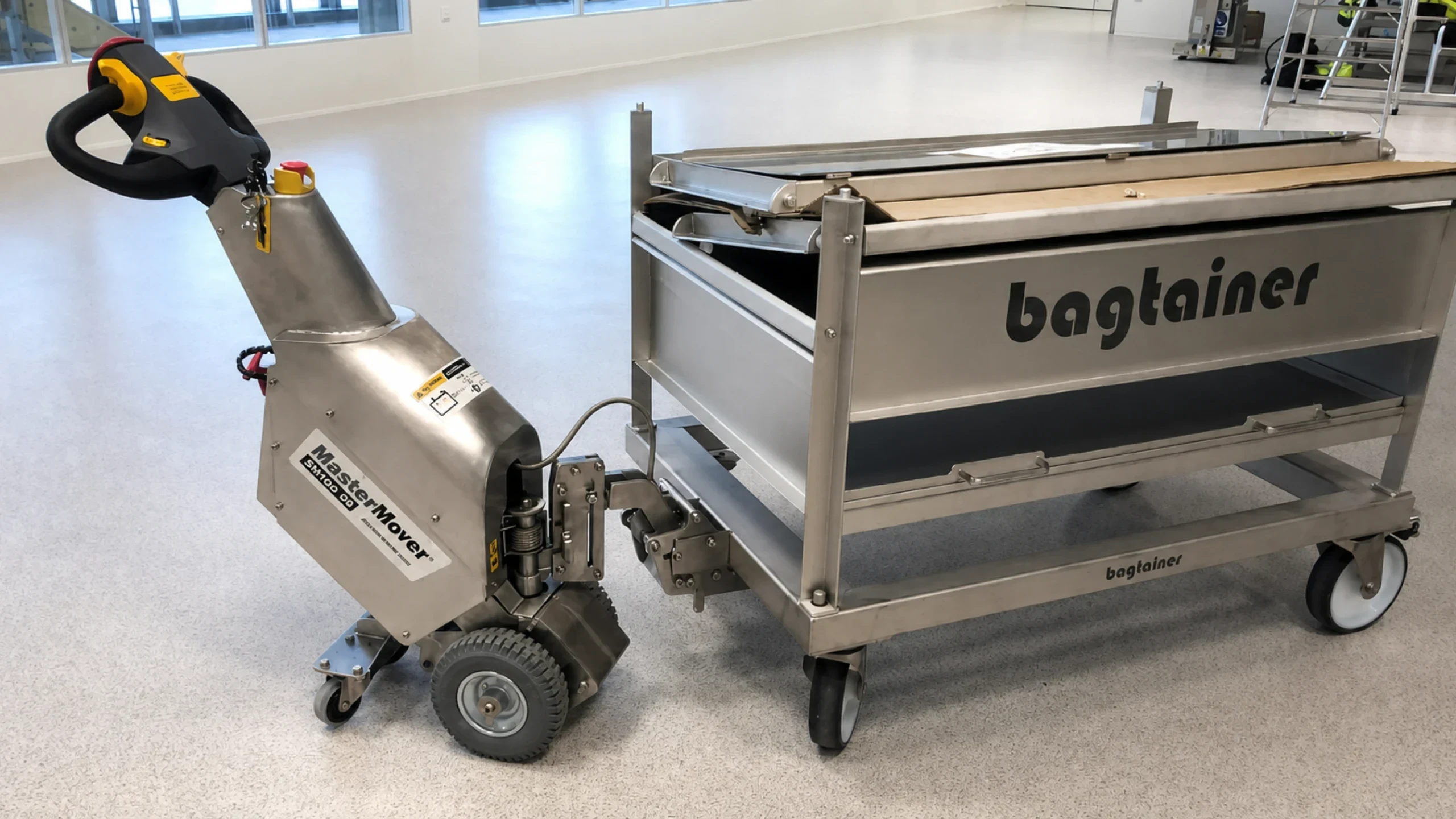
Even in stainless steel, the application is still a movement task: load, wheels, slope and coupling matter.



Images help read details that a capacity table cannot show: manoeuvring space, operator position, coupling, wheels and the actual route.
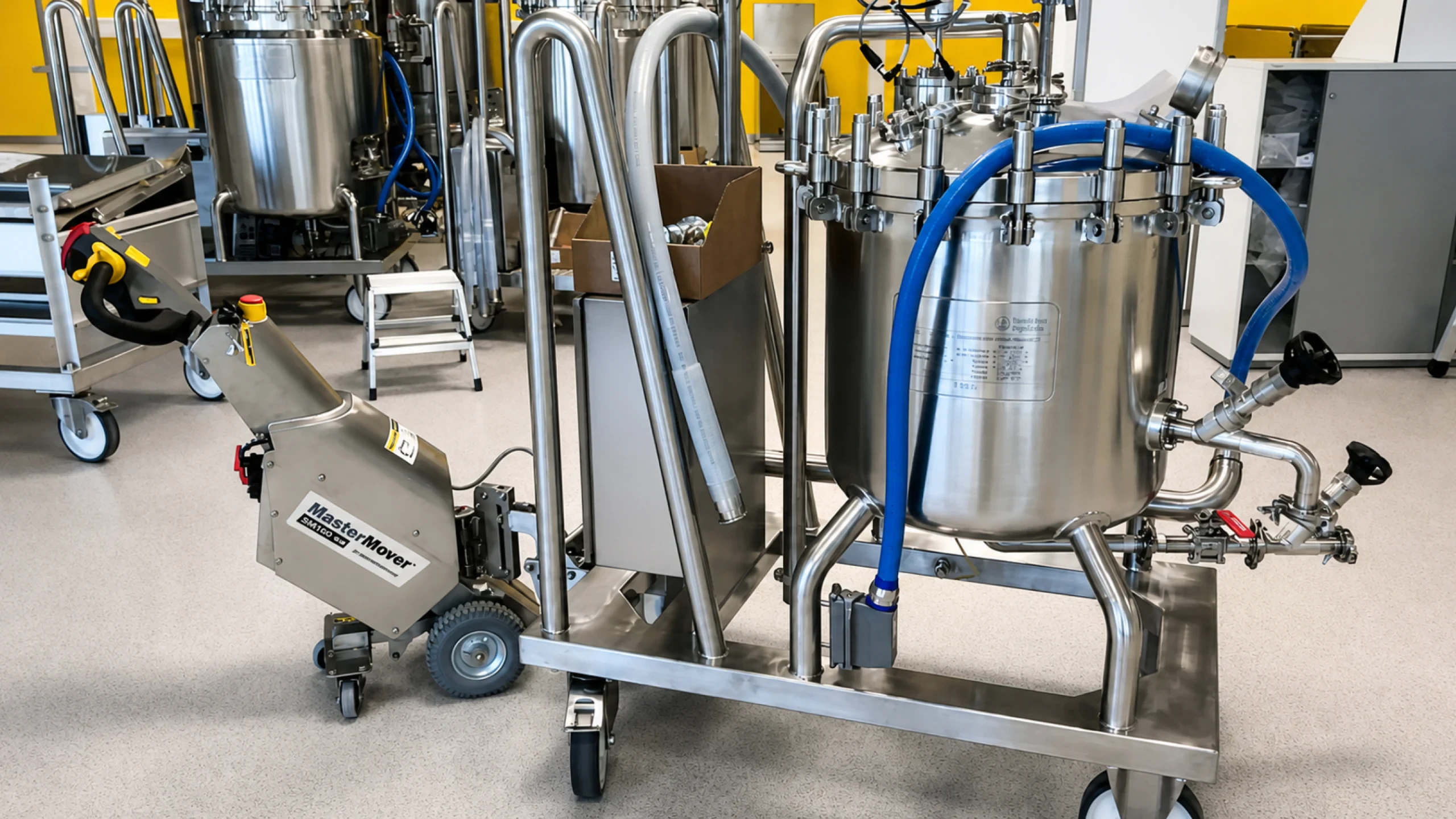
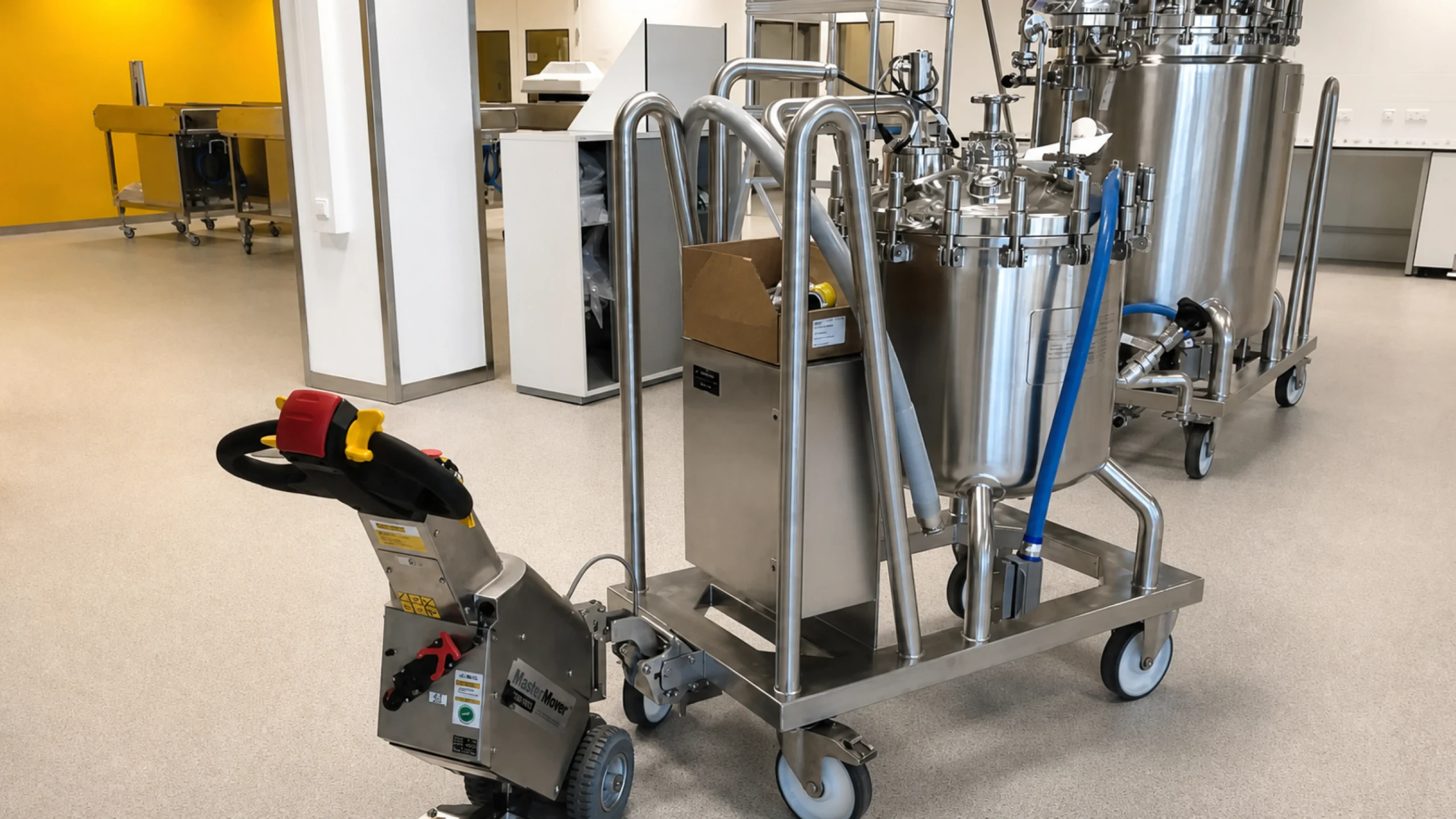
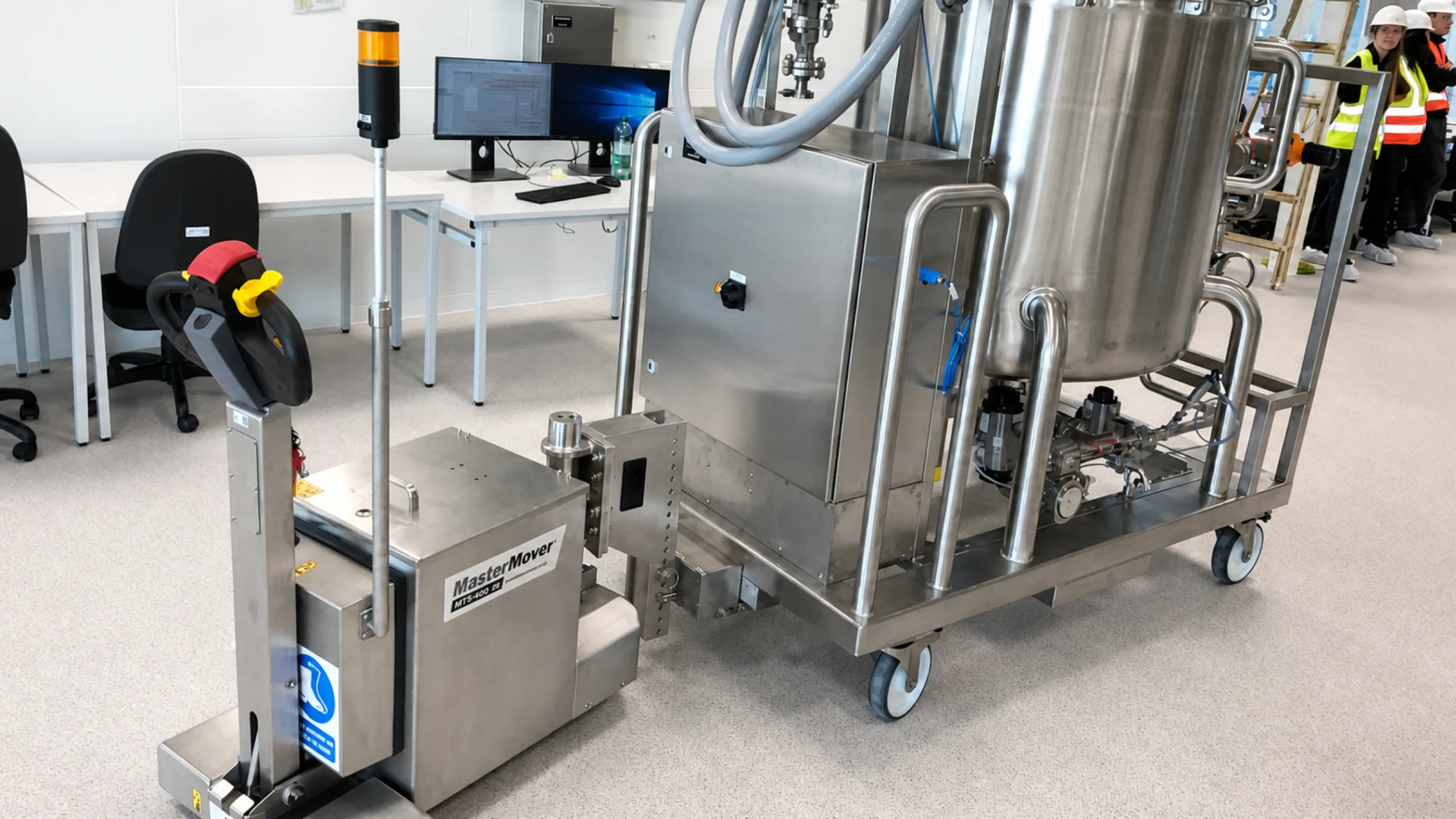
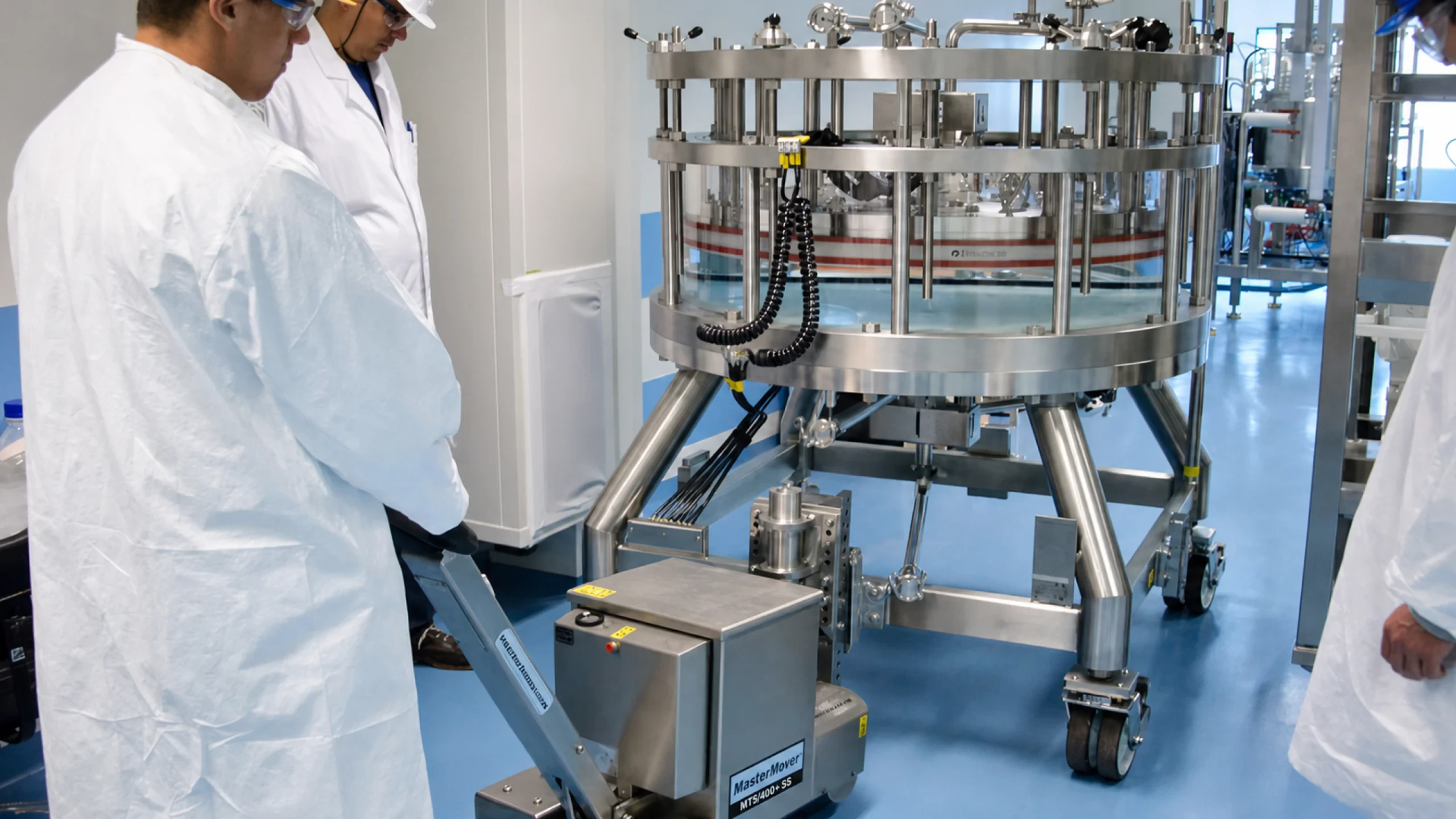
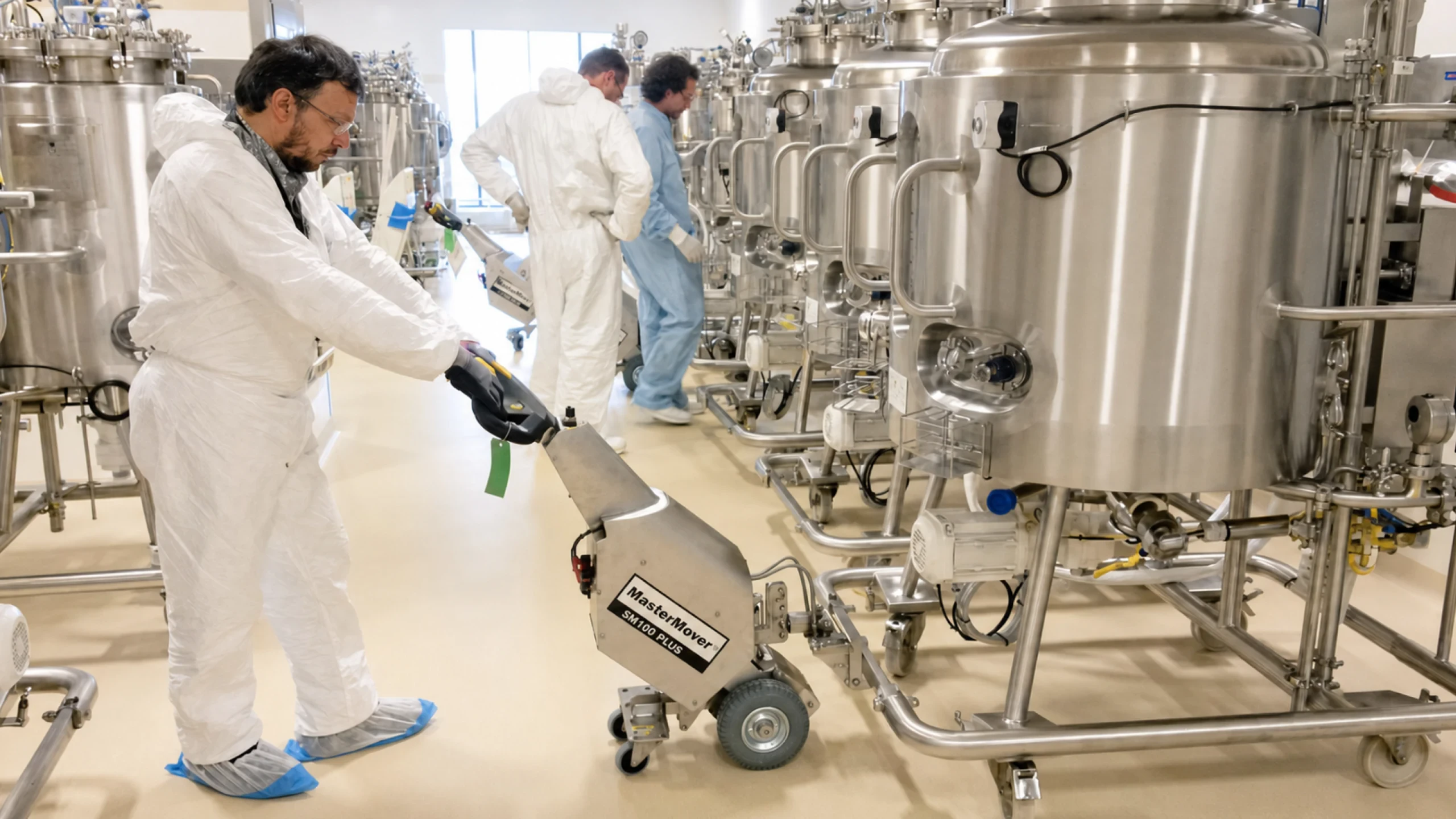
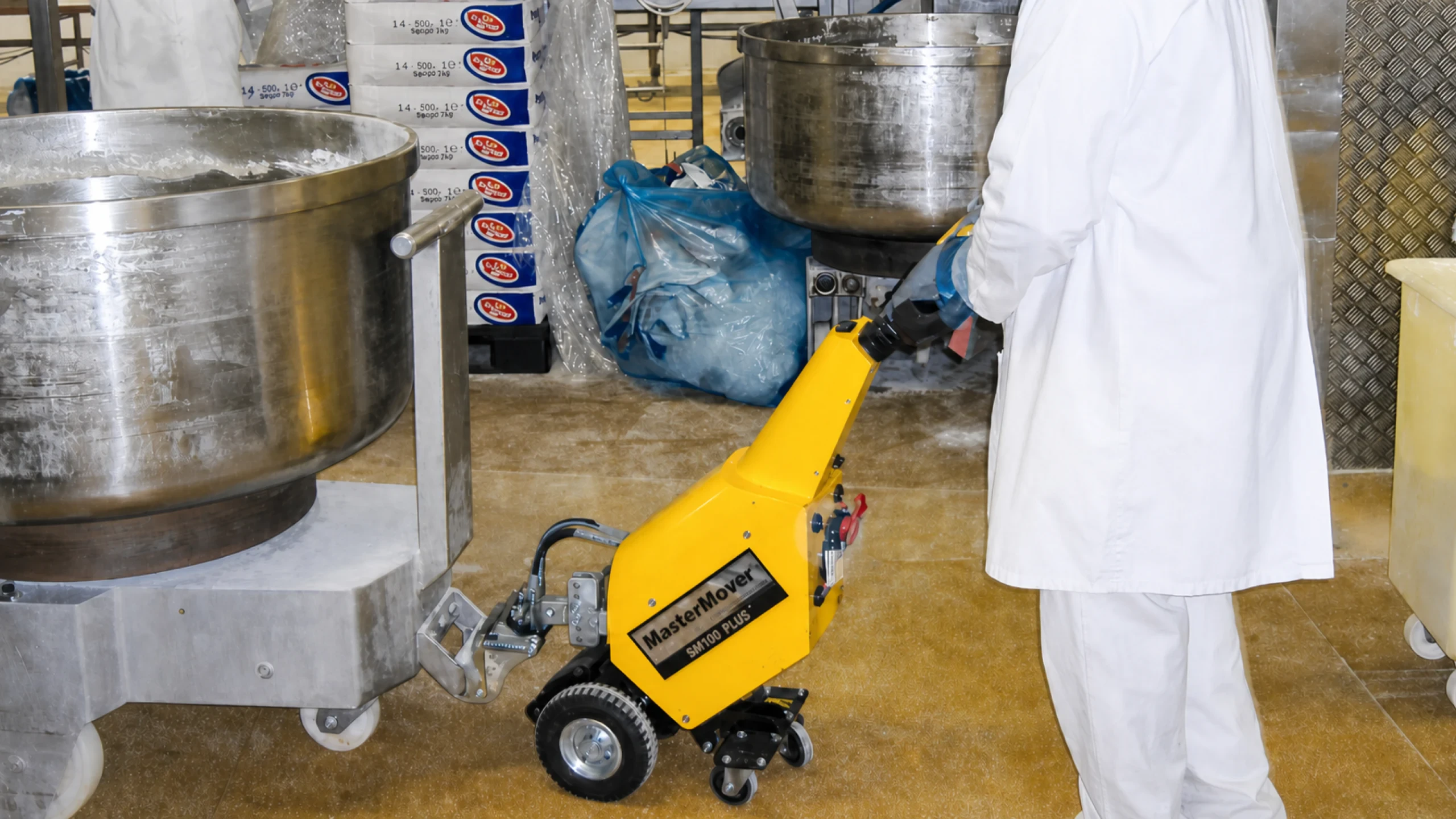
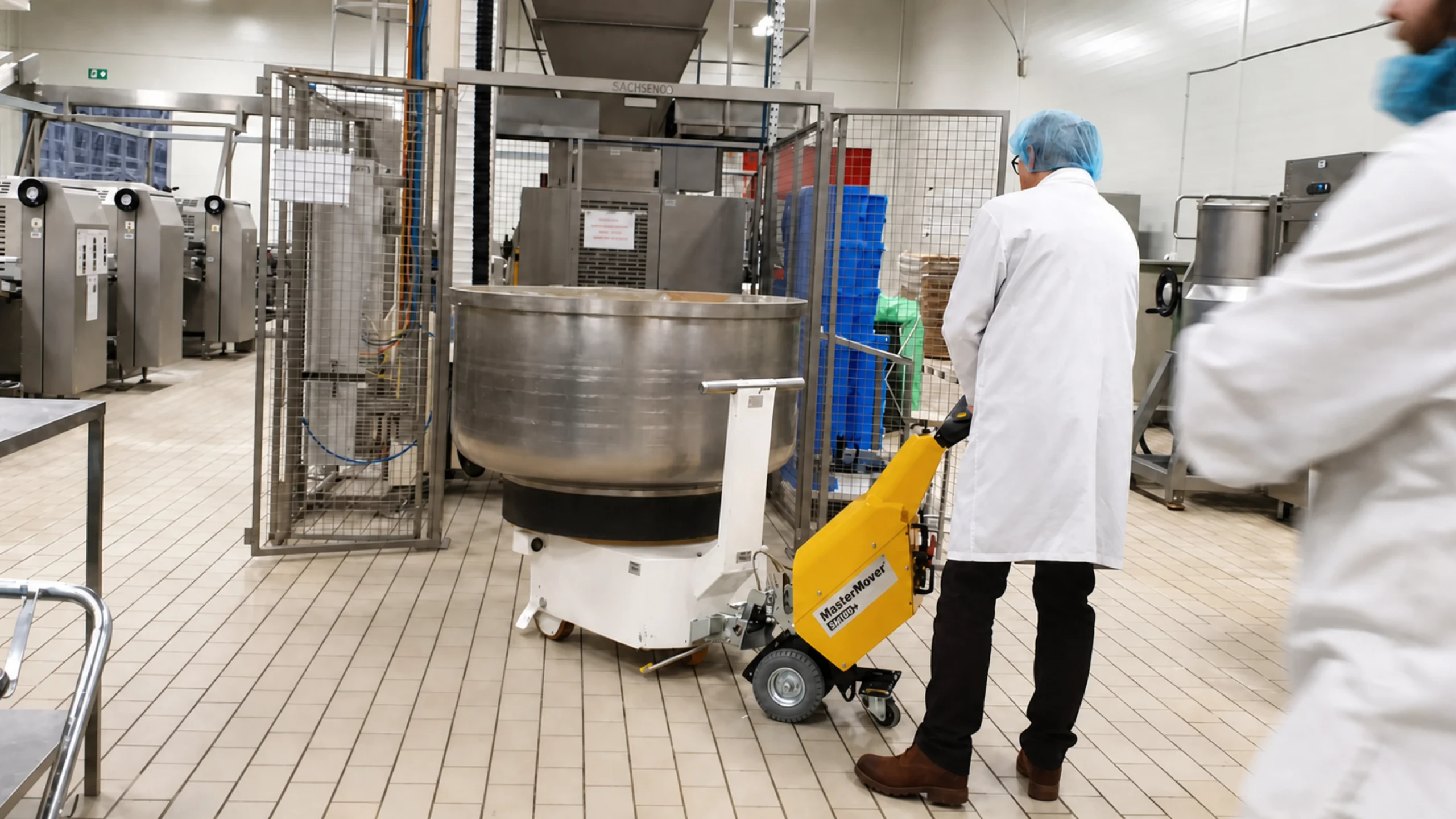
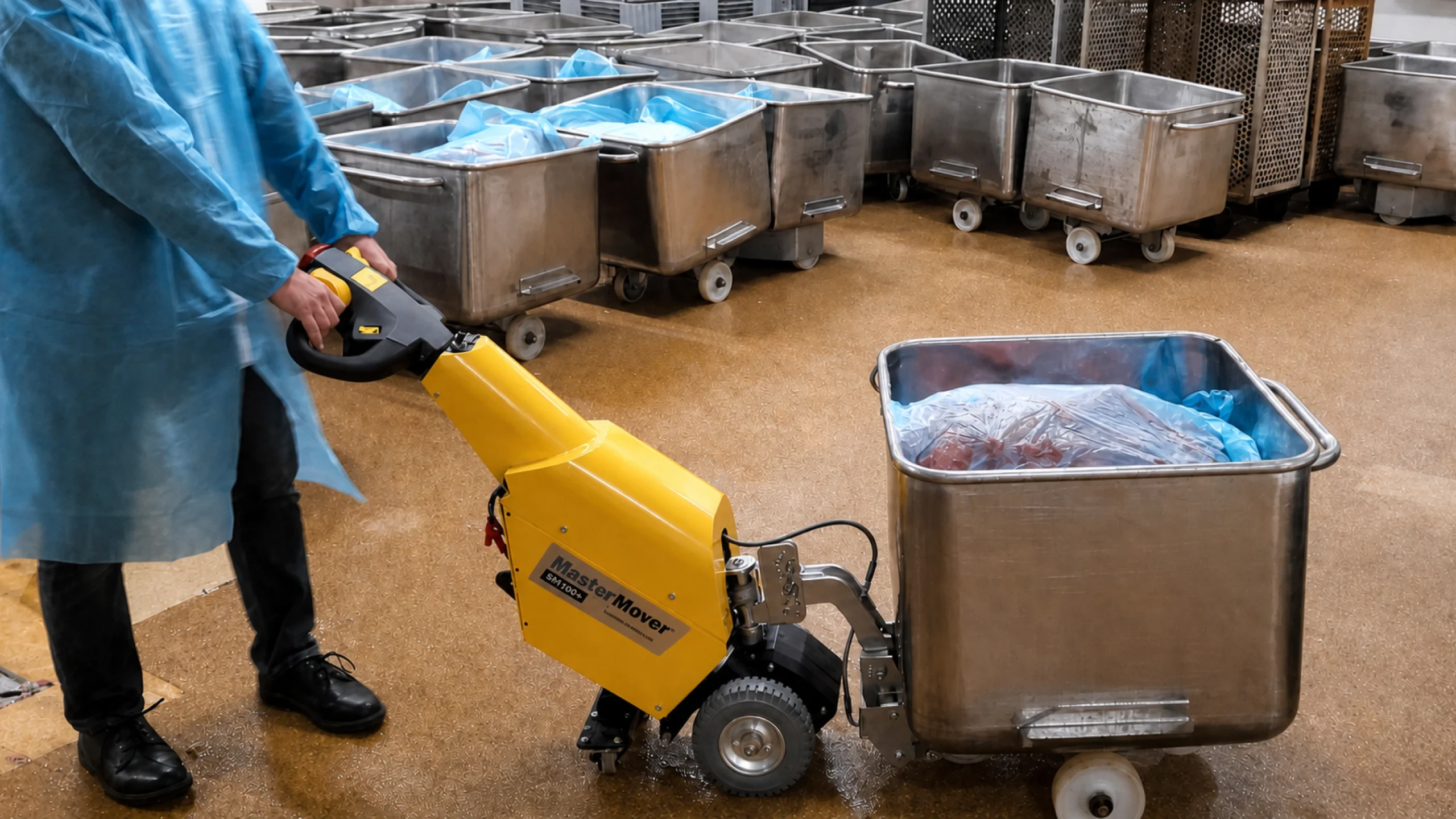
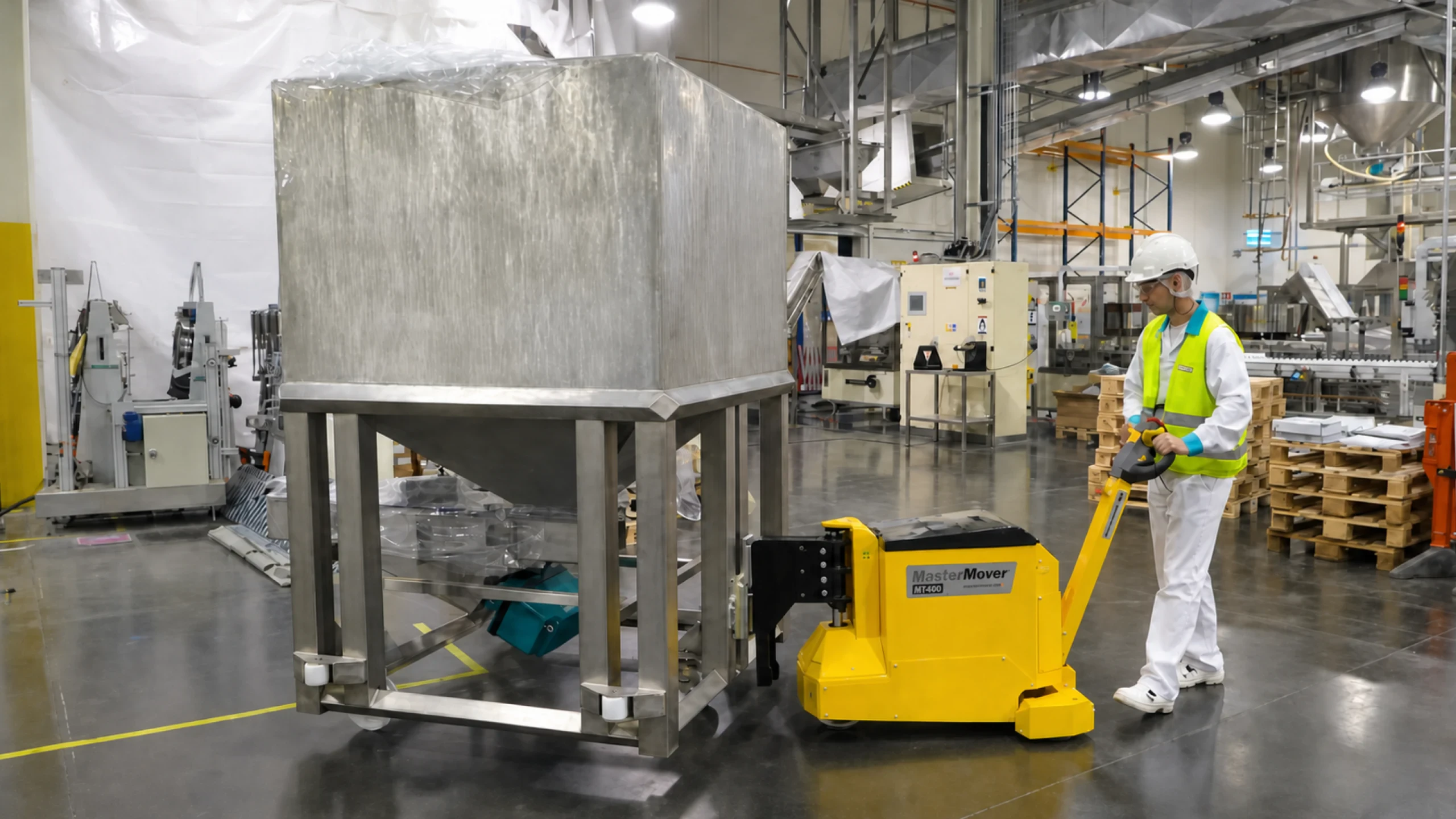
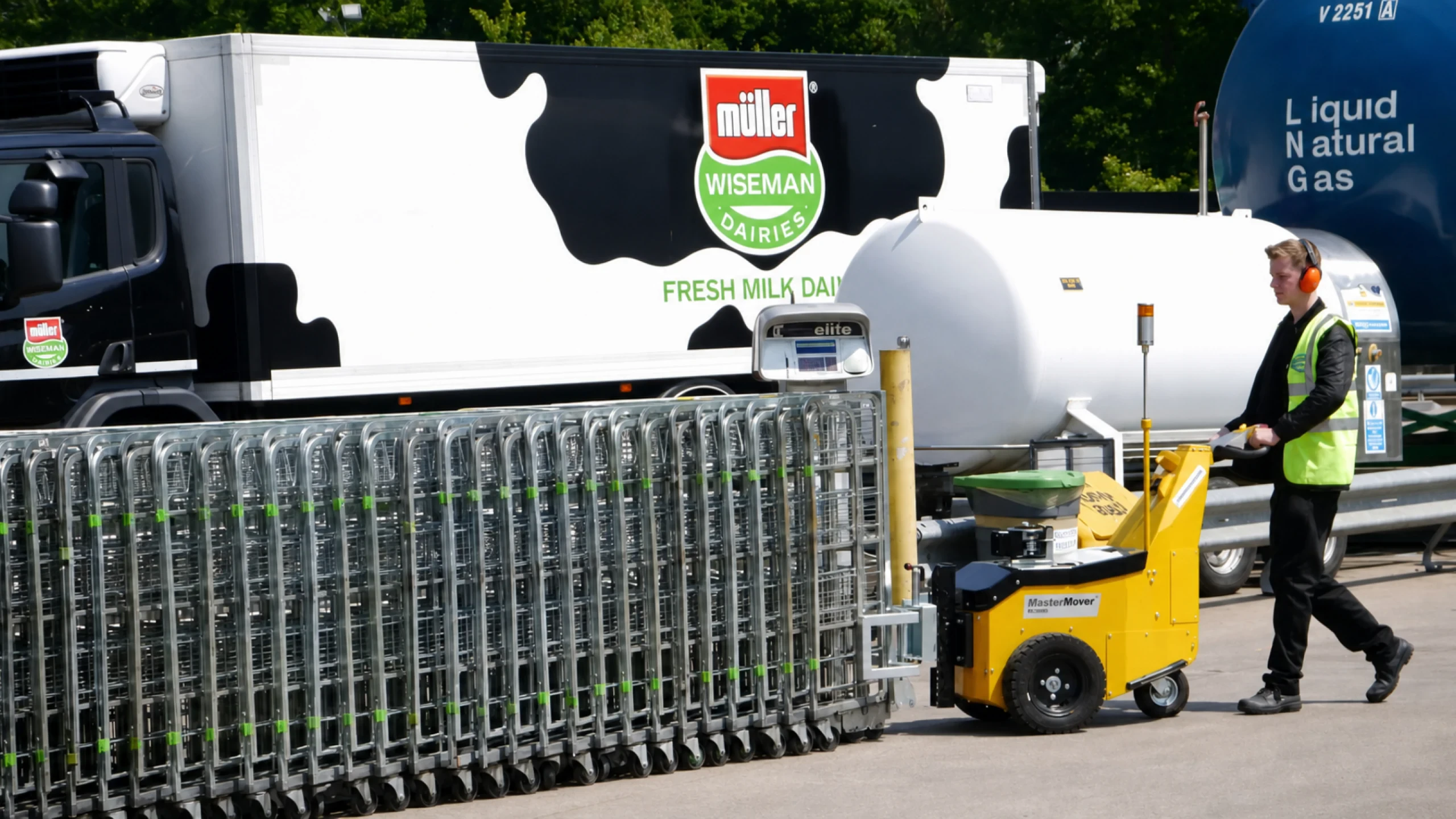
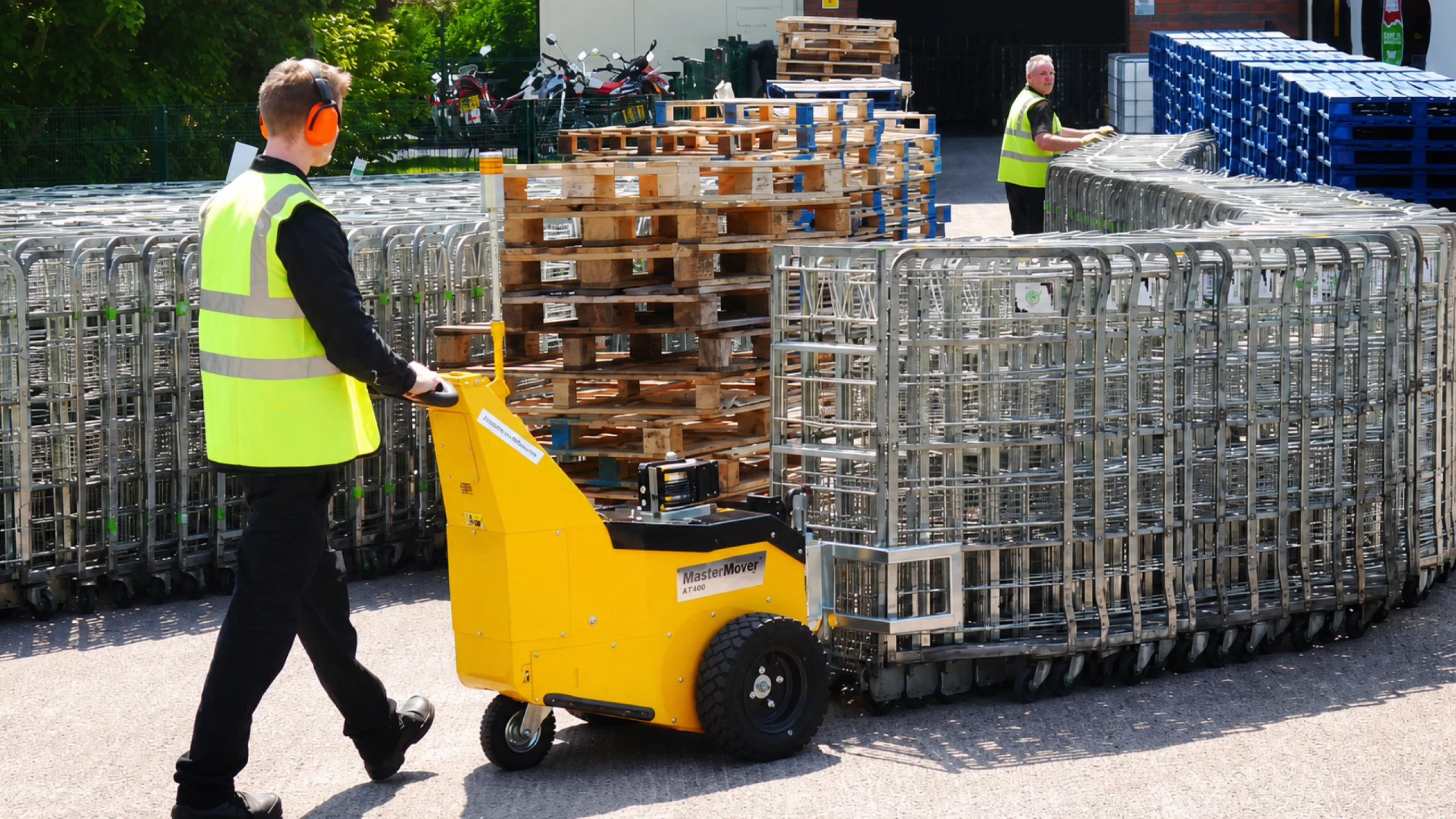
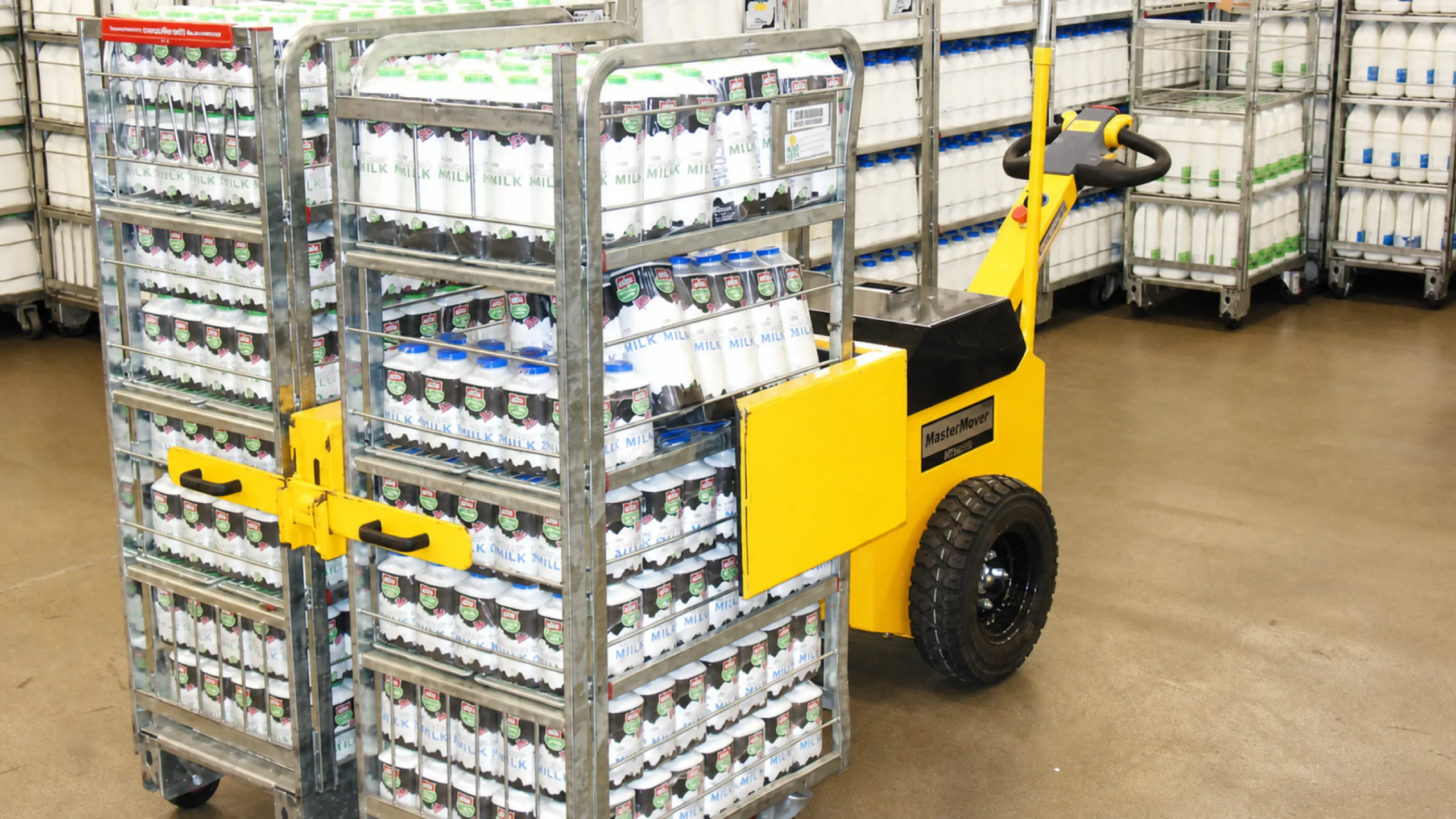
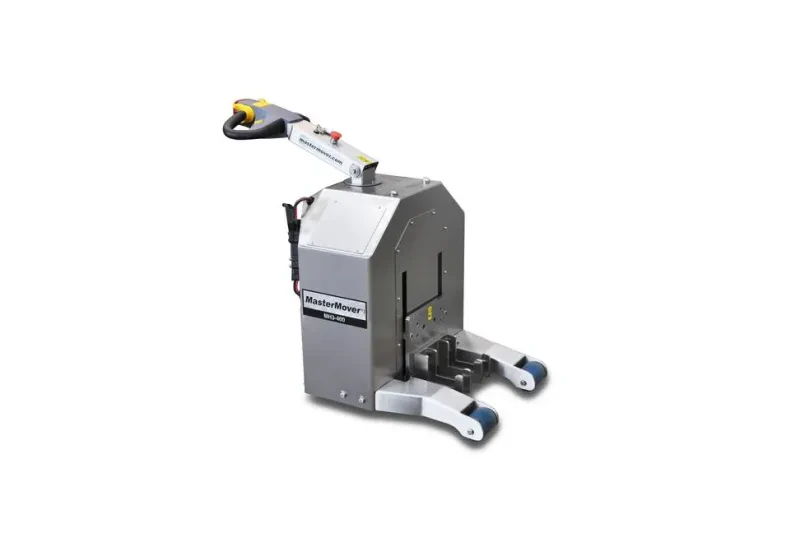
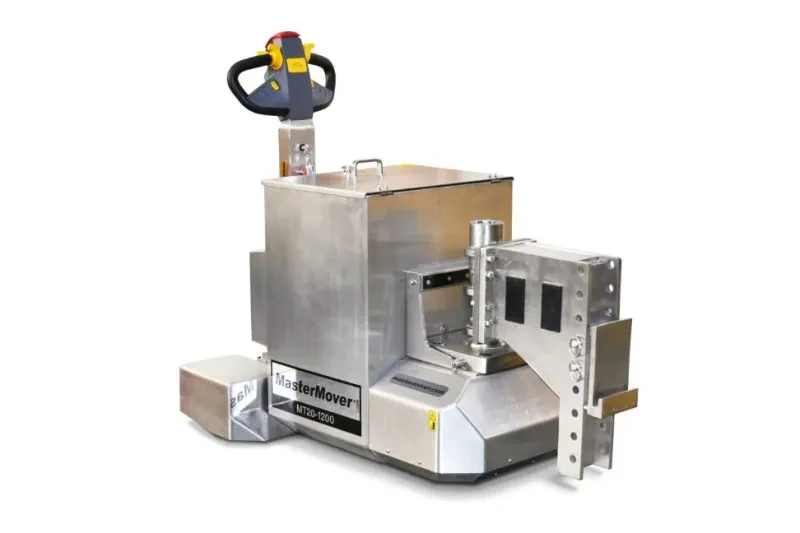
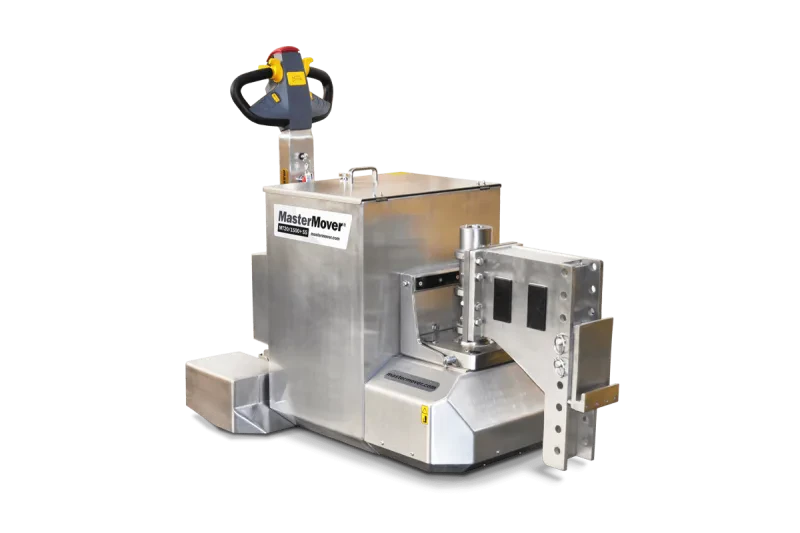
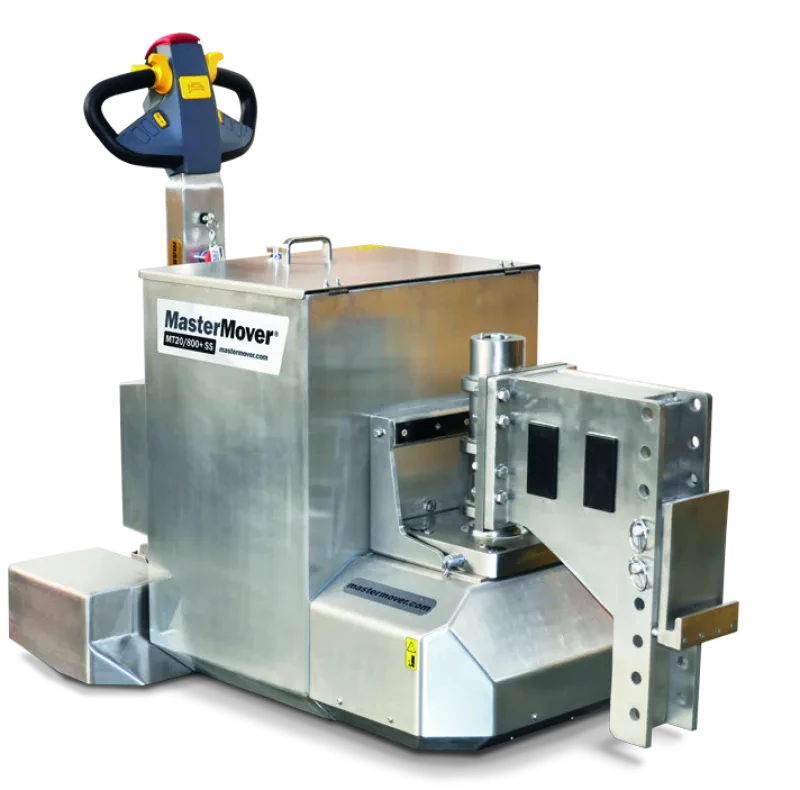
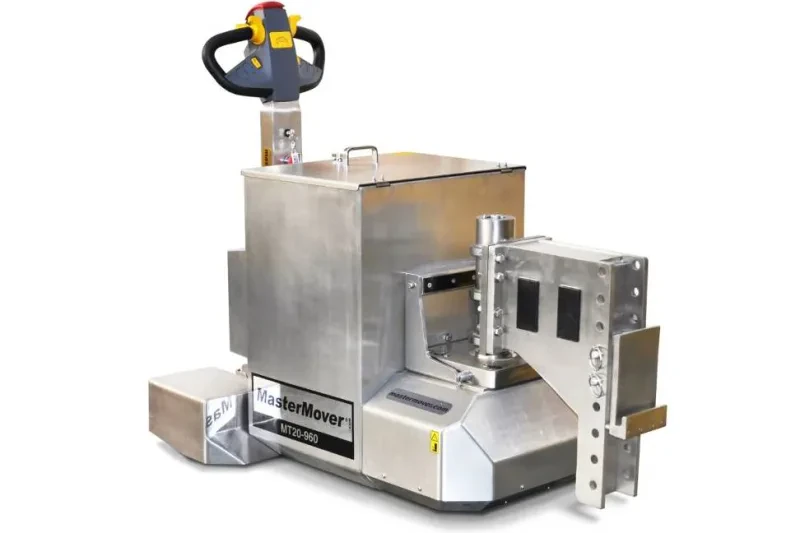
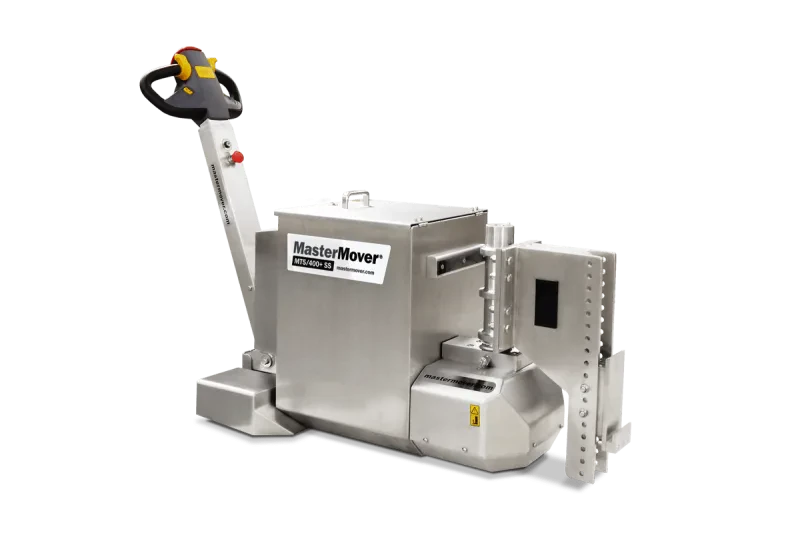
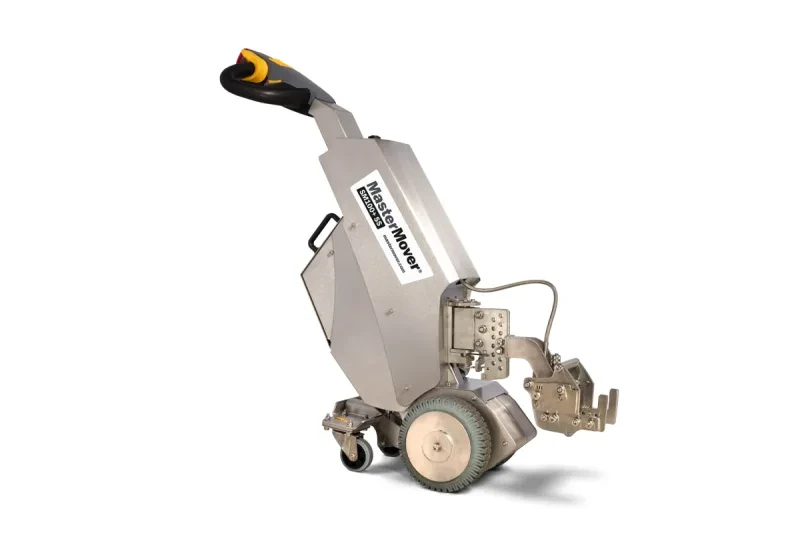
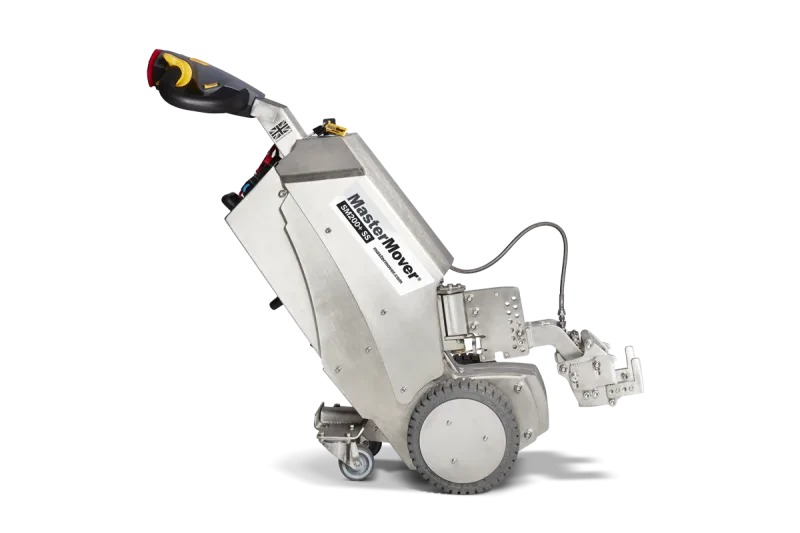
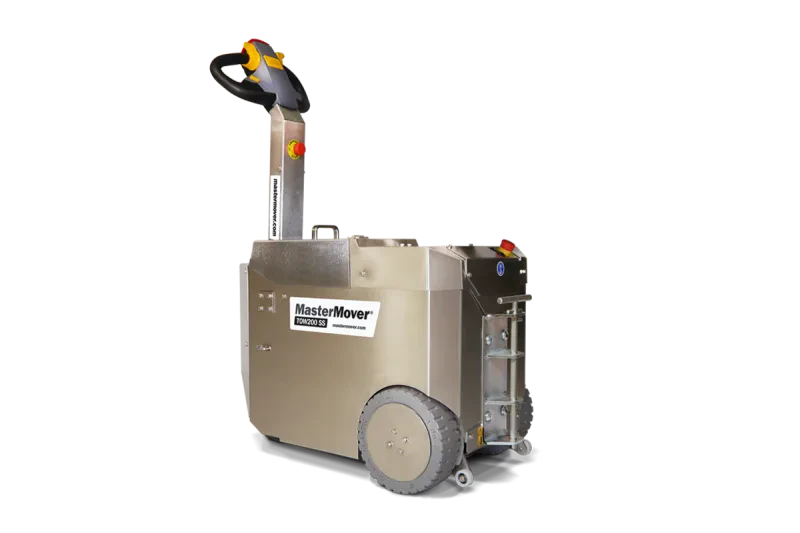
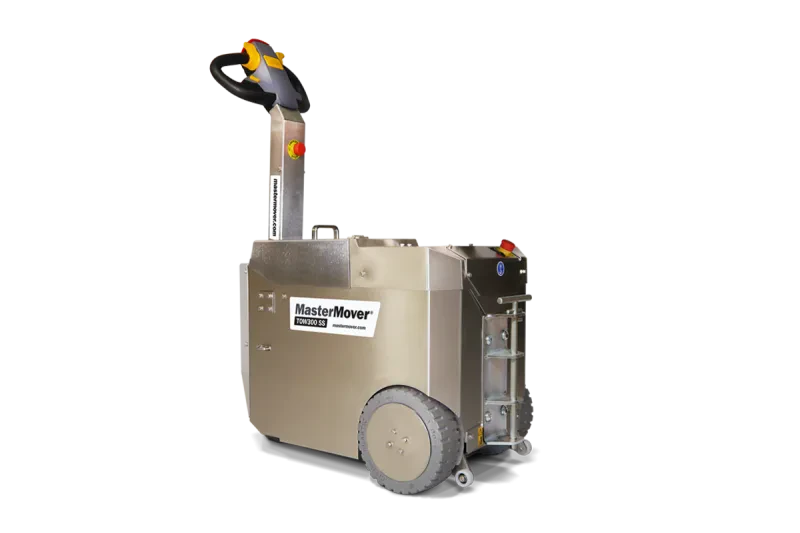
Do you move loads inside a hygiene-sensitive area?

Stainless steel makes sense when the mover enters areas where hygiene, washdown, humidity, corrosion or accepted materials matter directly.
Not every food-production or pharmaceutical route needs stainless steel. If the equipment stays in dry logistics, a standard model may fit. The decision belongs to the real area, cleaning routine and internal requirements.
Selection becomes more precise when it starts from the real application, not only from nominal capacity.
The most useful inputs are:
A short video often clarifies how the load starts, turns, resists movement and what the operator does to control it.
The coupling decides how force transfers between the mover and the load. A poor connection can make the load hard to start, loose in turns or difficult to stop.
A good coupling should be secure, realistic for the operator and matched to the load geometry. Some applications fit a standard coupling; others need an adaptor, hydraulic clamp or cart modification.
The actual routine defines what must be checked: wet washdown or wiping, chemicals and concentration, frequency, water-retention points and drying method.
The stainless construction and equipment protection level must be confirmed for the real environment, as part of the operator hygiene procedure and internal validation.
Food, pharmaceutical and controlled areas may restrict materials, finishes, lubricants or exposed components. Movement between zones with different routines also changes the requirement.
The site material policy, corrosion exposure and product documentation should be compared before choosing.