
Loading bay safety and protection
Workplace Safety

Loading bay safety and protection

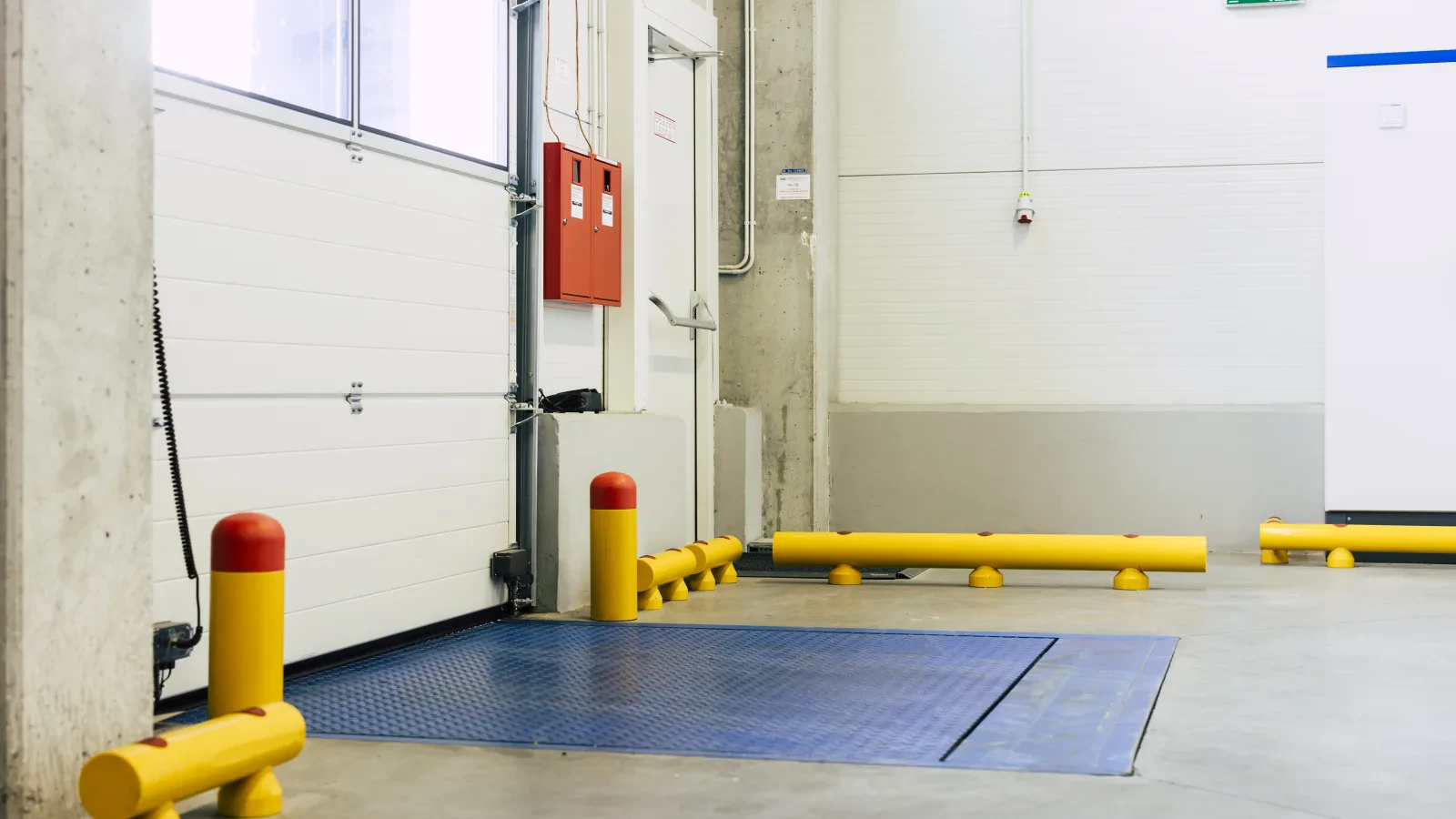
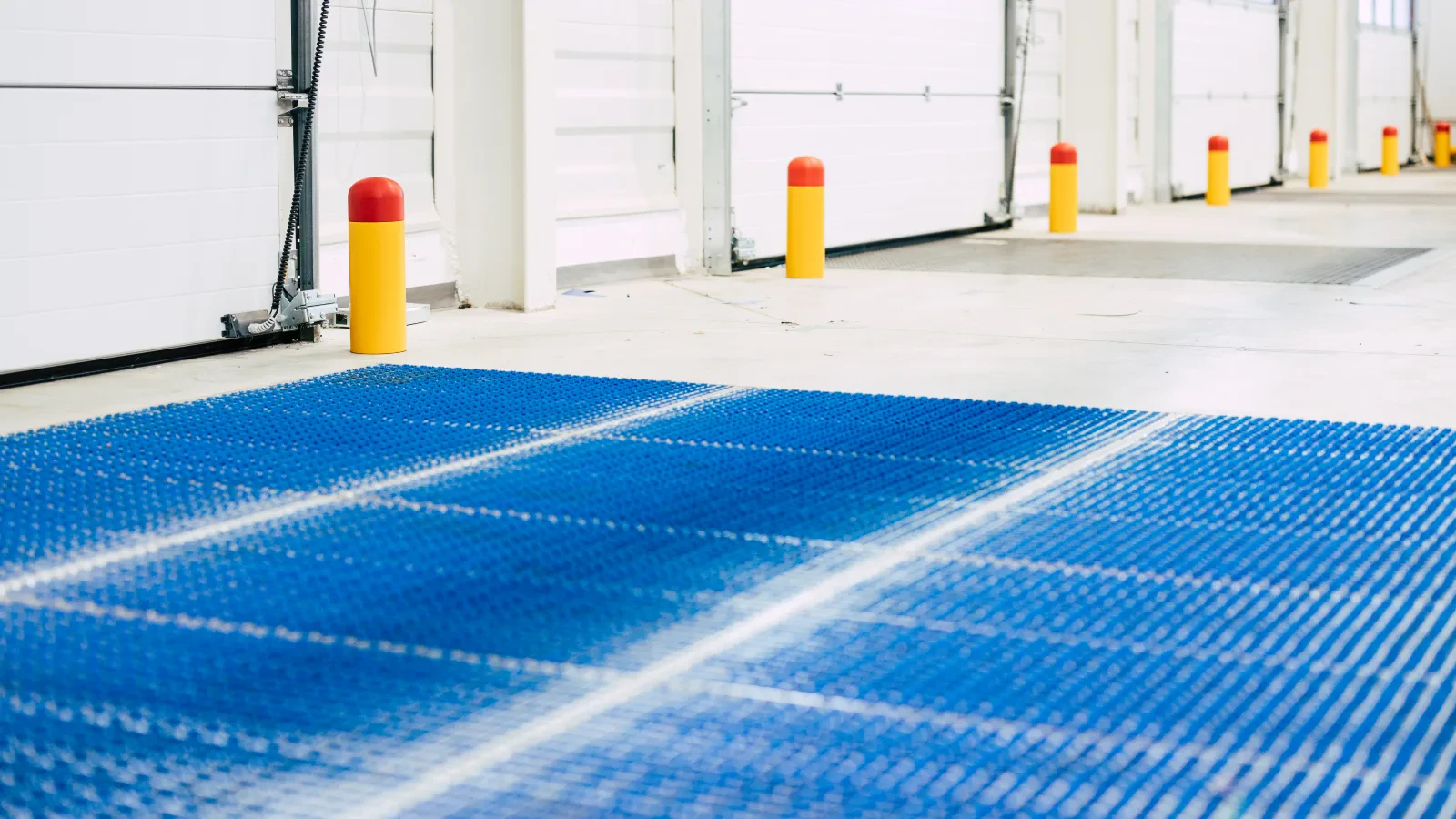
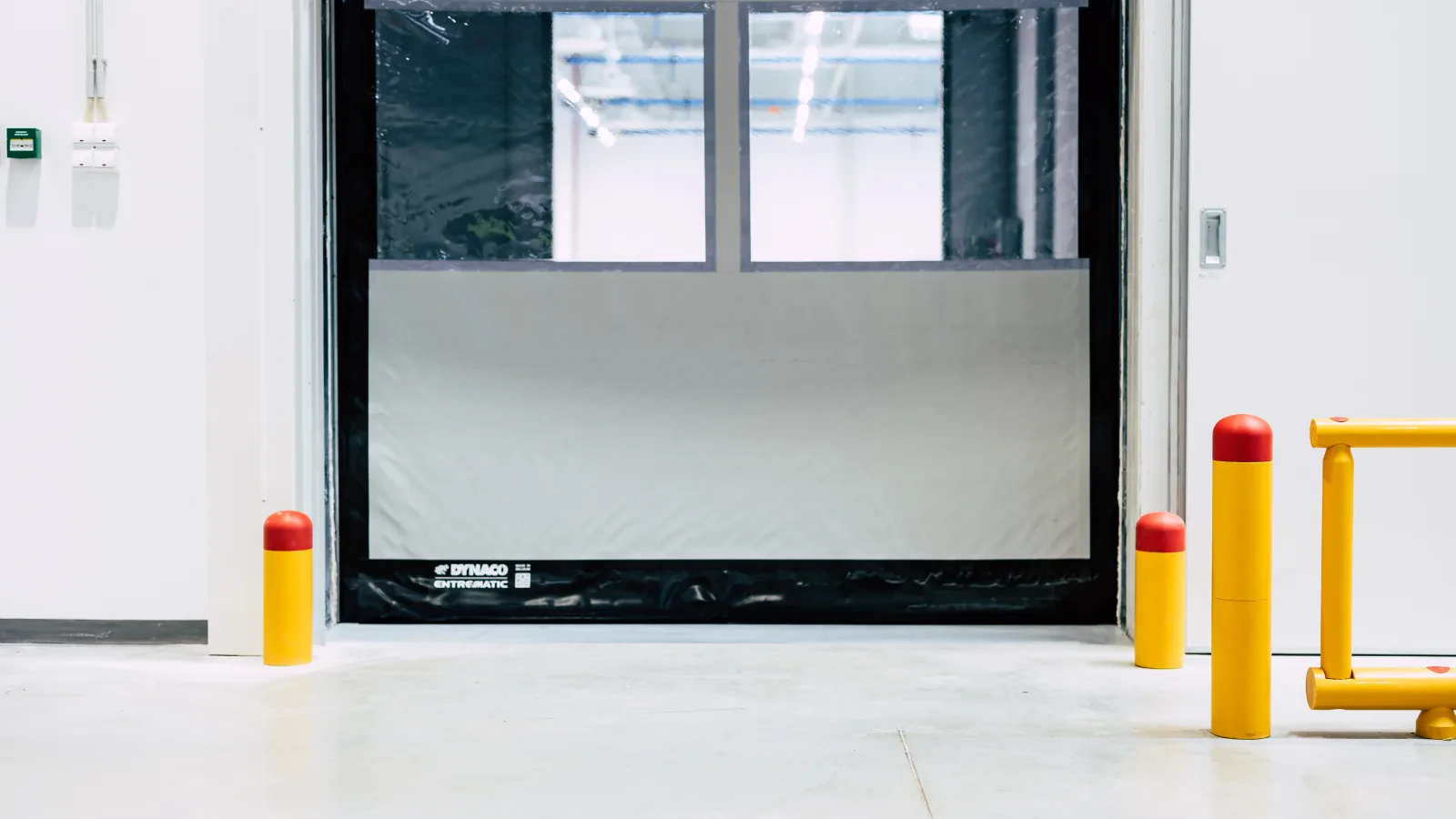
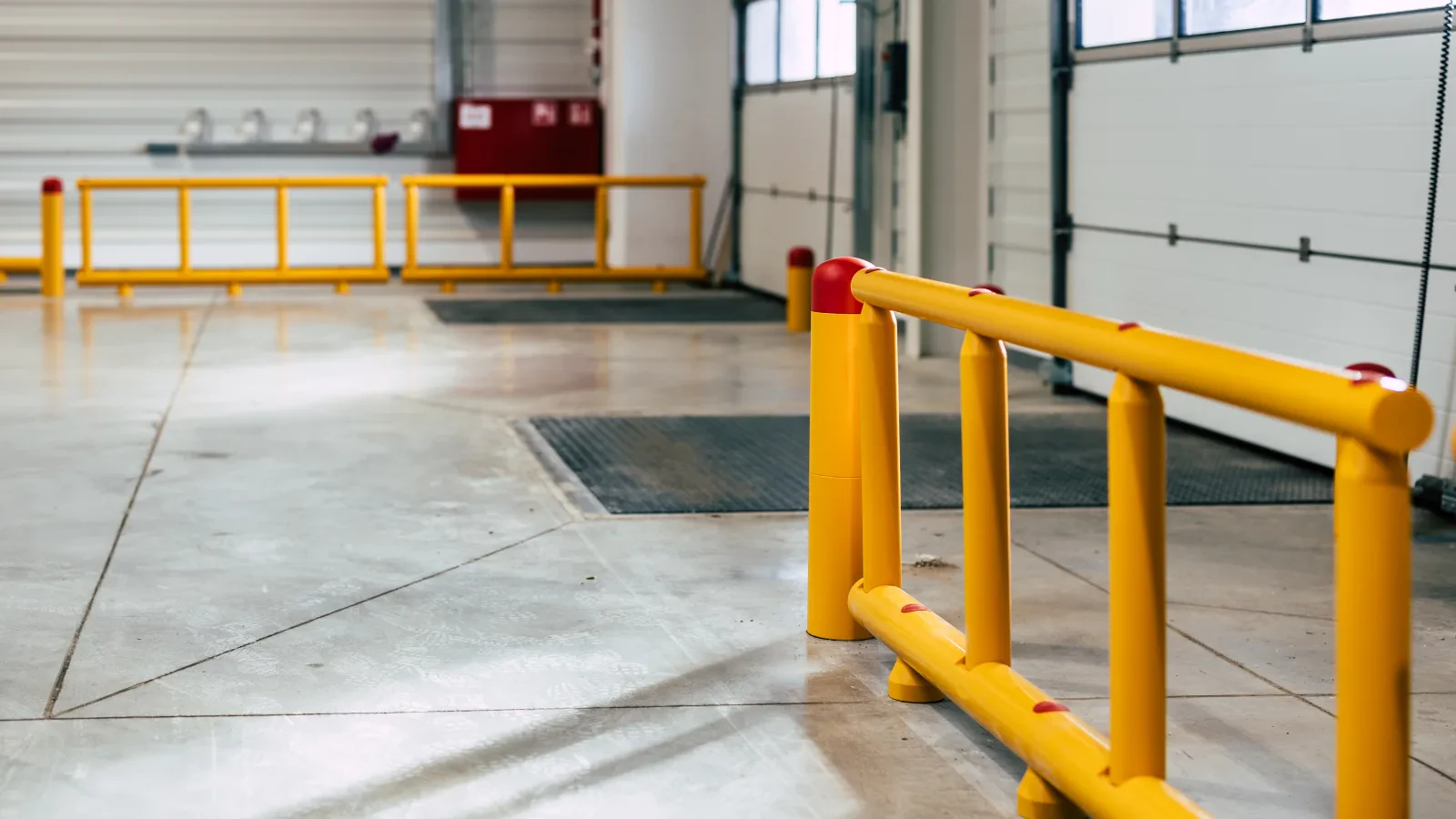
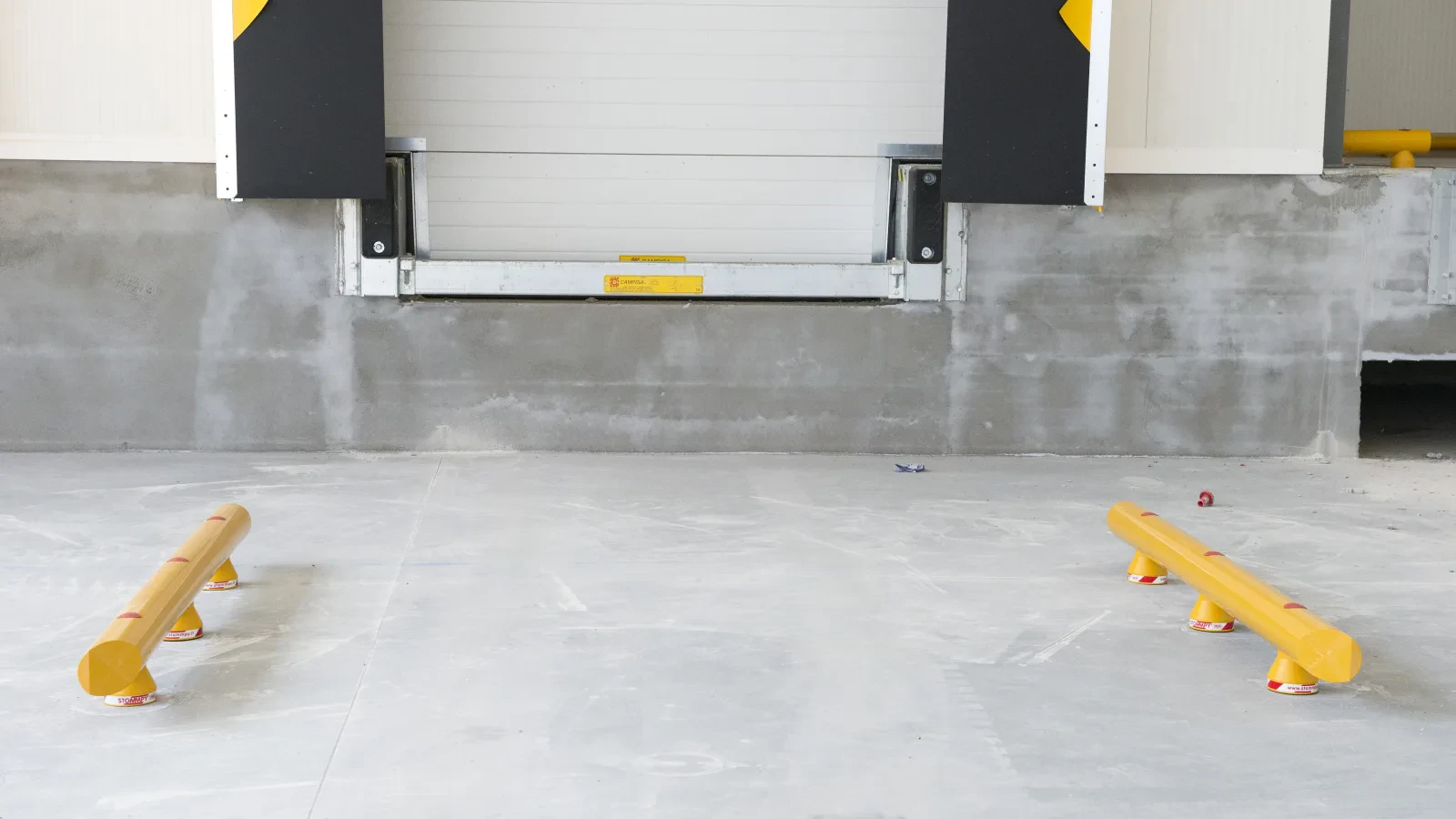
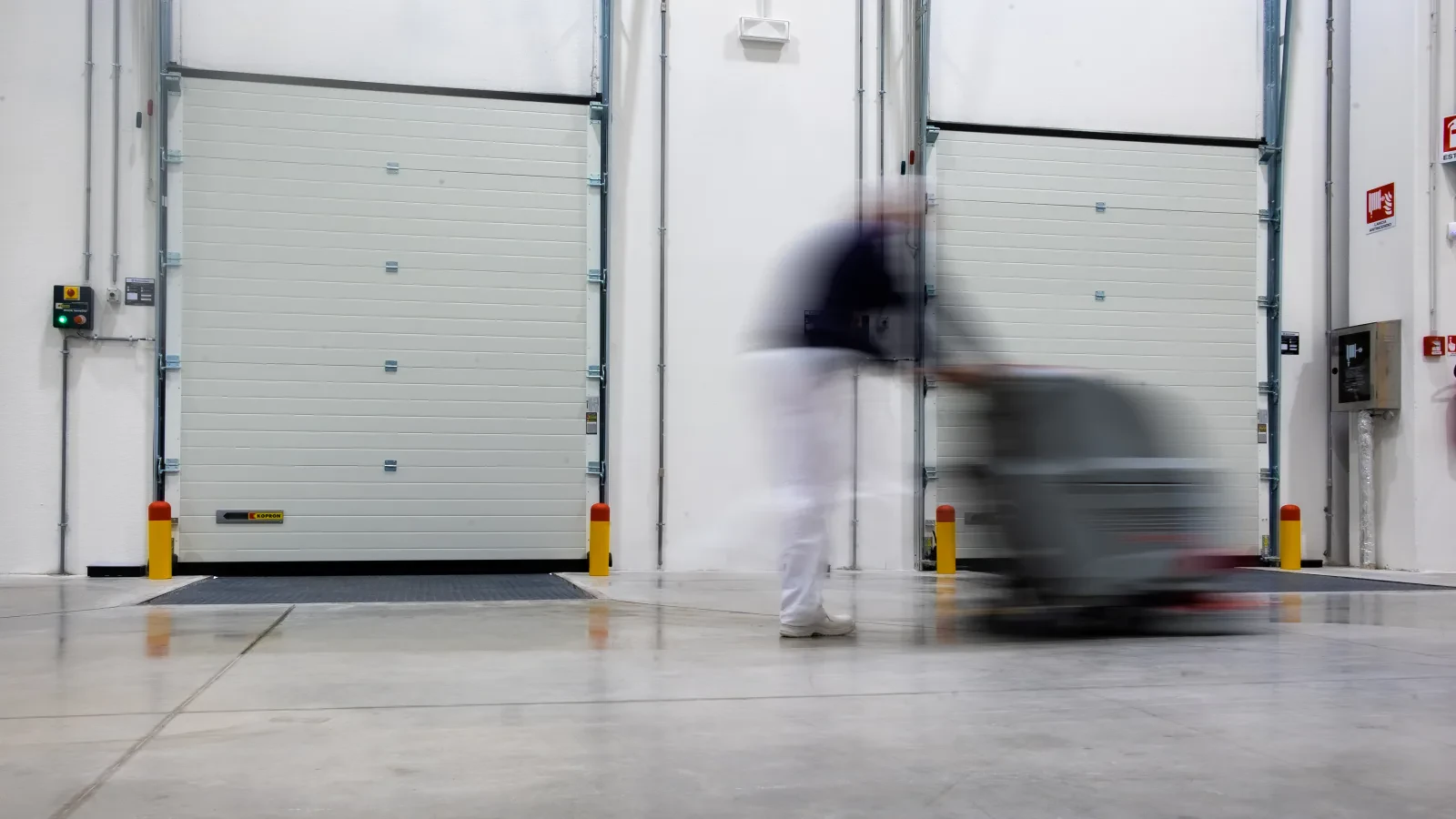
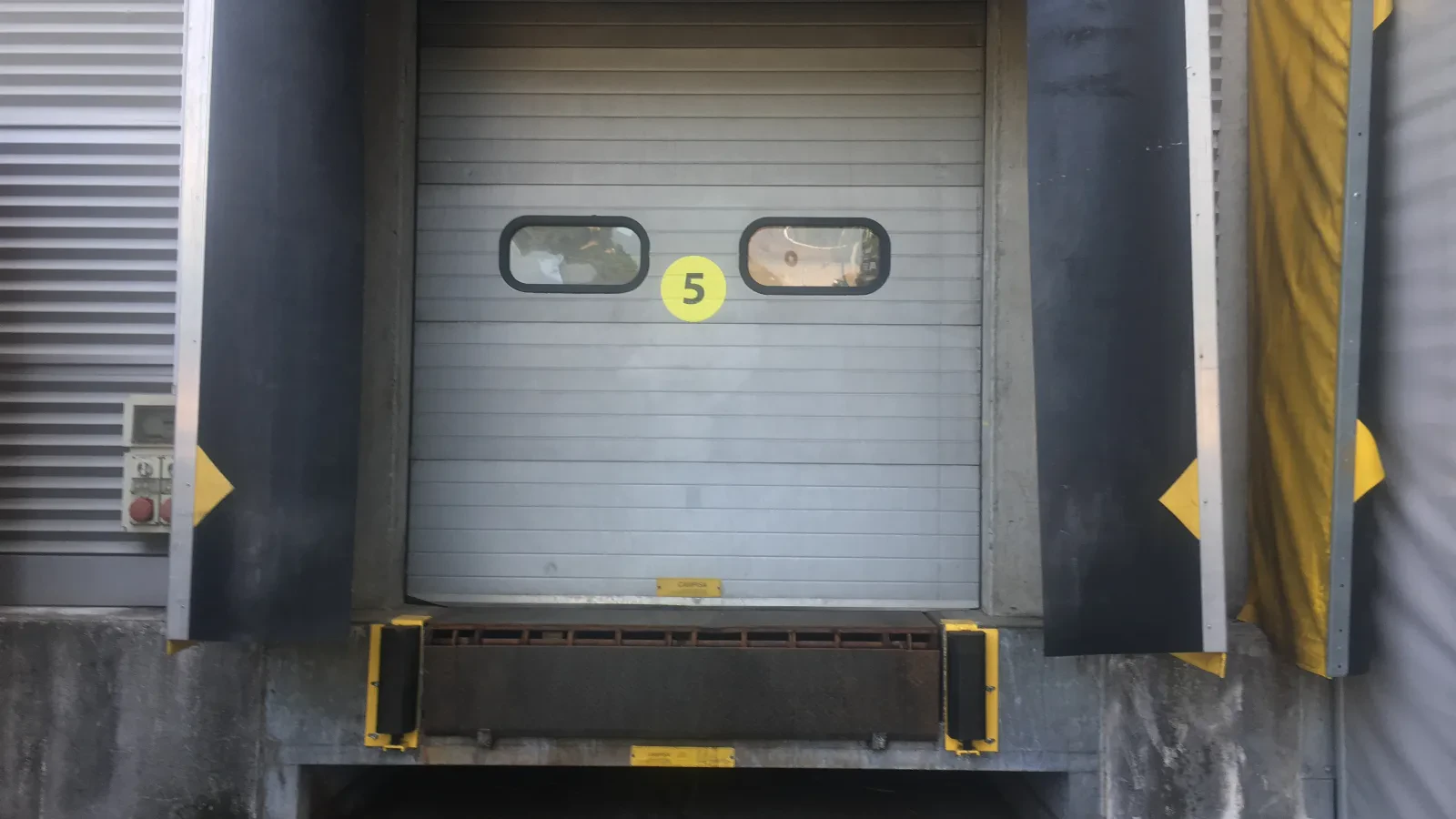
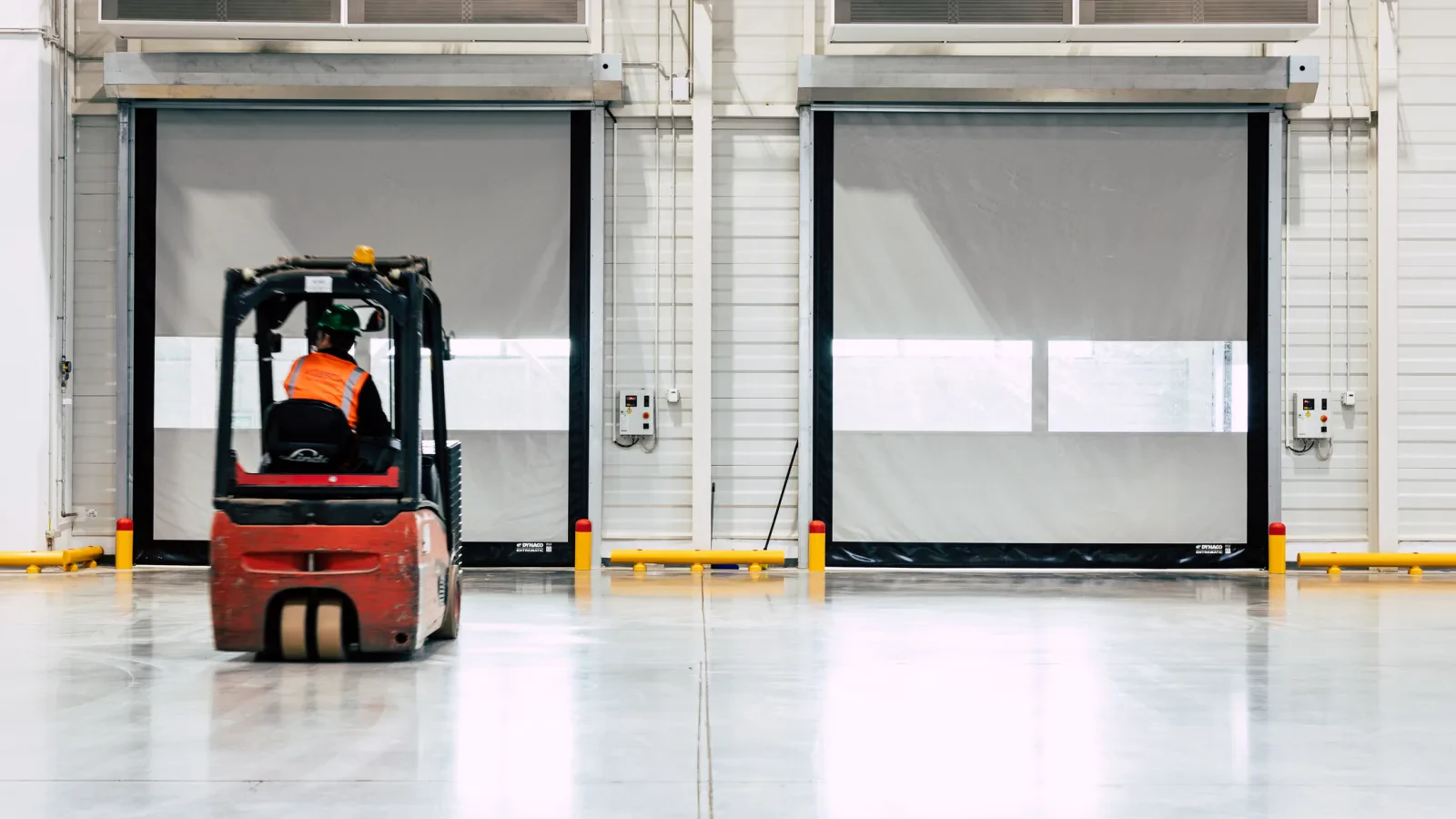
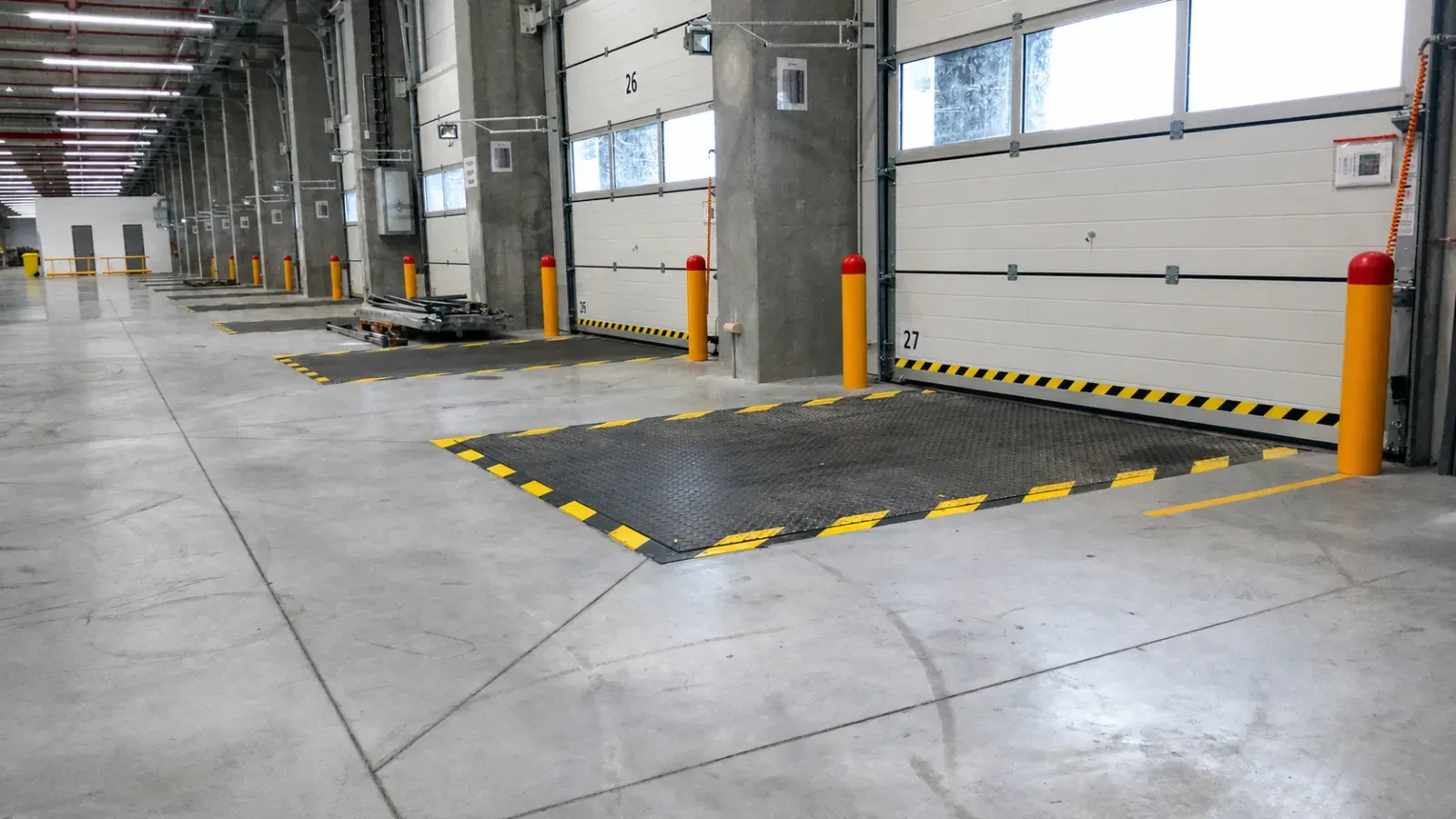
At the loading bay, trucks, forklifts, pedestrians, industrial doors, open edges and time pressure meet in a small area. Movement needs separation, while exposed points need protection and warning suited to the actual situation.

View loading-bay products

Where movements overlap at the loading bay

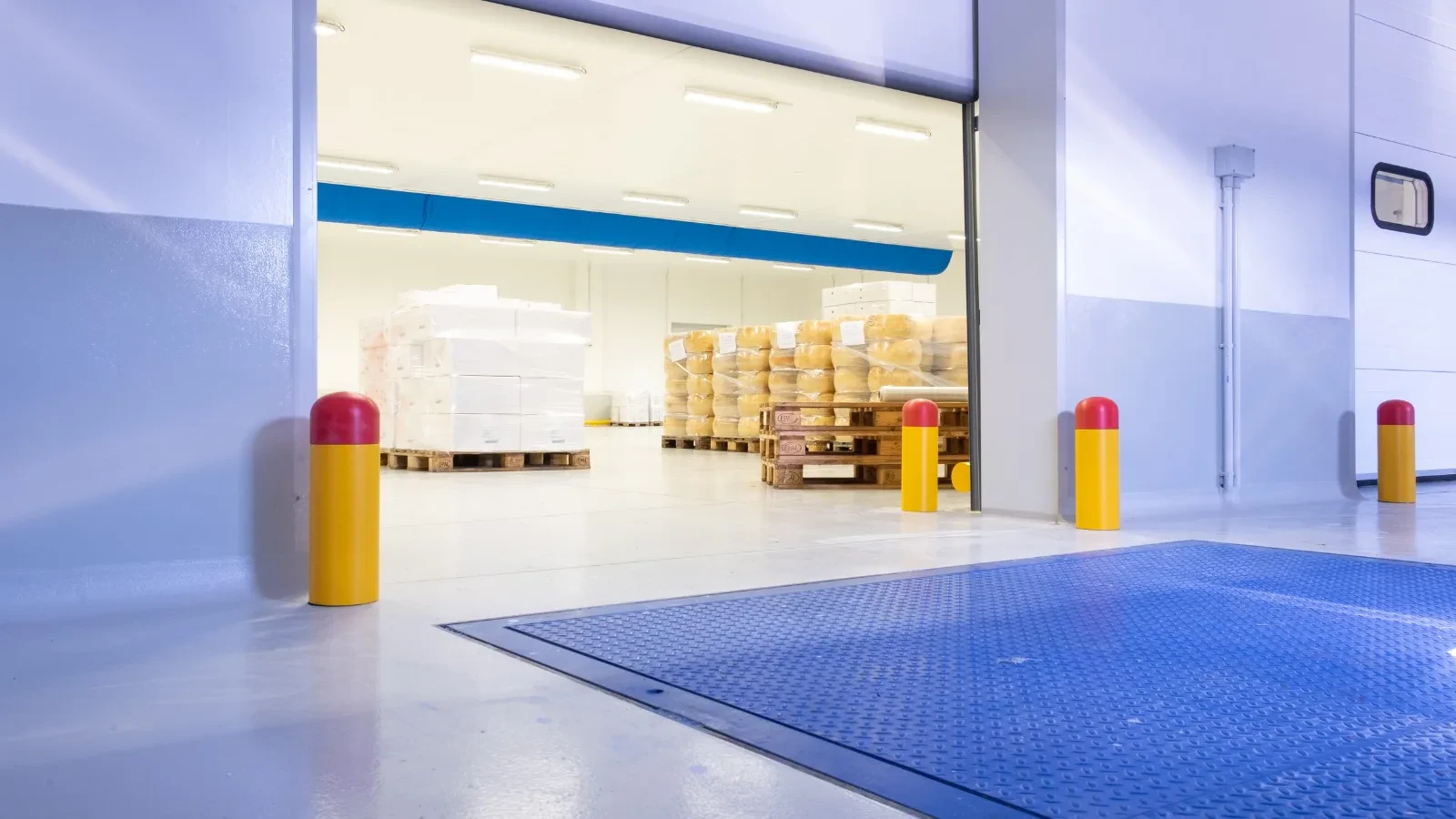
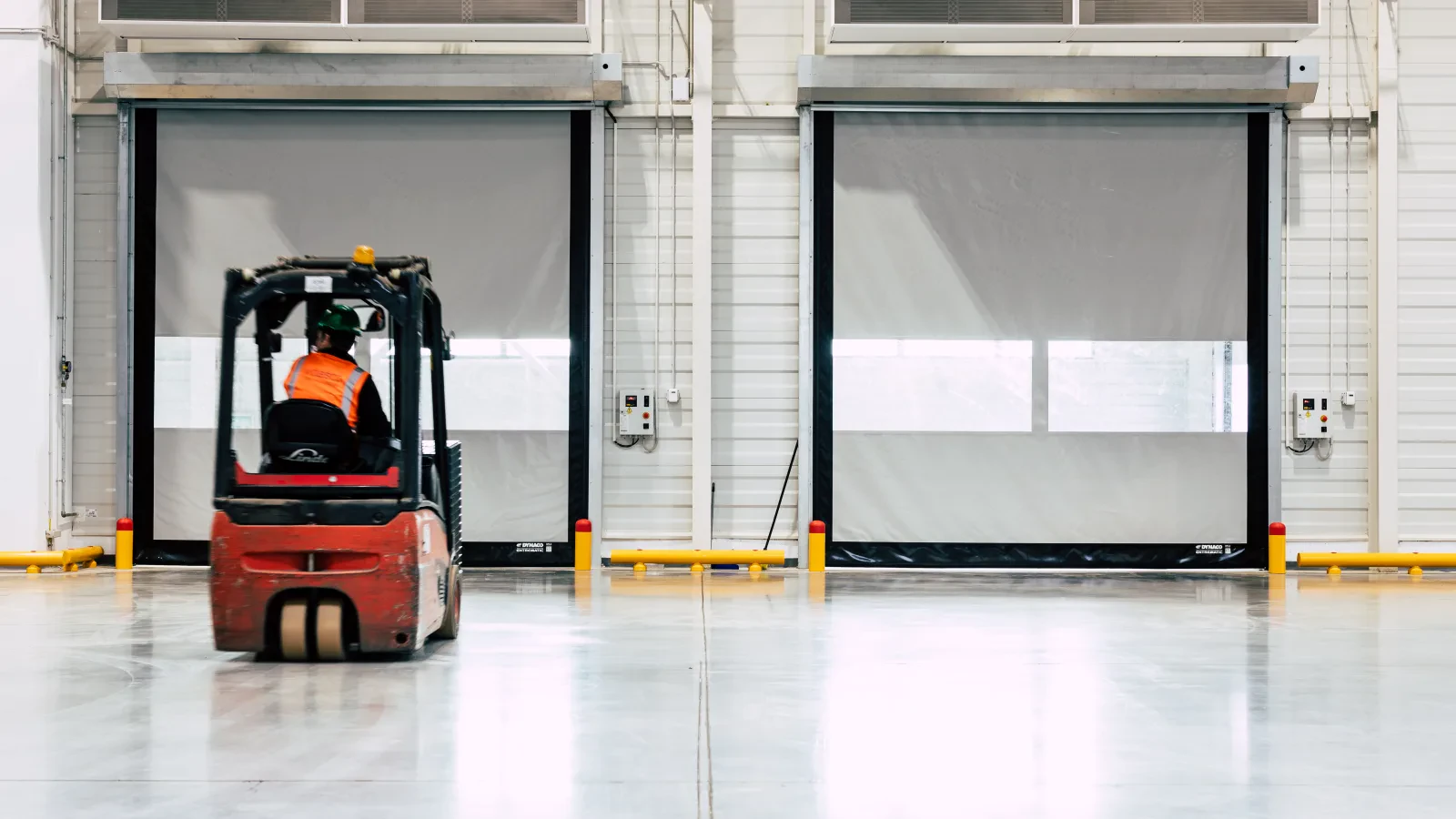
A loading bay is not just a larger door or the end of a route. It is where internal flow meets external transport: trucks align, forklifts move in and out, people check goods and infrastructure remains exposed.

First identify which exposure dominates: door strikes, open edges, pedestrian crossings, truck positioning, poor visibility, forklift speed or loading procedure.

How to combine the right loading-bay measures

A loading bay may need several layers: route design, physical protection, warning, access control and procedure.

Separate truck, forklift and pedestrian movement

Separate truck, forklift and pedestrian movement

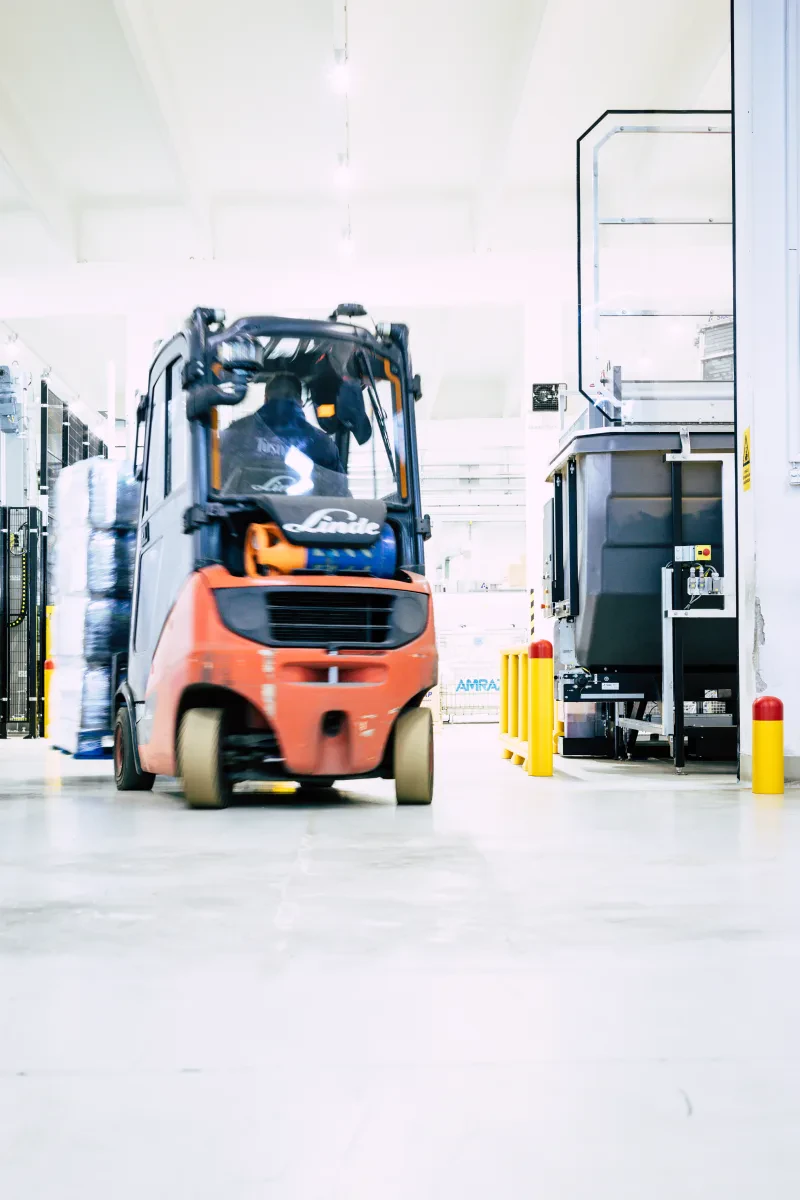
Start by checking who moves in the same area and at what moment. If pedestrians cross near trucks or forklifts, the discussion is not only door protection; it is route and crossing logic.

  • pedestrian routes near the bay;
  • goods checking areas;
  • inside-to-outside access points;
Protect exposed doors, edges and infrastructure

Protect exposed doors, edges and infrastructure

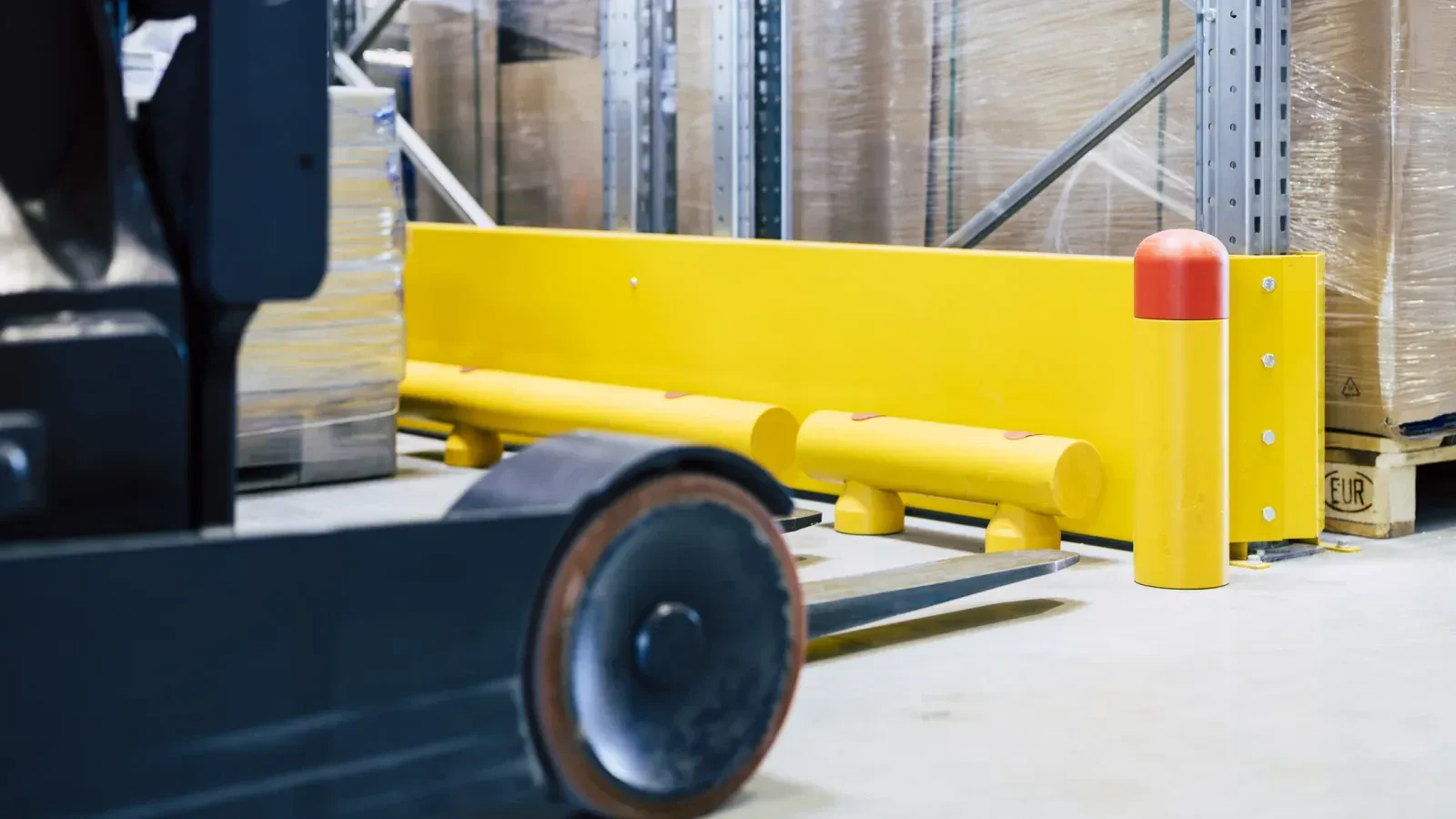
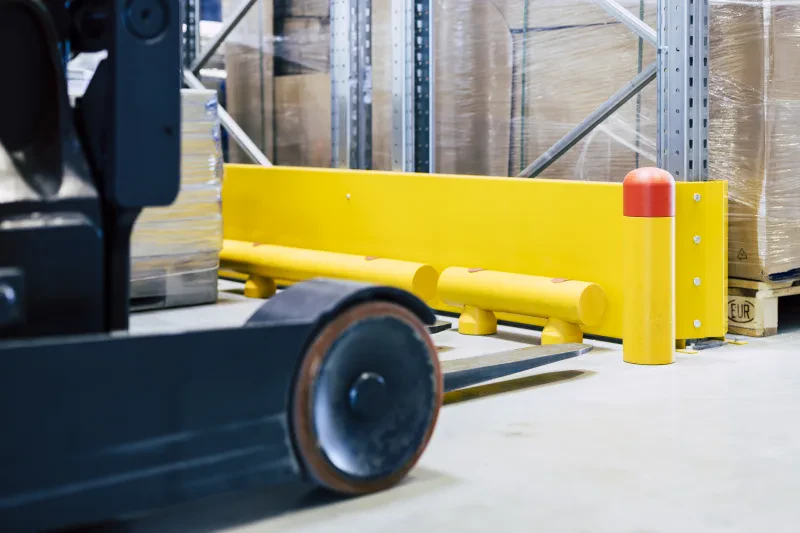
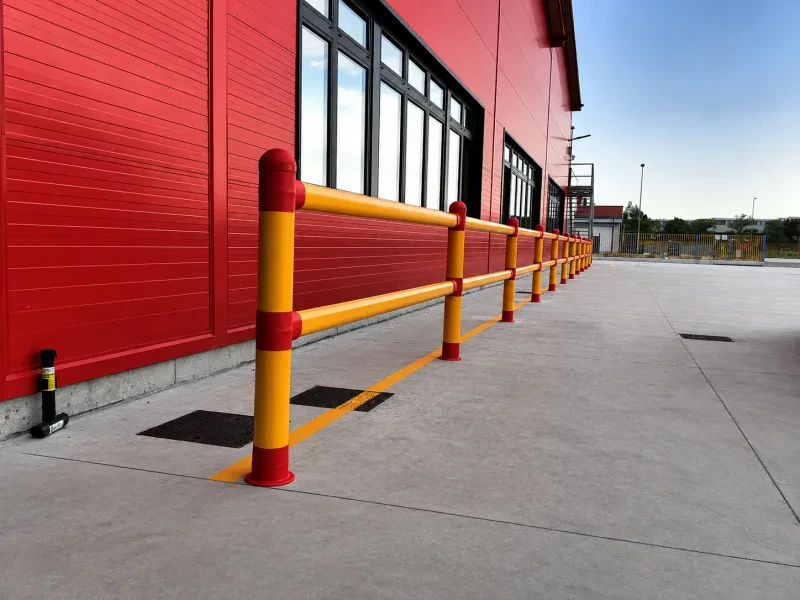
Impact marks on frames, walls, corners or equipment point to an exposed manoeuvring scenario. Protection should be selected from vehicle, load, turn, floor and remaining space, not only from the shape of the damaged object.

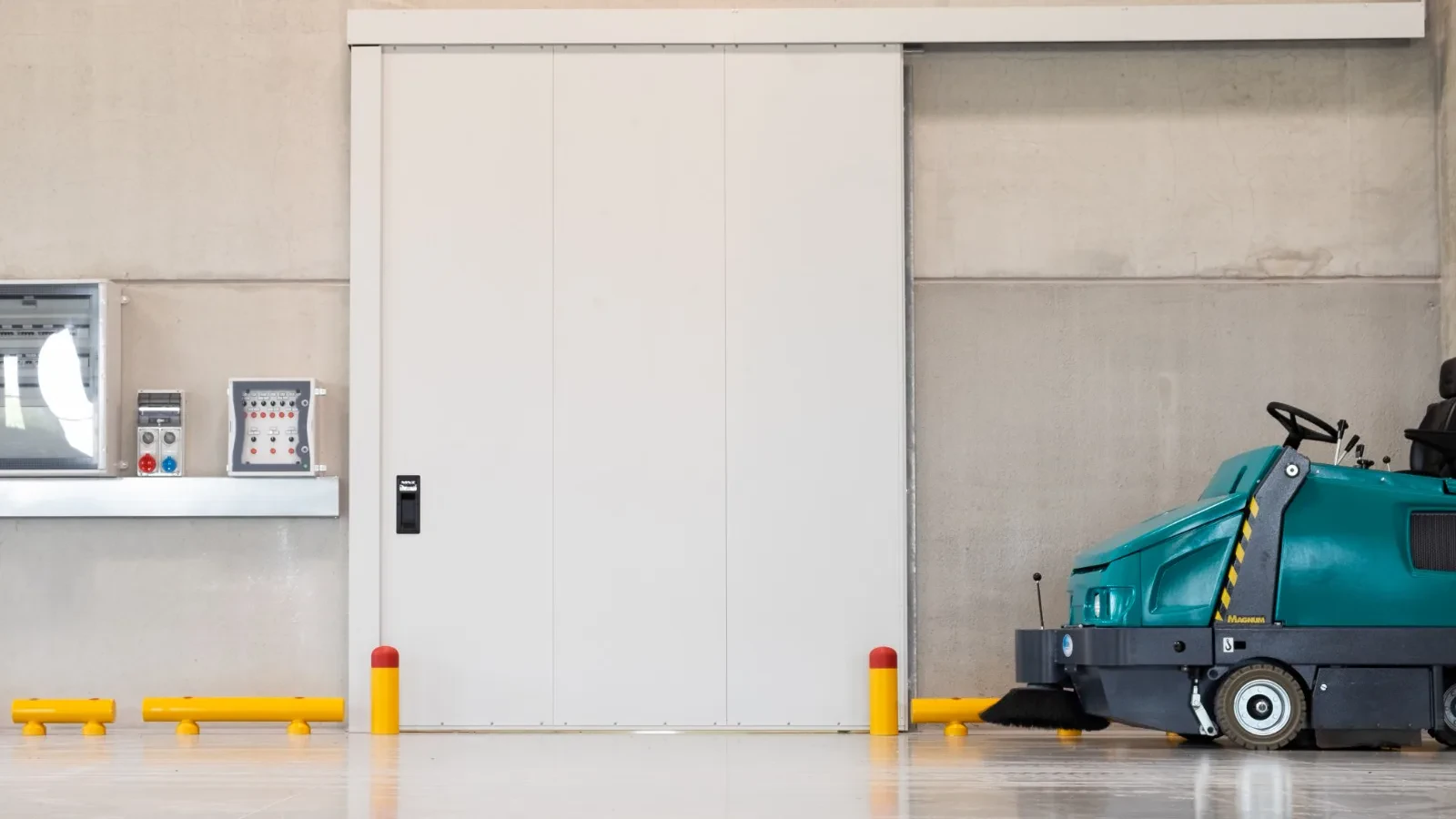
  • industrial doors and frames;
  • corners and walls;
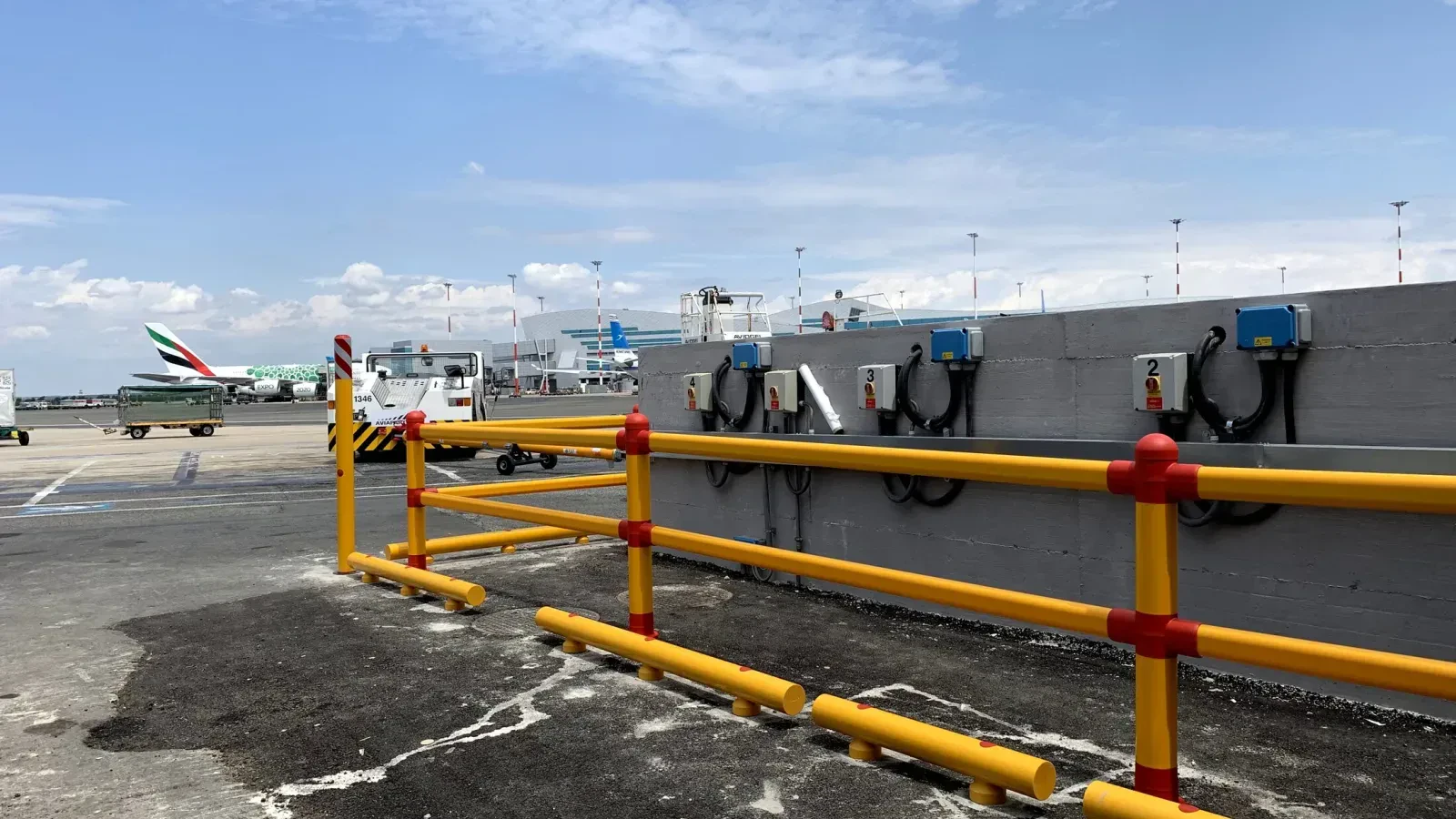
  • technical areas near the bay;
Clarify procedure and warning

Clarify procedure and warning

Some risks depend on truck position, forklift movement or visibility between inside and outside. Signalling, active warning, access control or procedure changes may then be relevant.

  • truck positioning;
  • low-visibility exits;
  • rules that are hard to follow under pressure;
Common loading-bay risks

Door and frame strikes

For points where forklifts, pallets or trucks strike infrastructure during daily manoeuvres.

Dock edges

For zones where level differences and vehicle movement need separate attention.

Pedestrians in manoeuvring areas

For crossings, goods checks and access near trucks or forklifts.

Trucks and vans

For alignment, outside access, stopping, guidance and visibility.

Corners, walls and panels

For infrastructure hit during fast or frequent manoeuvres.

Warning and access

For points where timing, visibility or access need active control.

Useful resources for this category

Loading bays, industrial doors and cold rooms: where protection should be checked
Loading bay protection
Loading bays, industrial doors and cold rooms: where protection should be checked

A practical guide to protecting areas where vehicles approach doors, racks and loading-bay edges.

Learn more
Food production: impact protection for doors, racks and pallet-truck routes
Loading bay protection
Food production: impact protection for doors, racks and pallet-truck routes

A photo-documented STOMMPY application: barriers and bollards in food-production areas where pallet trucks and forklifts pass close to doors, racks and infrastructure.

Learn more
How to separate pedestrians and vehicles without blocking flow
Loading bay protection
How to separate pedestrians and vehicles without blocking flow

A practical guide for areas where people, forklifts, pallet trucks and access doors share the same route.

Learn more

Local and international references

  • Continental
  • Hochland
  • PREH
  • Schaeffler
  • ALPLA
  • Bencarni
  • DHL
  • G. Pfitscher
  • Škoda

Products for loading-bay and dock protection

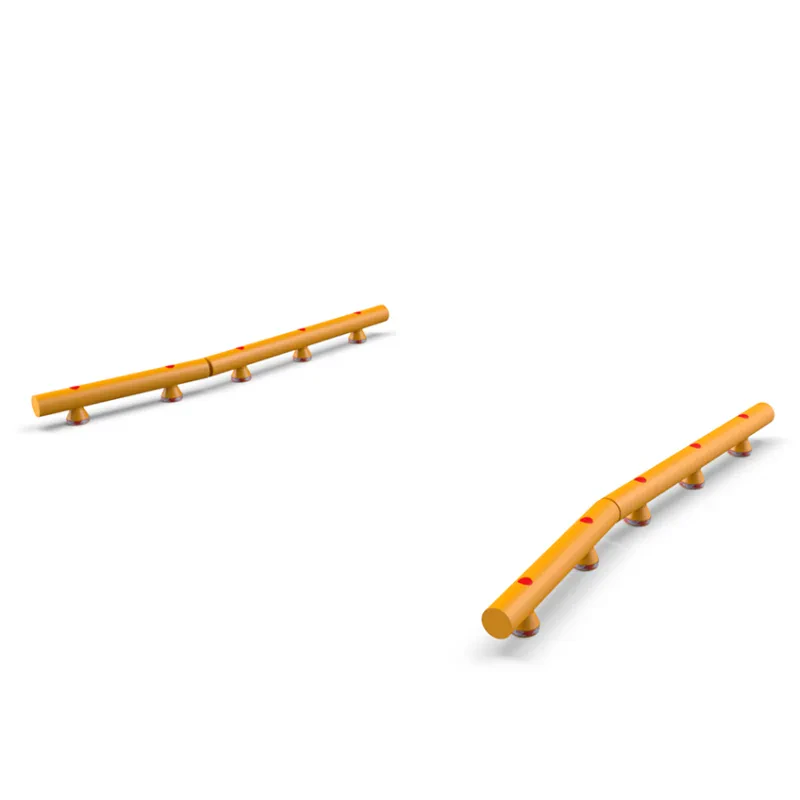
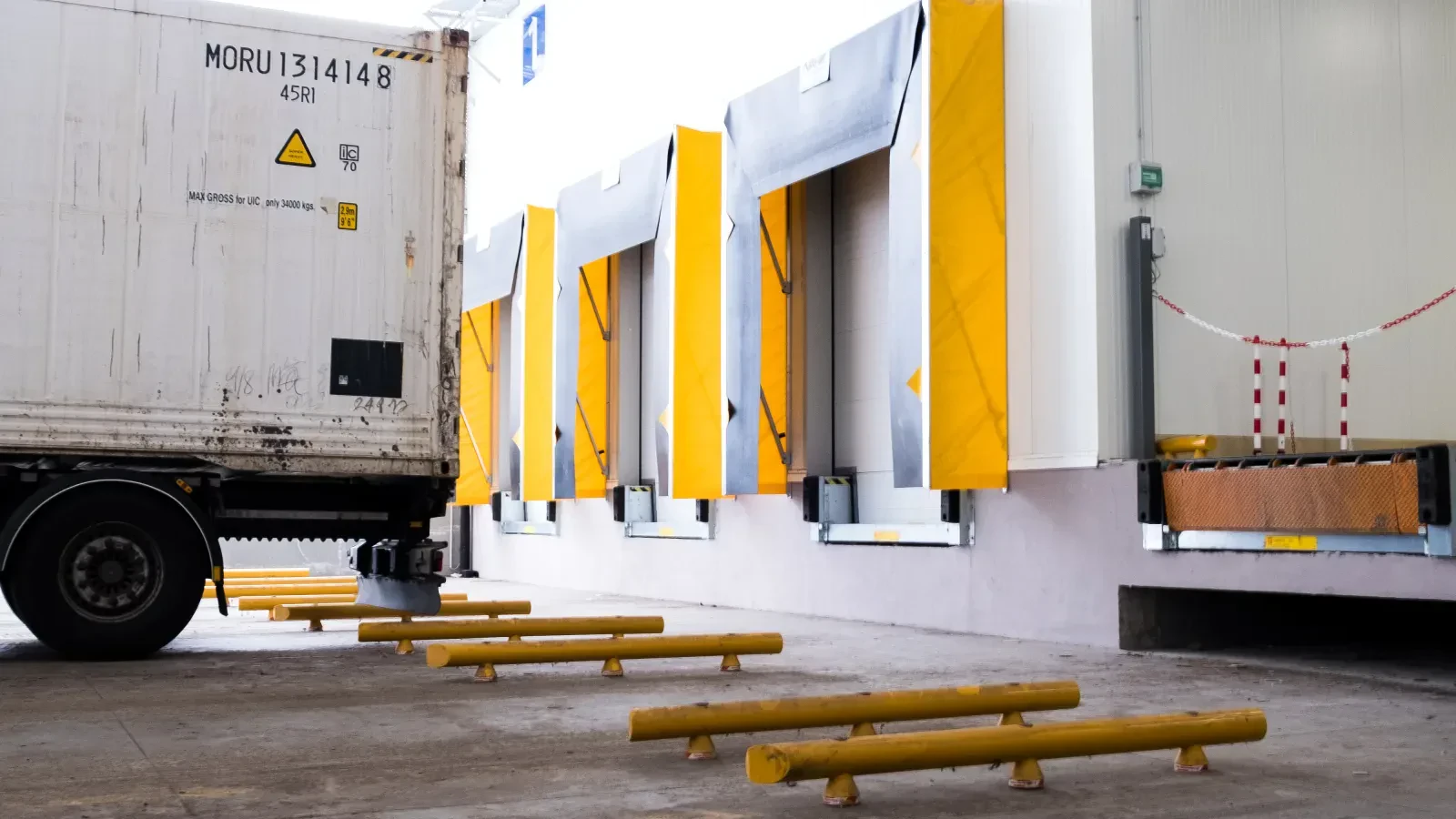
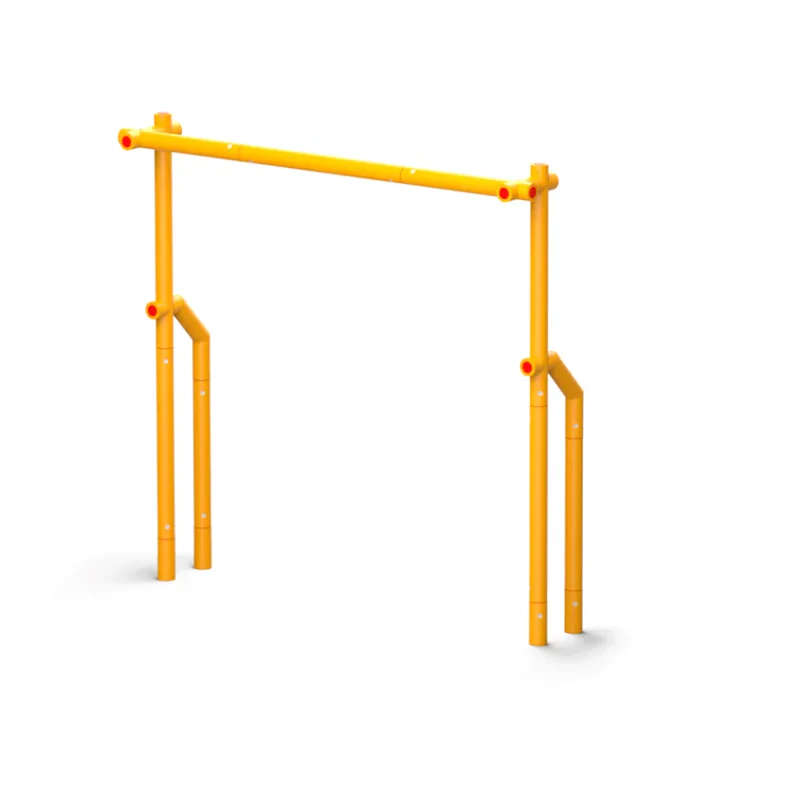
Wheel stops, height restrictors and protection for exposed points should match the vehicles, manoeuvres, stopping space and vulnerable areas.
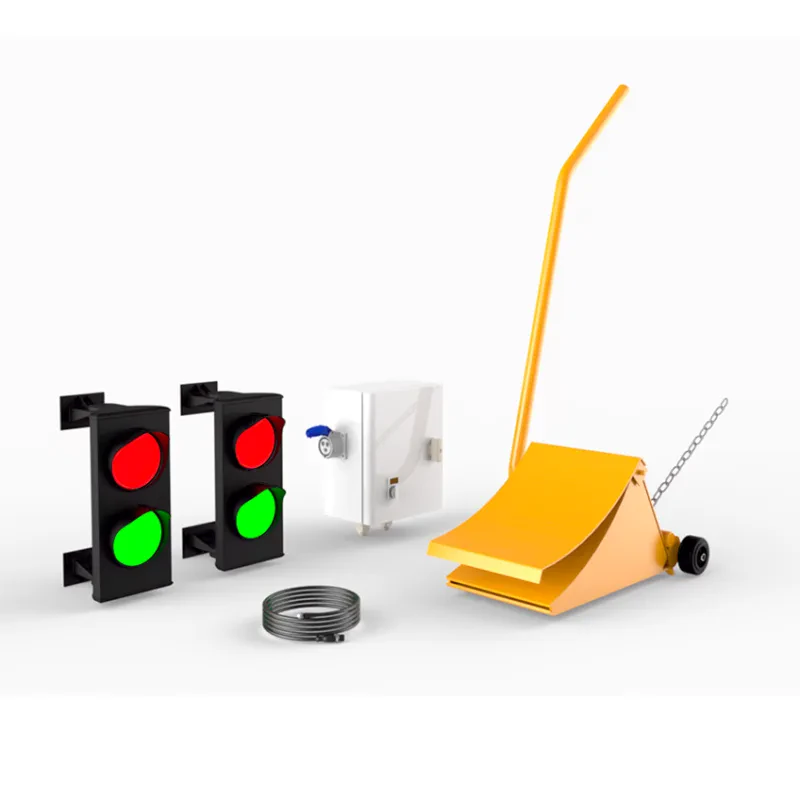
Wheel restraint system
Material
Oțel S275
Maximum operating force
7 kg pentru basculare și împingere
Available versions
Cu cablu / wireless / basic
Operating temperature
-20°C | +50°C
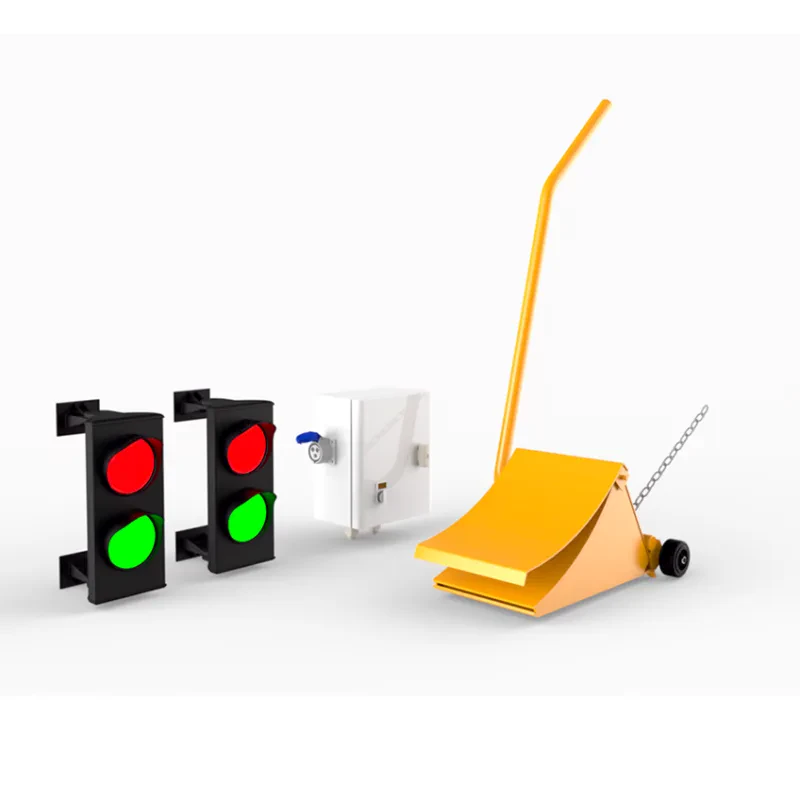
Wireless wheel restraint system
Material
Oțel S275
Maximum operating force
7 kg pentru basculare și împingere
Available versions
Cu tehnologie wireless
Operating temperature
-20°C | +50°C
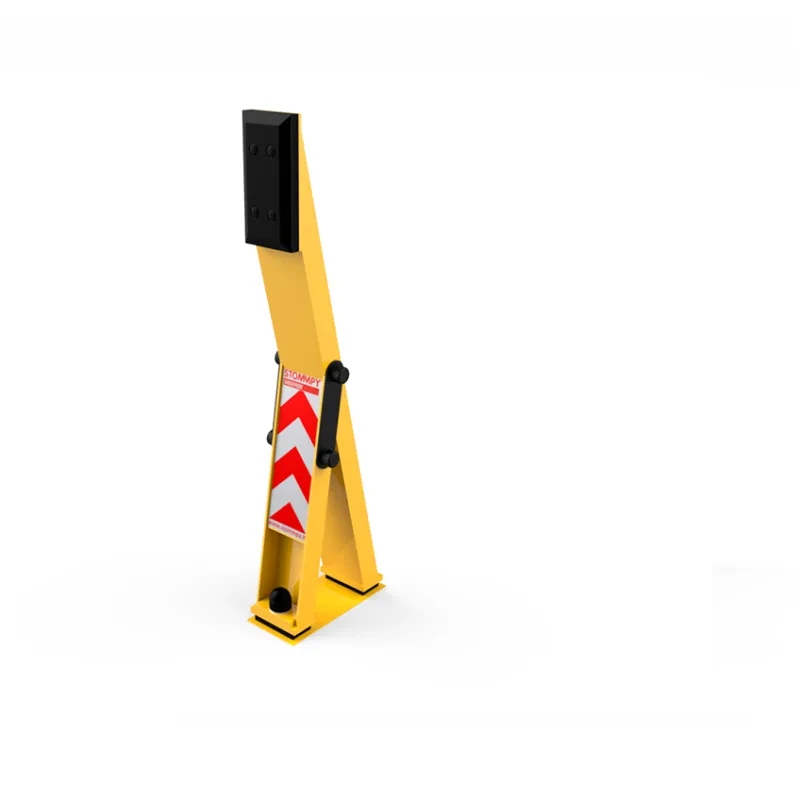
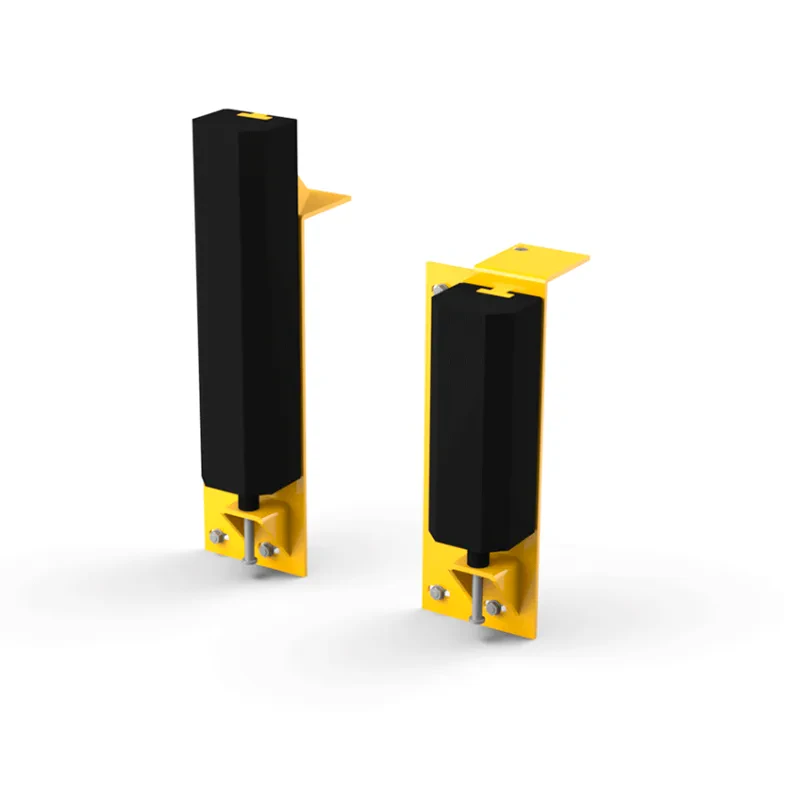
Upright dock bumper
Upright dock bumper
Material
Oţel carbon (galben) / Tecklene®
Mounting
FIXA Block System®
Height options
1 237 mm
Operating temperature
-30°C | +50°C
Spring-loaded dock bumper
Material
Cauciuc / Oțel (vopsit galben)
Mounting
Dibluri expansiune
Height options
578 mm / 763 mm
Operating temperature
-30°C | +50°C
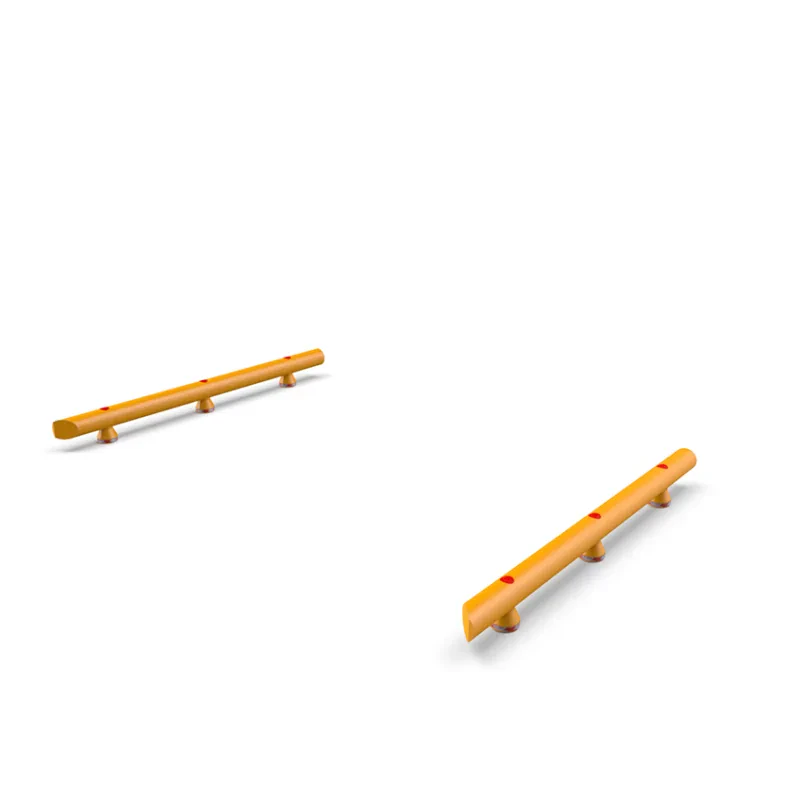
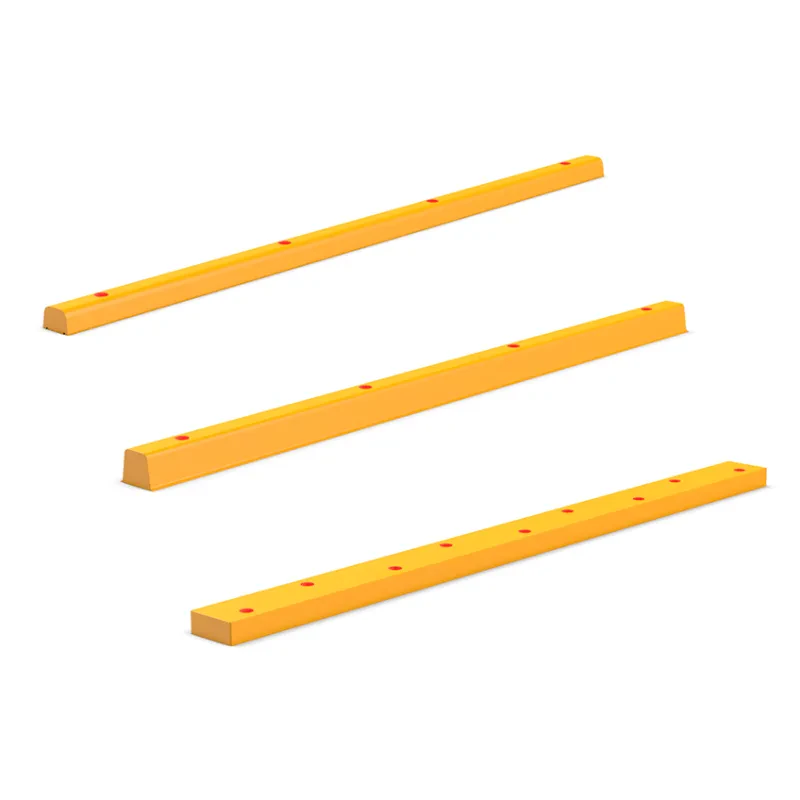
Wheel stop
Wheel stop
Material
Tecklene®
Mounting
Rawlplug screw anchors
Height options
40 mm / 60 mm
Modularity
Yes
Module lengths
500 mm / 1 000 mm / 1 500 mm / 2 000 mm
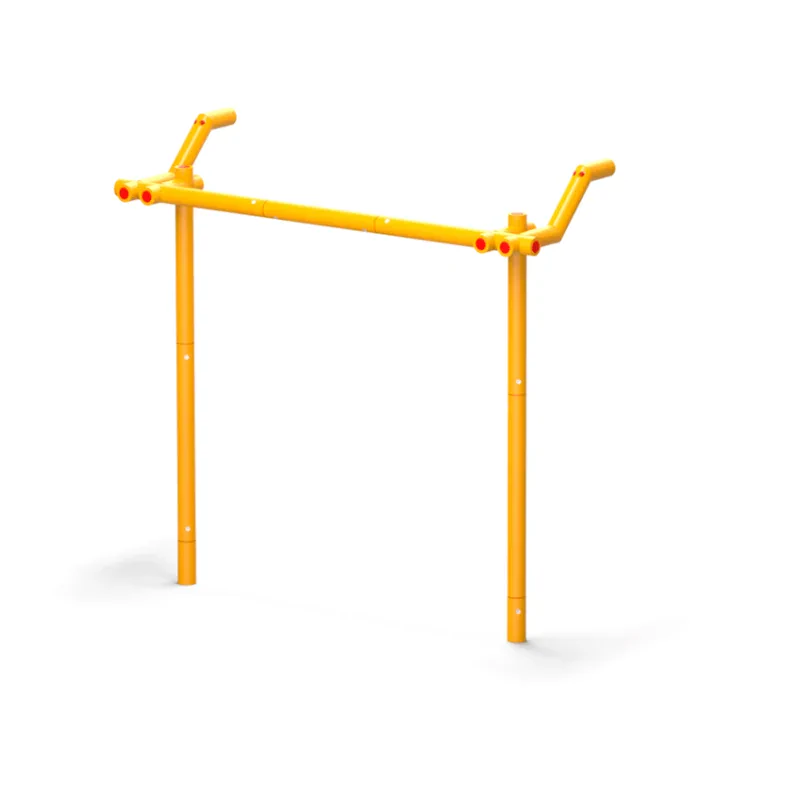
Height restrictor anchored to wall and floor
Base resistance
21.000 Jouli
Central point resistance
5300 Jouli
Material
Tecklene®
Mounting
FIXA Block System®
Modularity
Yes
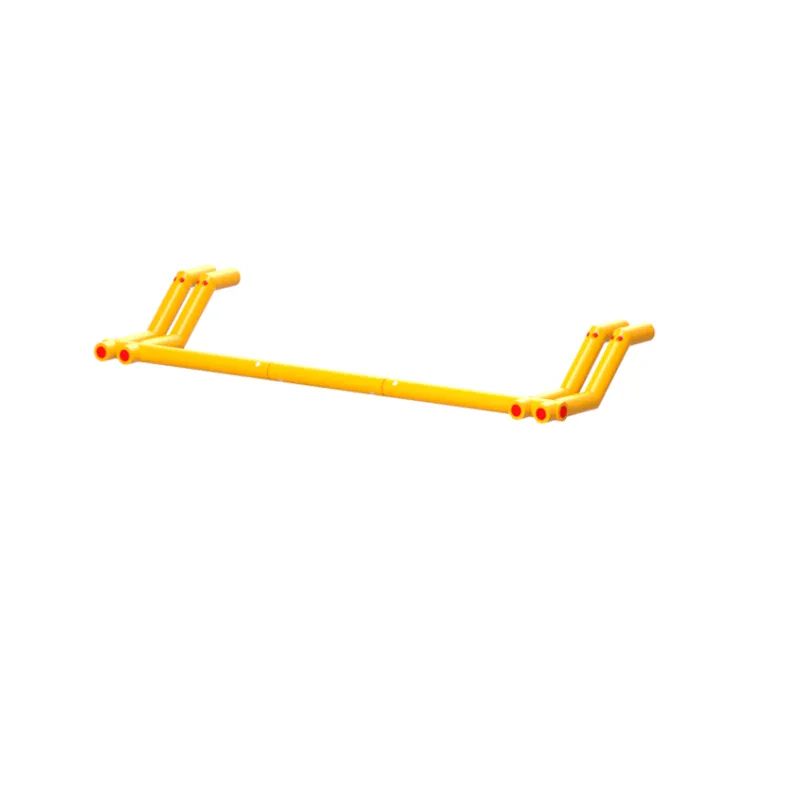
Floor-anchored height restrictor
Material
Tecklene®
Base resistance
21.000 Jouli
Central point resistance
5300 Jouli
Mounting
FIXA Block System®
Modularity
Yes
Wall-anchored height restrictor
Material
Tecklene®
Food industry compliance
Yes
Modularity
Yes
Length options
2 000 mm / 2 500 mm / 3 000 mm / 3 500 mm / 4 000 mm / 4 500 mm / 5 000 mm
Operating temperature
-40 °C – +50 °C
Single traffic guide barrier
Tested impact energy
25.000 Jouli
ASI
0,40
Material
Tecklene®
Mounting
FIXA Block System®
IP rating
IPX9K
Modular traffic guide barrier
Tested impact energy
25.000 Jouli
ASI
0,40
Material
Tecklene®
Mounting
FIXA Block System®
IP rating
IPX9K

Do you have a loading bay where trucks, forklifts and pedestrians get too close?

Request a loading-bay review

Send a few details about the bay, vehicles, damaged points and pedestrian flow. We review what belongs to route design, protection, warning, access or procedure.

Request a loading-bay review

Send a few details about the bay, vehicles, damaged points and pedestrian flow. We review what belongs to route design, protection, warning, access or procedure.

Frequently asked questions

Useful questions before choosing protection, warning or route changes at a loading bay.

Because it combines flows that can often be separate elsewhere: trucks, forklifts, pedestrians, doors, goods, open edges and time pressure. Those overlaps show what needs separation, protection or warning.

Door protection may help, but it does not automatically control pedestrian crossings, truck position or visibility. The bay is better split into outside access, edge, crossing, door, inside aisle and goods-checking points.

Yes, when the exposed point is clearly the door, frame or edge struck during alignment. Vehicle type, turning space and remaining operating clearance still matter.

If pedestrian crossings, wall damage, open edges or blind manoeuvres are also present, door protection is one layer. Route design, warning, access control and procedure need a separate review.

When people or operators see the situation too late: fast exits, noisy areas, trucks blocking visibility or forklifts moving in and out at high frequency.

The warning should answer a precise situation: what it detects, who it warns and what behaviour it changes. Otherwise the signal becomes background noise instead of a useful control.

Truck types, forklift types, loading frequency, damaged points, pedestrian routes, door position, open edges, current procedure and any EHS or audit observations should be clear before comparing products.

Photos from inside and outside help a lot. A simple zone sketch, traffic directions and a short list of incidents, near misses or recent repairs make the discussion more precise.

A loading bay usually needs several layers: route, physical protection, warning, access control and procedure. One protection measure can reduce a clear risk, but it does not control every movement around the bay.

It is better to decide point by point: where the truck aligns, where the vehicle stops, where pedestrians cross, where infrastructure is struck and where operators need reaction time.

Sending…