
Tank farms, pumps and pipe racks
Areas where tanks, pipework, pumps, valves, supports and instrumentation may be exposed to impact or difficult access.

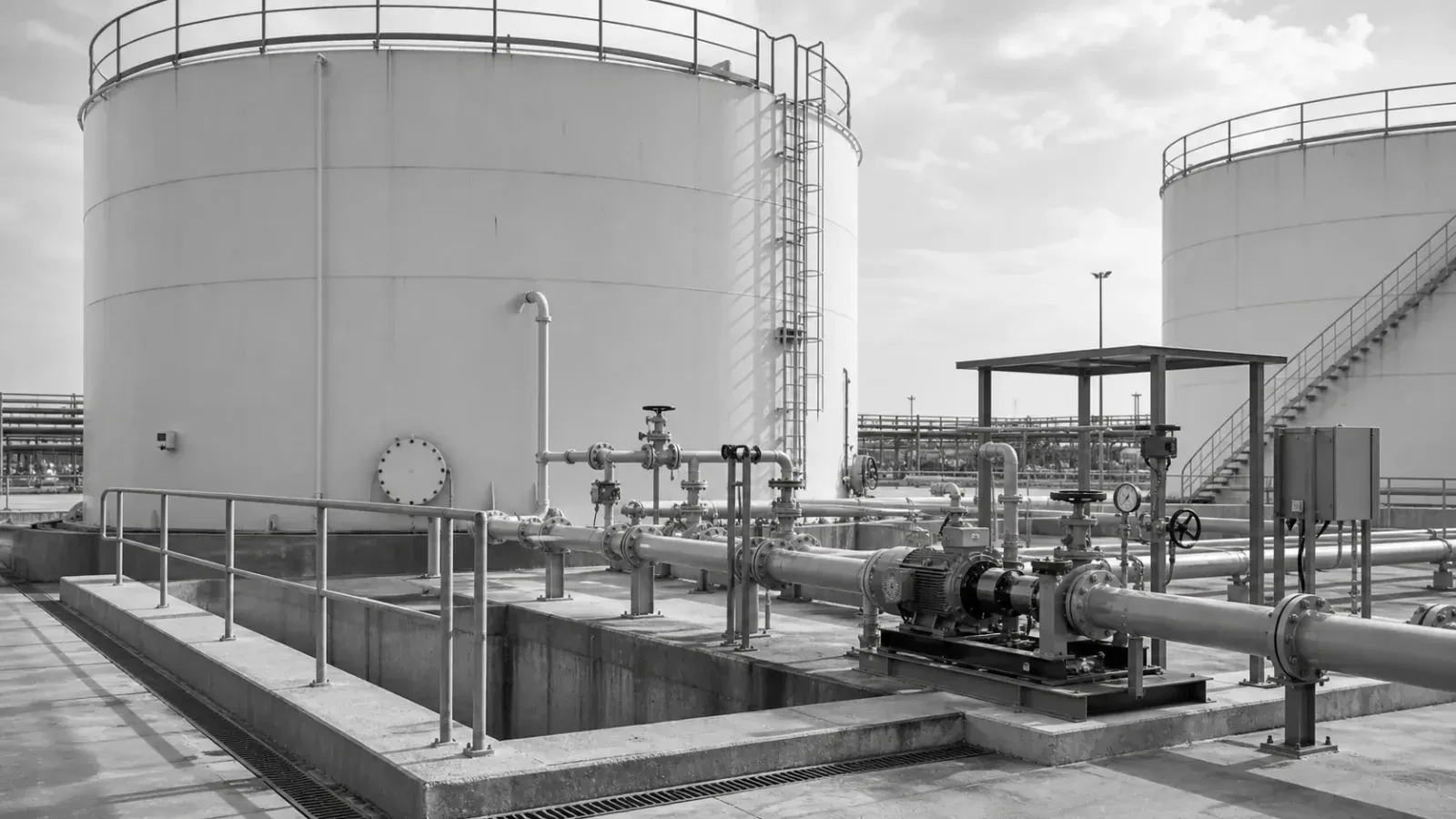
In energy and petrochemical areas, routes pass between pipework, pumps, tanks and maintenance equipment. Impact, visibility, pedestrian separation and access need to be reviewed together.
In an energy or petrochemical area, an impact point, narrow passage, hard-to-access pump, improvised barrier, hard-to-position load or wheel-borne traces can indicate more than a local observation.
The right direction considers site area classification, work procedures, maintenance permits, possible ignition sources, available space, floor condition, vehicle route and operational consequence. Impact protection, route separation, wheel cleaning or controlled movement are checked within the limits of the environment and the operator validation process.
A good direction starts from route, impact energy, access and load: what can be hit, what becomes hard to verify, what needs controlled movement and which area conditions change the choice.
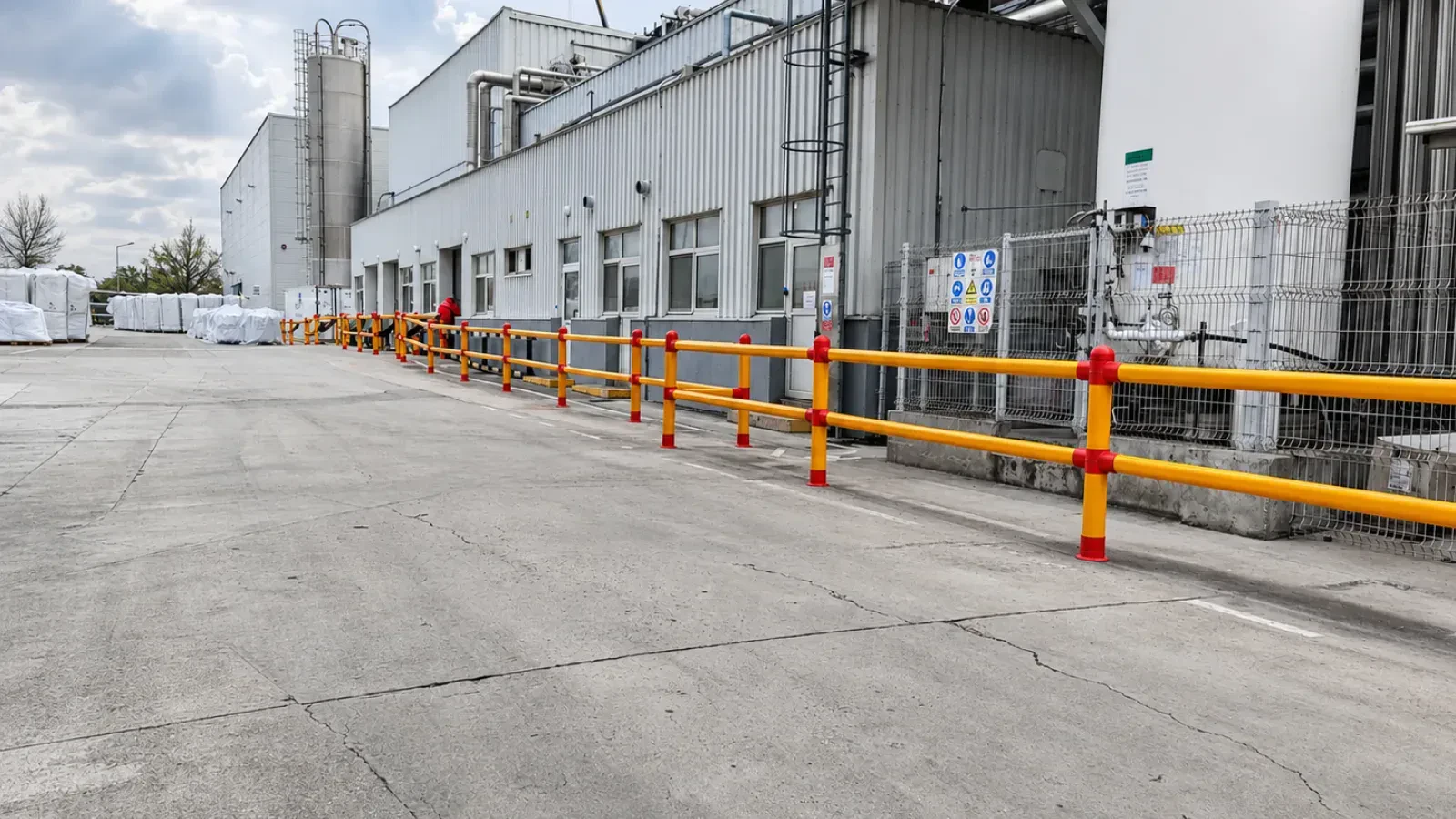
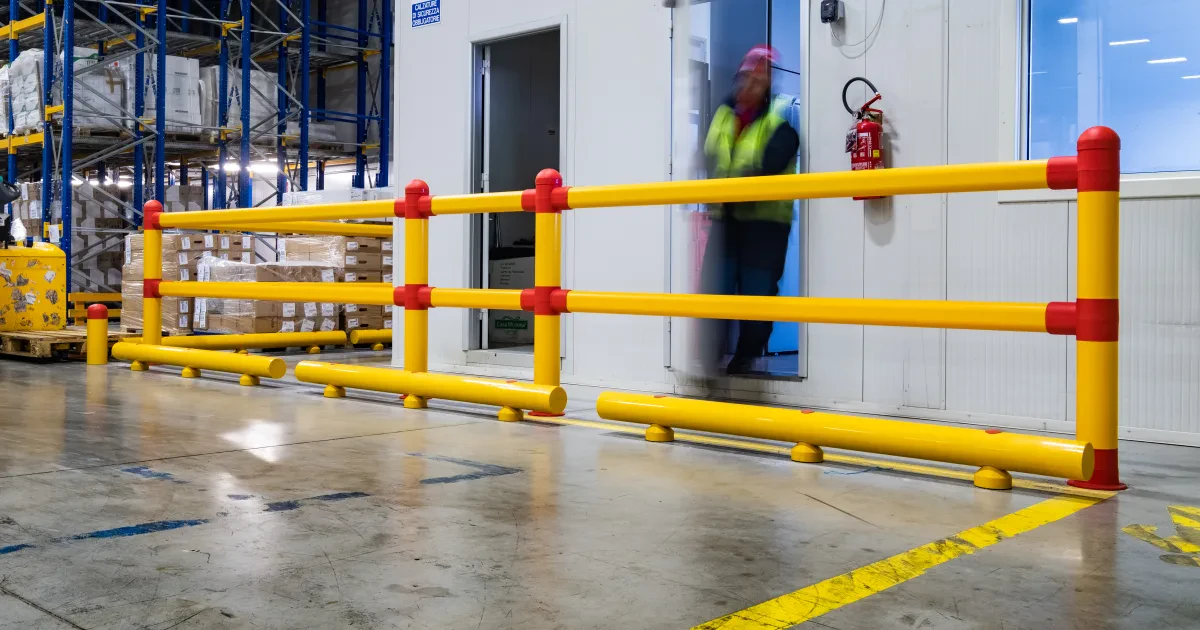
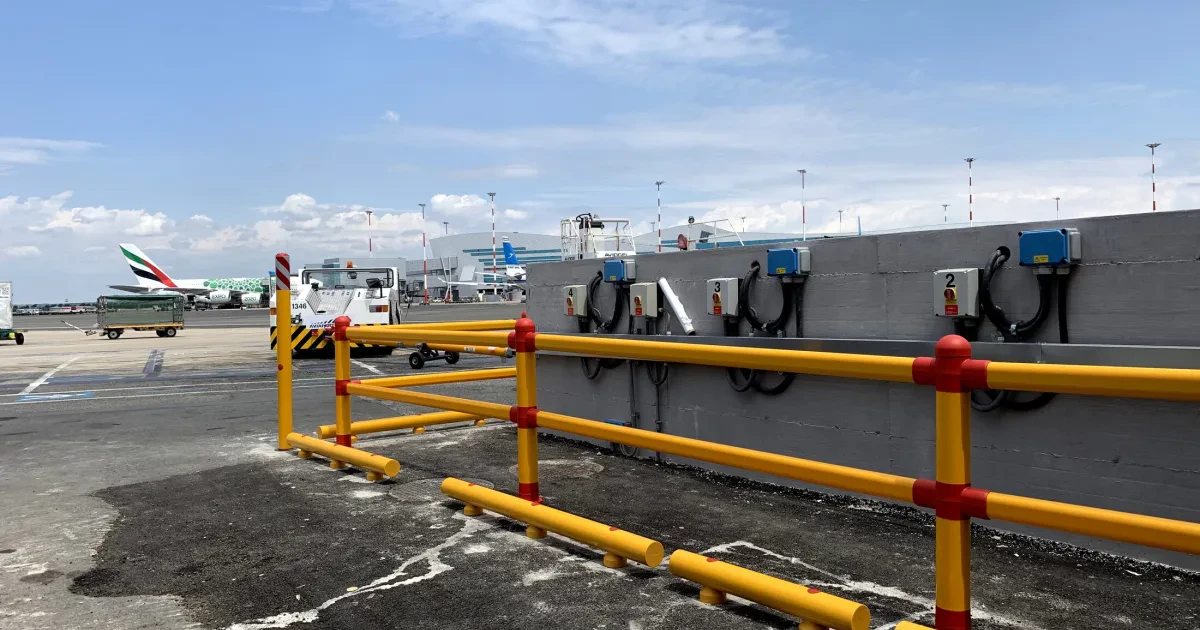
The handrail defines the pedestrian route and makes movement easy to follow. Its role is to keep pedestrian and vehicle routes clearly segregated.
Where forklifts or mobile equipment can reach the route, a separate barrier positioned at vehicle level and sized for the impact scenario protects the pedestrian zone.
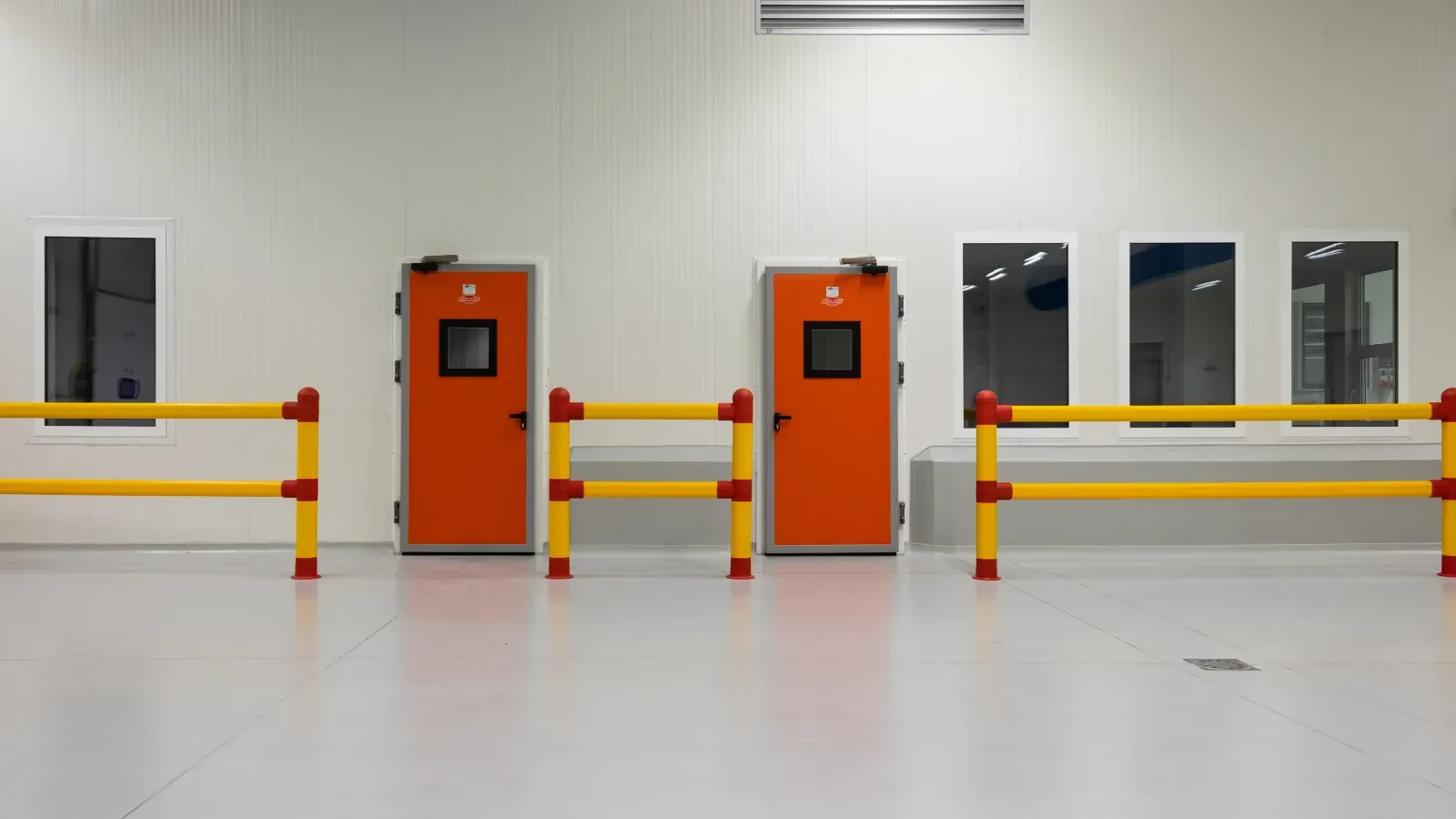
Around equipment, pipe racks, fences, containers, panels and temporary work zones, pedestrians, vehicles and maintenance teams may share the same route exactly where visibility is weak.
Physical separation, guardrails, gates, markings and controlled access help when the route has to stay readable during maintenance work. In classified areas, material, installation and work-permit fit are checked before installation.
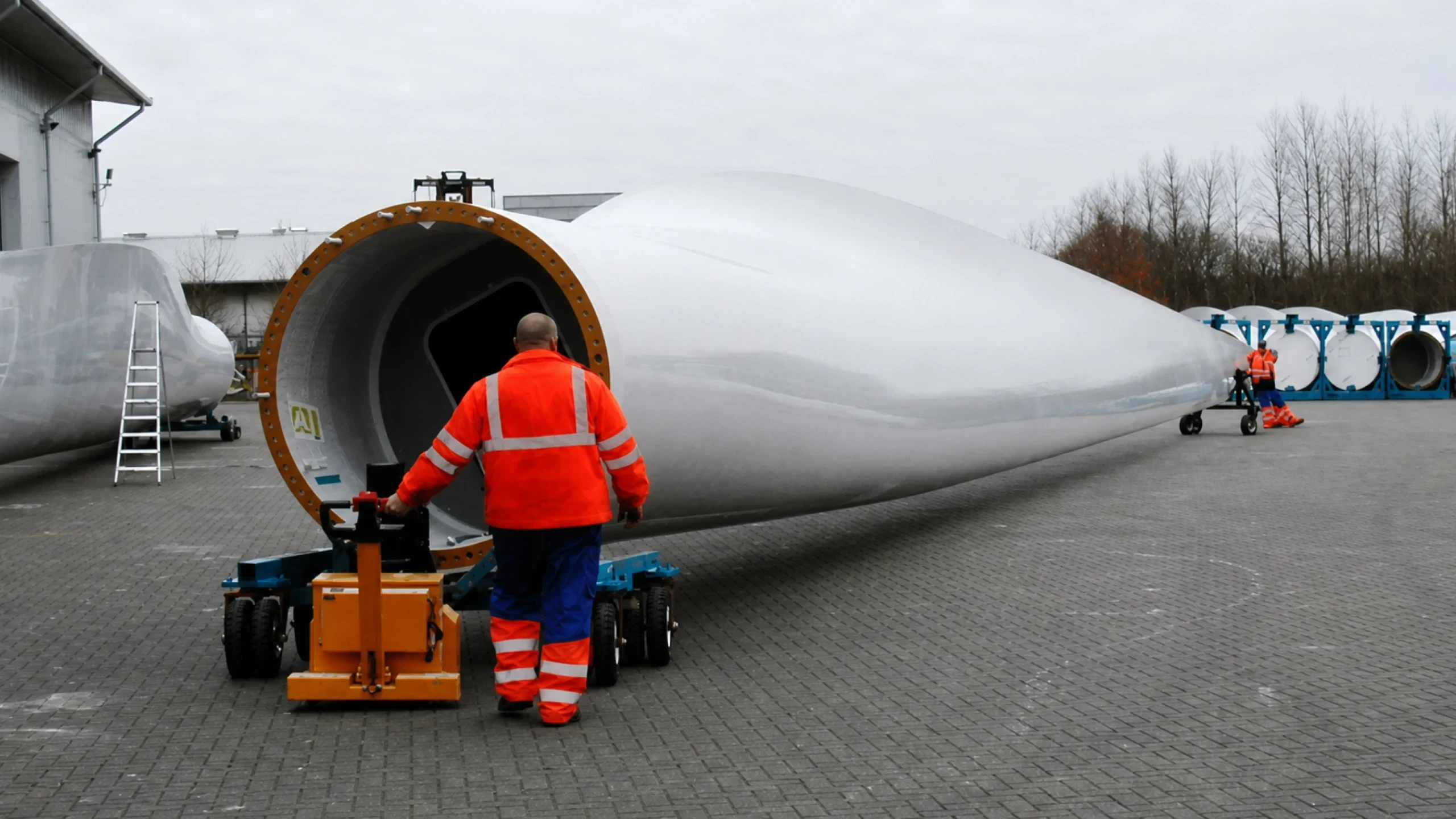
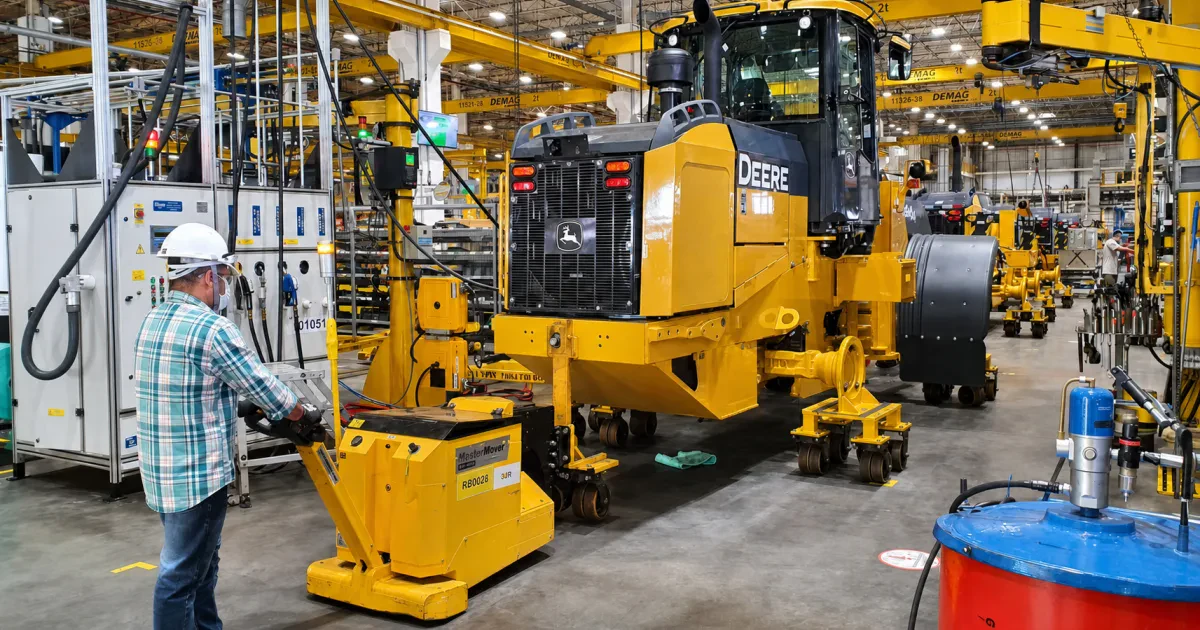
Exchangers, pumps, valves, skids, generators, modules or trailers may require slow, controlled and repeatable movement, especially when cranes, forklifts or manual pushing create access blocks or dependence on authorised personnel.
The direction is set by mass, wheels, coupling, centre of gravity, gradient, floor, turning space, stopping, movement frequency and area restrictions. For ATEX/IECEx environments or special exposures, the configuration must be explicitly validated for the application.
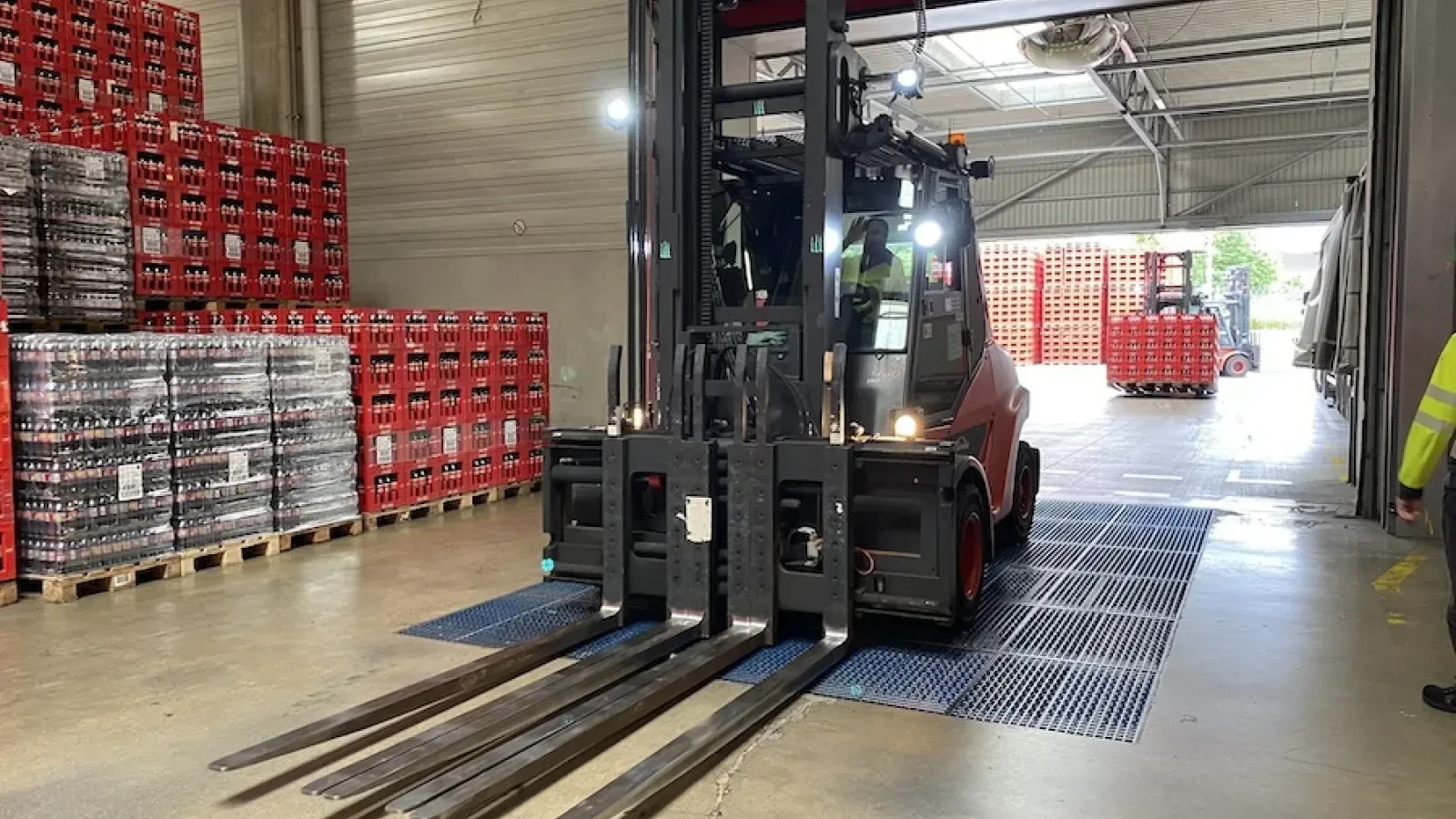
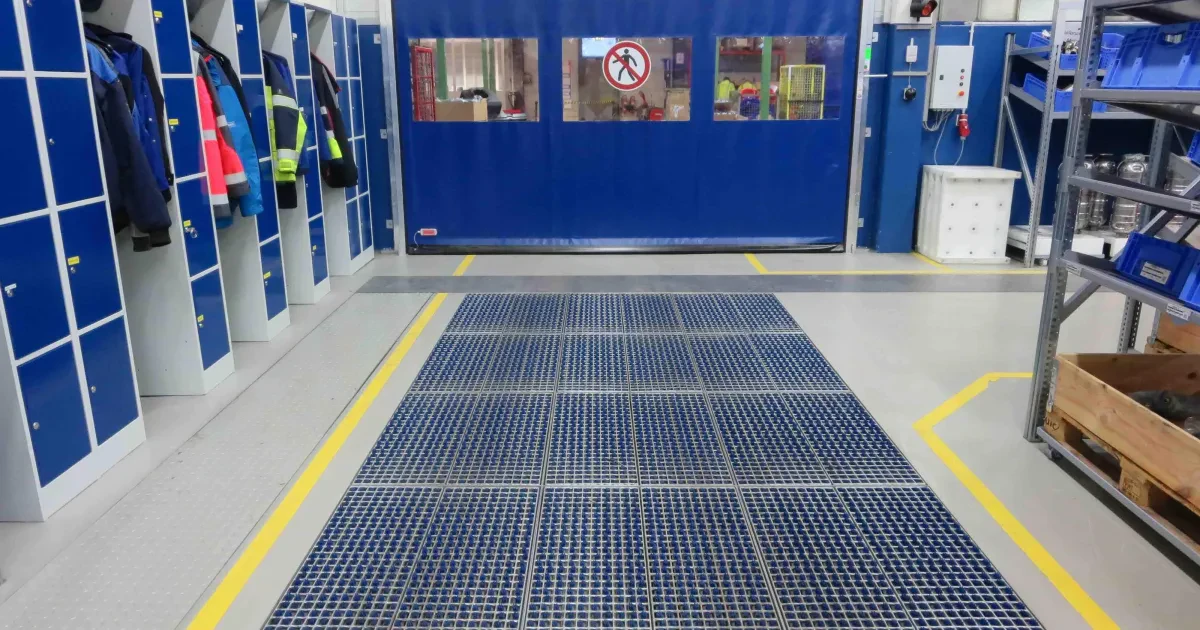
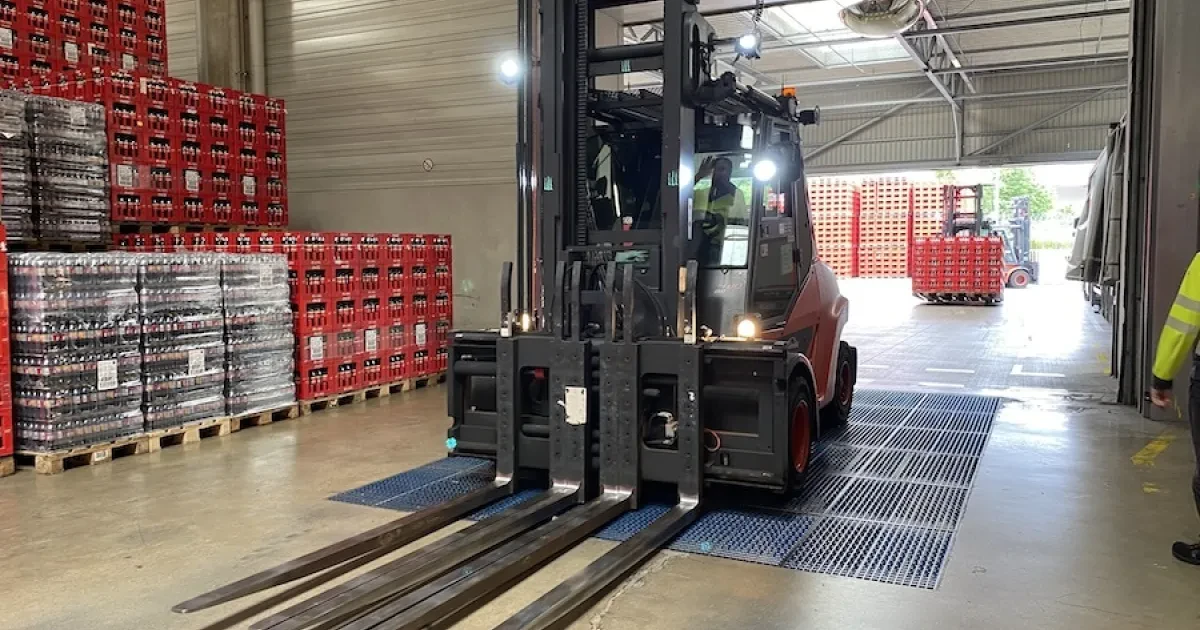
Between outdoor areas, construction work, loading bays, workshops, storage and technical zones, vehicle, platform or cart wheels can carry mud, dust, moisture or residues further into areas that need a steadier cleaning and verification routine.
Wheel cleaning should be checked only where the route is clear, speed and manoeuvre allow the crossing, bypass can be reduced and the environment is compatible with the system. It supports cleaner route discipline alongside the site procedures for spills, hazardous substances and decontamination.
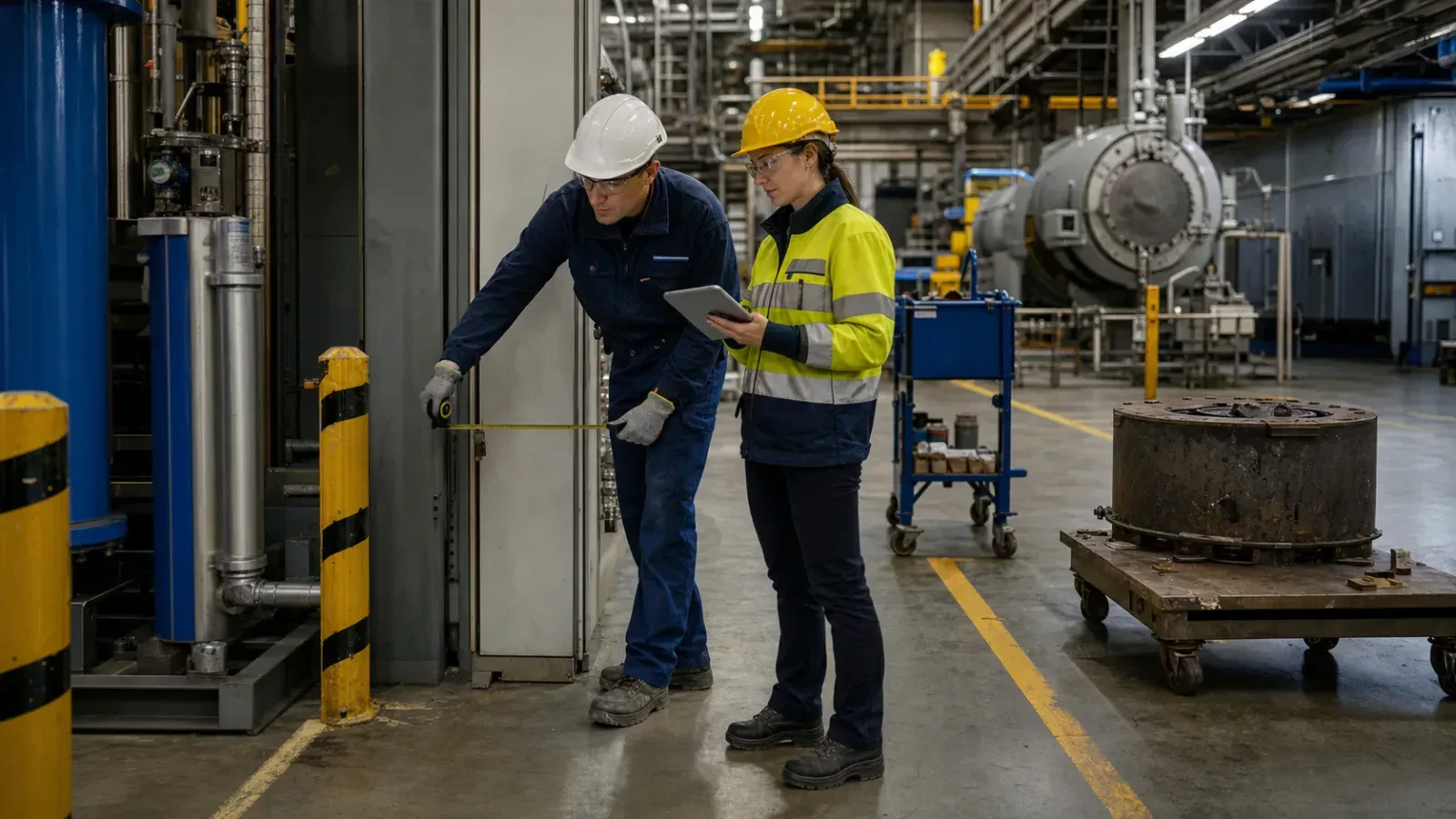
Before choosing, separate impact risk, vehicle route, maintenance access, classified area, possible ignition sources, corrosive environment, wheel-borne transfer and heavy-load movement.
Area photos, route plan, internal area classification, permit restrictions, vehicle types, load mass, wheels, floor, gradient and impact points help identify the direction to test or validate.


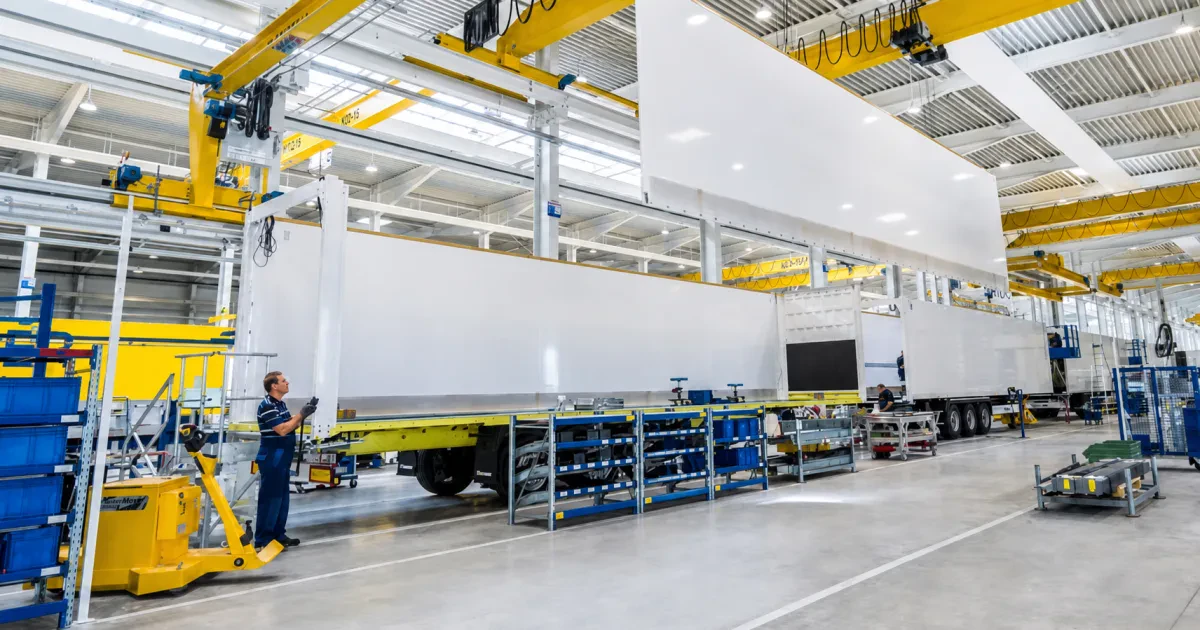
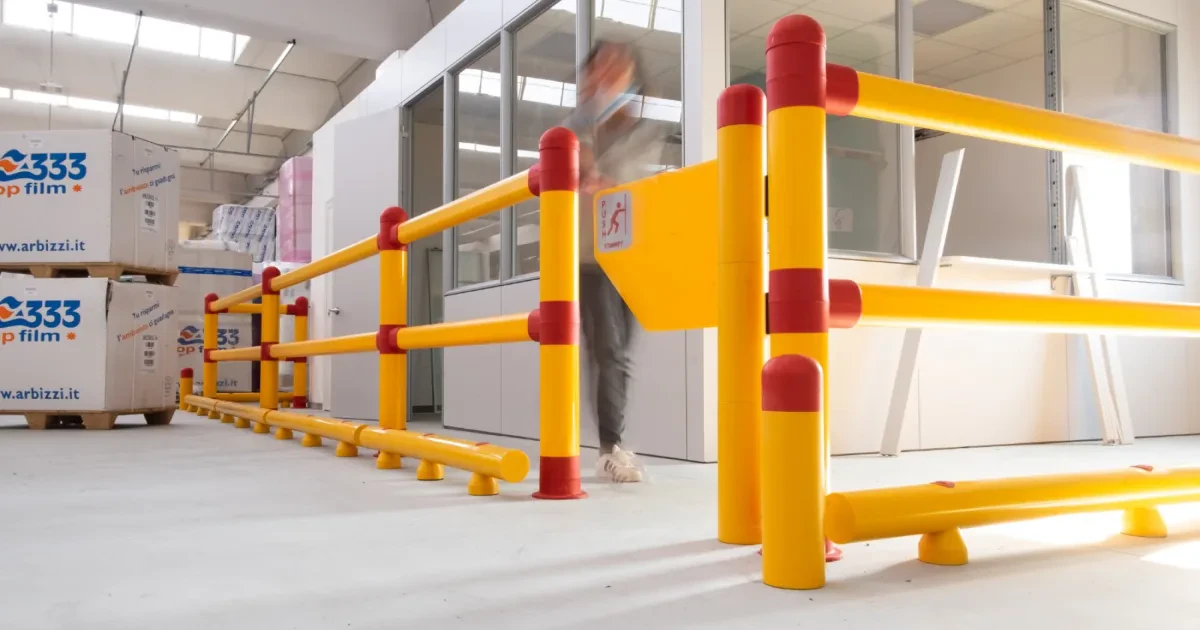
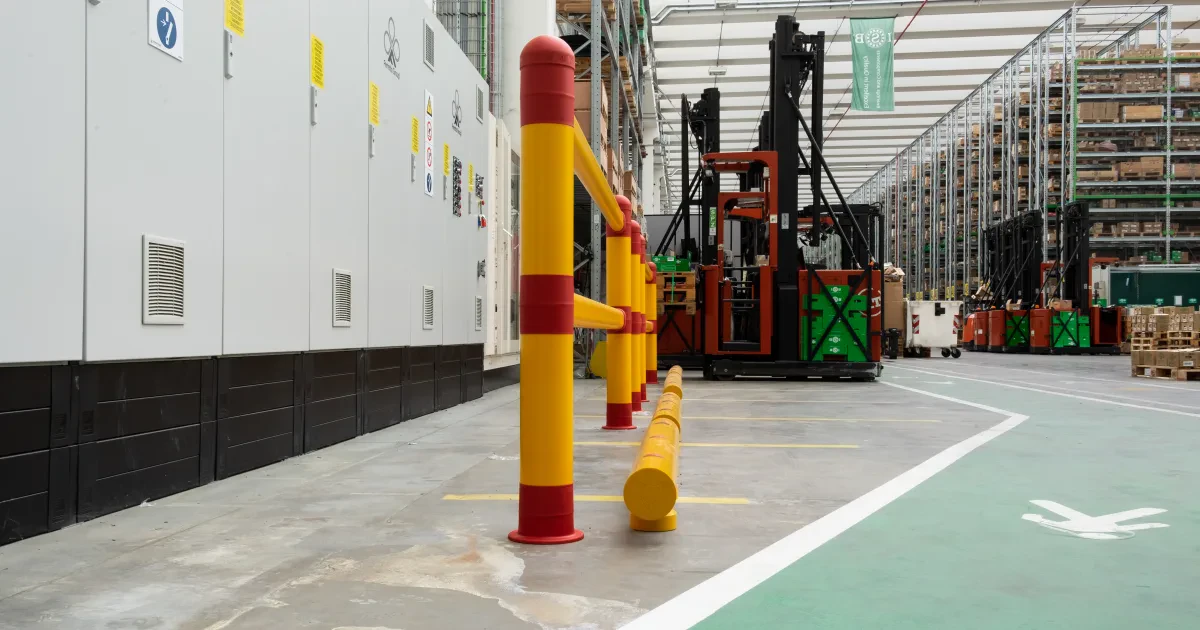
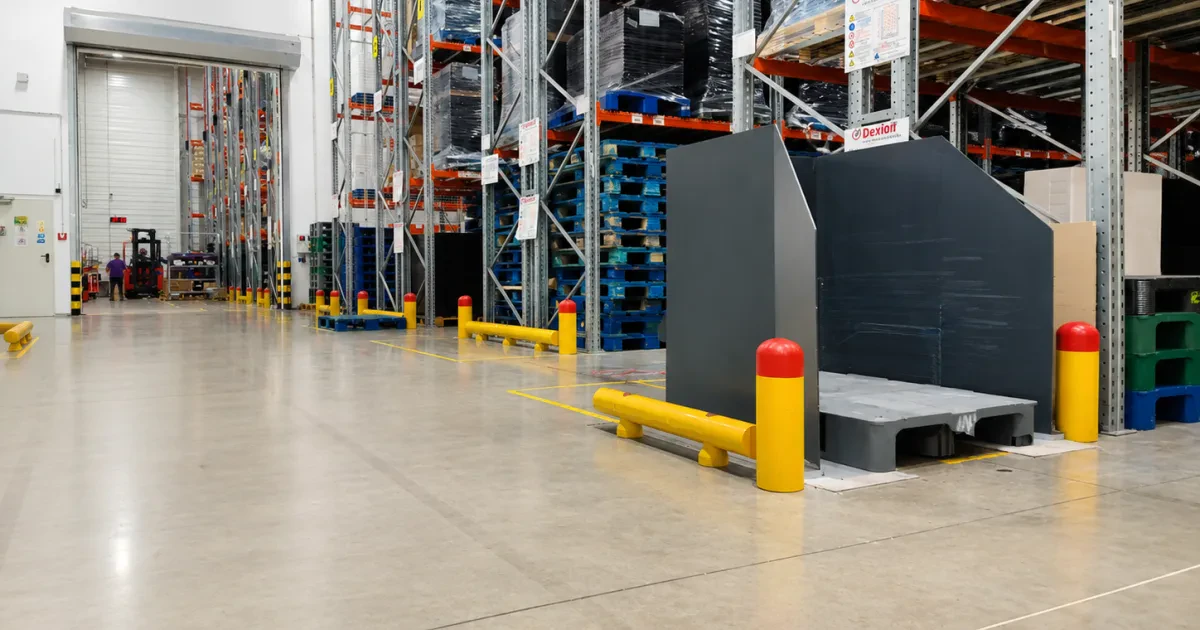
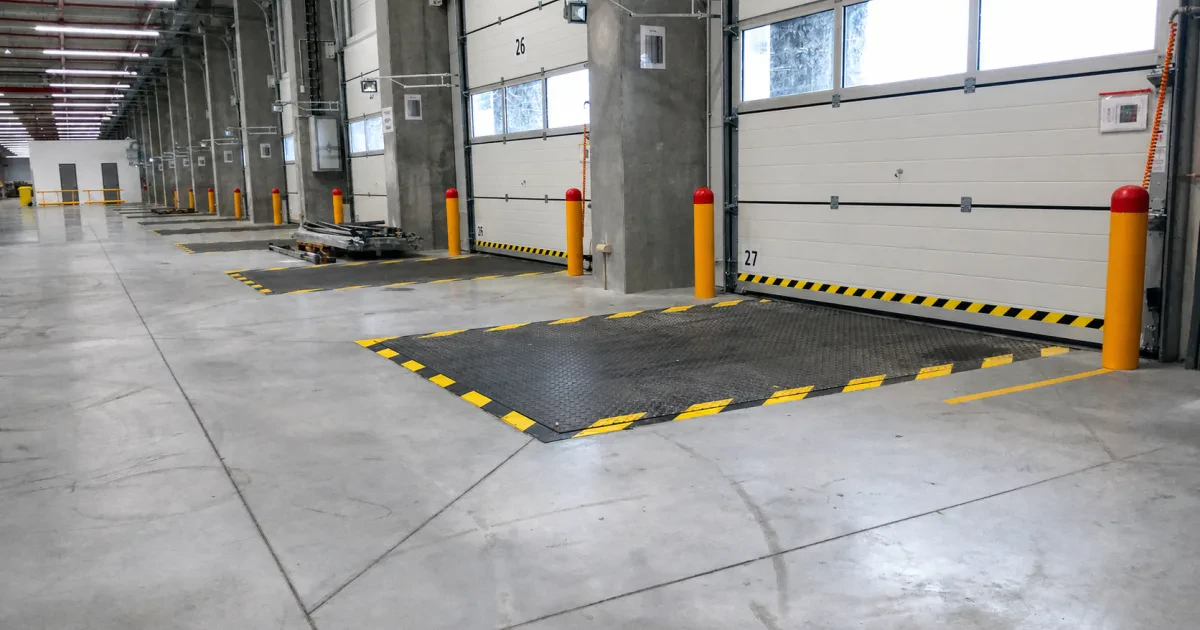
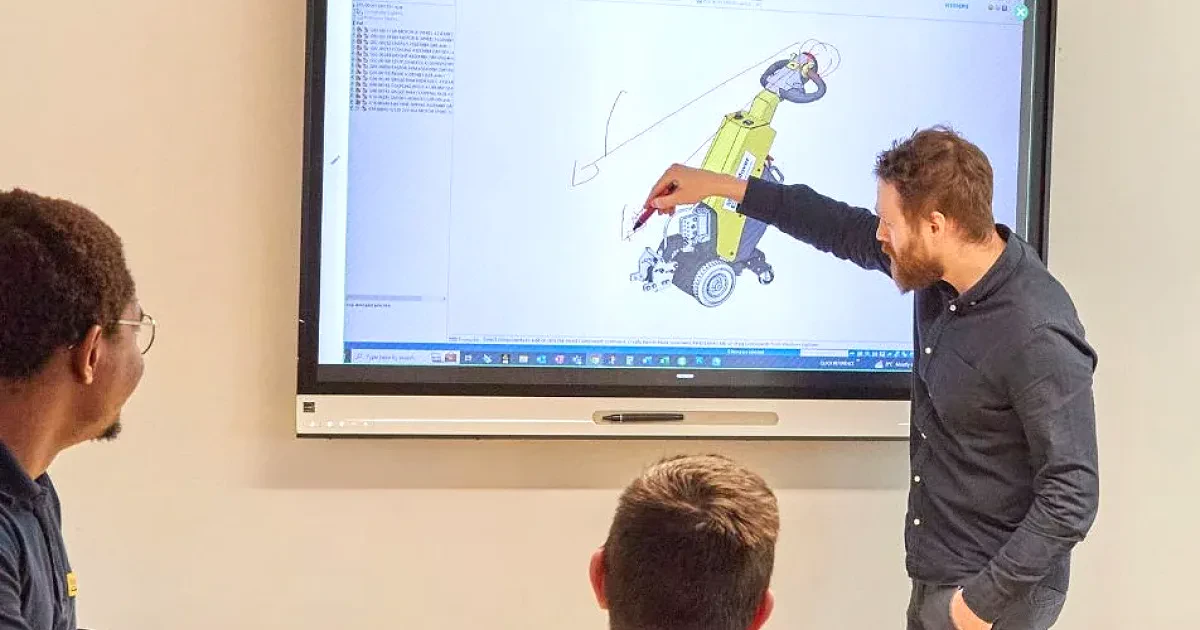
Exposed infrastructure, weak visibility or heavy loads in the same area?

Signals often appear around exposed assets: struck protection, marks on corners, improvised barriers, hard-to-access pumps, poor visibility, blocked maintenance routes or dirt carried on wheels from outside.
When these signals meet classified areas, heavy loads or planned shutdown work, the choice should start from route, asset, impact energy, access, procedure and internal validation.
Area classification can change materials, power supply, installation, maintenance, work permits and the type of equipment that can be accepted. In energy and petrochemical sites, the same visual solution can carry different requirements depending on atmosphere, temperature, substances, dust or procedures.
That is why the operator classification and area documentation come first. Only then can the buyer compare physical protection, route separation, route cleaning, reconfiguration or controlled movement.
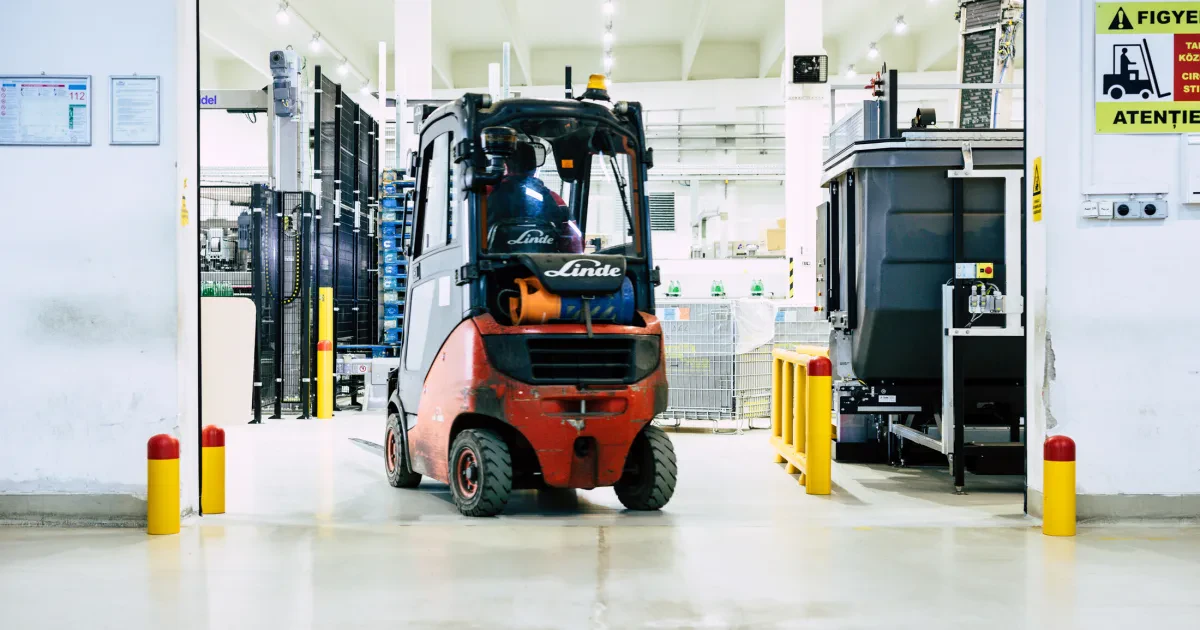
Protection should be reviewed near tanks, pumps, pipework, skids, panels, posts, doors, loading bays, racks or points where vehicles can approach infrastructure closely.
The choice depends on vehicle, mass, speed, angle, space, anchoring, floor and the asset that needs protection. In special areas, installation method, environmental compatibility and maintenance access also matter.
Intersections, hall exits, corners, technical aisles and temporary work zones deserve a closer look when fences, containers, pipe racks or panels reduce visibility.
First check whether people, vehicles and maintenance teams can be separated physically. If not, the route needs clearer access logic, visible barriers, gates, markings or a changed work sequence that fits the area restrictions.
Start from the real load: mass, wheels, coupling, centre of gravity, gradient, floor, turning space, stopping, movement frequency, route and areas where access is limited.
Electric tugs or custom solutions make sense when the load is wheeled or can be placed on a compatible support, and horizontal movement needs control without manual effort or operational blocking.
It can support routes where vehicles, platforms or carts move between outdoor areas, loading bays, construction work, workshops, storage and technical zones, carrying mud, dust, moisture or residues further along the route.
Straight route, bypass risk, speed, wheel type, weight, environment, cleaning routine and system compatibility should be checked. For spills, hazardous substances or decontamination, the operator procedures apply.
These data influence impact energy, protection type, anchoring, braking behaviour, manoeuvring space and whether a measure can be installed without blocking access.
Without them, selection stays too general. Area photos, route sketches, vehicle types, impact points and observations about gradients or damaged floors are useful for the first review.
Useful details include area photos, vehicle route, internal classification, load types, mass, wheels, impact points, reduced-visibility zones, maintenance access and permit restrictions.
A complete technical brief is not needed for first orientation. The important part is to show where the signal appears in the flow, which asset is exposed and what internal decision needs support.