
Receiving, storage and raw materials
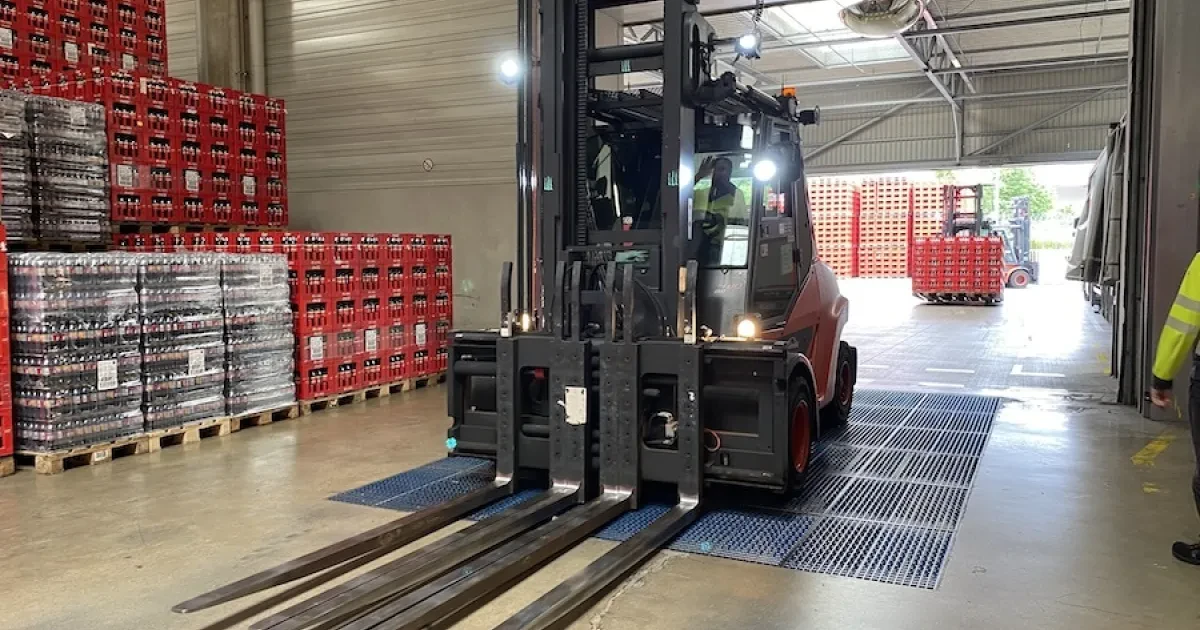
Routes where forklifts, pallet trucks, pallets and packaging can bring dust, grit, moisture or debris towards production.

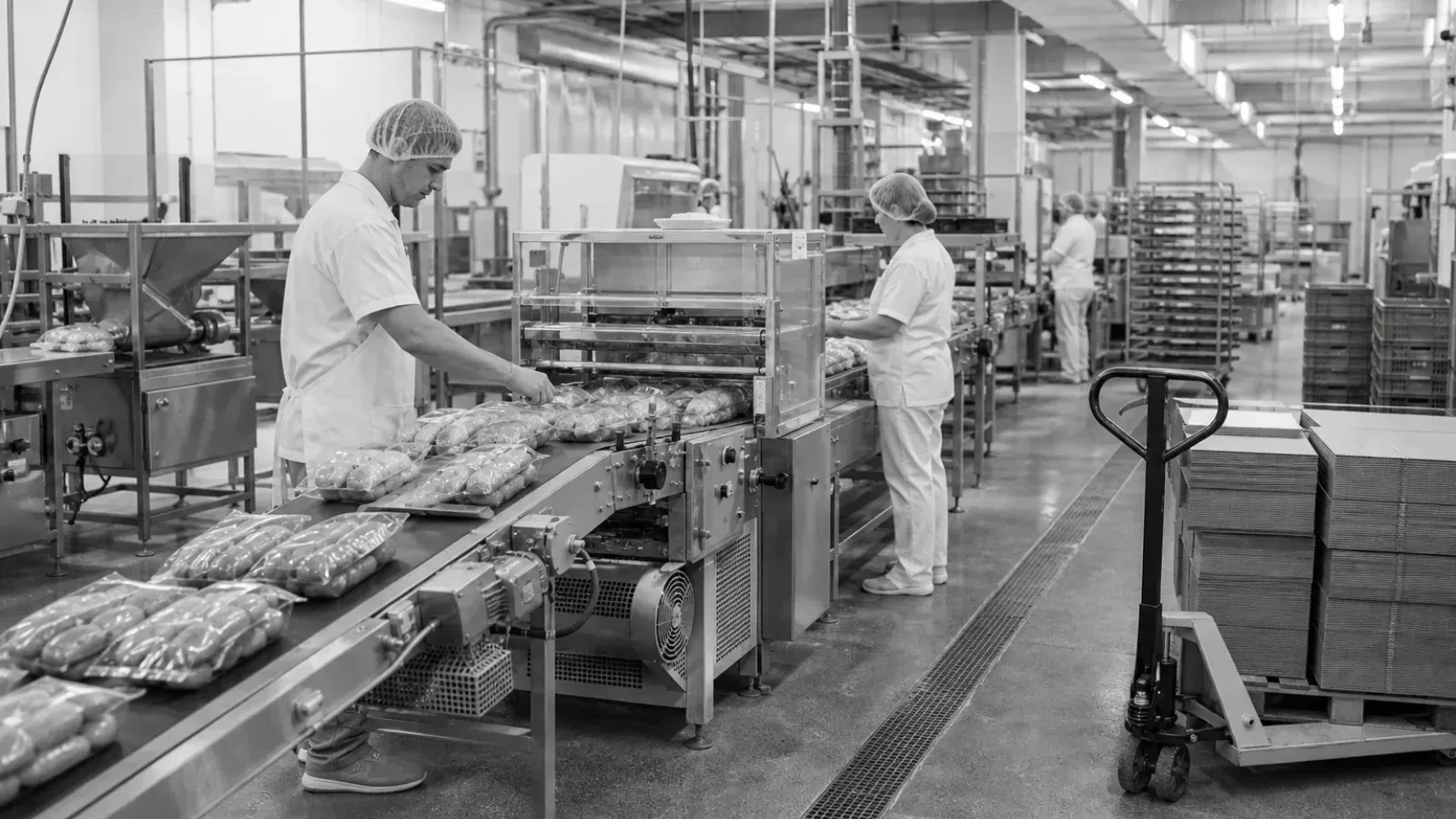
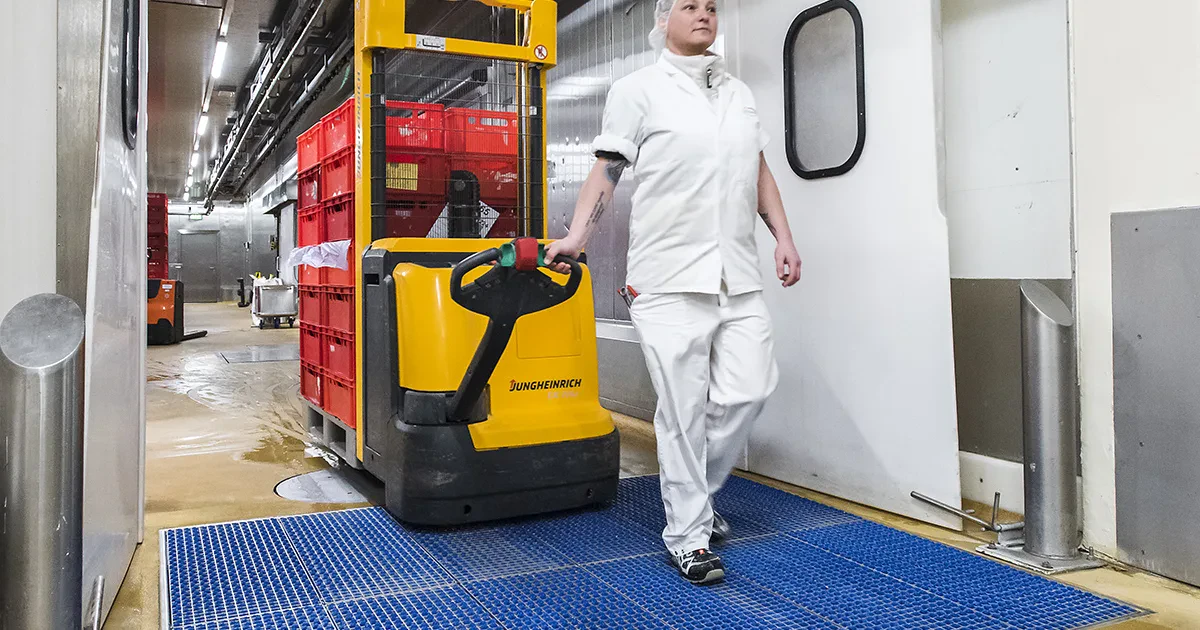
In food and beverage plants, people, soles, wheels, carts, pallets, packaging, mobile containers and wheeled equipment move between receiving, storage, production, packaging, areas with different hygiene expectations and dispatch.
Food hygiene rules, HACCP, BRCGS and IFS shape flow, zoning, cleaning, disinfection, verification and documentation. Transition points therefore need review with the operator’s quality and hygiene owner as part of the existing food-safety procedure.
At floor level, one plant can contain very different logics: dry routes with flour, dust or packaging, wet areas with washing and disinfectant, cold rooms, clean packaging, waste routes and heavy loads that need to move without unwanted contact.
A good choice starts from the transition: who crosses, which soles or wheels enter, what contamination appears, whether the area is dry or wet, and who validates the measure internally.
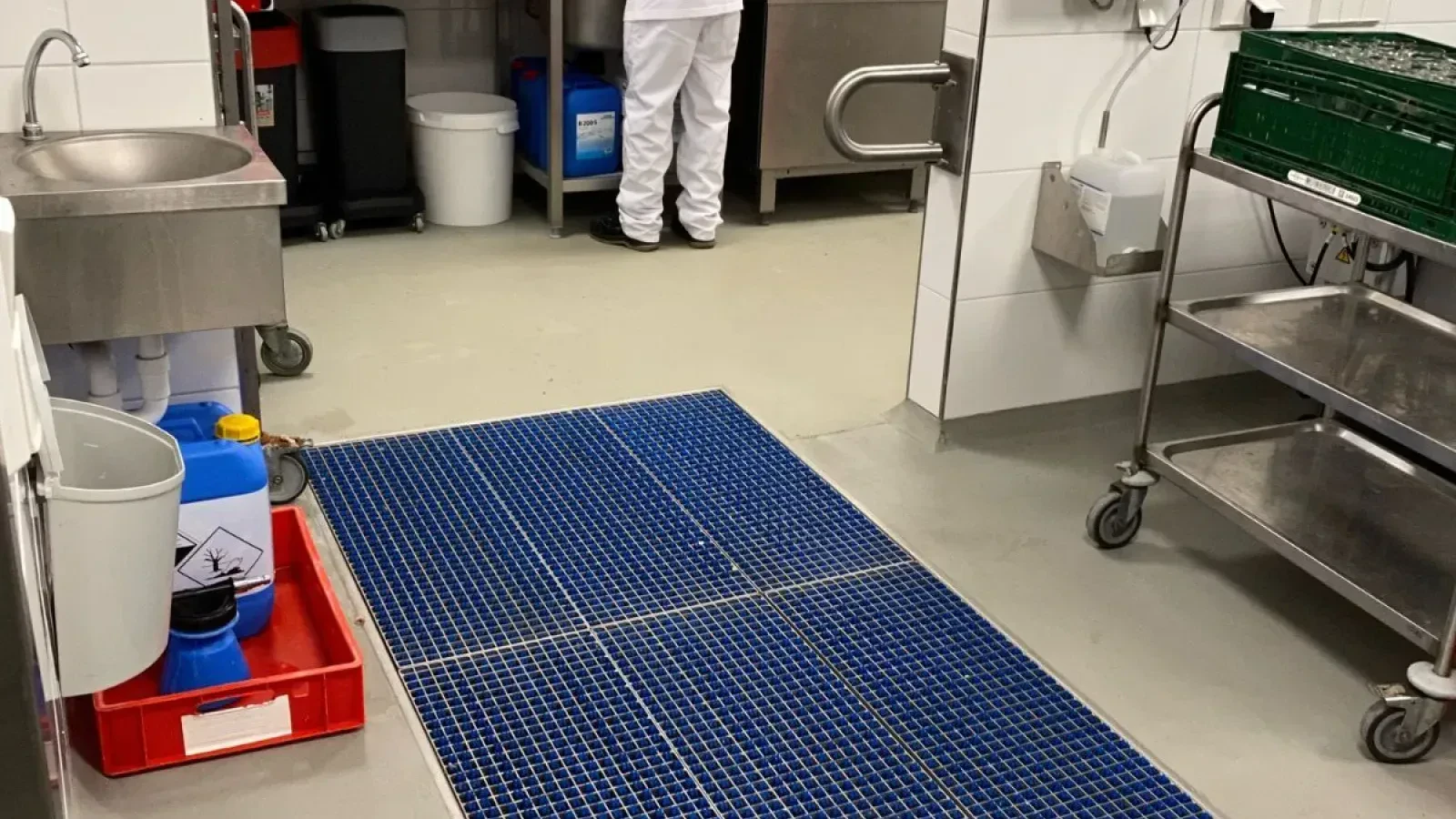
Between storage, receiving, changing rooms, production and packaging, visible dirt, dust, grit, fibres, packaging debris or moisture can move further inside on soles, wheels, pallet trucks, carts and mobile containers.
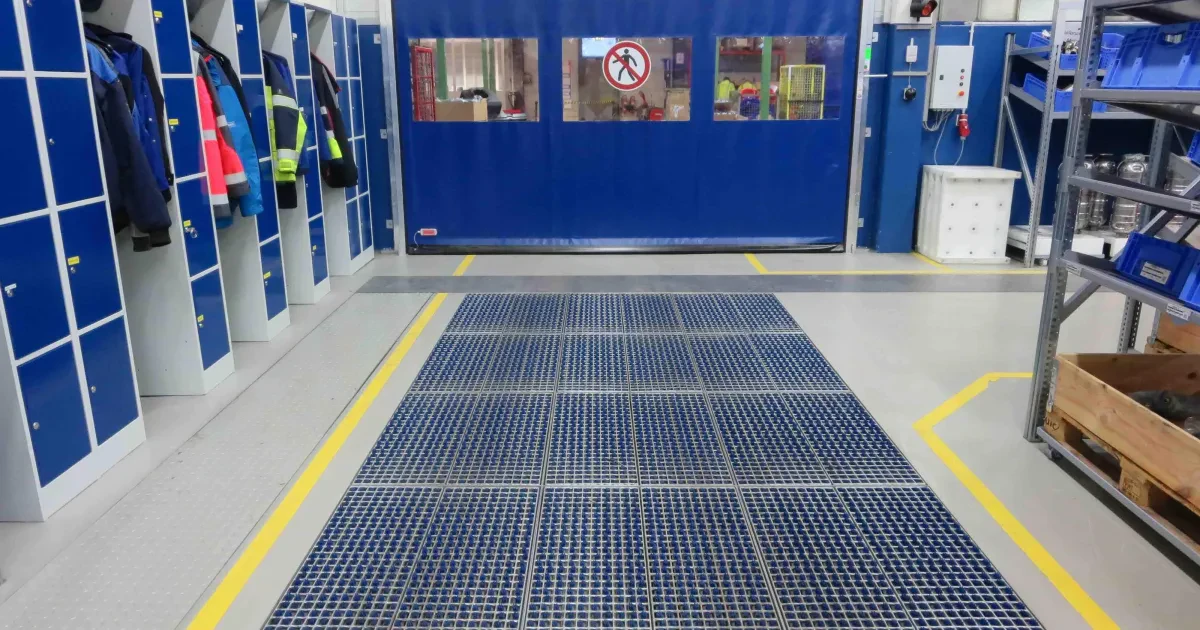
Sole cleaning, wheel cleaning, polymer contamination-control mats and the position of the control point become relevant when the route is clear, contact is sufficient, bypass risk is low and an owner exists for cleaning, maintenance and verification.
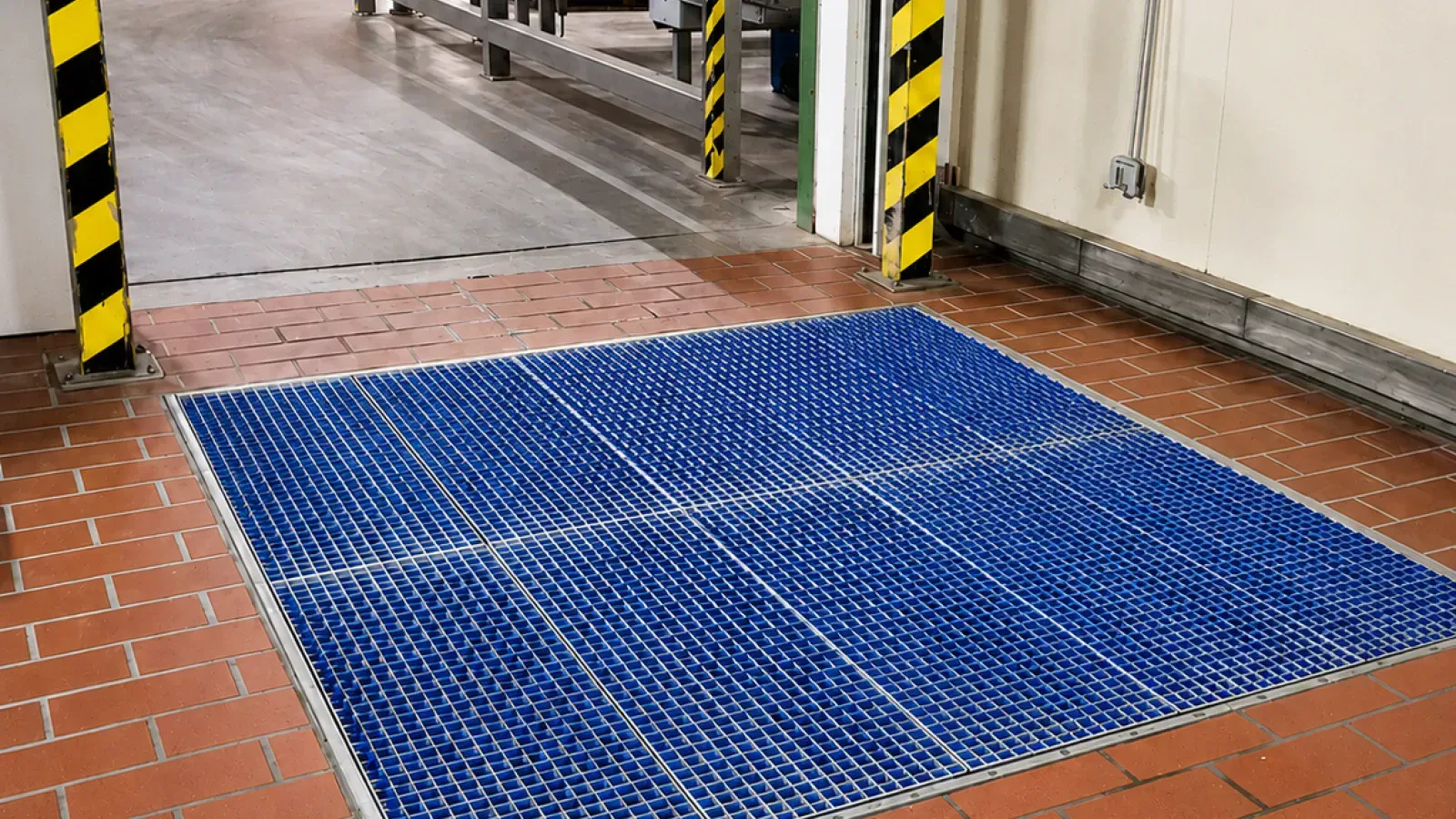
In food production, “aqua” is not automatic. In bakeries, flour, sugar, milk powder, dry packaging or chocolate, moisture can complicate the process. In meat, fish, ready-to-eat, catering, pet food or wet zones, washing, disinfectant, drainage and verification may shape the route.
For wet cleaning or liquid-disinfectant hygiene, liquid, concentration, drainage, refill, tray and grate cleaning, chemical compatibility, internal ownership and verification method need to be clear.
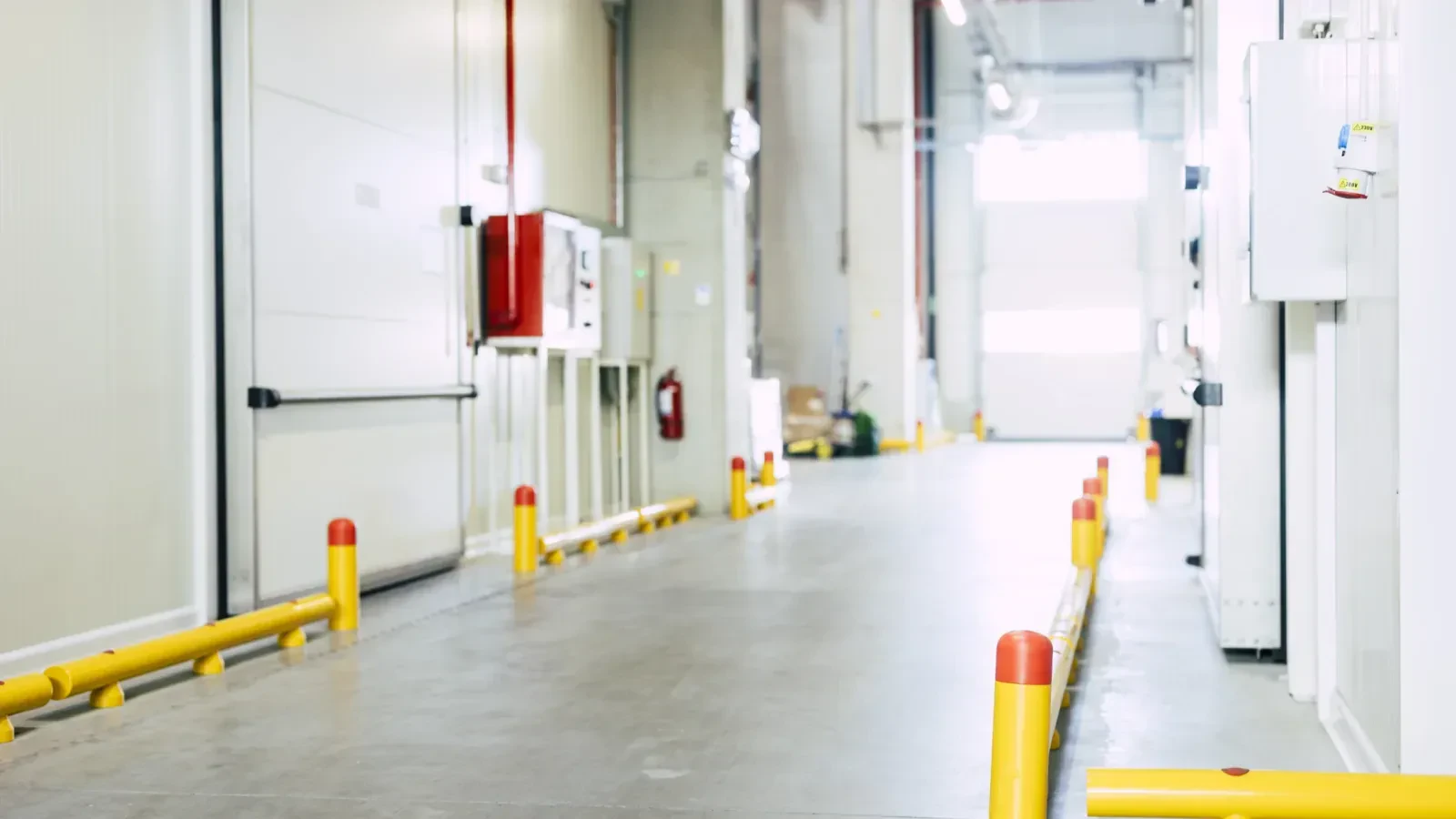
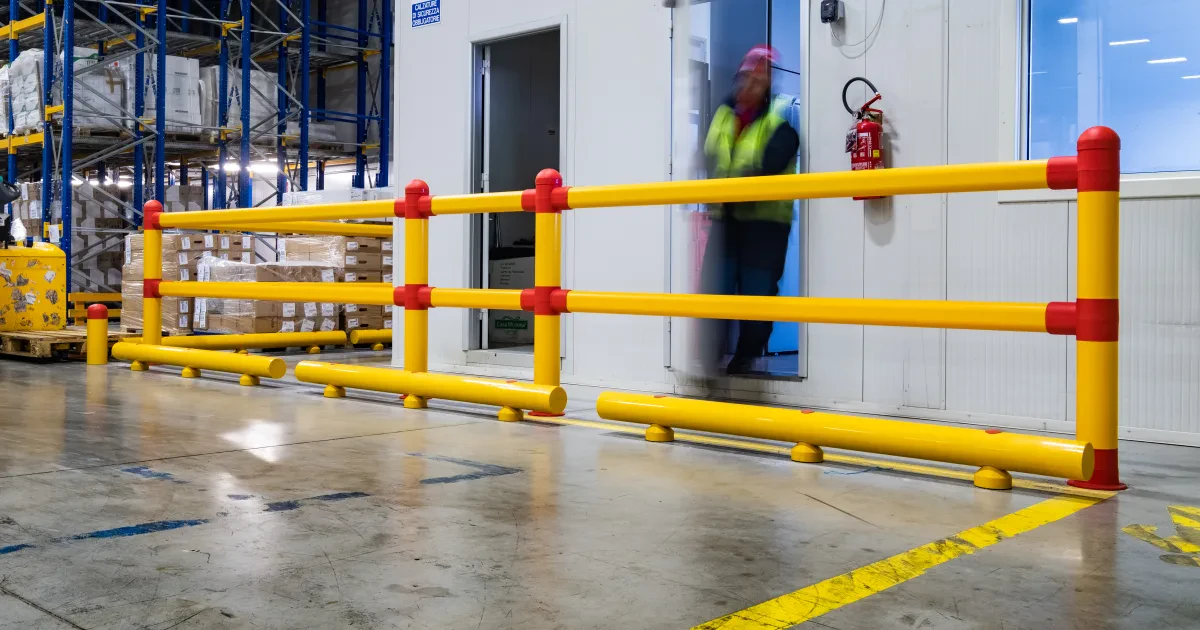
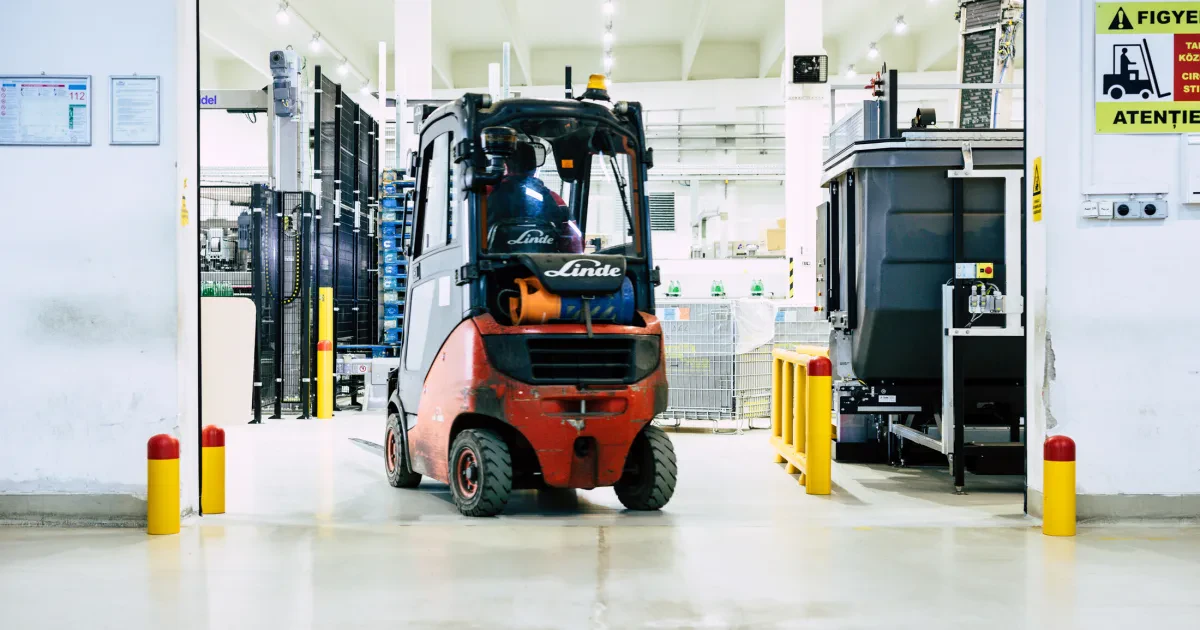
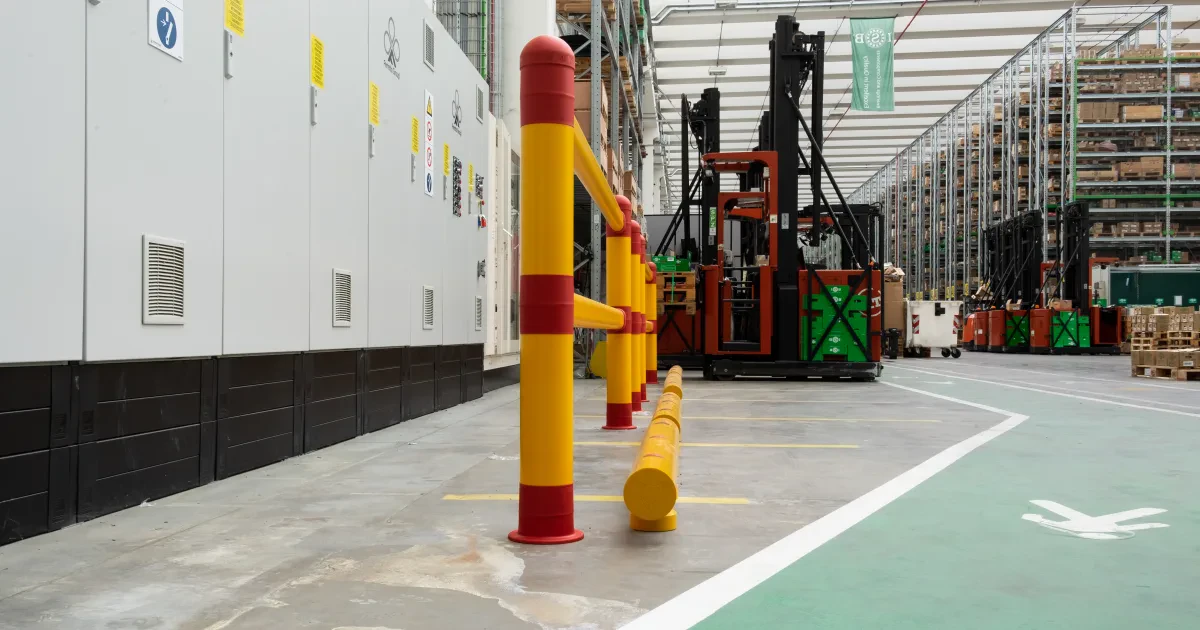
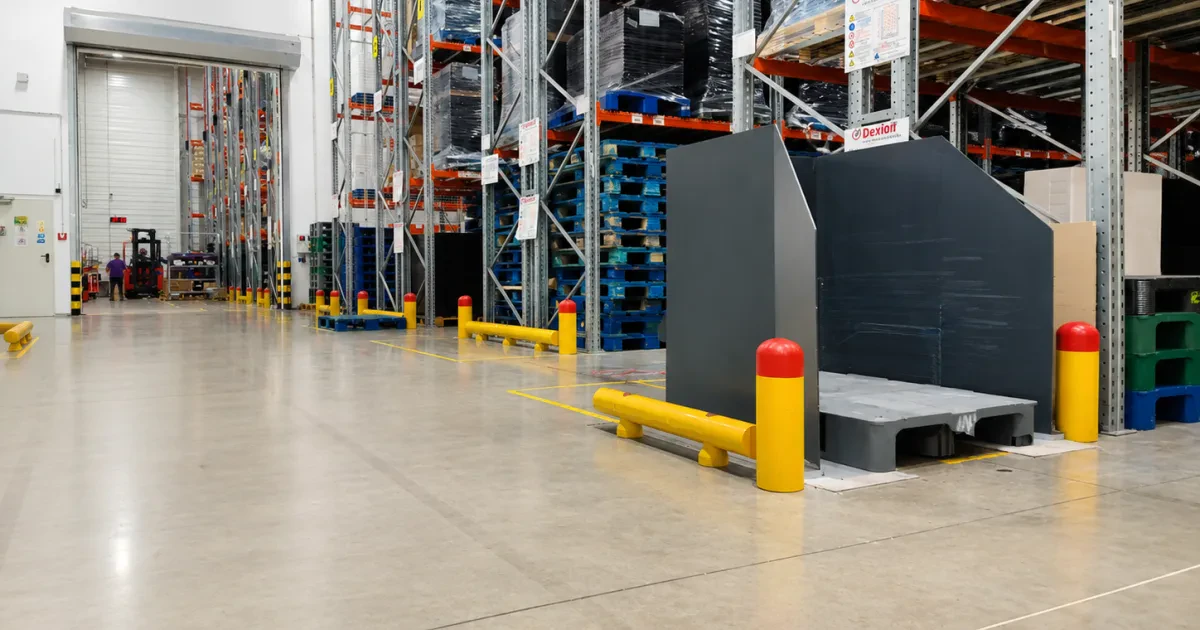
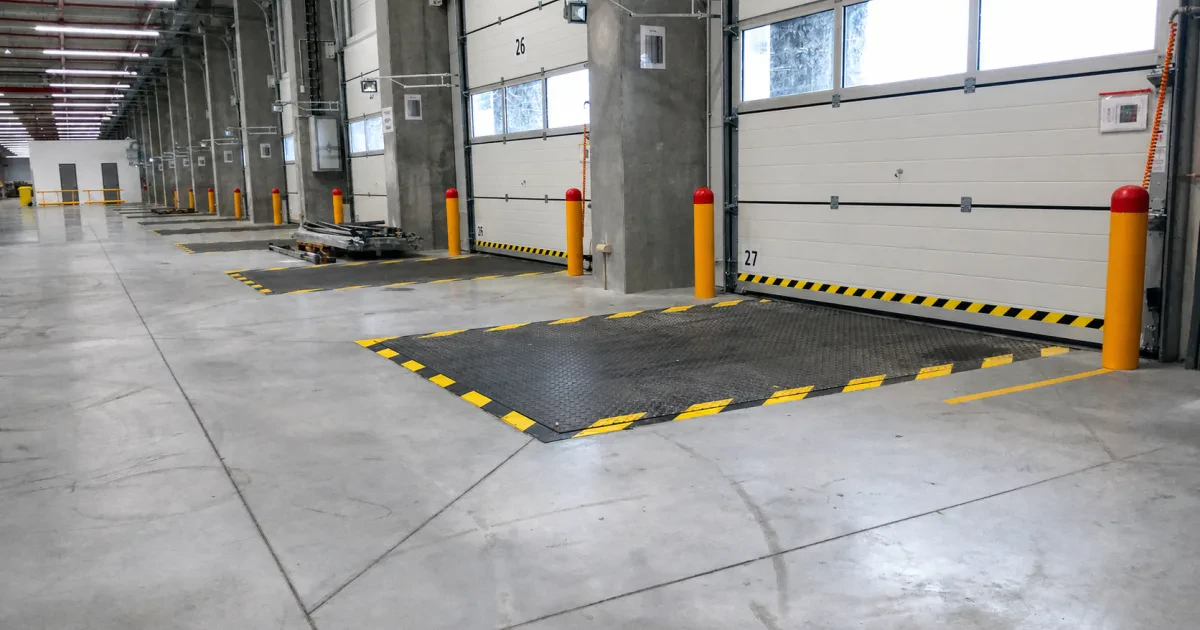
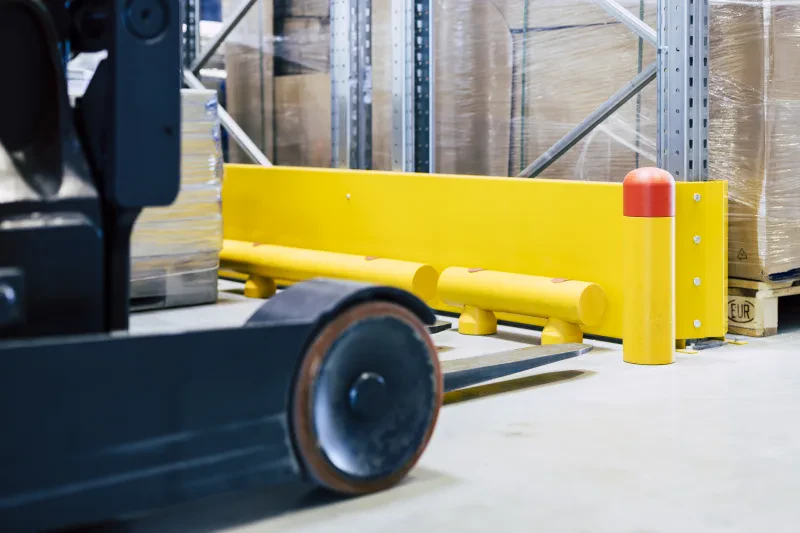
In food production, forklifts, pallet trucks, carts and mobile containers often pass close to cold-room doors, walls, panels, conveyors, workstations, columns and technical areas. A local impact can affect access, cleaning, maintenance or production continuity.
Physical protection should be selected against the real scenario: vehicle, mass, speed, angle, available space, anchoring, cleanability and what must be protected without blocking hygiene work or evacuation.
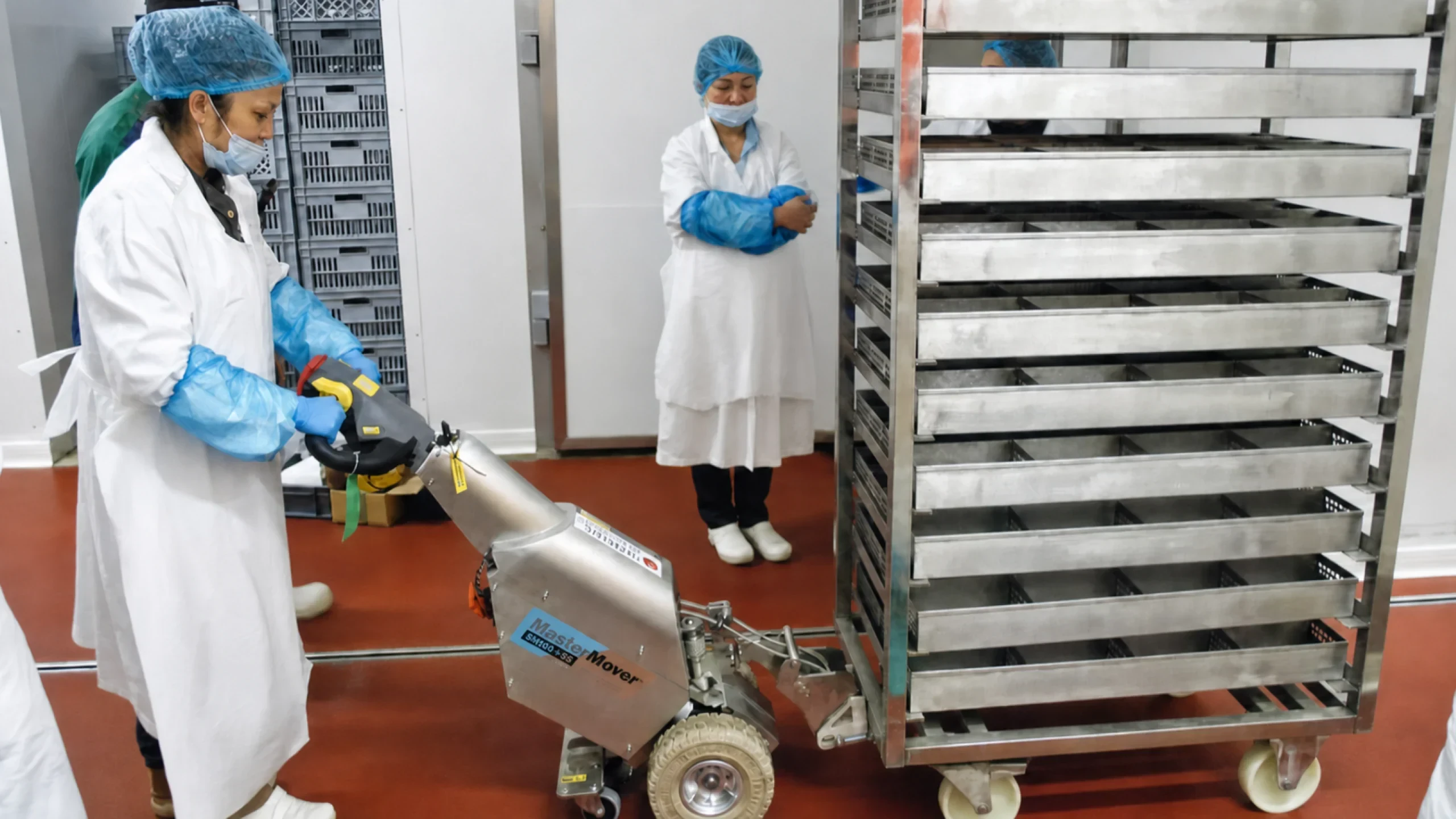
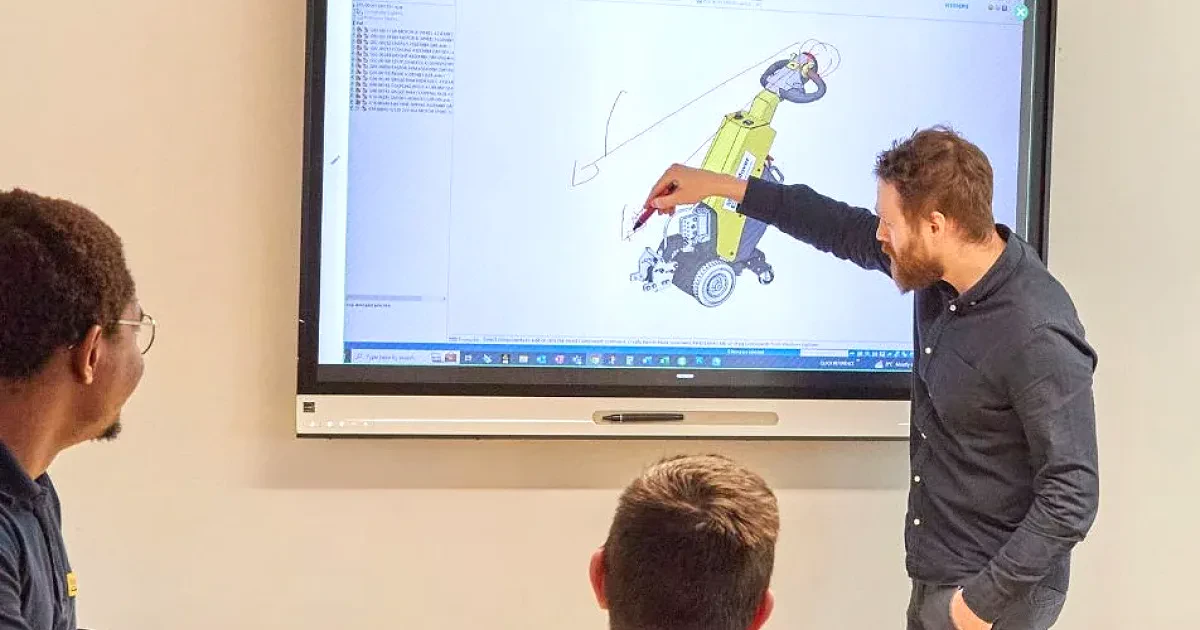
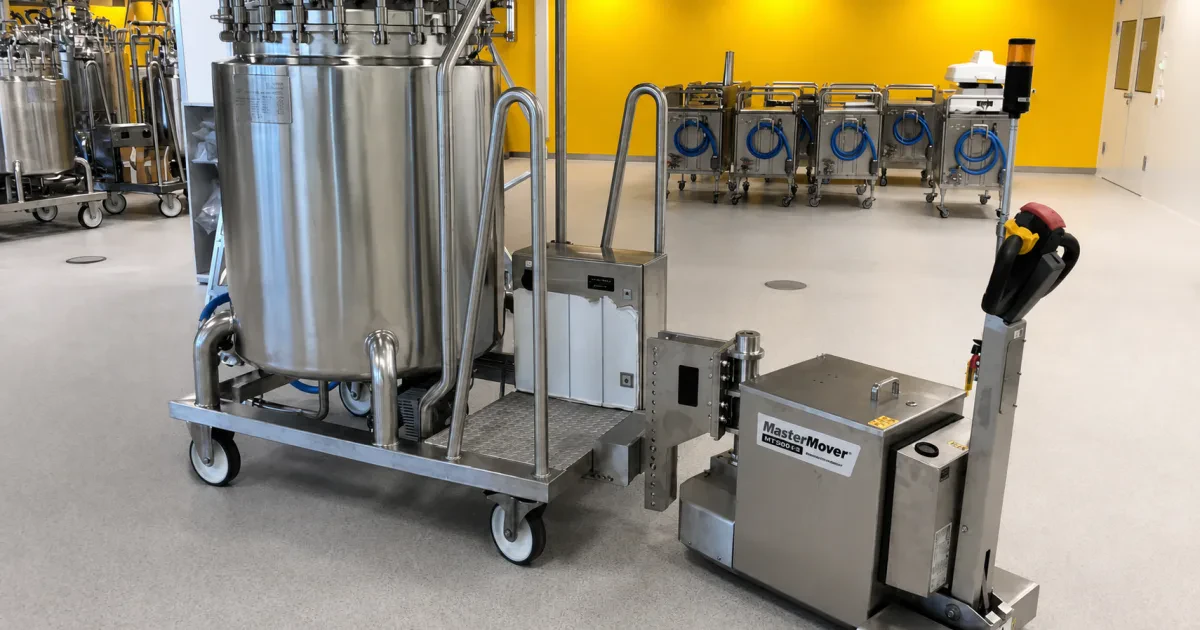
Vats, carts, racks, containers, tanks, mixers or mobile equipment can be difficult to move manually without effort, route deviations, impacts or stops. In hygienic areas, material, cleanability and washdown routine can matter as much as pulling force.
Stainless or hygienic-environment tug systems are selected after the load, wheels, route, slope, coupling, cleaning chemistry, washdown level and site requirement are clear.
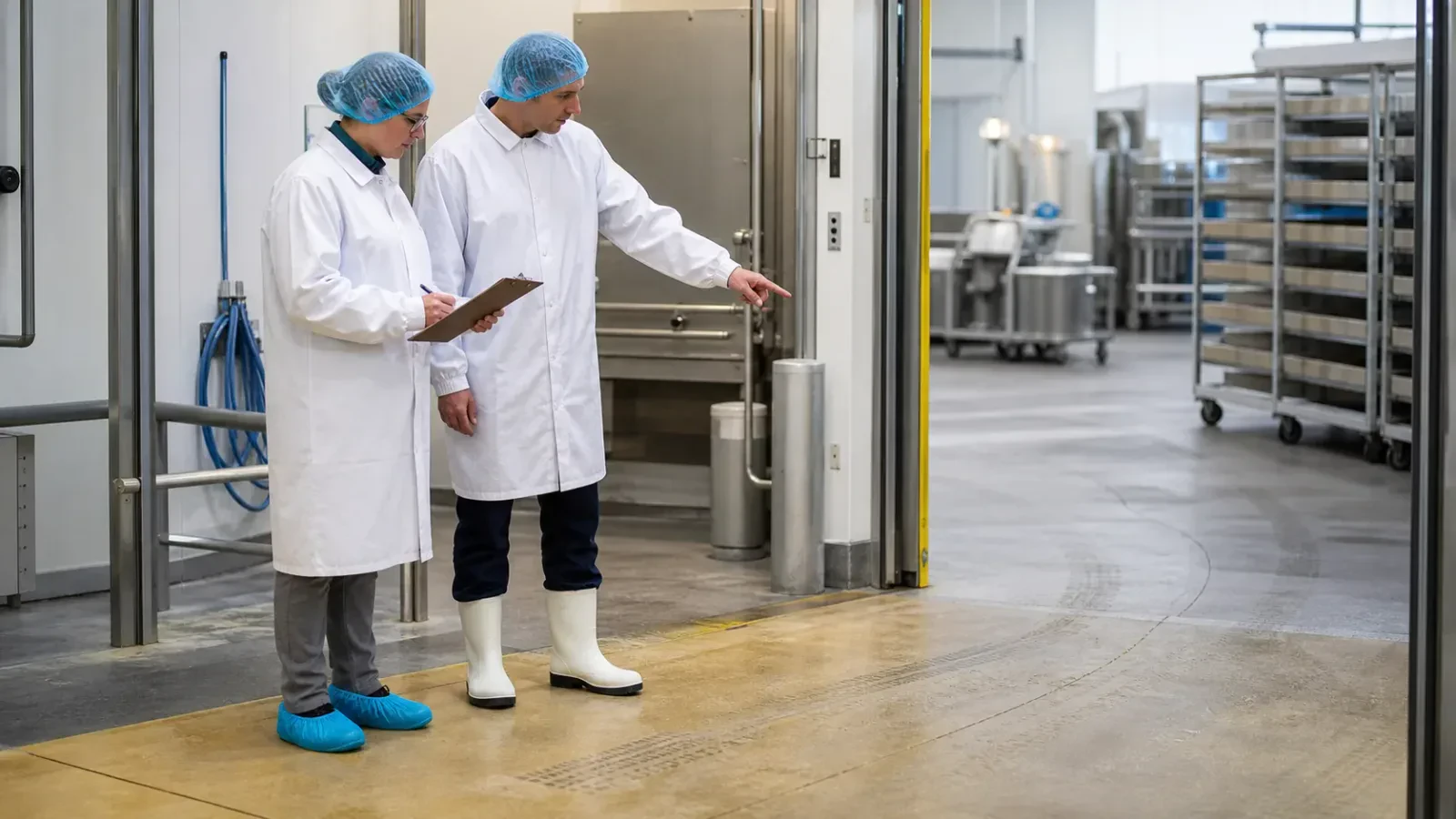
Before choosing, separate physical contamination, wet hygiene, moisture carryover, impact protection and controlled movement. Product type, zone, flow, traffic, bypass risk, cleaning, drainage and internal verification all matter.
Area photos, a route sketch, sole and wheel types, cleaning method, quality or hygiene observations and frequently moved loads help identify the right direction.















A practical guide to protecting areas where vehicles approach doors, racks and loading-bay edges.
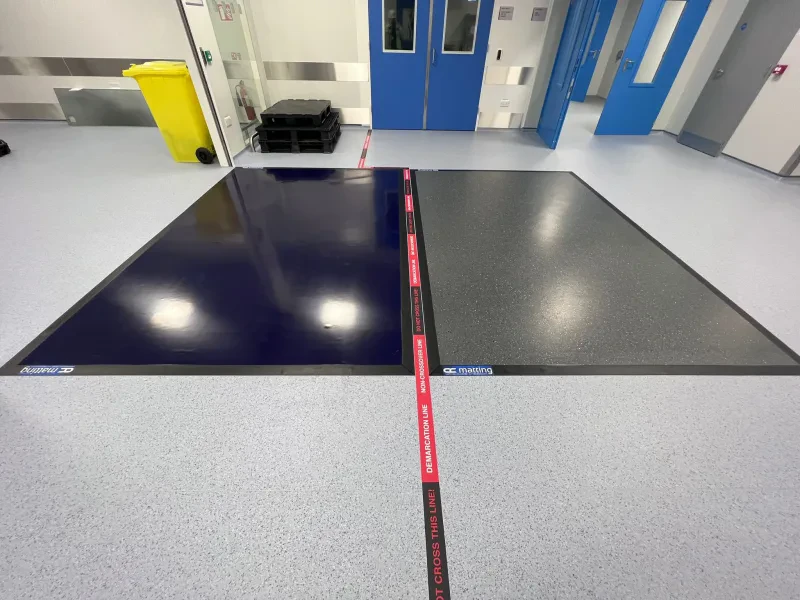
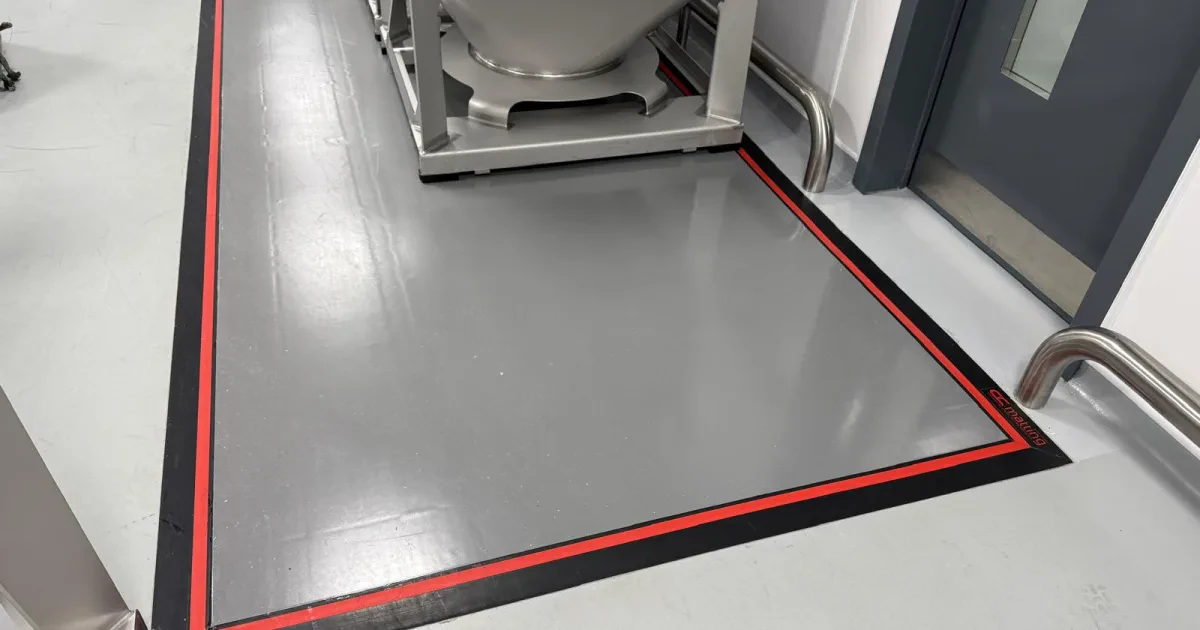
How to choose between peel-off adhesive mats, reusable polymer matting and active route cleaning in cleanrooms and controlled environments.
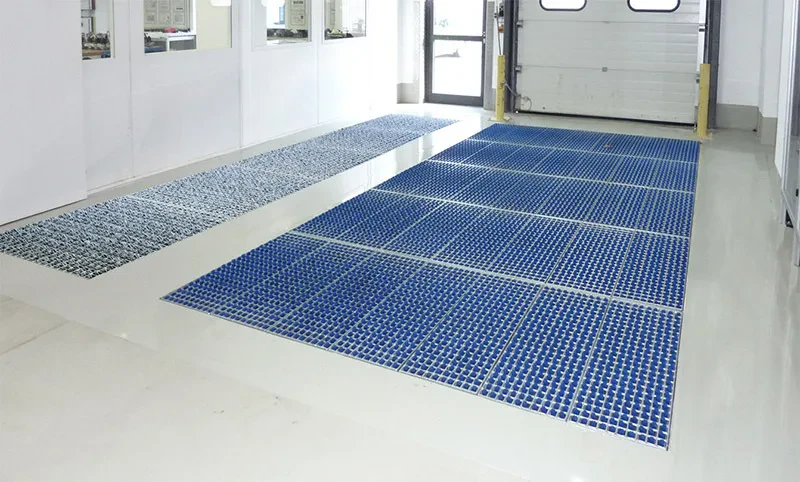
How to tell whether the intervention belongs at the entrance, near production, at a rack, at a loading bay or in the way a wheeled load is moved.
Check whether the area calls for hygiene measures, protection or controlled movement

Useful signals appear on the route: visible dirt after a transition, soles or wheels arriving from less clean areas, a crossing point that can be bypassed, cleaning that takes too much effort, quality or hygiene observations, impacts on doors or panels, or loads that are difficult to move with control.
When several signals appear in the same area, the review should move to flow level: what crosses the point, what may be carried further, what can be controlled before the more sensitive area and who verifies it internally.
Use them as references for flow, zoning, cleaning, disinfection, verification and documentation. They help frame the right questions about routes and responsibilities, especially at transitions between areas with different expectations.
The operator’s quality and hygiene teams decide how a measure enters the food-safety procedure. Its fit is checked within the existing system, together with the route, cleaning method and monitoring of the point.
They become relevant when people, footwear or boots move from changing rooms, storage, low-care or support areas towards production, packaging or areas with higher hygiene expectations.
The point should sit on the natural route, with low bypass risk, sufficient contact and a clear owner for cleaning, refill, maintenance and verification. If liquid hygiene is involved, liquid type, drainage and the internal validation method must be clear.
It makes sense when forklift, pallet truck, cart, mobile container or equipment wheels move from less clean areas towards production, packaging, high-care, cold rooms or areas where the floor must stay cleaner.
Before choosing, wheel types, load, space, straight crossing route, bypass possibility, system cleaning and, for wet areas, drainage and fit with the site procedure should be checked.
Dry control may fit routes with flour, sugar, milk powder, dry packaging, cocoa, chocolate or areas where moisture can affect the product, floor or cleaning routine.
Wet cleaning or liquid-disinfectant hygiene makes sense when the process allows or requires washing, disinfectant, drainage and verification. The decision should be made with the quality and hygiene owner because liquid changes maintenance and ownership of the control point.
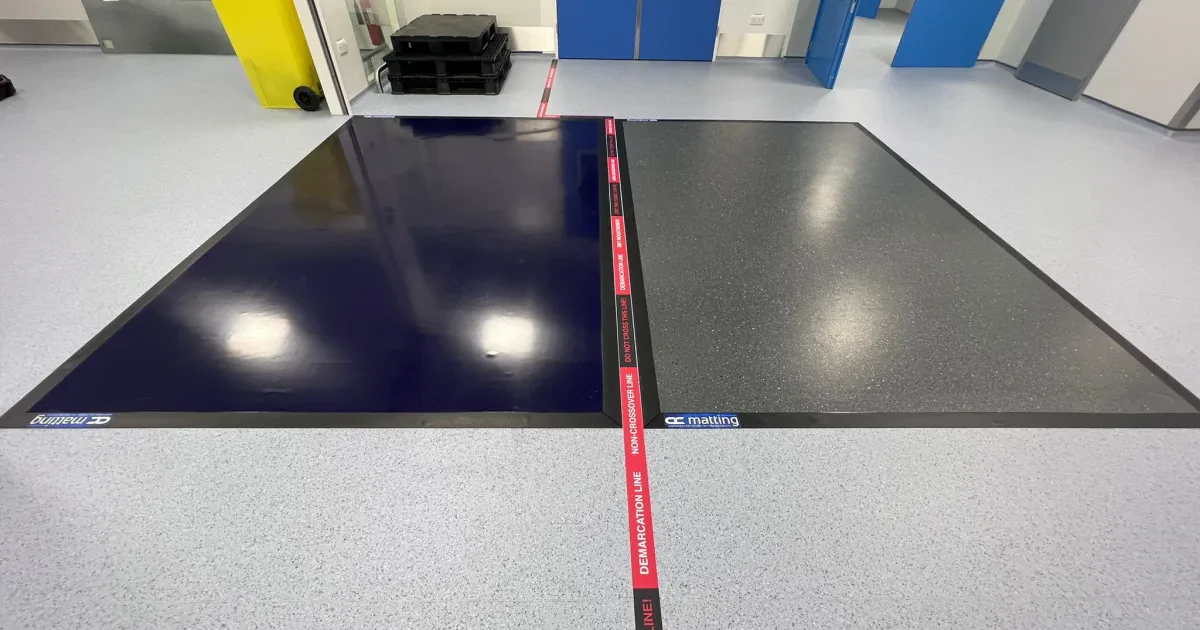
They make sense at transfer points with pedestrian traffic or light wheels, where visible contamination should be retained before a more sensitive area and mat cleaning can realistically be maintained.
They are not a shortcut for liquid hygiene or validation of a high-care area. Route, traffic type, cleaning frequency, floor compatibility and acceptance in the site procedure should be checked.
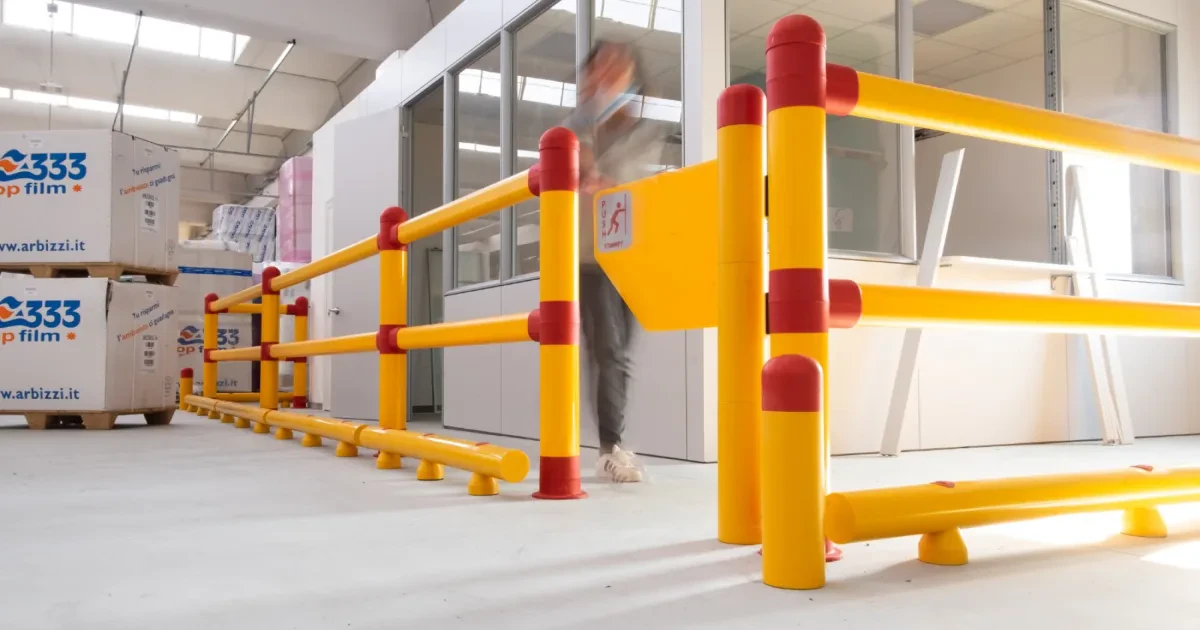
Protection becomes relevant near cold-room doors, panels, walls, conveyors, machines, workstations, columns or areas where an impact can affect cleaning, access, maintenance or production continuity.
Selection should follow the vehicle, impact energy, angle, anchoring space, cleanability and access for evacuation or hygiene work. Where visibility is weak, route marking and layout discipline can support physical protection.
It can help when vats, carts, containers, racks, tanks, mixers or mobile equipment need to move with control in an area where material, cleanability and washdown routine matter.
Before choosing, load weight, wheels, gradient, floor, coupling, turning radius, cleaning chemistry, washdown level and the internal requirement for stainless material or a hygienic configuration should be checked.
Photos of the area, a simple route sketch, footwear and wheel types, the cleaning method, quality or hygiene observations, impact points, drainage details and frequently moved loads are useful.
A complete technical brief is not needed for the first orientation. The important part is to show where the signal appears in the flow and what internal decision needs support.