
Receiving, storage and quarantine
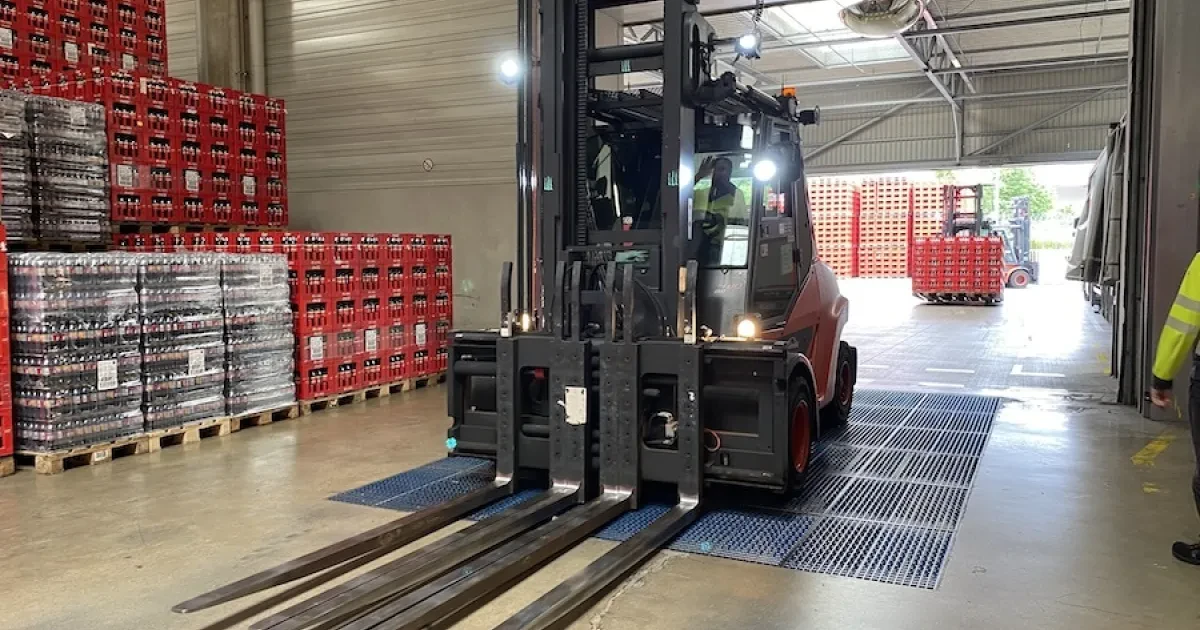
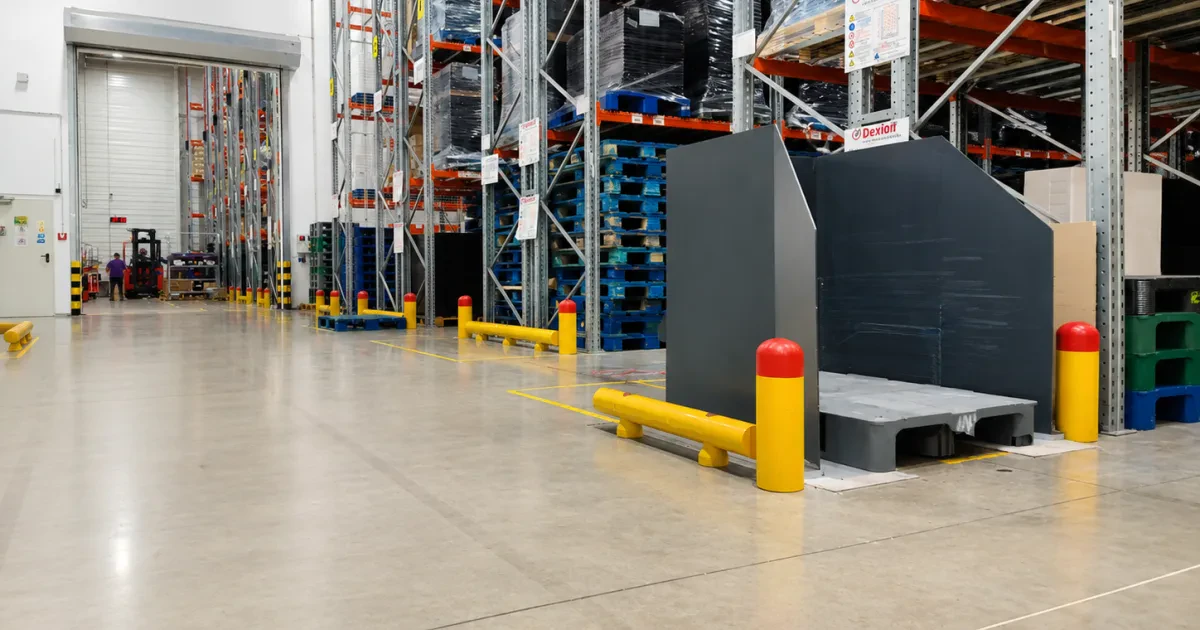
Routes where pallets, pallet trucks, wheels, packaging and containers can carry particles or moisture towards more sensitive areas.

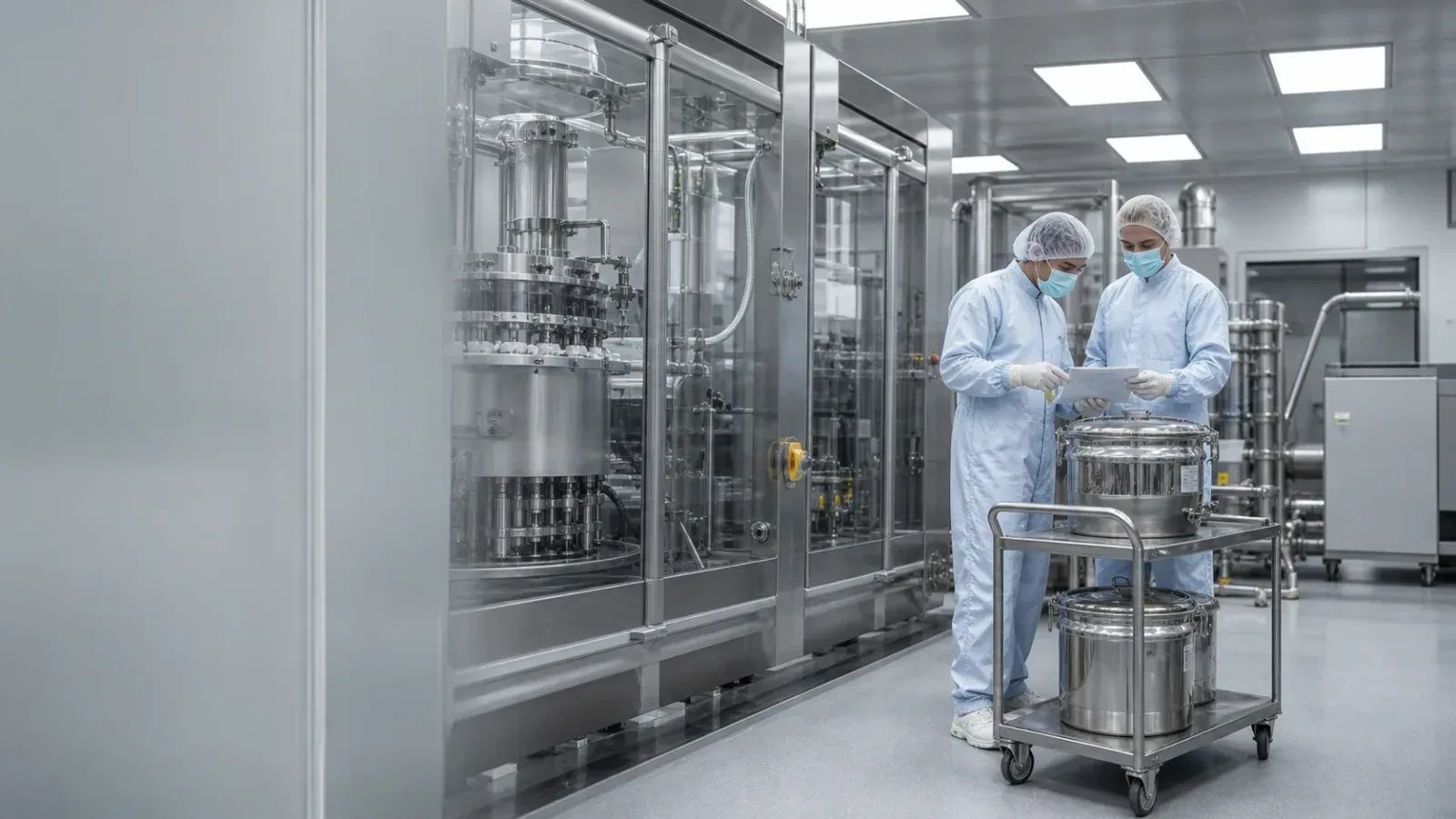
In pharmaceutical plants, people, soles, wheels, carts, mobile containers, process equipment and materials move between receiving, storage, quarantine, changing rooms, airlocks, controlled corridors, production, packaging, laboratory and dispatch.
GMP, Annex 1 and contamination-control strategy place flow design, cleaning, disinfection, monitoring, personnel, materials and documentation in one operating system. Soles, wheels, carts and mobile equipment should therefore be assessed at real transition points and validated through the operator’s procedure.
At floor level, one site may include storage and quarantine, airlocks, controlled corridors, production, packaging, QC and technical areas. A mark, visible particle, bypassed cart route or load that is hard to move can point to something that should be reviewed with quality, engineering, hygiene, EHS or maintenance.
The transition shows who crosses, which wheels or soles enter, what contamination may appear, what cleaning routine exists and what the internal procedure requires.
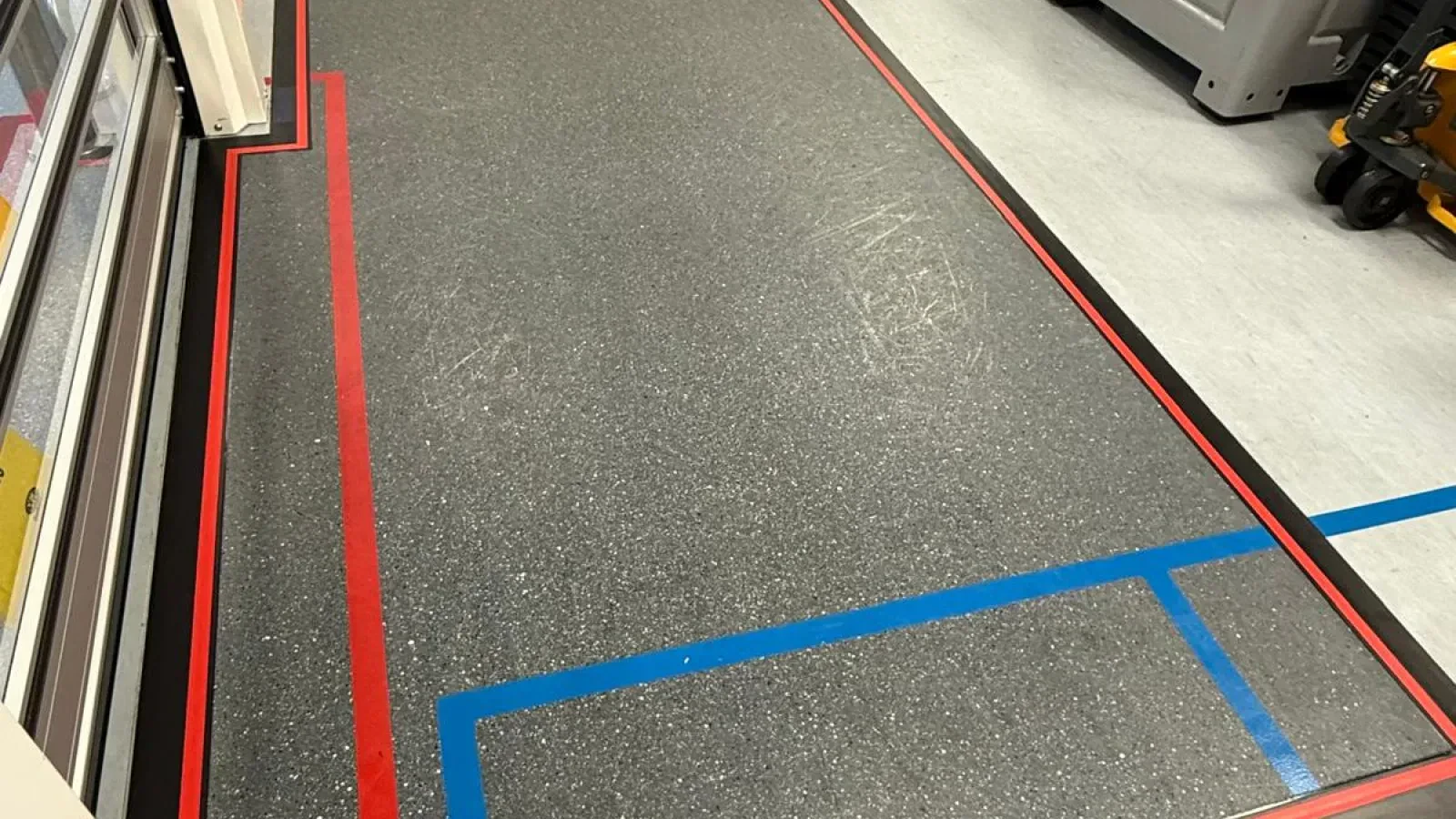
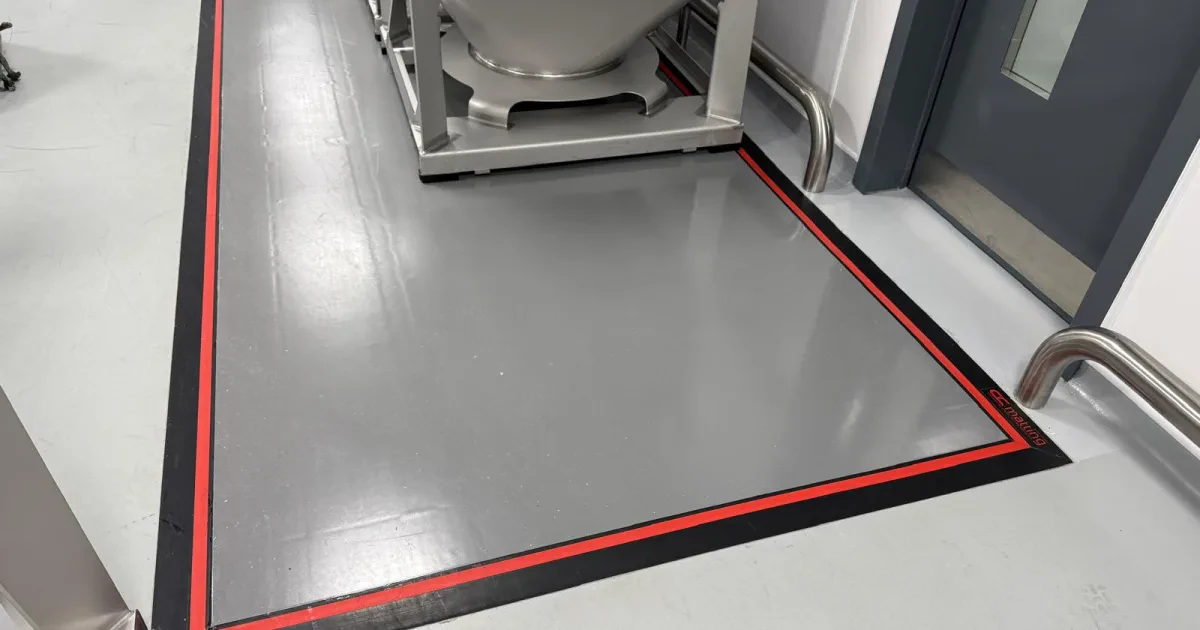
Before an airlock, production entry, packaging area or QC space, soles, wheels, carts and packaging can carry dust, fibres, moisture marks or visible particles from storage, quarantine or support areas.
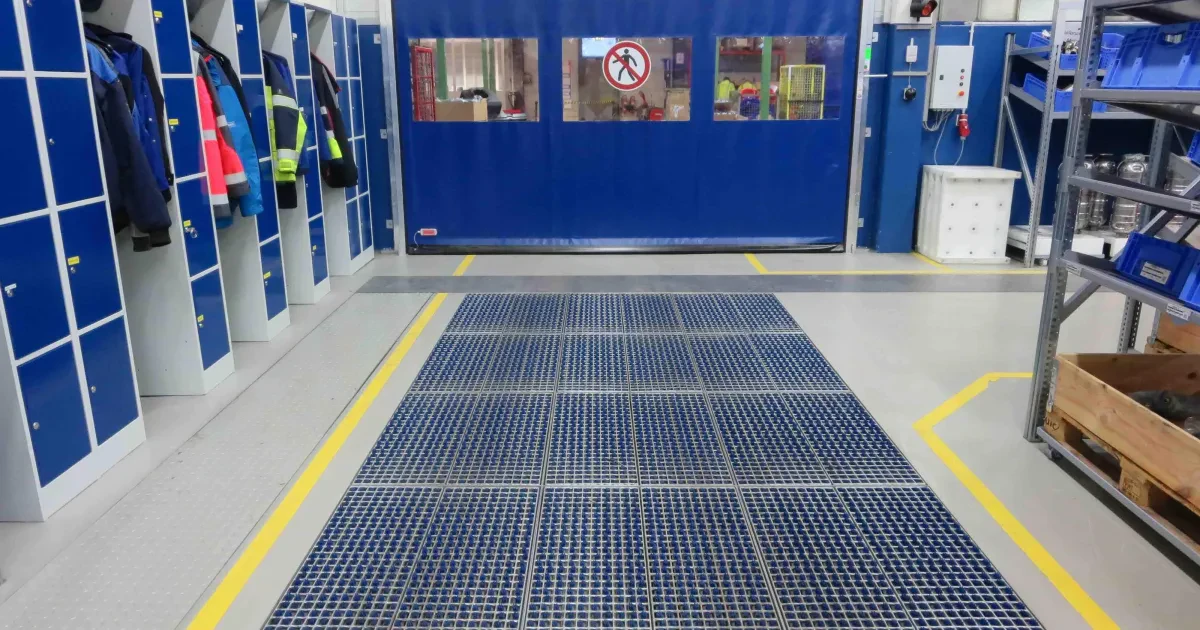
Sole cleaning, polymer mats, wheel cleaning and control-point position become relevant when the route is clear, contact is sufficient, bypass risk is low and an internal owner exists for cleaning, maintenance and verification.
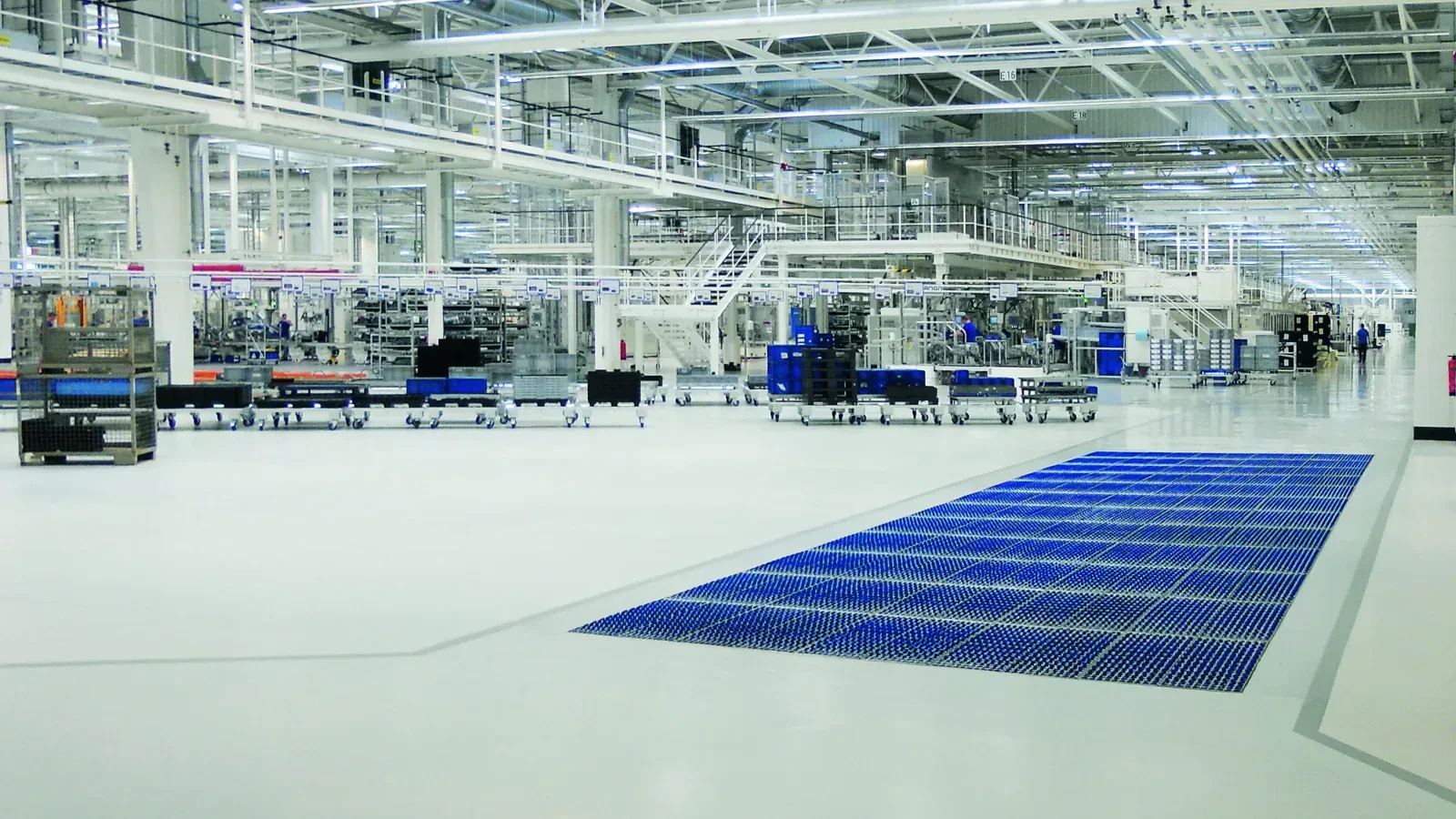
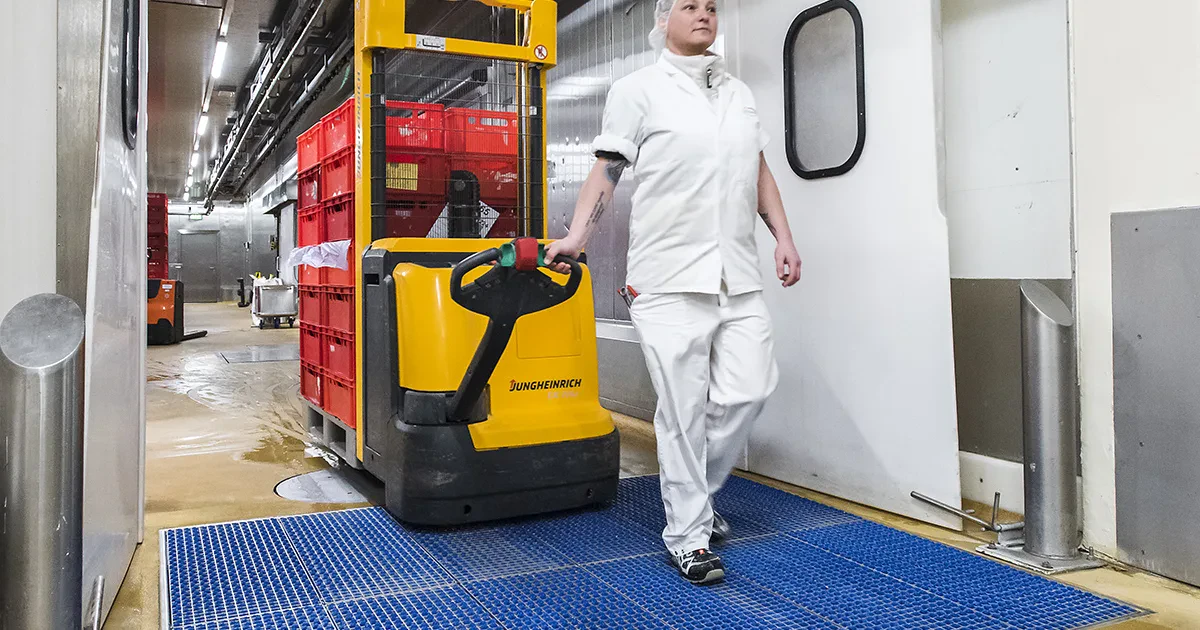
Forklift, pallet truck, cart, mobile container or equipment wheels can move through areas with different expectations. In some points visible dirt matters most; in others, fine particles, moisture, system cleaning or fit with the quality routine matter more.
Choosing dry control, mechanical cleaning, polymer matting or a wet solution should follow contamination type, wheel types, crossing frequency, drainage, cleaning agents and acceptance inside the operator procedure.
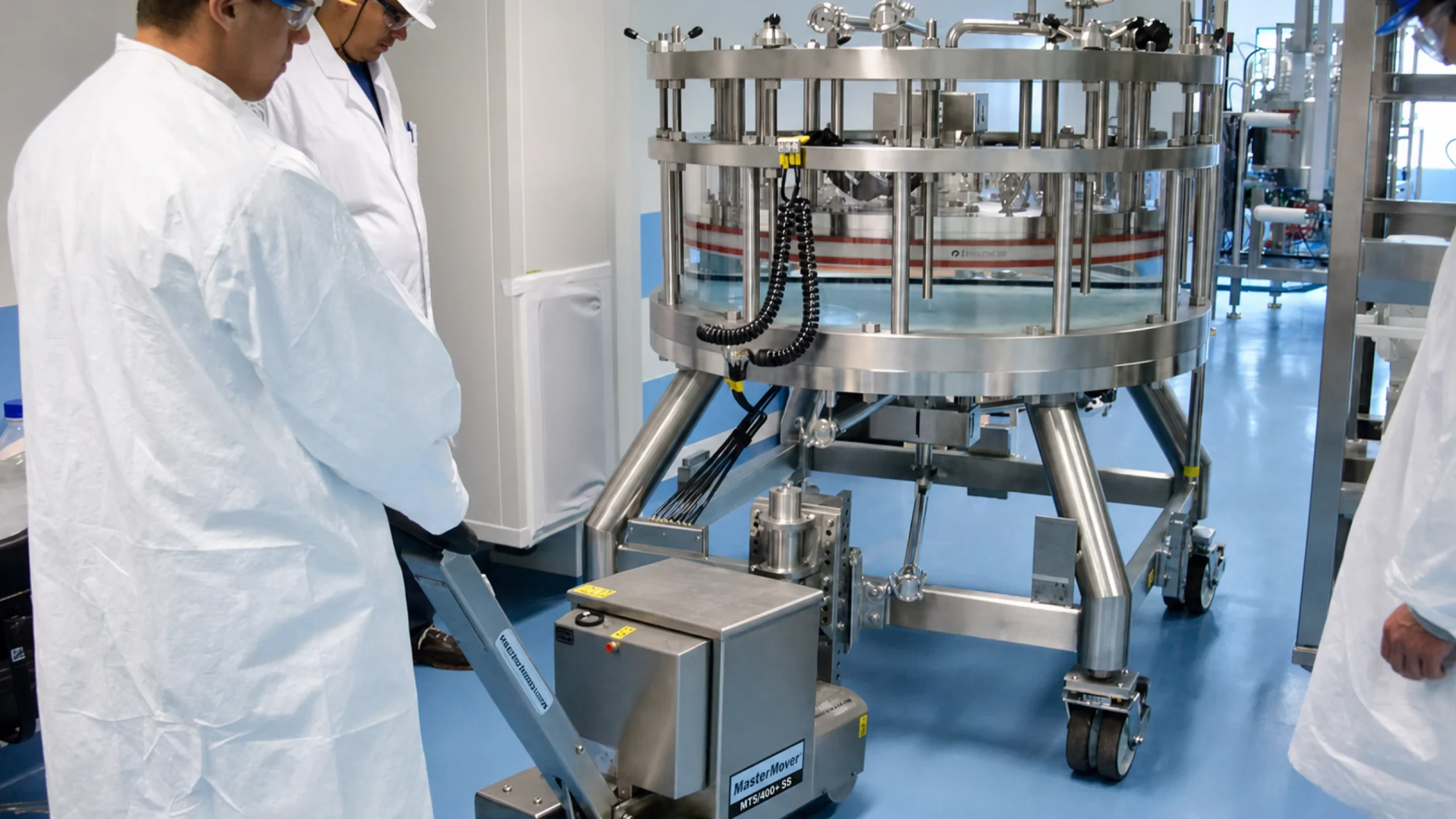
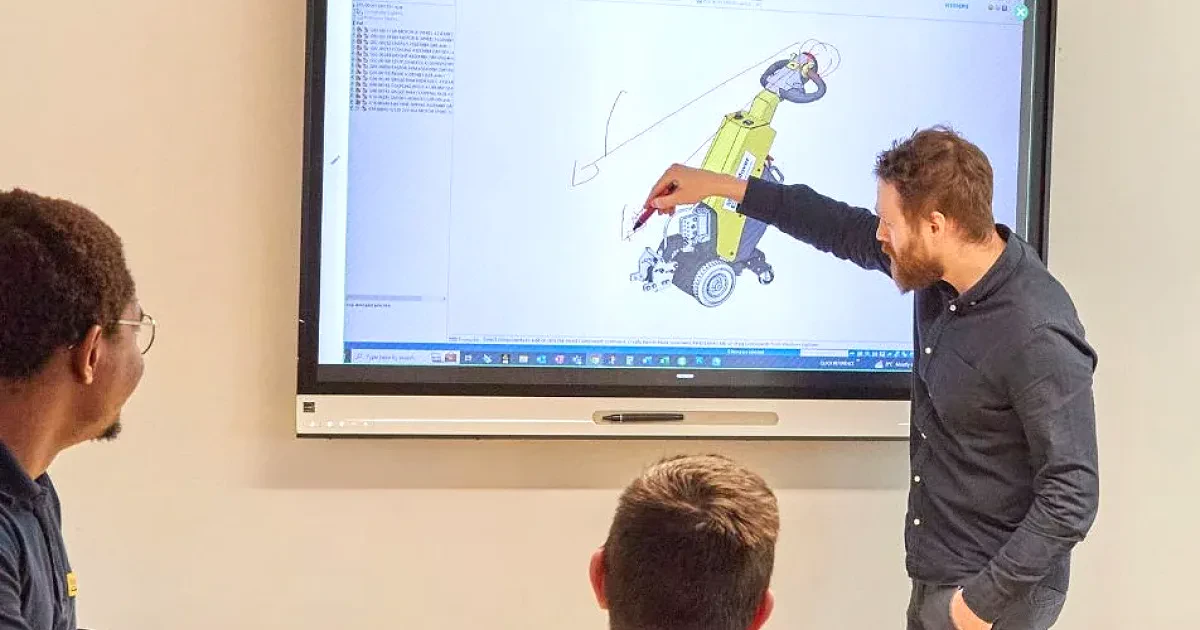
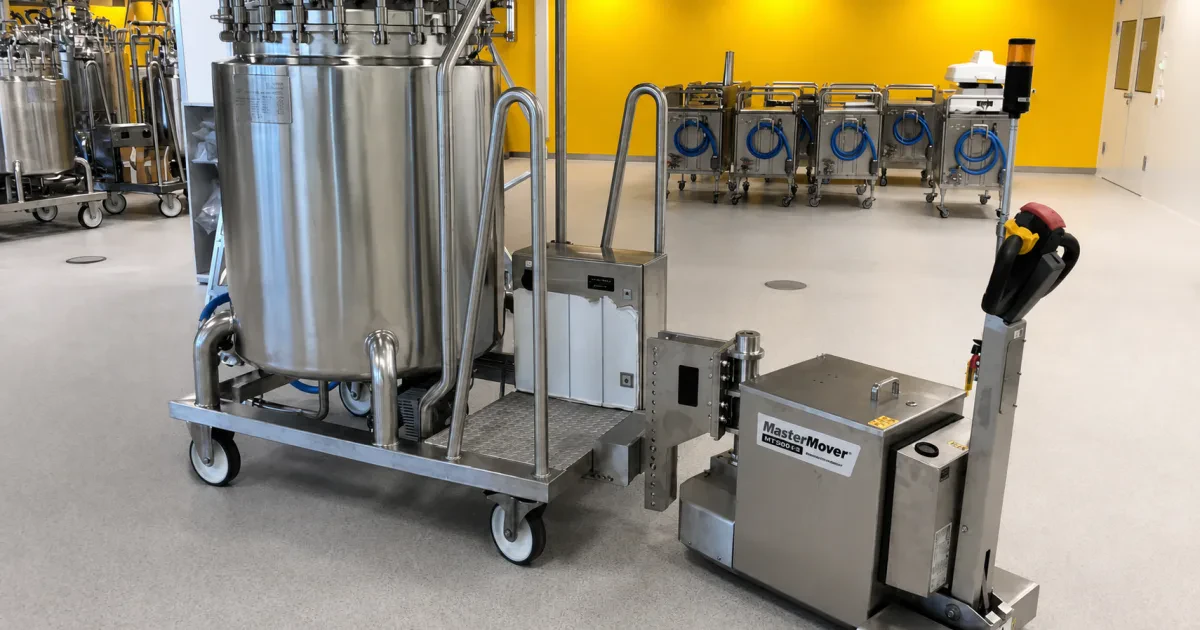
Vessels, racks, tanks, carts, containers, skids or mobile equipment can be difficult to move manually without effort, route deviations, impacts or stops. In controlled environments, material, cleanability and washdown routine can matter as much as pulling force.
Stainless or hygienic-environment configurations are selected after load, wheels, route, gradient, turning radius, coupling, cleaning chemistry, washdown level and internal material requirements are clear.
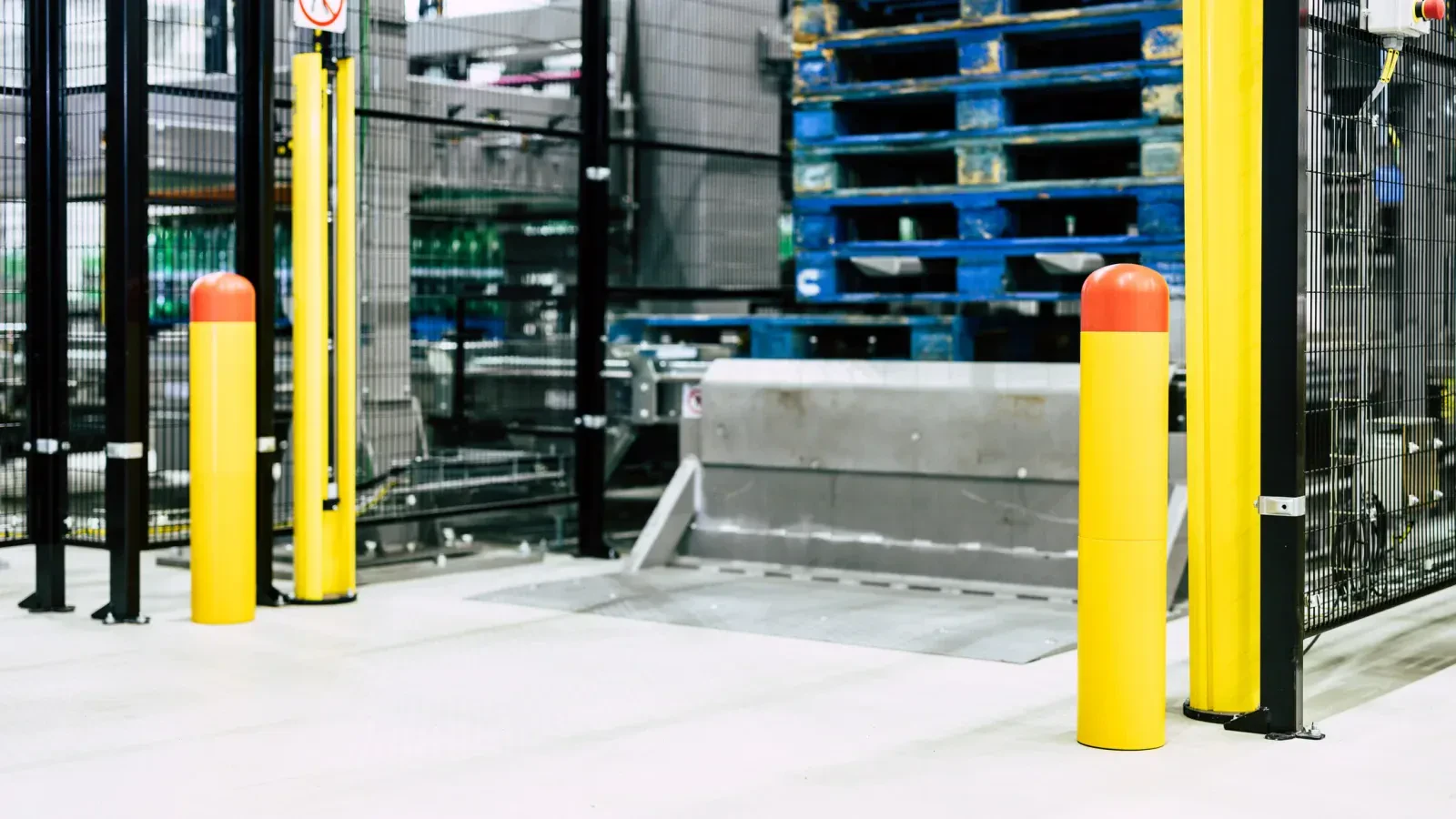
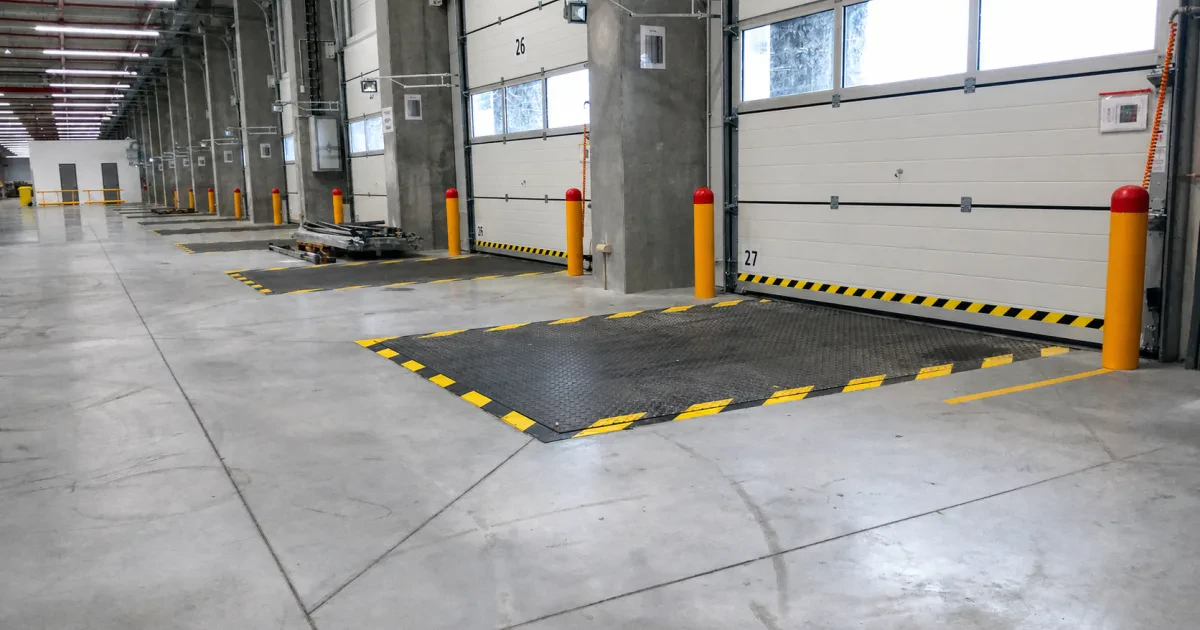
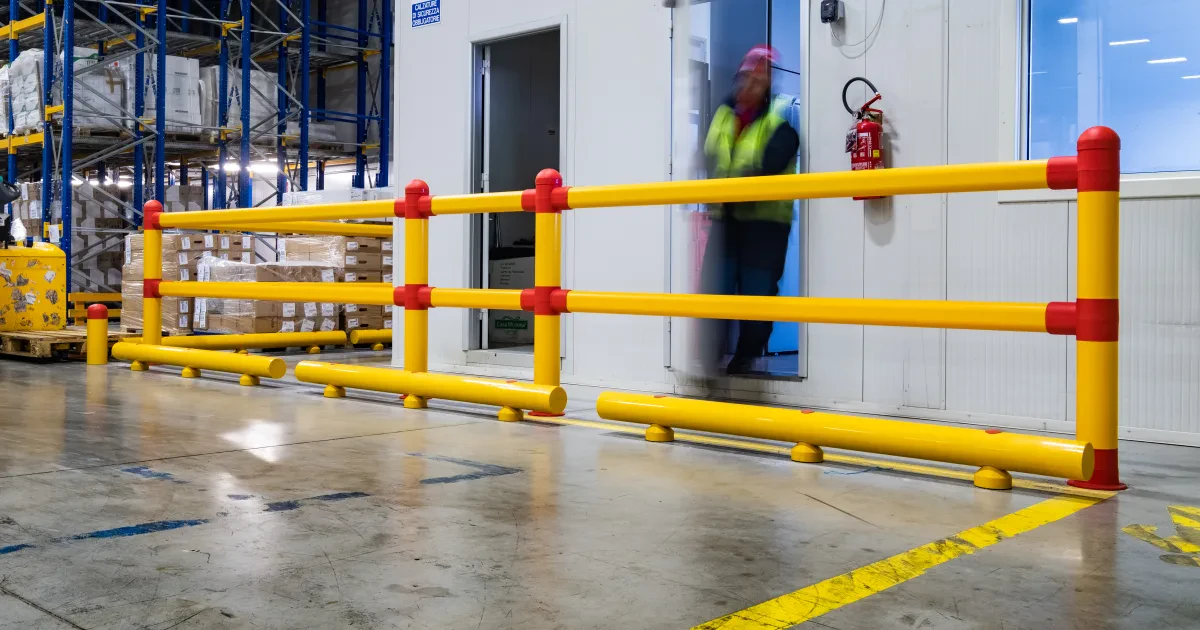
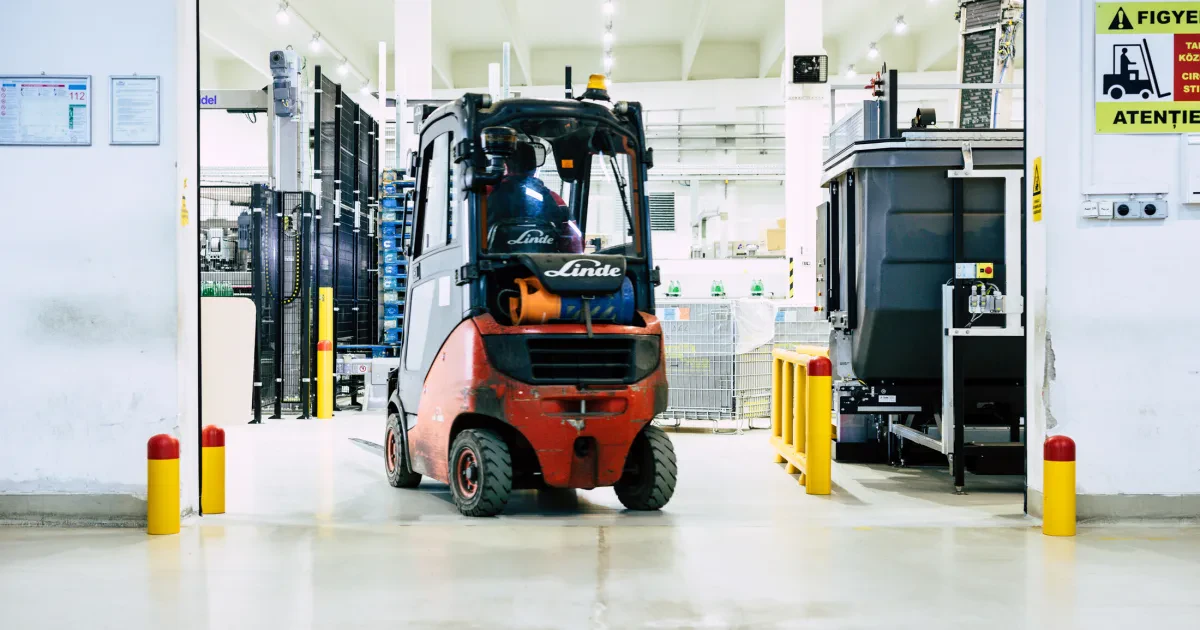
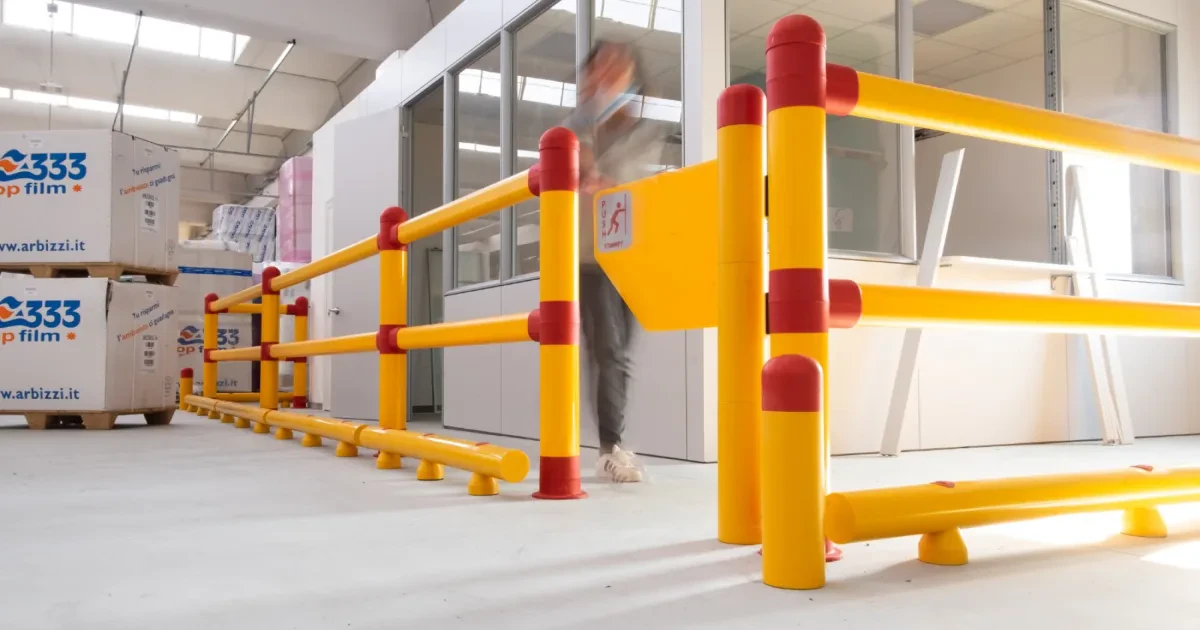
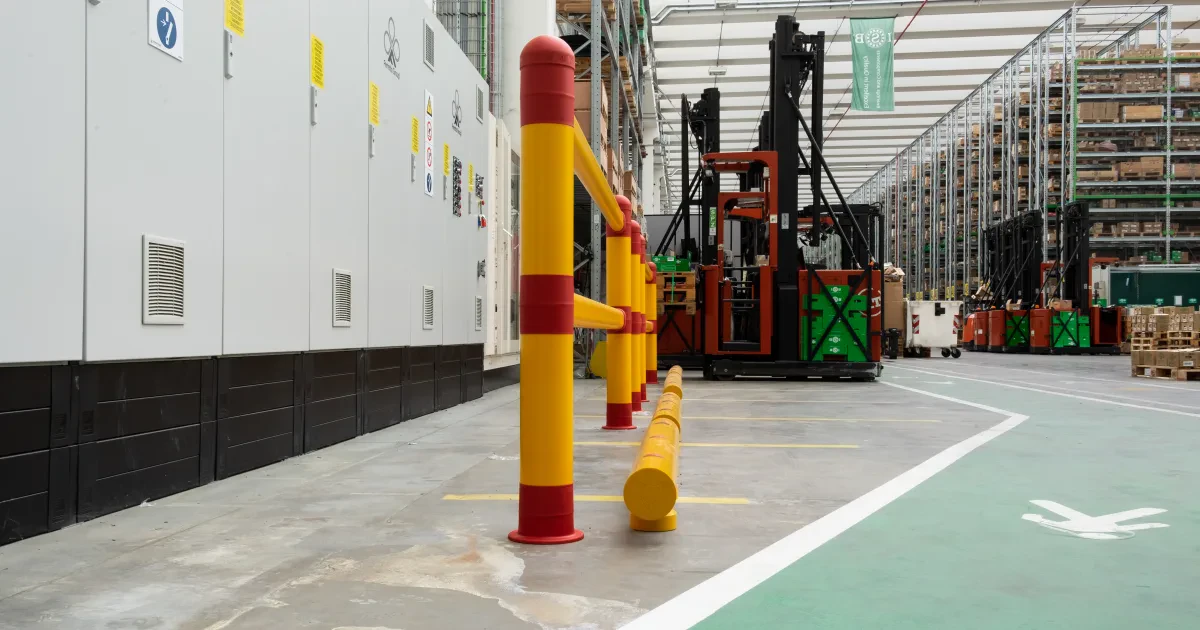
In technical corridors, storage, packaging or maintenance areas, doors, panels, columns, conveyors and equipment can sit close to forklift, cart or mobile-container routes.
Impact protection should be reviewed against impact energy, available space, anchoring, cleanability and stoppage consequence. The measure should protect the area without blocking cleaning, access or evacuation.
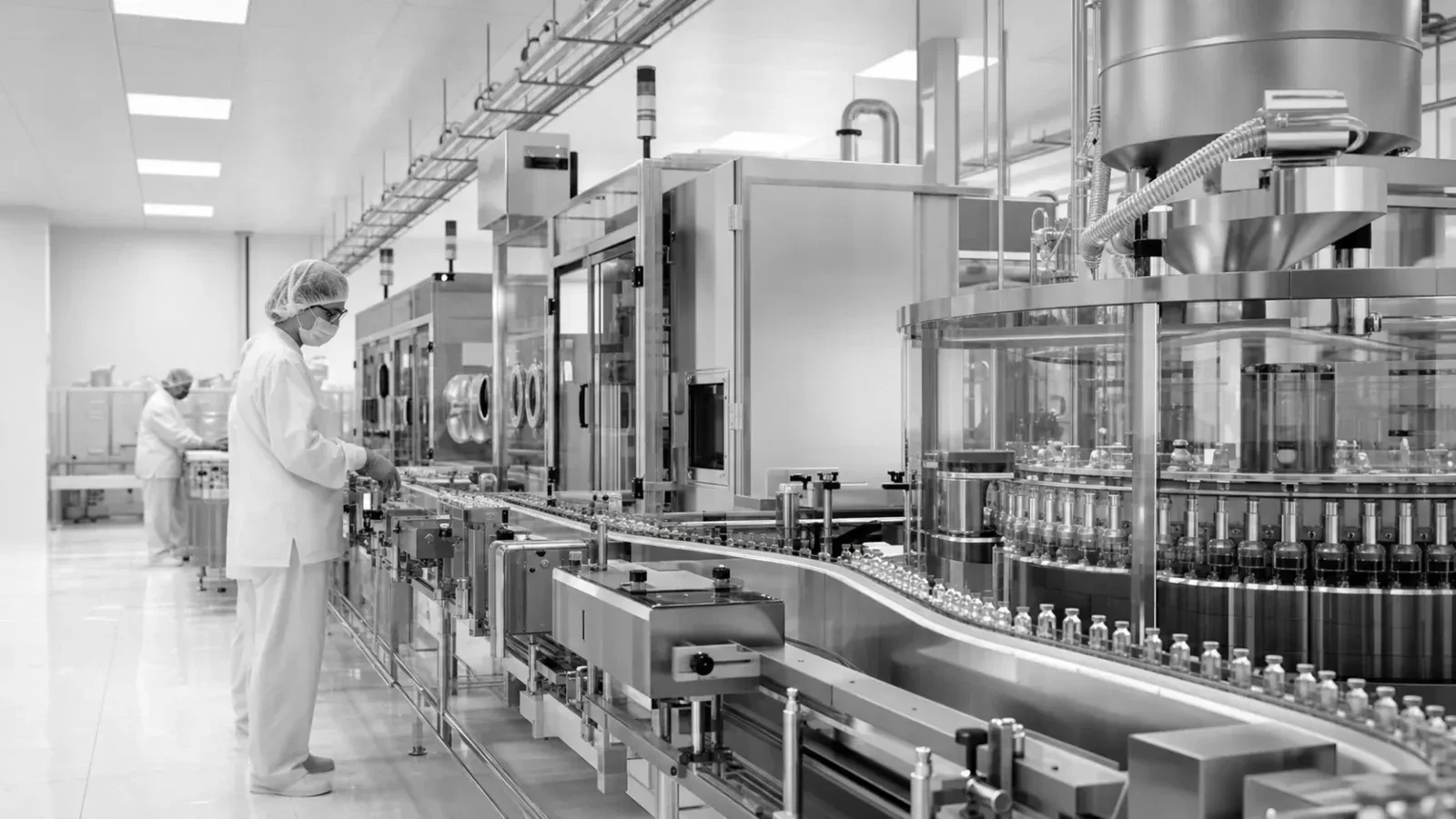
Before choosing, separate particle transfer, moisture, soles, wheels, dry or wet cleaning, controlled movement, impact protection and internal verification.
Area photos, a route sketch, sole and wheel types, cleaning routine, quality and hygiene observations and frequently moved loads help identify the right direction.
















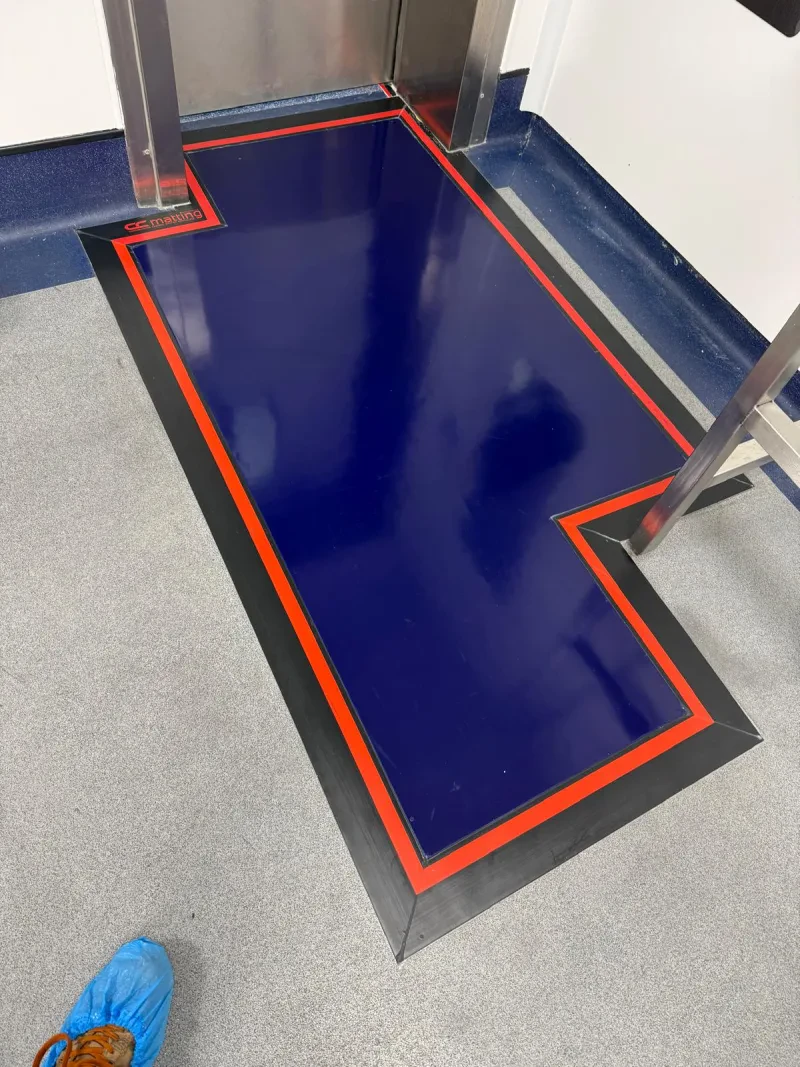
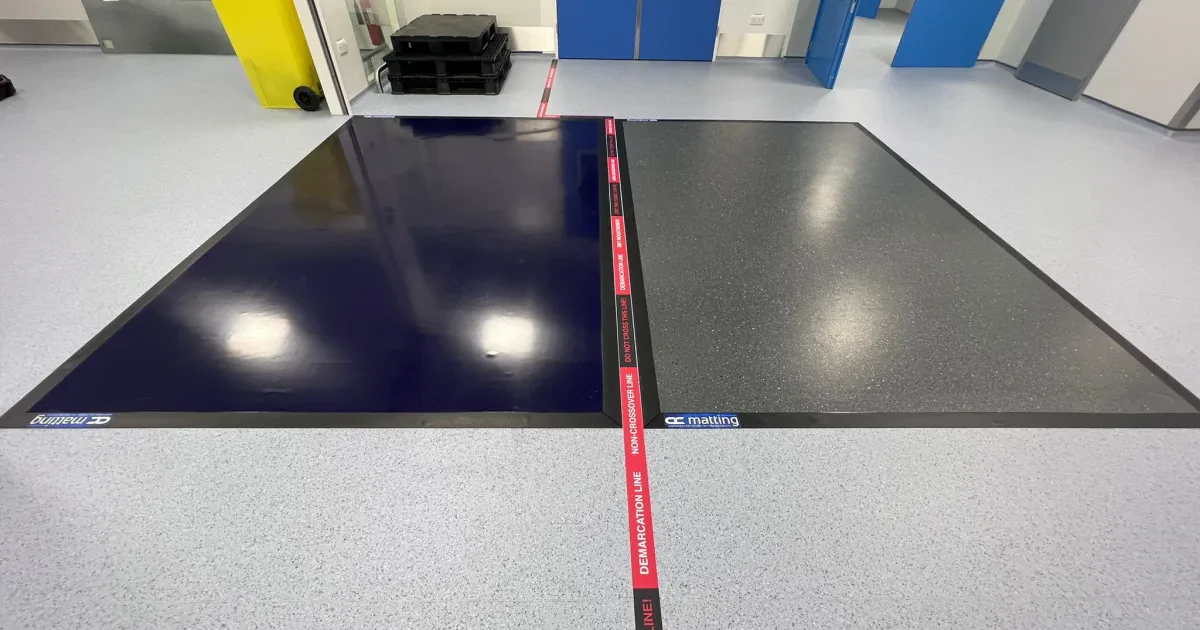
A guide to choosing polymer-mat length, width and position from successive sole contacts, wheel rotations, traffic and cleaning.
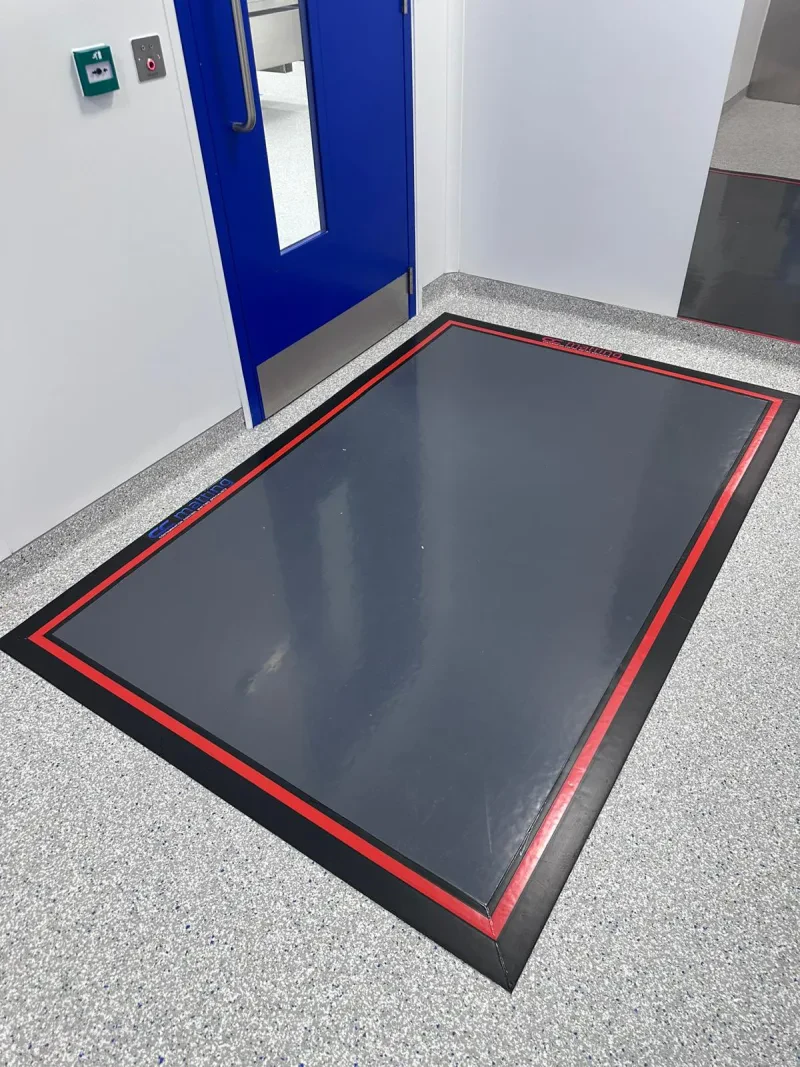
How to use CC Matting Heavy Duty documentation when the area needs ISO Class 5 material, particle control, clear cleaning and quality traceability.
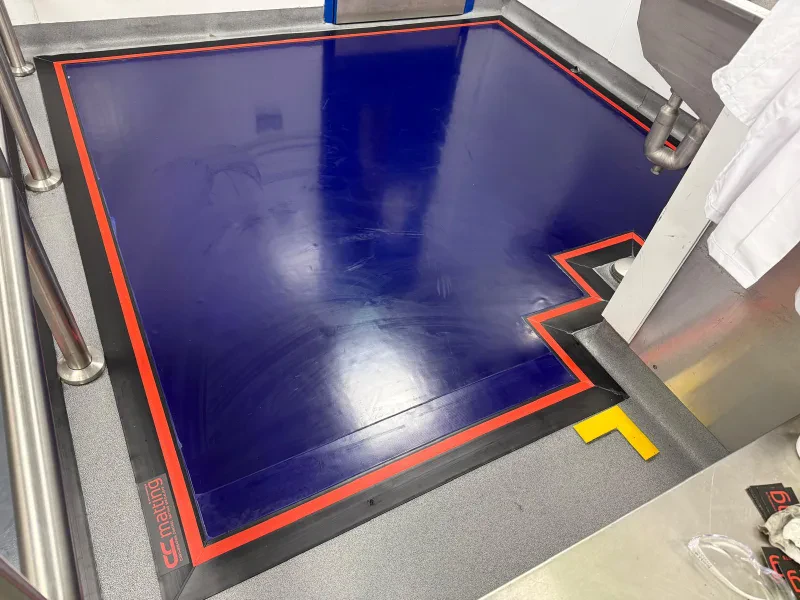
Why SEVENSEAS added CC Matting: washable, reusable polymer contamination-control mats with documentation checked against the application’s hygiene or ESD requirements.
Check the right direction for a sensitive pharmaceutical transition

Signals appear on the route: visible marks after a transition, particles near a controlled entry, wheels or soles arriving from support areas, a crossing point that can be bypassed, cleaning that is hard to maintain, impacts on doors or equipment, or loads that are difficult to move with control.
When several signals appear in the same area, the review should move to flow level: what crosses the point, what may be transferred further, what can be controlled before the sensitive area and who verifies it internally.
Use them as references for flow, contamination-control strategy, cleaning, disinfection, monitoring, documentation and risk management. They help frame the right transition questions and place each measure inside the existing system.
Acceptance of a measure inside the pharmaceutical procedure remains with the operator and internal quality, hygiene and engineering teams. SEVENSEAS can help clarify the technical direction to review within that system.
They become relevant when people move from changing rooms, storage, quarantine or support areas towards a controlled area, production, packaging or laboratory.
The point should sit on the natural route, with low bypass risk, sufficient contact and a clear owner for cleaning, refill, maintenance and verification. If liquid is involved, drainage, agent and internal verification method need to be clear.
It makes sense when forklifts, pallet trucks, carts, mobile containers or wheeled equipment move between storage, quarantine, controlled corridors, production, packaging or QC.
Before choosing, wheel types, weight, crossing frequency, straight route, bypass risk, system cleaning, drainage and fit with the site procedure should be checked.
They can fit transfer points with pedestrian traffic or light wheels, where visible particles should be retained before a more sensitive area and mat cleaning can be maintained consistently.
They fit best after the application has been reviewed: route, traffic type, cleaning frequency, floor and acceptance in the operator procedure should all be checked.
It can help when vessels, racks, containers, skids or mobile equipment need to move with control in a space where material, cleanability, stopping and washdown matter.
Before choosing, load, wheels, gradient, floor, coupling, turning radius, cleaning chemistry, washdown level and the internal requirement for stainless or hygienic configuration should be checked.
They are relevant near doors, panels, columns, equipment, conveyors, technical zones or routes where an impact can affect cleaning, access, maintenance or production continuity.
The right protection level depends on impact energy, available space, anchoring, cleanability and the consequence of a stoppage. The aim is to protect exposed points without making cleaning, access or evacuation harder.
Photos of the area, a simple route sketch, footwear and wheel types, cleaning routine, quality and hygiene observations, impact points, drainage details and frequently moved loads are useful.
A complete technical brief is not needed for the first orientation. The important part is to show where the signal appears in the flow and what internal decision needs support.