
Receiving, storage and quarantine areas
Routes where pallets, bags, IBCs, containers, big bags and wheels can carry dust, moisture or residues towards production.

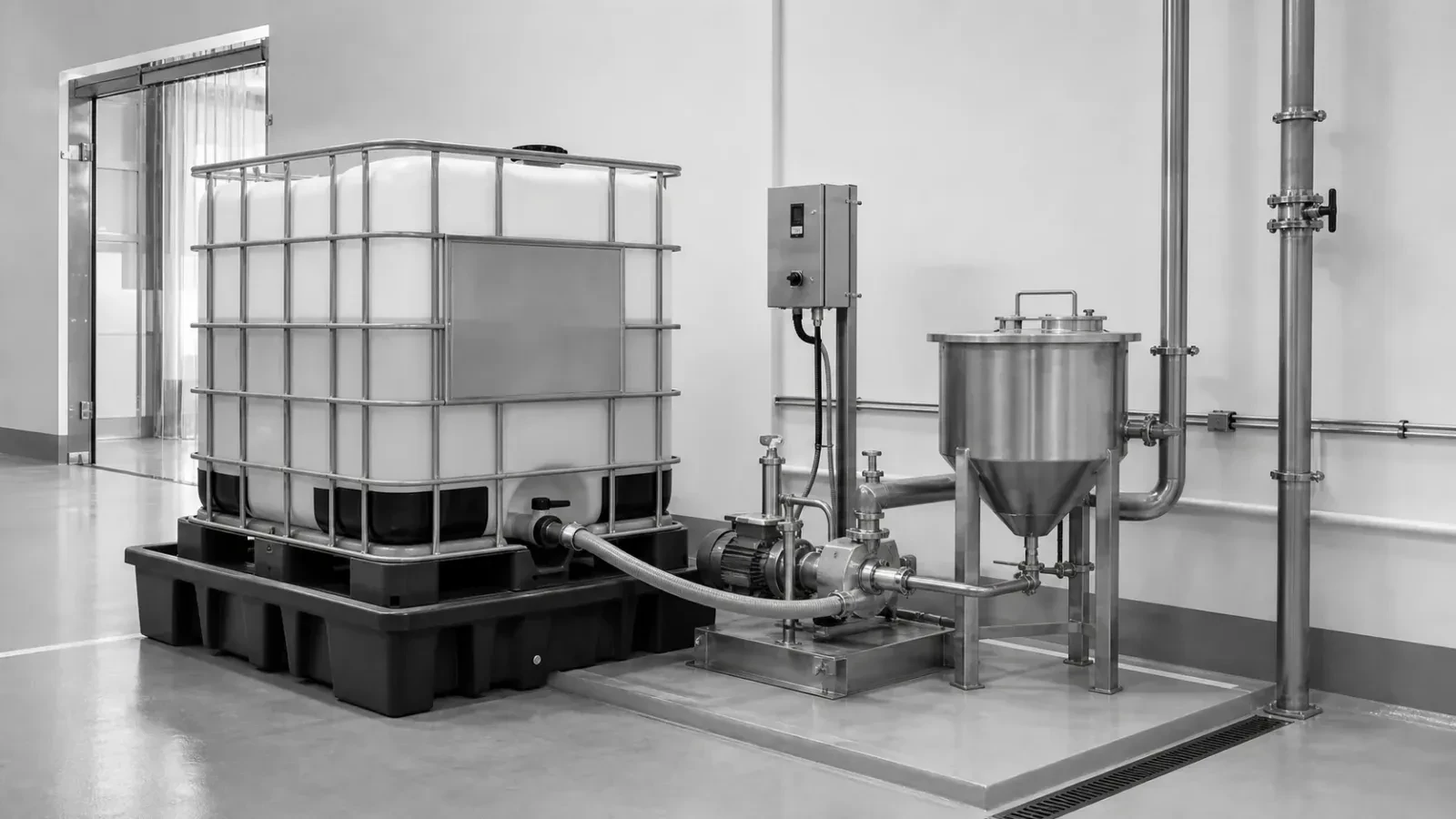
In raw-material and chemical areas, working routes need to keep access, manoeuvres and materials under control.
In chemical and raw-material areas, the useful signals often appear at floor level or around transfer points: dust, powder, granules, liquid traces, residues on wheels, damaged pallets, struck doors, missing protection or containers that are hard to position.
The same area may combine substances with different storage requirements, forklift routes, dosing points, IBCs, bags, big bags, hoppers, mobile vessels and maintenance access. Route cleanliness, separation, impact protection and load movement should be reviewed together, while ATEX or chemical-compatibility requirements must be clarified before technical selection.
Material, route and area show what transfers onto the floor, what needs separation, what can be hit and which loads need to move without extra effort or risk.
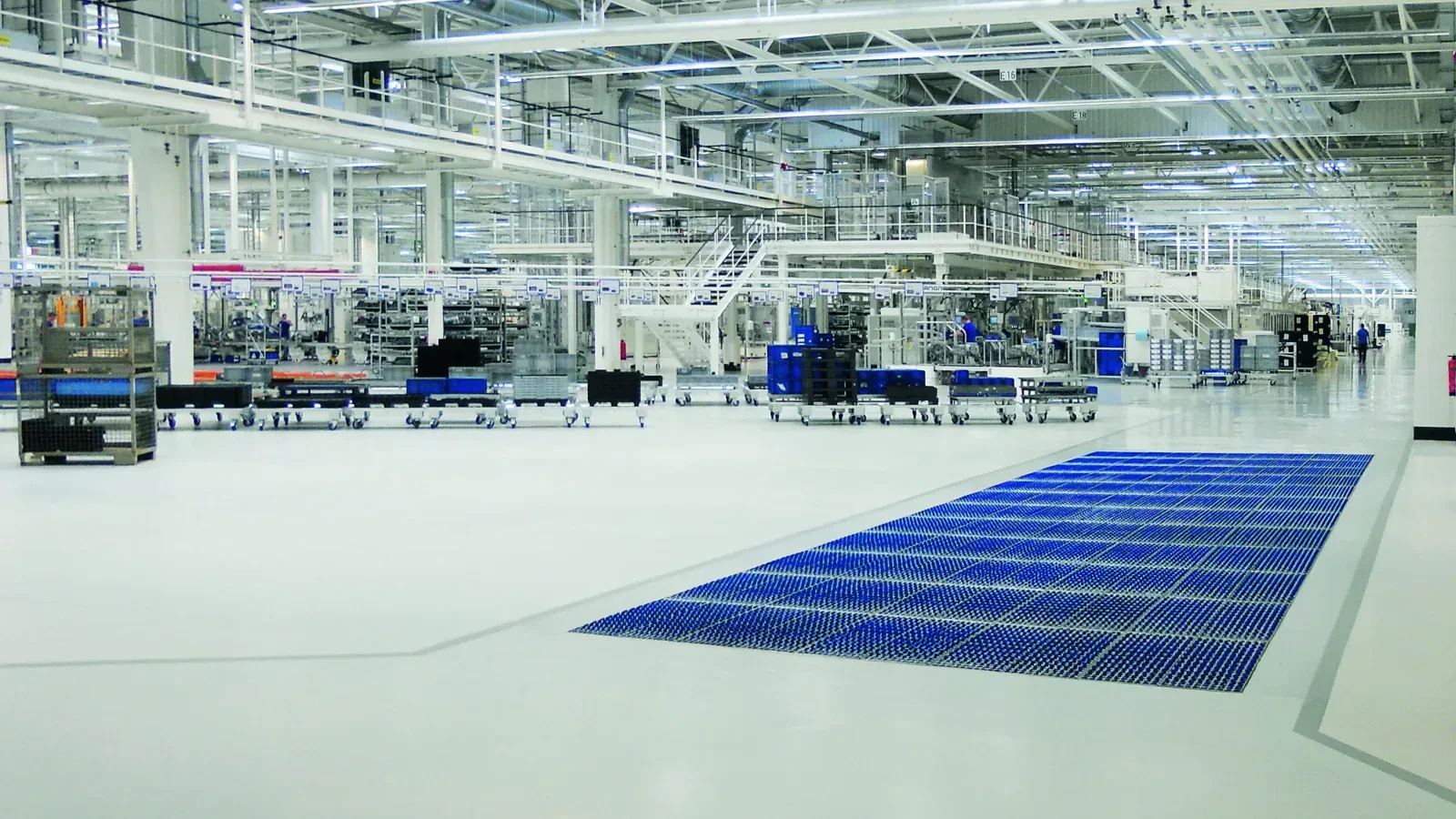
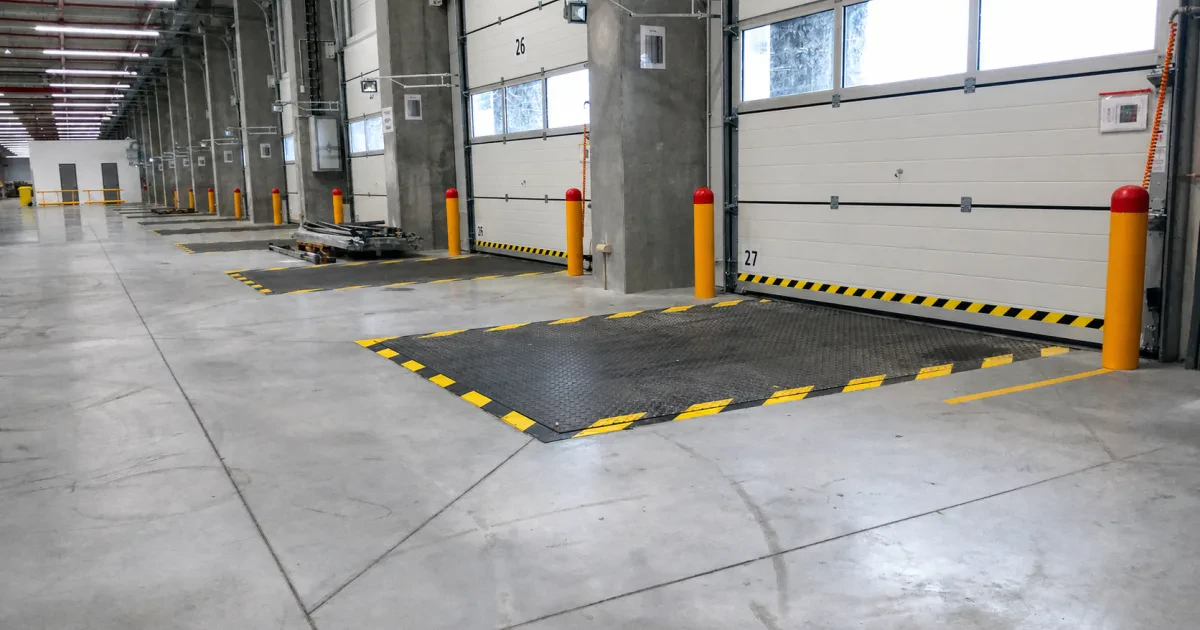
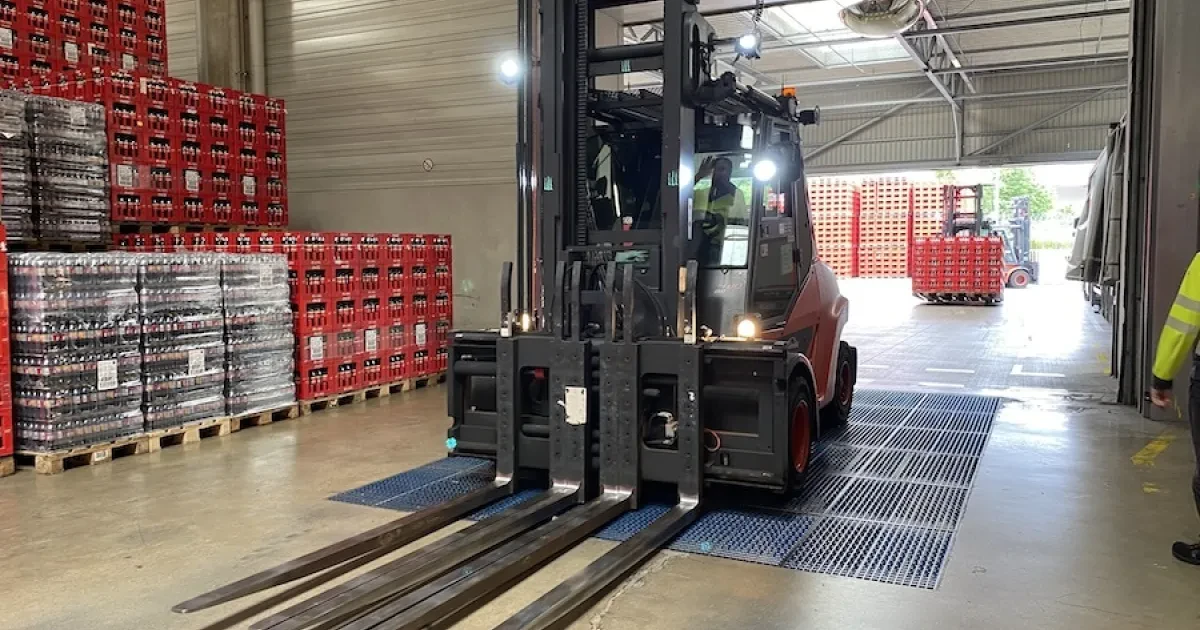
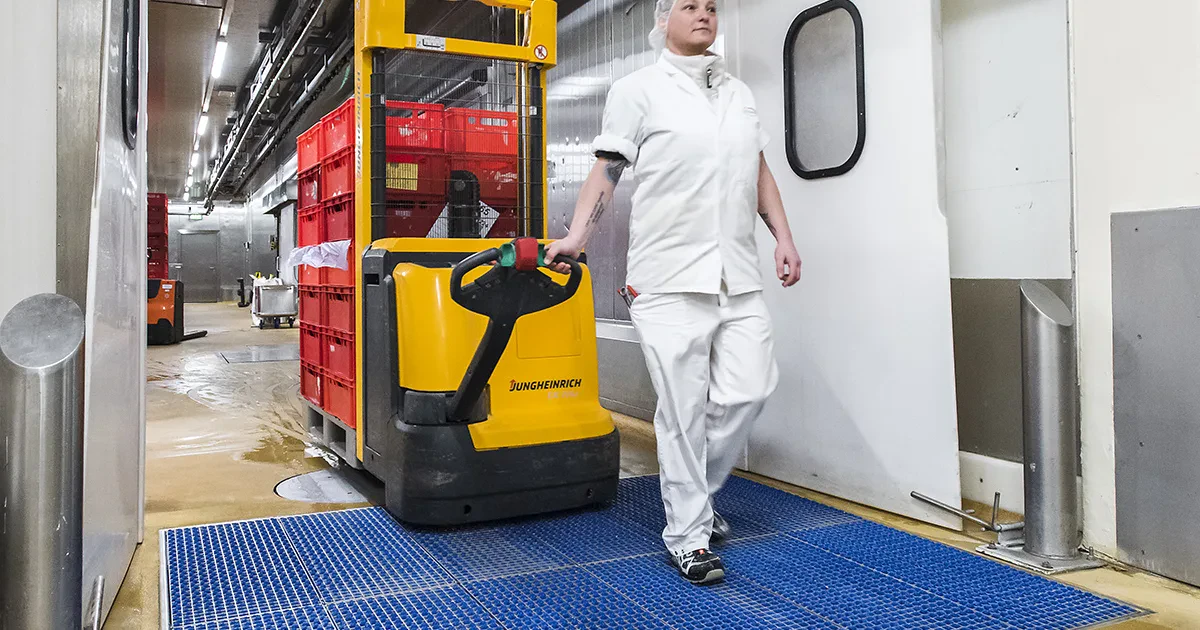
Between receiving, storage, dosing, production, packaging and dispatch, forklift, pallet truck, cart or container wheels can carry dust, powders, granules, moisture or material residues further along the route.
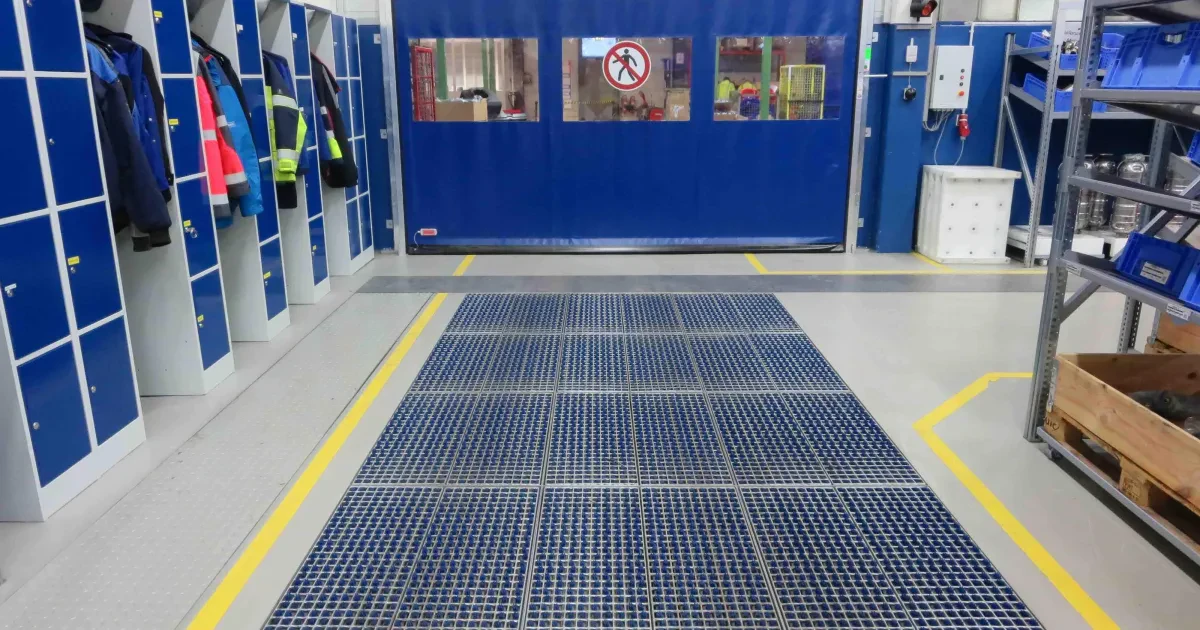
Wheel cleaning, polymer mats and control-point positioning become relevant when the route is clear, the crossing is straight enough, bypass risk is low and the site can maintain the surface or system. Chemical compatibility and the operating environment need separate confirmation before selection.
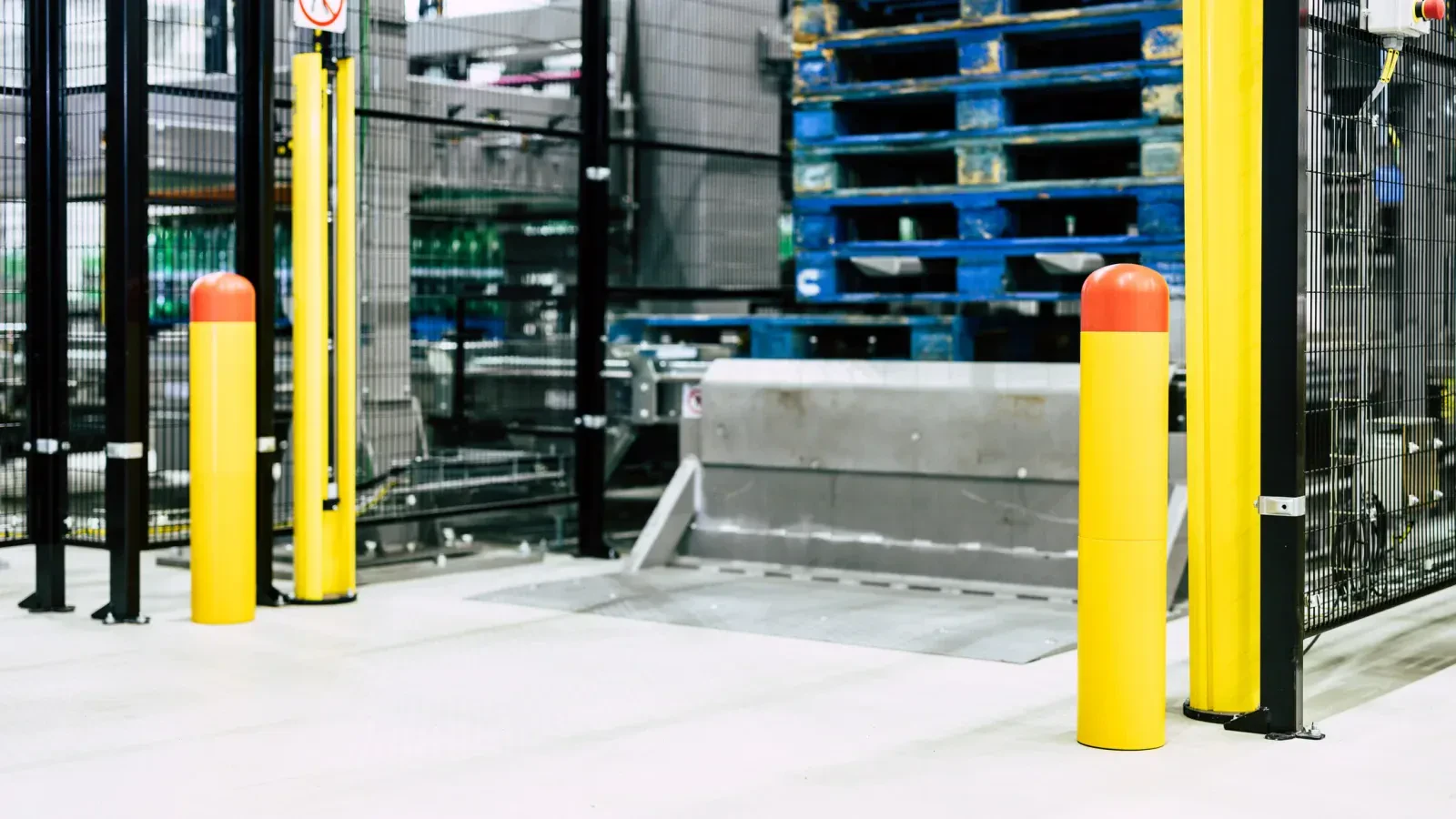
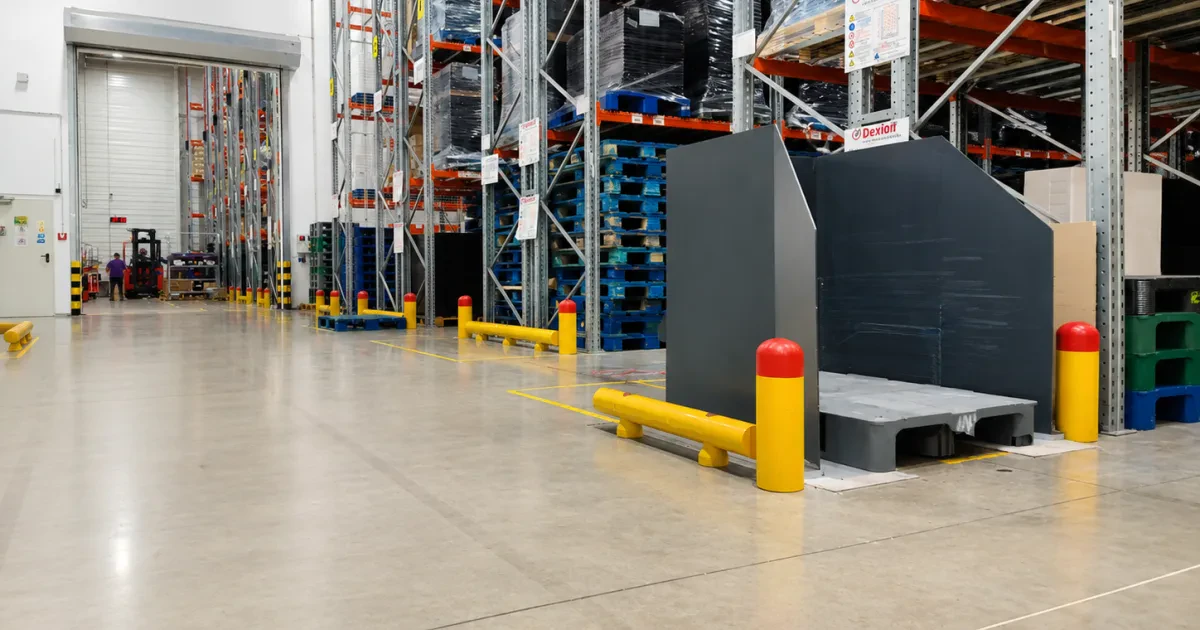
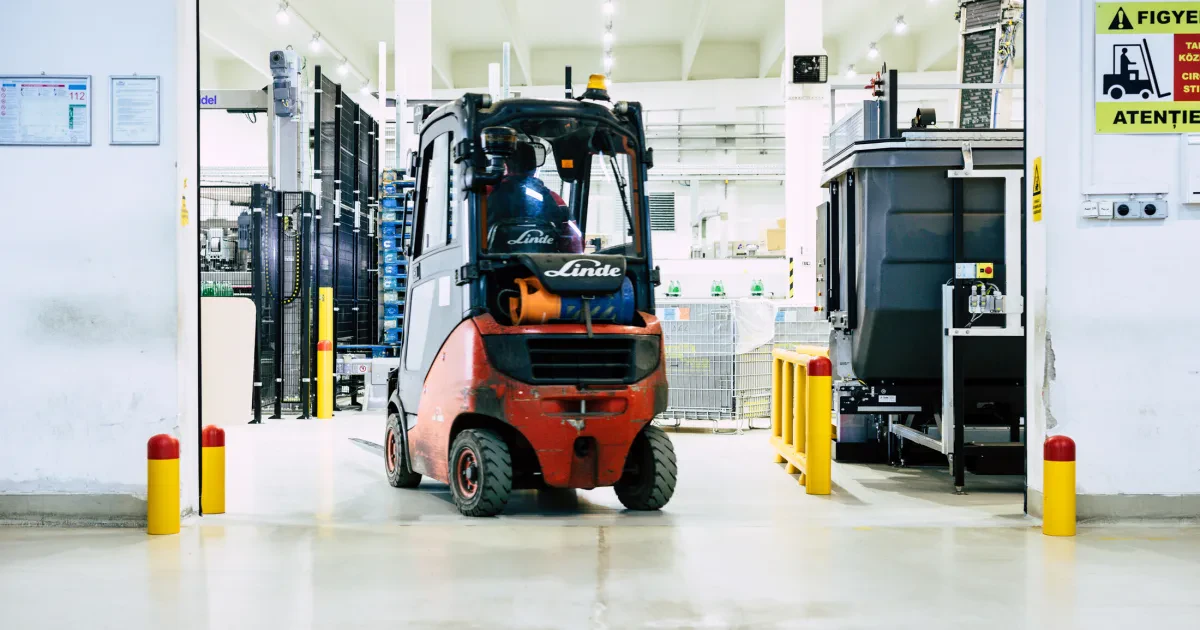
In chemical-packaging storage, production areas, technical rooms, near pumps, vessels, mixers, panels, rapid doors, racking or loading bays, an impact can affect access, secondary containment, maintenance or process continuity.
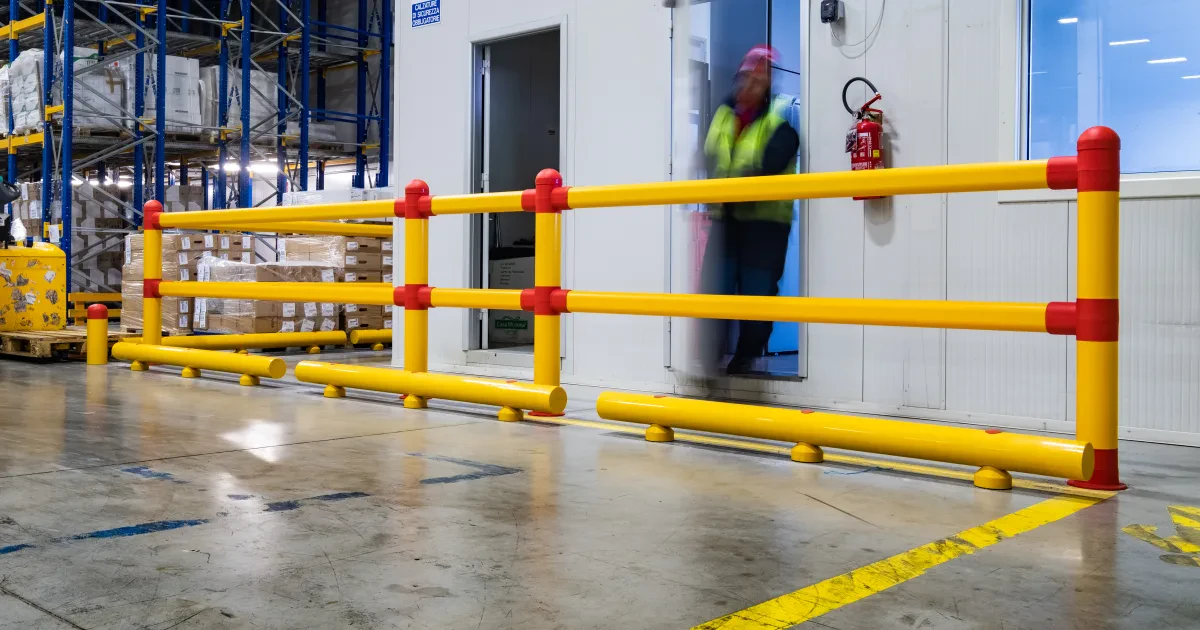
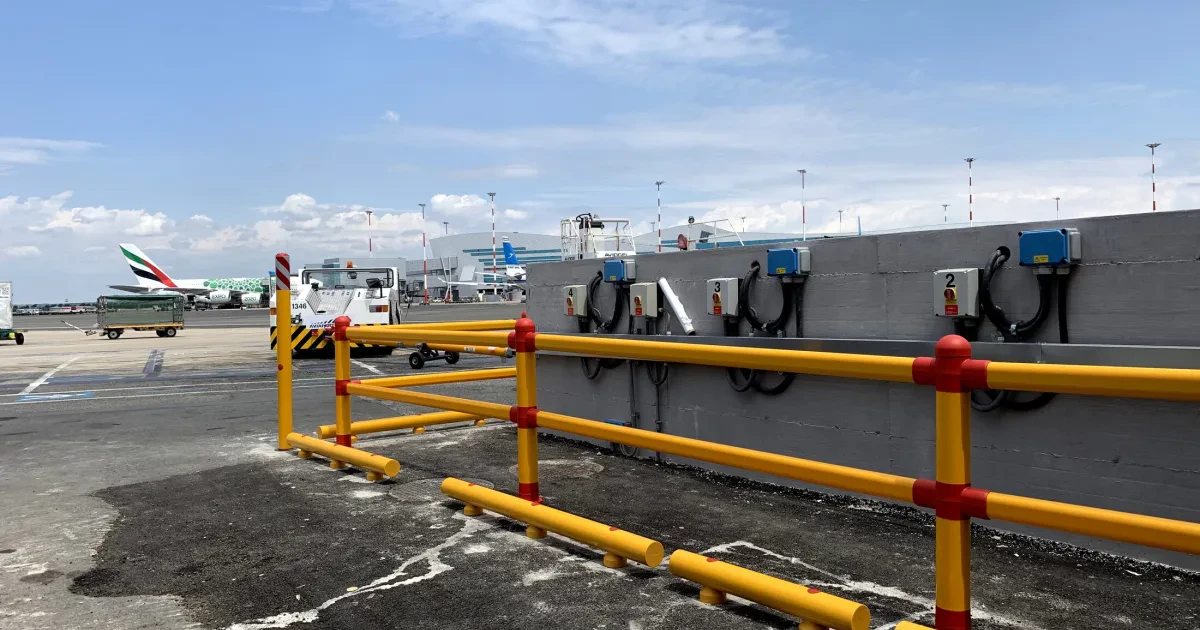
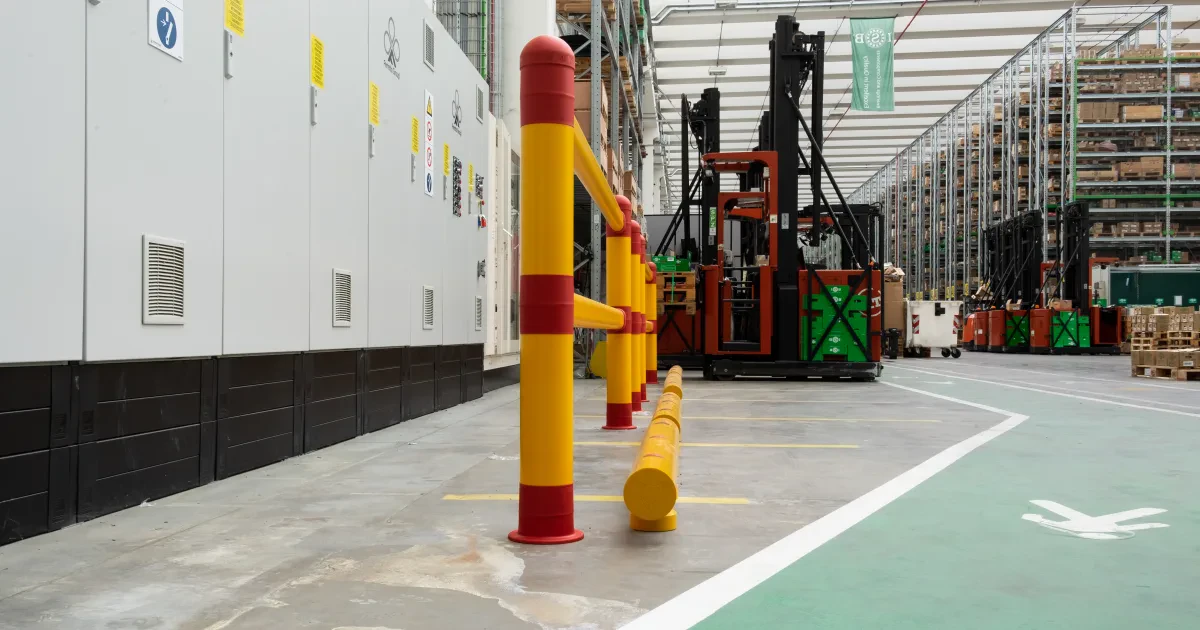
Protection should be selected against vehicle type, mass, speed, impact angle, available space, anchoring, floor condition and what needs protection: rack, column, door, tank, panel, wall, pedestrian route or containment area.
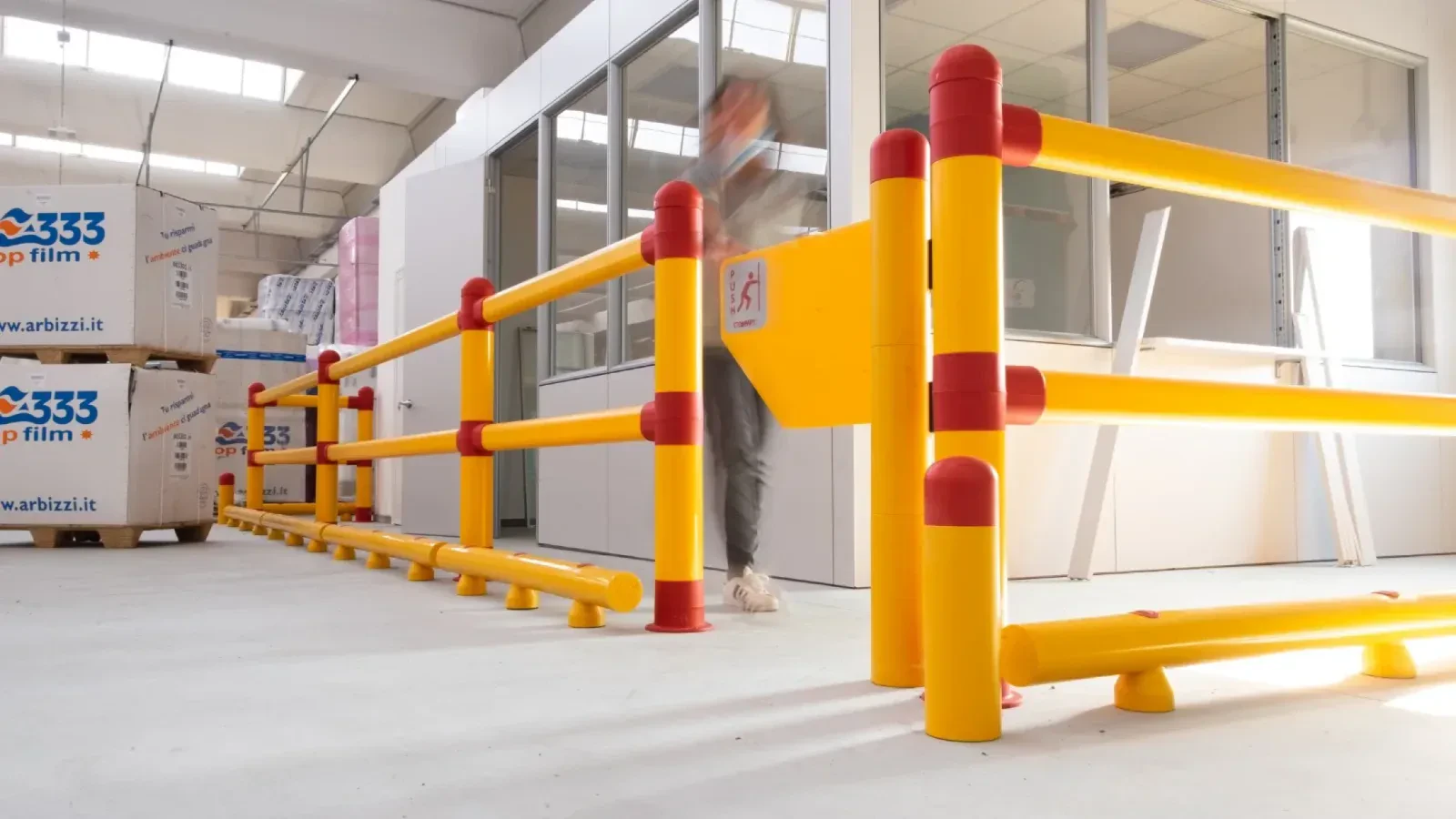
Racking, IBCs, pallet stacks, tanks, containers or fenced areas can reduce visibility exactly where pedestrians, vehicles and maintenance access meet.
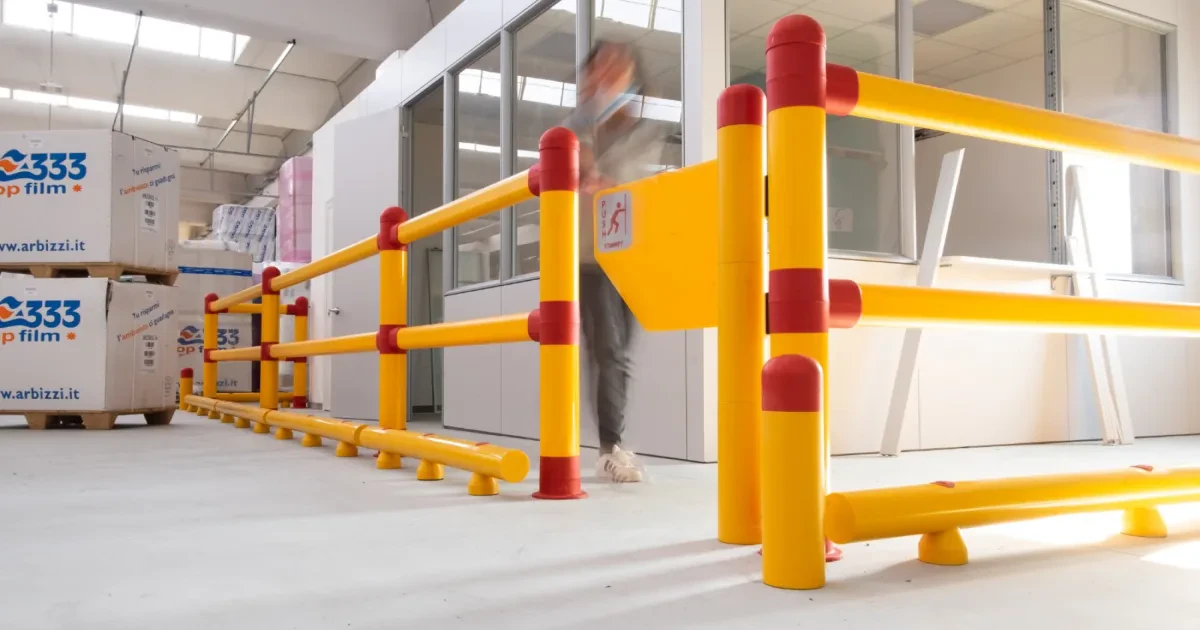
Pedestrian-vehicle separation, handrails, access gates and physical protection become relevant when floor marking alone cannot make the route clear enough. If the area has ATEX requirements, equipment and installation must be explicitly reviewed for that zone before selection.
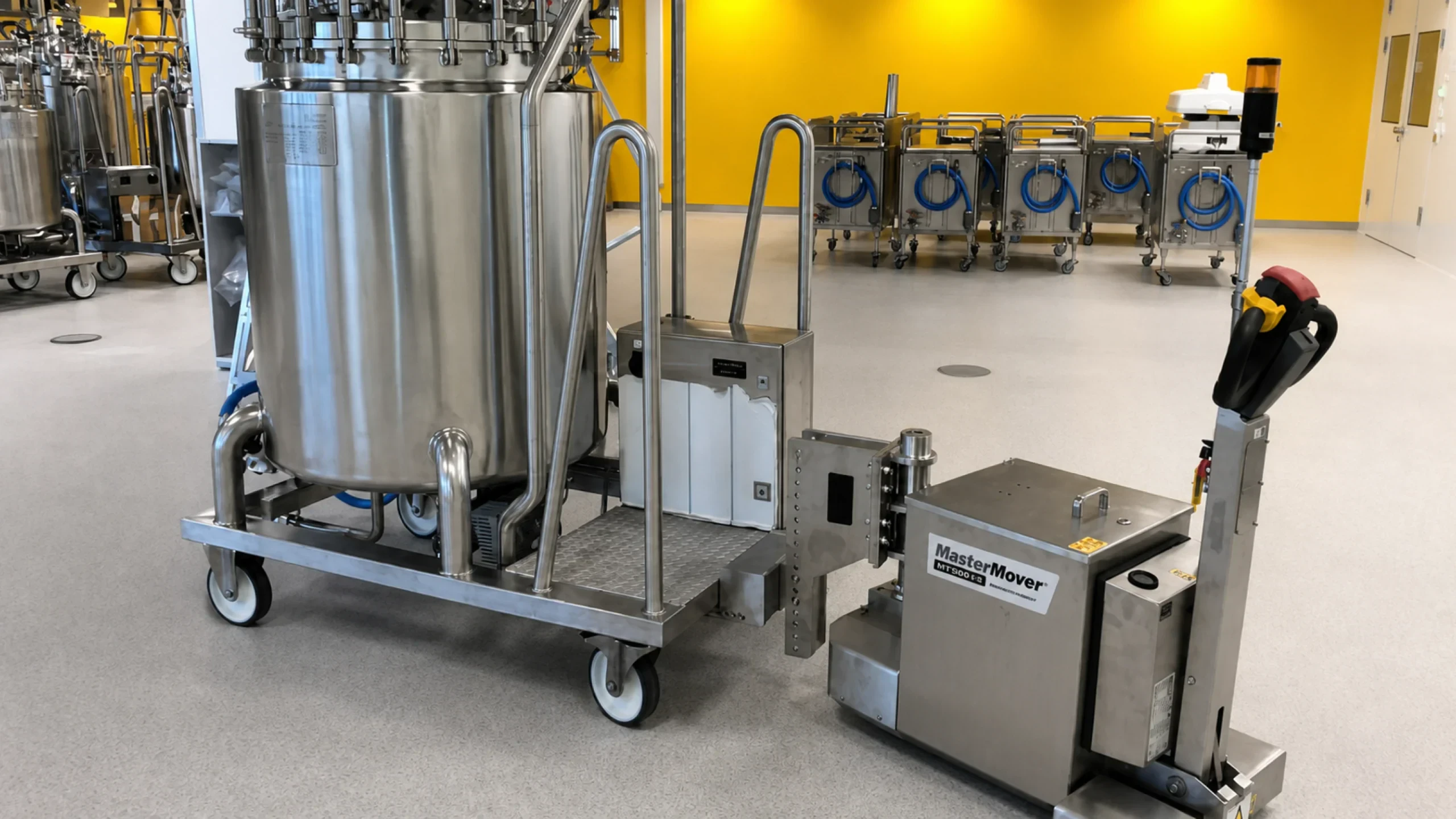
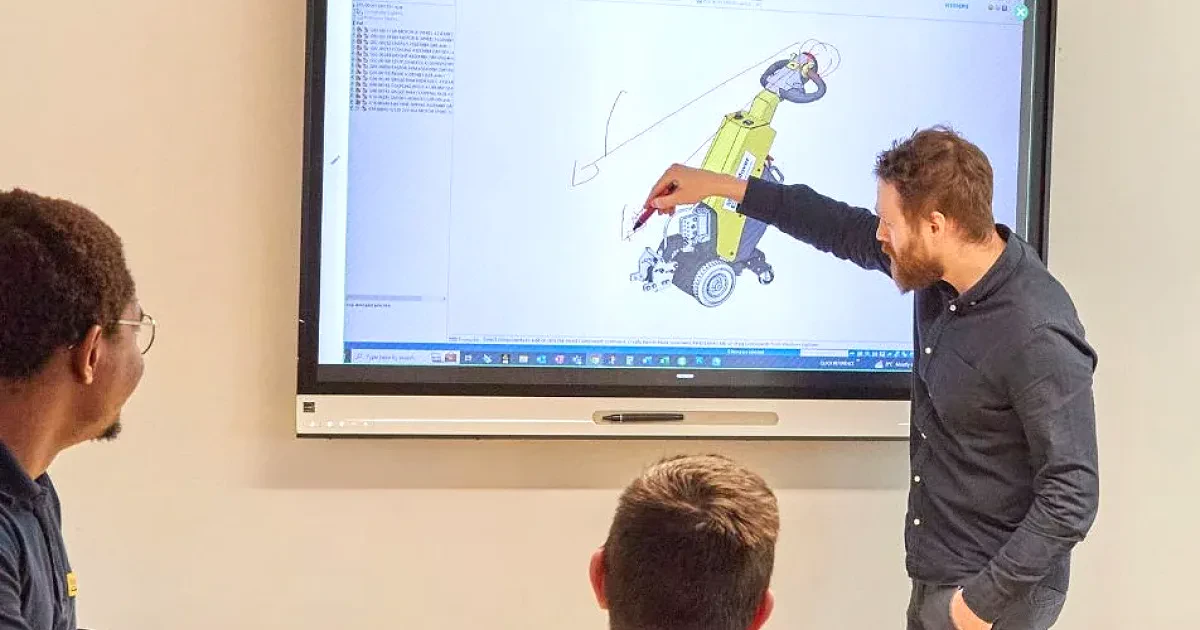
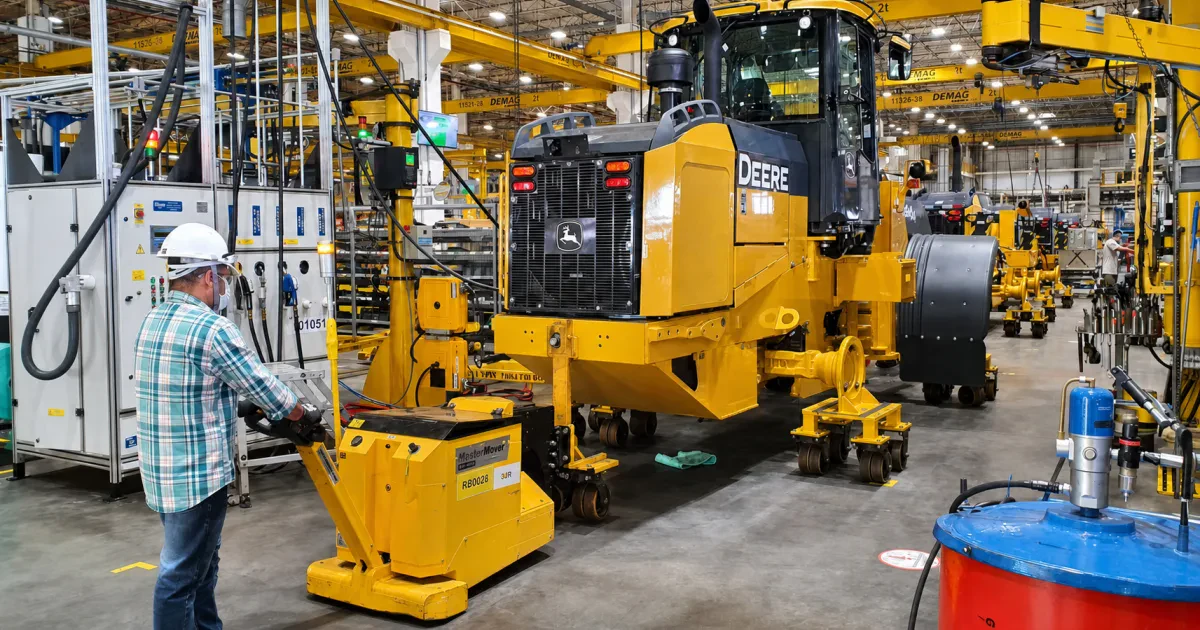
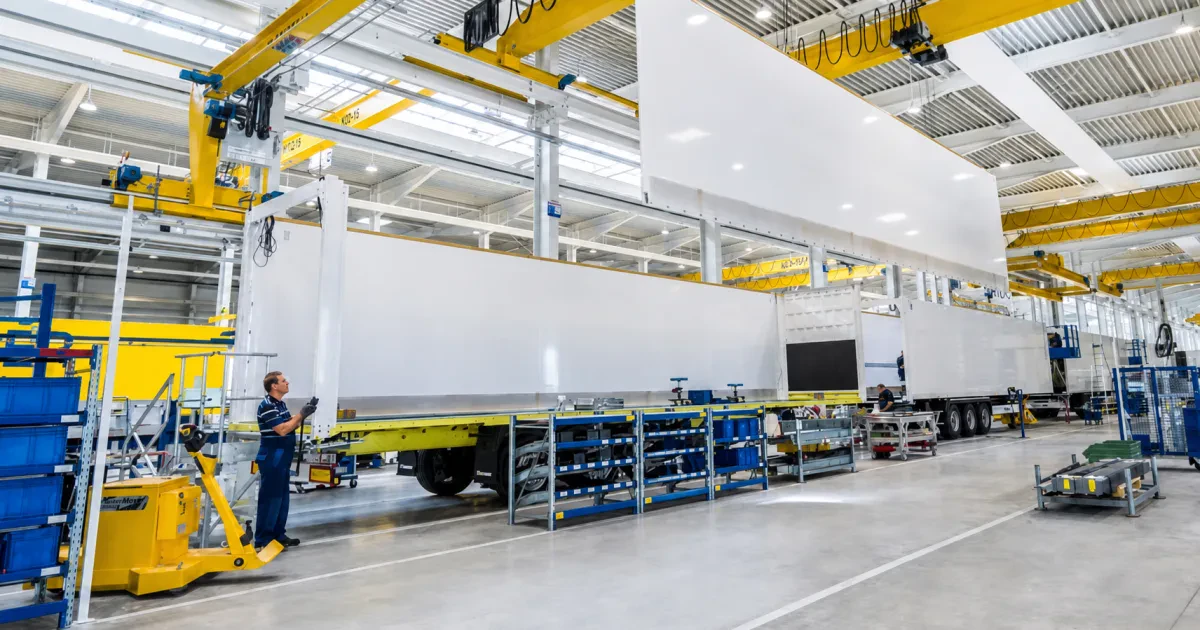
Mobile vessels, hoppers, containers, carts, drum carriers or special loads can be difficult to move manually and may need precise positioning near process, washing, maintenance or storage.
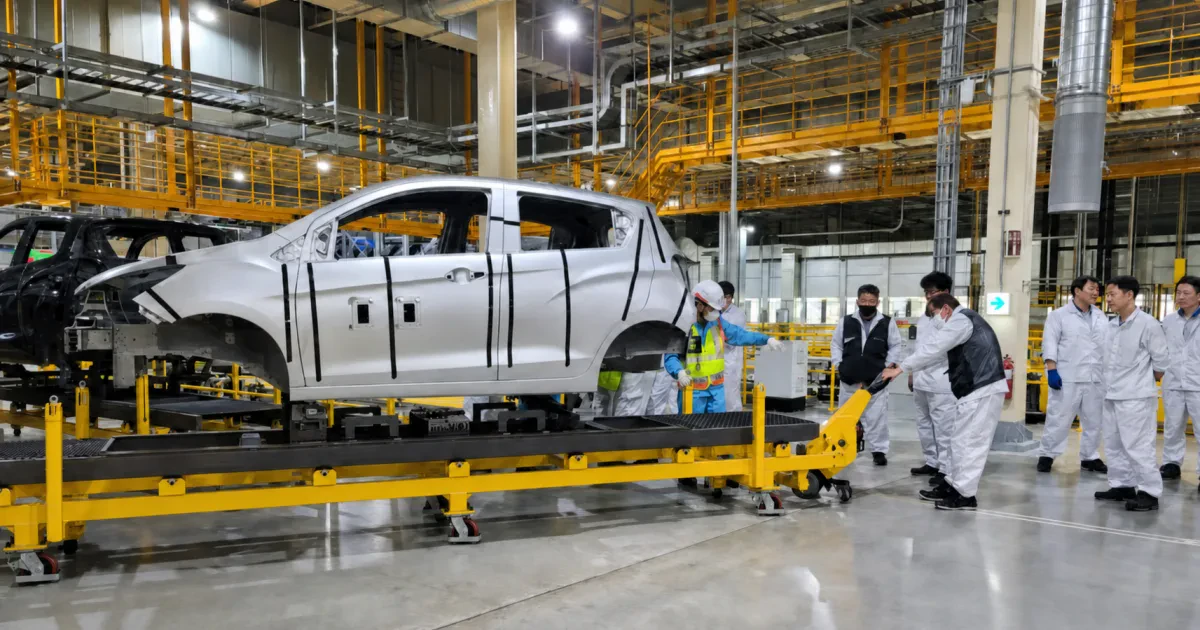
Electric tugs or custom configurations are selected after load mass, wheels, coupling, gradient, floor, turning space, stopping, movement frequency and environment restrictions are clear.
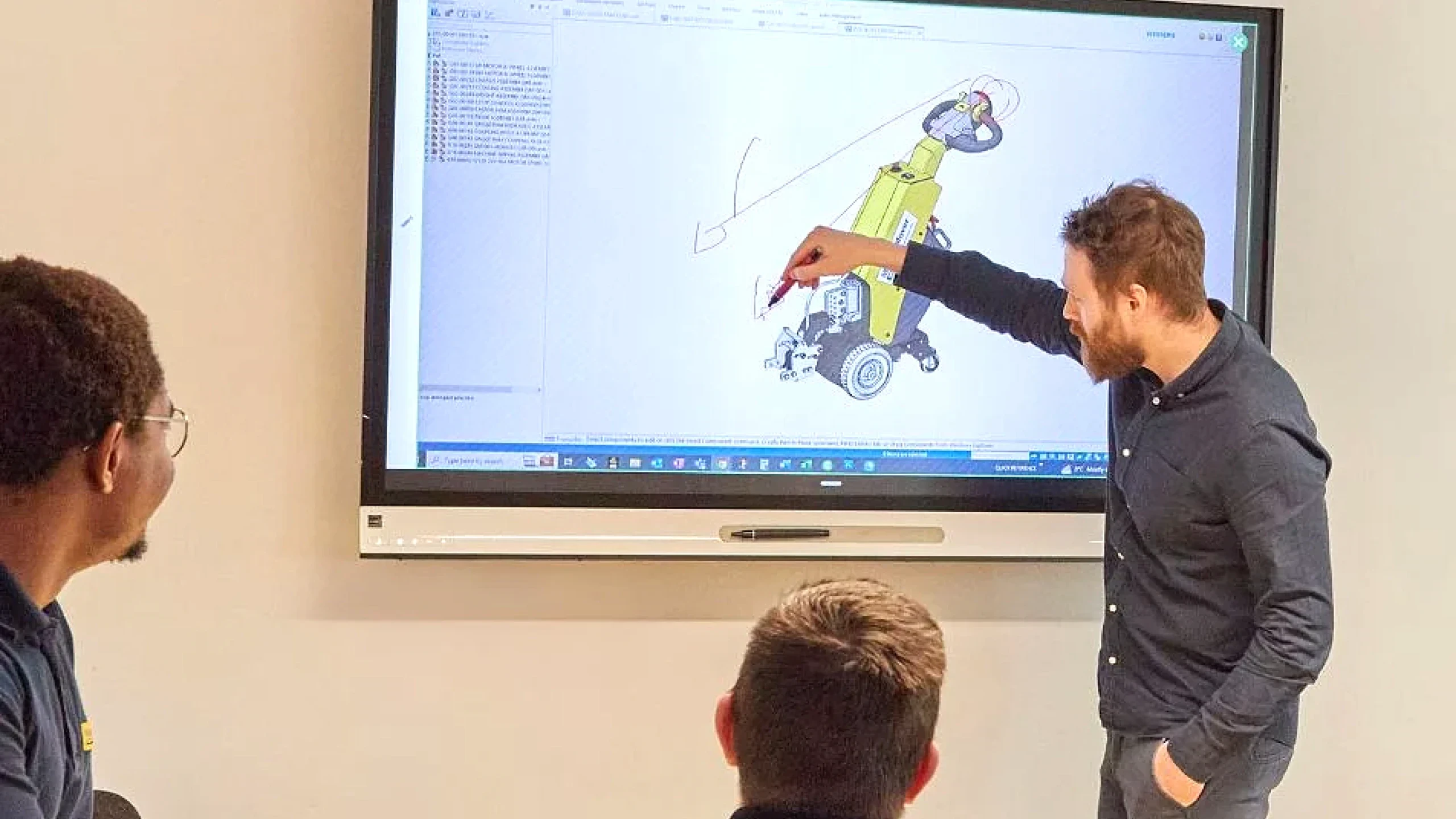
Before choosing, separate particle transfer, combustible dust, spills, chemical compatibility, impact protection, access, visibility, load movement and area requirements.
Area photos, the material data sheet, route sketch, wheel types, impact points, containment zones, internal area classification and hard-to-move loads help identify the right direction.








Dust, residues, impacts or hard-to-move loads in the same area?

Signals usually appear on the route or around transfer points: dust on the floor, powders or granules carried further, liquid traces, residues on wheels, damaged pallets, struck doors or racks, low visibility or containers that are hard to position.
When several signals appear in the same area, the review should start from material, route, traffic, area, safety restrictions and operational consequence.
Wheel cleaning makes sense when forklift, pallet truck, cart, container or mobile equipment wheels move between outside areas, storage, dosing, production, packaging and dispatch, and dust, moisture, powders or residues travel further along the route.
Before choosing, wheel types, weight, speed, straight crossing, bypass risk, available space, cleaning routine and material compatibility with the environment should be checked.
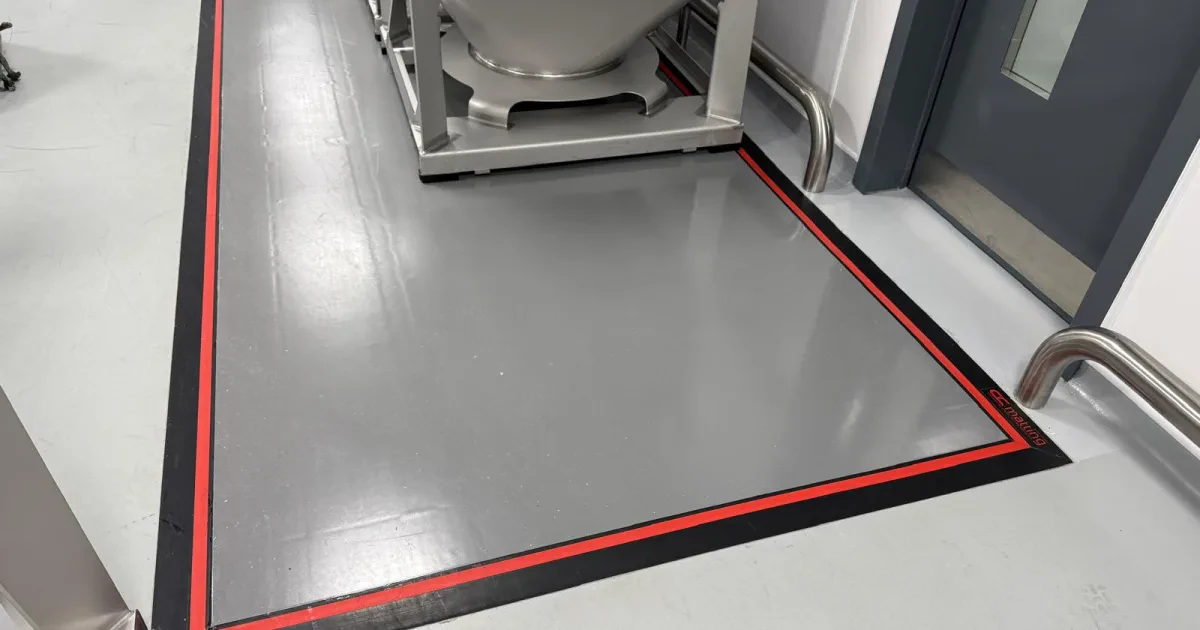
Polymer mats can help at transfer points with pedestrian traffic, light carts or small wheels, where visible particles should be retained before a lab, weighing area, packaging area, inspection point or more sensitive production zone.
Width, length, wheel diameter, load, straight crossing versus turning, residue type and whether the surface can be cleaned consistently without creating another risk all matter.
Protection should be reviewed near racks, columns, doors, loading bays, tanks, containment zones, pumps, mixers, panels, pipework or points where an impact can affect access, secondary containment, maintenance or process continuity.
The choice depends on vehicle, mass, speed, angle, space, anchoring, floor and impact consequence. In areas with sensitive substances, it also matters what must not be hit, blocked or damaged.
Separation helps at intersections, hall exits, fenced areas, corners, rack aisles or near IBCs and pallets where visibility drops and vehicles come close to operators.
Check whether the route can be made clearer with pedestrian aisles, handrails, access gates, physical protection and controlled crossing points. For high-energy impact, separation should be reviewed together with physical protection and area restrictions.
It can help when mobile vessels, hoppers, containers, drum carriers, carts, equipment or special loads need to move on wheels between production, washing, maintenance, storage and dispatch.
Before choosing, load mass, wheels, coupling, gradient, floor, turning space, stopping, movement frequency and environment restrictions should be checked. A tug does not automatically replace a forklift; it fits when the load is already wheeled and needs horizontal movement.
They change technical selection. If the area has a potentially explosive atmosphere, combustible dust, corrosive substances, flammable liquids or special cleaning requirements, the equipment, materials, installation and maintenance need to be checked for that context.
The right direction starts from the operator area classification, material data sheet, procedures and validation responsibilities. Then the site can clarify whether it needs route cleaning, physical protection, separation, route change or controlled movement.
Photos of the area, a route sketch, wheel types, transported materials, the material data sheet, impact points, dust or residue zones, gradient details, containment information and hard-to-move loads are useful.
A complete technical brief is not needed for the first orientation. The important part is to show where the signal appears in the flow, what restrictions the area has and what internal decision needs support.