
Receiving and dispatch
Goods, people and vehicles moving quickly in and out of the warehouse.

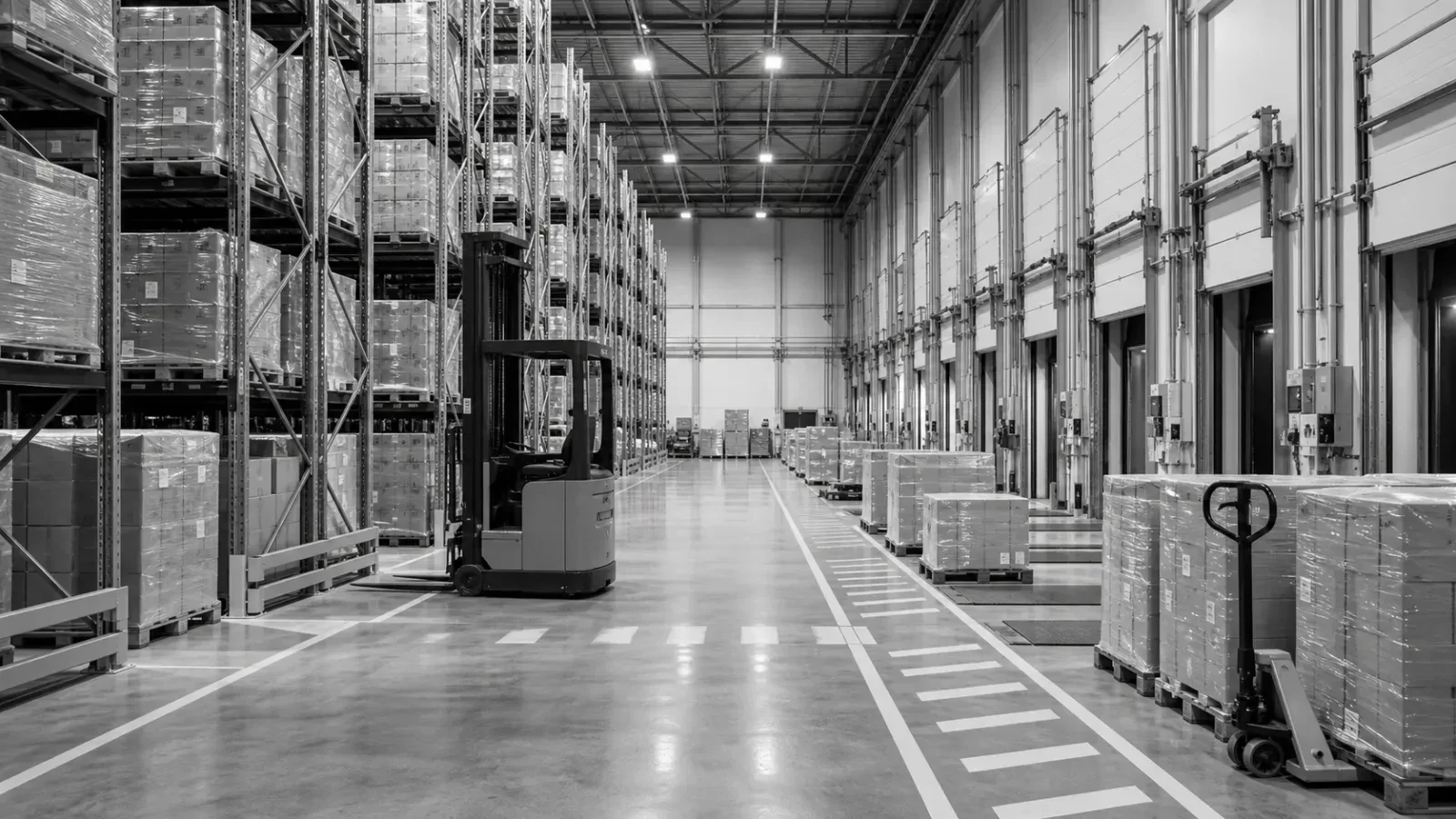
In warehouses, logistics centres, receiving, dispatch and loading areas, the same space has to support goods flow, vehicle traffic, pedestrian routes, rack protection and day-to-day cleanliness.
In a logistics operation, people, forklifts, pallet trucks, trolleys, trucks, pallets and racking share the same space every shift. An impact mark, an improvised crossing or a floor area that gets dirty quickly may look local, but it often connects to the wider flow.
That is why pedestrian routes, infrastructure protection, dirt carried on wheels or soles, and load movement should be reviewed together. The right direction may be a barrier, rack protection, a cleaning point, a route change or an electric tug, depending on what actually happens in the area.
The flow shows what enters the area, what moves, what can be hit and what slows the operation down.
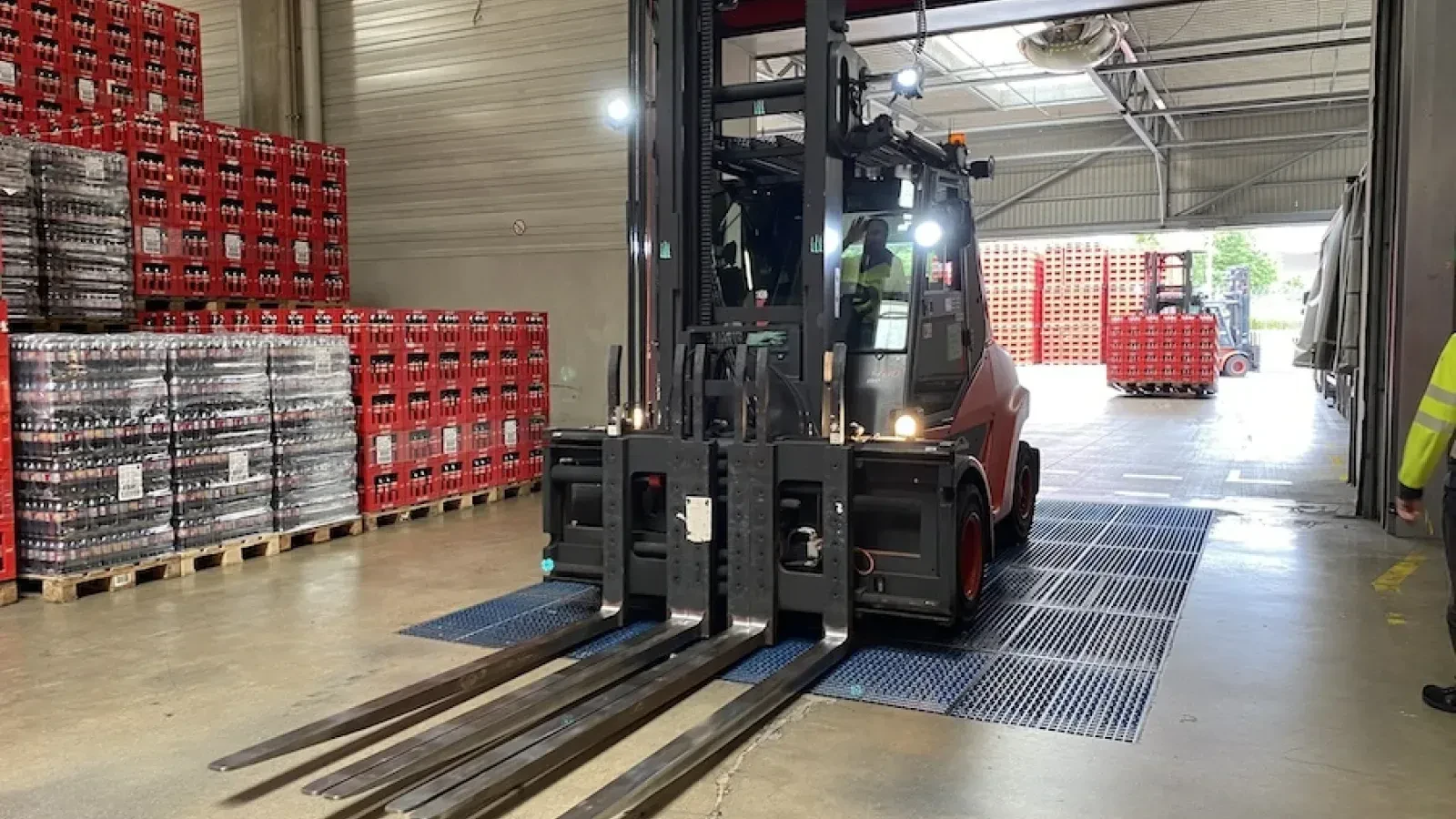
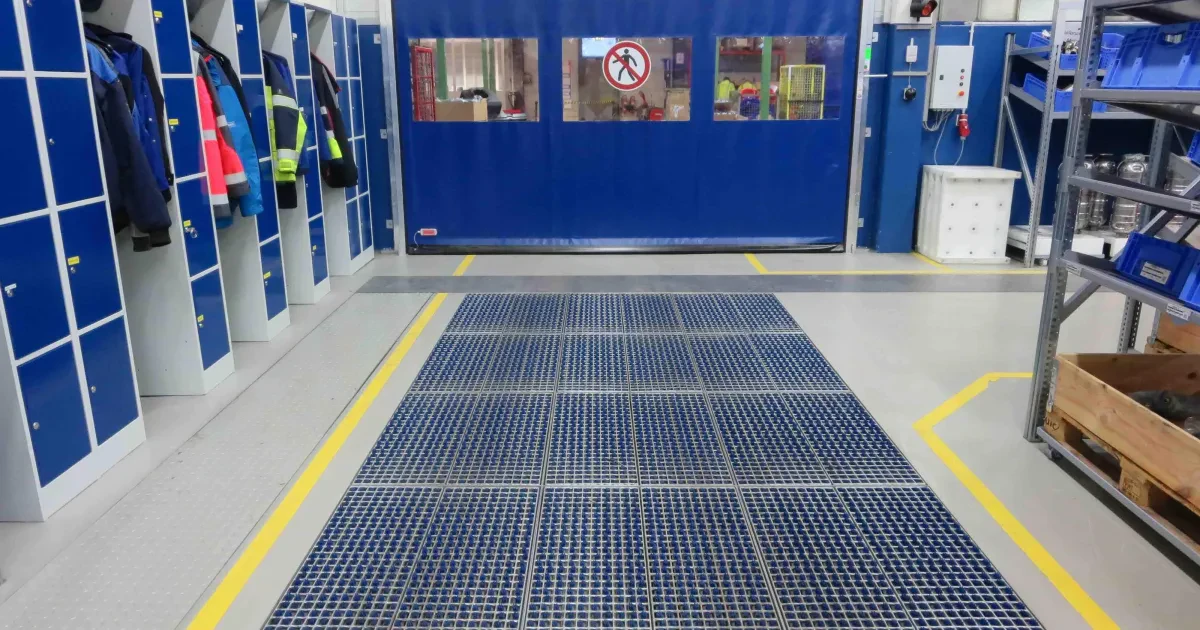
At outdoor-to-indoor transitions, near loading bays or before sensitive zones, wheels, tyres, soles and pallets can carry visible dirt, fine particles or moisture. In logistics operations serving food, pharma, retail or clean production, this can affect cleaning discipline and internal audit expectations.
Relevant directions may include wheel and tyre cleaning, washable polymer mats, sole cleaning or route changes that make the control point harder to bypass.
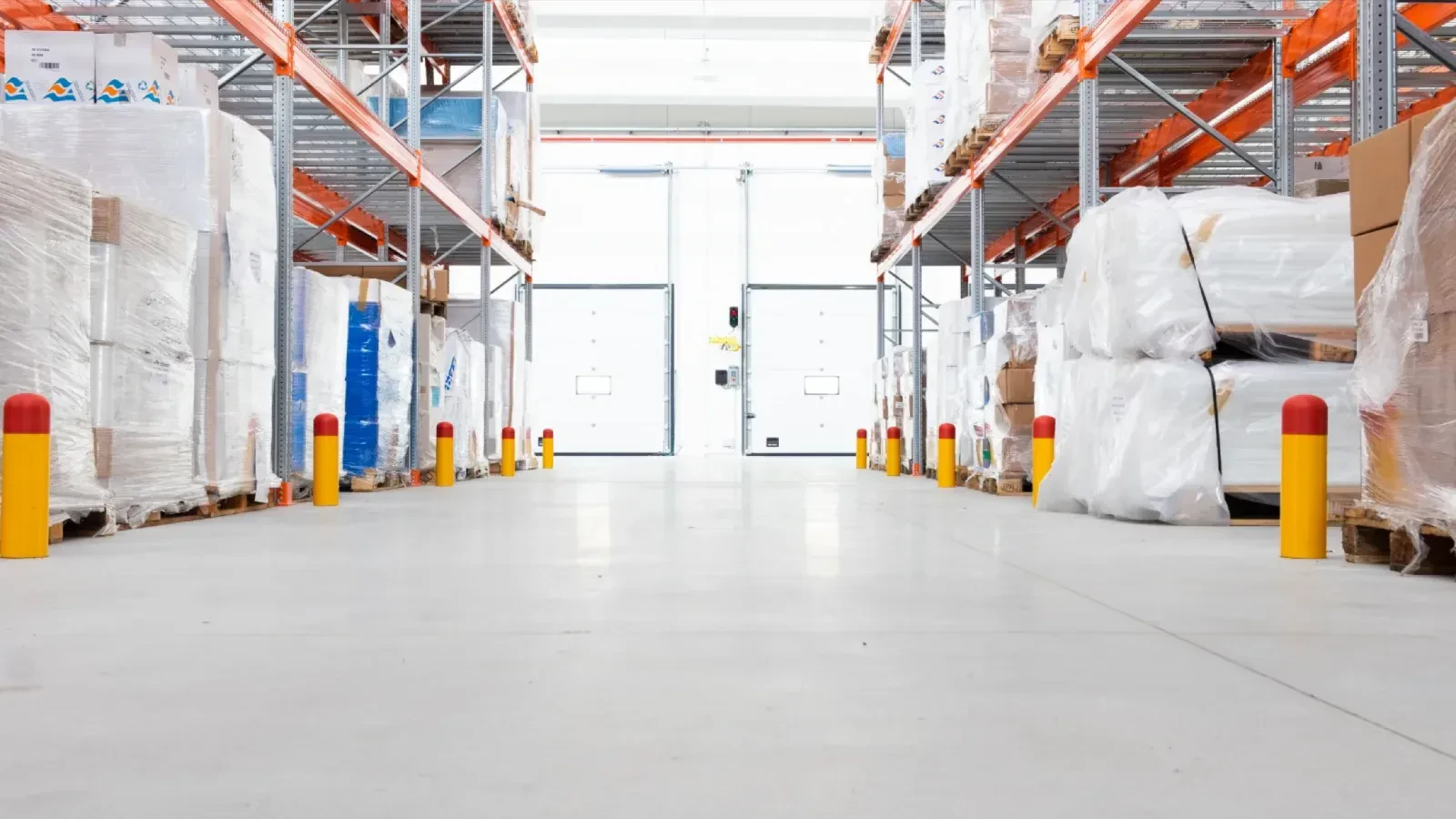
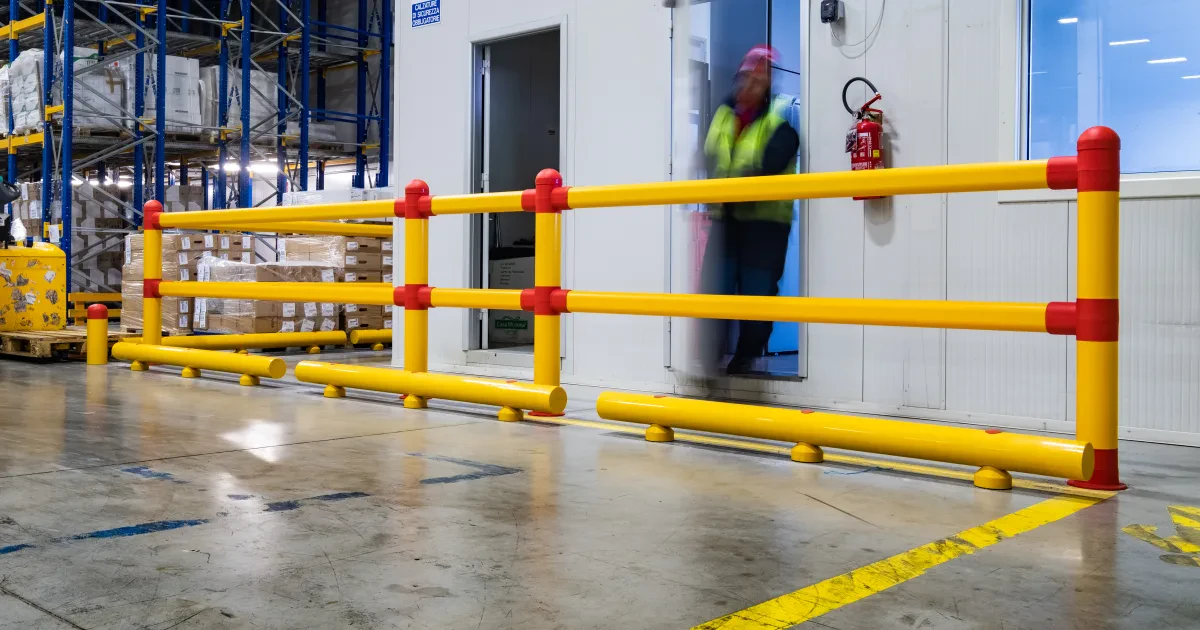
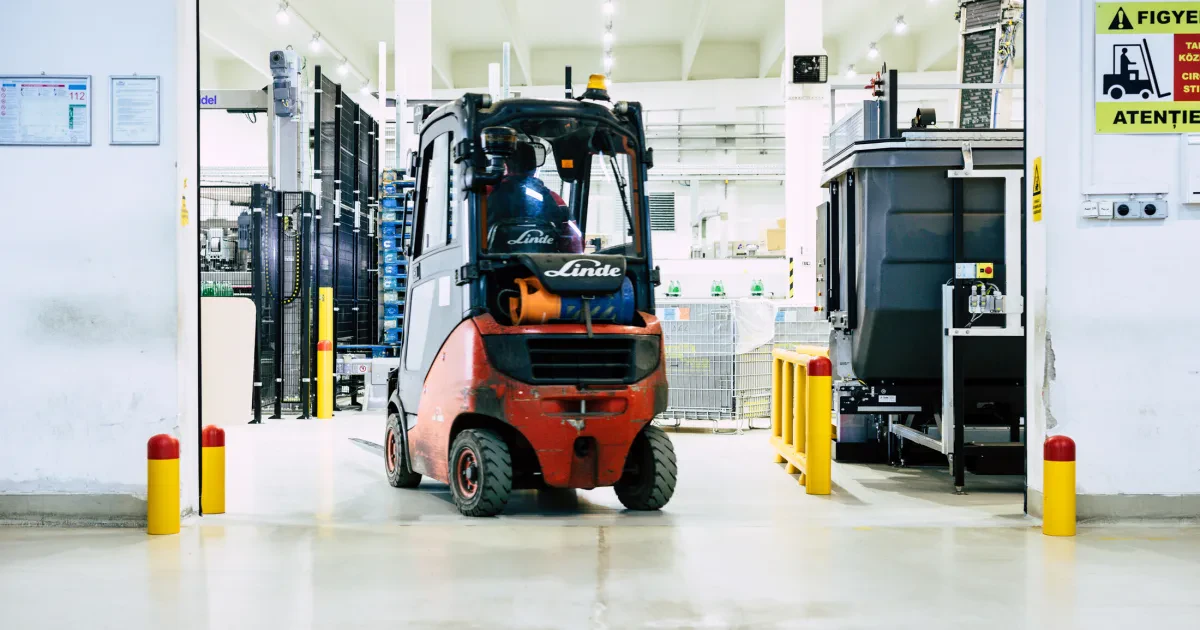
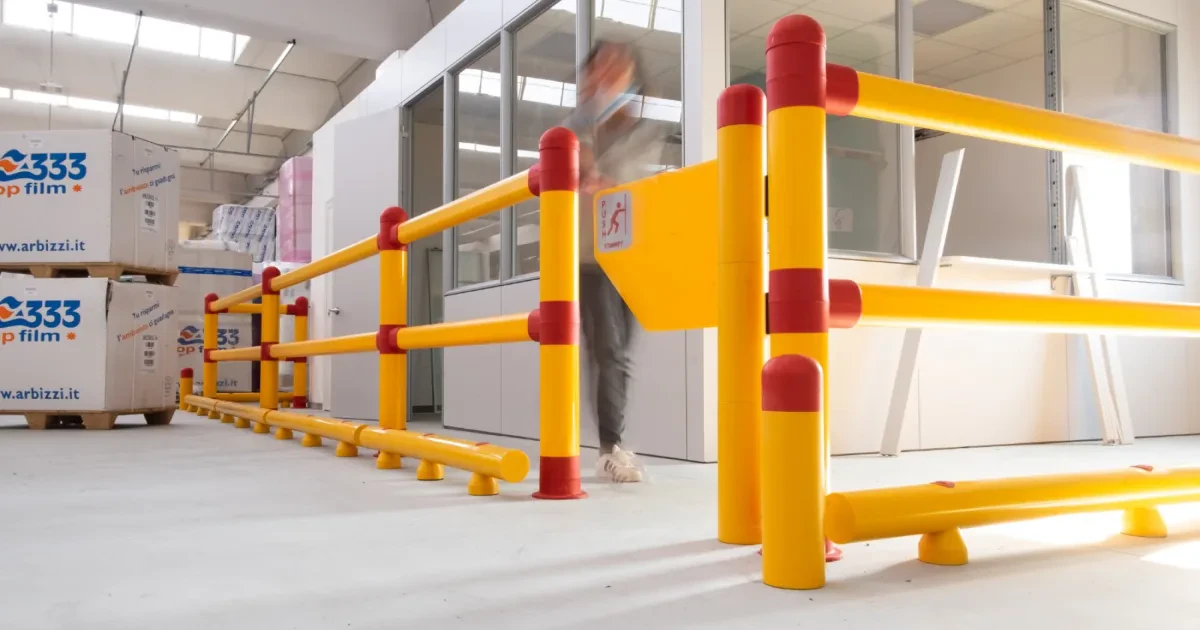
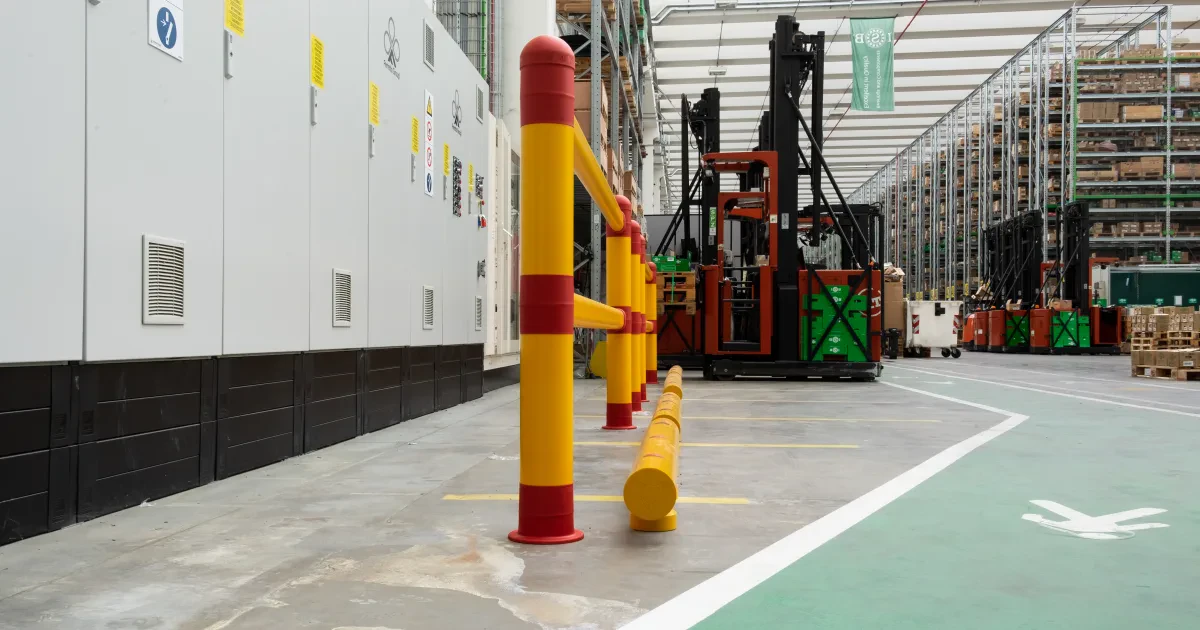
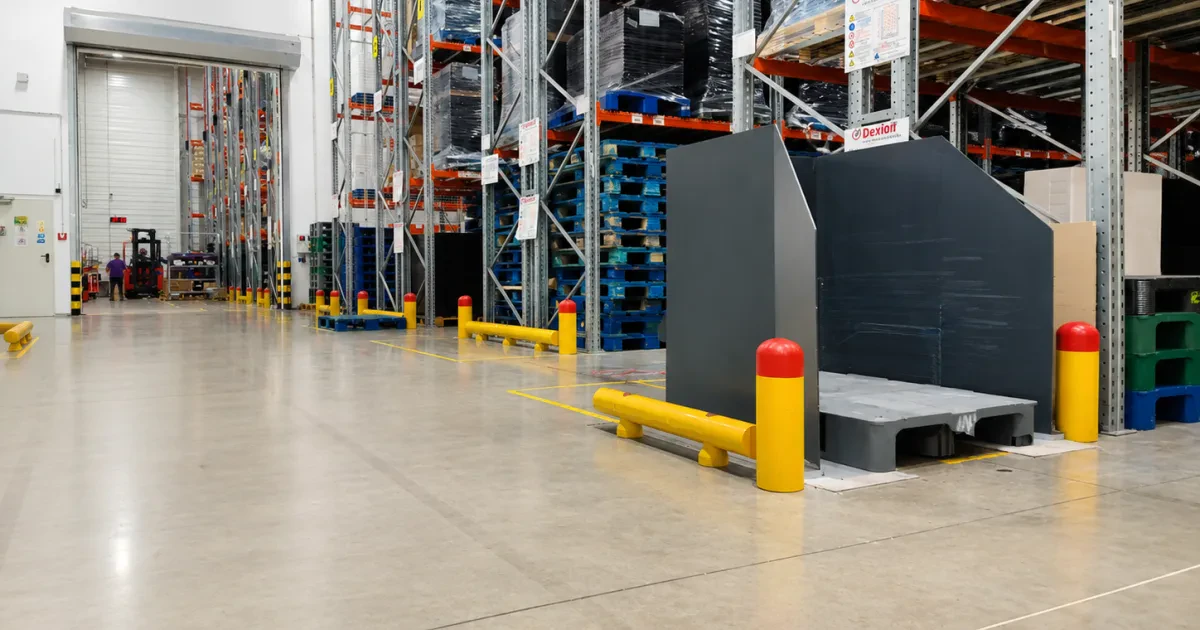
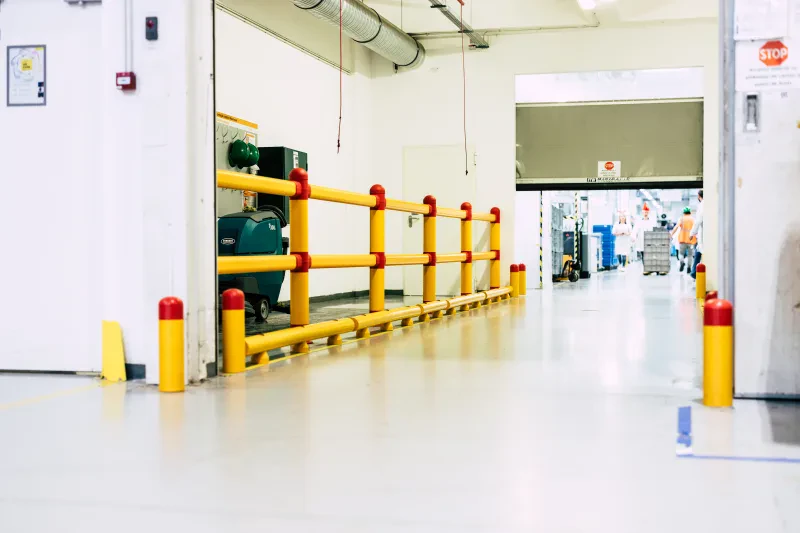
Many warehouse risks appear in predictable places: rack ends, doors, gates, bays, corners, intersections and areas where a forklift turns with load. Markings can help, but where the consequence of impact is high, physical separation and impact protection need a closer look.
For impact protection, the relevant details are impact energy: vehicle and load mass, speed, impact angle, deflection space and what needs to be protected.
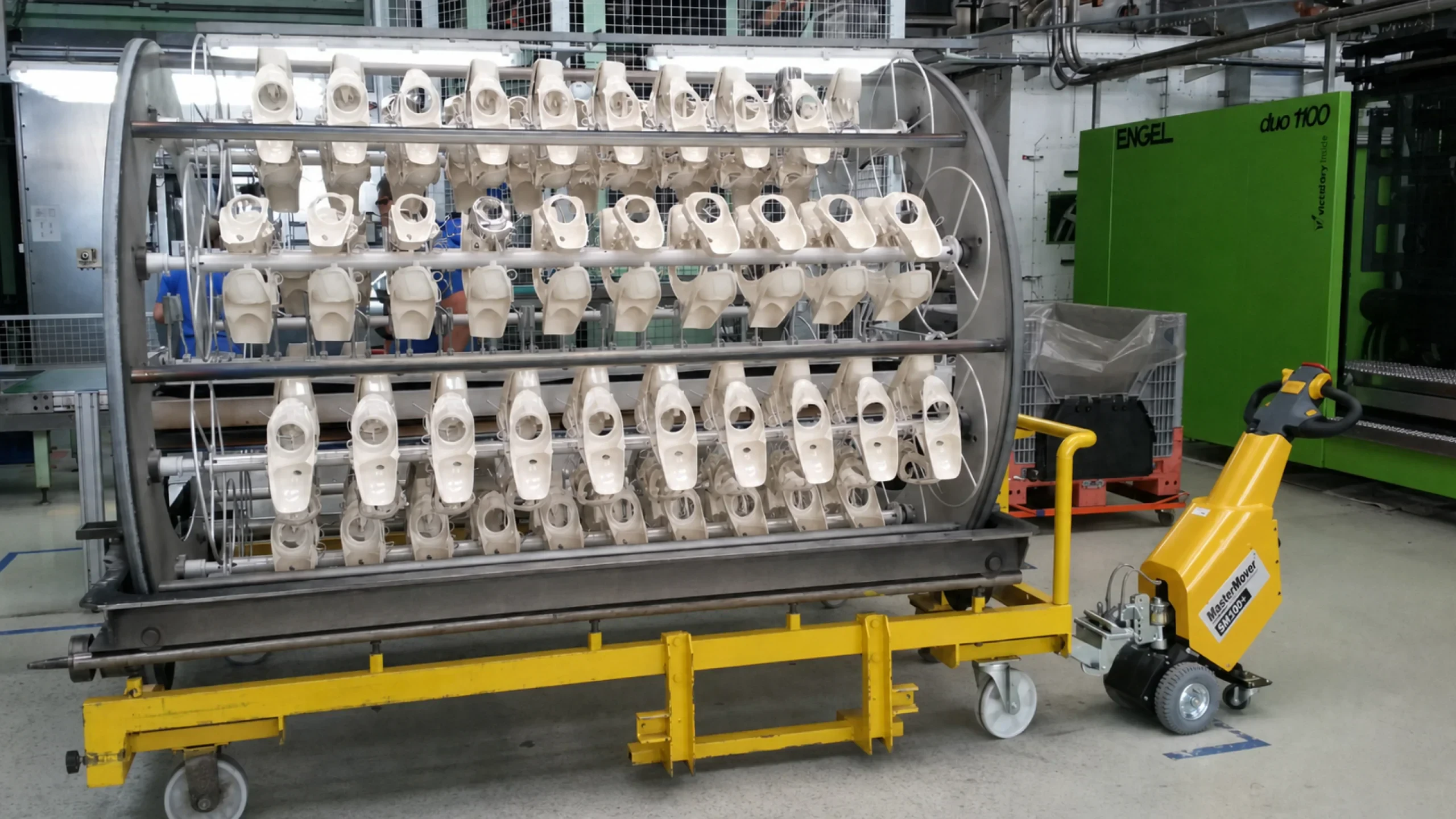
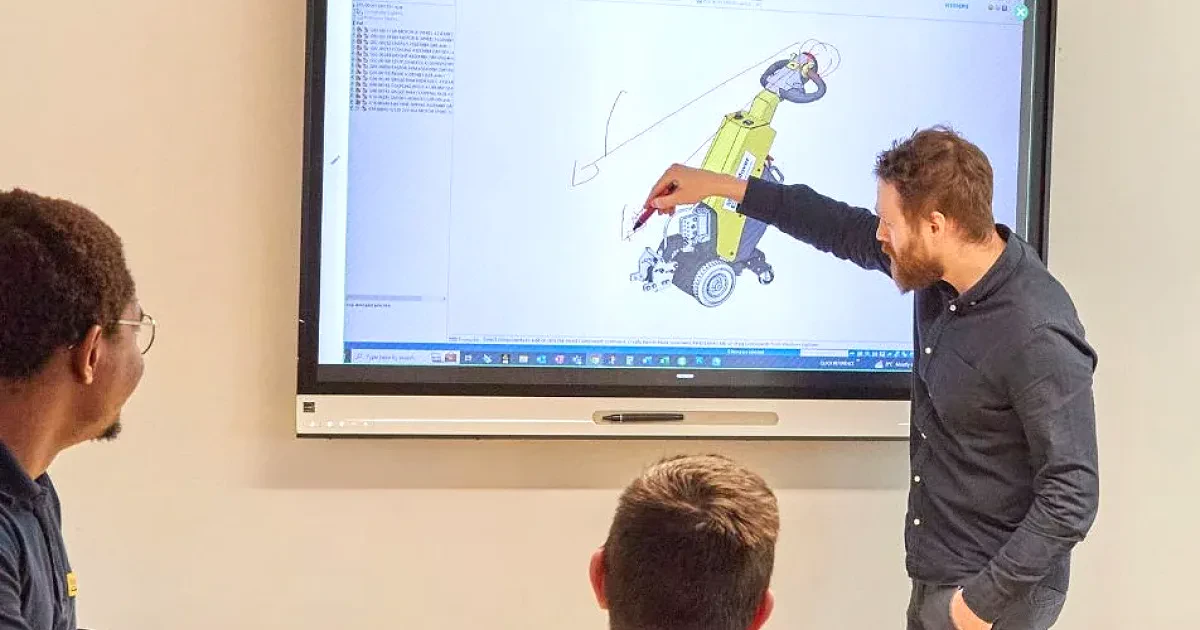
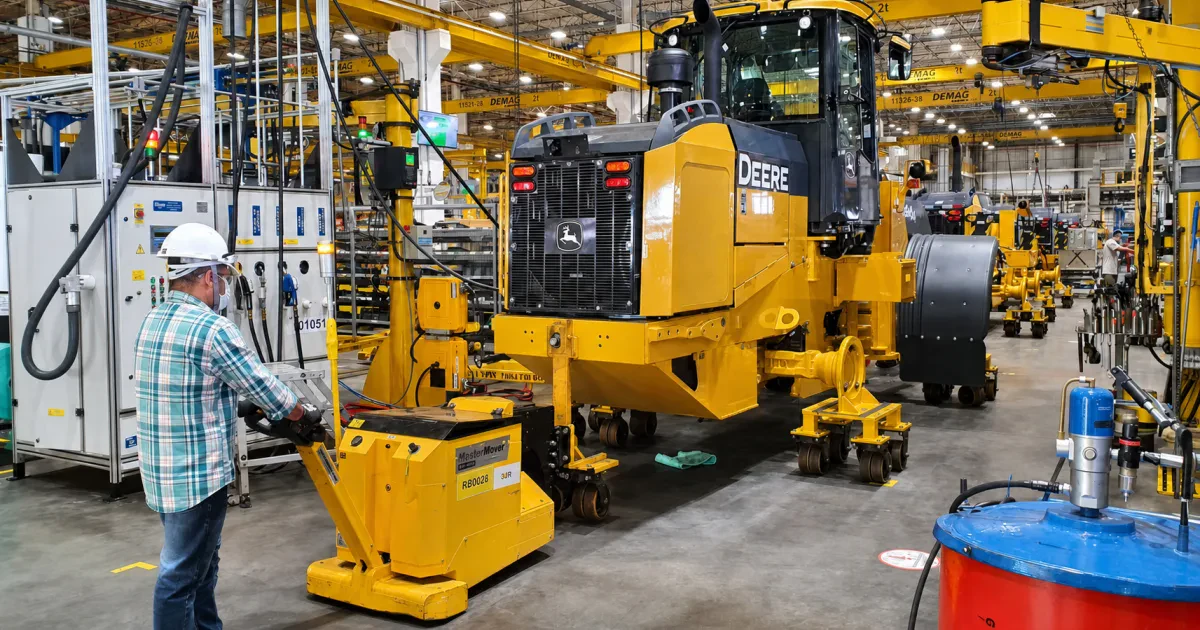
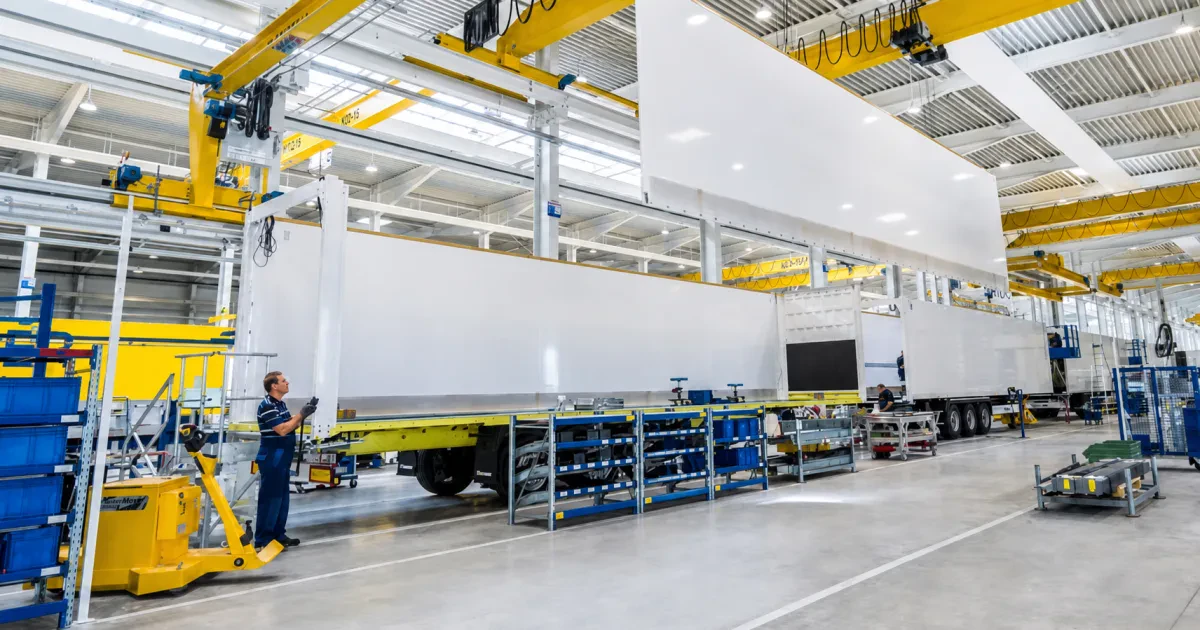
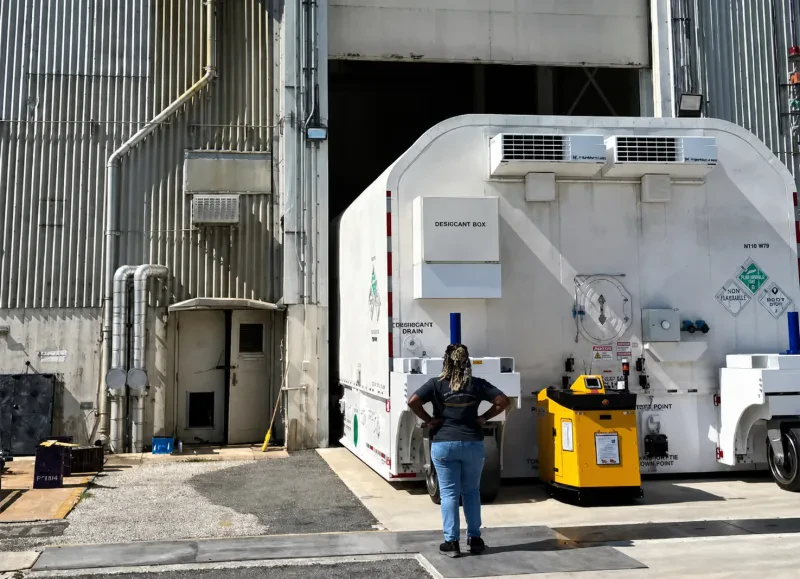
Not every wheeled load should be pushed manually or moved by forklift. Trolleys, trailers, containers, production equipment or mobile fixtures may need controlled traction, especially when weight, frequency or route puts pressure on operators.
Electric tugs can reduce manual effort and make movement more predictable when the load, coupling, floor, gradient and route are checked before selection.
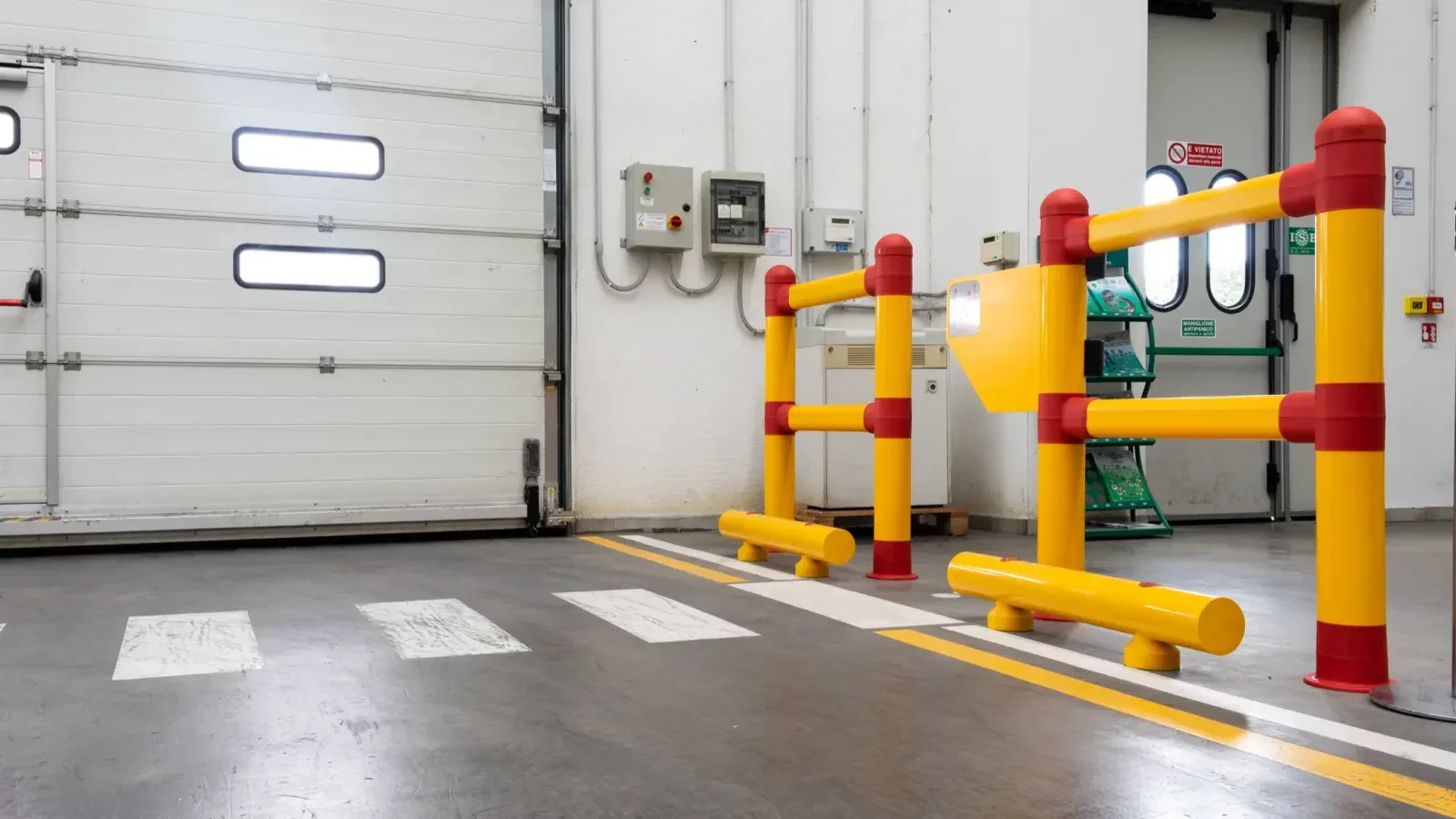
A first orientation needs a few practical details: the area, the route, vehicle types, crossing frequency, what gets hit or dirty, what loads are moved and what constraints exist around floor, cleaning, anchoring or space.
Everything does not need to be perfectly documented from the start. A useful comparison starts with the real situation and the consequence you want to reduce.









A guide for wheeled loads that are difficult to start, steer or stop by manual pushing and pulling.
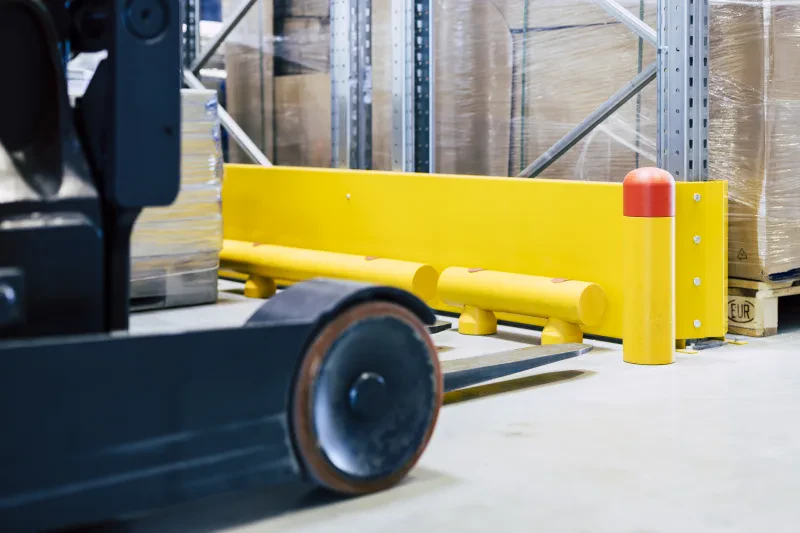
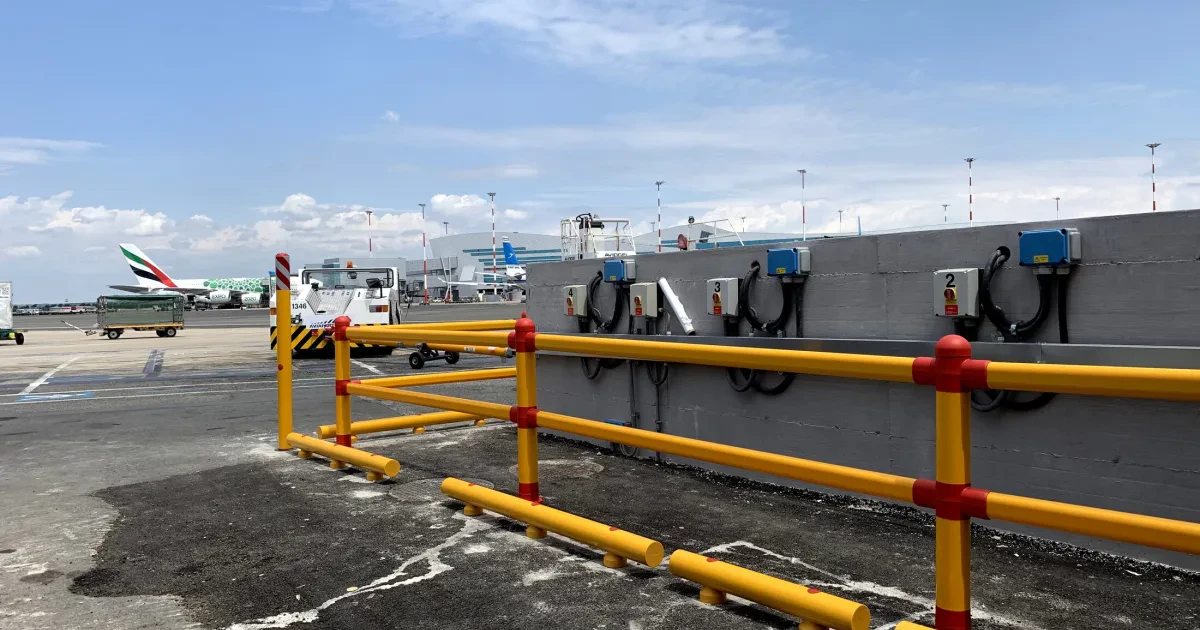
A practical guide to protecting areas where vehicles approach doors, racks and loading-bay edges.
A guide to integrating wheel cleaning before doors, floors, drainage and routes are fixed.
Visible impact marks, dirt or manual effort in the same area?

The useful signals are the ones that appear at clear points in the flow: impacts on rack ends, doors or columns, informal crossings, vehicles turning with load in limited space, floors that get dirty quickly at entry points, or wheeled loads moved with high manual effort.
When several signals appear together, the cause is not always a single missing product. The flow may be forcing people, vehicles, racking, loading bays and cleaner areas to work too close to one another.
Wheel and tyre cleaning becomes relevant when dirt, moisture or particles enter from outside, from a loading bay, from a yard or from a dirtier area into a more sensitive one. In logistics, the transfer can come from forklifts, pallet trucks, trolleys, internal trailers or pallets.
The required level depends on what the warehouse supports. For food, pharma, retail, clean production or direct links to manufacturing, cleanliness can affect work discipline, internal audit expectations, floor maintenance and operational complaints.
The system should be checked together with the route: whether the control point can be bypassed, whether wheels have enough contact, whether the dirt is dry or wet, and who owns cleaning, maintenance and verification.
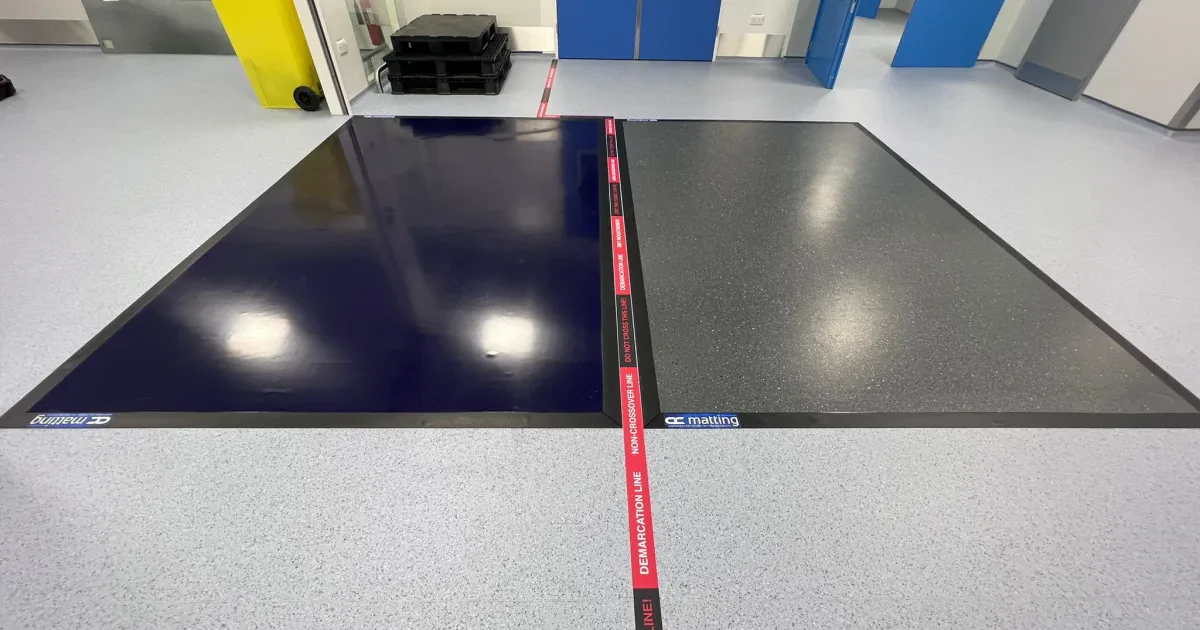
Markings fit when orientation, route discipline and visibility are enough, and the consequence of deviation is limited. They help people understand the flow, but they do not stop a vehicle or protect a pedestrian, rack or door by themselves.
Physical separation and impact protection become more important when people and vehicles share space or when an impact can reach important infrastructure. The choice depends on route, visibility, mass, speed, deflection space and the consequence of downtime.
Impact marks on racking can show that the turn is too tight, the aisle is insufficient, the load reduces visibility, speed is hard to control or the working route forces the operator close to the structure. Rack protection matters, but it has to match the way the impact happens.
Before selection, the relevant details are vehicle and load mass, speed, impact angle, available deflection space, floor condition and what needs to be protected: upright, rack end, door, column, wall or technical area.
Protection selected only by rack size can be too weak, too large for the aisle or difficult to maintain. A better choice starts from the consequence of downtime and the real exposure in the aisle.
An electric tug can help when the load is already on wheels and is moved frequently, heavily or with significant manual effort. Typical examples include trolleys, containers, internal trailers, mobile fixtures, production equipment or heavy materials on fixed routes.
It is not a universal forklift replacement. It becomes relevant when the movement is horizontal and repeatable, and when control during starting, stopping, turning or positioning matters more than lifting the load.
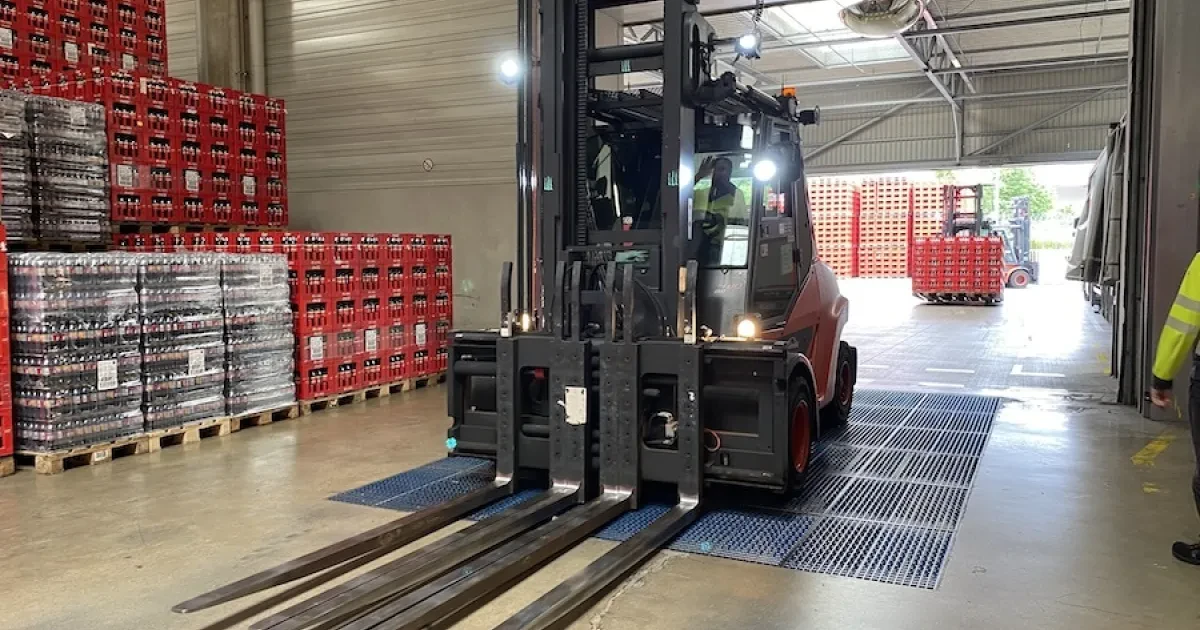
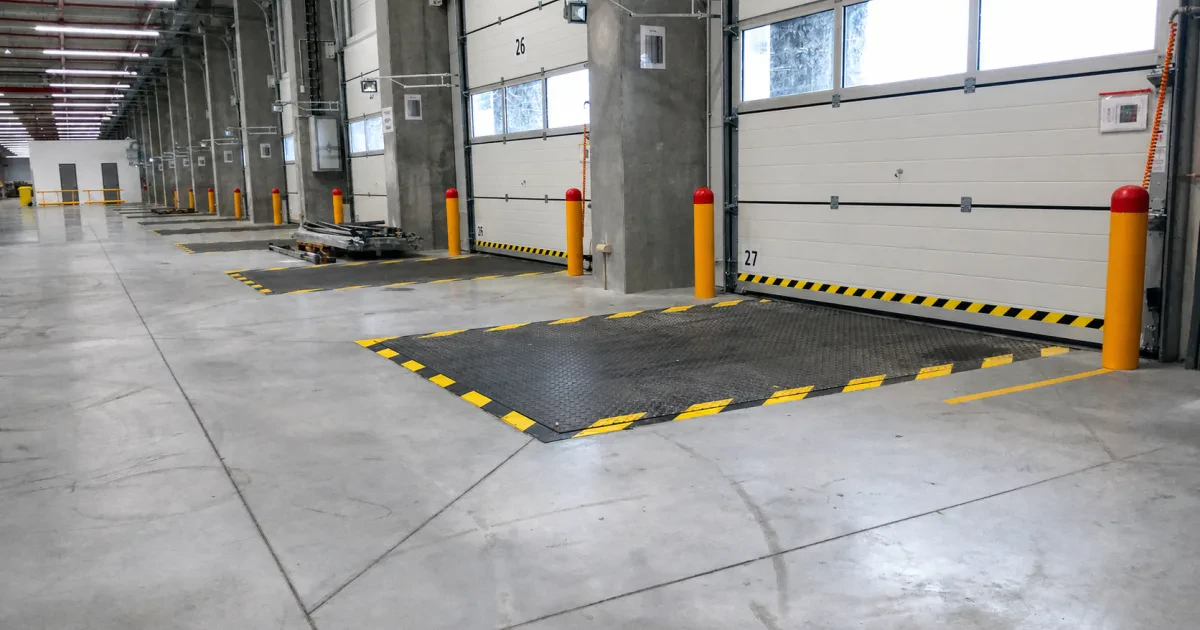
At loading bays, several movements happen in the same area: trucks aligning, forklifts entering and leaving, pedestrians, doors, dock edges, level differences, rain, snow, grit or time pressure. The bay should be reviewed as a traffic area, not only as a loading point.
The review should include manoeuvring space, reversing visibility, dock edge exposure, pedestrian routes, door protection and the way dirt or moisture enters the warehouse.
The technical direction may combine impact protection, pedestrian separation, signalling, entry cleanliness and a better way to move goods between truck and warehouse.
Yes, when dirt, particles or moisture create cost, stoppages, complaints, wear or cleaning difficulty. Not every warehouse needs the same level of control, but many operations have areas where the floor and routes need to stay in a stable condition.
Examples include outdoor entries, packing zones, clean picking areas, showroom-linked spaces, connections with production, new floors or routes where wheels carry grit, salt or moisture further into the building.
The choice depends on the type of contamination and traffic frequency. Sometimes a passive surface or route change is enough; in other cases active cleaning for wheels, soles or high-traffic transfer points should be considered.
Before choosing, the real routes, vehicle types, crossing frequency, moved loads, impact or dirt zones, space constraints, floor condition and cleanliness requirements should be clear.
Everything does not need to be perfectly documented. A photo, sketch or simple flow description can be enough for orientation when it shows where the signal appears and what consequence it has in daily operation.