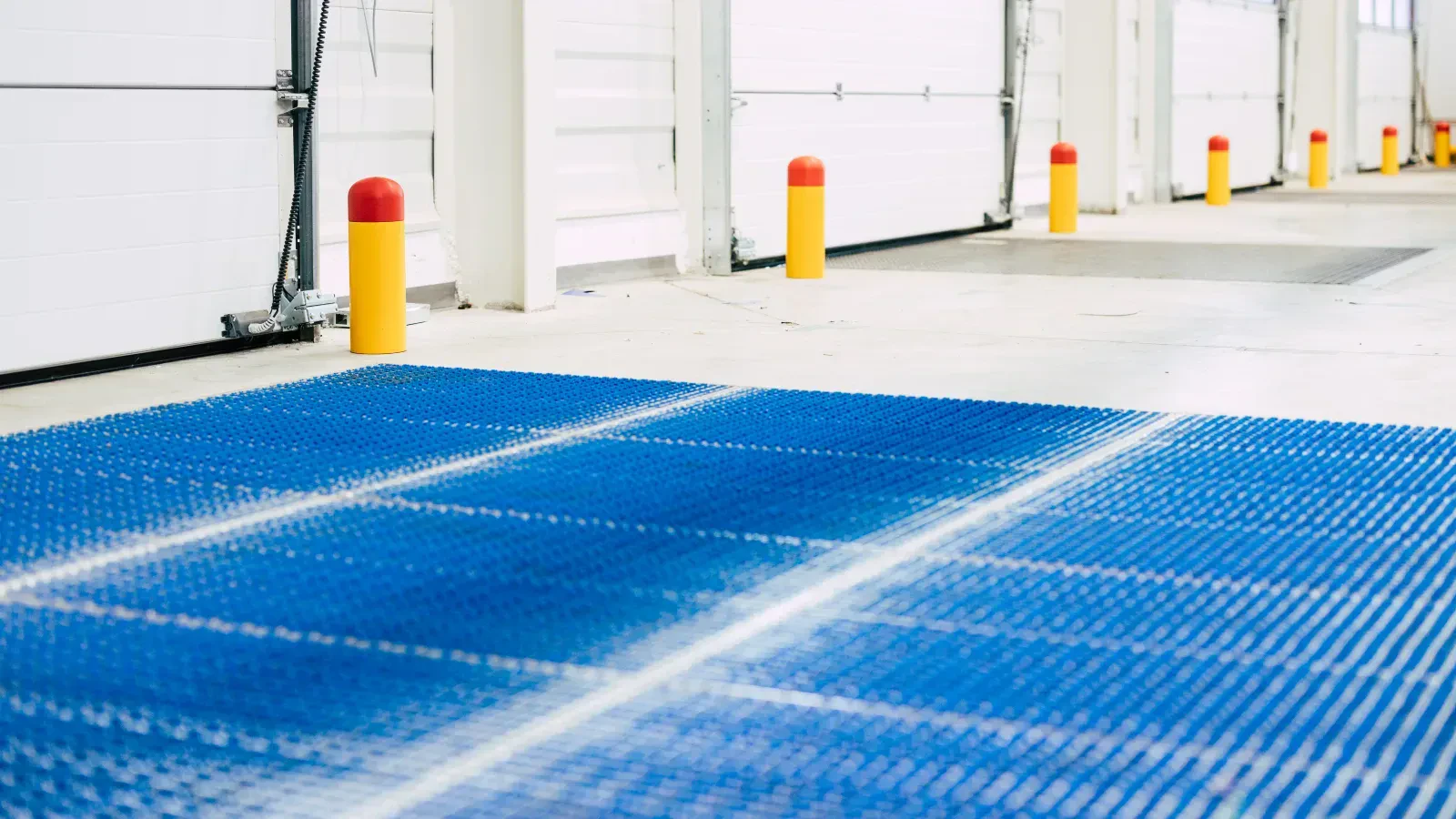
Position in the flow
Every relevant wheel must cross the point without an easy parallel route.
Check directions, queues and manoeuvring space.

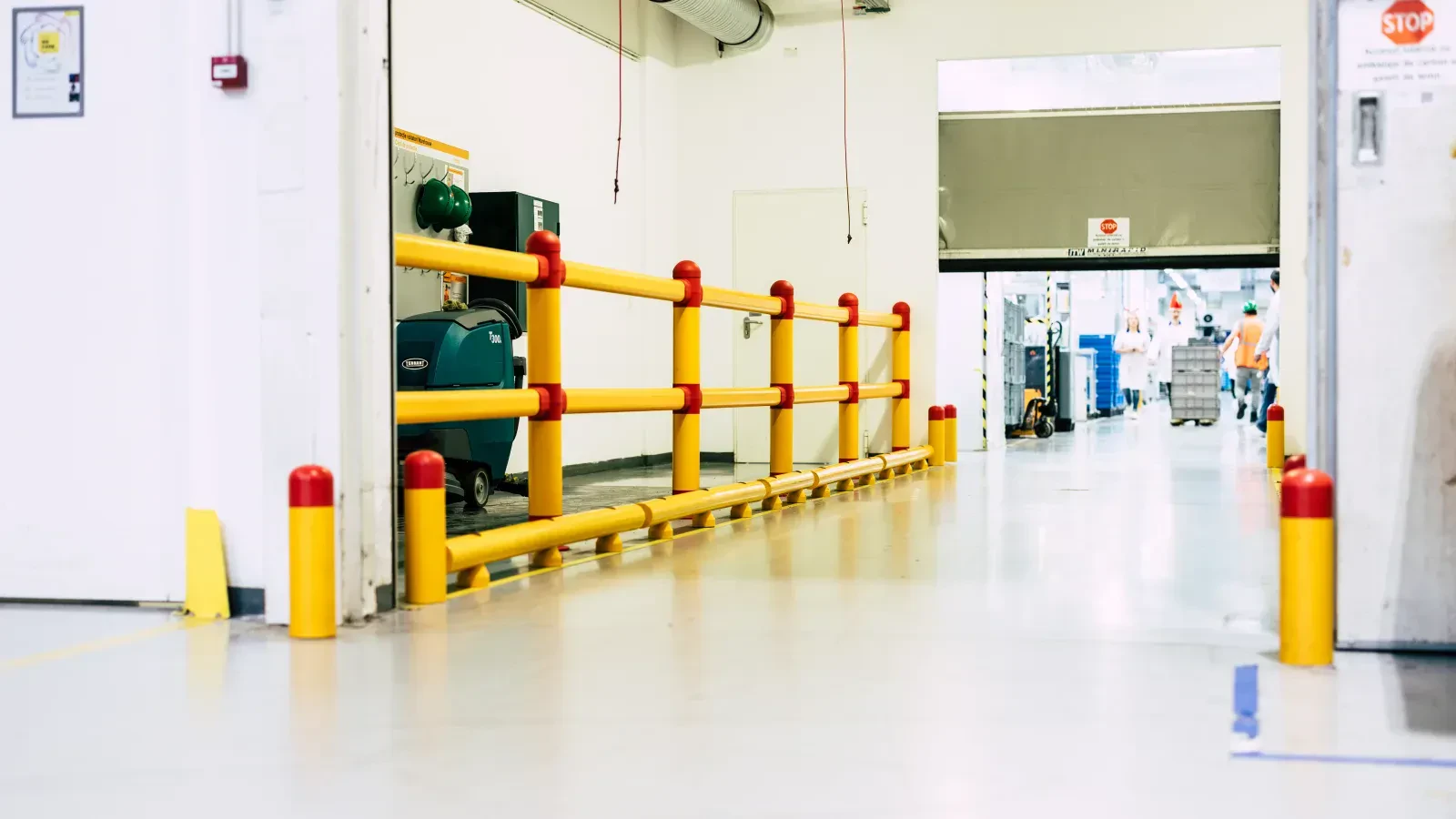
In a new factory, the cleaning point should sit on the unavoidable wheel route, not be added after access is built.
Coordinate entrances, directions, drainage and maintenance access before floor details are final.
Each situation needs different traffic, surface and operating inputs.
Every relevant wheel must cross the point without an easy parallel route.
Check directions, queues and manoeuvring space.
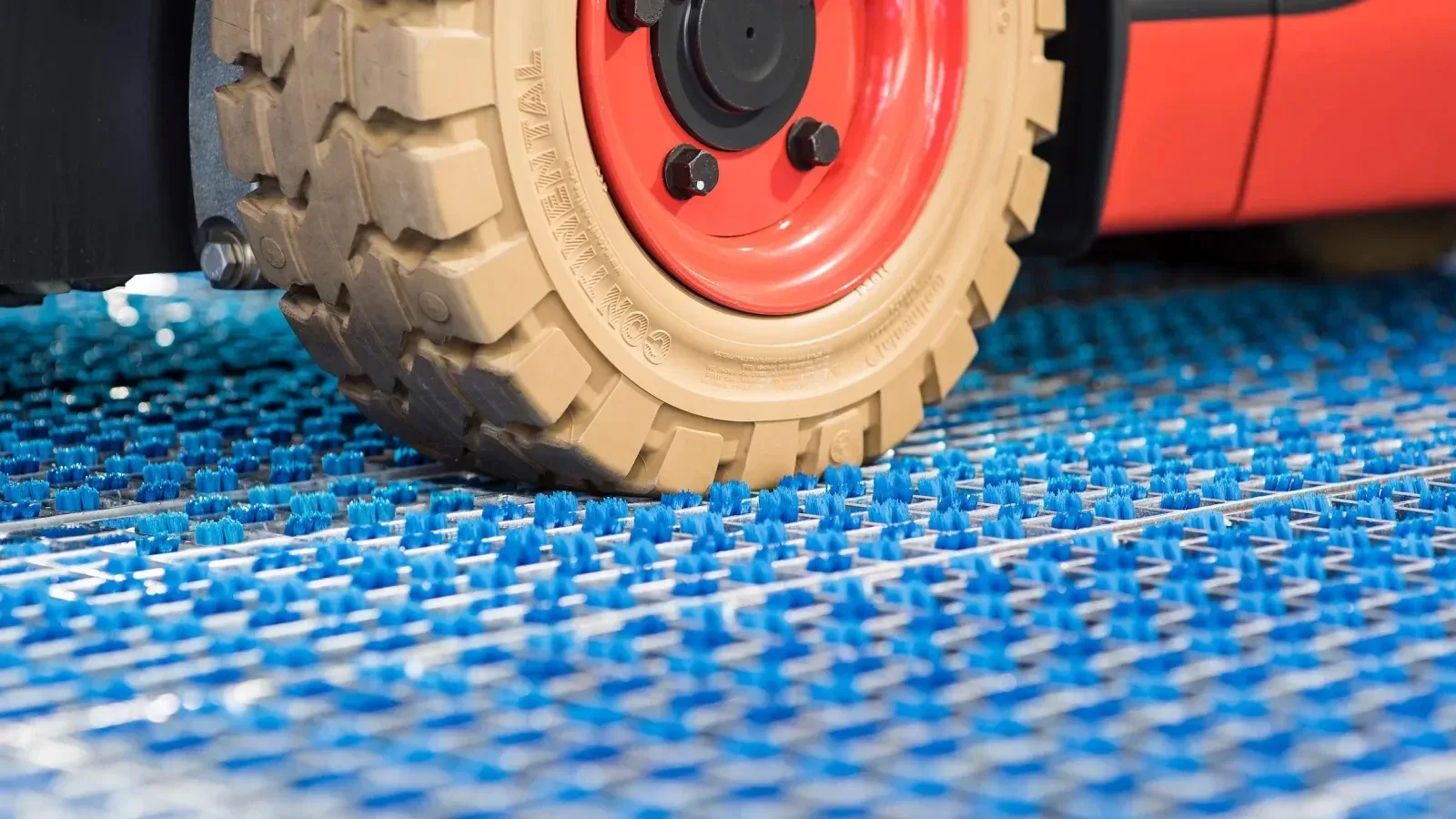
Depth, edges, utilities and drainage depend on dry or wet operation.
Early coordination reduces cutting and corrective work.
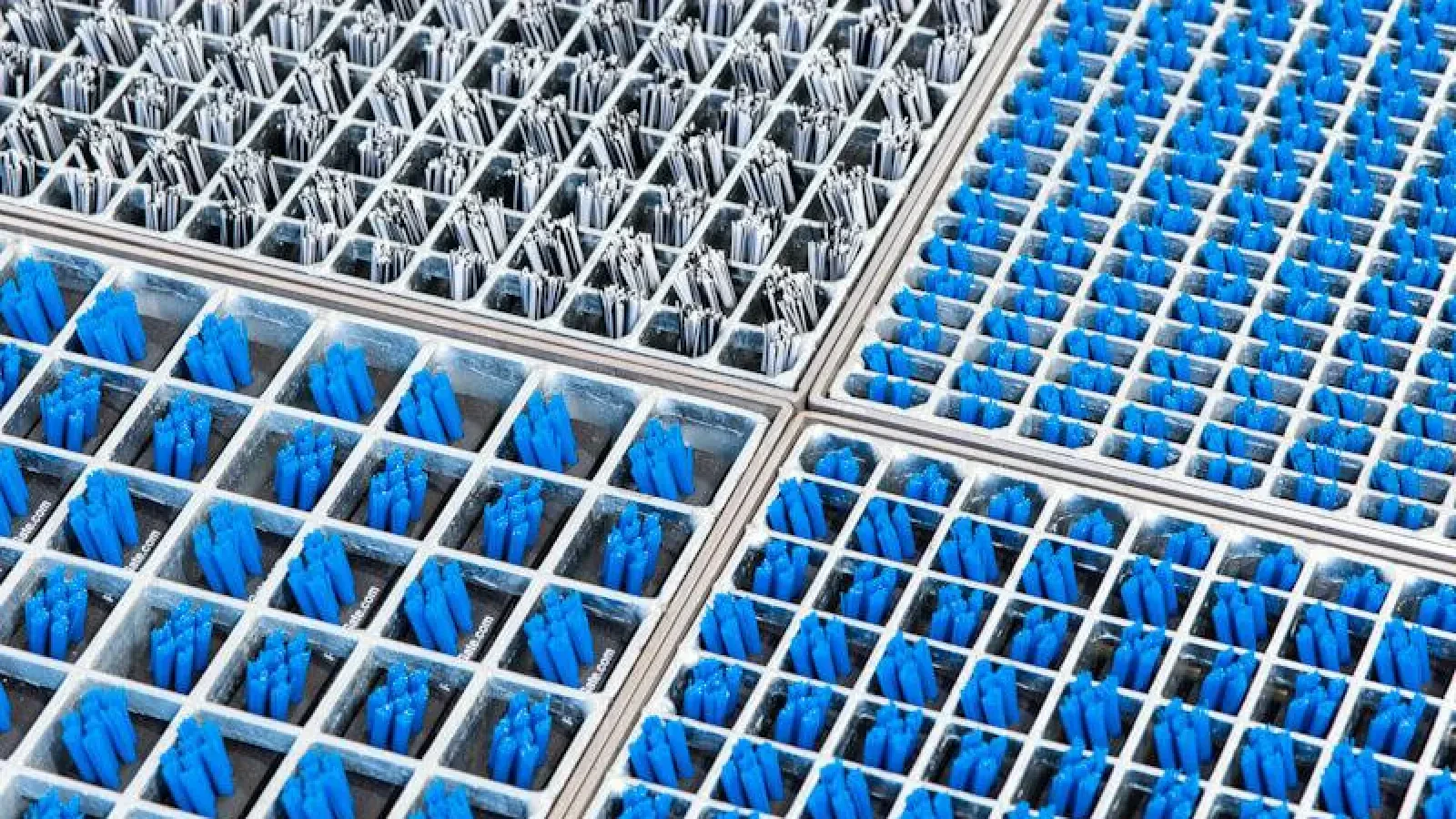
The team needs access for cleaning, emptying and inspection.
The plan assigns ownership and service windows.
Every relevant wheel must cross the point without an easy parallel route.
Check directions, queues and manoeuvring space.
The team needs access for cleaning, emptying and inspection.
The plan assigns ownership and service windows.
Wheel cleaning in a new factory: choose the point before routes and floor details are final

Place the point on the unavoidable route before the protected area, where wheels, soles or carts naturally cross the same boundary. The position should include real entry directions, queues and manoeuvring, not only the door opening.
If an easy parallel route remains, the effect drops. Cleaning, emptying, inspection and maintenance access should also be checked so the point remains practical after installation.
Bypass is reduced through route design, doors, guide elements, marking and the way operators enter the protected area. If traffic can choose a side door or shorter route, the cleaning point no longer controls the main flow.
During planning, the alternative route is removed or included in the same strategy. After installation, observing traffic quickly shows whether the marking and route work in daily use.
Envelope, level, edges, power, drainage and maintenance space should be decided before the floor is final. Dry and wet operating principles change the integration details, including cleaning, emptying, liquid handling and the work area around the point.
These details should be coordinated by design, production, maintenance and quality before floor works are locked. Otherwise, cut-outs, thresholds or routes can weaken practical use of the point.
Design, production, maintenance and quality review the route together.
Acceptance criteria remain in the operator procedure.