

Fewer discarded layers
The polymer mat’s washable surface reduces dependence on peeled layers, replenished boxes and waste generated at each layer change.

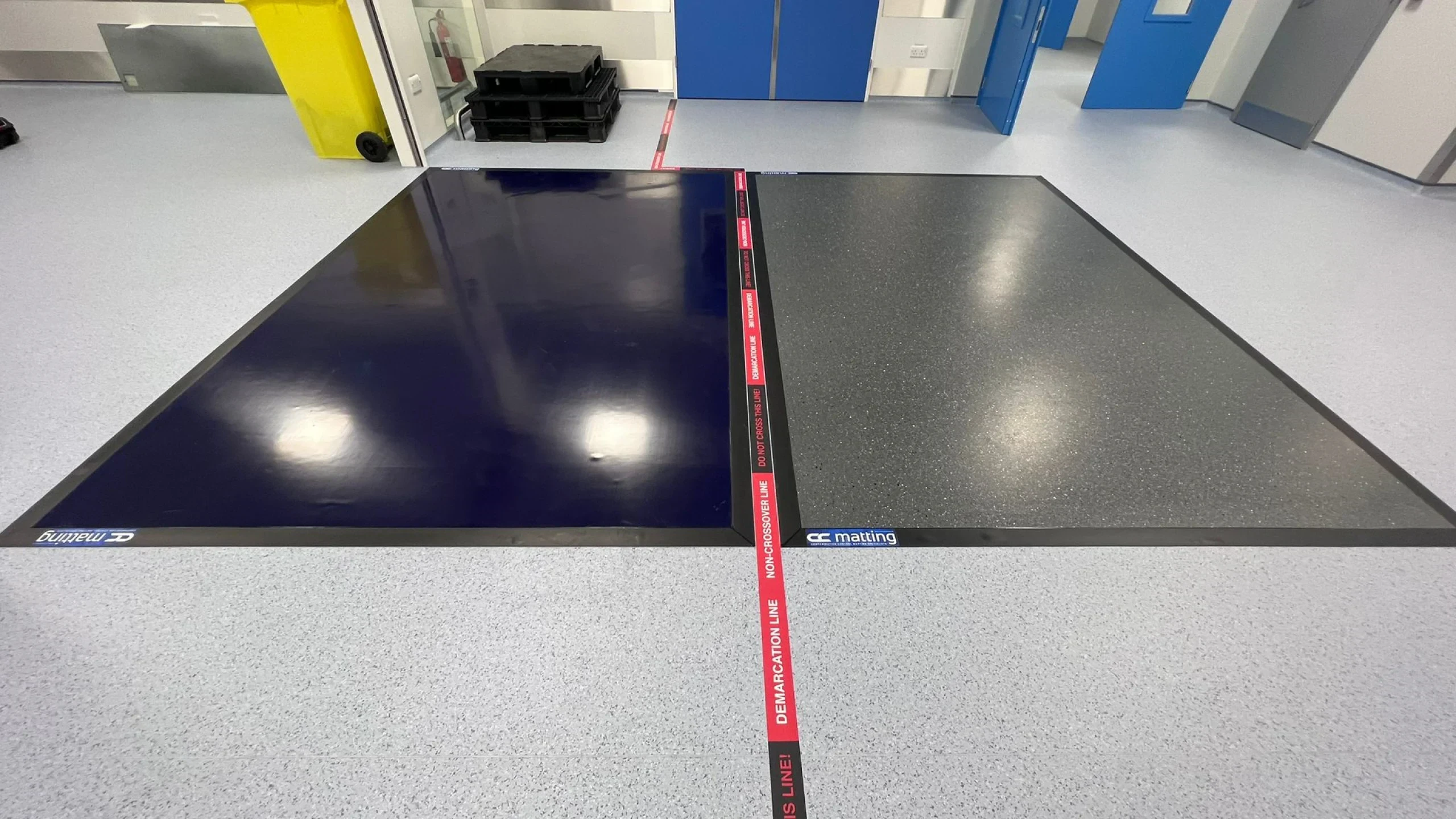
When an entry point depends on layers that are peeled, changed and discarded, the real cost is not only the box price. It also includes consumables, waste, checks, delayed changes and mats that may be bypassed or crossed with too little contact.
A polymer mat changes more than the material at the entry point. It changes how the point is managed: the surface stays in place, is cleaned and checked, and consumables no longer set the rhythm of the area.
It fits best when the route provides enough contact—enough footfalls or small wheels crossing straight—and when ESD or hygiene requirements and cleaning ownership are clear. If the area has heavy traffic, mud, braking or turning, the comparison should include heavier-duty variants or active cleaning.
A good comparison starts from the entry point: which consumables are discarded today, what enters the area, how much contact the surface gets and how easily it can be kept clean.
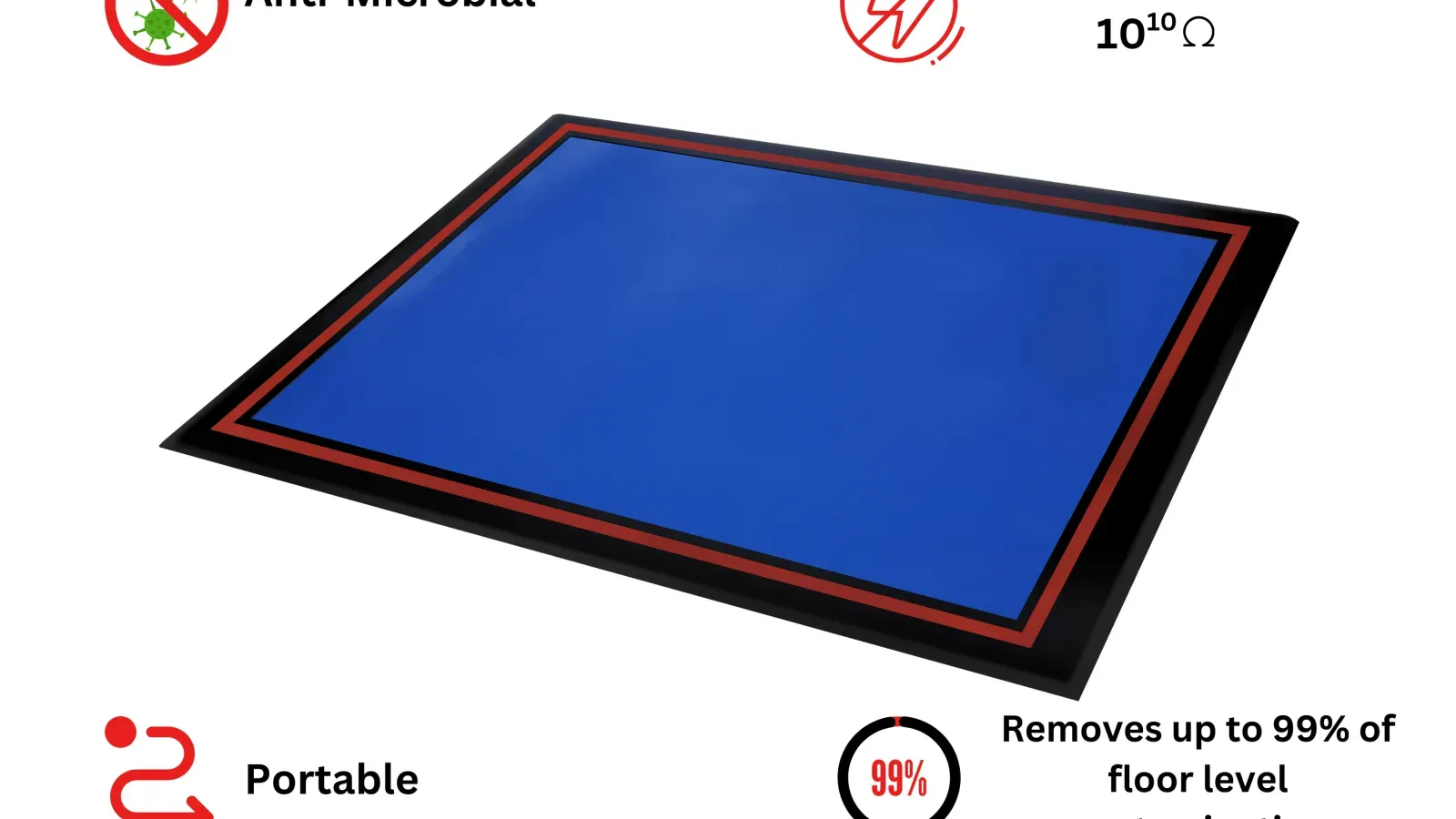
Polymer mats fit entry points with repeated traffic, enough footfalls and a route where people or small wheels cannot easily bypass the surface. In clean areas, laboratories, cleanroom entries or ESD spaces, the value comes from consistent contact and a routine that can be maintained every day.
Before choosing, check available length, route width, footwear type, light trolley traffic and the cleaning method the facility can use. Once those conditions are clear, comparison with peel-off mats becomes much more concrete.
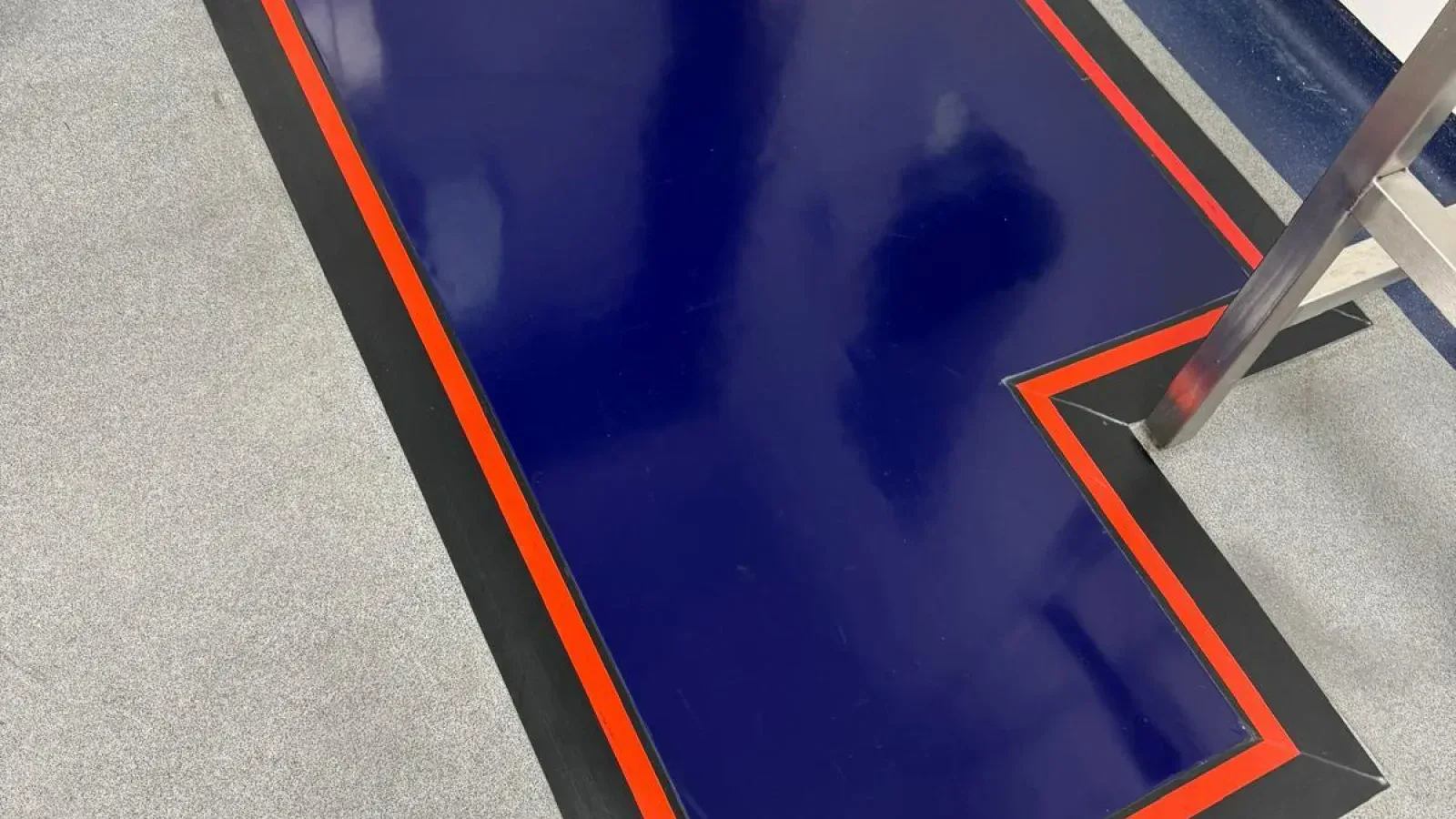
Heavy traffic changes the criteria. Forklifts, pallet trucks, pivoting, braking, mud or sharp objects create different shear and wear than a pedestrian or small-wheel entry point.
In those zones, the better direction may be a heavier-duty mat variant, a controlled site trial, active mechanical cleaning or route correction. What actually crosses the area and the load on the surface determine the choice.
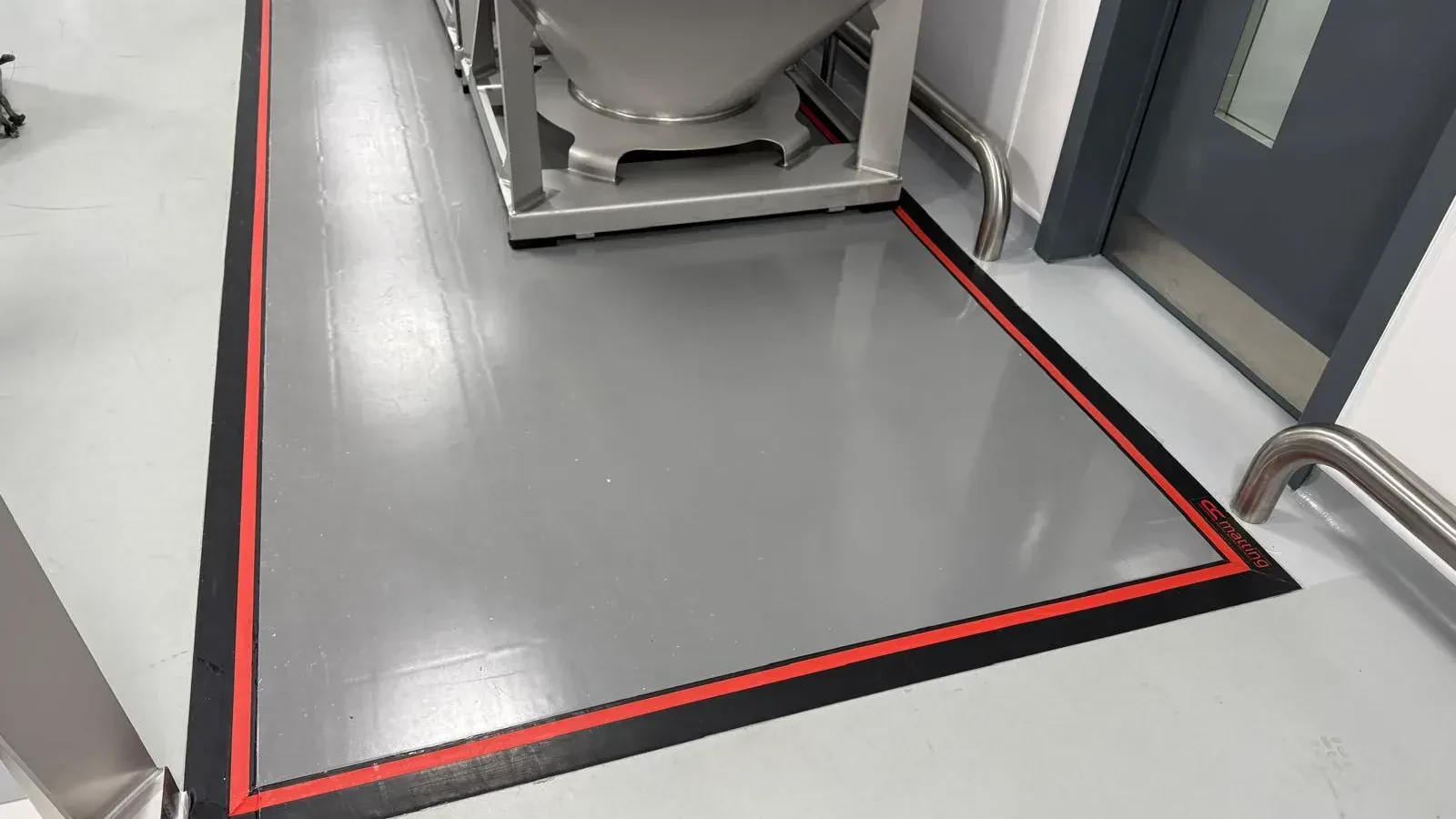
A useful comparison starts with simple data: monthly peel-off mat usage, layer-change frequency, who manages changes, waste generated and what remains visible on the route after the entry point.
Photos of the area, traffic type, ESD or hygiene requirements, accepted cleaning chemistry and the internal owner for maintenance also help. With those inputs, price, service life and cleaning routine can be compared realistically.
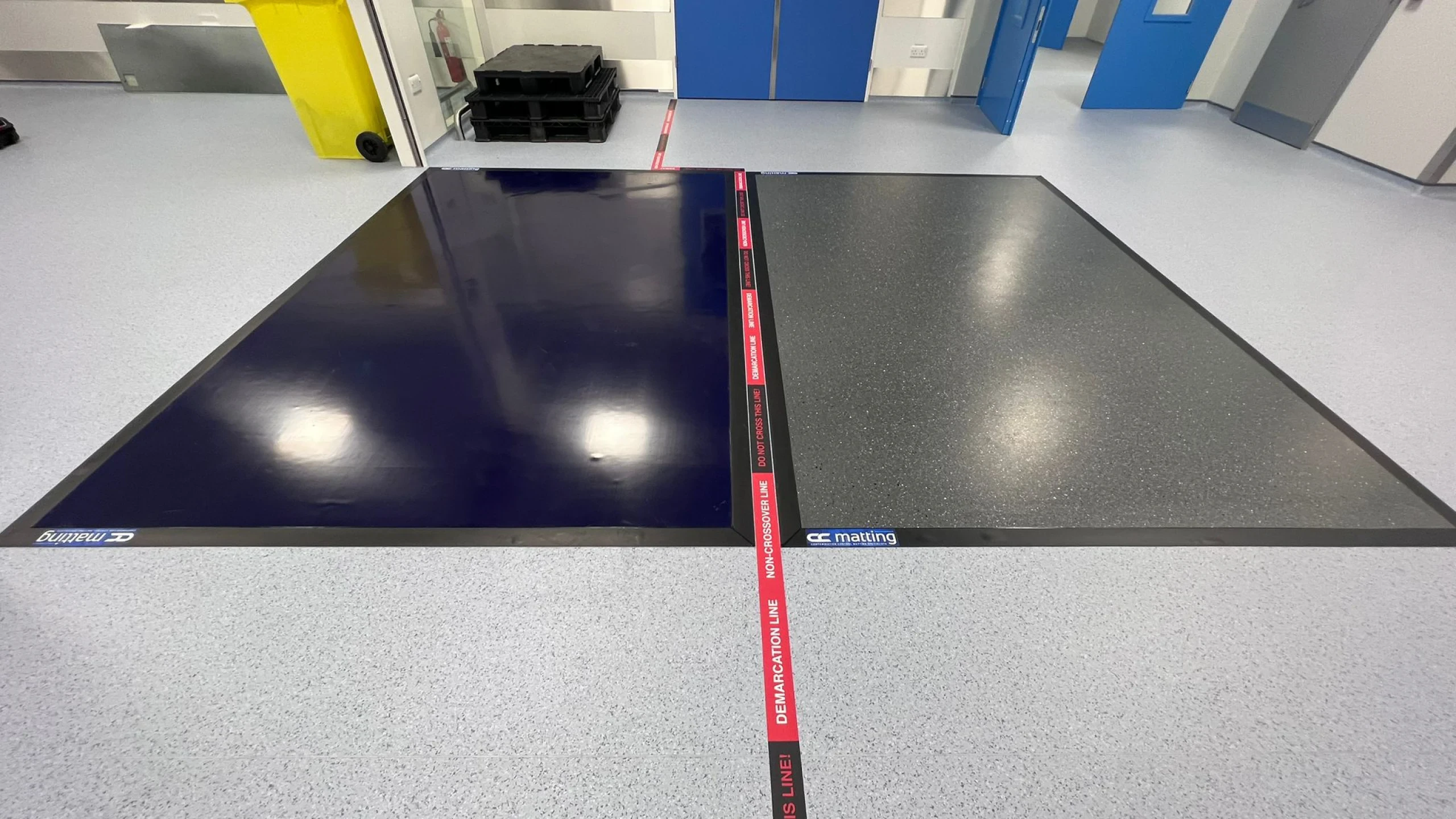
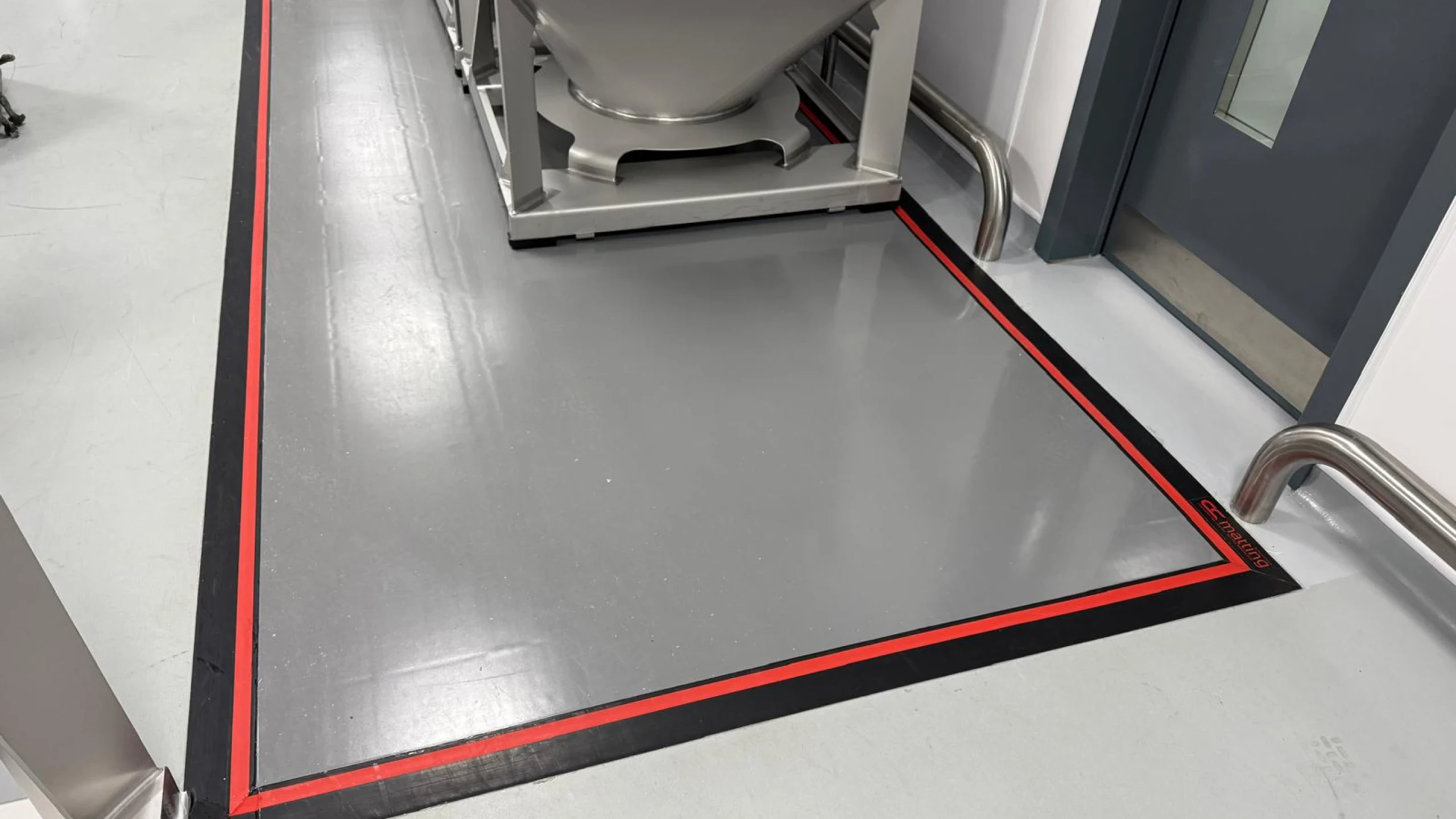
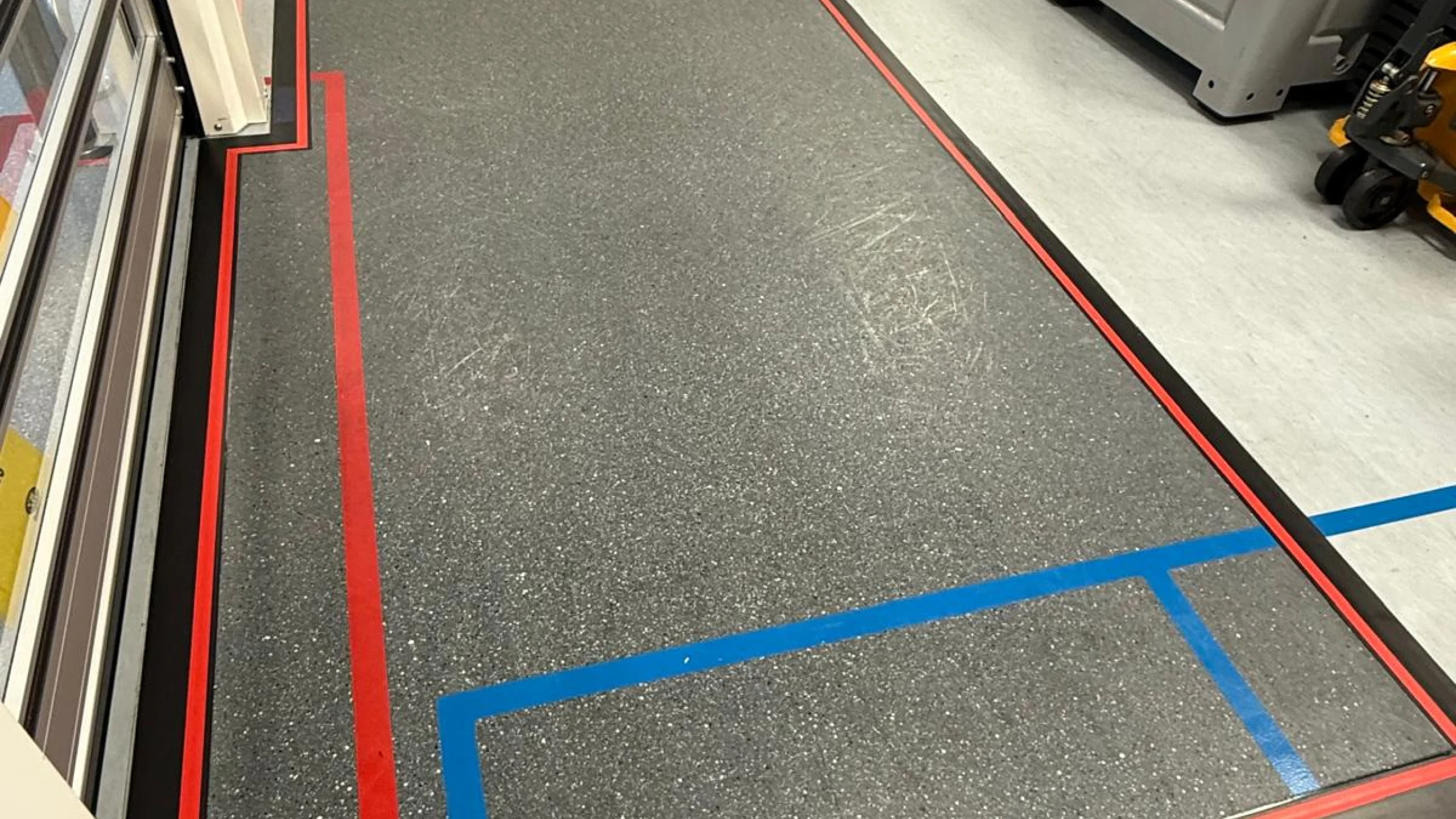
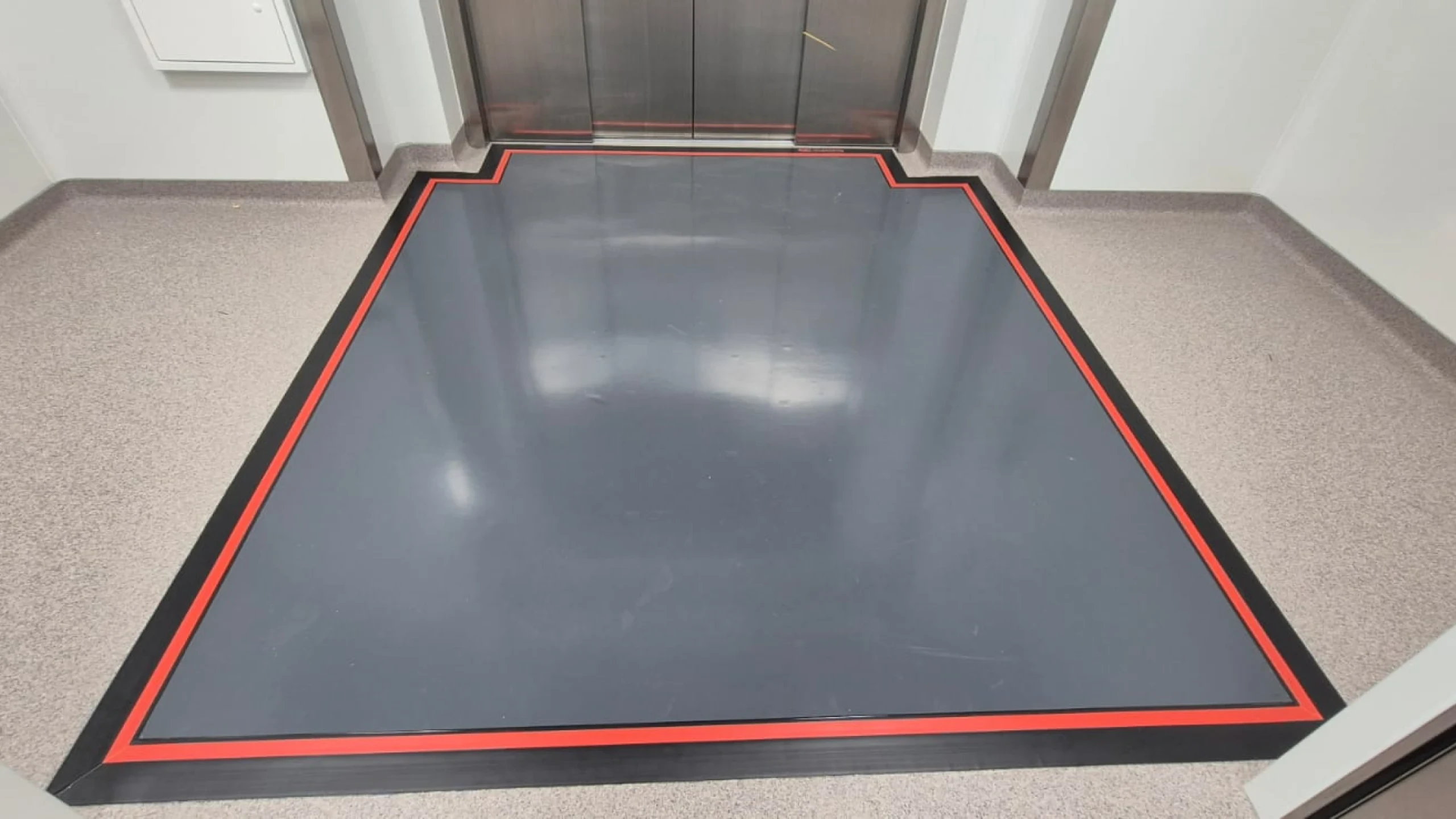
The images compare polymer mats installed on the route with active points for soles and wheels. The visual difference helps separate fine-particle, controlled traffic from heavier dirt, moisture or loads that need another mechanism.
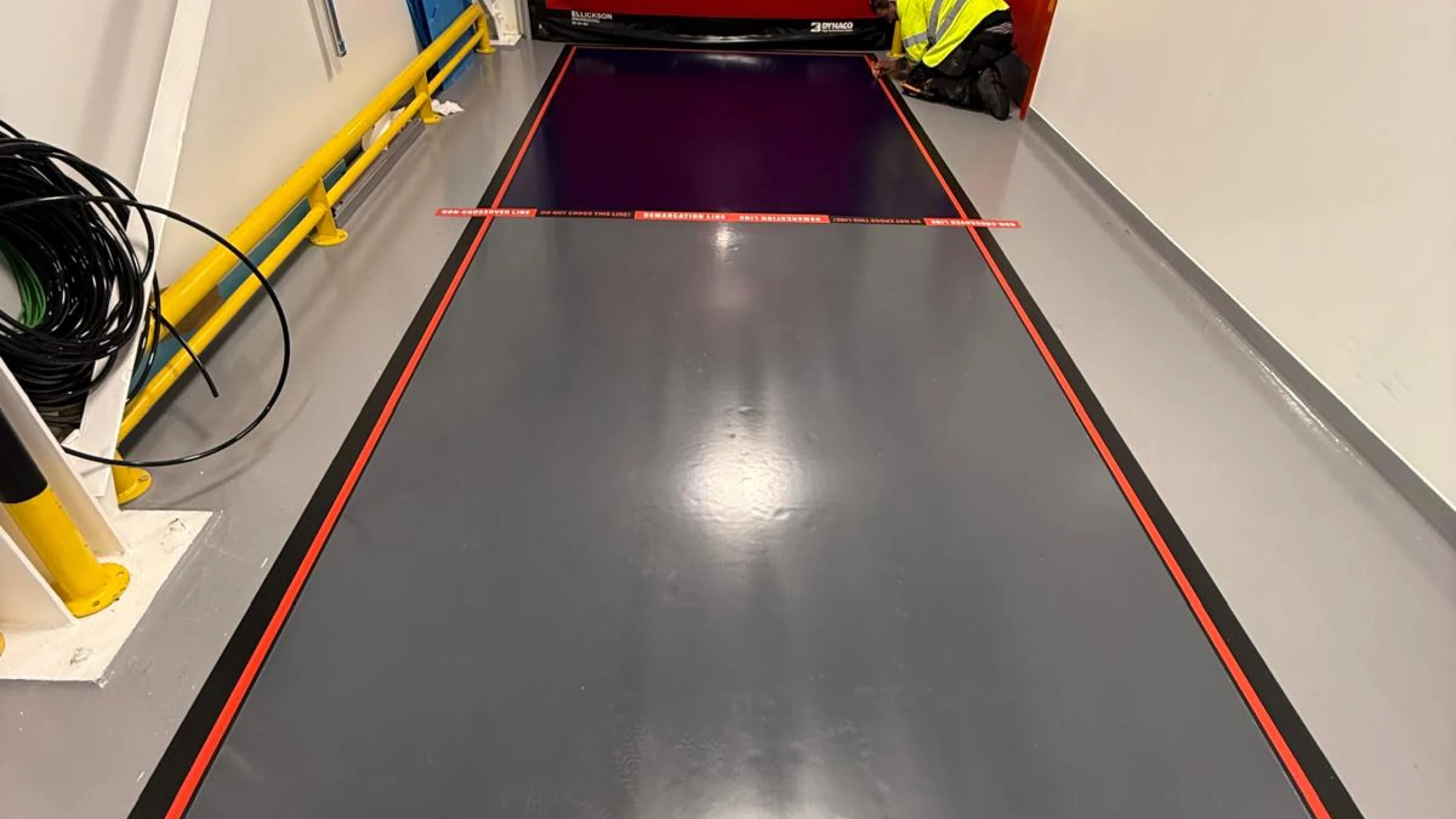
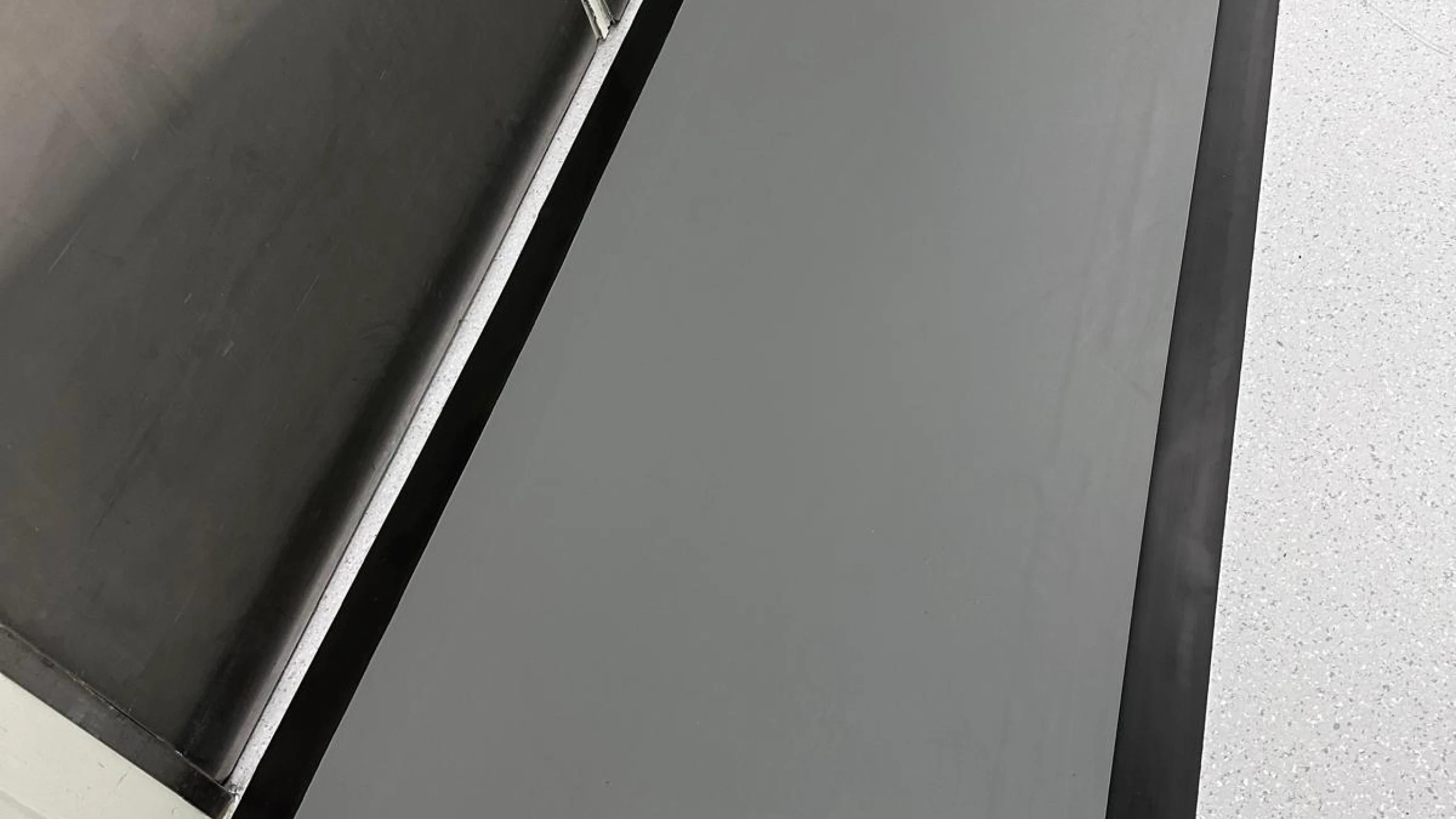
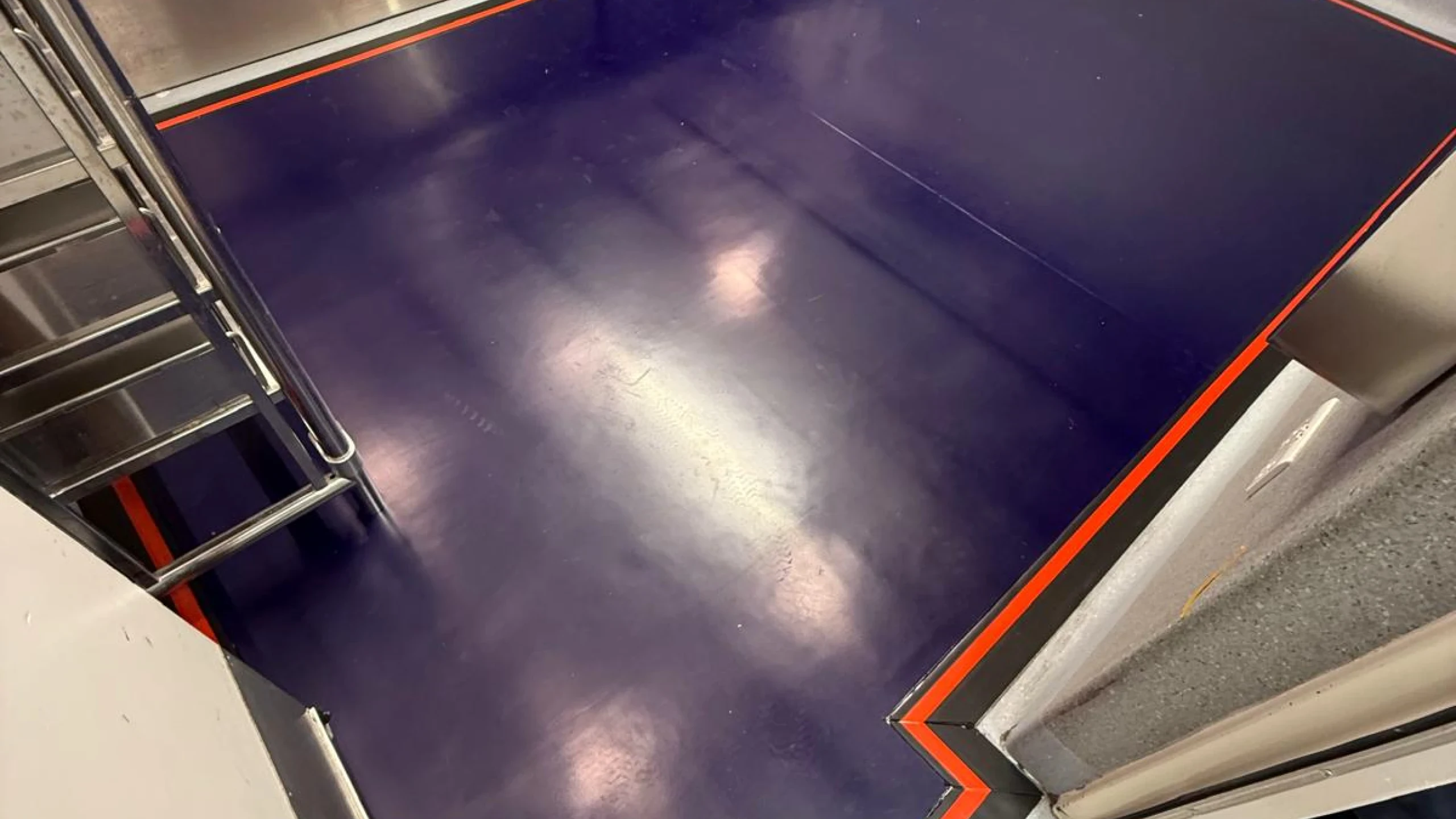
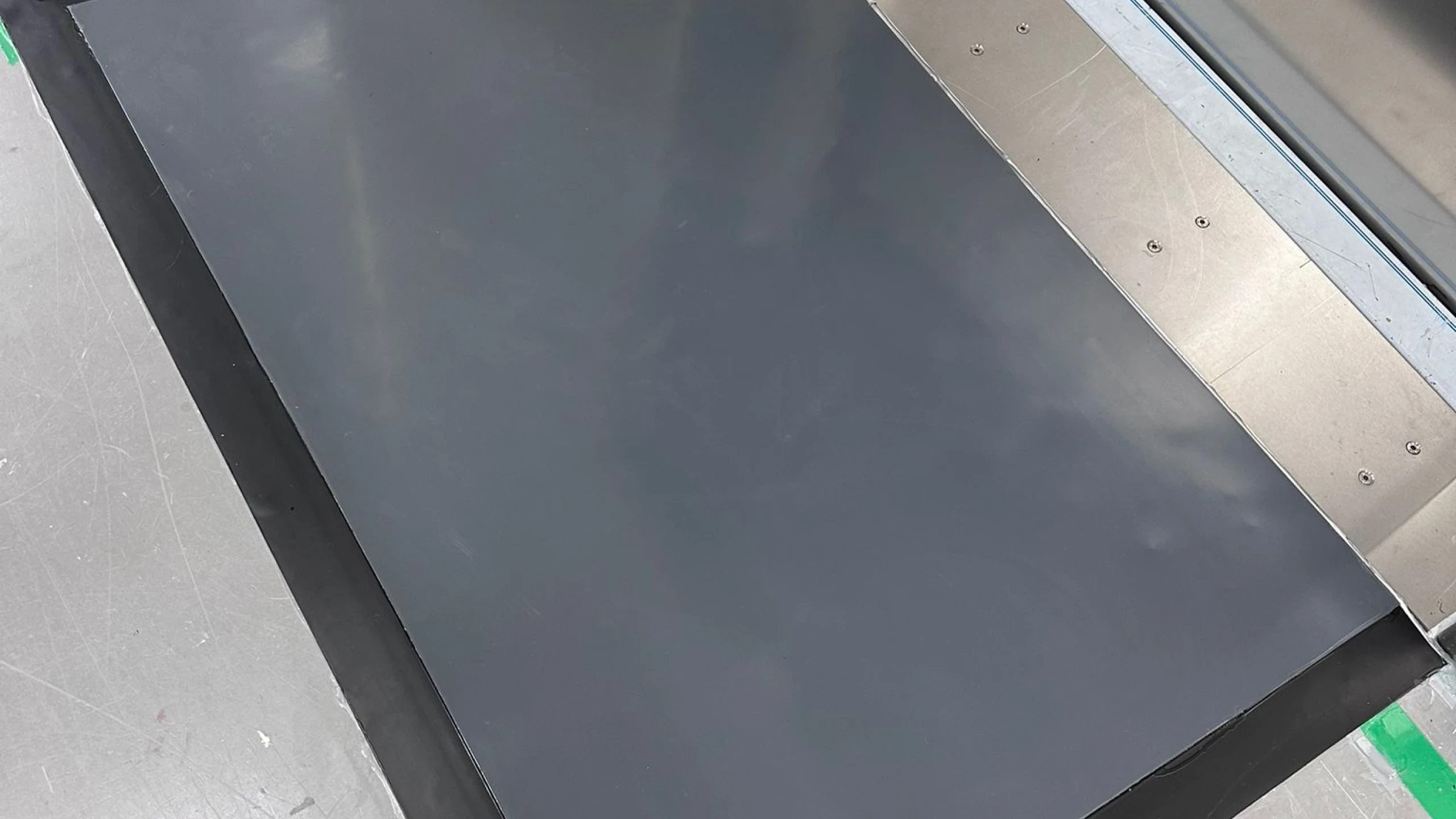
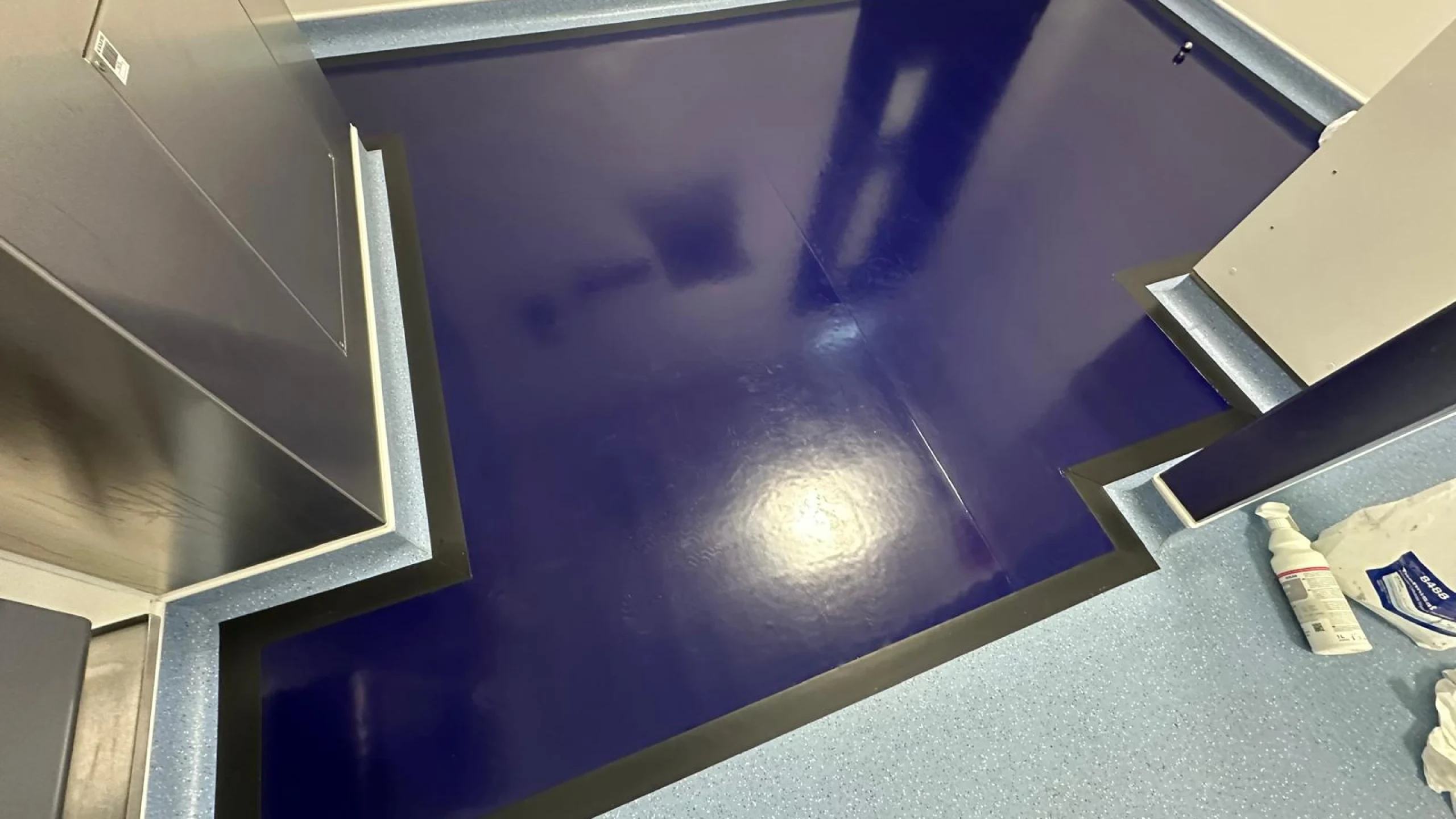
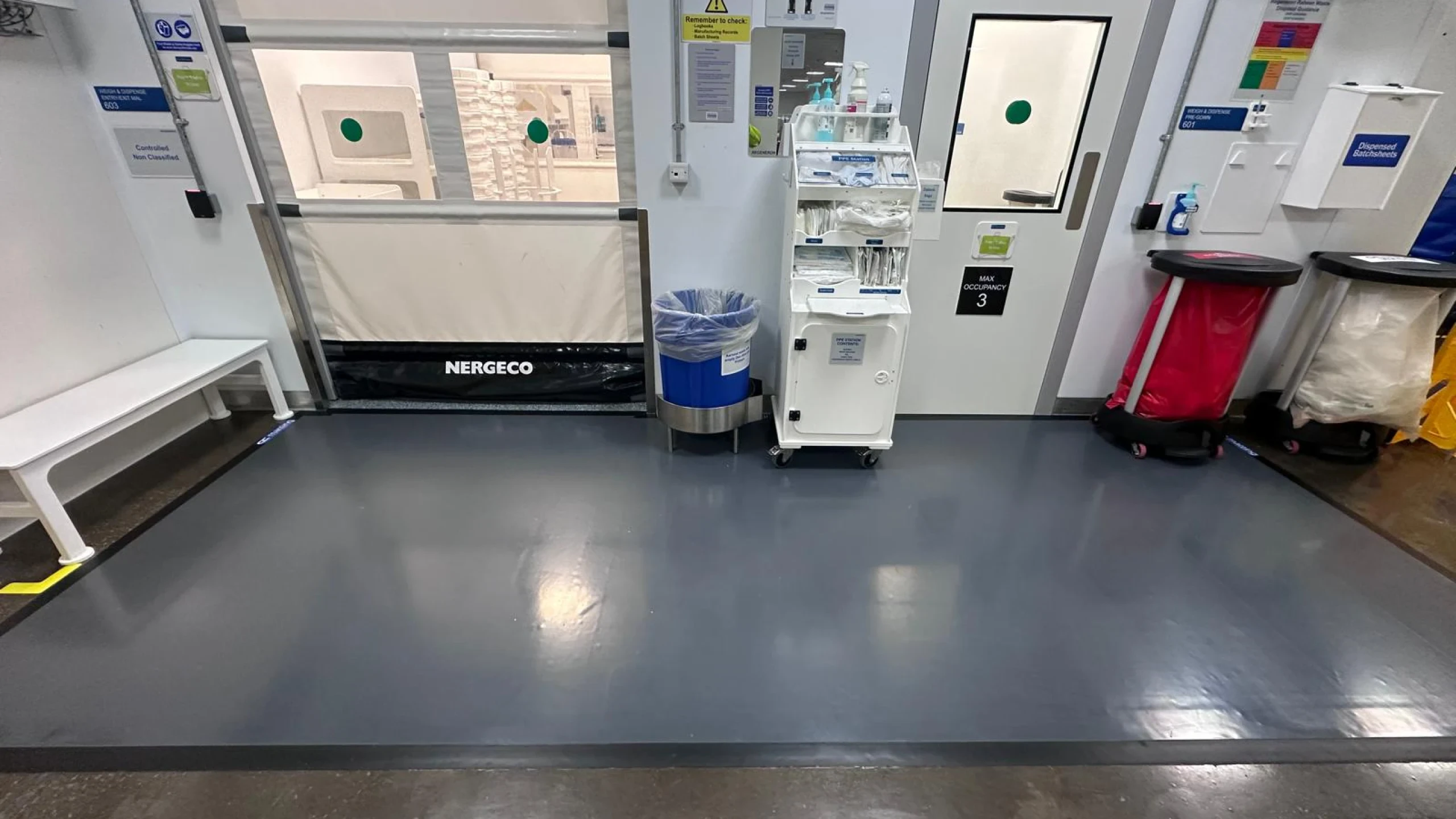
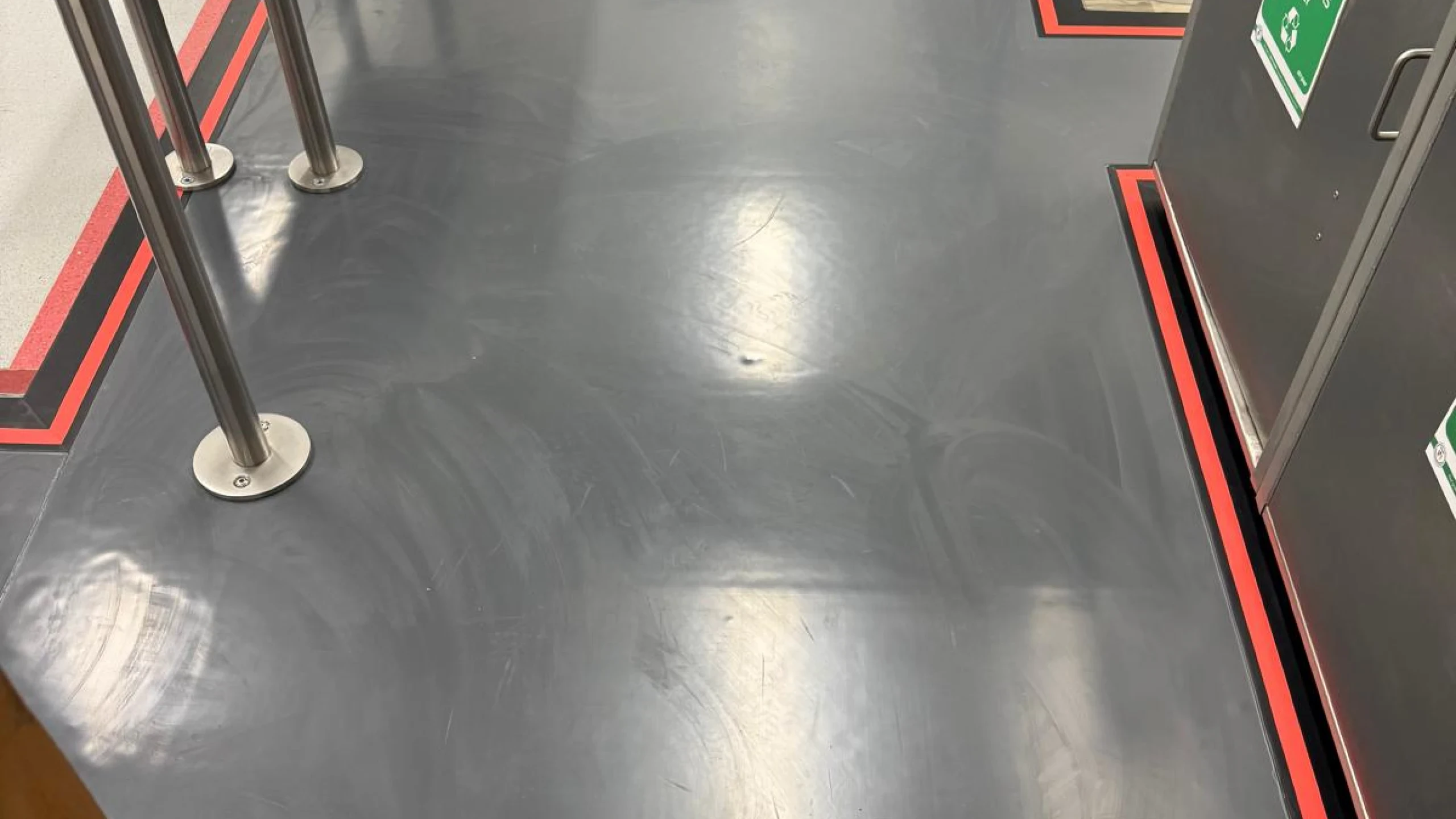
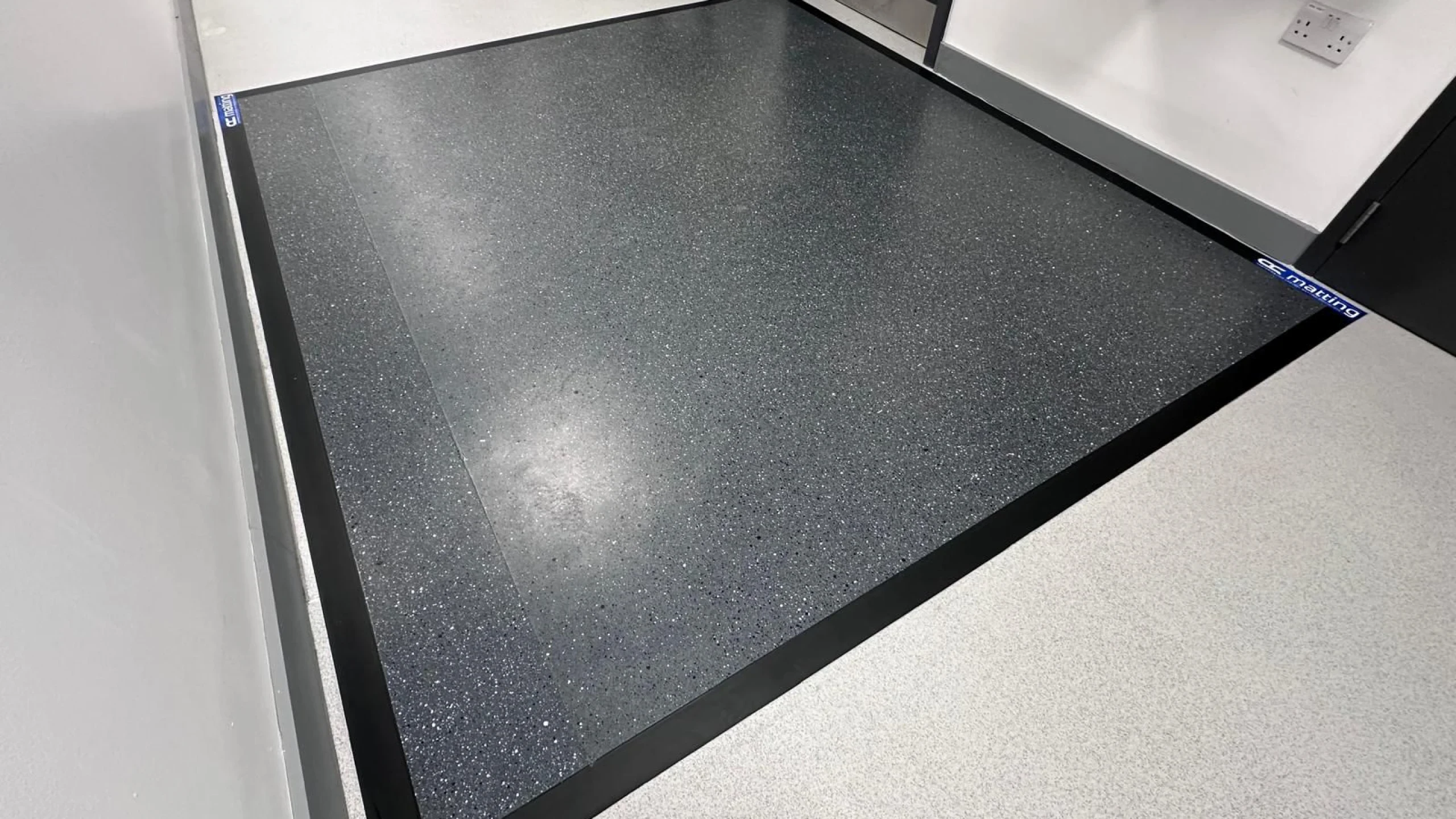
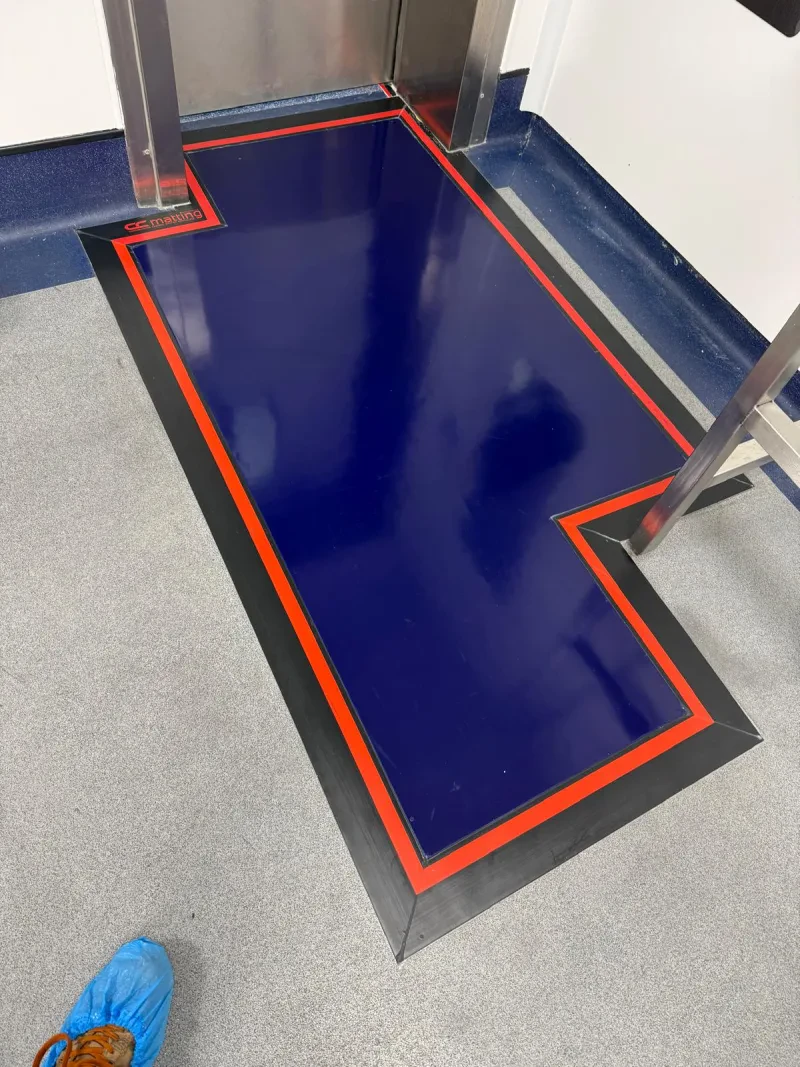
A guide to choosing polymer-mat length, width and position from successive sole contacts, wheel rotations, traffic and cleaning.
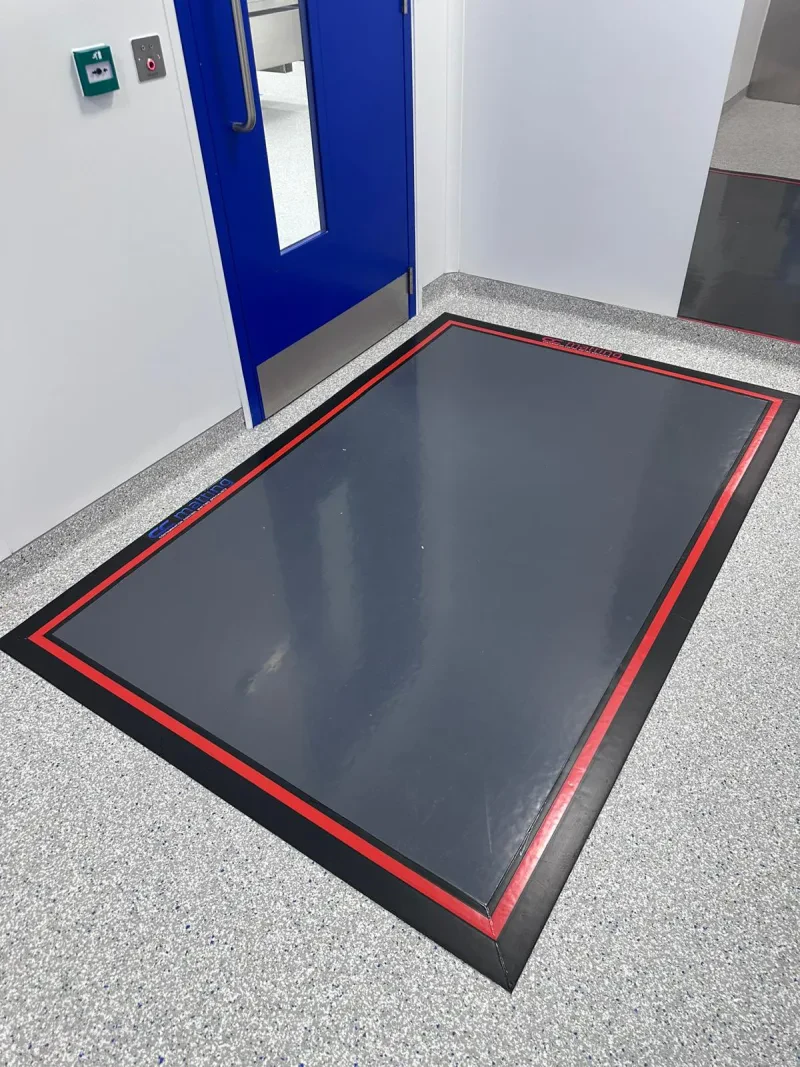
How to use CC Matting Heavy Duty documentation when the area needs ISO Class 5 material, particle control, clear cleaning and quality traceability.
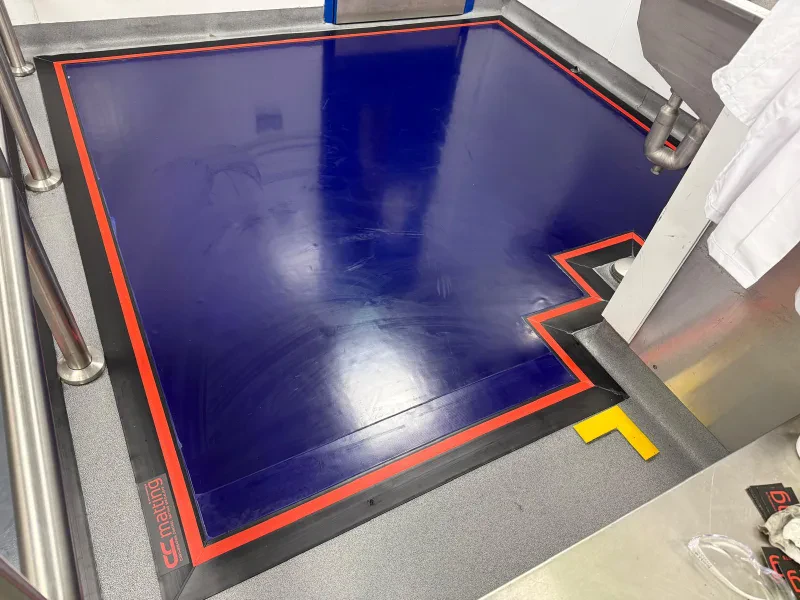
Why SEVENSEAS added CC Matting: washable, reusable polymer contamination-control mats with documentation checked against the application’s hygiene or ESD requirements.
















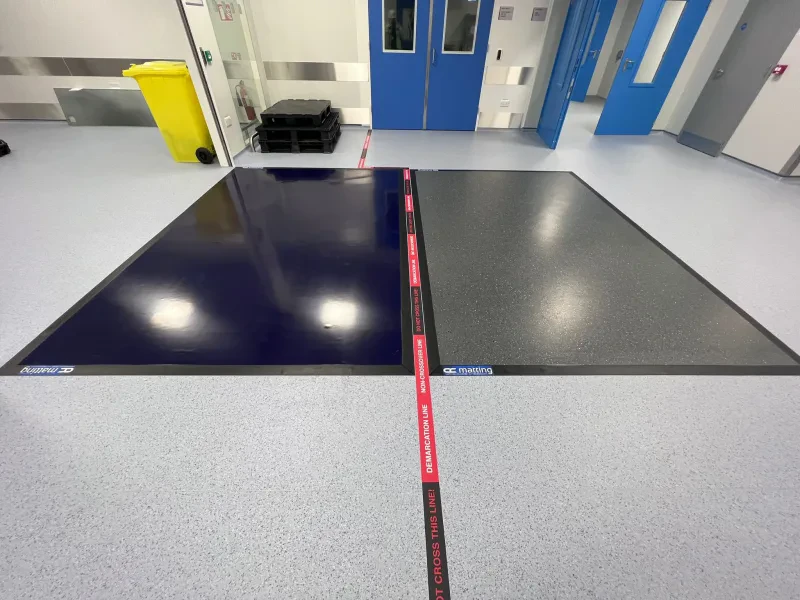
Do you have an access point where consumables, waste or cleaning are becoming hard to control?

The comparison becomes relevant when many layers are used at the entry point, layer changes are hard to manage, mats become saturated quickly, or waste and replenishment have become visible operational work. At that point, the box price no longer tells the whole story.
A washable polymer mat becomes relevant when traffic is repeated, people or small wheels actually pass over the surface, and cleaning can be integrated into the area routine. The point is not that every peel-off mat is wrong; the point is to check whether a consumable-layer routine is still the best choice for that entry point.
A polymer mat is not discarded layer by layer. It stays installed, is washed, reused and restored through periodic cleaning. In practice, that can mean fewer consumables, less packaging, less waste and a more predictable entry routine.
Cost and waste should be calculated from the current process: mats used per month, layer-change frequency, waste volume and the time spent managing it. That is the fair comparison between the current disposable-layer routine and a washable polymer mat selected for longer-term use.
An adhesive mat works through a sticky layer that is periodically peeled off and discarded. A polymer mat stays installed: soles or small wheels contact its surface during passage, and cleaning restores the mat for continued use.
The difference matters in daily use. A polymer mat adds value when it is correctly positioned, long enough for repeated contact and managed through a clear cleaning routine. It is not only a product replacement; it is a different discipline for the entry point.
For light trolleys, small plastic wheels and repeated straight movement, the mat can contact small wheels as well as footwear. Width, length, wheel diameter, load and whether wheels cross straight or turn on the surface all matter.
Heavier wheel traffic needs a separate review. Forklifts, pallet trucks, high loads, pivoting, braking, mud or sharp objects can move the choice toward a heavier-duty variant, a controlled site trial, active mechanical cleaning or another control point.
For food, pharmaceutical or hygiene applications, verify that the selected mat has supplier-documented antibacterial performance. For electronics, automotive or electrostatic-control zones, check antistatic/ESD data for the selected variant; neither property applies universally.
When microbiology, ESD or audit expectations matter, the decision should be connected to product documents, cleaning procedure, accepted chemistry and the way the site verifies results internally. That keeps the technical property useful and easier to support inside the site’s own control process.
Areas with fast turning, braking, acceleration, sideways shear, dragged pallets, sharp objects, coarse outdoor dirt, constant wetness, incompatible chemicals or no cleaning owner need a separate application review.
In those situations, a simple product swap is not enough. The application should be reviewed: the better direction may be another position, a heavier-duty variant, a site trial, active mechanical cleaning or even a route correction.
A polymer mat is a passive contact surface. Active mechanical cleaning uses brushes, grids or other mechanisms for soles, wheels or tyres. They are different mechanisms for different contamination situations.
If the main issue is repeated passes by wheels, coarse dirt, moisture, outdoor transfer or high-traffic vehicle routes, active mechanical cleaning may be the better direction. If the point is an entry into a clean area with disciplined traffic and a viable cleaning routine, a washable polymer mat is the right comparison.
Photos of the entry point, the route, traffic type, approximate passage frequency, current peel-off mat and layer consumption, layer-change frequency, waste generated and where the current routine breaks down are the most useful inputs.
For a better comparison, also prepare area requirements: hygiene, ESD, particles, audit expectations, accepted cleaning method, internal owner, wheel types and loads. A few clear photos often explain more than a long written description.