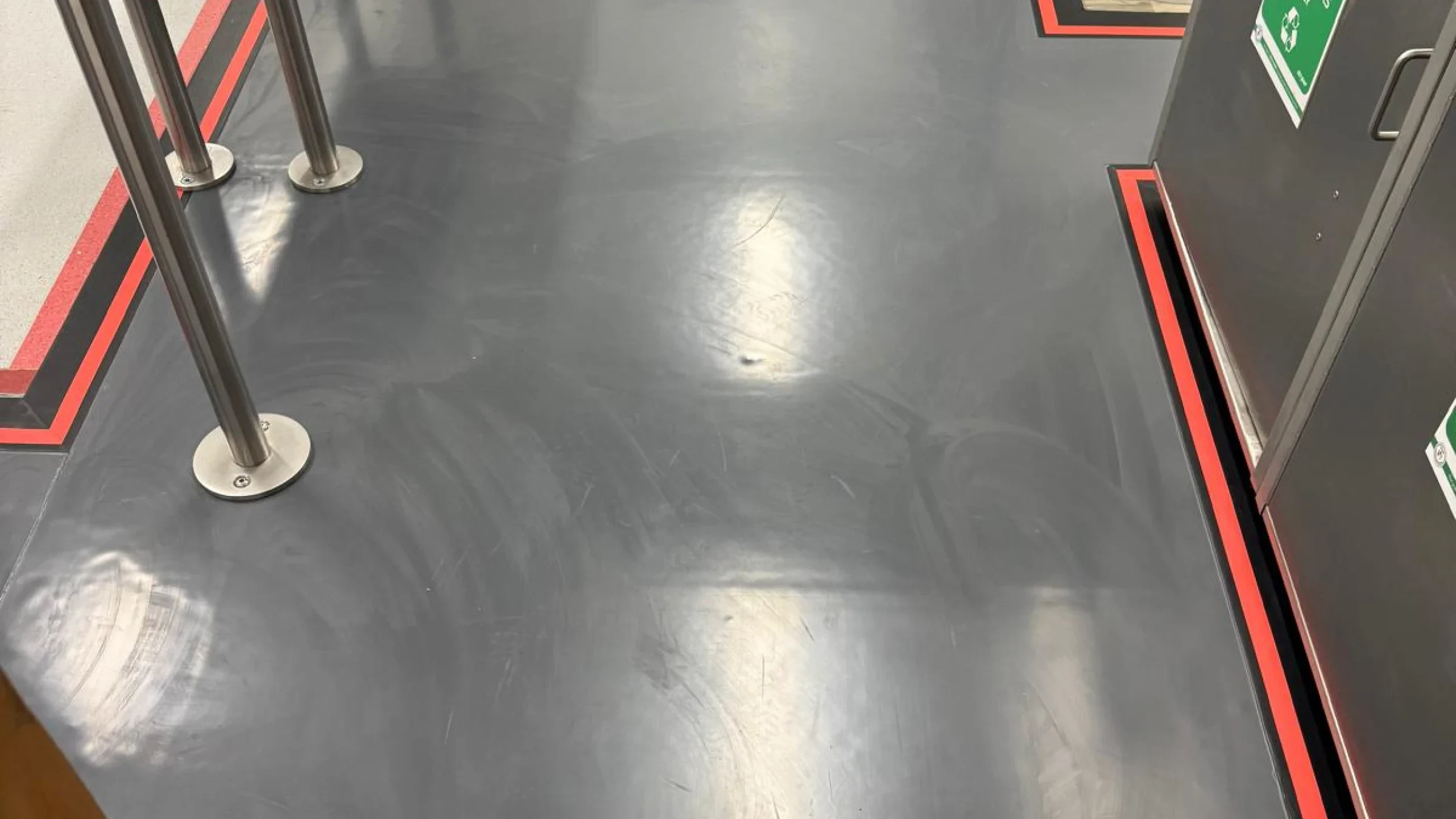
Route and bypass
The position must include every flow entering the protected area.
Doors, furniture and travel direction must not leave a shortcut.

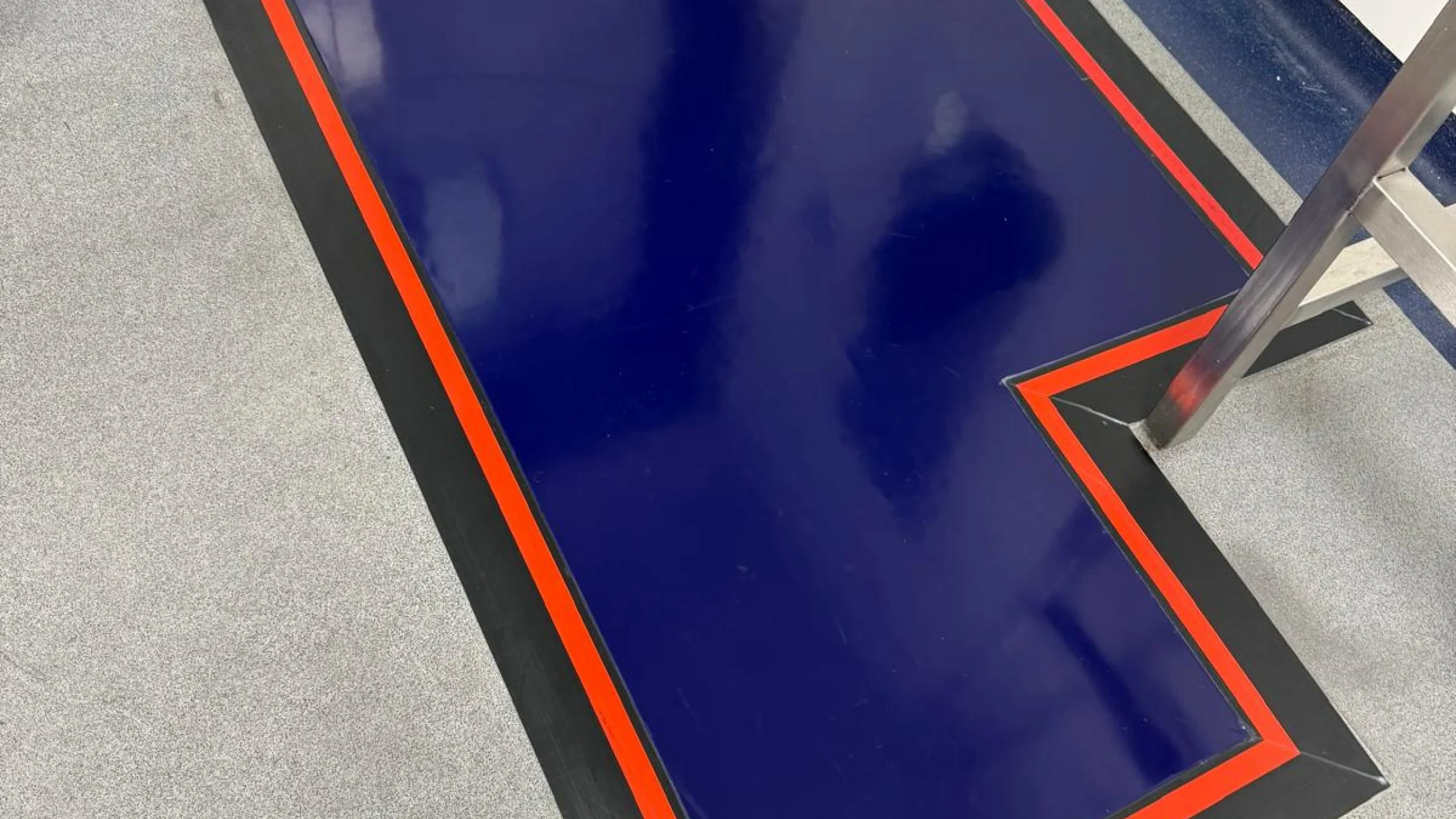
The surface works when soles and wheels make real contact and the route does not allow easy bypass.
Place the mat on the natural route so both soles or the relevant wheel circumference contact the surface.
Each situation needs different traffic, surface and operating inputs.
The position must include every flow entering the protected area.
Doors, furniture and travel direction must not leave a shortcut.
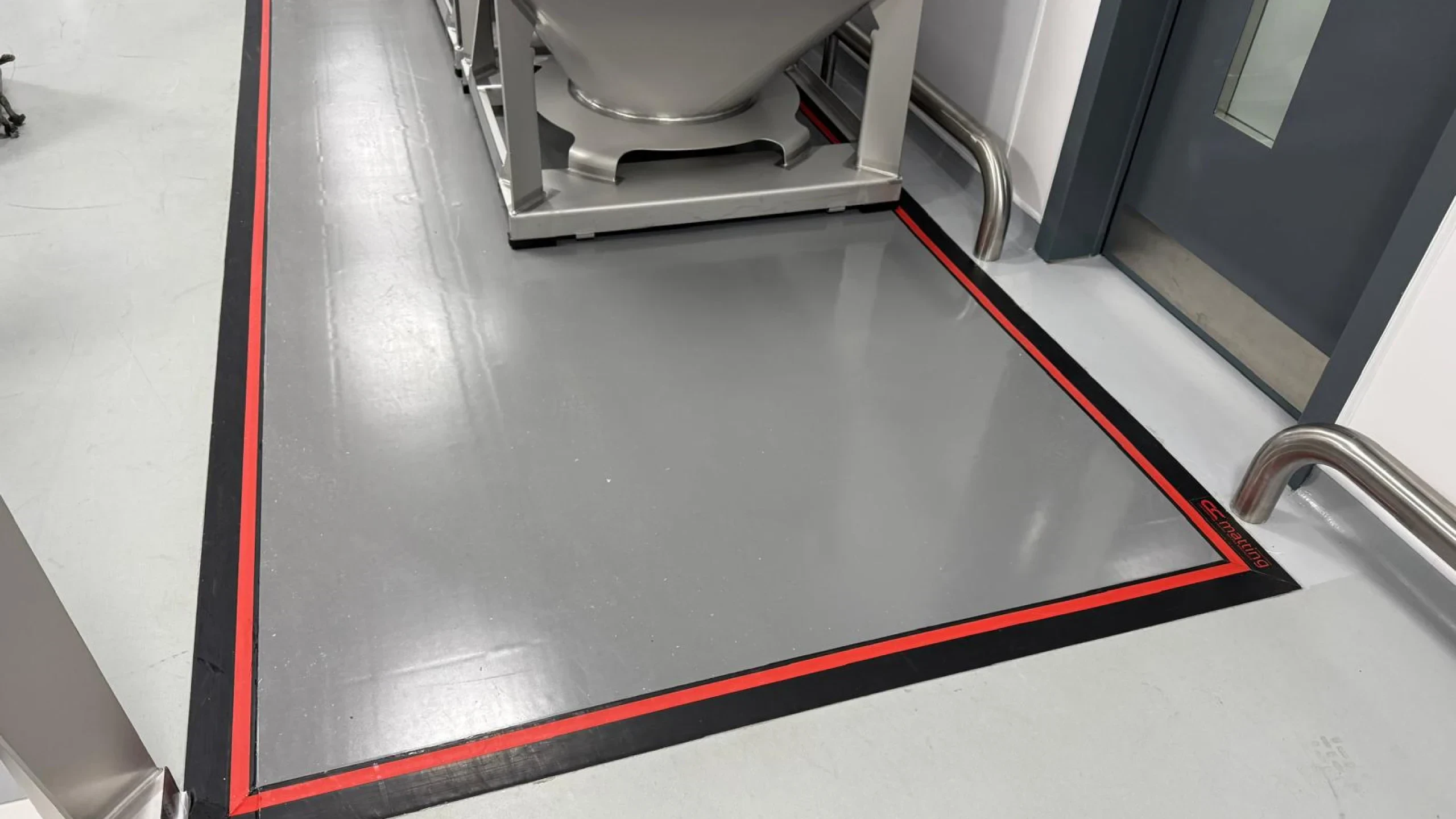
Check length through successive contacts, not only the doorway size.
For carts, wheel diameter, wheelbase, turning and load matter.
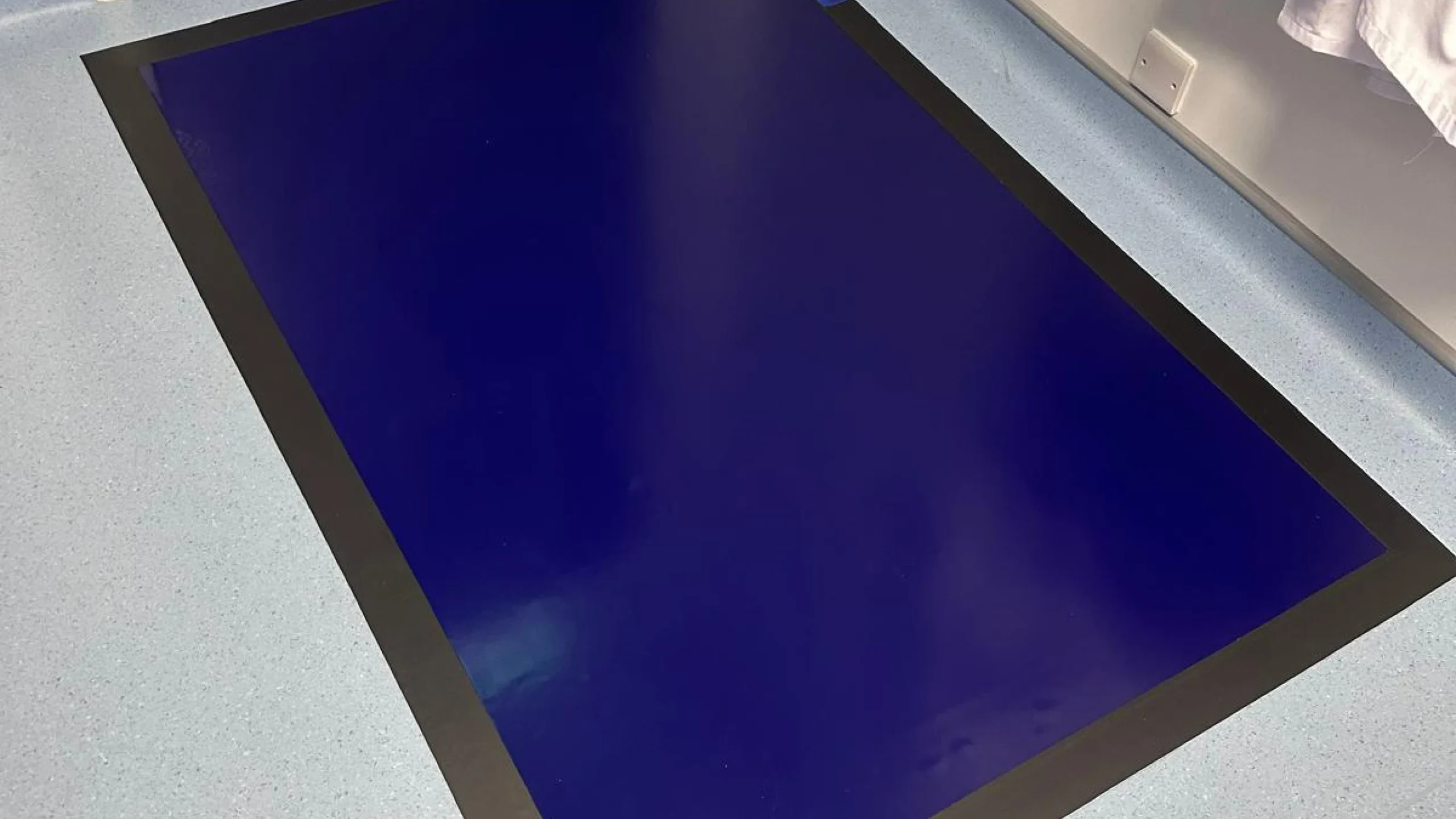
Captured particles must be removed through the routine set for the area.
Edge access and drying time are part of placement.
The position must include every flow entering the protected area.
Doors, furniture and travel direction must not leave a shortcut.
Captured particles must be removed through the routine set for the area.
Edge access and drying time are part of placement.
How to choose polymer-mat length and position

Useful length is established through successive sole contacts or relevant wheel rotations, not only from the doorway size. The surface works well only when traffic actually uses the full contact area.
For carts, length should be checked against wheel circumference, wheelbase, speed and the way the user enters the surface. Observing the route shows whether people or carts cut the corner or leave the surface too early.
Width is measured across the full zone available to traffic, not only on the door centreline. In real use, people, carts and pallet trucks drift away from the centre, especially when entering, turning or avoiding other objects.
For carts, load width, wheelbase, turning radius and available space also matter. If traffic can touch the edge or bypass the surface, the width needs adjustment.
Wheel diameter, material, load, condition and turning change how the wheel presses and rotates on the mat. Small hard wheels behave differently from soft, large or swivel wheels.
A crossing test with the actual cart is the most useful way to see contact, push force and turning effect. It helps avoid a length or position that looks good on plan but performs weakly in use.
Access to the full surface, the accepted method and drying time.
Set frequency from traffic and observed particles.