
Raw-material receiving and silos
Routes where forklifts, pallets, bags, octabins, containers and wheels can bring dust, pellets or moisture towards production.

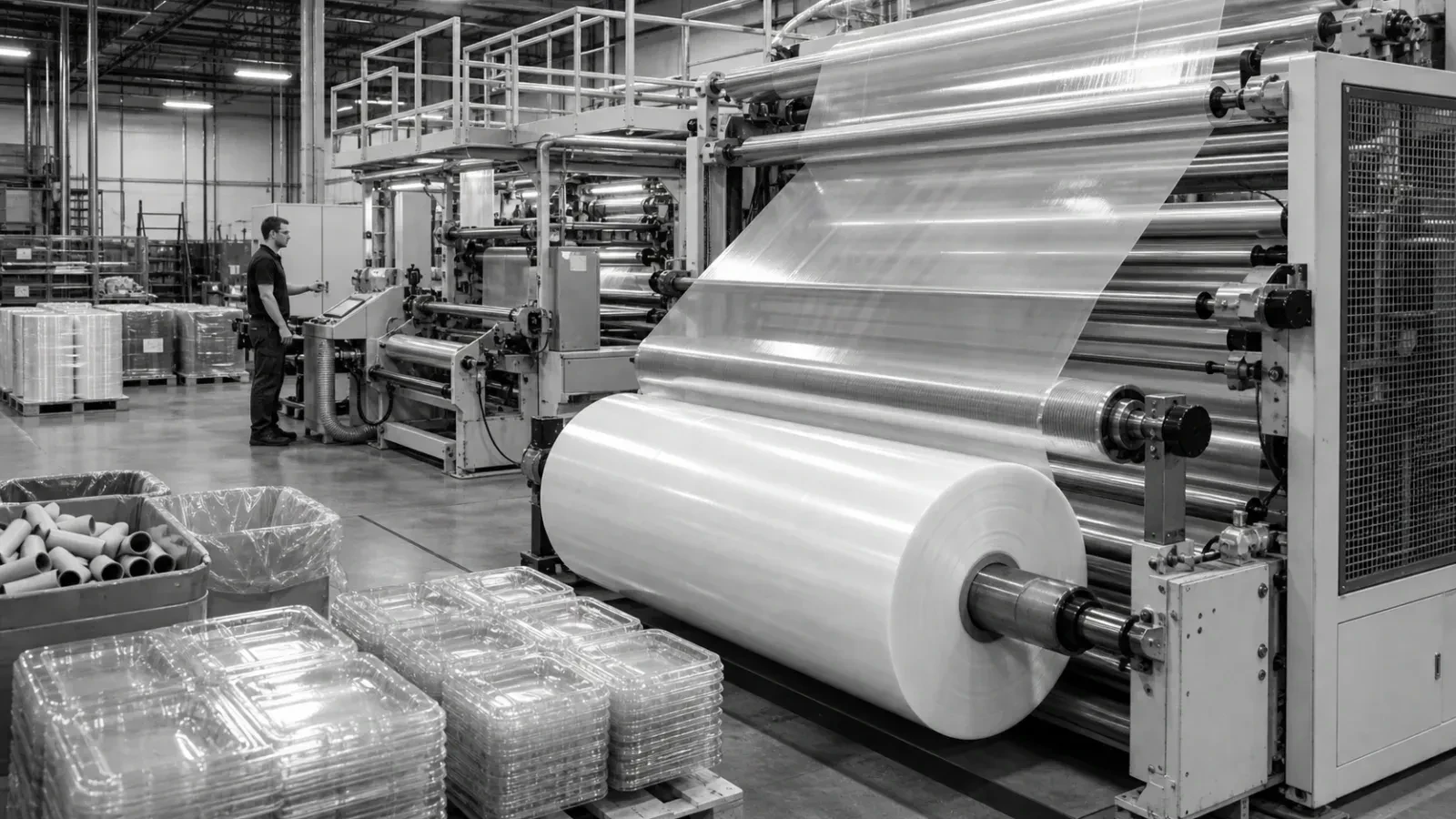
In packaging and plastics, materials, products and mobile traffic often share the same route between production, finishing and dispatch.
In packaging and plastics, the signals often appear at floor level: pellets, dust, fine chips, cardboard or film debris, moisture marks, dirty wheels or impact points near equipment. Each one may look local, but it usually belongs to route, traffic and maintenance discipline.
One hall may include raw-material storage, line feeding, extrusion, injection molding, thermoforming, cutting, printing, packaging, pallets of finished goods and maintenance routes. Cleanliness, impact protection and load movement need to be reviewed together when wheels, materials and equipment share the same aisles.
Material and route show what enters the area, what drops or transfers onto the floor, which equipment can be hit and which loads need to move without unnecessary effort.
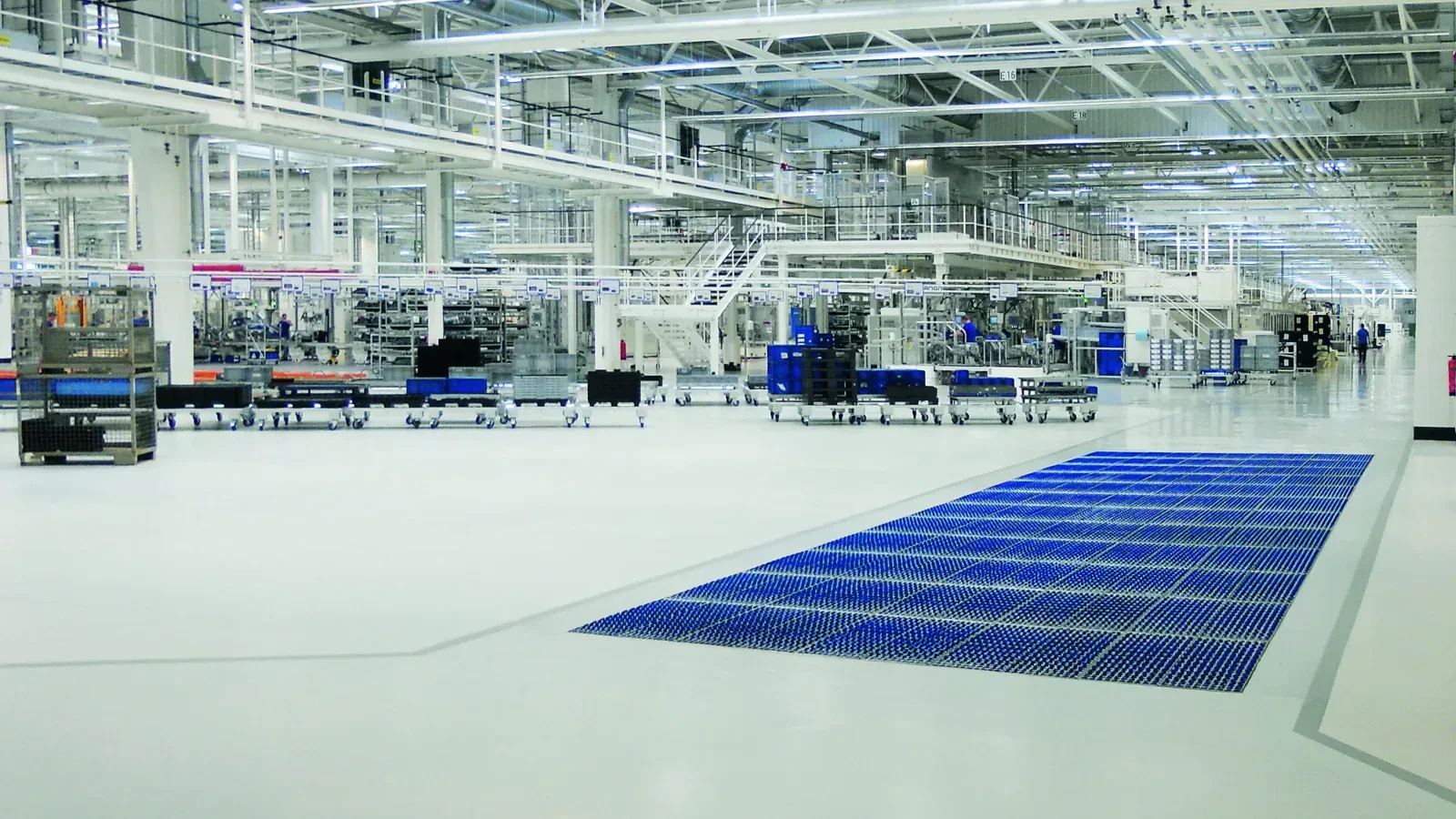
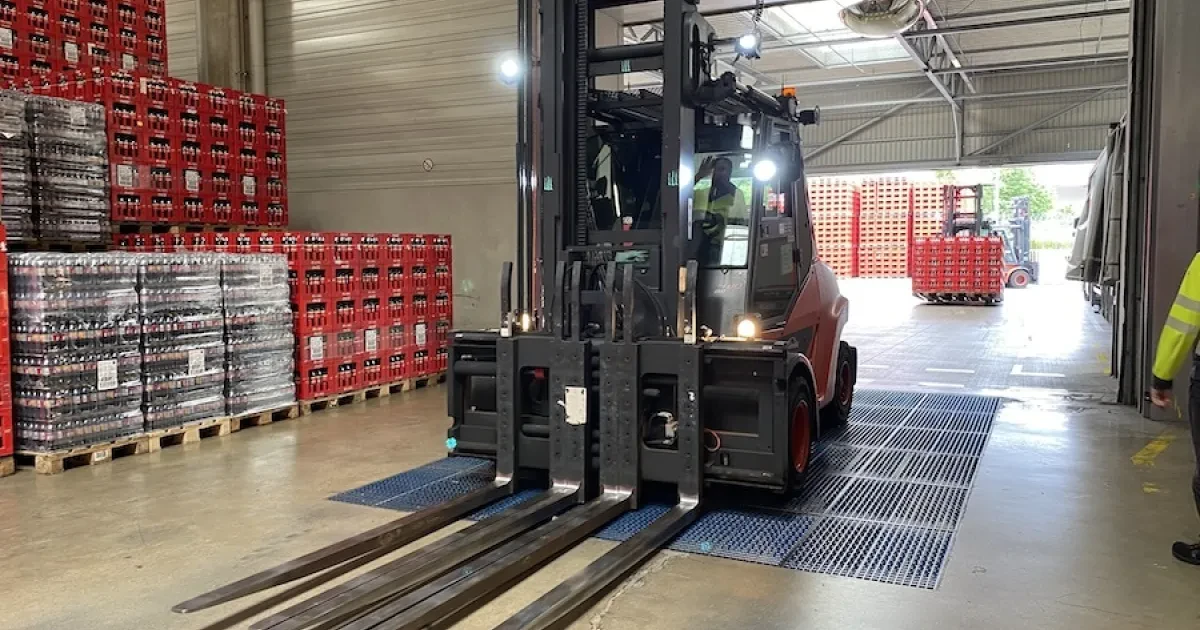
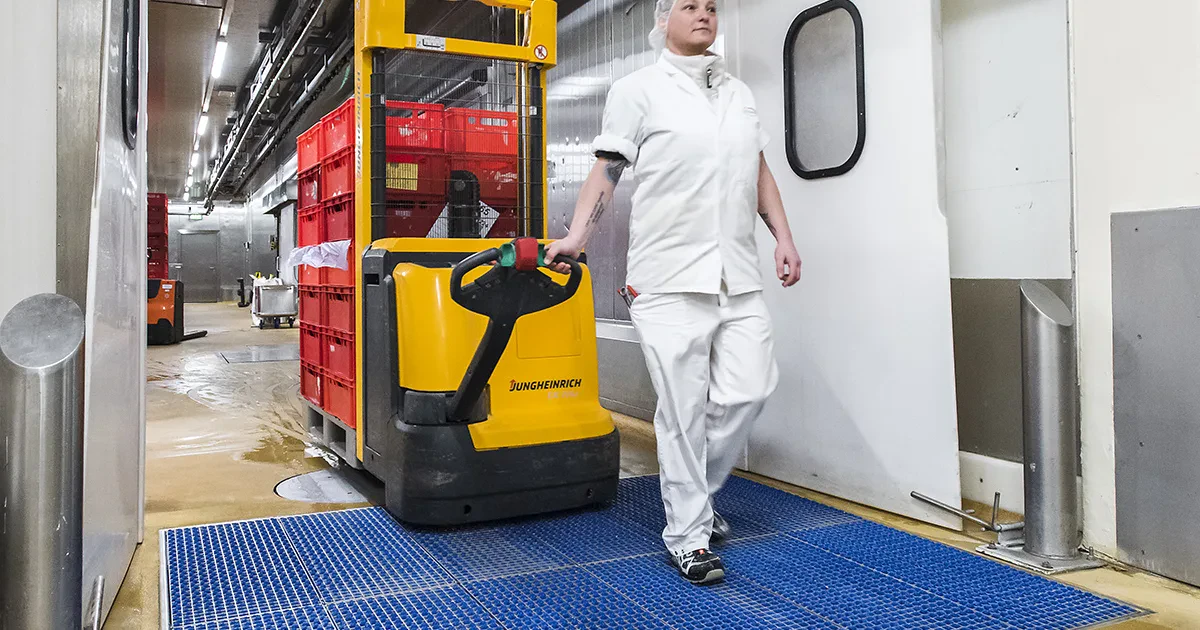
Between storage, silos, production, cutting, packaging and dispatch, forklift, pallet truck, cart or container wheels can carry pellets, dust, cardboard debris, film scraps or moisture further inside.
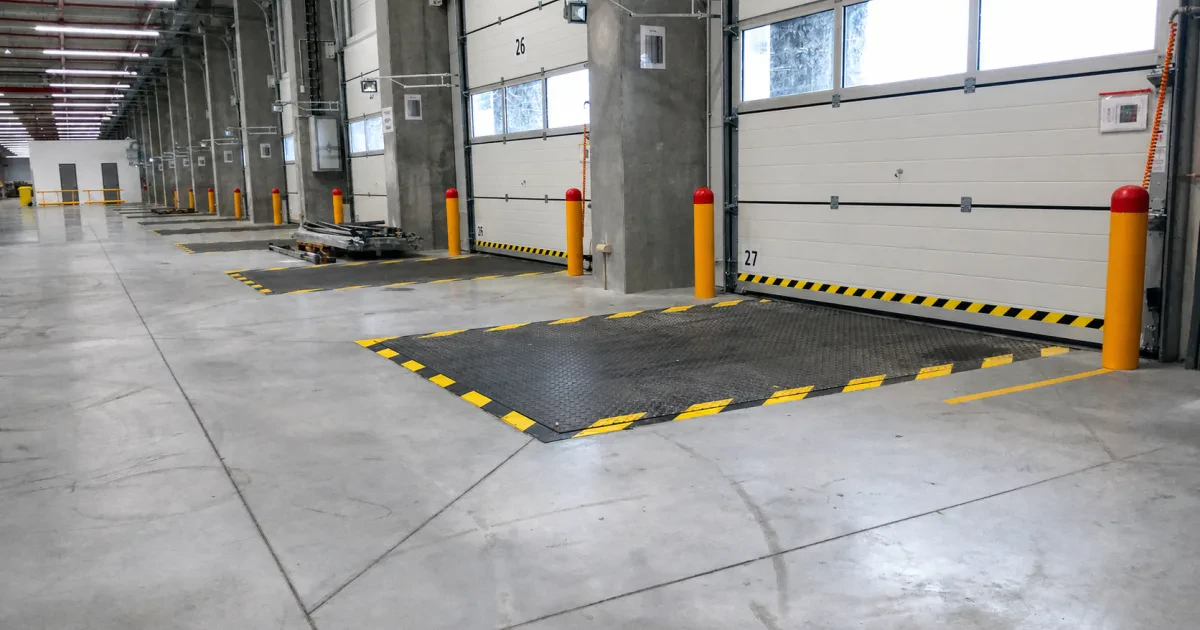
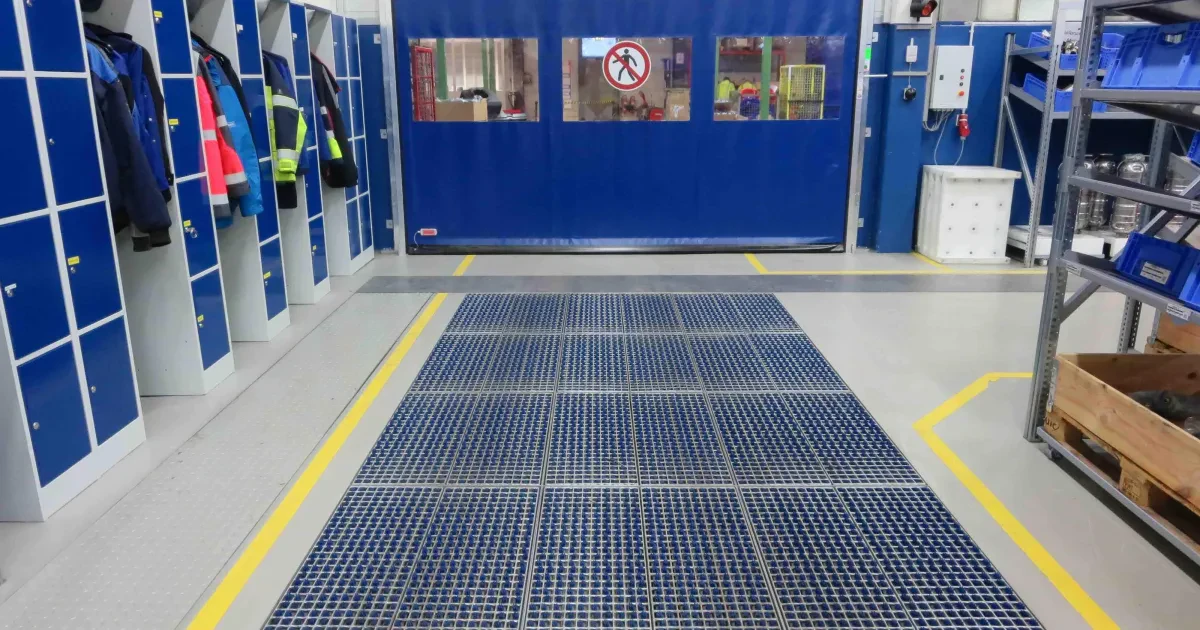
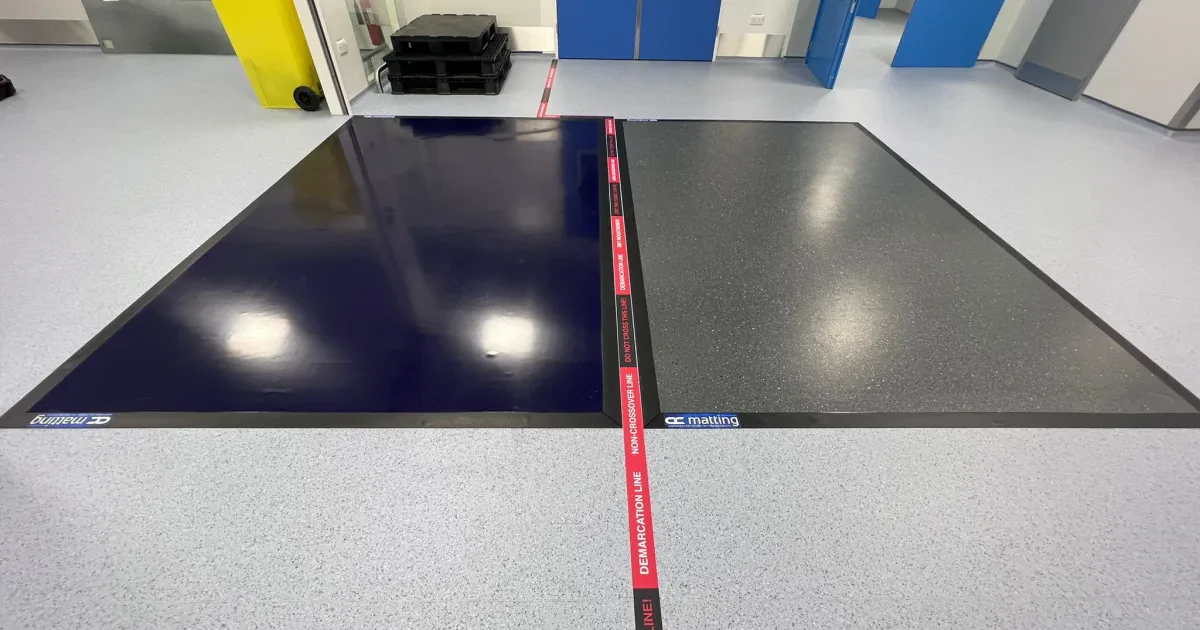
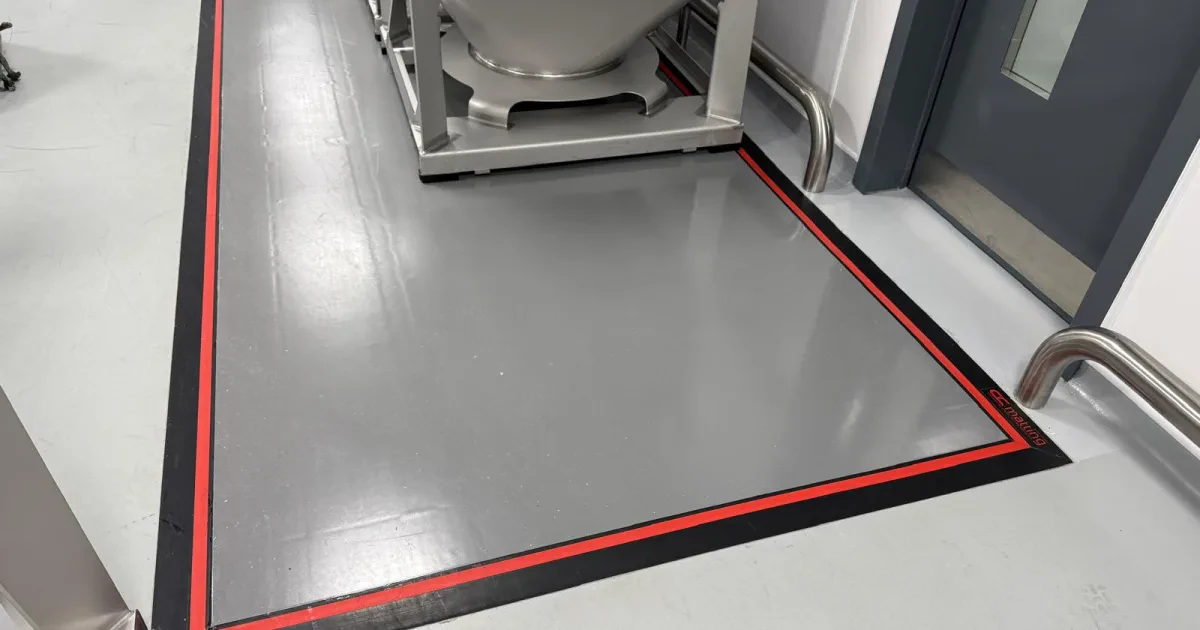
Wheel cleaning, polymer mats and the position of control points become relevant when the route is clear, the crossing is straight enough, bypass risk is low and the site can maintain the surface or system.
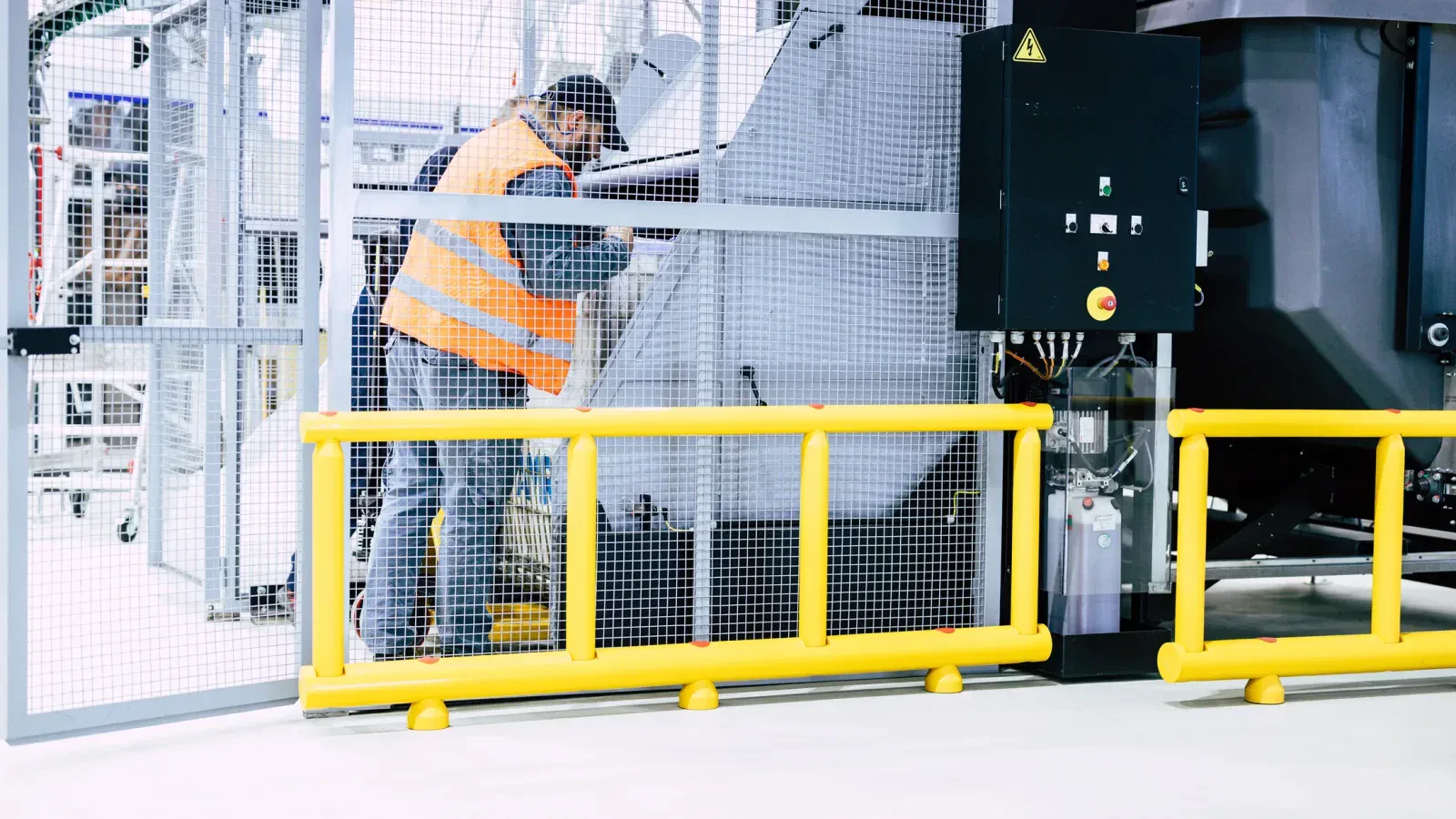
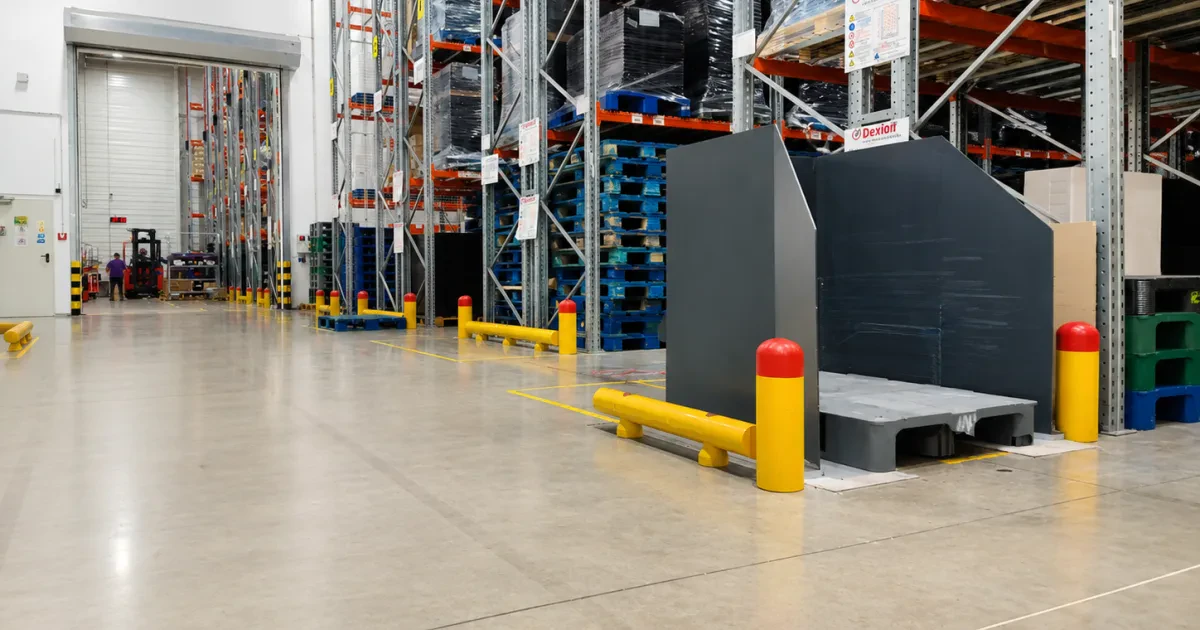
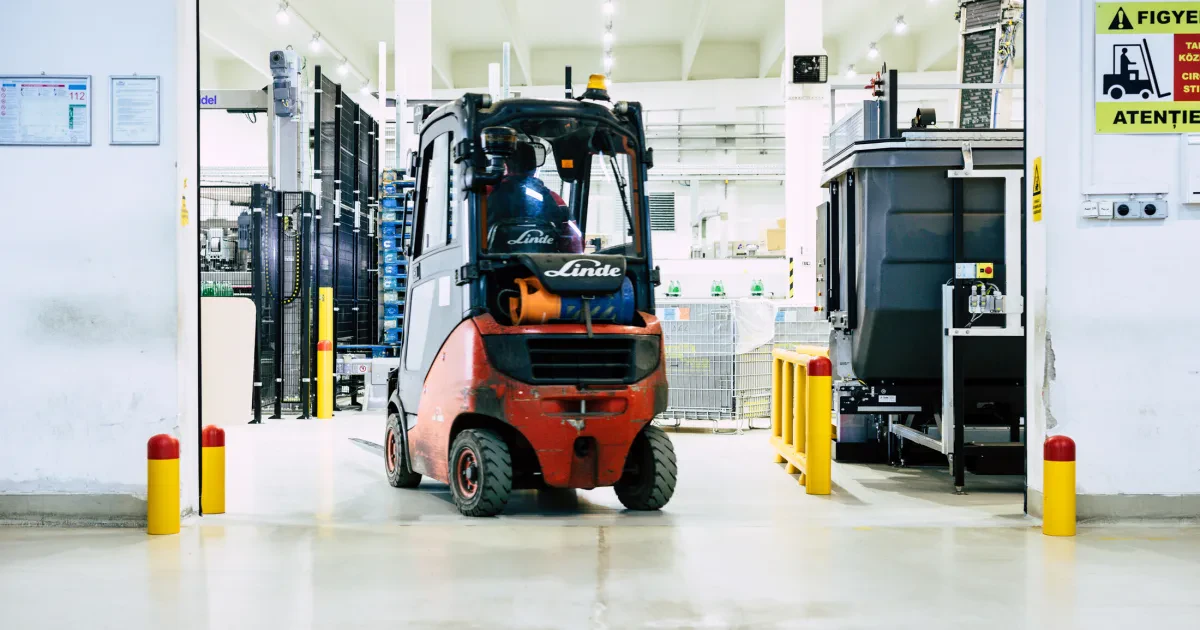
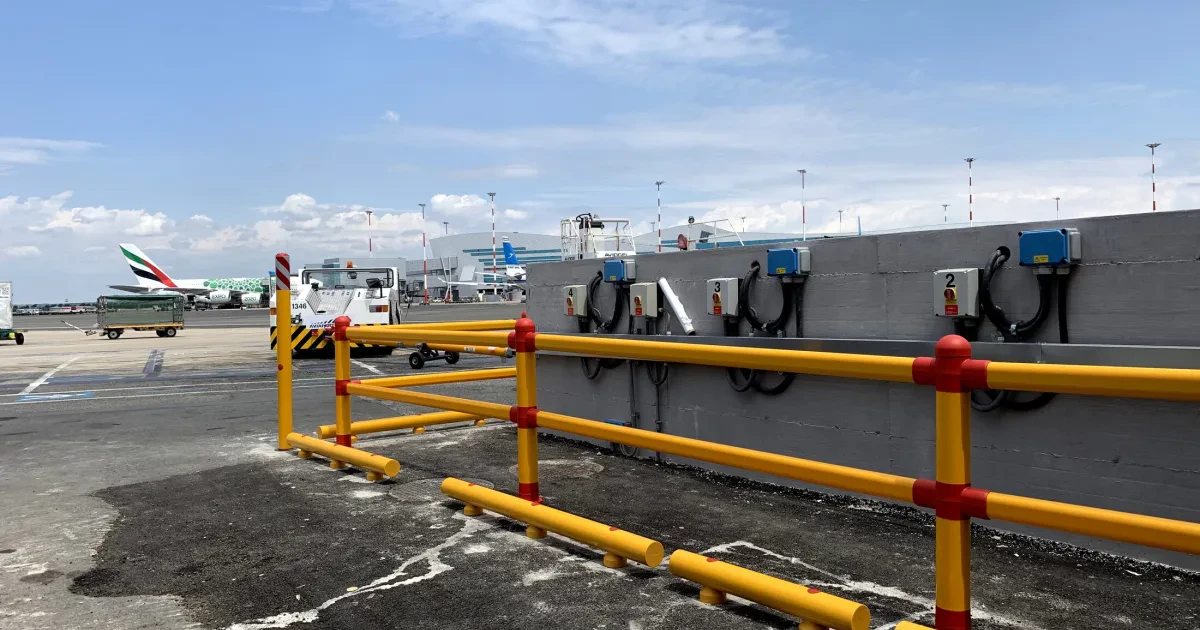
Near extruders, injection machines, packaging lines, conveyors, racking, rapid doors or pallet areas, an impact can affect access, settings, maintenance or production continuity.
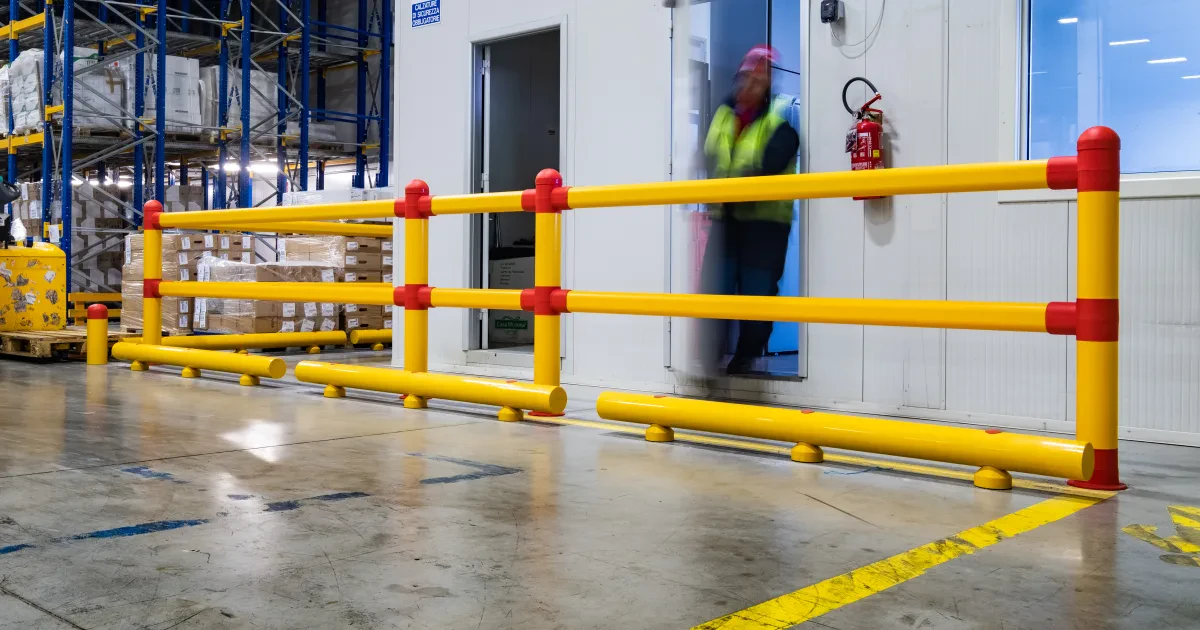
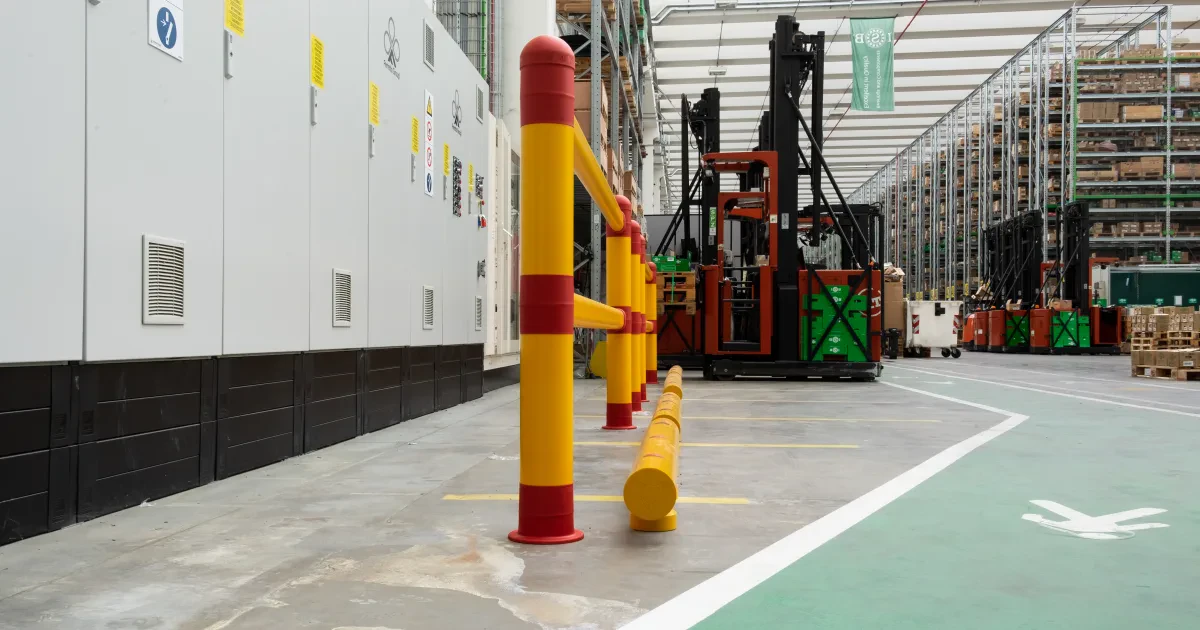
Protection should be selected against vehicle type, mass, speed, impact angle, available space, anchoring and what needs protection: machine, column, rack, wall, door, panel or pedestrian area.
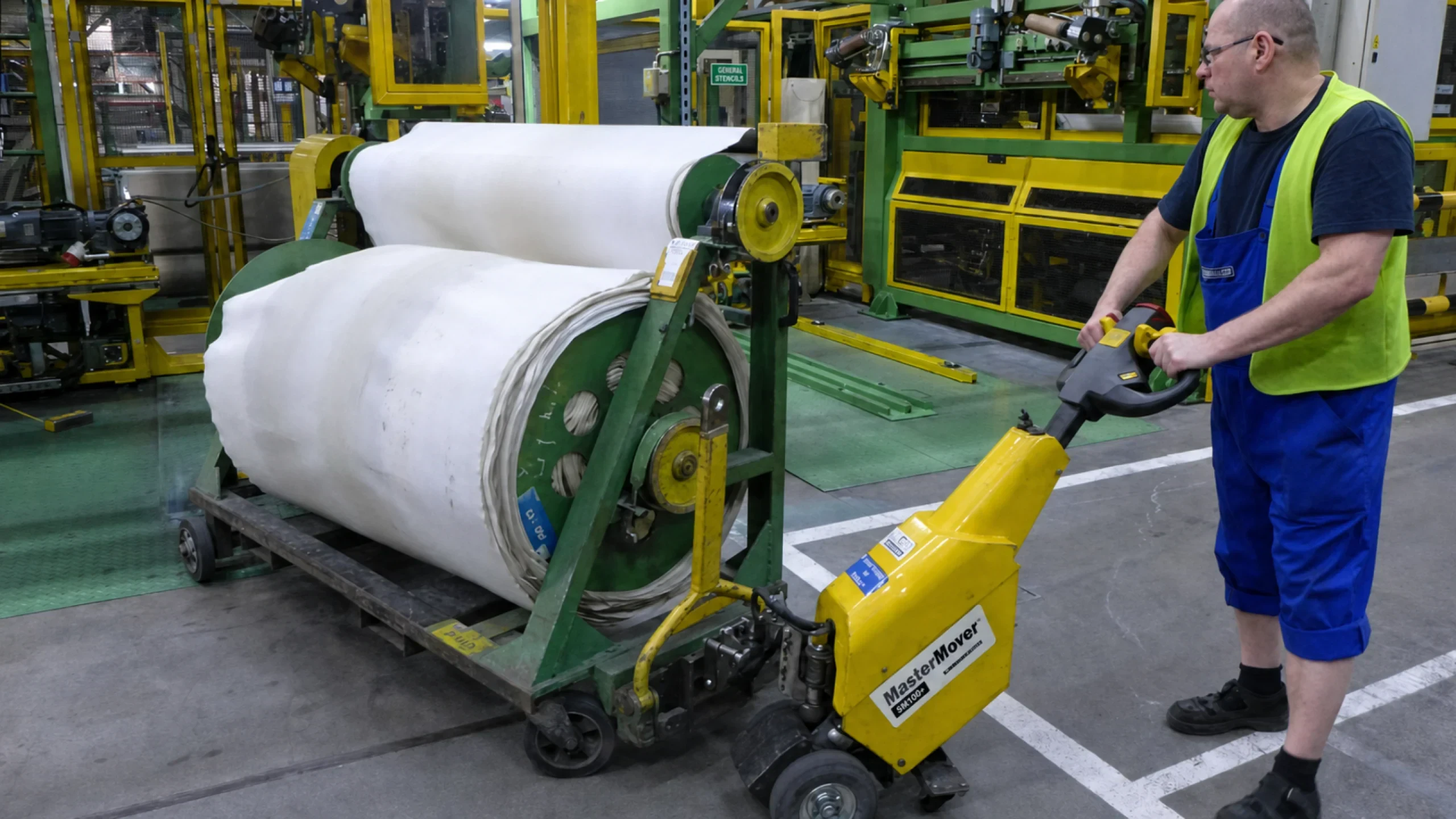
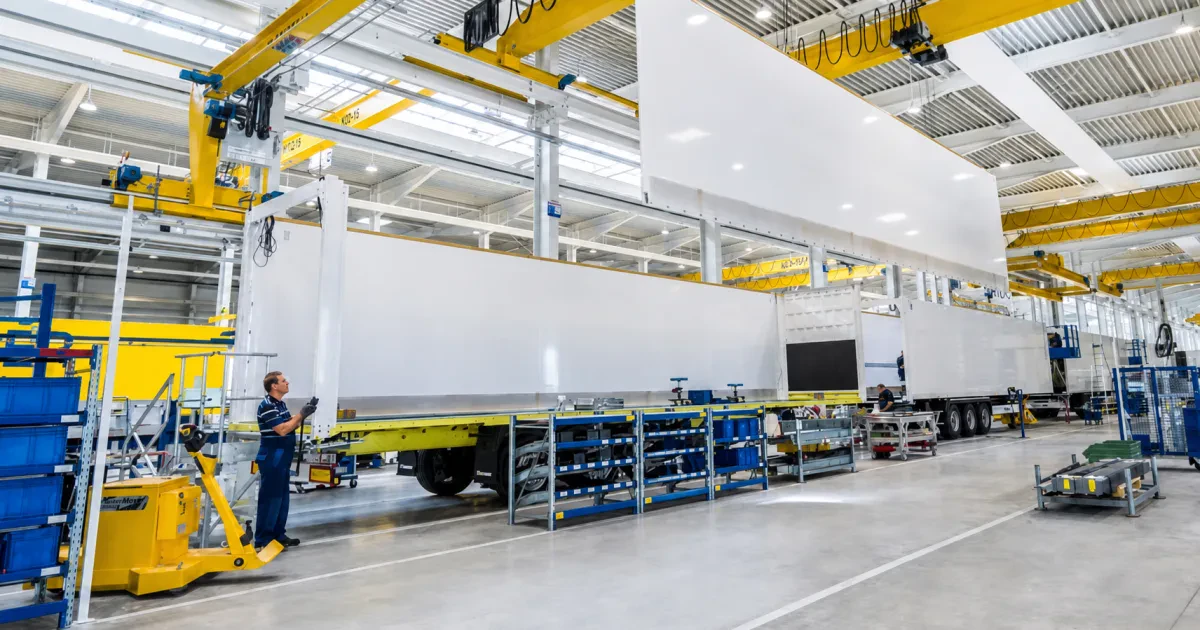
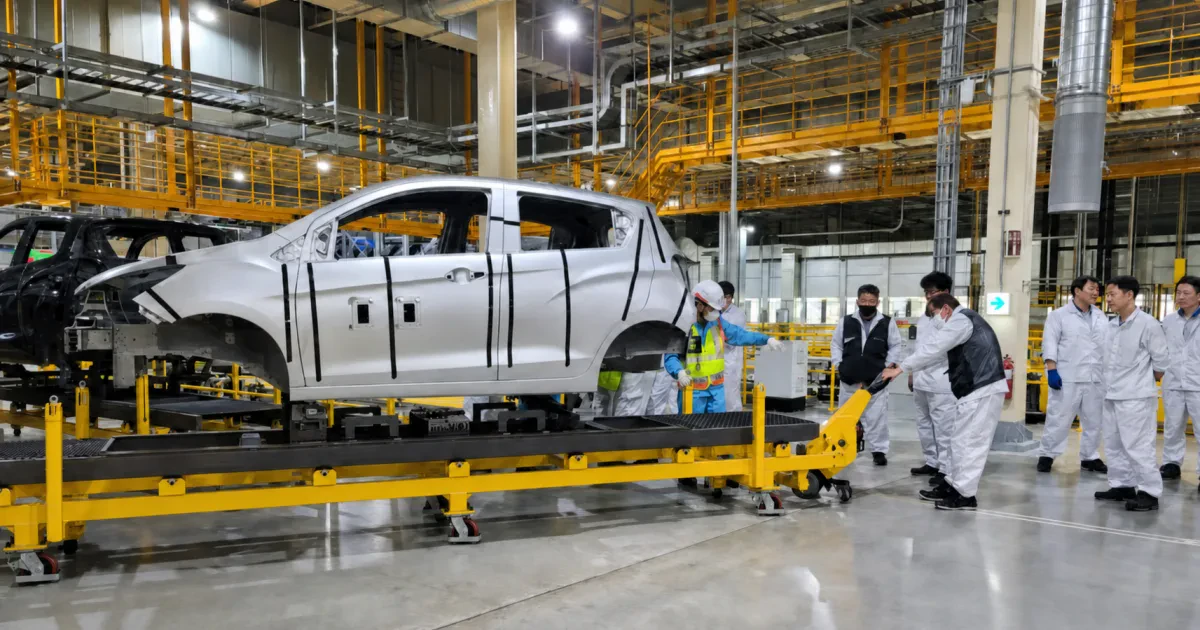
Rolls, profiles, stillages, containers, hoppers, molds or tooling can be difficult to move manually and may need precise routes between production, maintenance, storage and dispatch.
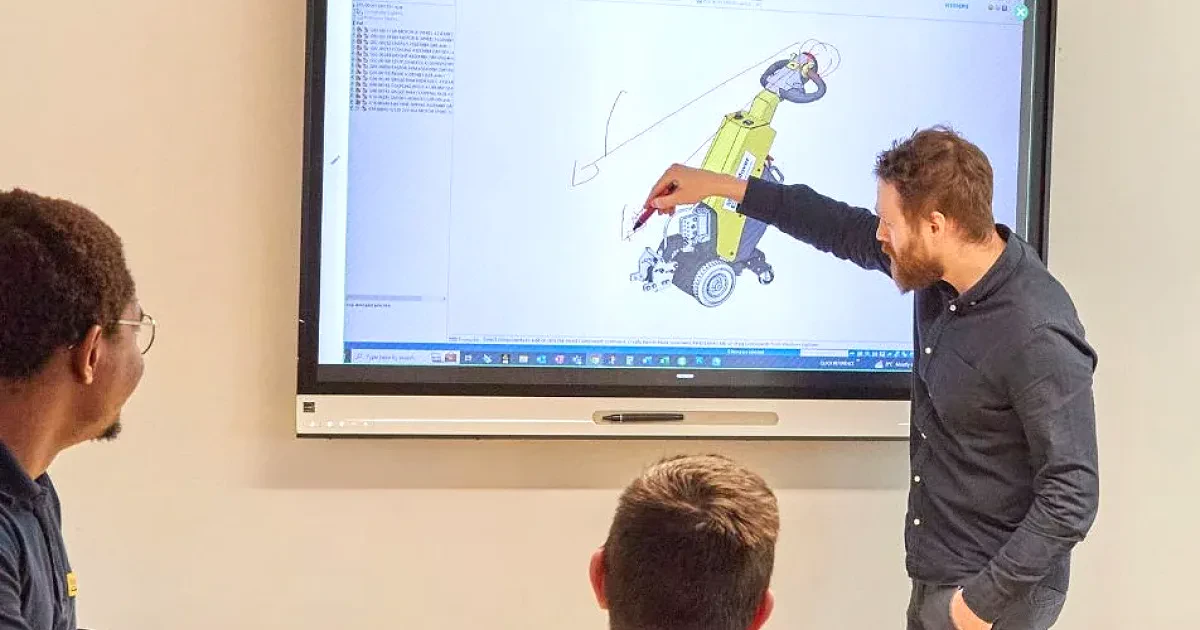
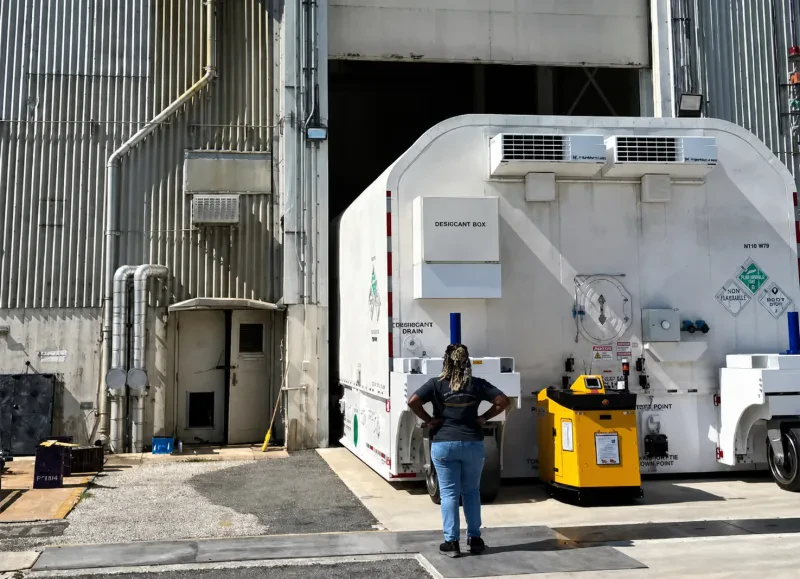
Compact electric tugs or custom configurations are selected after load, wheels, coupling, gradient, floor, turning radius, stopping and available line-side space are clear.
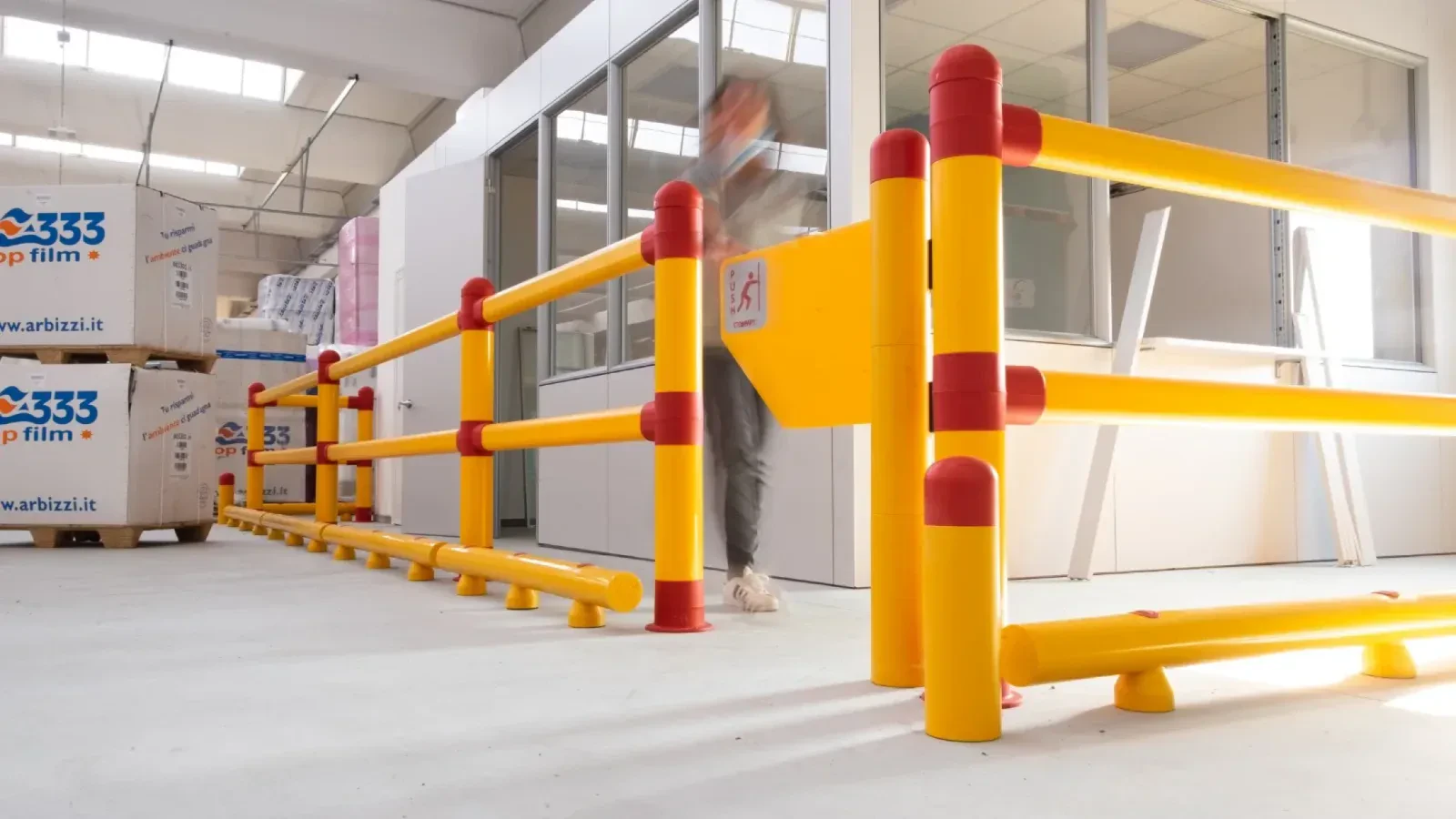
Where racking, pallet stacks, tall machines, rolls or containers reduce visibility, operators and vehicles can arrive at the same point with little reaction time.
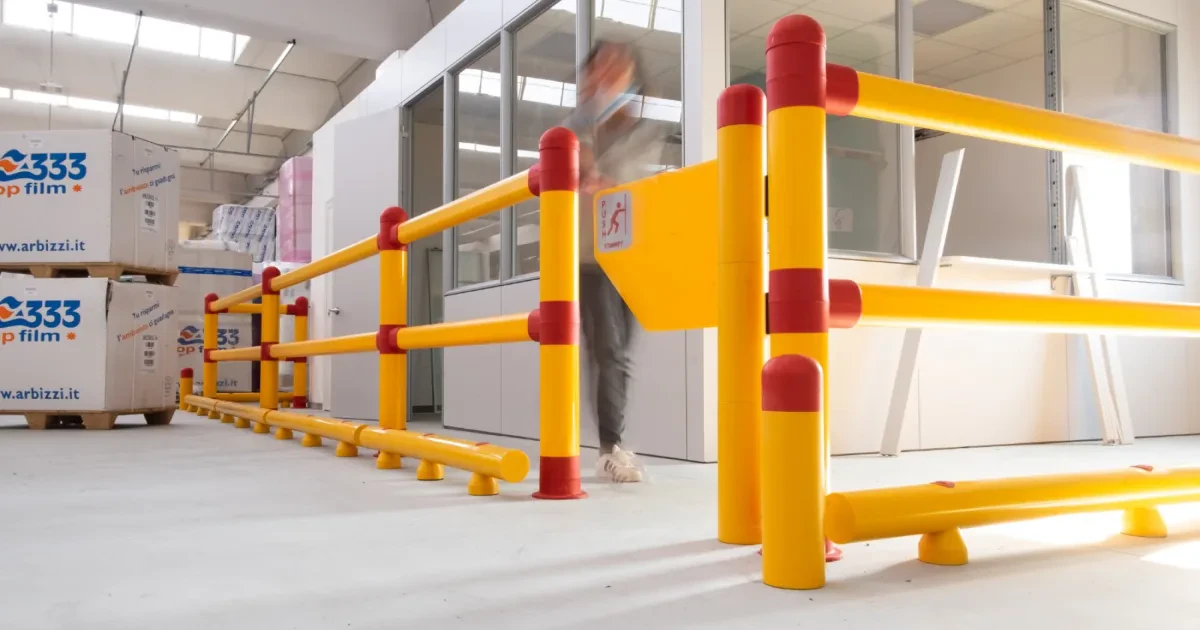
Pedestrian-vehicle separation, handrails, access gates and physical protection become relevant when floor marking alone cannot make the route clear enough.
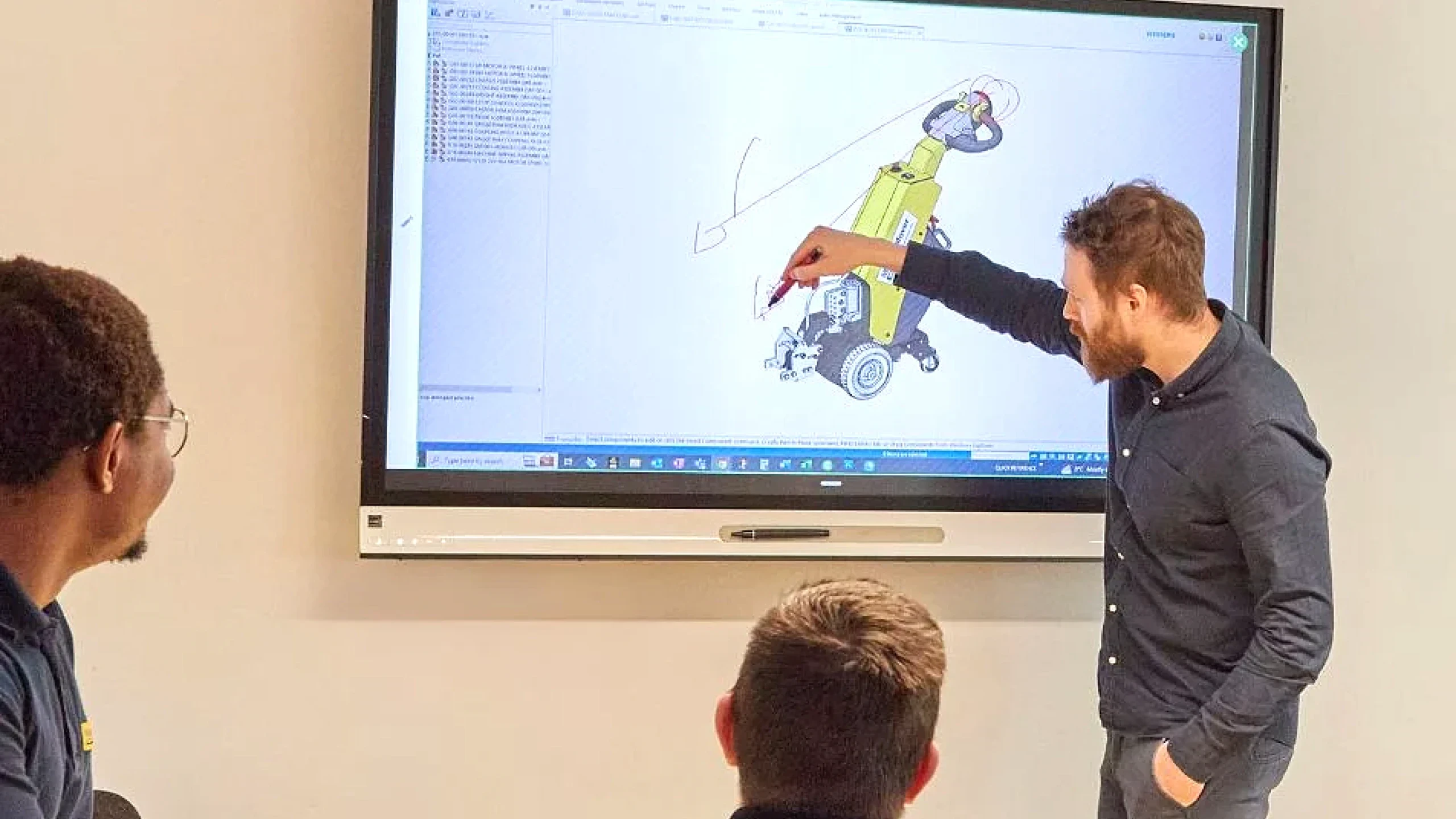
Before choosing, separate particle transfer, cleaning, impact protection, pedestrian traffic, load movement and route changes.
Area photos, a route sketch, wheel types, moved materials, impact points and loads that are difficult to handle help identify the right direction.









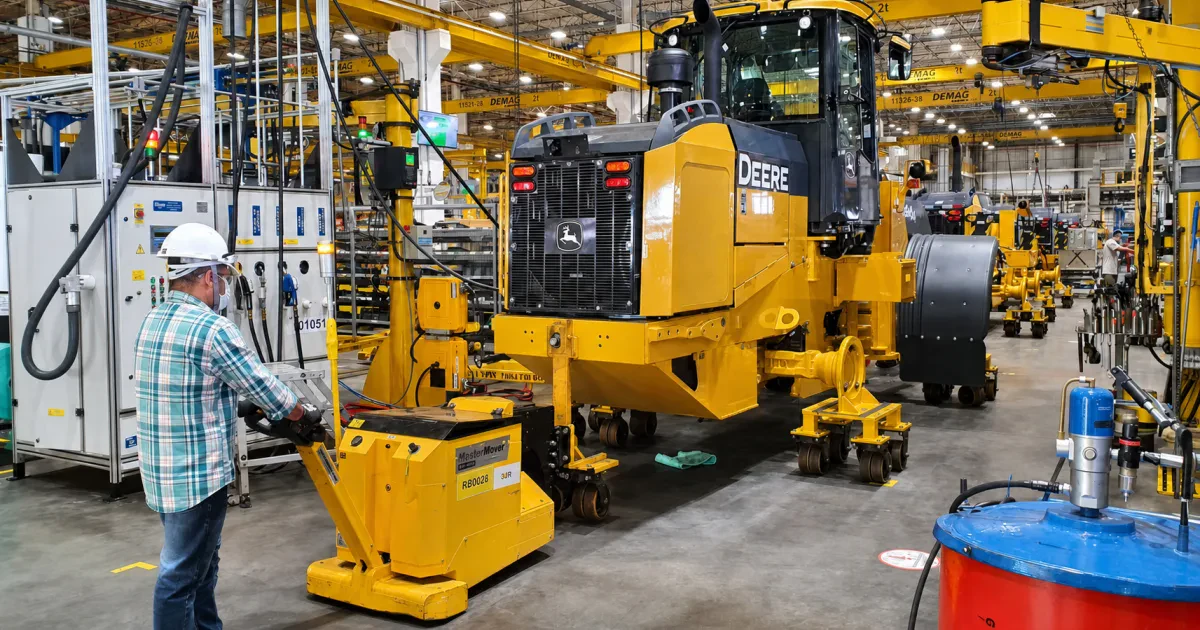
A guide for wheeled loads that are difficult to start, steer or stop by manual pushing and pulling.
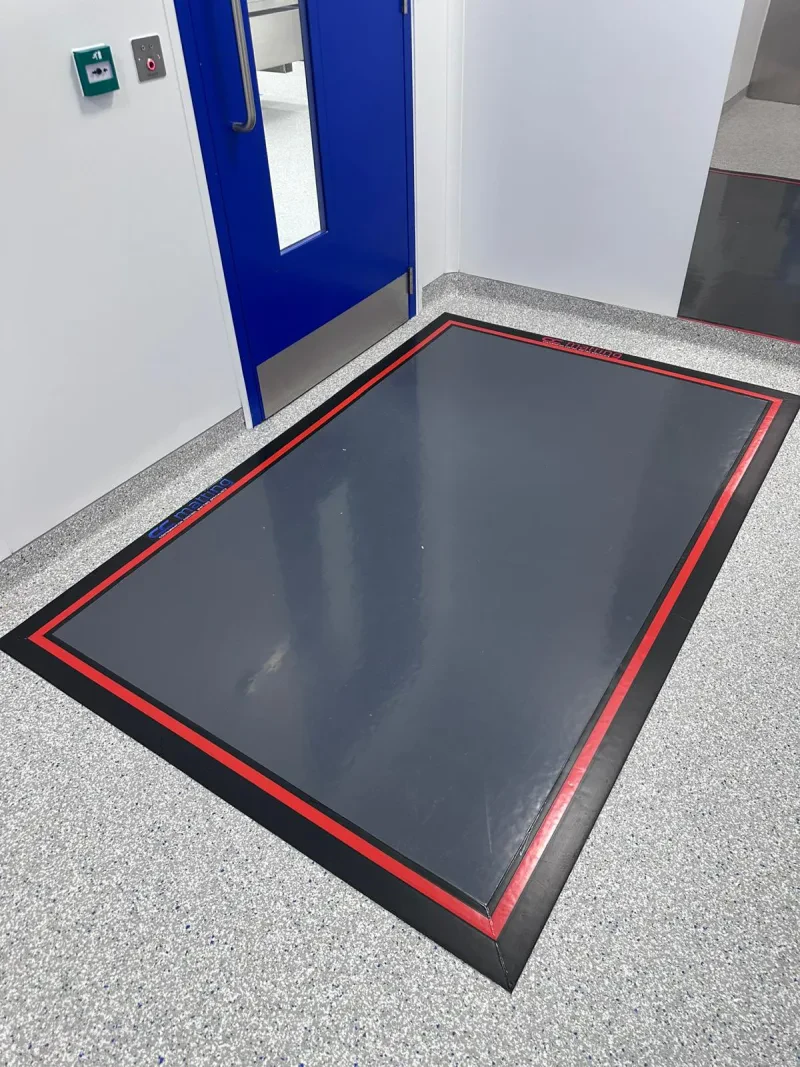
How to use CC Matting Heavy Duty documentation when the area needs ISO Class 5 material, particle control, clear cleaning and quality traceability.
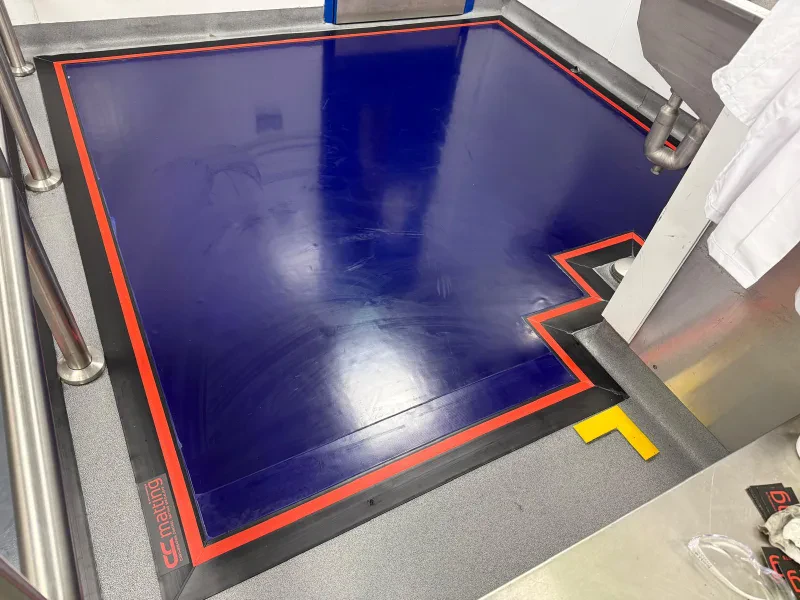
Why SEVENSEAS added CC Matting: washable, reusable polymer contamination-control mats with documentation checked against the application’s hygiene or ESD requirements.
Pellets, impacts or hard-to-move loads in the same area?

Signals usually appear on the route: pellets on the floor, dust or fine chips near machines, film or cardboard debris carried further inside, dirty wheels, impact points, difficult aisles or loads moved with high effort.
When several signals appear in the same area, the review should start from the flow: what material crosses the point, which vehicles use the route, what can be hit and what needs more controlled movement.
It makes sense when forklift, pallet truck, cart, container or equipment wheels move between outside areas, storage, silos, production, cutting, packaging and dispatch, and dirt, pellets, dust or moisture travel further along the route.
Before choosing, wheel types, weight, speed, straight crossing, bypass risk, available space, system cleaning and maintenance ownership should be checked.
Polymer mats can help at transfer points with pedestrian traffic, light carts or small wheels, where visible particles should be retained before packaging, inspection, finishing or a cleaner production area.
Width, length, wheel diameter, load, straight crossing versus turning and whether the surface can be cleaned consistently all matter.
Protection should be reviewed near extruders, injection molding machines, thermoforming, conveyors, packaging lines, panels, rapid doors, racks, columns or areas where an impact can affect access, maintenance or production.
The choice depends on vehicle, mass, speed, angle, space, anchoring, floor and impact consequence. For expensive machines or narrow areas, markings alone are rarely enough as the only control.
Separation helps at intersections, hall exits, corners, rack aisles or near pallet stacks where visibility drops and vehicles come close to operators.
Check whether the route can be made clearer with pedestrian aisles, handrails, access gates, physical protection and controlled crossing points.
It can help when rolls, profiles, containers, stillages, molds, hoppers, tooling or mobile equipment need to move on wheels between production, maintenance, storage and dispatch.
Before choosing, load weight, wheels, coupling, gradient, floor, turning space, stopping and movement frequency should be checked. A tug does not automatically replace a forklift; it fits when the load is already wheeled and needs horizontal movement.
A route sketch shows whether the signal comes from one local point or from the daily flow. One area may need a crossing point moved, pedestrian flow separated, a machine protected, wheels cleaned or a load moved differently.
A simple sketch with entries, lines, racks, loading bays, aisles and impact points is more useful than a list of possible products.
Photos of the area, a route sketch, wheel types, transported materials, impact points, pellet or debris zones, gradient information and details about hard-to-move loads are useful.
A complete technical brief is not needed for the first orientation. The important part is to show where the signal appears in the flow and what internal decision needs support.