Service entrances and outdoor-indoor access
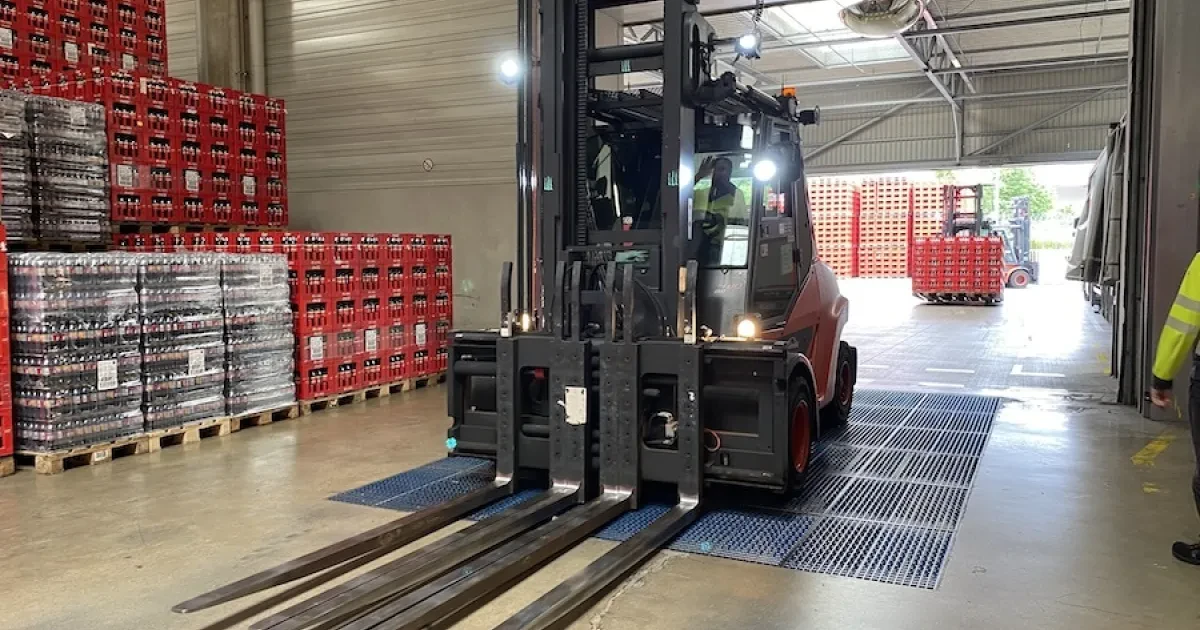
Transitions where people, carts, small containers, wheels and footwear can carry dirt, moisture or particles indoors.

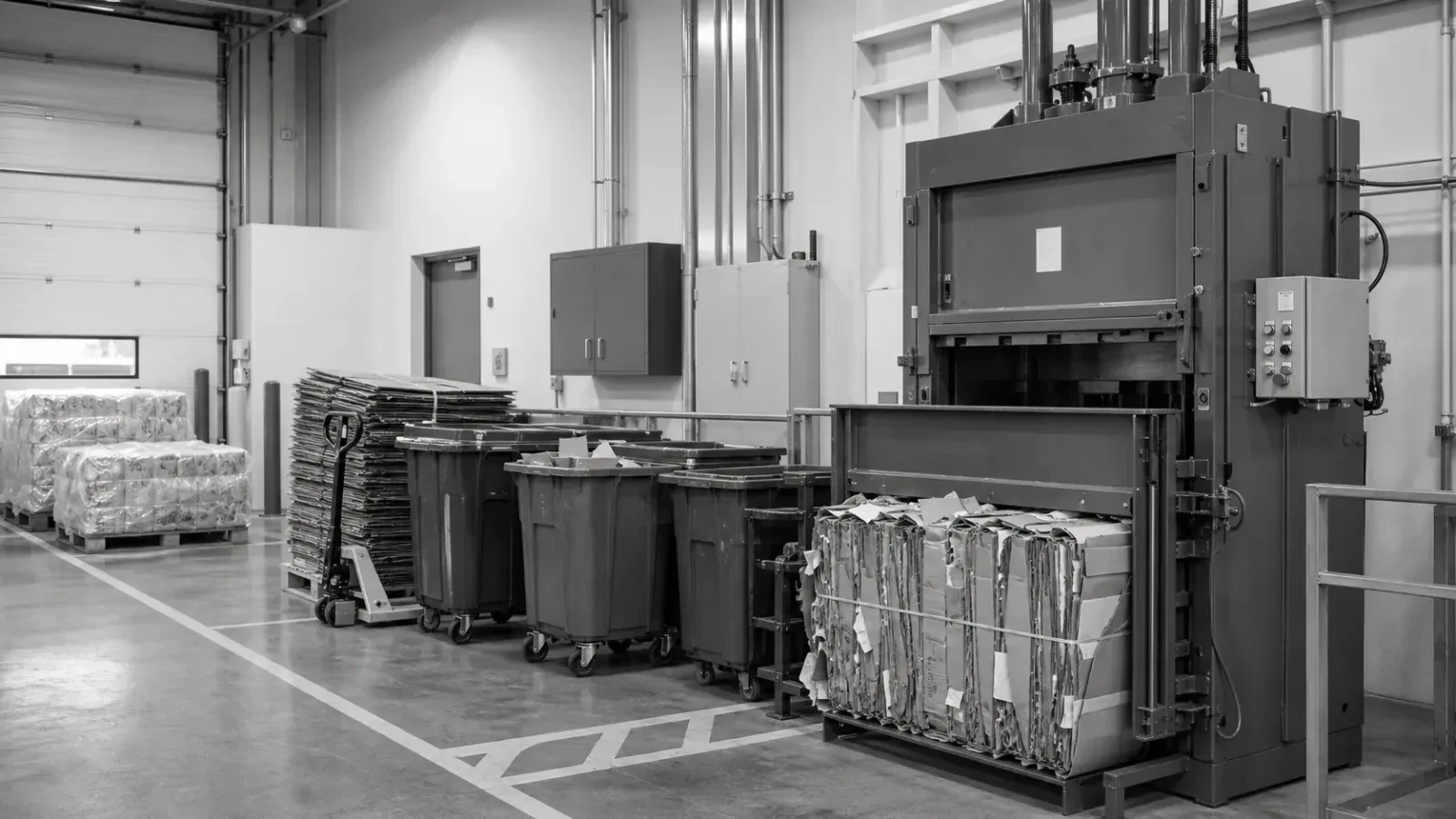
In service areas, access to equipment and the movement of people or vehicles need to remain clear every day.
In facility and waste areas, useful signals often appear on the route: dirty flooring after a loading bay, containers that are hard to push, struck doors, exposed corners, reversing with low visibility, informal crossings or equipment blocking access.
These areas are not just auxiliary spaces. They can affect internal cleanliness, cleaning-team time, maintenance access, pedestrian safety and operational continuity. The direction should be selected against traffic, floor, wheels, load, gradient, impact points, cleaning routine and internal rules for waste or service contractors.
Route, traffic and load show what enters on wheels or soles, what must move without excessive effort, what can be hit and where visibility or access changes the choice.
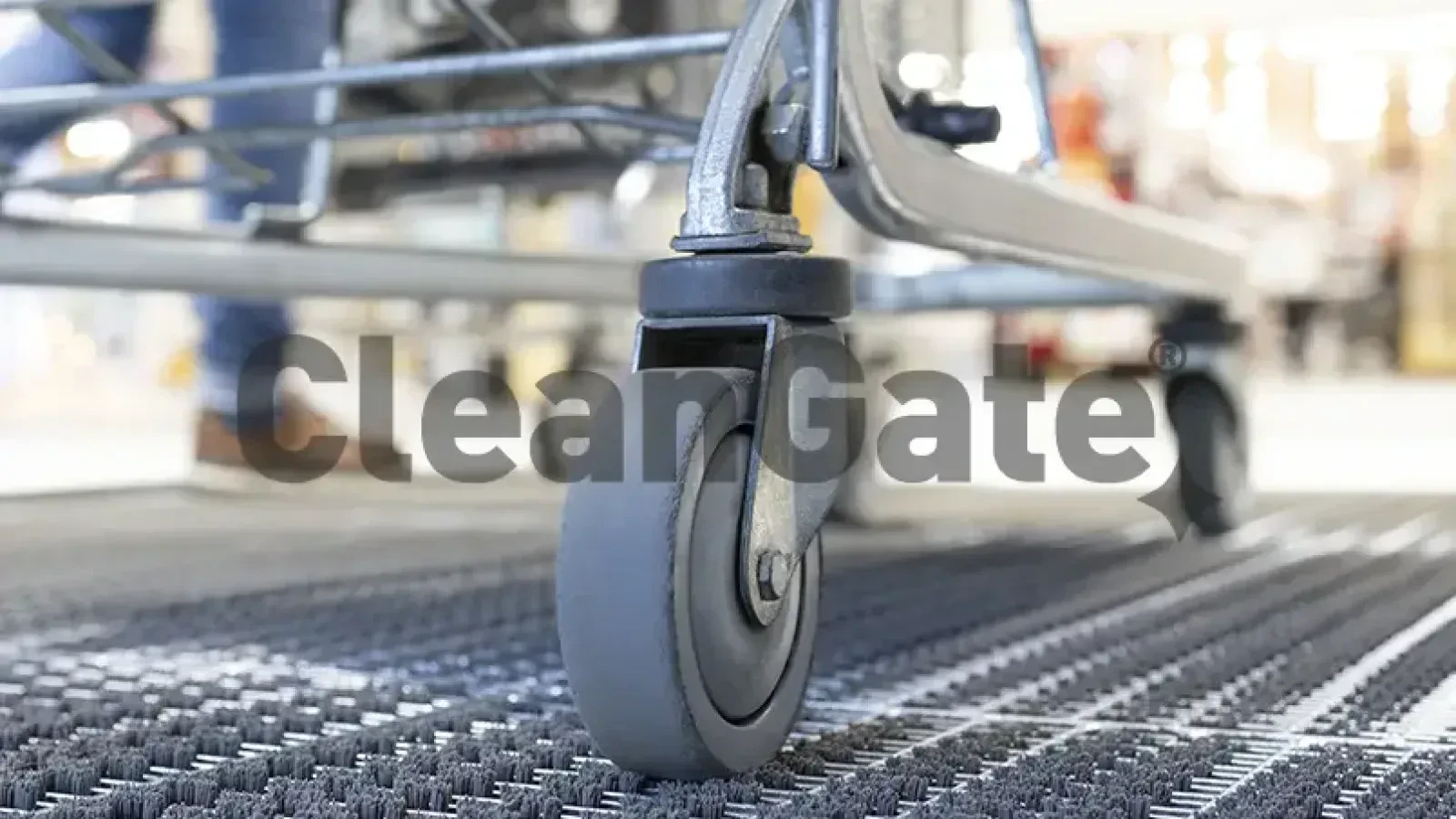
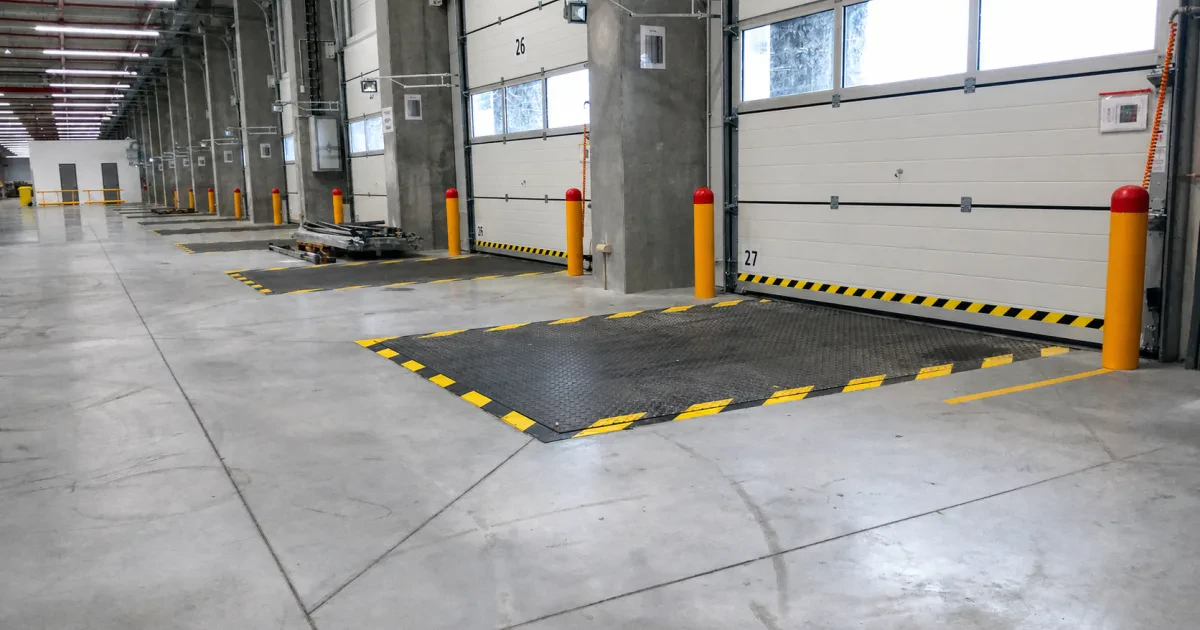
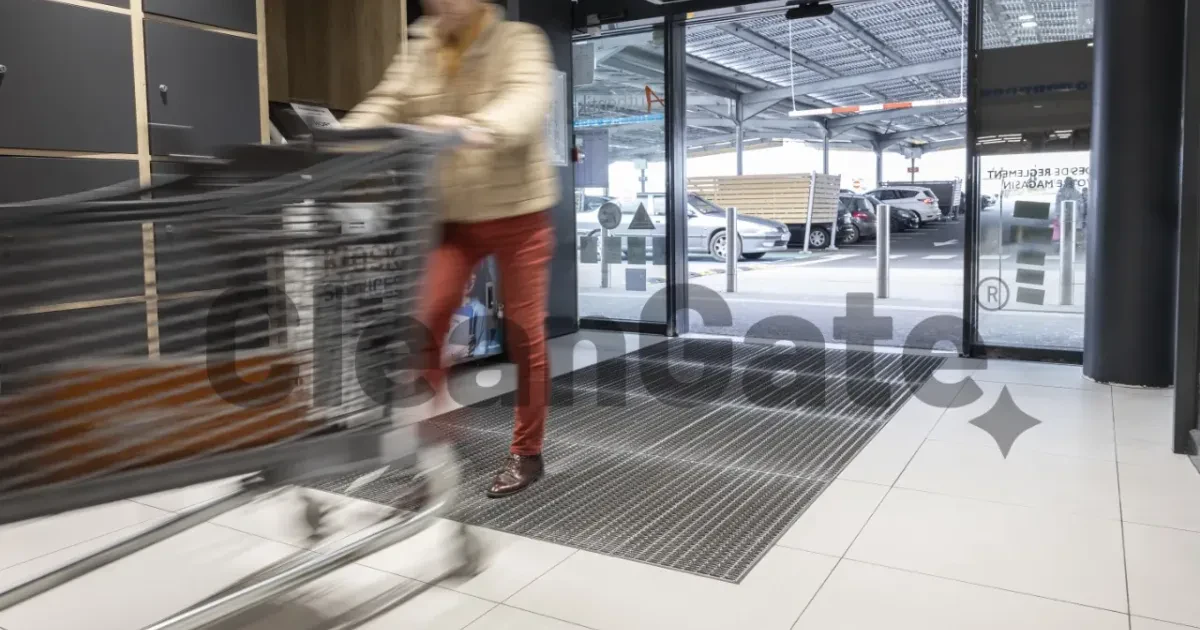
Between yards, loading bays, collection points, parking areas, service entrances and indoor routes, wheels, soles, carts or containers can carry mud, dust, moisture, packaging residue or particles further into the facility.
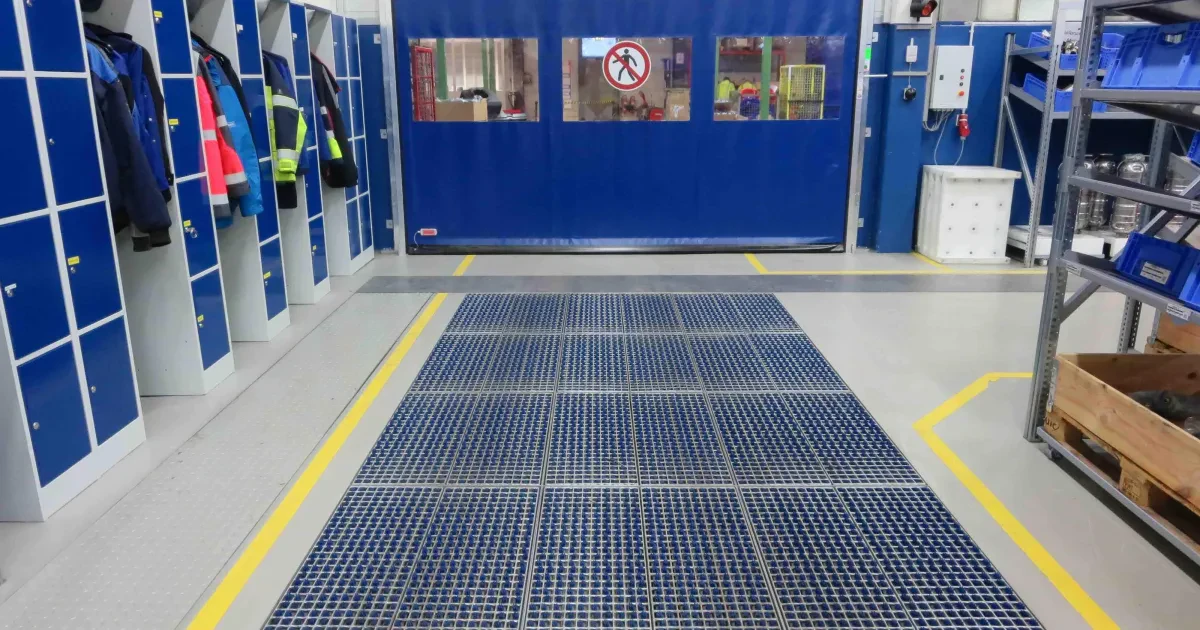
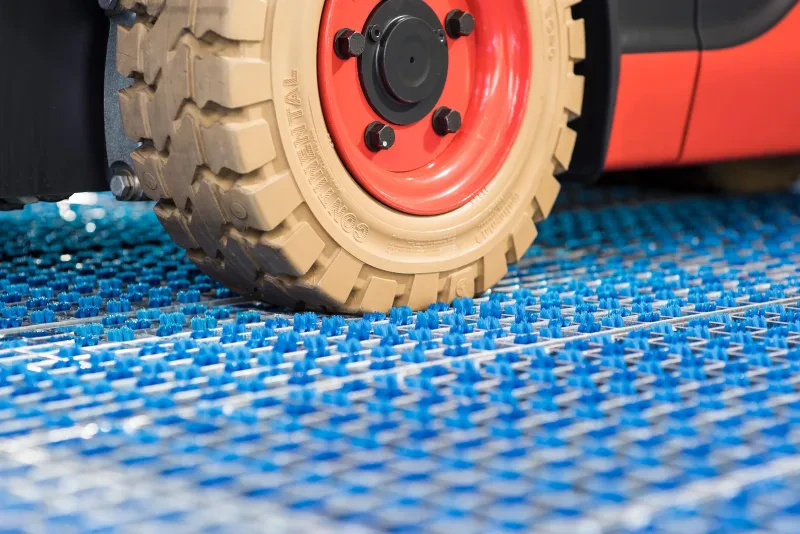
Wheel cleaning, sole cleaning, polymer mats or a different control-point position should be checked against route, frequency, traffic type, bypass, cleaning routine and the area that needs protection. The control point should work alongside the site procedures for hazardous waste, spills and decontamination.
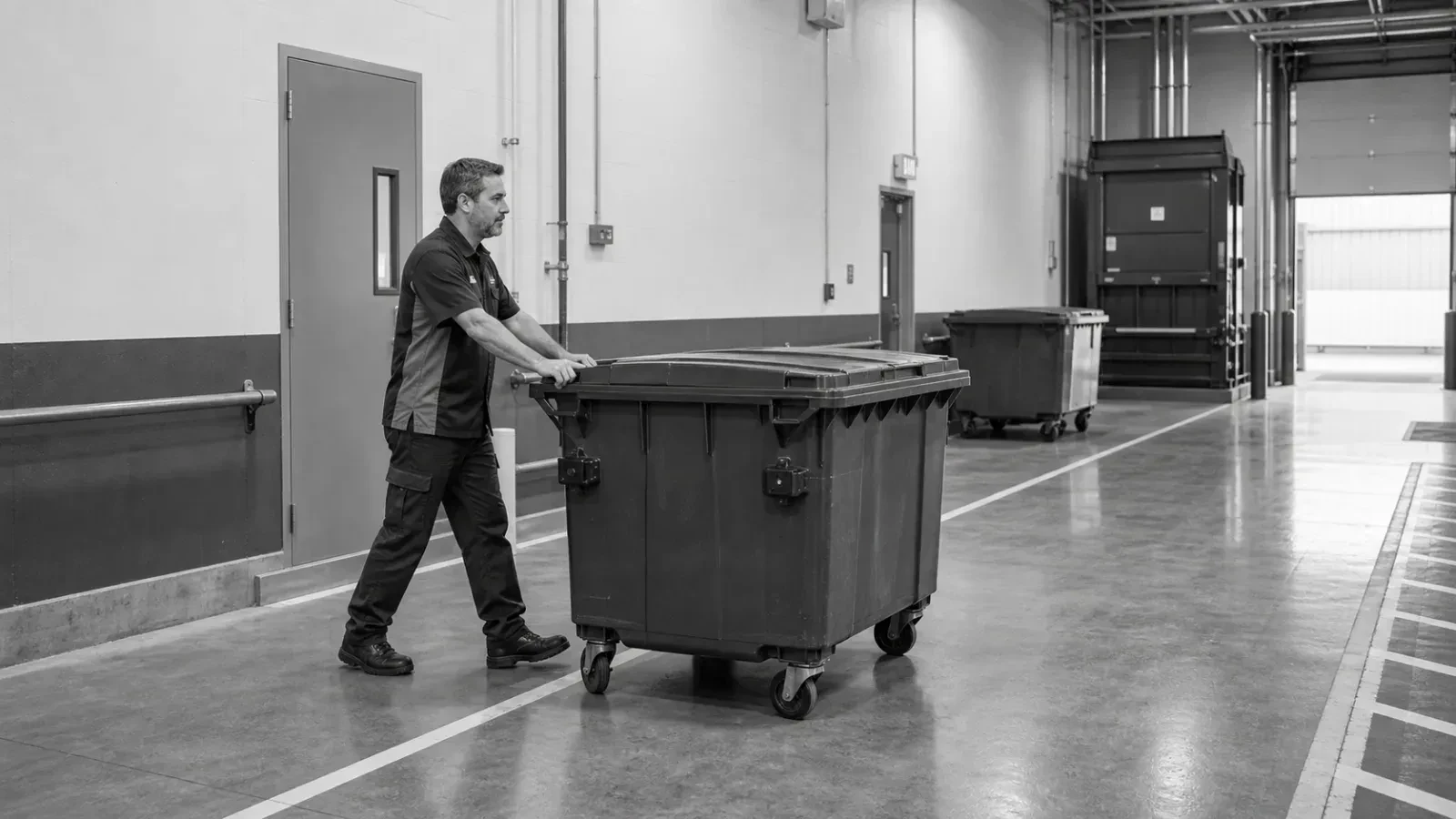
Waste containers, large bins, roll cages, cleaning carts or service equipment can become hard to move when the route includes gradients, doors, turns, uneven flooring or limited access.
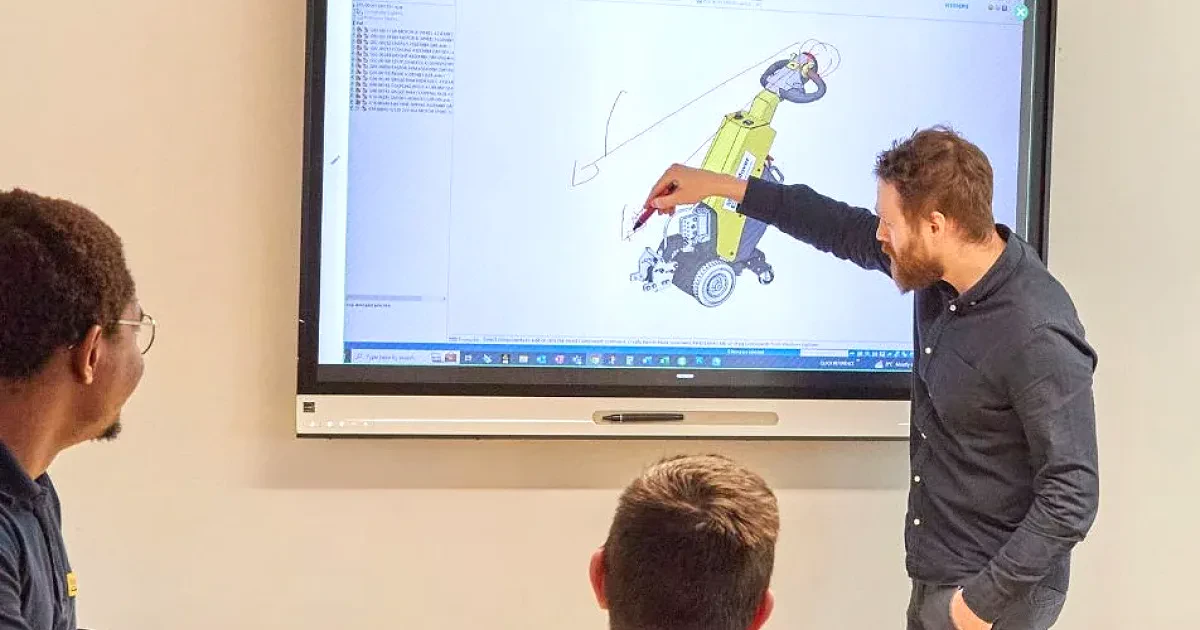
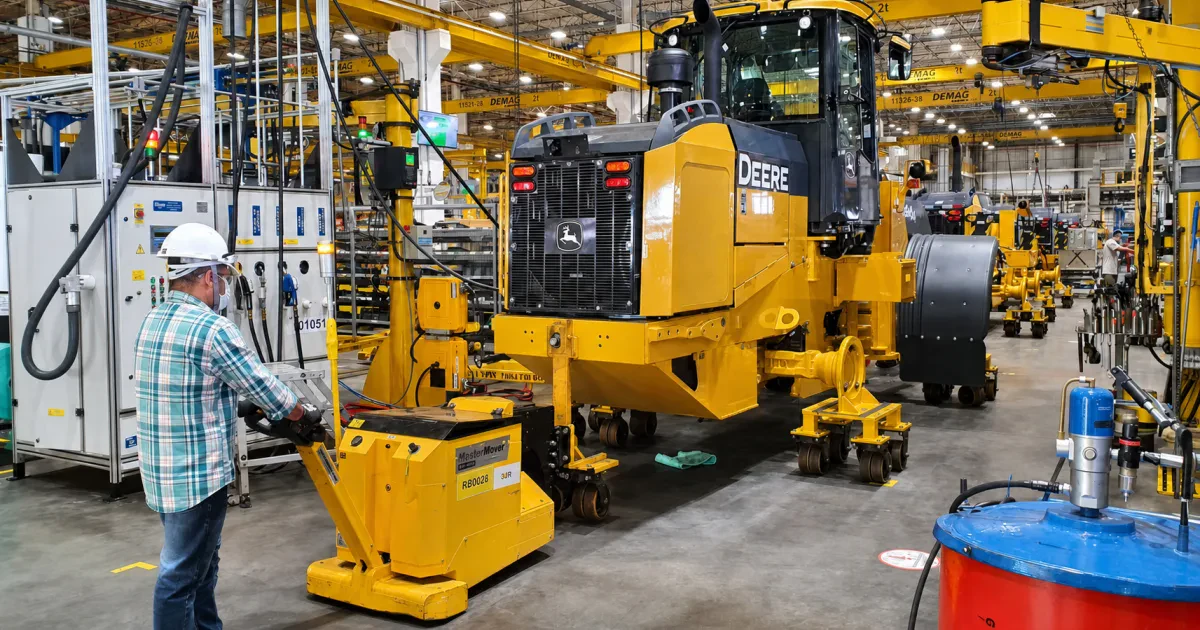
Compact electric tugs or trailer and cart movement solutions are checked once load mass, wheels, coupling, gradient, distance, stopping, turning space and the operator of the movement are clear.
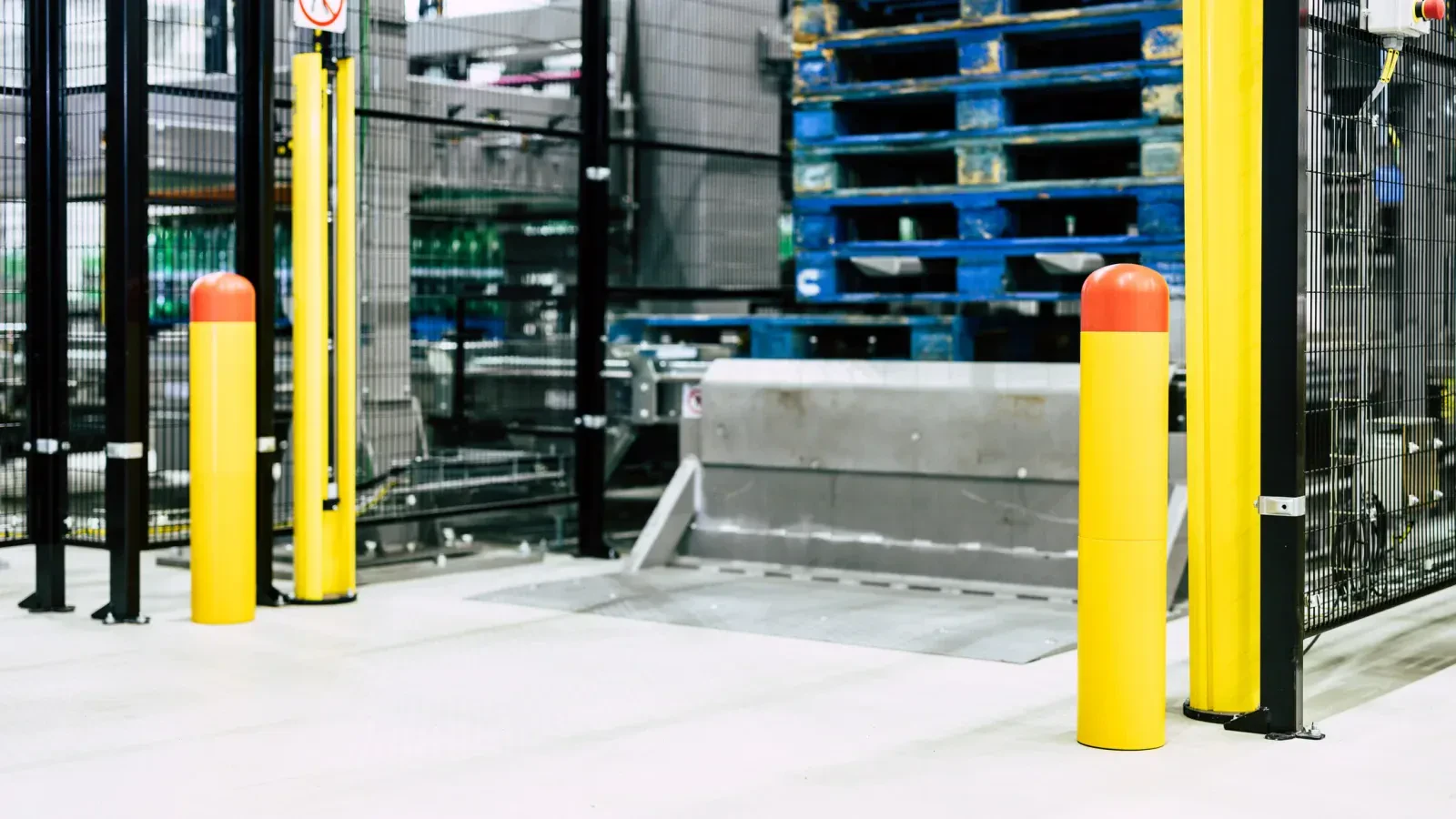
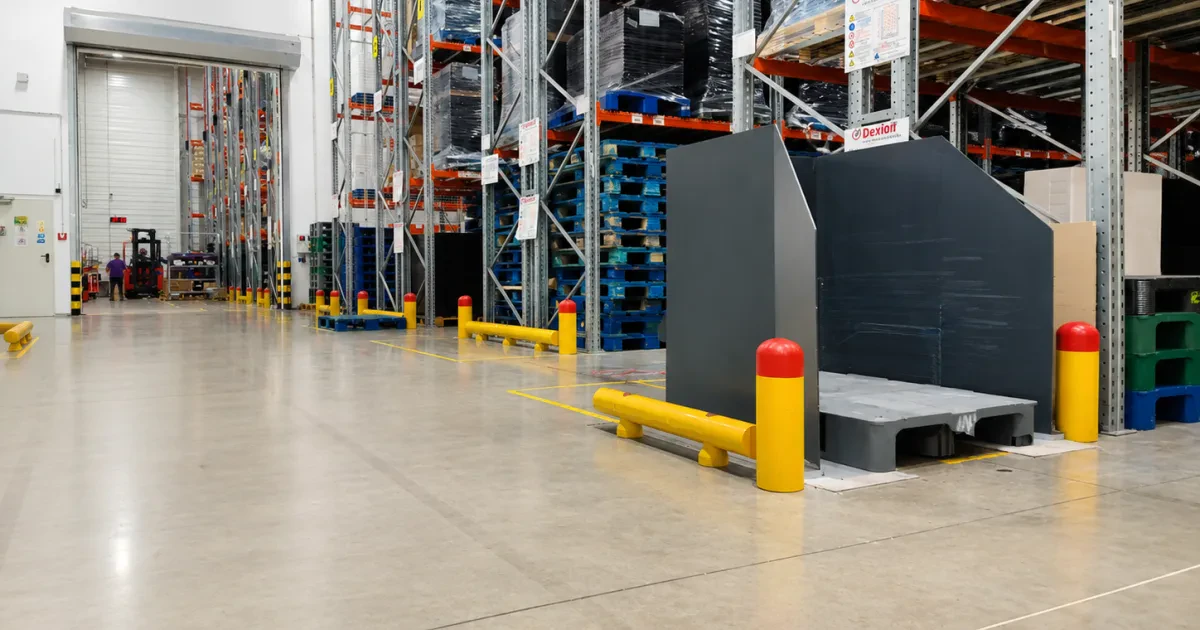
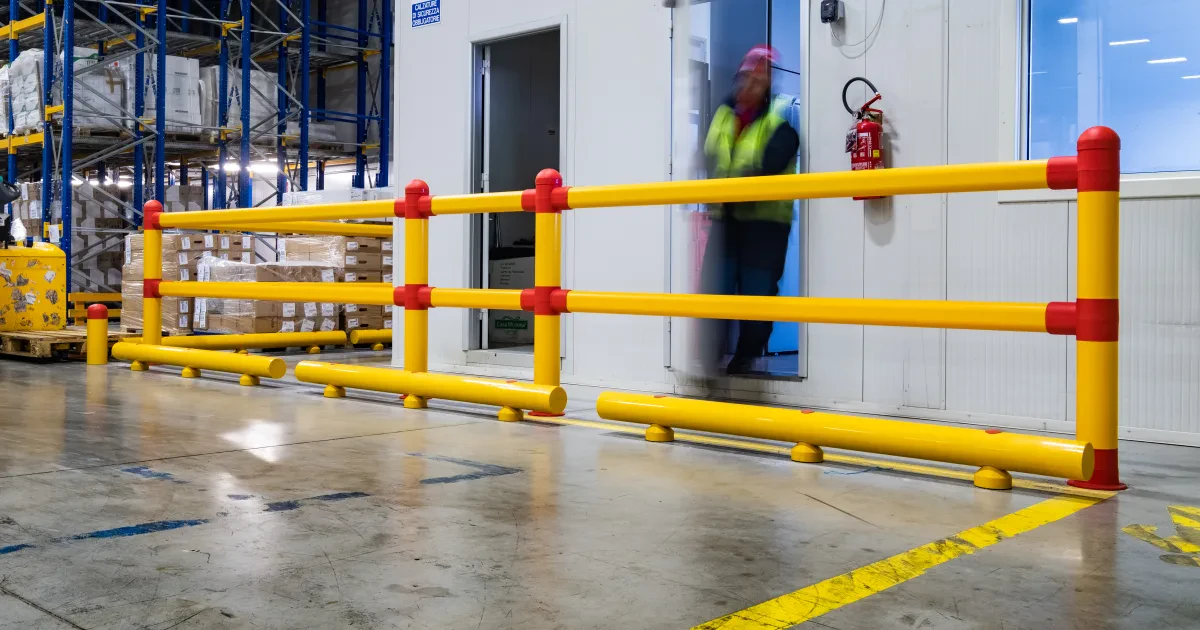
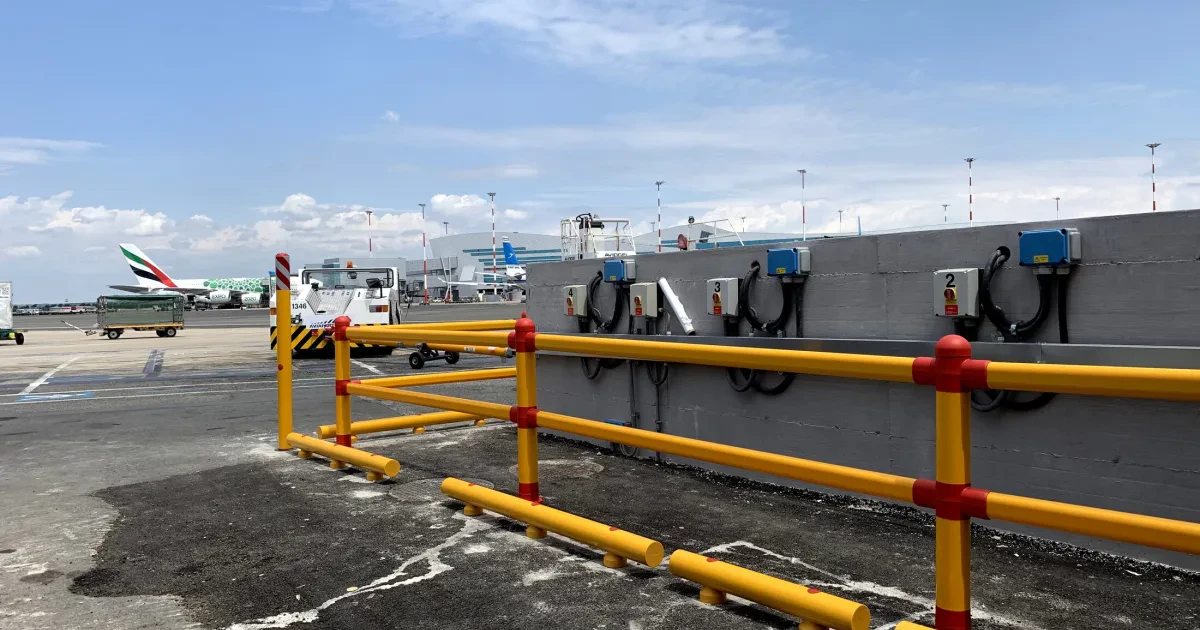
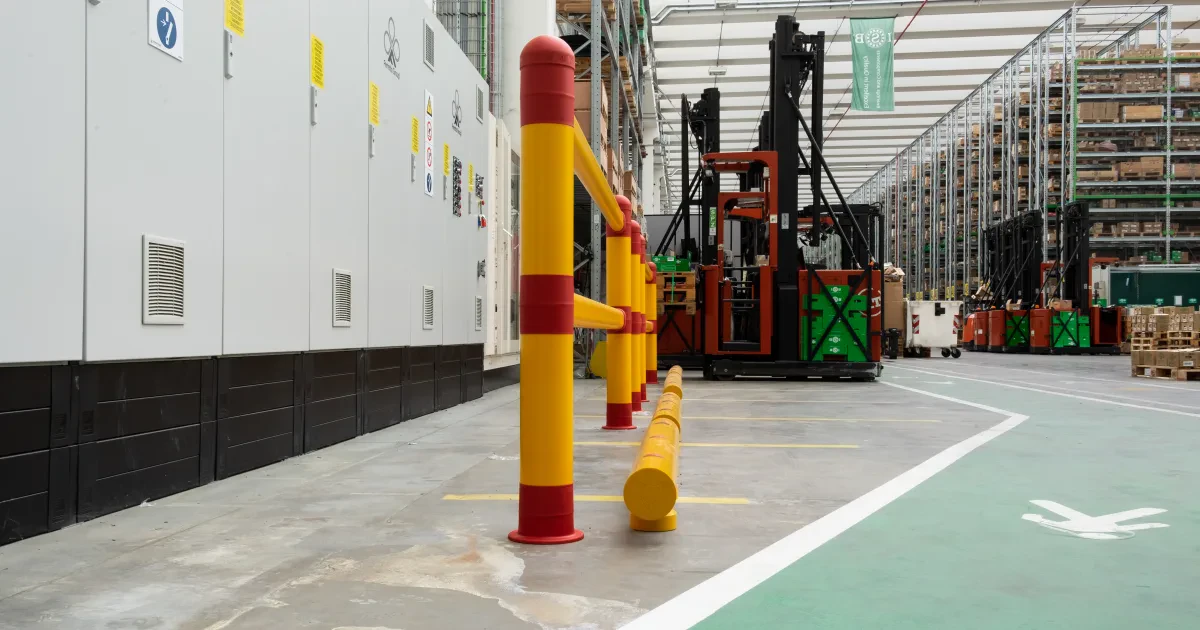
Around compactors, technical rooms, doors, loading bays, auxiliary racking, walls, fences or collection areas, impacts may come from forklifts, pallet trucks, containers, carts or collection vehicles.
Protection should be selected against vehicle, load, speed, angle, space, floor and what must remain accessible. For intensive cleaning, outdoor exposure or contact with residues, material and installation need to be checked in the real context.
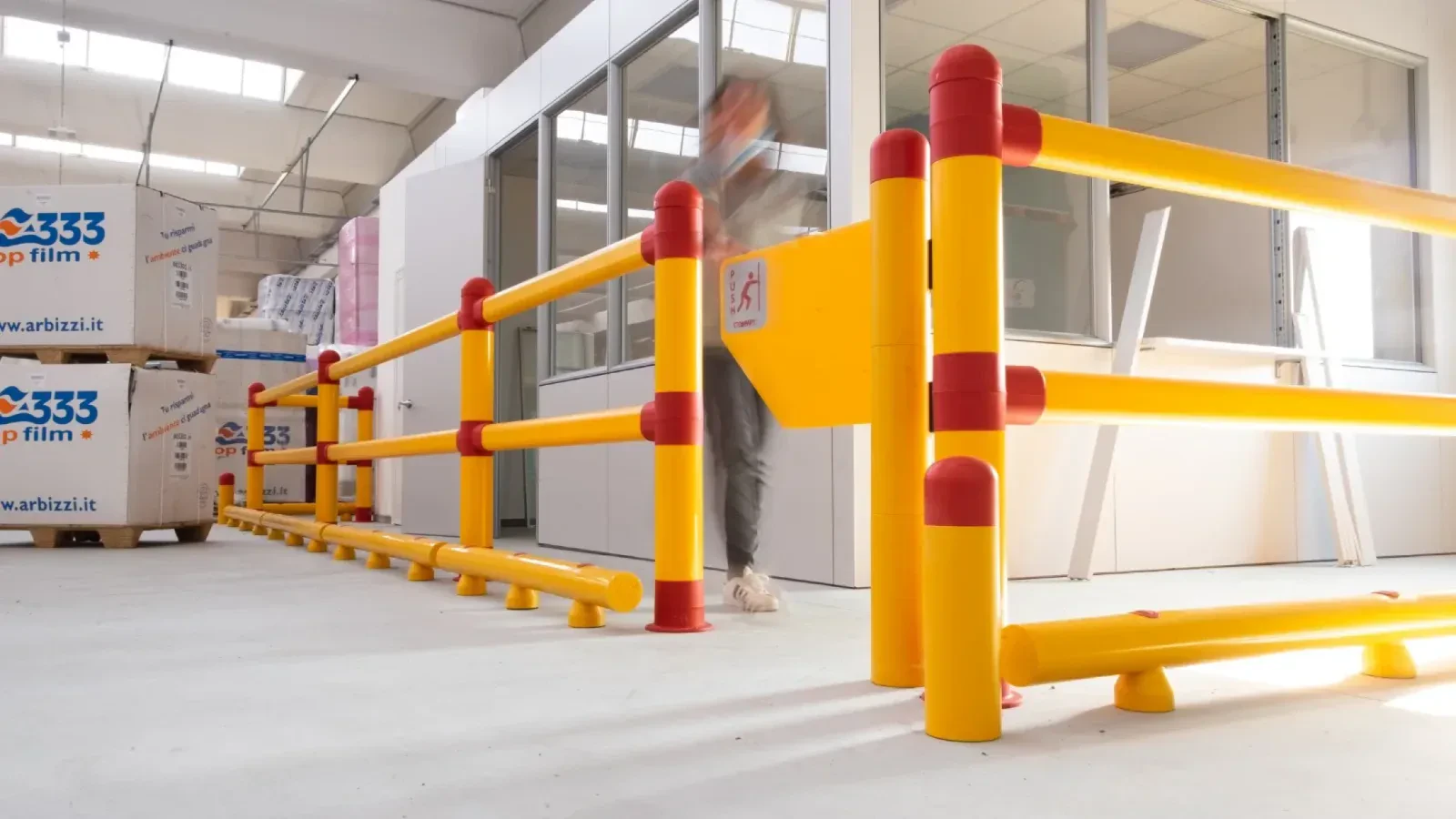
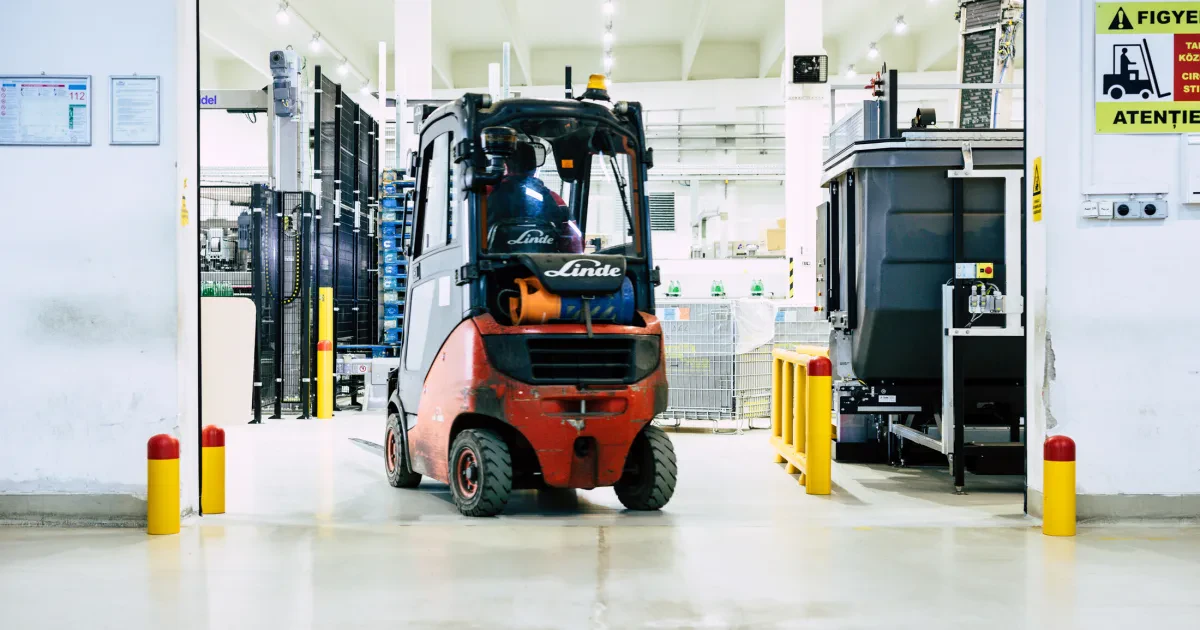
In yards, loading bays, collection points, back-of-house corners or areas where contractors enter periodically, pedestrians and vehicles can come close to one another exactly when visibility is weak or the manoeuvre is done in reverse.
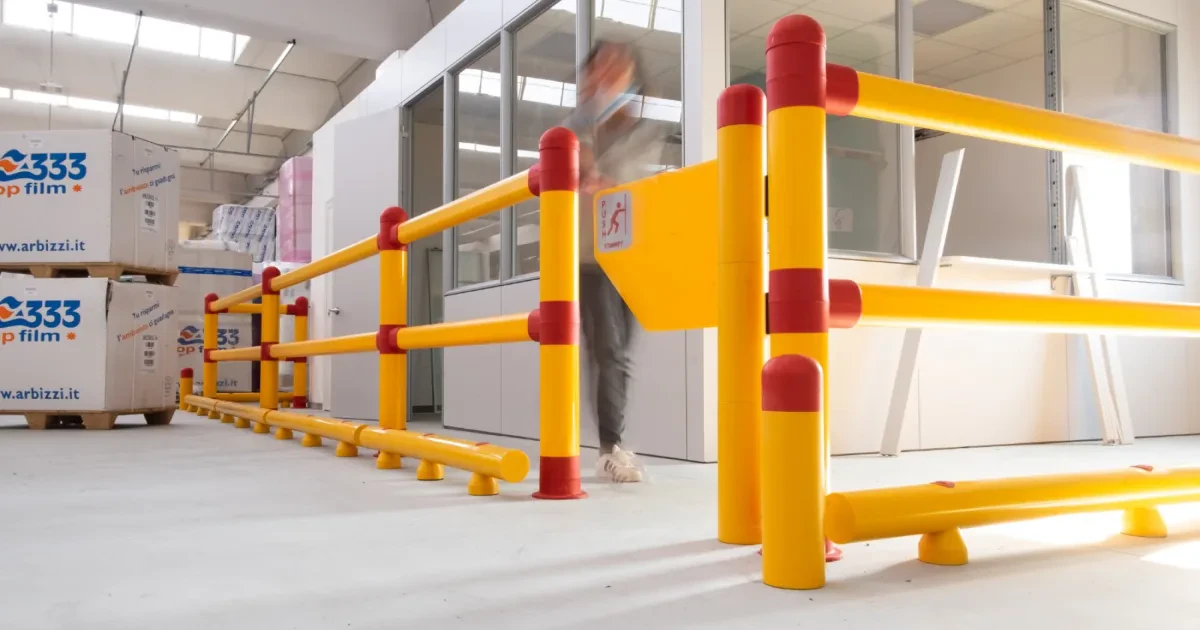
Physical separation, route guidance, gates, guardrails, waiting zones and access rules should be checked together with the collection schedule and actual contractor behaviour. Static signage alone rarely clarifies an area with a poorly defined route.
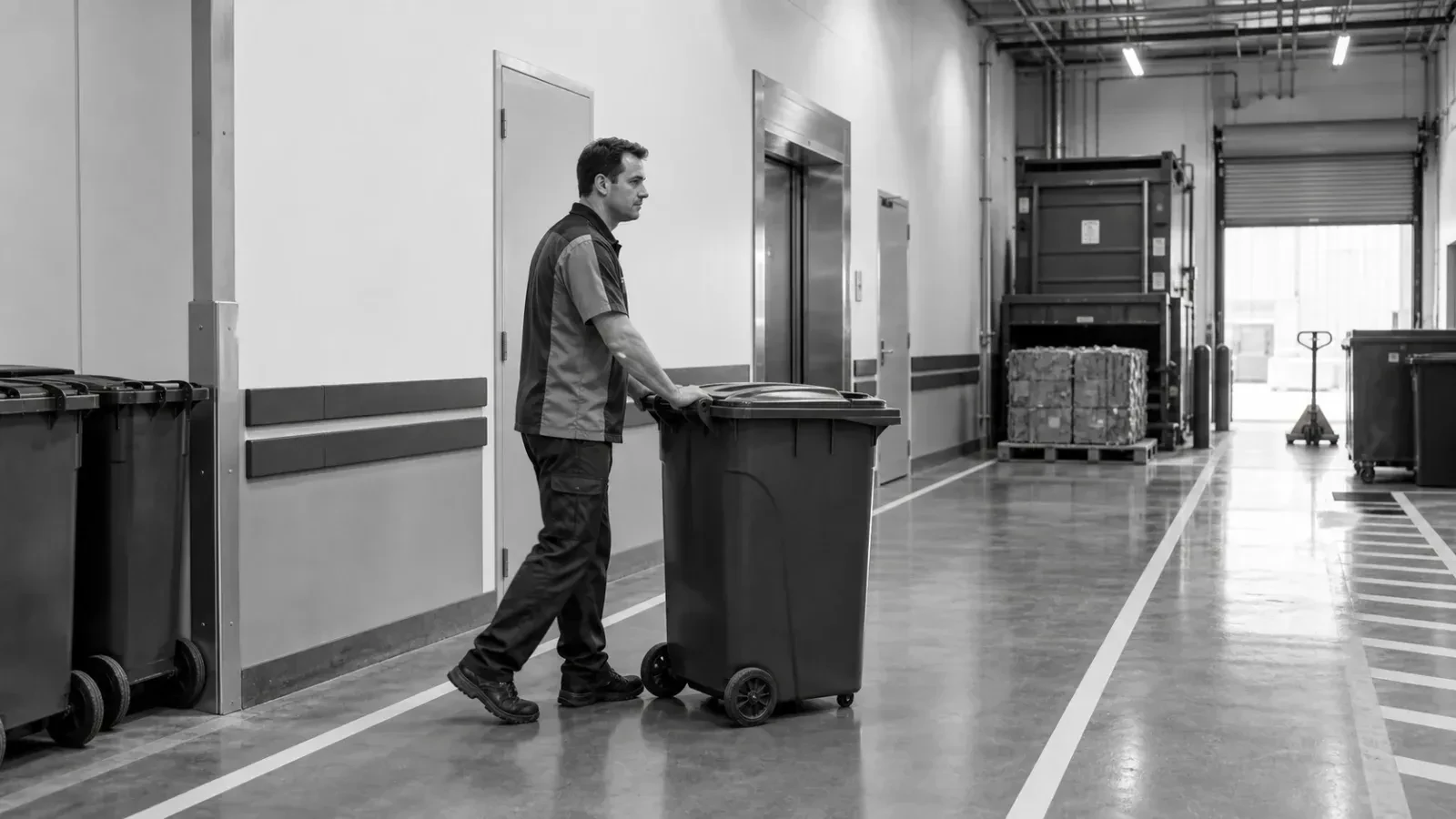
Before choosing, separate the dirt route, pedestrian traffic, vehicle traffic, wheeled containers, gradients, impact points, contractor access, cleaning routine and the type of waste or material handled.
Area photos, container types, approximate weight, wheel diameter, route to the collection point, low-visibility zones and places where the floor gets dirty help identify the right direction to check.

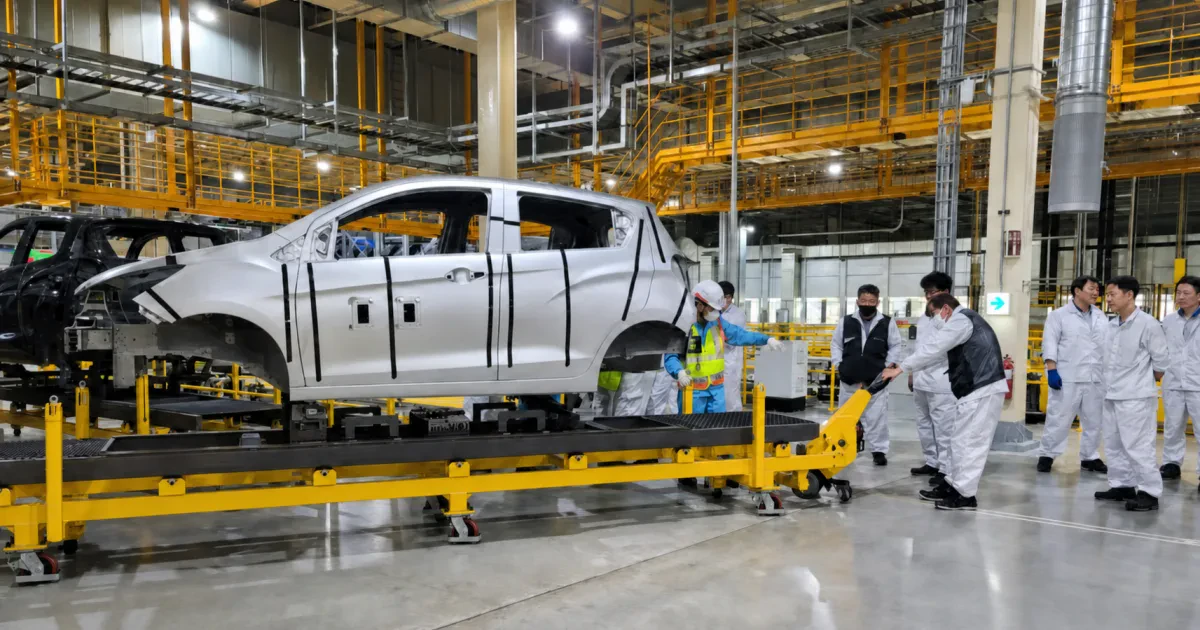
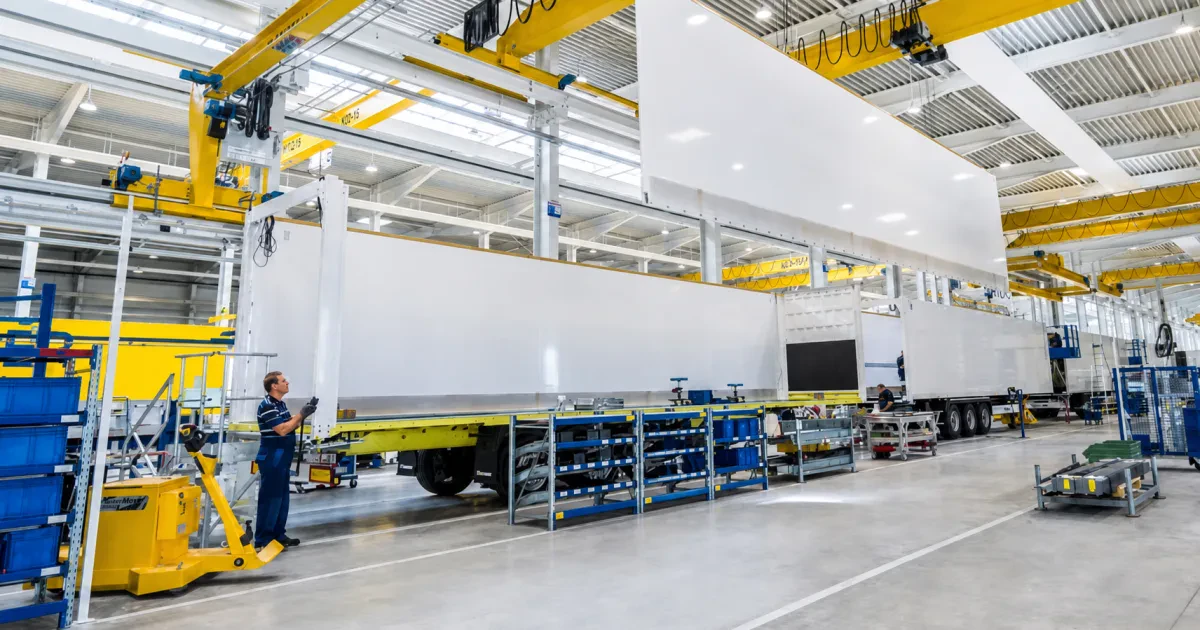
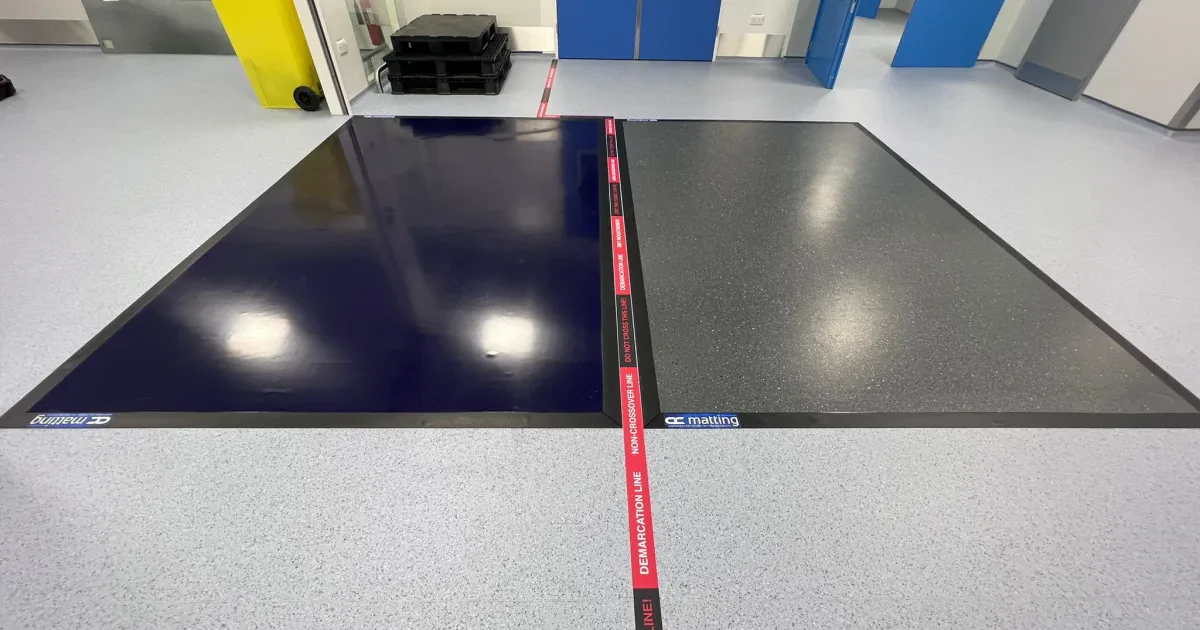
A practical guide for routes where wheels, casters, carts and soles can carry dirt or contamination between food-production zones.
Hard-to-move containers, dirt carried along routes or struck service areas?

Signals usually appear on the route: dirty flooring after service entrances, moisture near loading bays, hard-to-push containers, struck doors, marked corners, equipment blocking access or pedestrians crossing manoeuvring zones.
When these signals appear near collection points, public spaces, technical rooms or contractor routes, the choice should start from the real flow, not from a single product.
In collection and facility areas, the vehicles are not always the same: they may include forklifts, carts, pallet trucks, collection vehicles, cleaning equipment or contractors entering periodically.
Separation matters because it reduces unclear proximity between people, vehicles and equipment. Before choosing, check the route, collection schedule, reversing points, waiting areas and available space for physical protection or access control.
It fits at outdoor-indoor transitions, loading bays, service entrances, yard areas, parking routes, commercial spaces or links between collection areas and indoor routes, where dirt, moisture or residues are carried further.
The choice depends on traffic type, wheels, soles, crossing speed, bypass risk, space and cleaning routine. If hazardous substances, spills or decontamination are involved, the operator procedures apply.
Polymer mats can help at entrances with pedestrian traffic, small carts, light wheels or transitions towards areas where visible particles should be retained before they travel further.
Width, available length, wheel type, load, turning on the mat and whether the surface can be cleaned consistently all matter. For heavy traffic or heavy dirt, a different control point may be needed.
Start from the container: mass, wheels, coupling, tow point, gradient, floor, turns, doors, distance and whether movement is done by internal staff or a contractor.
A compact electric tug makes sense when the load is wheeled and horizontal movement needs control without high manual effort. Lifting or vertical handling stays with equipment designed for that job.
It can protect doors, walls, corners, fences, posts, compactor areas, auxiliary equipment or pedestrian routes exposed to containers, forklifts, pallet trucks and collection vehicles.
The choice depends on impact energy, space, anchoring, floor and what must remain accessible. In wet, outdoor or residue-exposed areas, material and cleaning of the protection should be part of the discussion.
Attention increases at blind corners, near loading bays, collection points, yards with reversing manoeuvres or aisles where contractors, pedestrians and vehicles use the same crossing.
First check what can be separated physically: pedestrian route, gate, guardrail, waiting zone, traffic direction or timed access. A written rule only helps when the real route allows people to follow it.
Useful details include area photos, container route, wheel types, approximate weight, gradients, impact points, dirty zones, collection schedule and who operates the movement.
A complete project file is not needed for first orientation. The important part is to show the real route and where cleanliness, access, safety and handling effort connect.