Protect people and vehicles where routes meet
Workplace Safety

Protect people and vehicles where routes meet

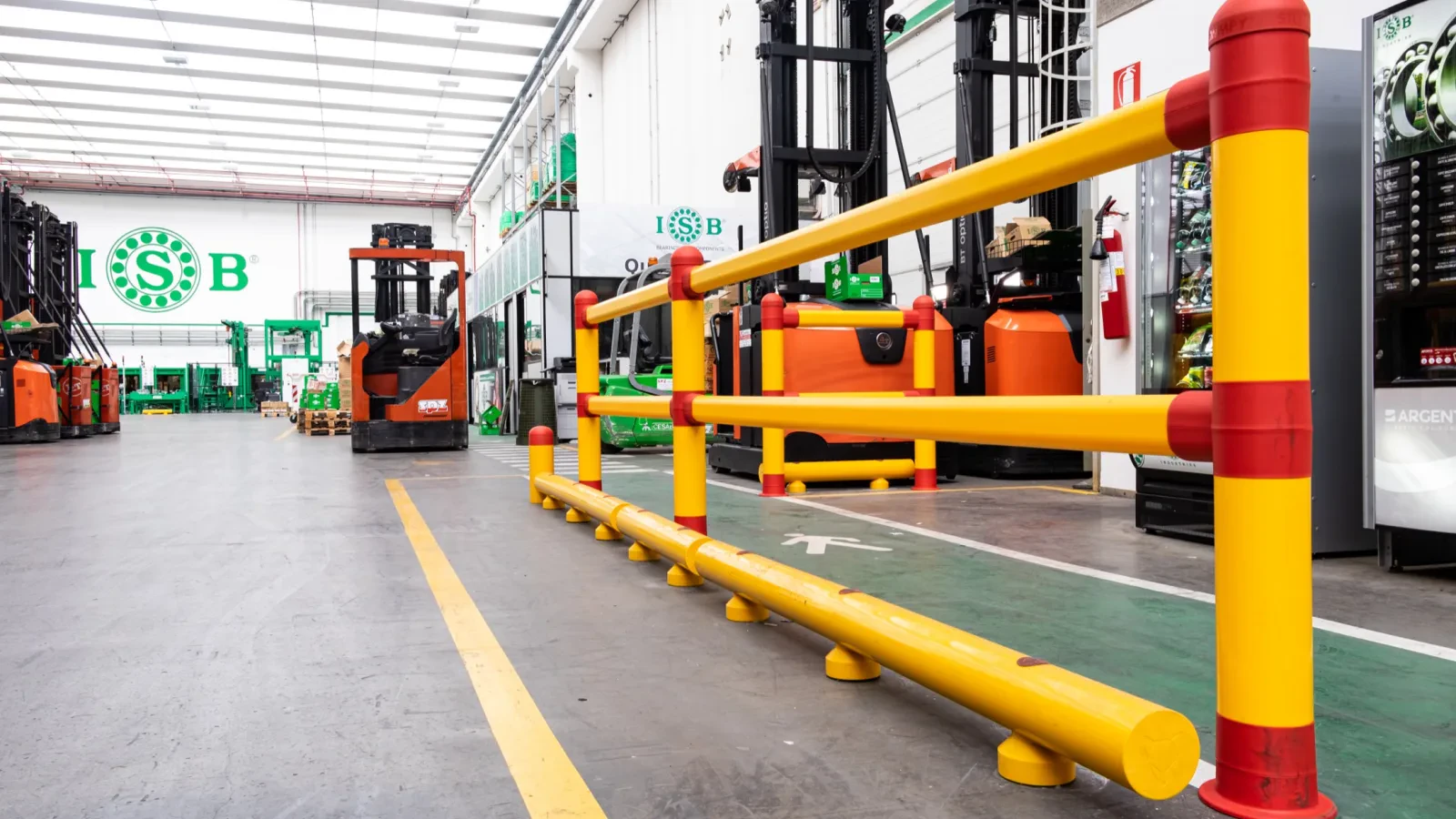
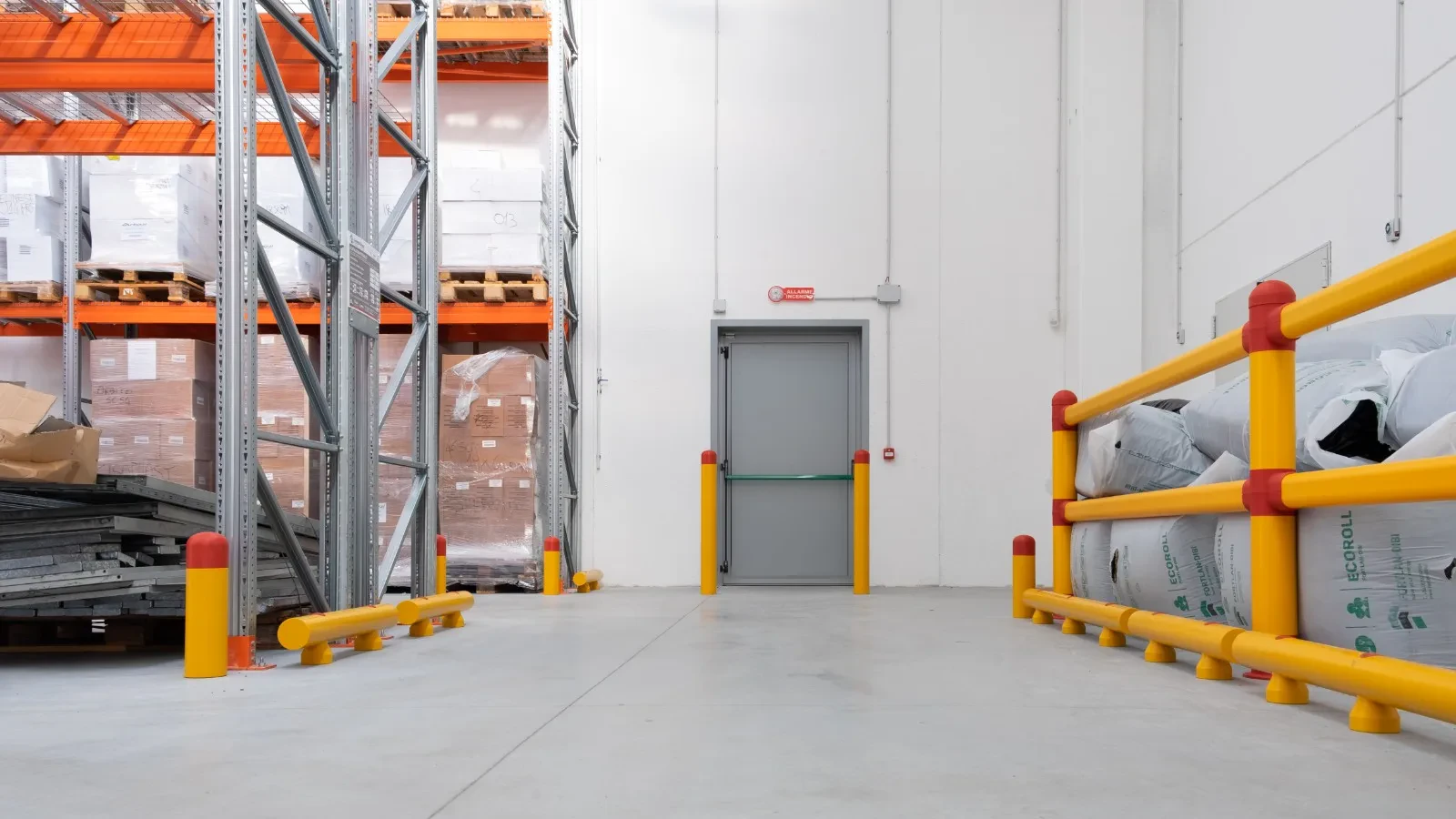
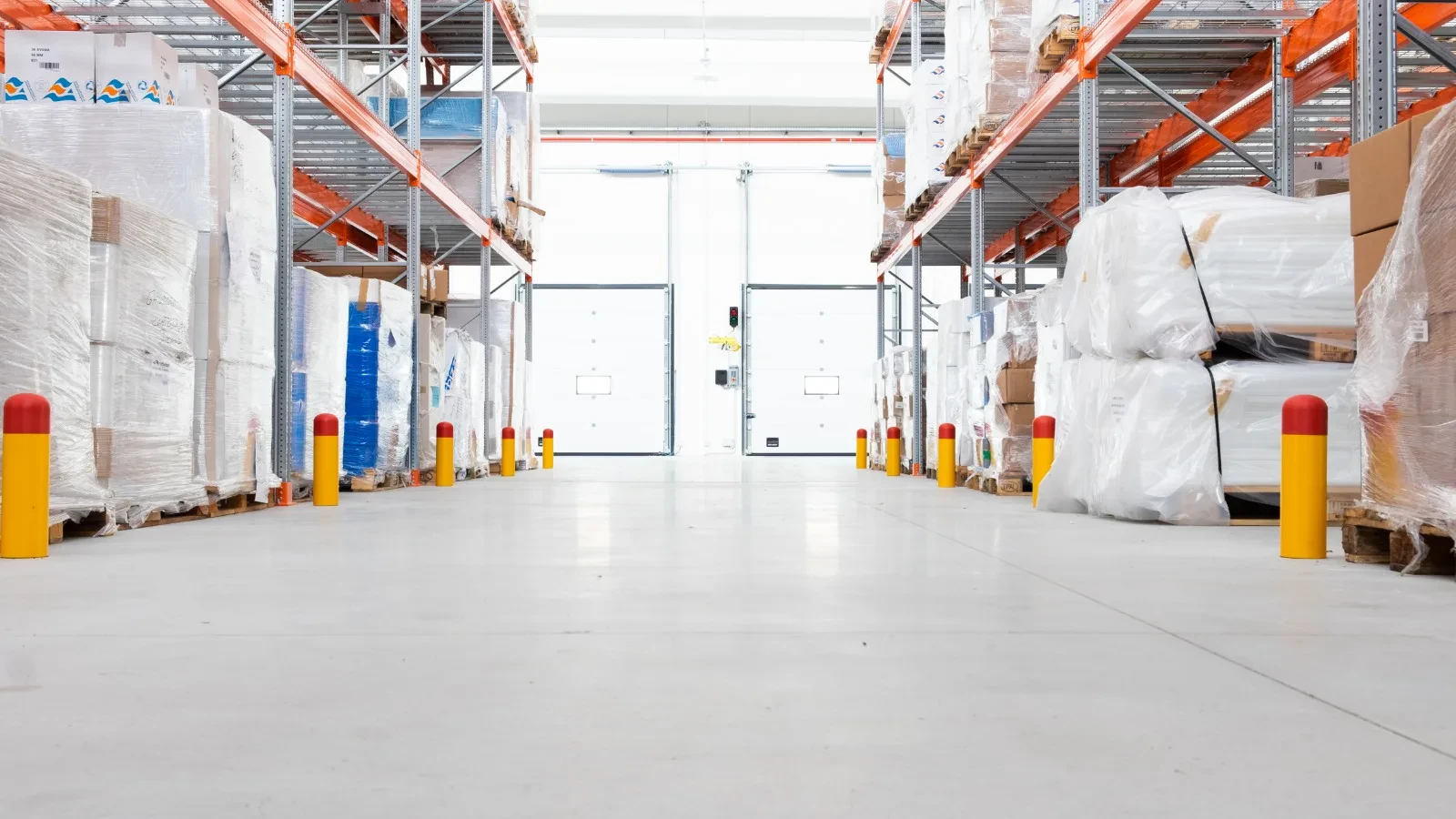
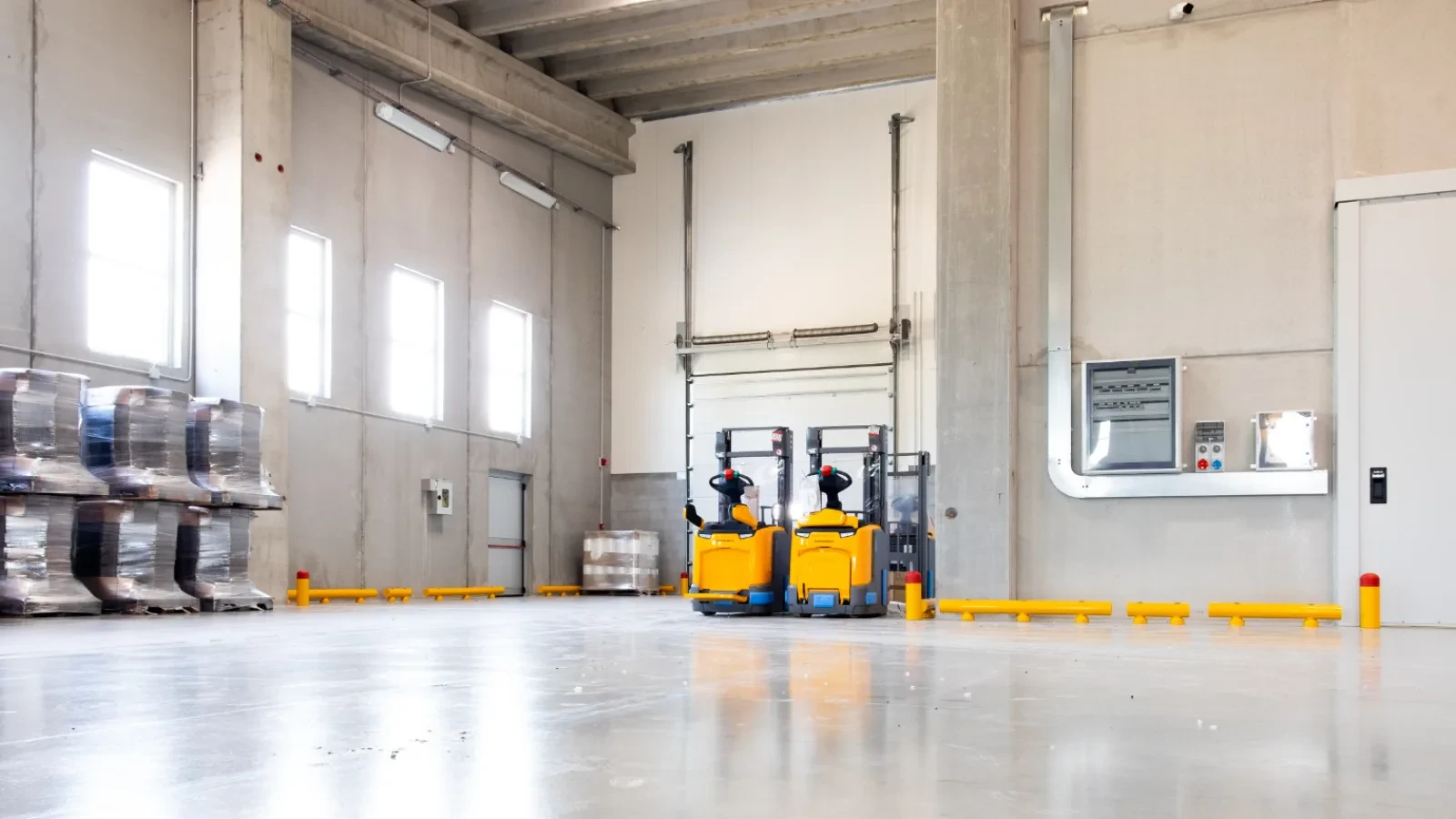
In warehouses, production and logistics, risk increases where pedestrian and vehicle routes overlap, visibility falls or vehicles manoeuvre near doors, rack ends and machinery. The right measure can guide people, separate traffic, protect infrastructure or provide timely warning.

Choose a safety area
The real route sets the safety direction

The real route sets the safety direction

A barrier, bollard, gate or active system only makes sense after the movement in the area is clear. Who walks there, which vehicles pass through, where they turn or reverse, what can be struck and how much working space remains.

The right direction depends on the real area: pedestrian separation, impact protection, loading-bay safety, active warning or infrastructure protection. For an independent view of the wider system, see the HSE workplace transport safety guidance.

What improves when exposed points are controlled

Once the route, visibility and impact points are clear, it becomes easier to choose the right protection level for the real area.

Clearer routes for people and vehicles

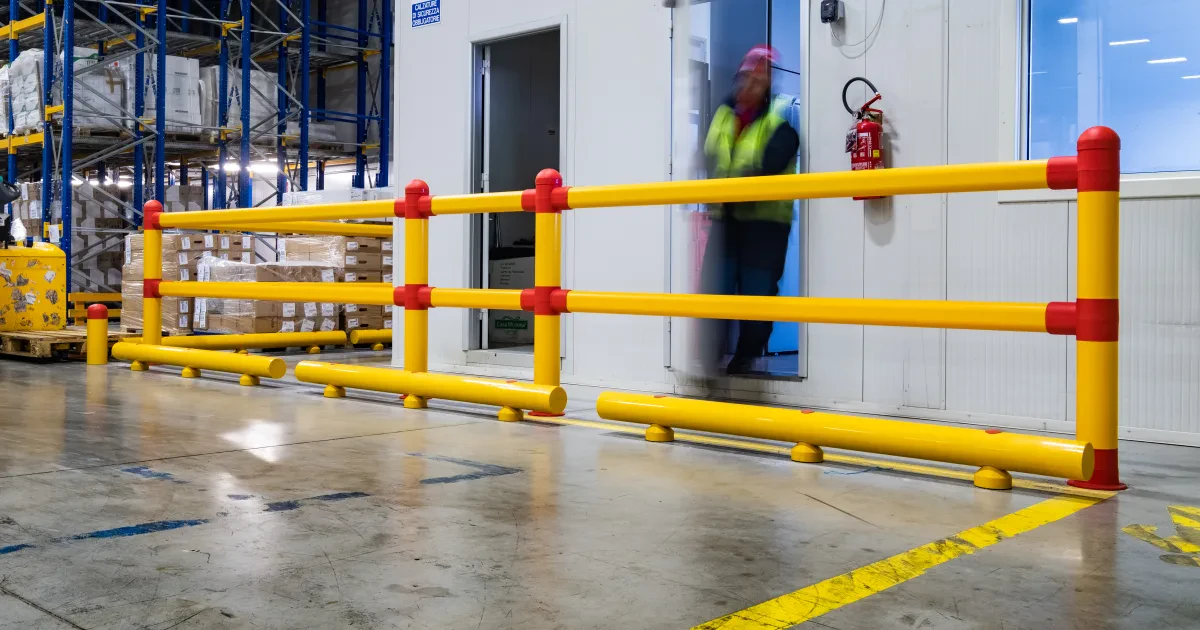
Separation, markings and crossing points reduce ambiguity where pedestrians and vehicles come close to one another.

Fewer recurring impacts to infrastructure

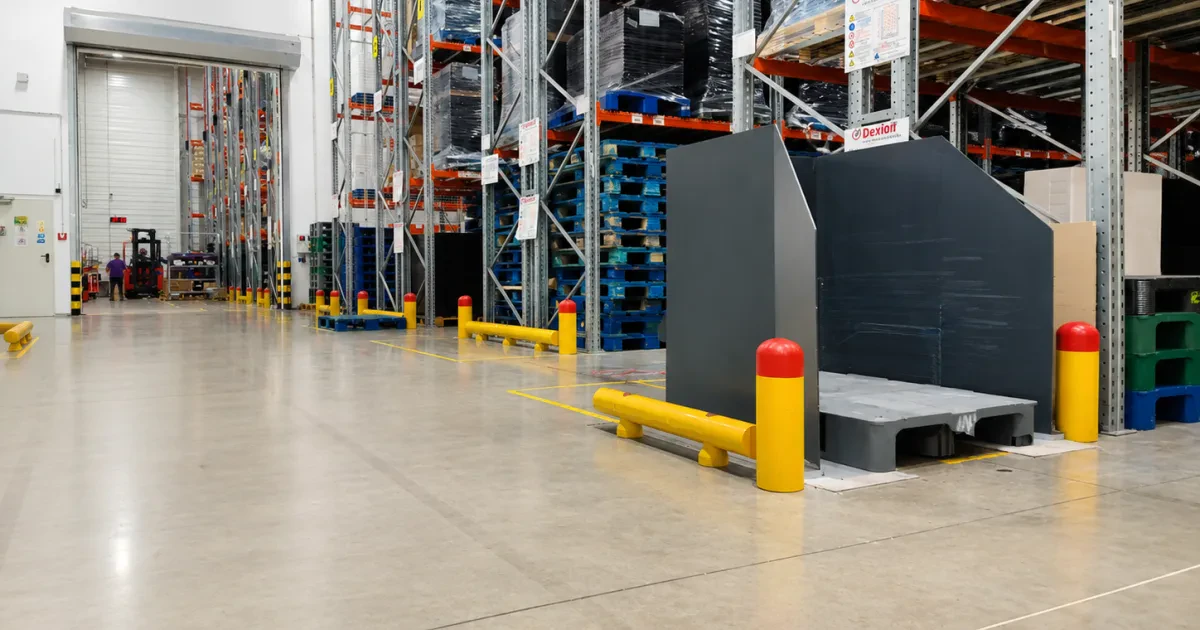
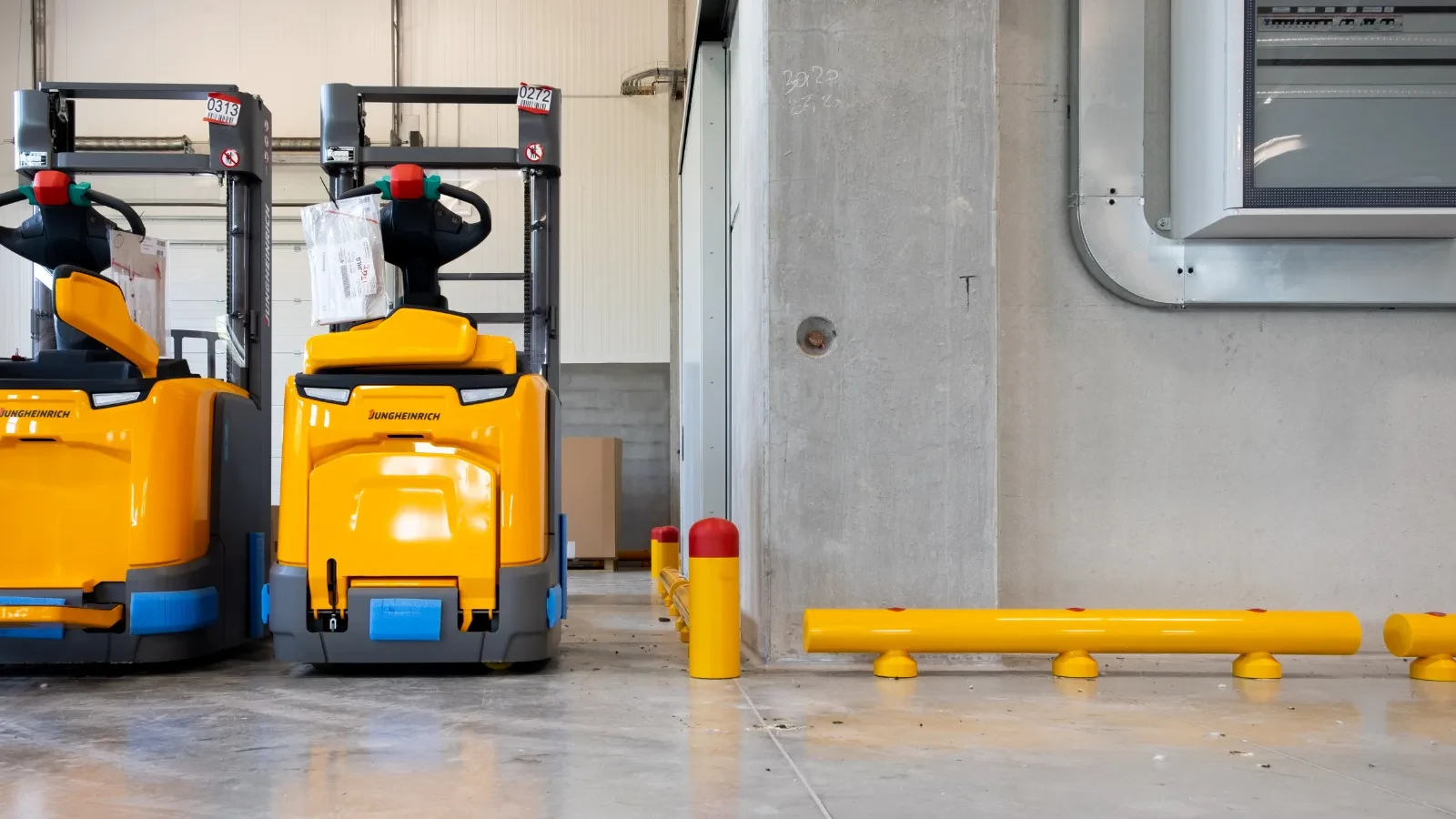
Racking, doors, columns, walls, gates and exposed machinery can be protected according to vehicle route and impact consequence.

Areas that are easier to assess and document in EHS reviews

A measure tied to route, vehicle, speed, visibility and the exposed point gives internal review a clearer basis.

More control at intersections and blind corners

Active warning, access control or speed reduction can complement physical separation where reaction time matters.

Fewer repair-driven interruptions

Controlling exposed points can reduce reactive repairs, repainting, replacement work and the interruptions they cause.

Clearer choice between measures

It becomes easier to compare markings, guardrails, gates, impact barriers, bollards, rack protection and active systems.

Choose the safety area to review

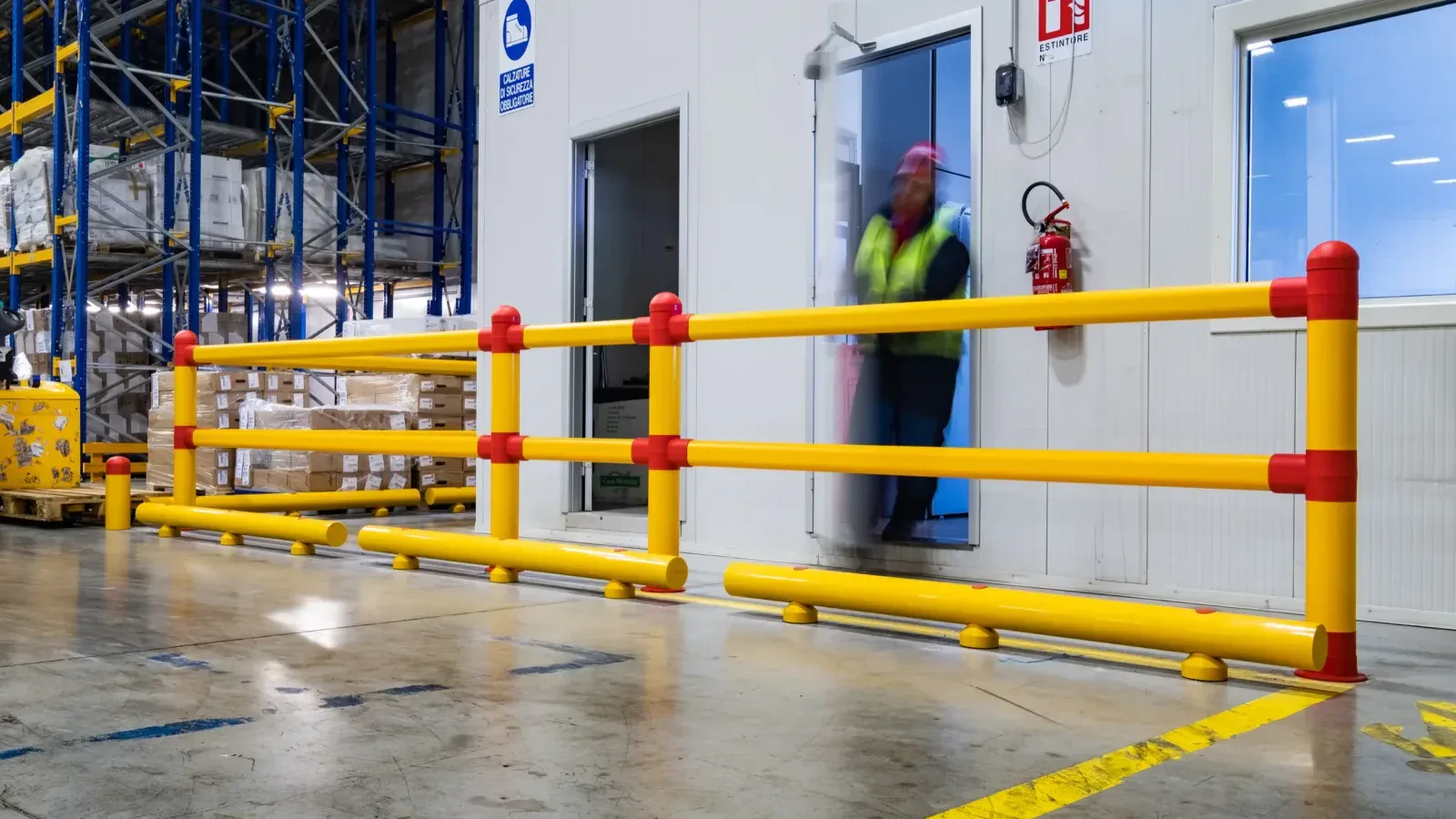
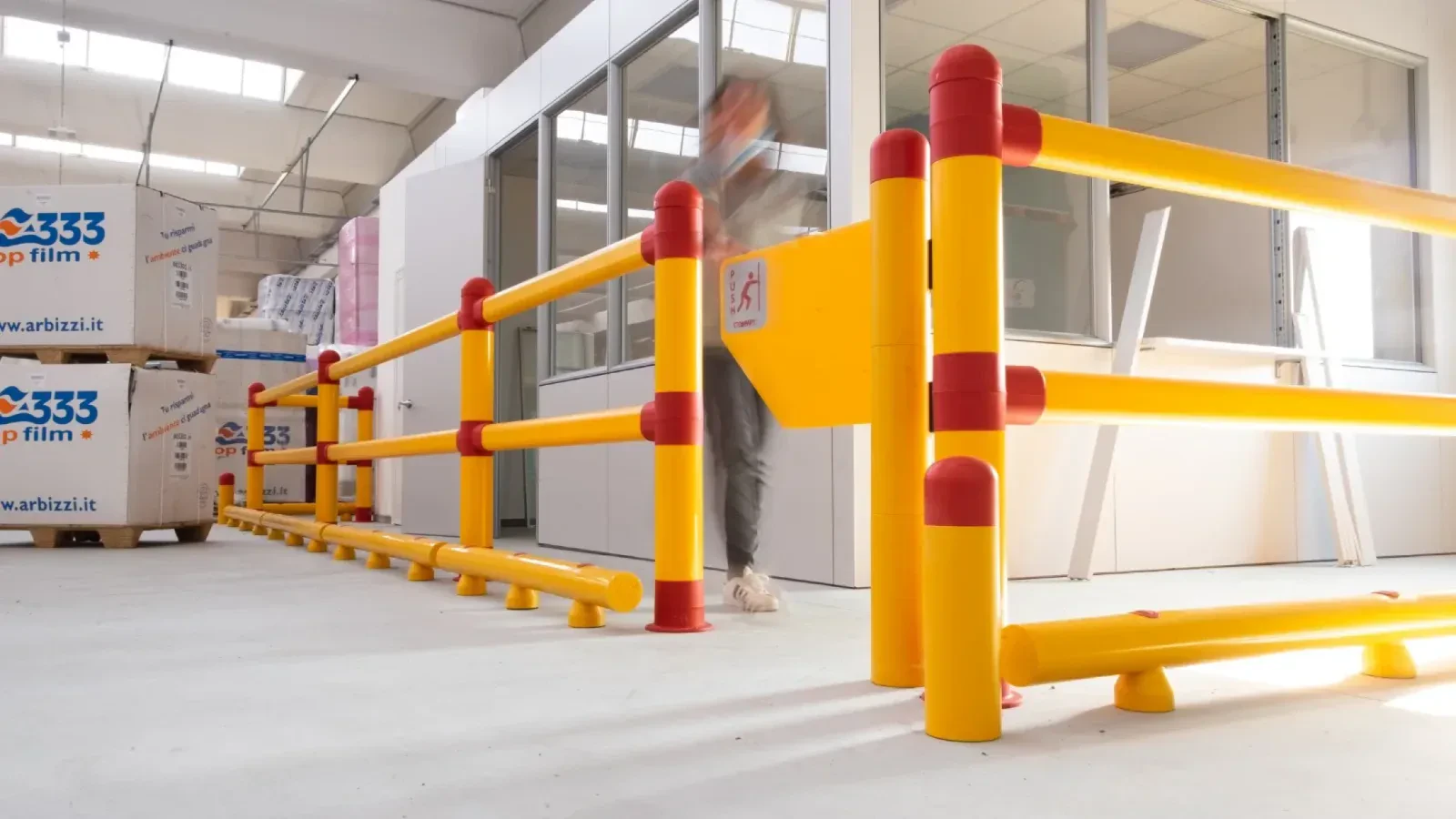
Pedestrian and vehicle separation
Shared routes, crossings and low-visibility corners.
View details
Rack and column protection
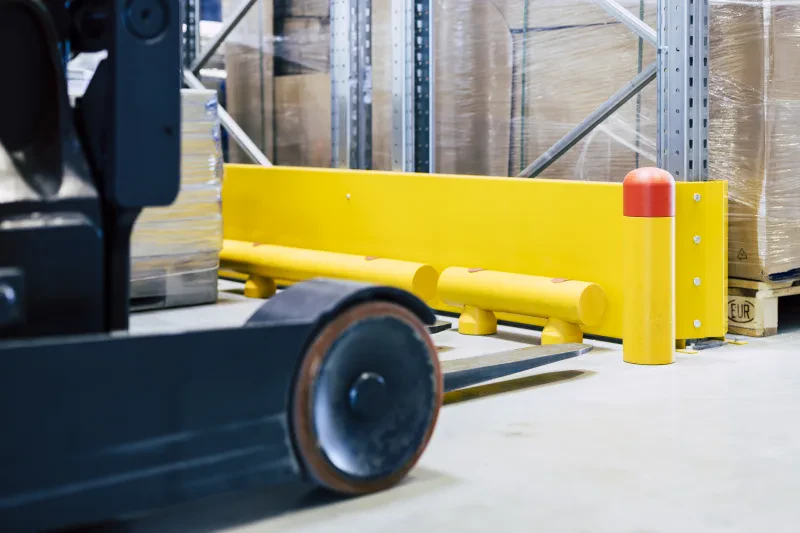
Rack ends and uprights exposed to impact.
View details
Loading bay protection
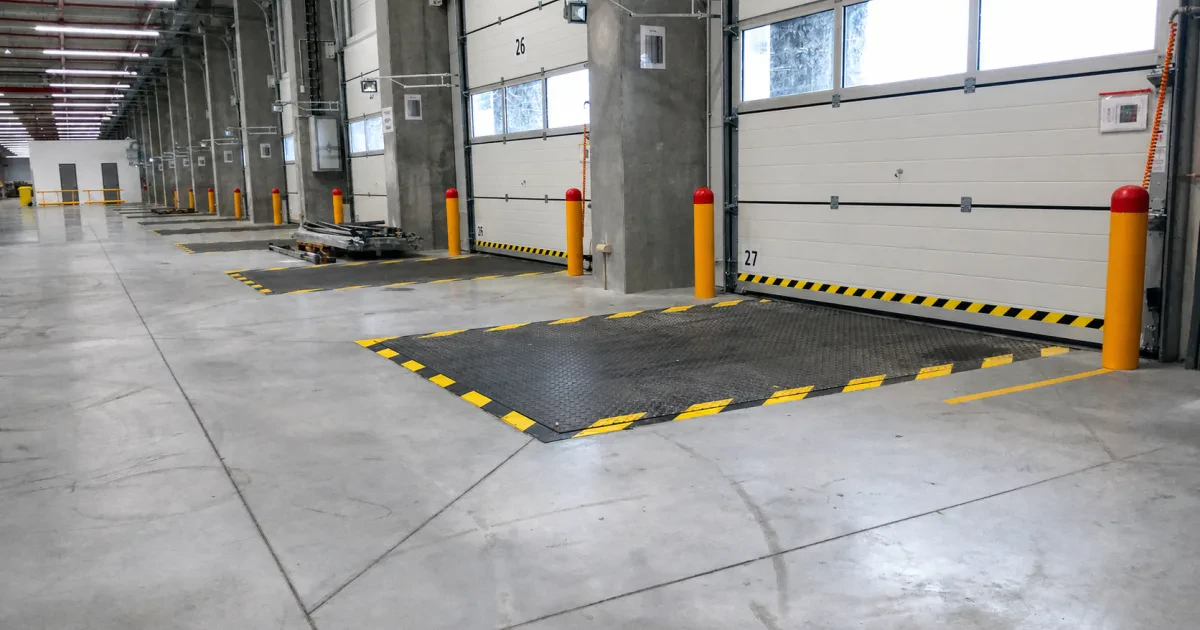
Loading bays, doors, trucks and mixed traffic.
View details
Impact protection systems
Exposed machines, conveyors, doors and technical zones.
View details

Useful resources for industrial workplace safety

Loading bays, industrial doors and cold rooms: where protection should be checked
Rack and column protection
Loading bays, industrial doors and cold rooms: where protection should be checked

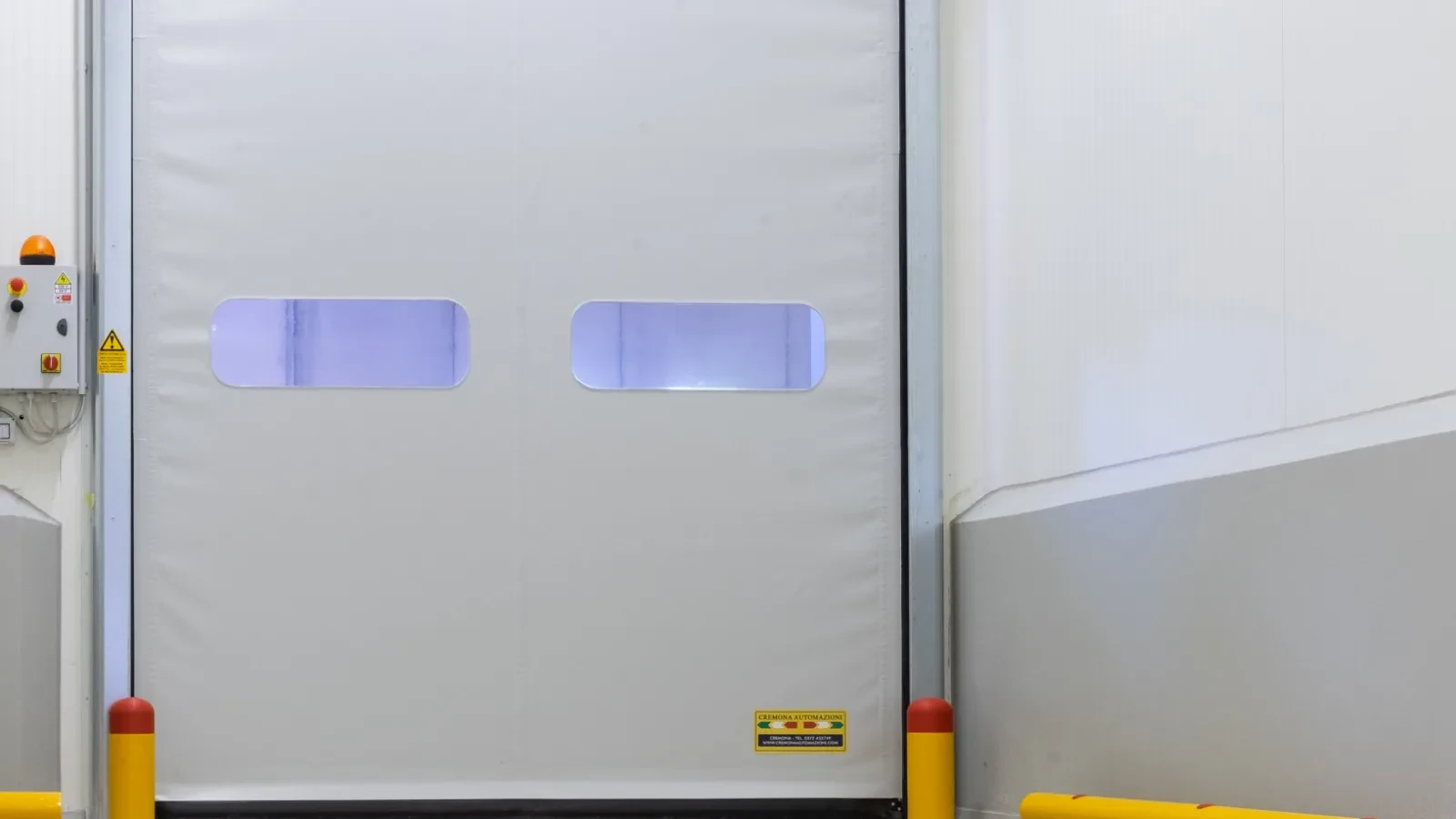
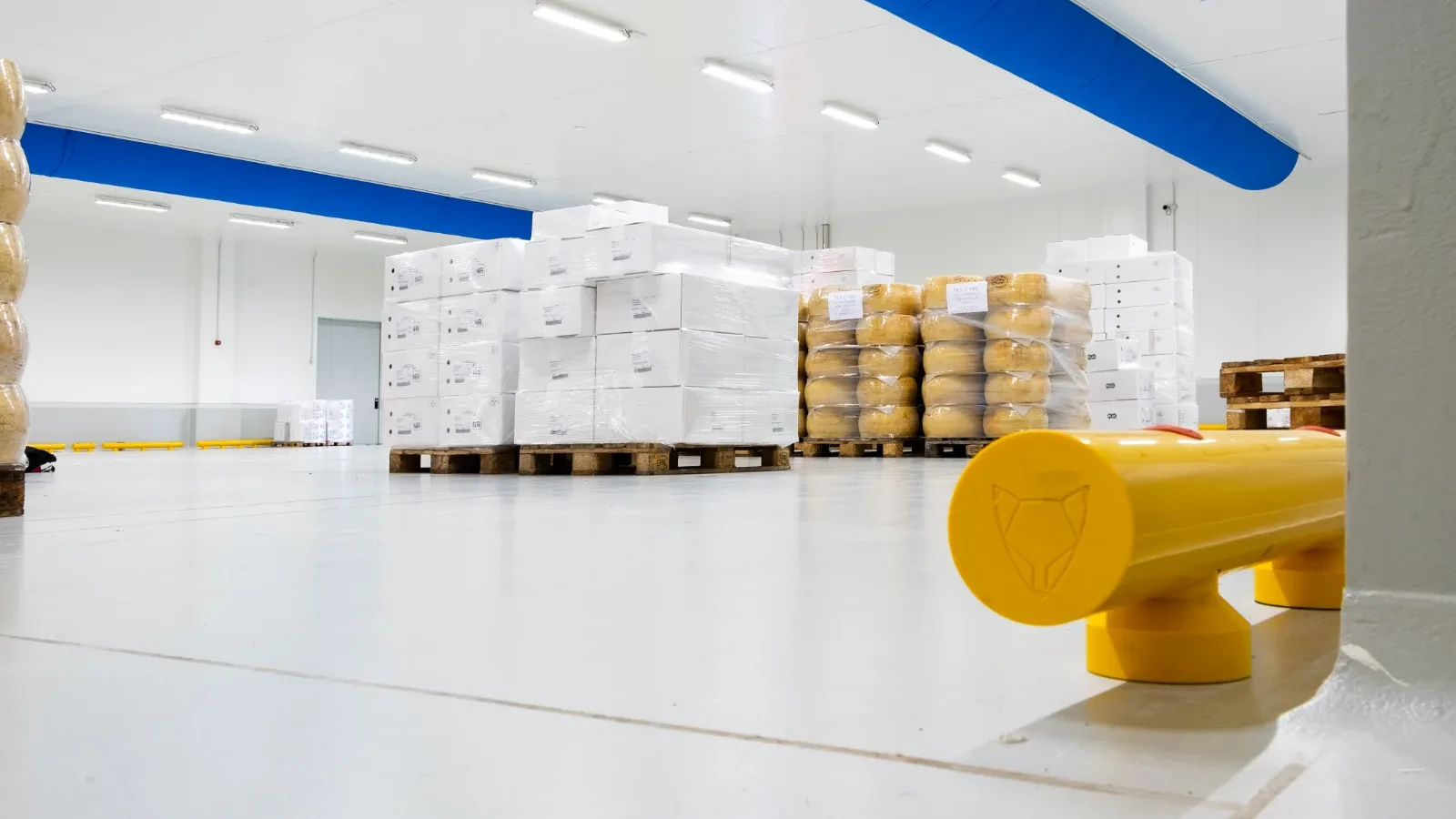
A practical guide to protecting areas where vehicles approach doors, racks and loading-bay edges.

Learn more
Where to intervene in the flow: cleaning, protection or controlled movement
Pedestrian and vehicle separation
Where to intervene in the flow: cleaning, protection or controlled movement

How to tell whether the intervention belongs at the entrance, near production, at a rack, at a loading bay or in the way a wheeled load is moved.

Learn more

Organizations shown in supplier application material

  • Continental
  • Bosch
  • Draexlmaier
  • MAHLE
  • Coca-Cola

Do you have an area where people, vehicles or infrastructure get too close?

+40 368 883 026

Request an area review

Send photos or a layout, vehicle types, pedestrian routes, exposed assets and the visible signals: impacts, repairs, unsafe crossings, blind corners or EHS observations.

Request an area review

Send photos or a layout, vehicle types, pedestrian routes, exposed assets and the visible signals: impacts, repairs, unsafe crossings, blind corners or EHS observations.

Frequently asked questions

Barriers may be the right answer, but the better decision starts with the traffic situation. Where do people walk, where do vehicles move, where does reversing happen, where is visibility weak, and what could be hit?

Depending on the area, the right direction may be a pedestrian guardrail, an impact barrier, a bollard, a gate, a controlled crossing point, active warning or a route change.

Floor markings work well when the main job is guidance: showing a route, a crossing point, the edge of a work area or a movement direction.

  • the area is visible and easy to understand;
  • pedestrians and vehicles are not forced into the same narrow route;
  • there are no frequent impacts at the same point;
  • the marked rule is followed during the shift.

If a vehicle can strike a person, rack, door, column, machine or loading bay, markings become a visual signal only. Physical separation, impact protection or active warning should then be considered.

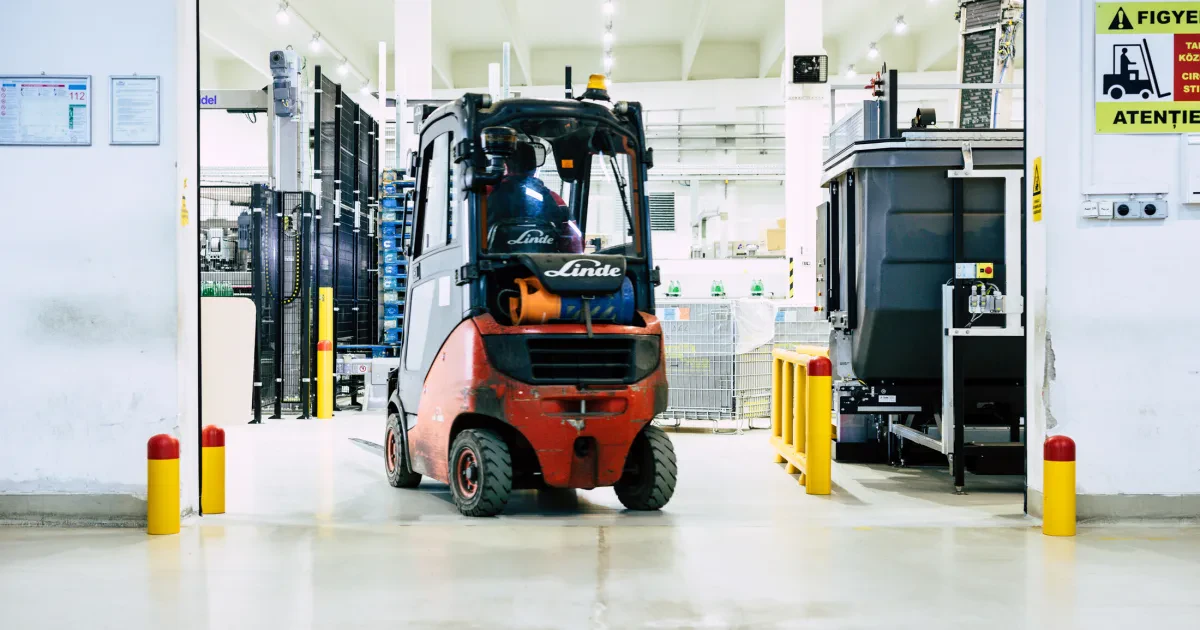
Physical separation becomes relevant when people and vehicles share the same route, intersections, aisle exits, doors, loading bays or work areas. It matters even more when vehicles carry loads, reverse often, have limited visibility or pass close to racking, machines, doors and places where people stop to work.

Check whether the route can be separated, whether a gate or controlled crossing is needed, whether speed should be reduced and whether enough working space remains. Markings can support discipline; physical protection may be the main control when contact is too close.

A pedestrian guardrail guides people and keeps them away from vehicle flow. An impact barrier is used where the energy of a vehicle strike must be absorbed, deflected or managed.

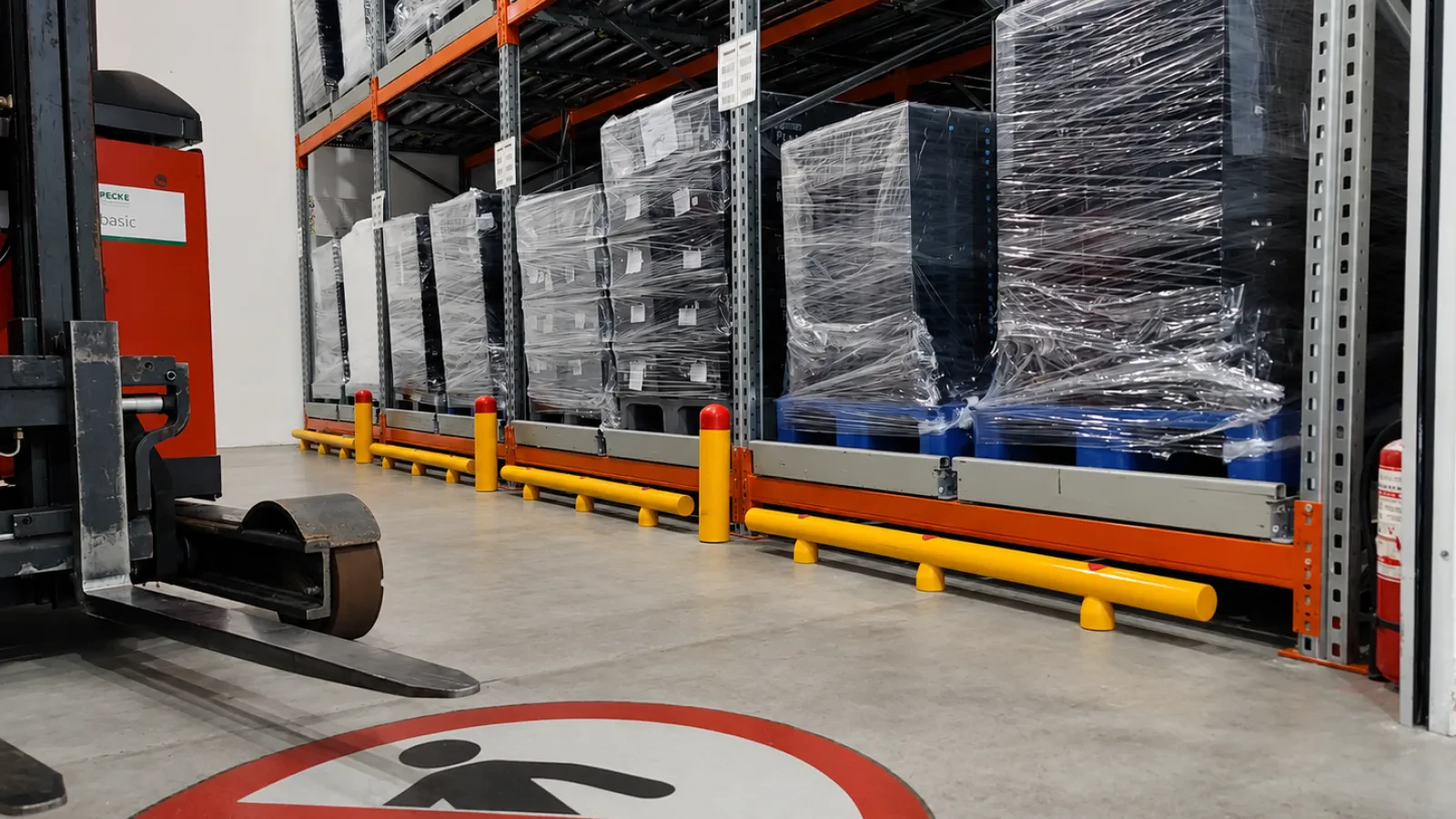
  • pedestrian guardrail: guidance and separation for people;
  • impact barrier: protection on vehicle routes and exposed zones;
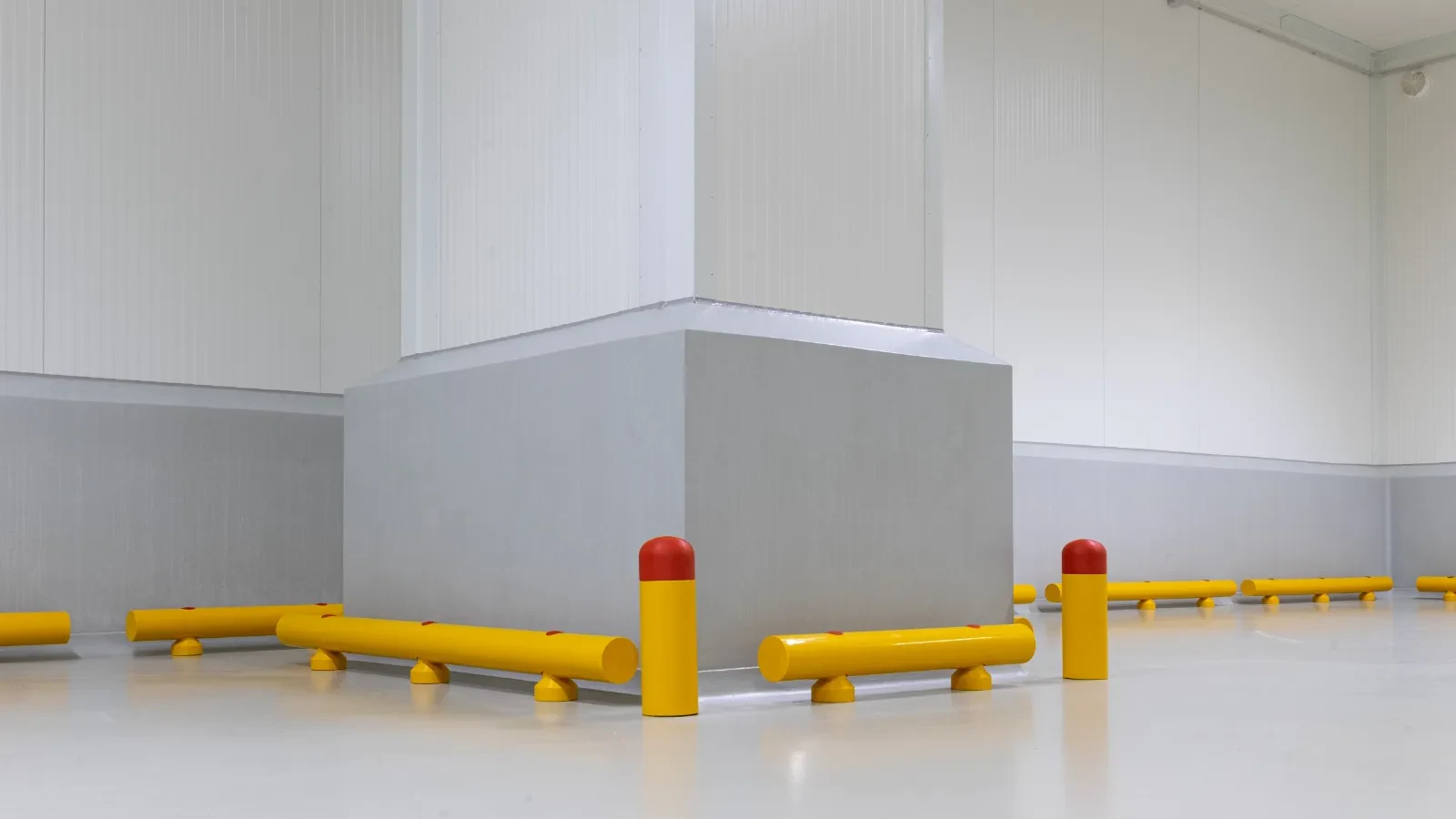
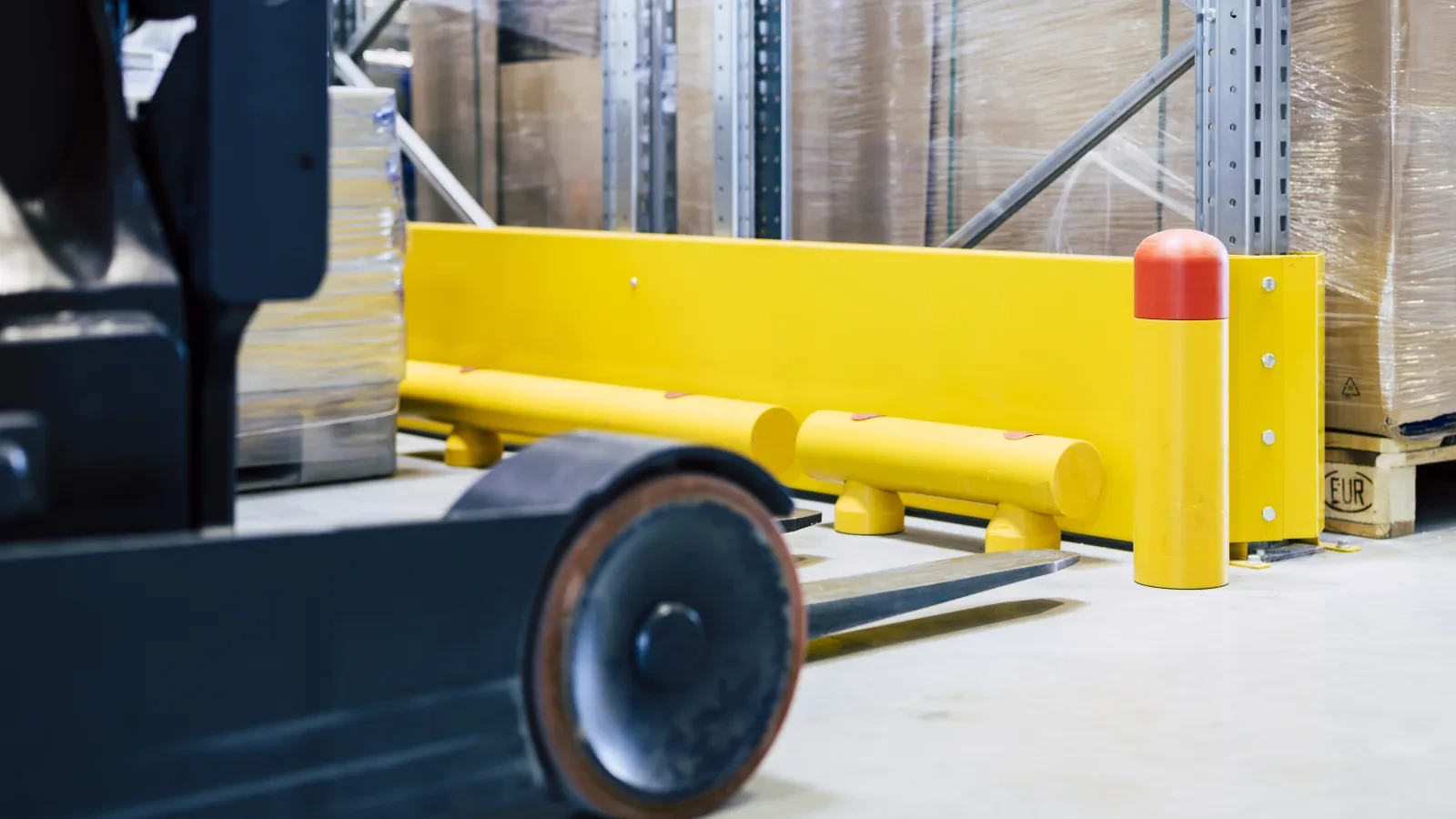
  • bollard, rack or corner protection: targeted protection for a vulnerable point;
  • active warning: when visibility, reaction time or access is the critical factor.

The choice depends on vehicle type, speed, mass, turning path and the asset or person being protected.

Active risk control means detection, warning, signalling, speed reduction, access control or monitoring at a point where behaviour needs to change. It can be useful at blind corners, intersections, warehouse exits, noisy areas, AGV/AMR routes or gates where people and vehicles notice each other too late.

Outdoor manoeuvring areas, loading bays, gates, industrial parking areas and routes for trucks or vans can have the same signals as indoor areas: people near vehicles, poor visibility, exposed infrastructure and frequent impacts.

Outdoors, the decision also has to account for rain, ice, drainage, lighting, level changes, large turning circles and anchoring conditions. What works as a floor marking indoors may need physical protection, extra visibility or access control outside.

PAS 13 gives practical guidance for safety barriers used in workplace traffic management and includes a test-method approach for impact resilience. UNI/TS 11886-1:2022 and UNI/TR 11886-2:2022 can also support discussions around selection, classification and installation. Treat them as technical references for better questions; final suitability still depends on the product, installation and real application.

The route and exposed points should be clear before protection is selected.

  • pedestrian and vehicle routes;
  • vehicle types, approximate speed and transported load;
  • blind spots, gates, loading bays and intersections;
  • what needs protection: rack, door, column, wall or machine;
  • history of impacts, repairs or EHS observations;
  • floor or outdoor surface, anchoring, cleaning, maintenance and emergency access.
Sending…