Transition between areas
Where traffic moves from warehouse to production or from an exposed area into a clean area, wheels and footwear should be read as part of the route.

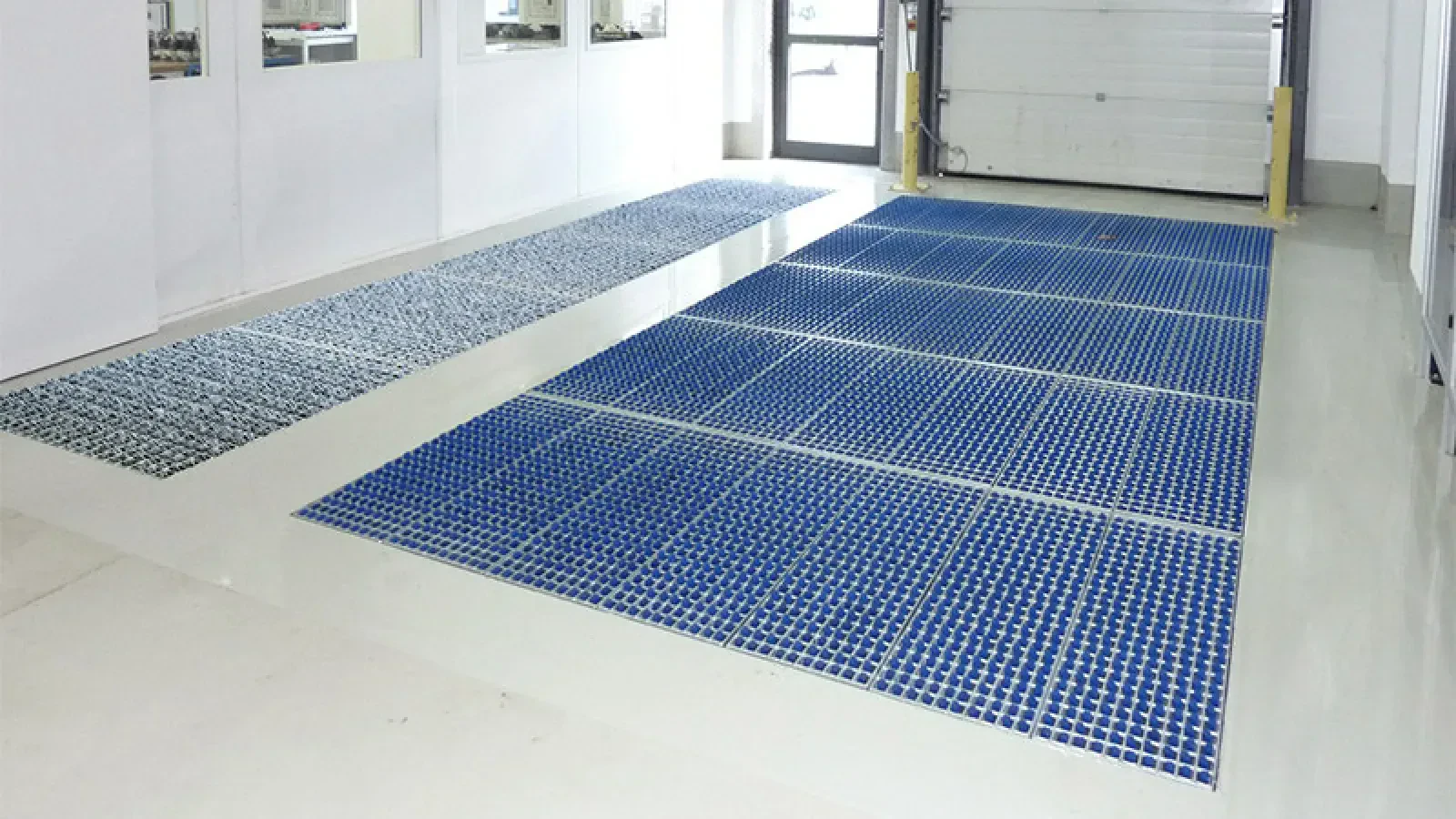
In many facilities, dirt, impacts or manual effort become visible in one place but start earlier on the route. The right action follows what moves through the area and where control is lost.
A good system in the wrong place is still hard to use. A cleaning surface is weak if traffic can bypass it. A barrier does not help if it simply moves the impact elsewhere. An electric tug will not help if the load does not fit the route.
Start by following the real flow: where dirt enters, where people get close to vehicles, where impact marks appear and where operators work too hard. Those observations make the direction clearer: cleaning, protection, separation or controlled movement.
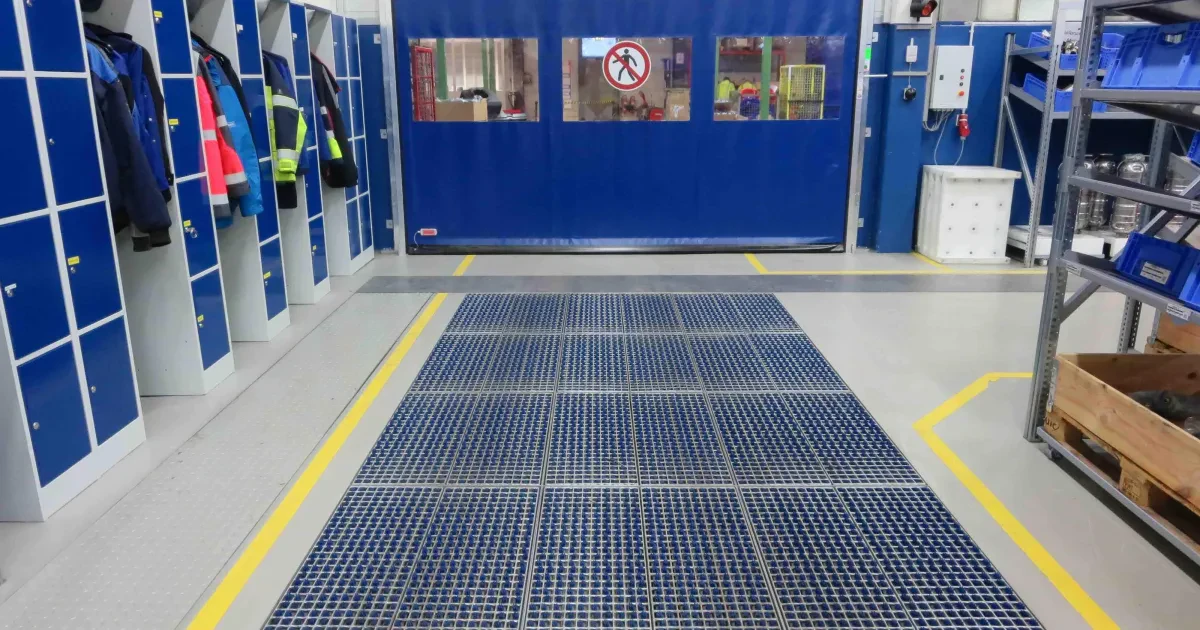
For contamination, the best place is often just before traffic enters the sensitive area. Wheels, footwear and carts can touch the cleaning surface without an artificial detour.
If cleaning happens too late, dirt has already reached production or the clean area. If it is too far from the entrance, traffic may bring in new dirt after crossing the system.
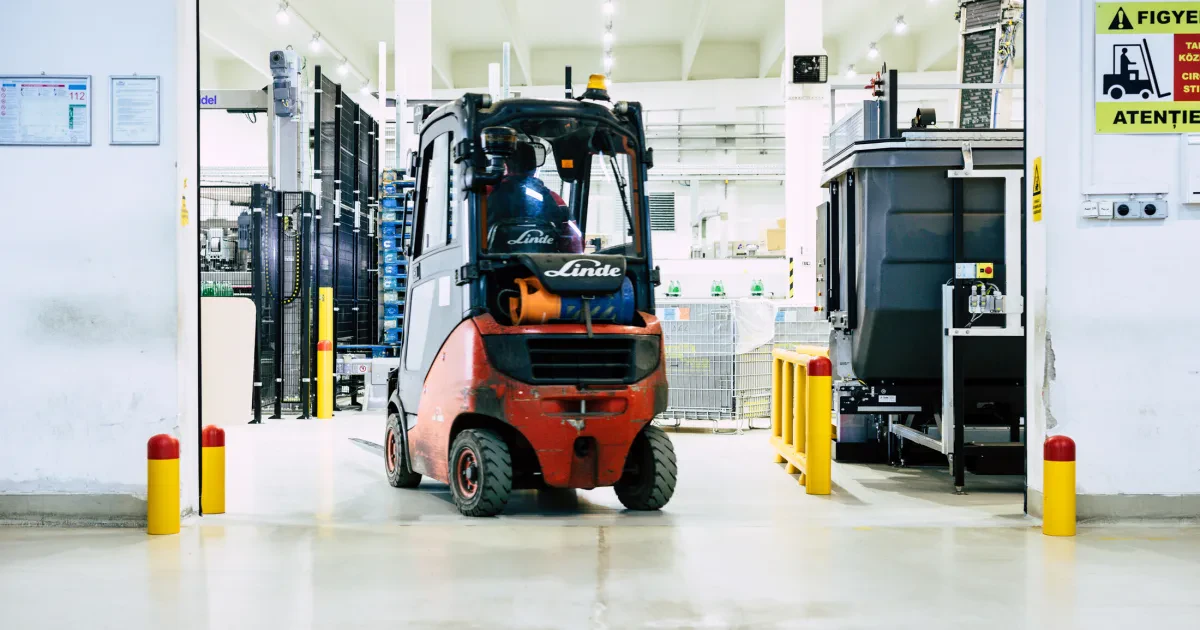
For impact and pedestrian separation, the visible place has to be read together with vehicle movement. A rack-end impact may come from a tight turn, a door with poor visibility or a route where pedestrians pass too close to equipment.
For wheeled loads, the intervention may be the movement method: how the load starts, how it stops and how it is positioned at destination.
A simple route sketch quickly shows whether the direction is cleaning, protection or a change in movement method.
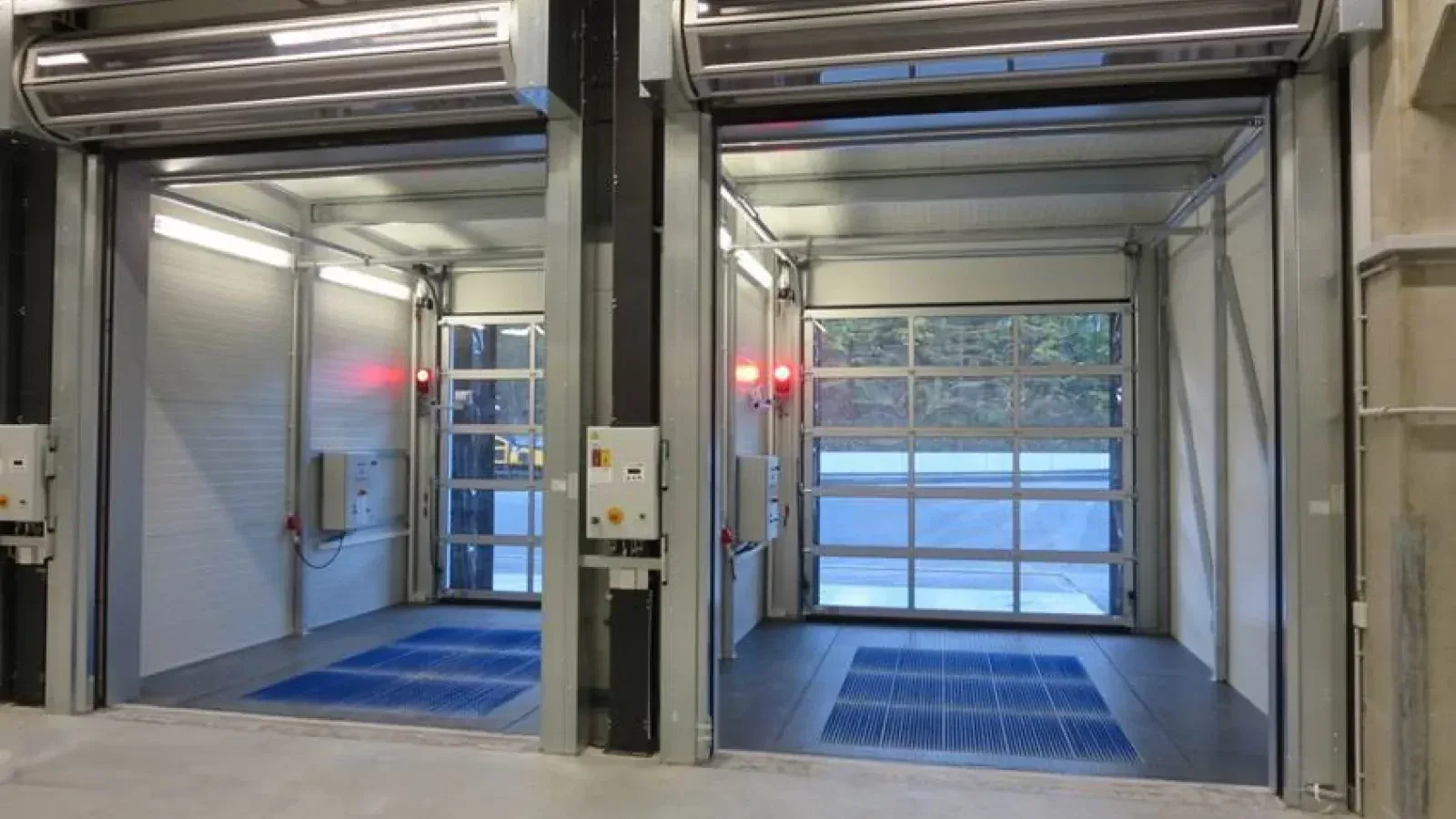
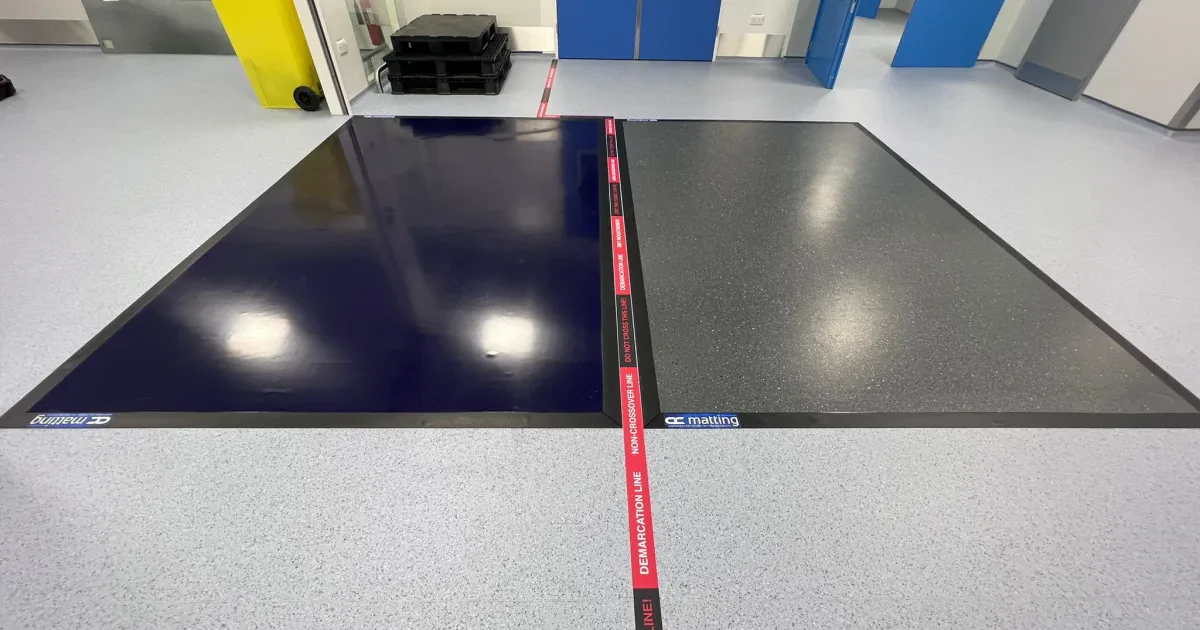
Here, what matters is what arrives on wheels, footwear and mobile equipment. ProfilGate, CleanGate, CC Matting or a sole-hygiene station can reduce dirt before it travels further into the flow.
The position should lead traffic across the cleaning area without blockage and without a convenient bypass.
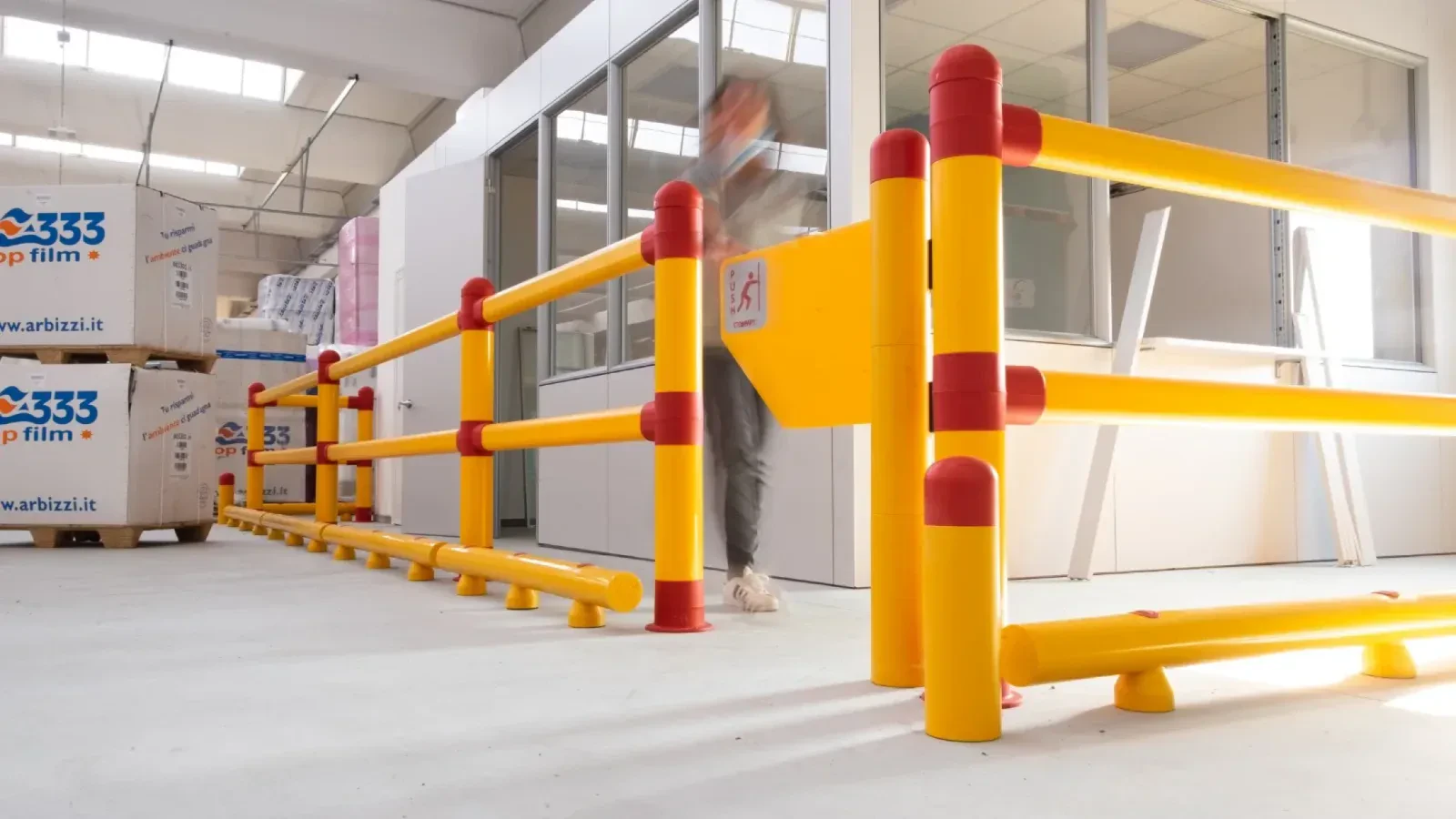
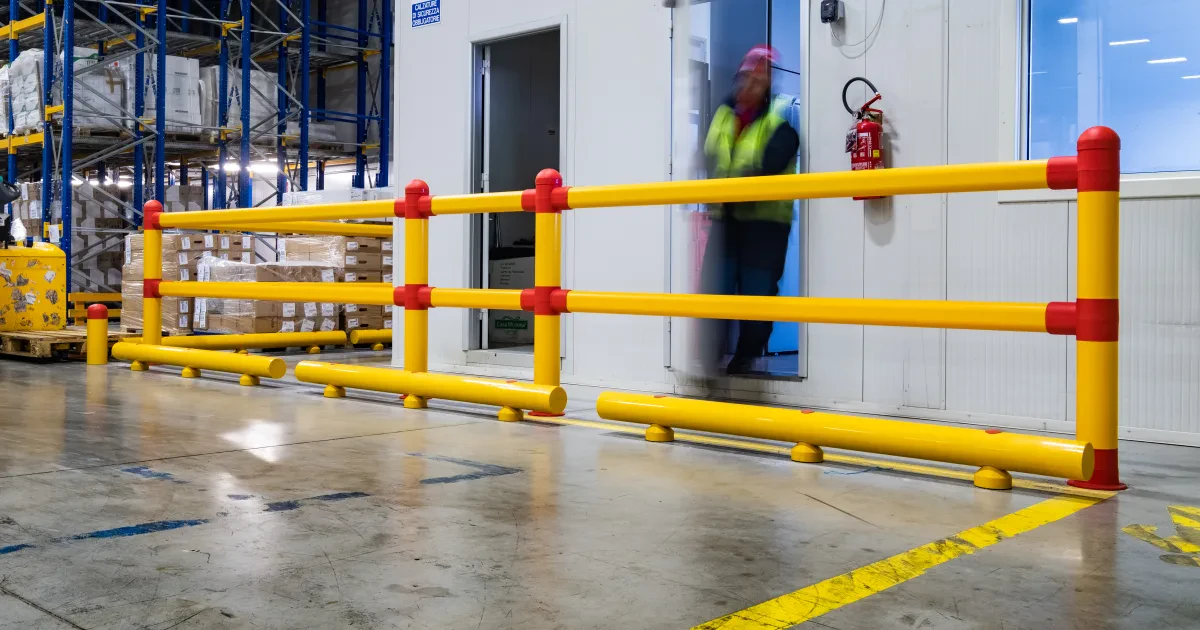
When pedestrians and vehicles share the same space, floor marking may not be enough. The route has to become clearer or physically protected.
STOMMPY barriers, pedestrian separation or active warning are chosen by how vehicles turn and by what needs protection.
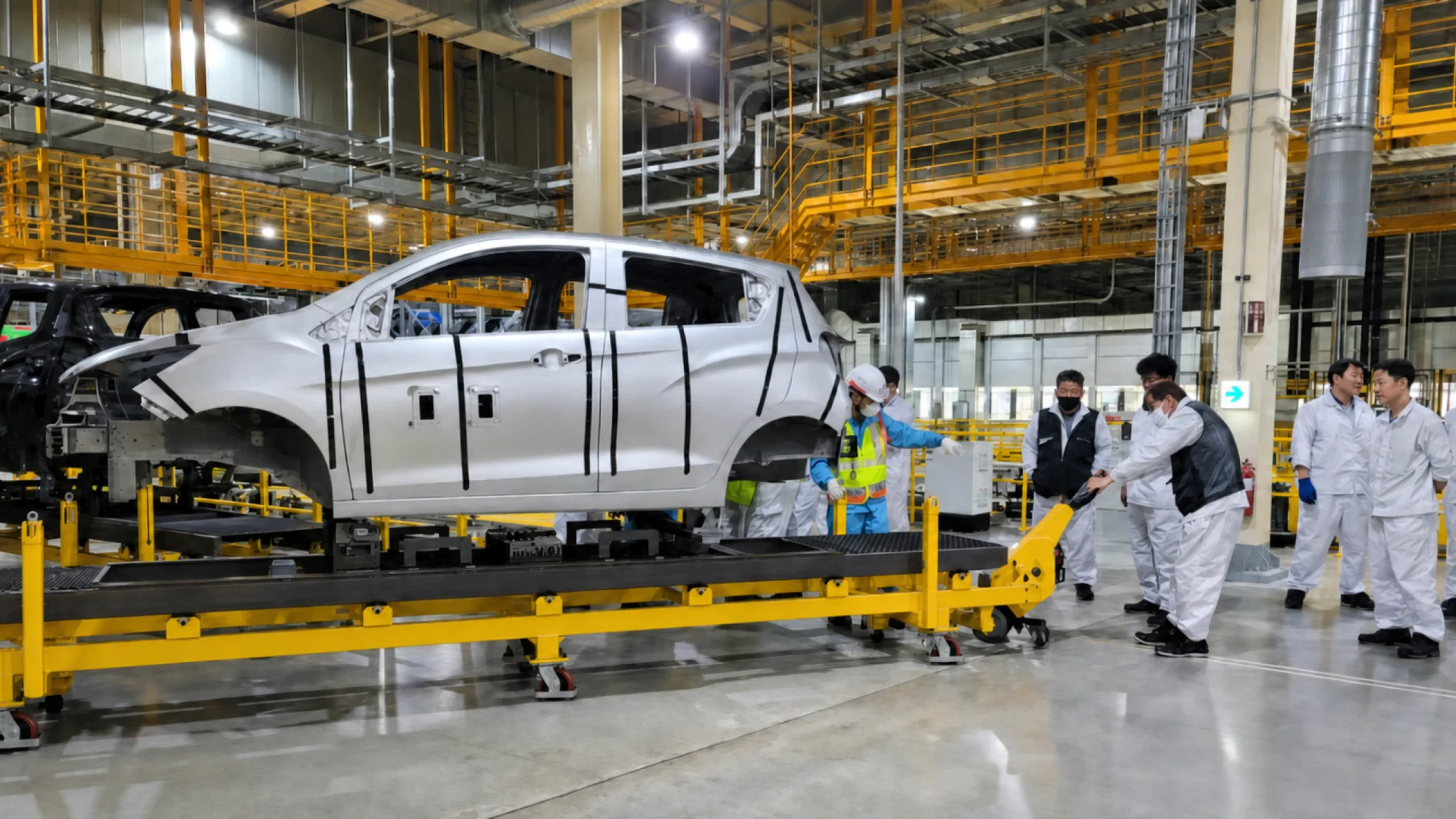
Sometimes the difficult area does not need a barrier. It needs a better way to start and stop a heavy load. That is where manual effort, forklift dependency or hard-to-control movement appears.
MasterMover becomes relevant when the load has wheels, the route is repeated and ground-level control matters more than lifting.
A good position fits how people and equipment already move. It does not ask for large detours or block necessary access.
It can also be maintained without drama: cleaning, checking and small adjustments when the flow changes.
A place chosen only from the photo of the effect may intervene too late. Dirt has already reached the sensitive area, the vehicle started turning earlier, or the operator works hard because the load does not suit the route.
In use, the signs appear quickly: people avoid the area, equipment hits the edges, cleaning is postponed or operators return to the old method.
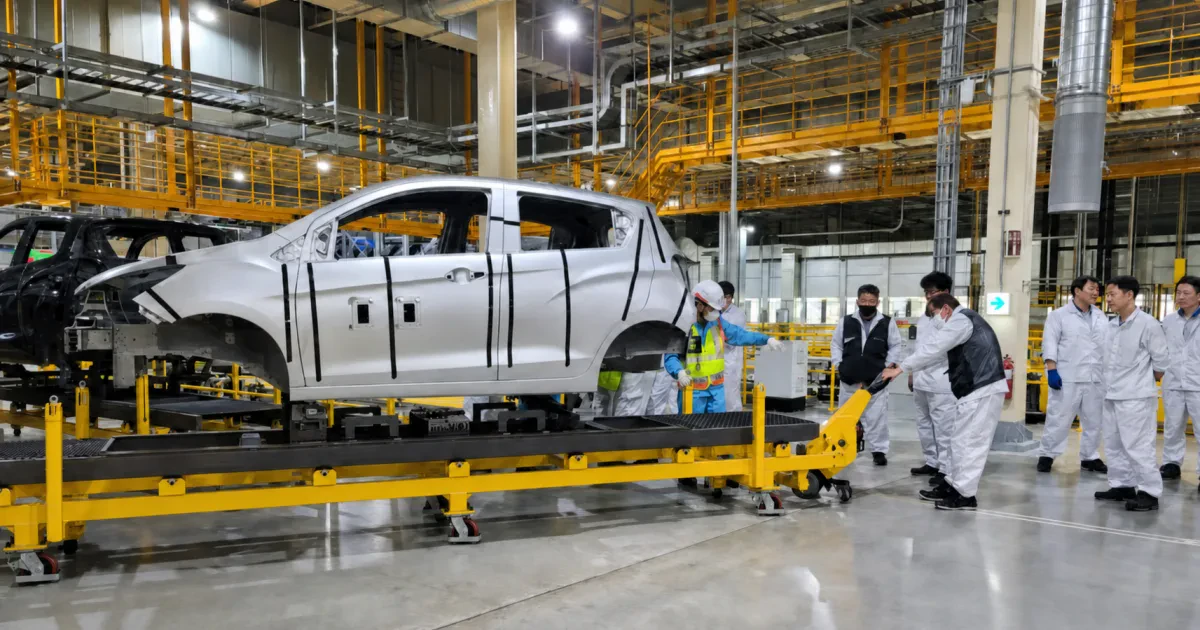
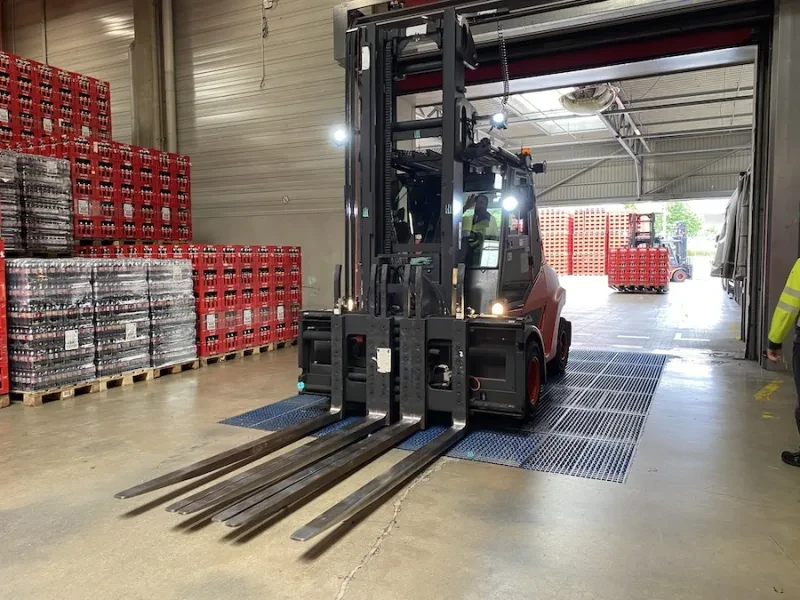
How to choose between ProfilGate active cleaning, CC Matting polymer matting and mixed points where traffic, contact and cleaning routine decide the direction.
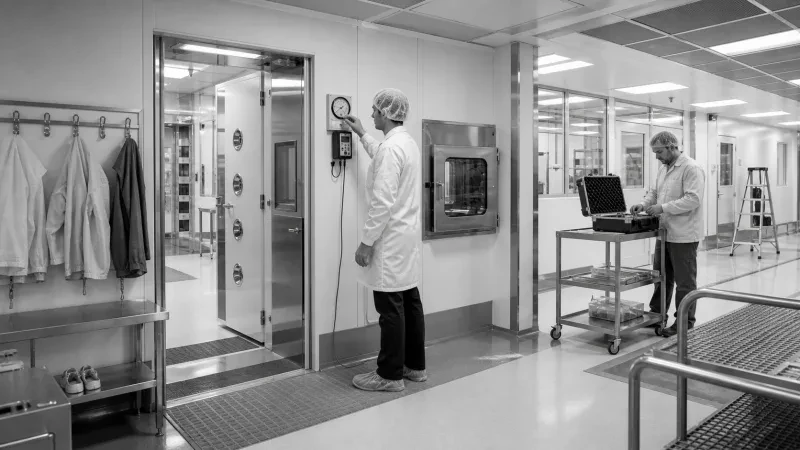
Standards become useful when connected with visible situations: dirt carried on wheels and footwear, hit zones, exposed pedestrian routes or audit documentation.
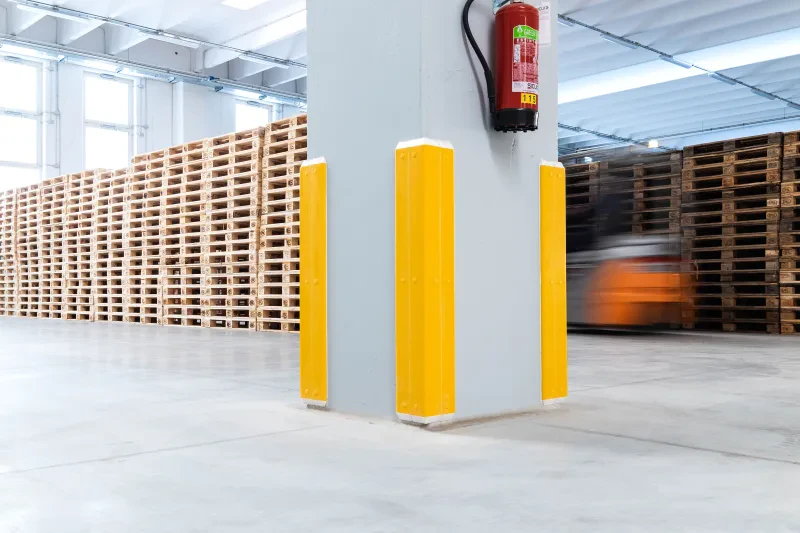
A practical guide for areas where forklifts, pallet trucks, racks, doors, machines and pedestrians share the same flow.
Do you have a route where cleaning, protection or controlled movement is not clear?

The fastest signal is the behaviour of people and equipment. If the area is bypassed, hit, ignored or rarely cleaned, the position is working against the flow.
Look for concrete signs:
The visible place shows the consequence, not always the cause. Particles may arrive from the entrance, an impact may begin with a poor turn, and manual effort may come from a load that does not fit the route.
A good review follows the route backwards: where the traffic comes from, where it turns, where it stops, where it can be guided and where the measure can be maintained.
Usually close to the transition into the more sensitive area, but close enough to the source to reduce particles before they reach the visible area.
These details clarify the route:
Impact protection protects infrastructure or exposed zones where vehicles may hit. Pedestrian separation protects the walking route where people and vehicles come too close.
Many areas need both. The review should show how the vehicle turns, what the operator can see, where people walk and what would stop if the area were hit.
An isolated photo helps, but it is not always enough. A route view is more useful: where traffic comes from, where the zone changes and what result you want.
For a first review, these are usually enough: