Dirt entering the route
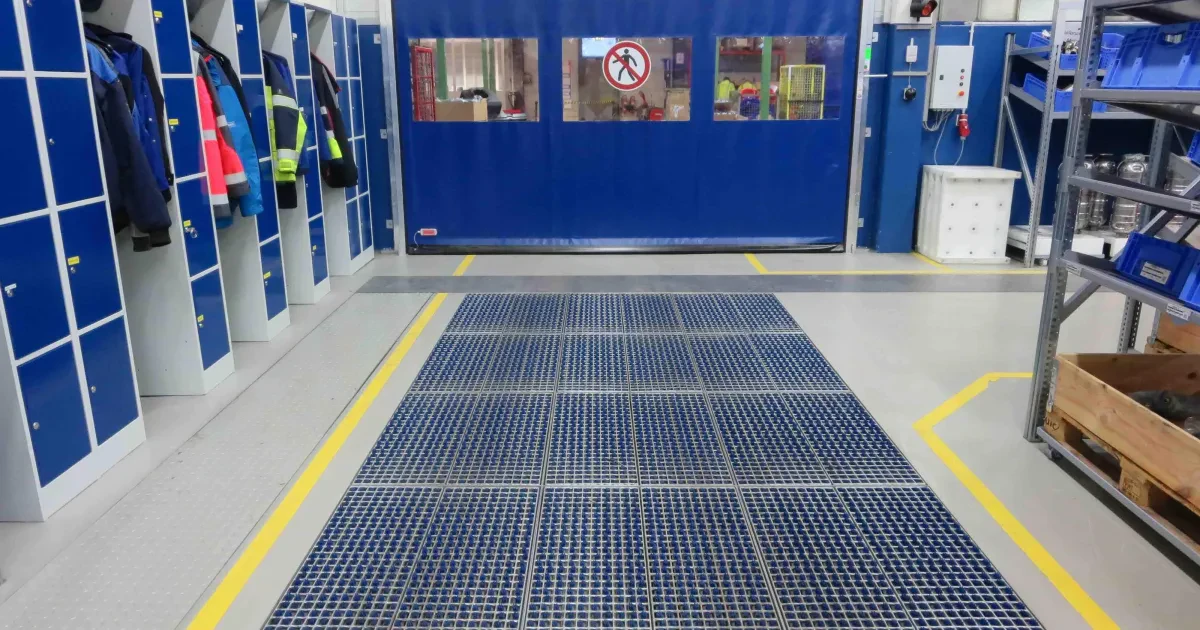
Wheels, footwear and carts can carry particles further than expected. The key is where real contact with the cleaning area can happen.

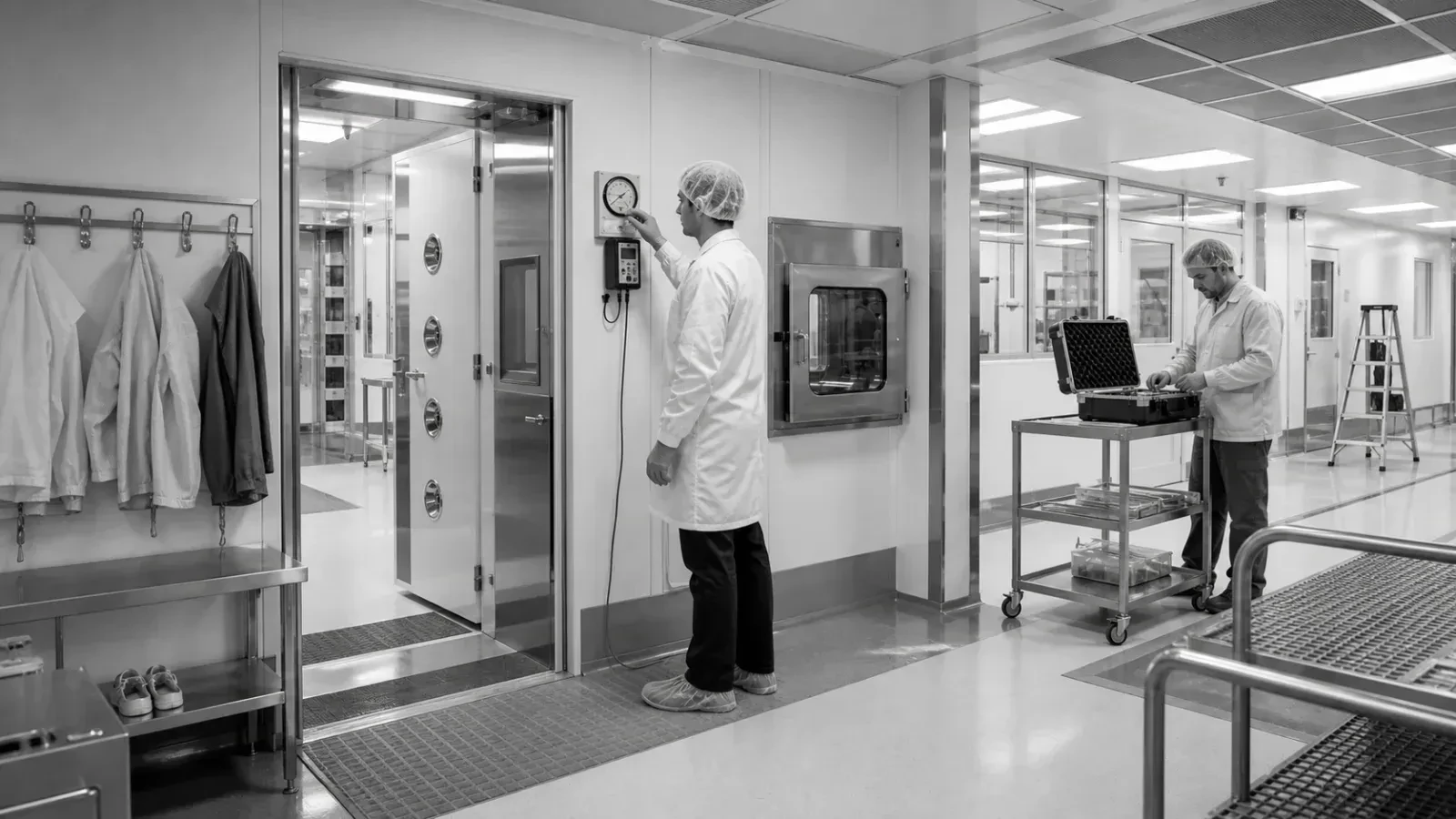
An audit should not lead directly to a product list. The useful question is simpler: what do you need to show in the real area? Where dirt enters, what arrives on wheels and footwear, which zones are hit, who cleans and what can be checked internally.
ISO 16232 and VDA 19.2 can guide the discussion toward particles and recontamination. BRCGS and IFS bring route hygiene and mobile equipment into focus in food production. ISO 14644 and EU GMP Annex 1 require a more careful discussion around clean areas, procedure and internal verification.
None of these references tells you which product to choose by itself. They show what should be checked on the route: entrance, traffic, cleaning routine, hit zones and available documentation.
That makes the discussion easier with quality, EHS, maintenance or production, without turning the audit into a long list of acronyms.
For technical cleanliness, ISO 16232 and VDA 19.2 help ask questions about particles and areas where parts or equipment may be recontaminated.
For food areas, BRCGS and IFS make the connection between hygiene, mobile equipment and cleaning routine more visible. For cleanrooms and pharma, ISO 14644 and EU GMP Annex 1 require attention to procedure, monitoring and internal acceptance.
On site, two good photos can be more useful than a general description. You need to see the entrance, the traffic direction and the place where dirt, impact or effort becomes visible.
A simple sketch then helps decide whether the intervention is cleaning, physical protection, pedestrian-vehicle separation or a change in how a wheeled load is moved.
When the requirement is connected to a concrete scene, the choice becomes easier to explain internally.
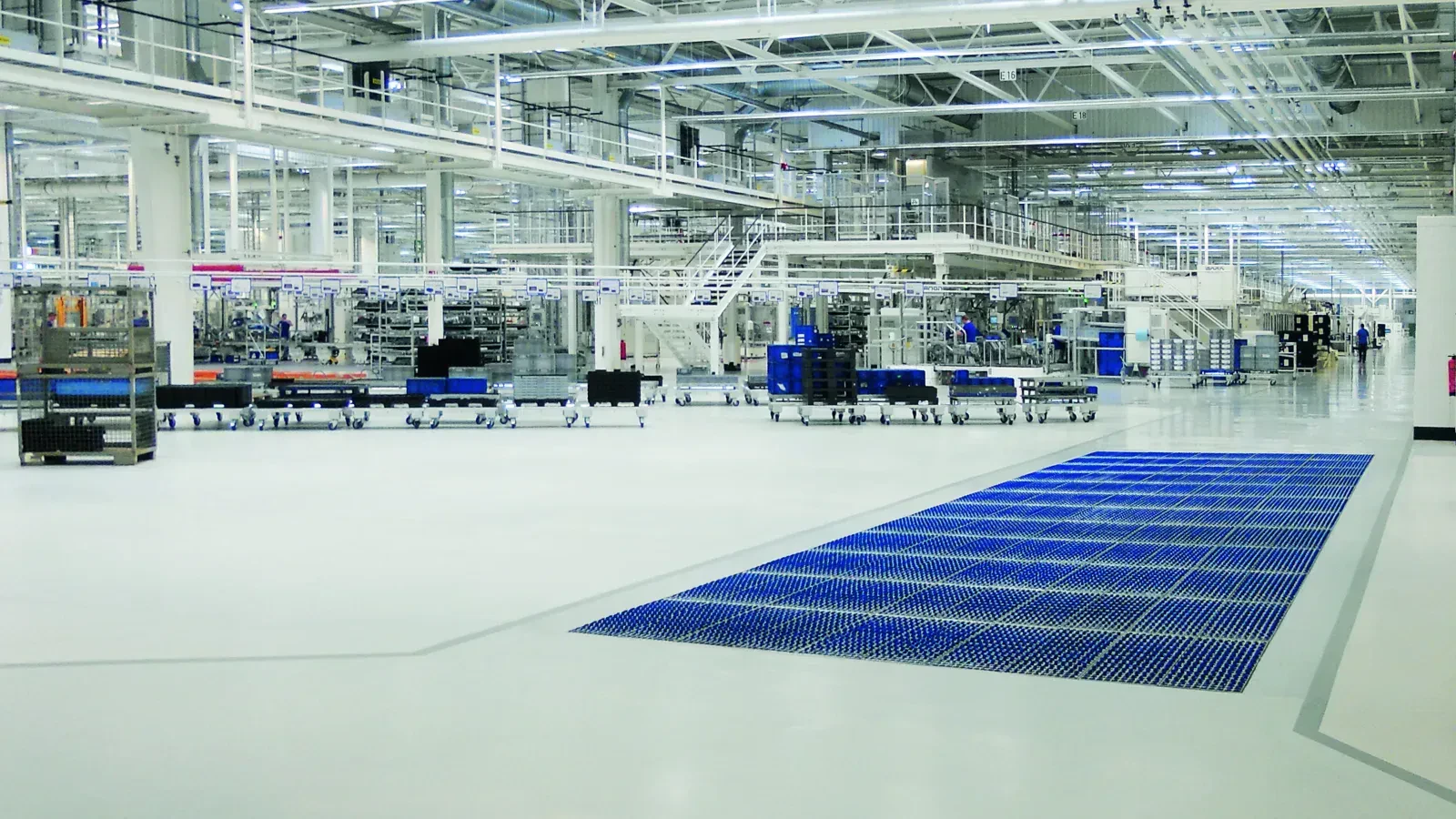
When the requirement comes from technical cleanliness, hygiene or a controlled area, first look at what actually enters the space: large wheels, small wheels, footwear or carts.
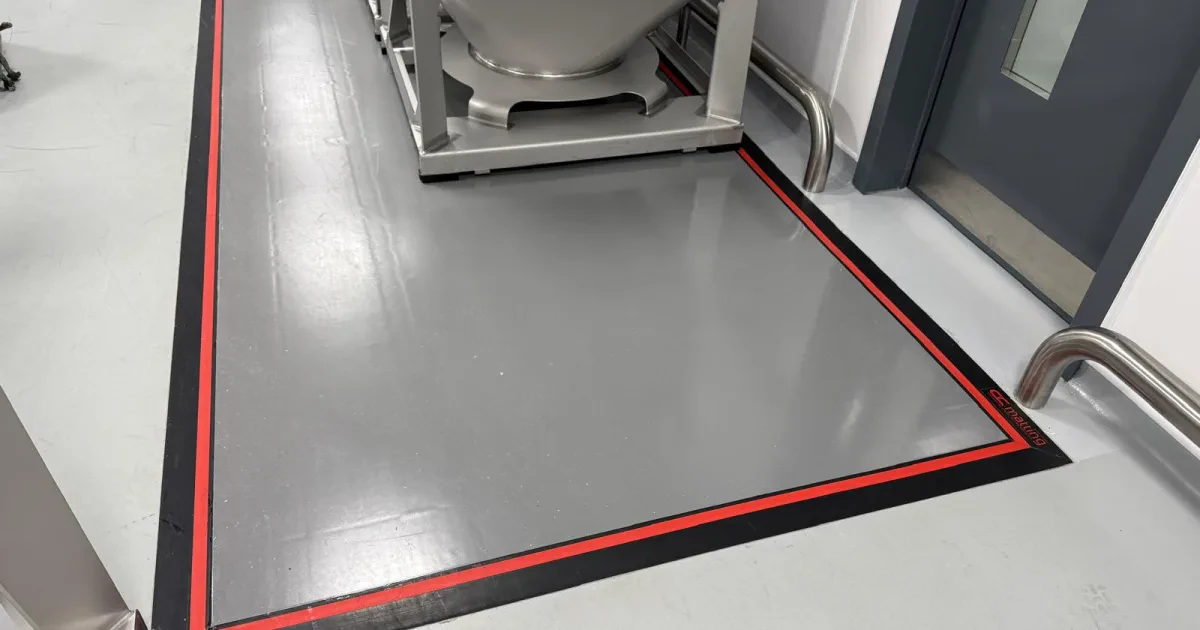
ProfilGate, CC Matting, CleanGate or sole-hygiene solutions become relevant only after the route and contact are clear.
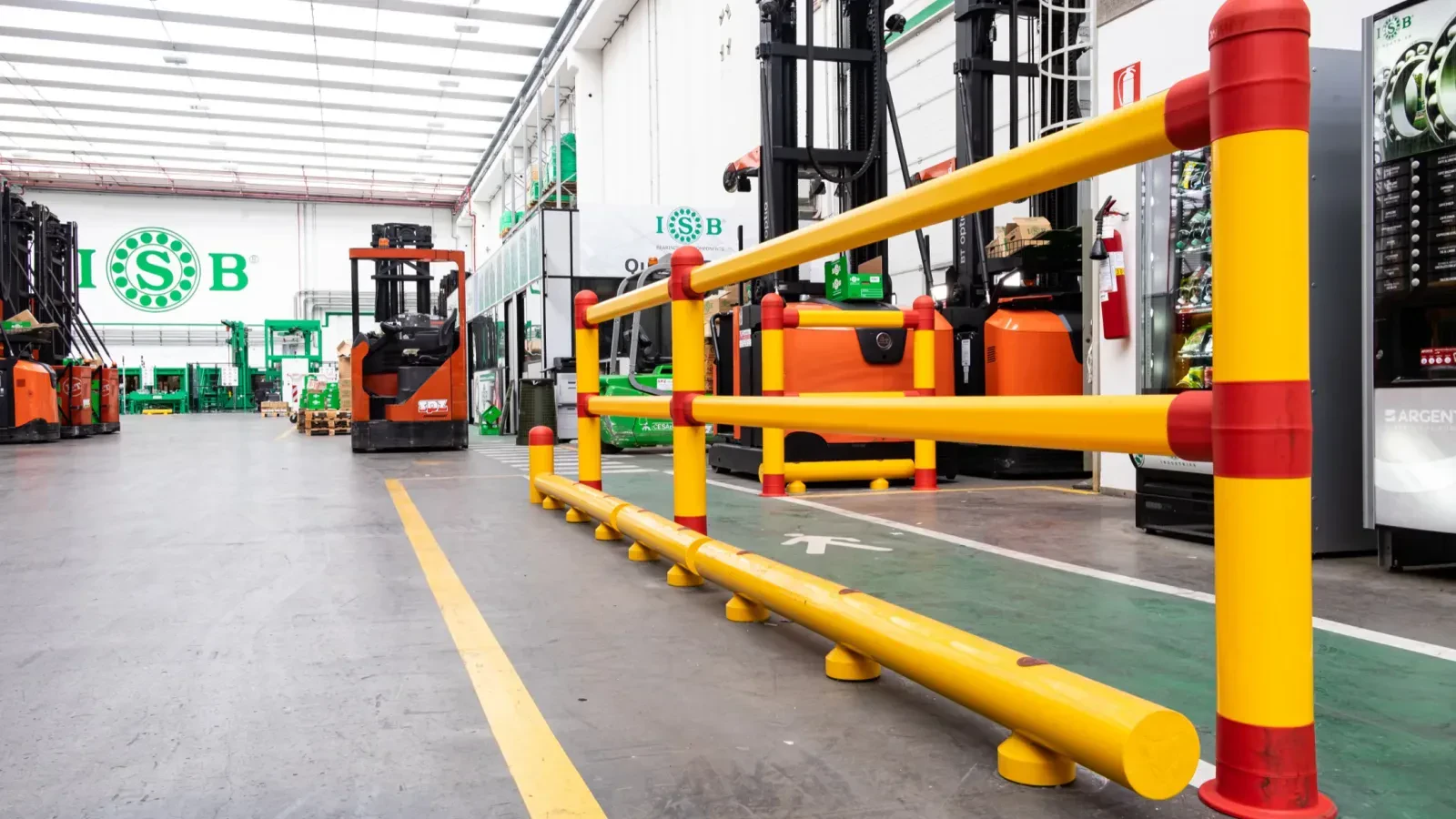
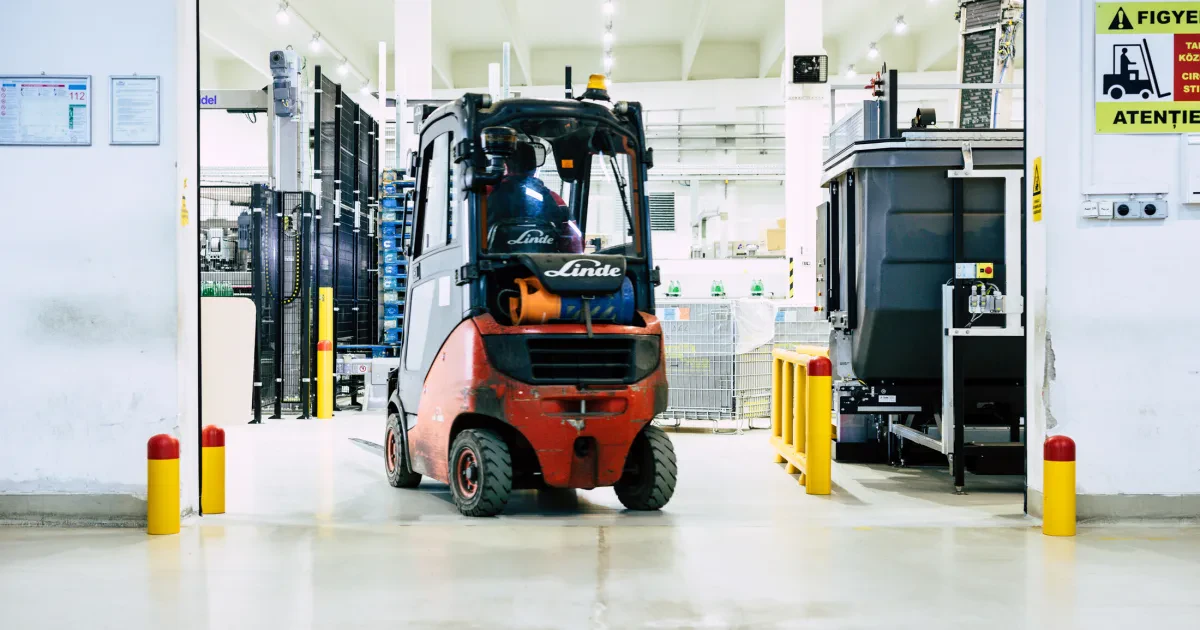
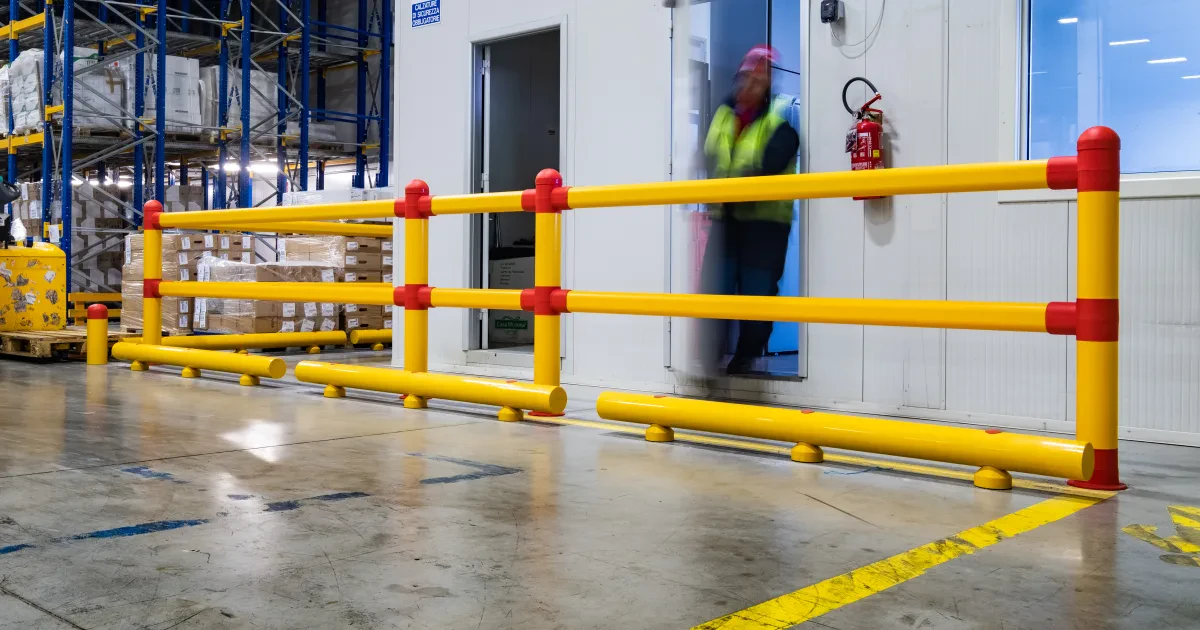
When the requirement comes from EHS, customer audit or internal-traffic safety, the discussion shifts to pedestrian routes, loading bays, doors, racks and exposed equipment.
STOMMPY protection barriers become relevant when the area needs impact absorption, visibility and separation between people and vehicles without blocking the flow.
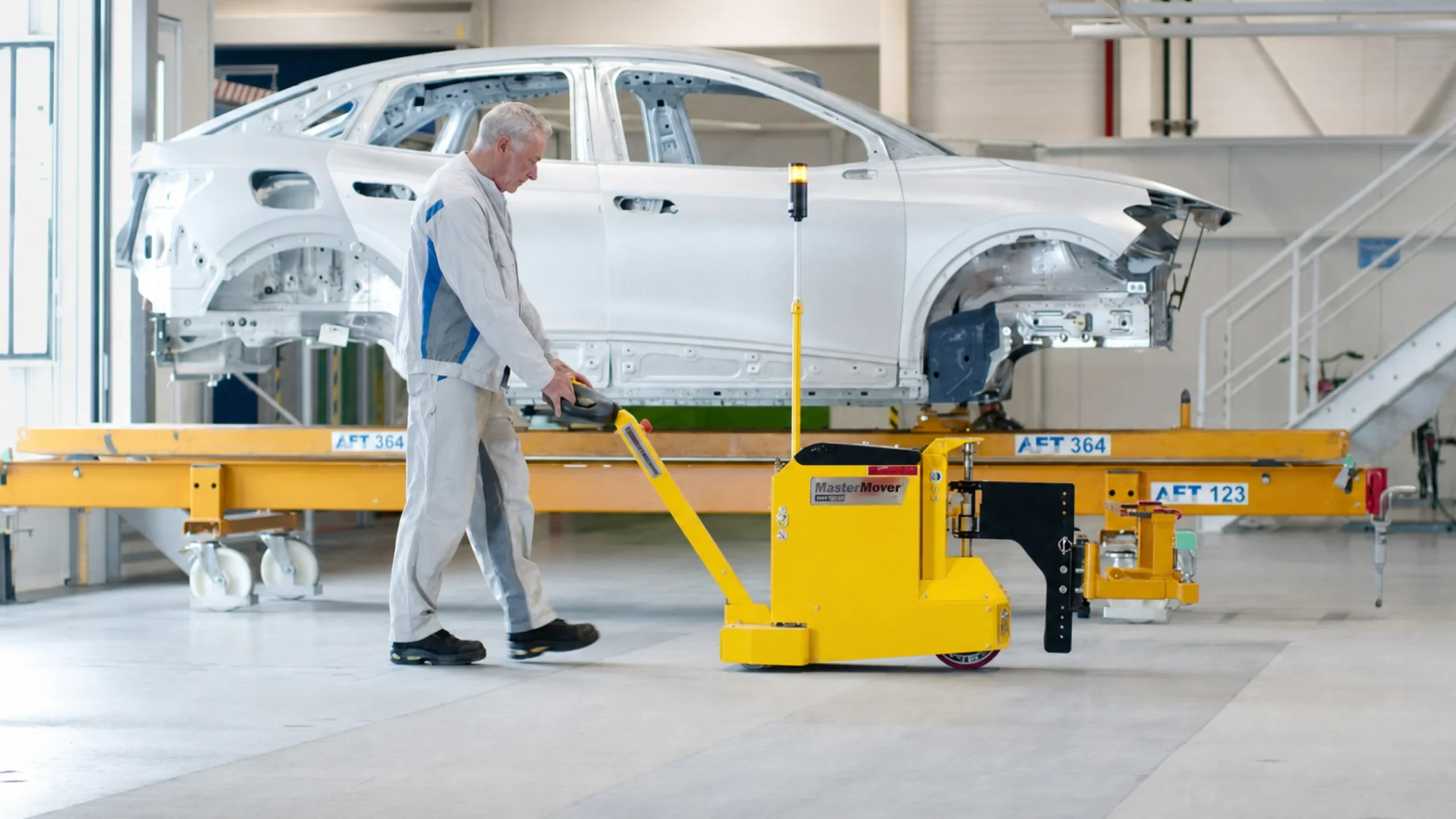
Some reviews start from manual effort, forklift congestion or frequent movement of wheeled loads. The useful question is whether lifting and ground movement should be separated.
MasterMover electric tugs are checked when the load can be started, pulled, pushed or positioned with more control than a forklift used mainly because it is available.
Before model or quote, prepare a few facts that show how the real flow works. The more concrete the data, the faster the direction becomes clear.
Photos, approximate dimensions, traffic types and the internal requirement are usually enough to identify the first route to check.
Product documentation helps selection, training and internal verification. A certificate, datasheet or cleaning instruction makes the operator procedure easier to explain, use and check in practice.
ISO class, GMP classification, EHS acceptance or audit outcome are determined by the operator’s internal system. The selected measure should support that system through fit, consistent use and maintainable routine.
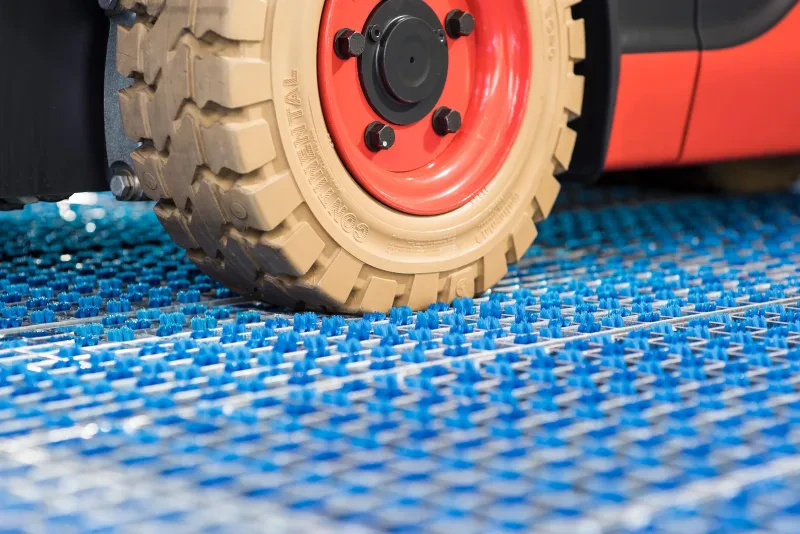
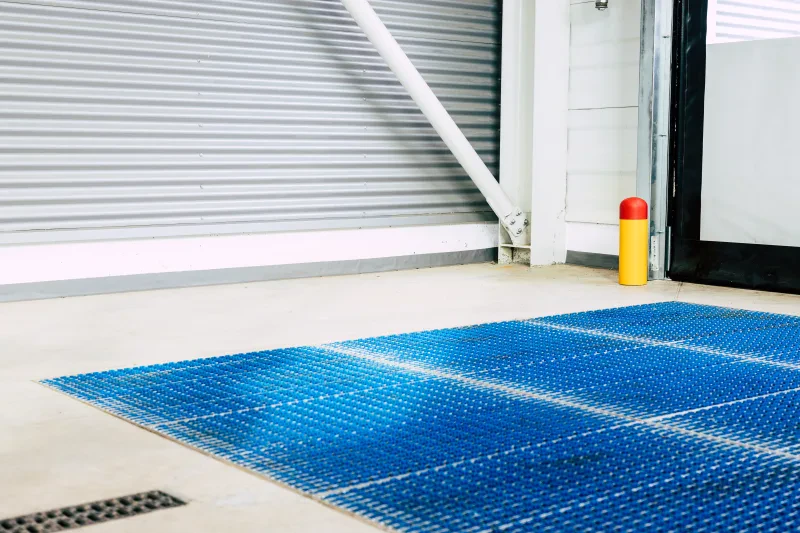
A practical guide for routes where wheels, casters, carts and soles can carry dirt or contamination between food-production zones.
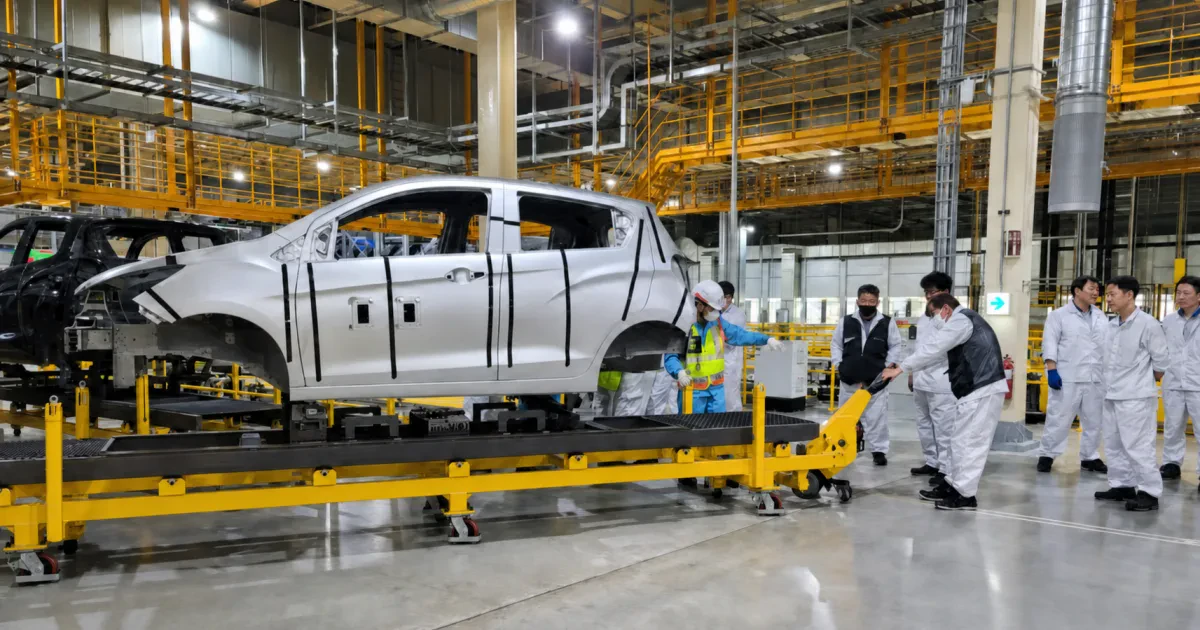
A practical guide for automotive, e-mobility and electronics plants where technical cleanliness also depends on logistics, wheel and personnel routes.
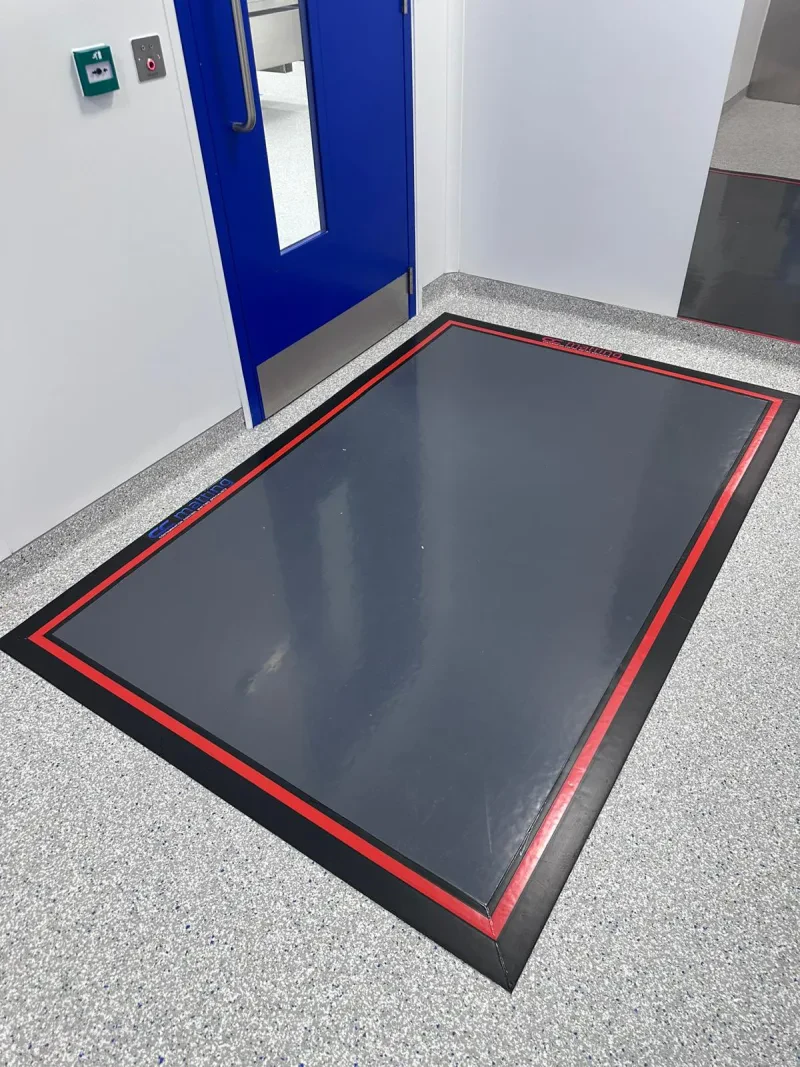
How to use CC Matting Heavy Duty documentation when the area needs ISO Class 5 material, particle control, clear cleaning and quality traceability.
Do you have an audit requirement that needs to connect to the real route?

The clearest requirements touch the route: particles on wheels or footwear, hygiene at entry, pedestrian and vehicle separation, infrastructure protection or reduction of manual effort.
In practice, they often appear in a few recurring areas:
The same standard can point to different measures in different flows. ISO 16232 or VDA 19.2 may raise particles and recontamination, but wheel type, route and routine decide whether the discussion moves toward active cleaning, polymer matting, route change or internal monitoring.
An EHS requirement can similarly point to barriers, pedestrian separation, active warning or electric tugging. Clarify the mechanism first, then choose the solution family.
ISO 14644 classifies clean environments by airborne particle concentration. EU GMP Annex 1 adds the pharmaceutical context: operating state, monitoring, microbiological control, procedure, contamination control strategy and validation.
For a material such as CC Matting, the useful discussion is which documentation exists for the material and how it can fit the local procedure. The material can support selection at a transfer point, while the room class and GMP acceptance remain part of the operator’s internal system.
Good preparation does not mean a long dossier. A few clear facts about the route and the internal requirement are more useful.
Send, where available:
A test is useful when the area is critical, the route is difficult to change or visual data does not show the mechanism clearly enough. It can also help when different teams have different criteria: quality, EHS, production, maintenance or validation.
The test should not only be treated as a product trial. It can also check real contact, bypass behaviour, cleaning, operator acceptance, routine duration and how the data can be used internally.