


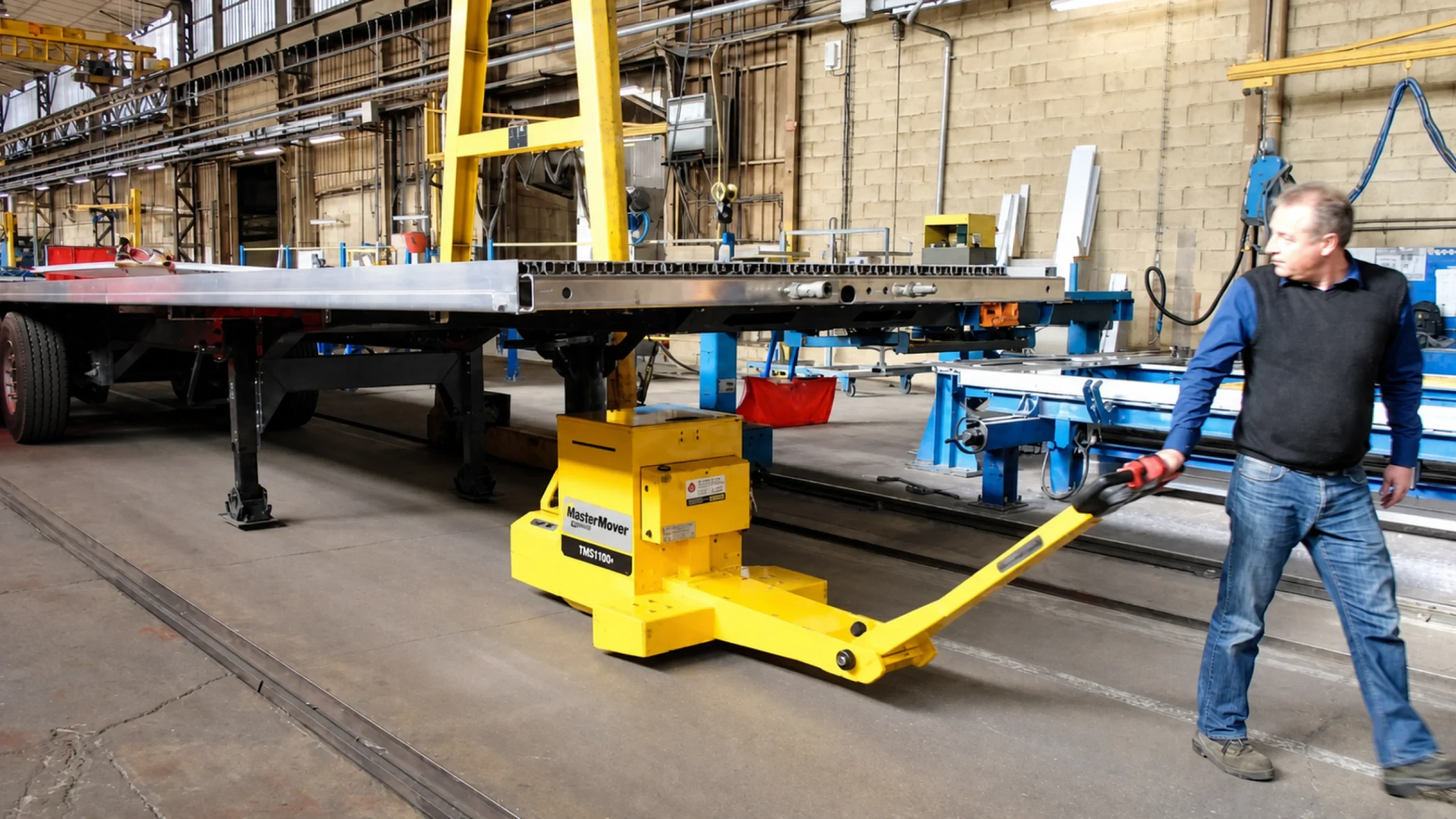
Trailer or cart type
Shape, mass, length and coupling point change the equipment and accessories needed.

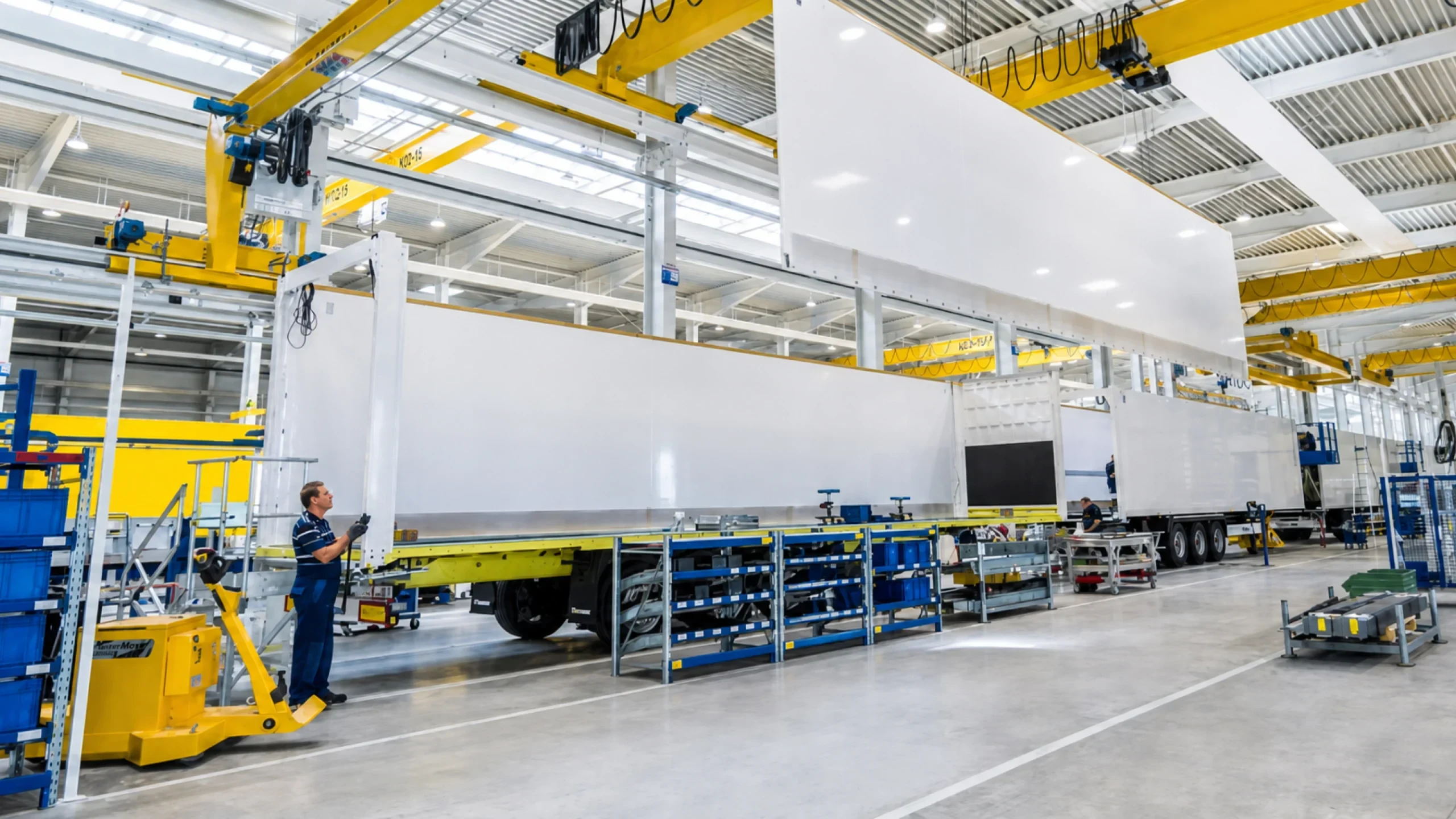
For wheeled assemblies that need predictable handling, even when the route includes repeated turns and stops.
For trailers, carts and wheeled containers, weight is only part of the decision. Coupling, turning radius, slope, outdoor sections, stopping and manoeuvring space shape the right setup.
When load, route and coupling are clear, selection becomes more precise and movement becomes easier to control.
The operator can control starting, turning and stopping without local workarounds.
Kingpin, tow bar, hook or adaptor are checked before the mover is selected.
Indoor routes, outdoor areas, ramps and turning points are reviewed together.
These criteria separate compact, heavy-duty, stainless, trailer and adapted configurations.
Shape, mass, length and coupling point change the equipment and accessories needed.
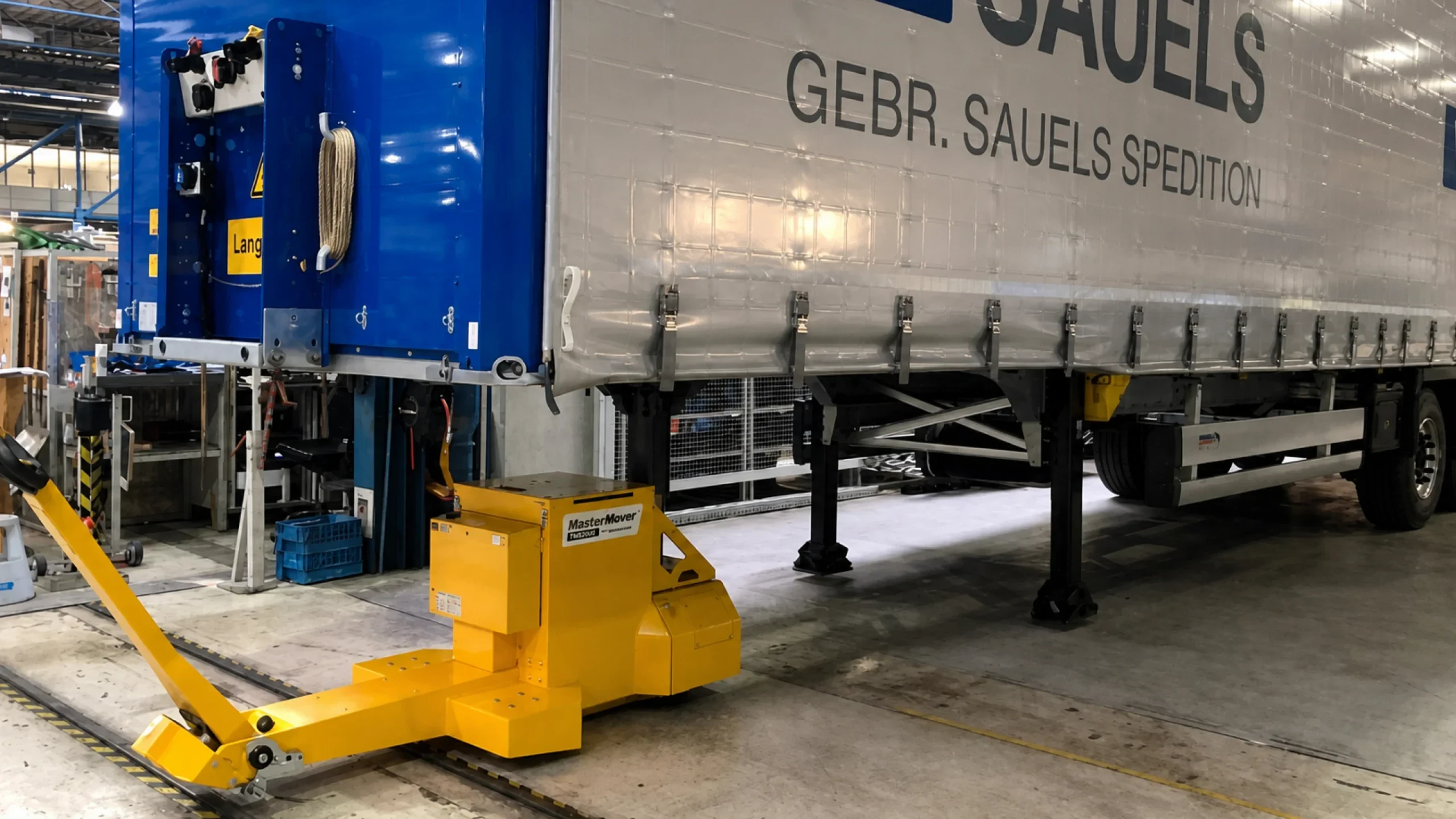
Surface, slope, turns and turning space define the real effort.
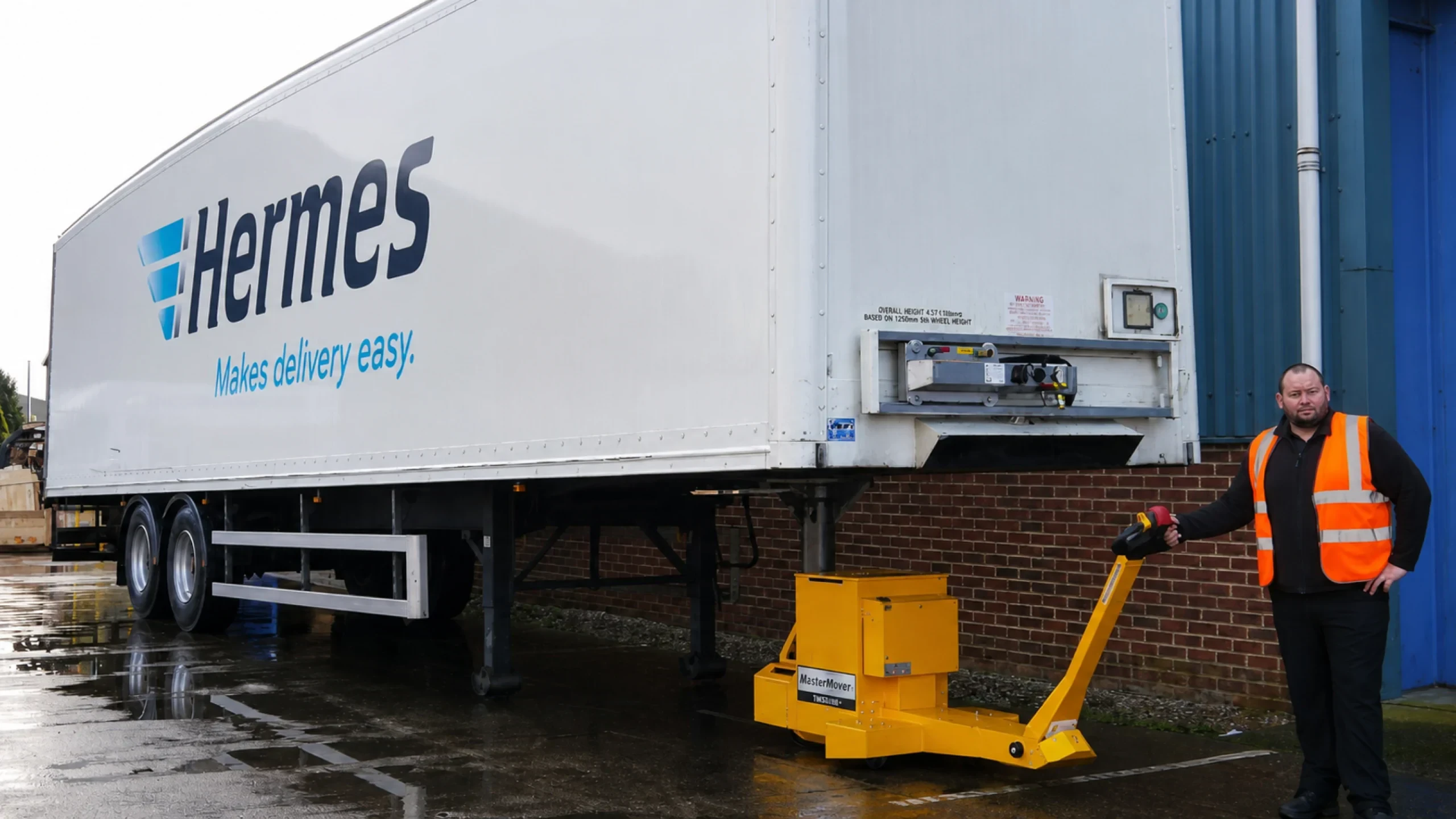
Occasional moves and continuous flows need different routines and training assumptions.
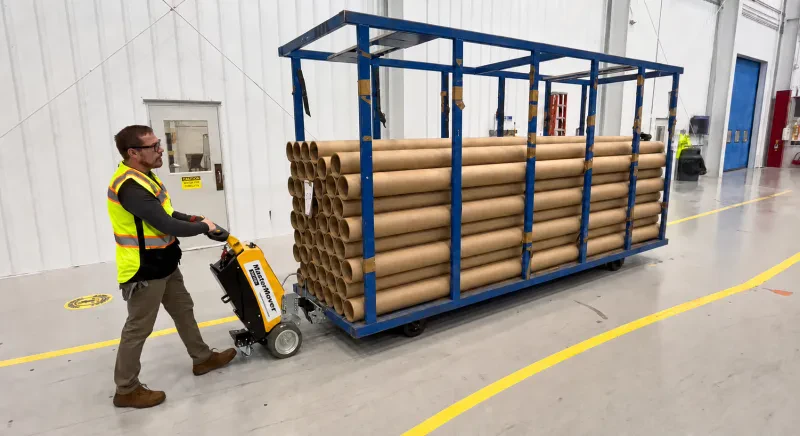
A MasterMover SM200+ case shows how a Fortune 500 plastic packaging manufacturer moved from manual pushing to mechanised movement for heavy carts.
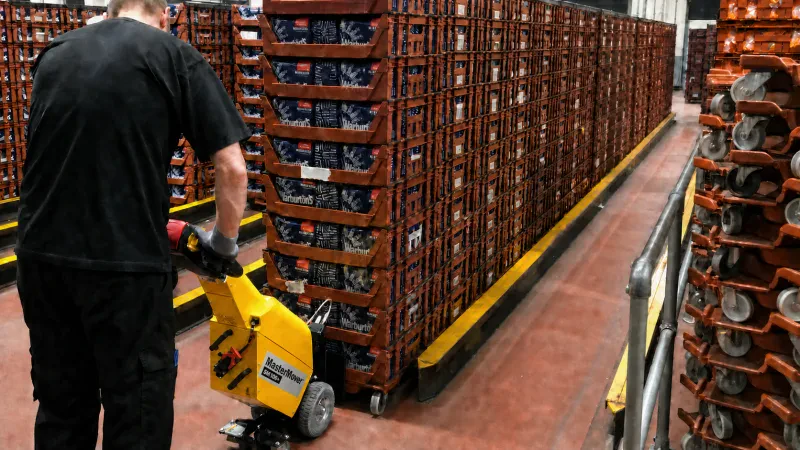
When a wheeled load is pushed or pulled by hand, electric tug selection starts with weight, wheels, floor, gradient, coupling and movement frequency.
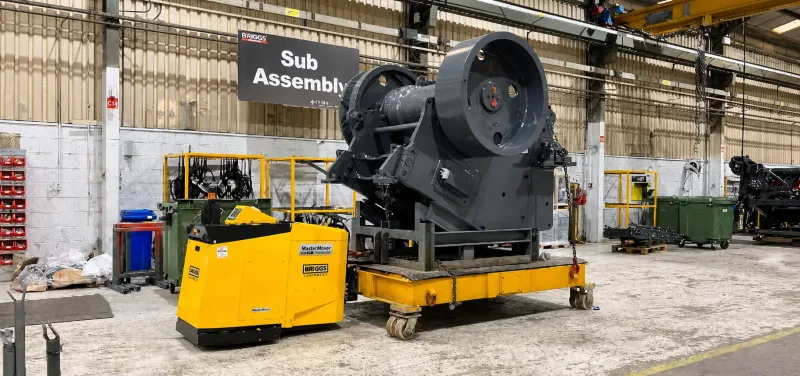
A practical guide for operations where the forklift is used for horizontal movement, waiting and manoeuvring rather than lifting.







Images help read details that a capacity table cannot show: manoeuvring space, operator position, coupling, wheels and the actual route.
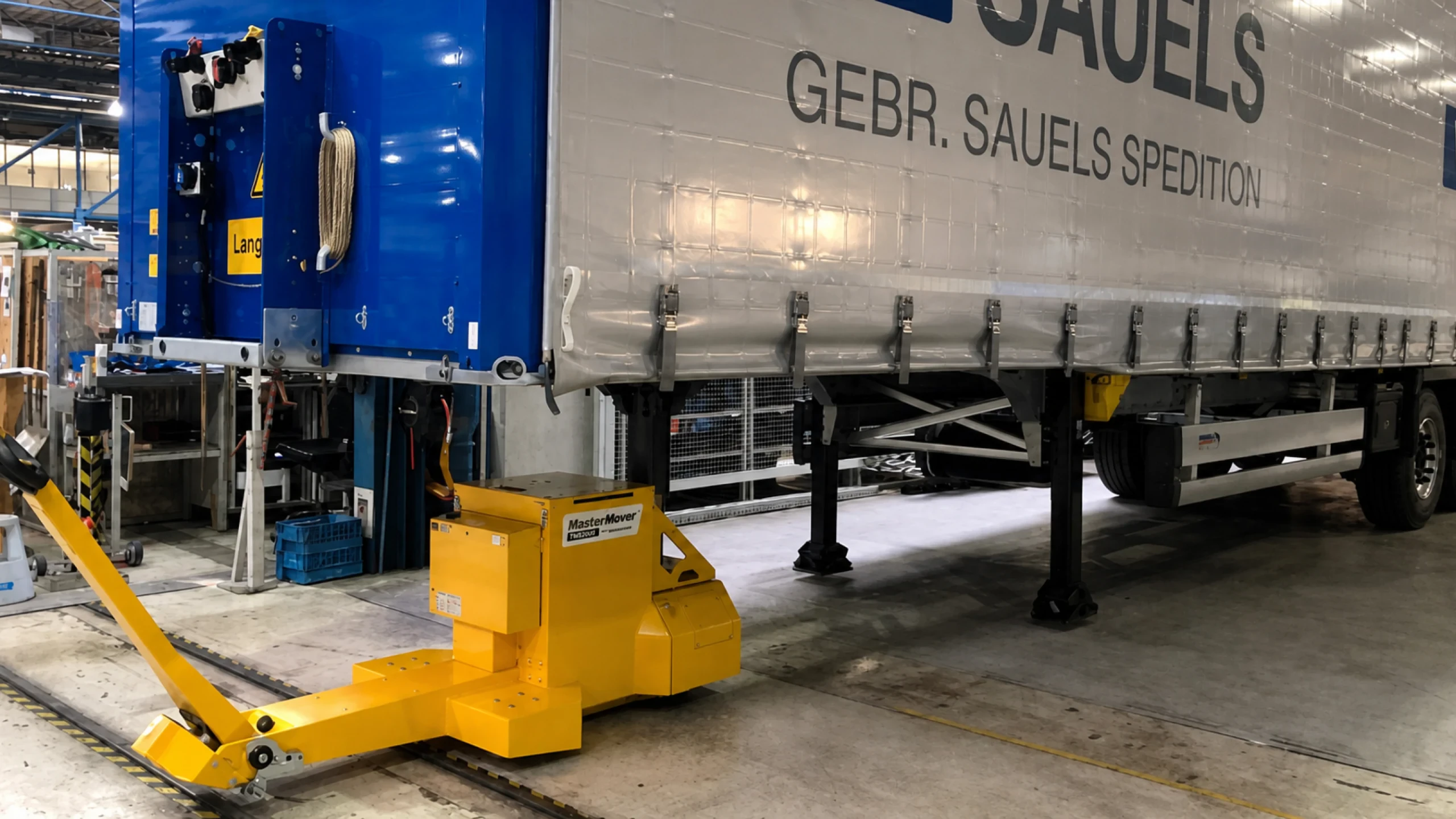
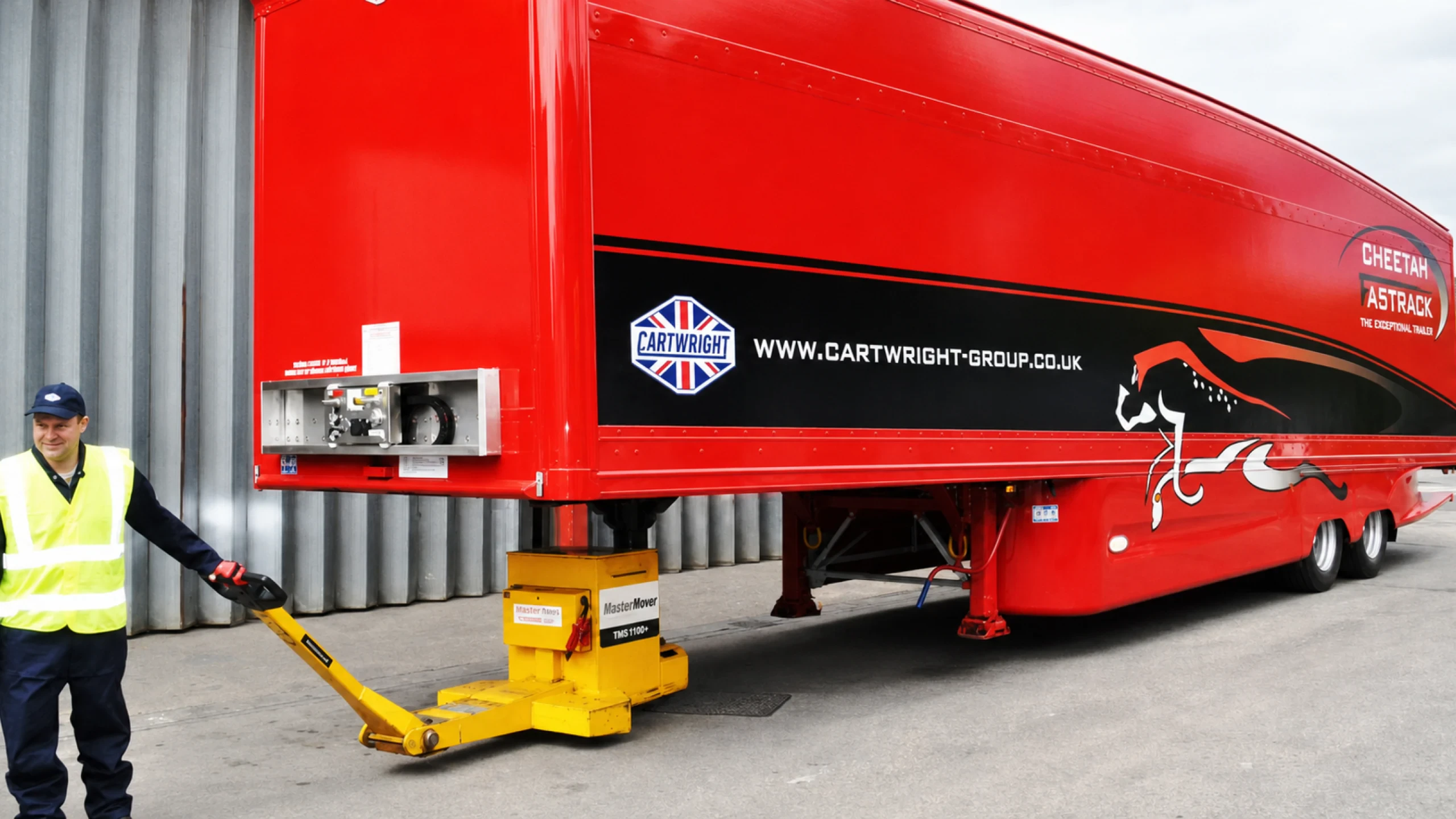
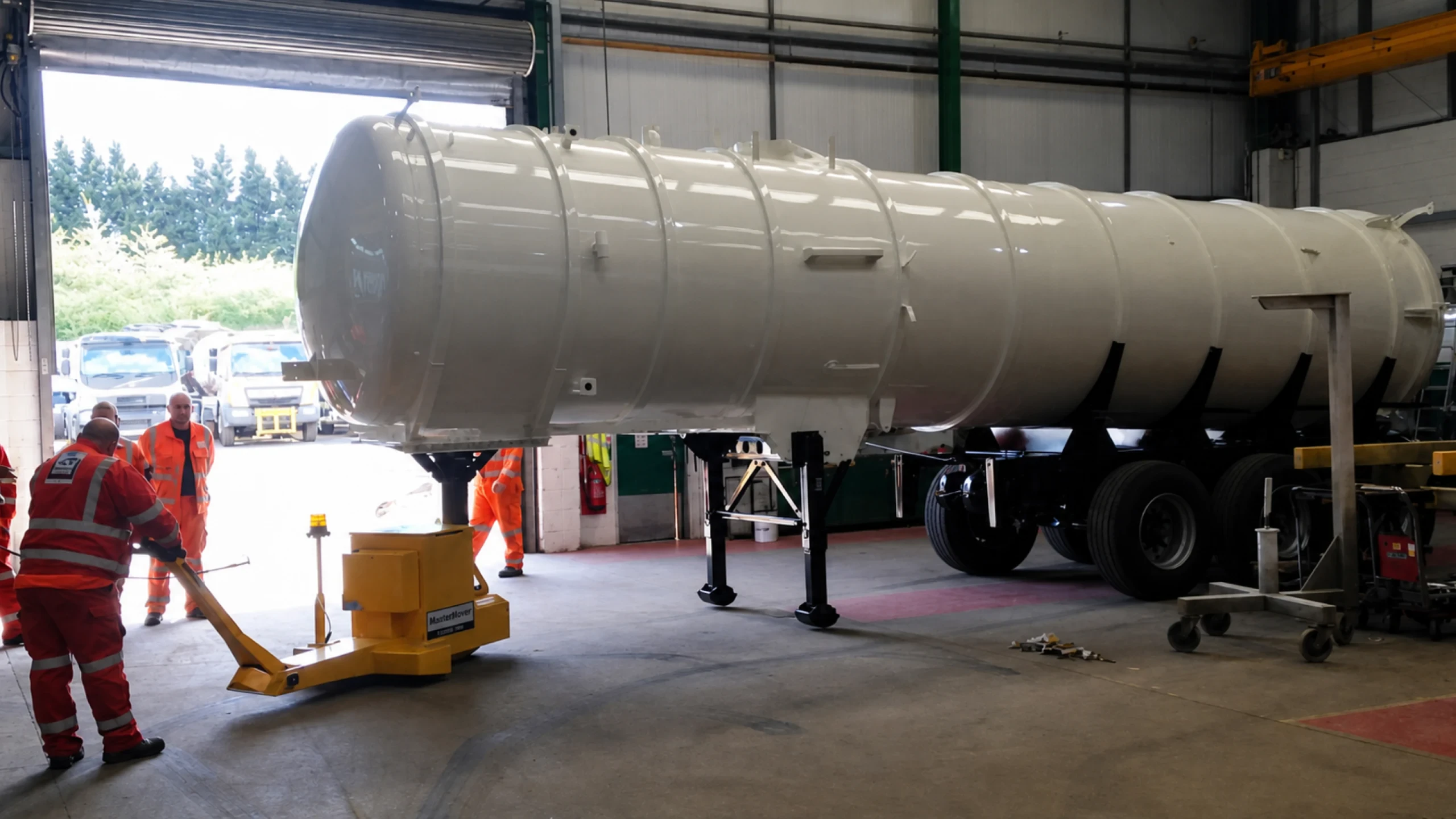
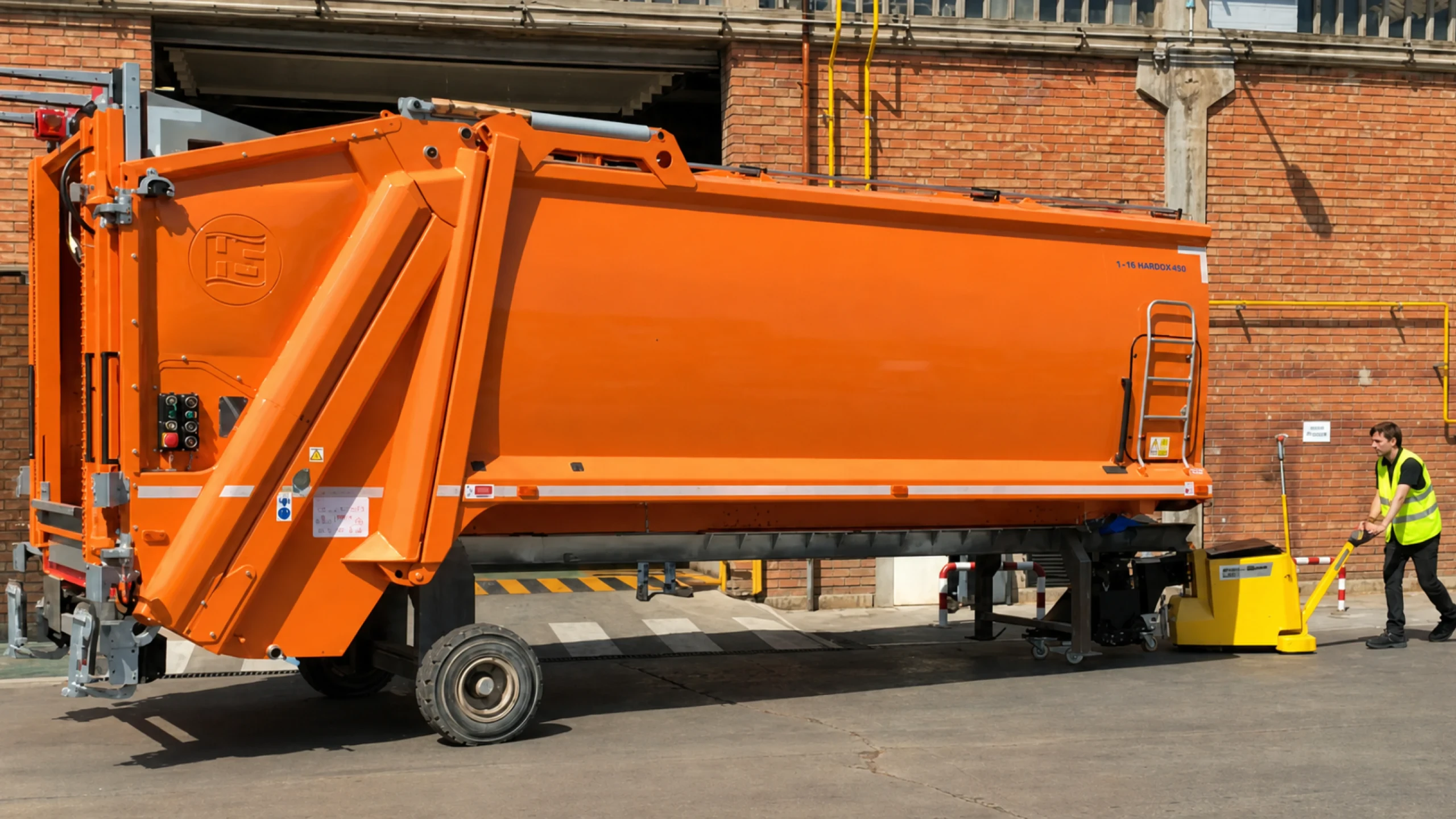
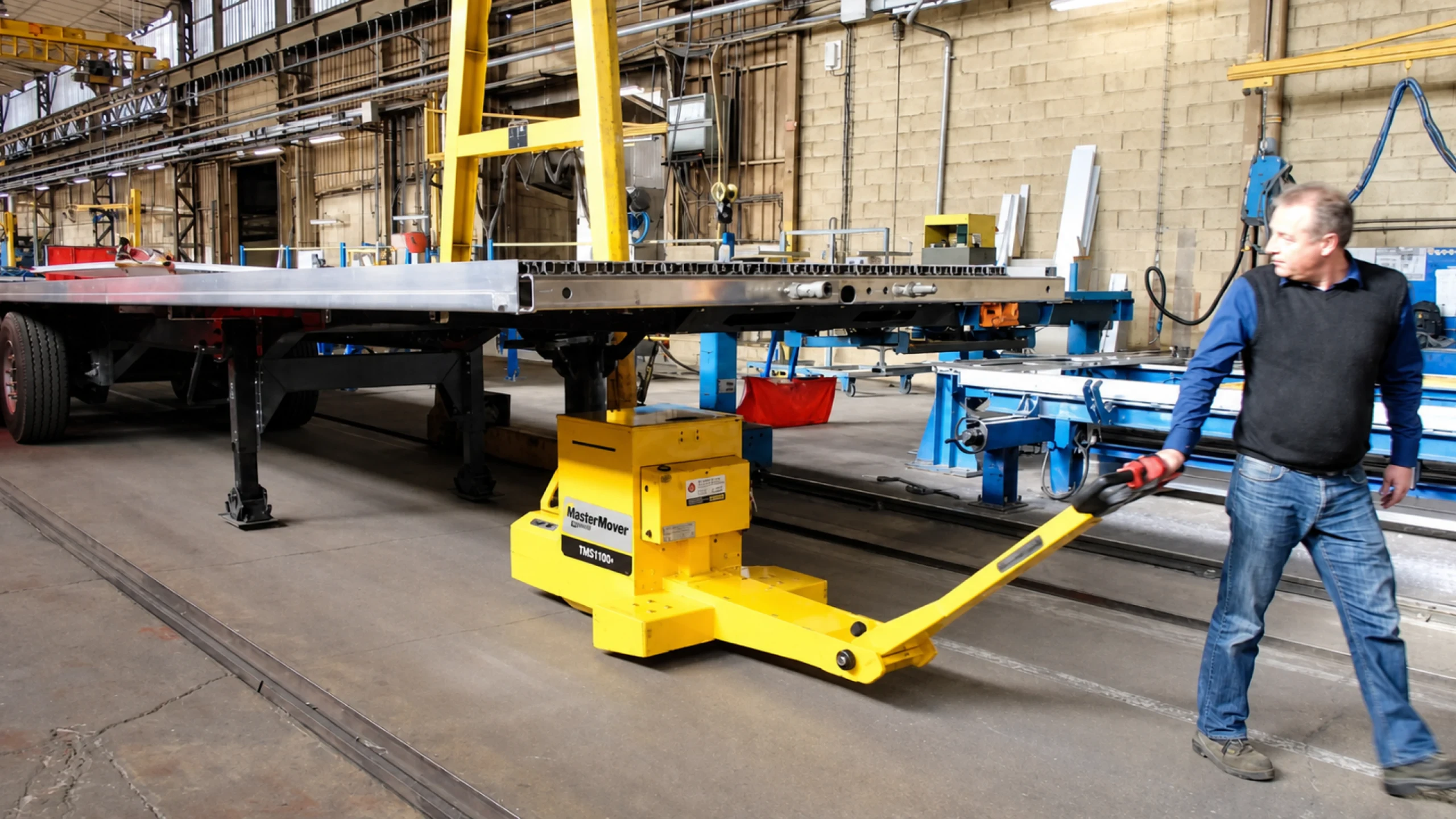
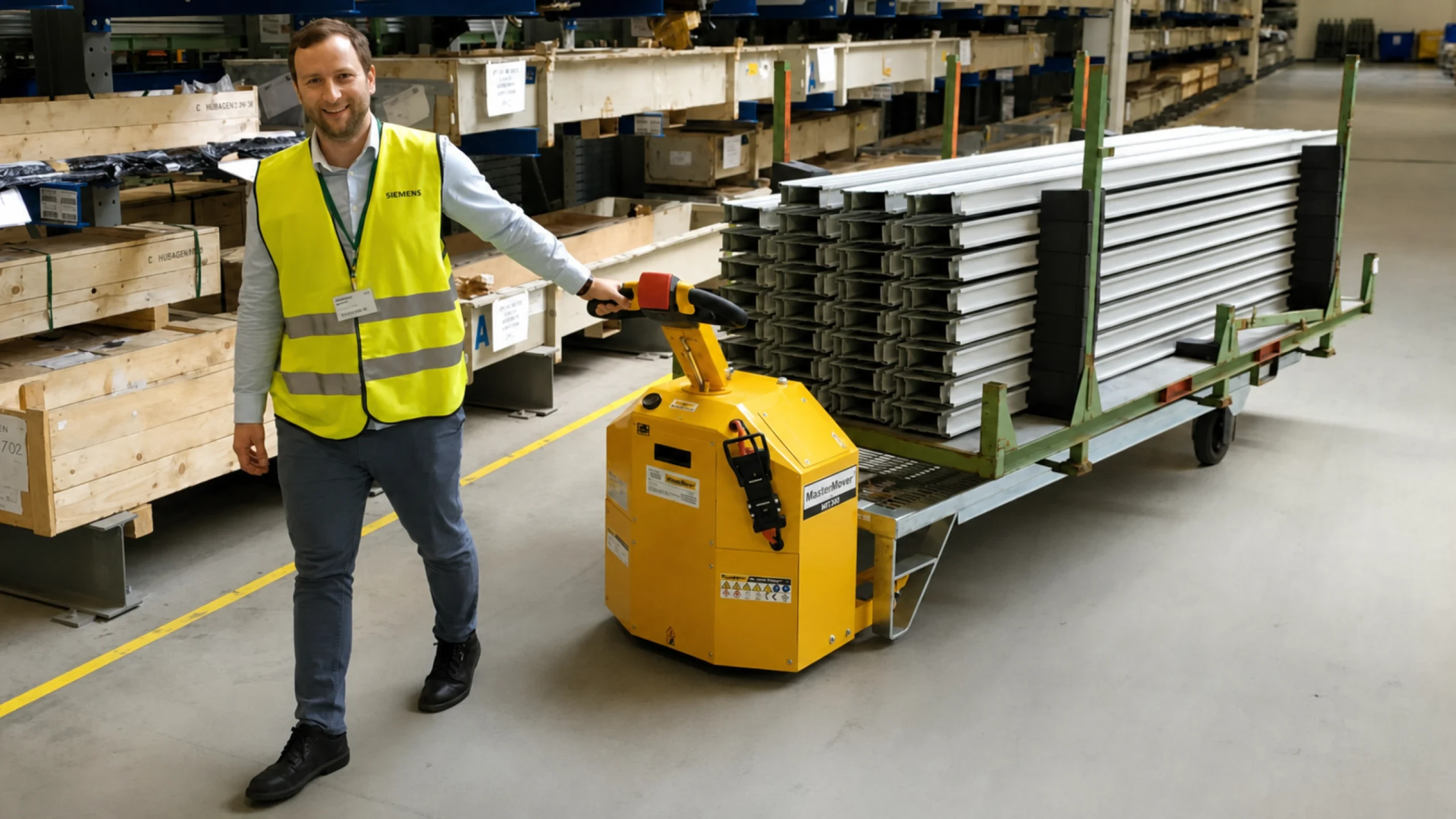
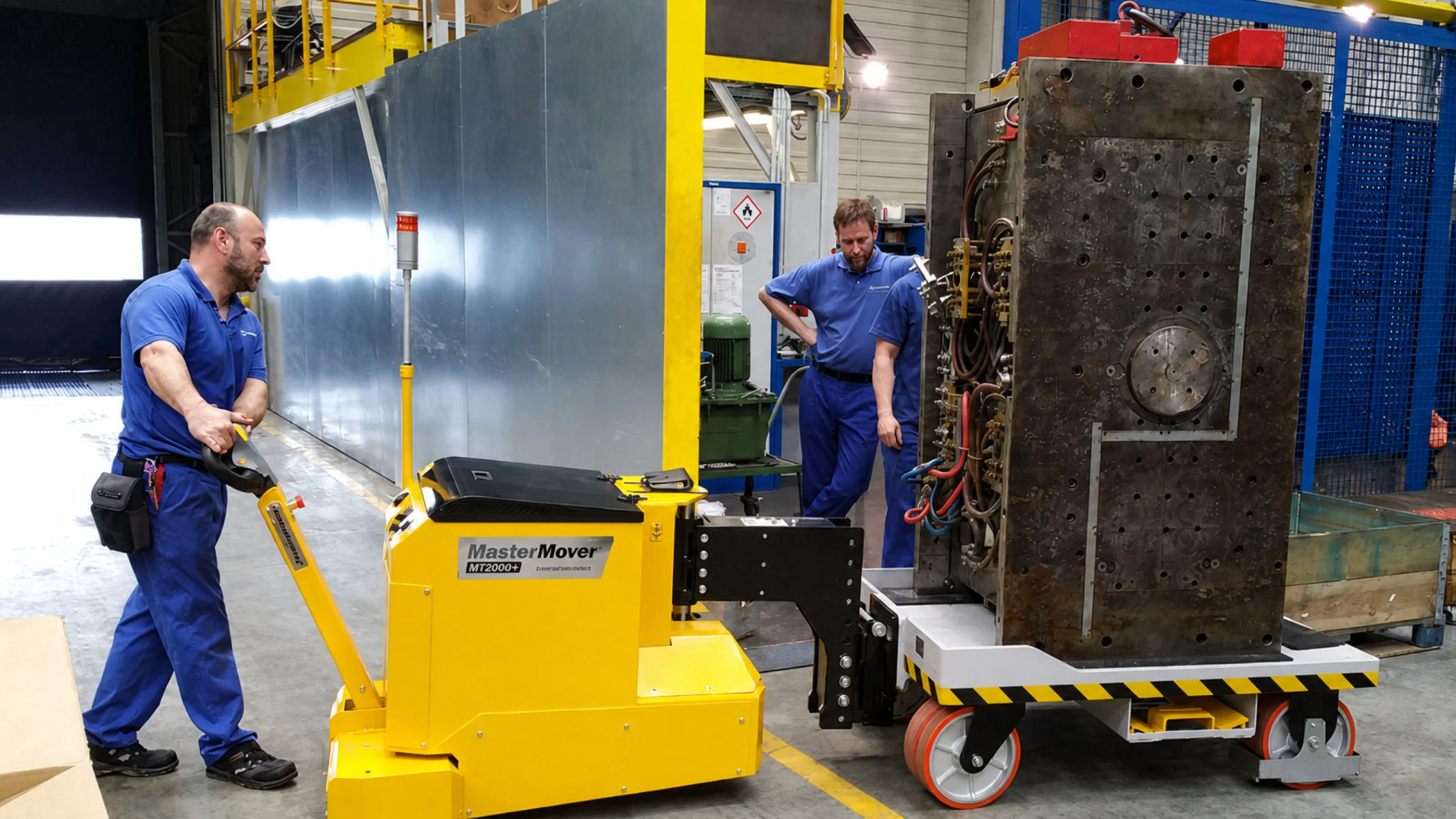
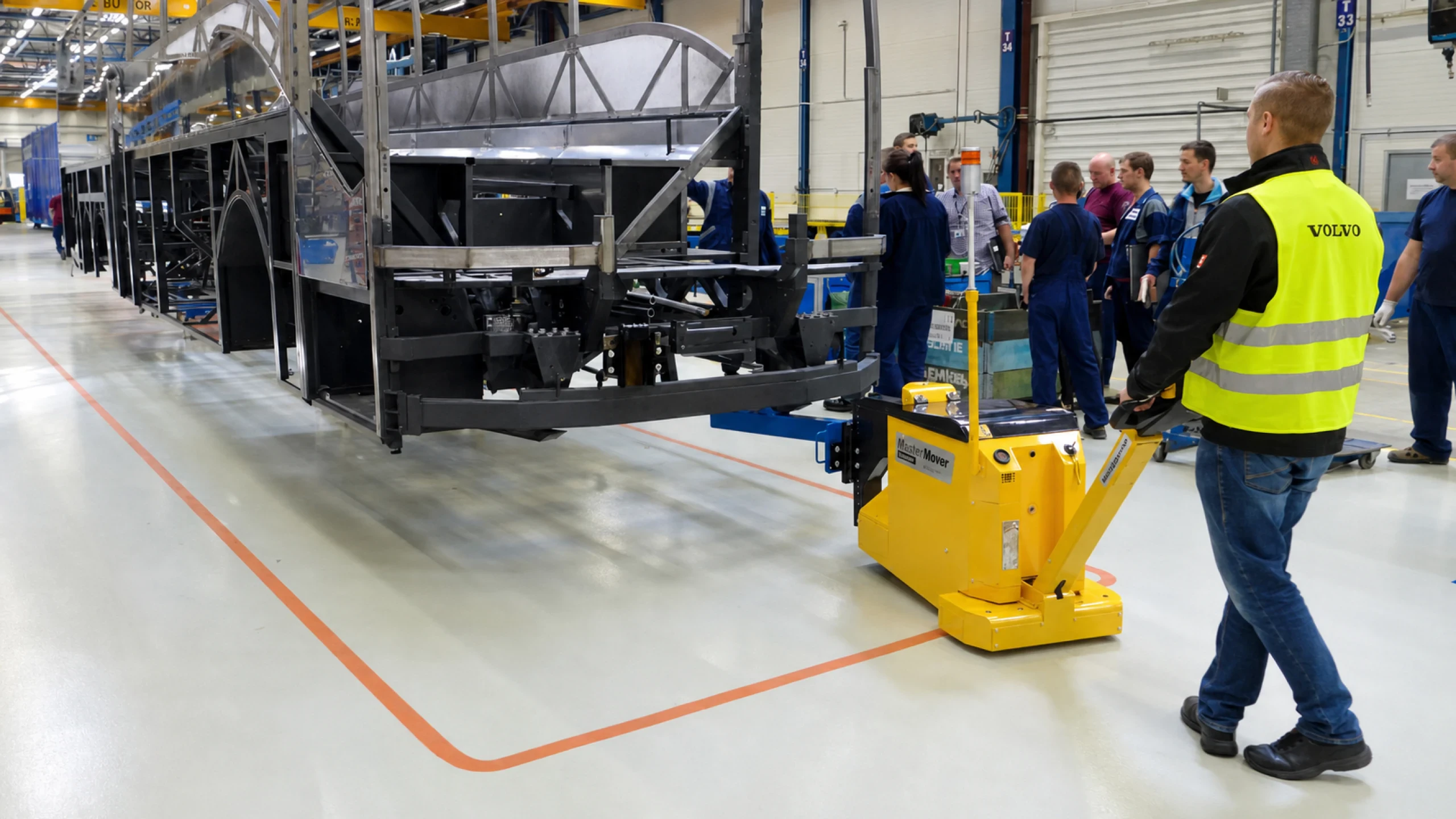
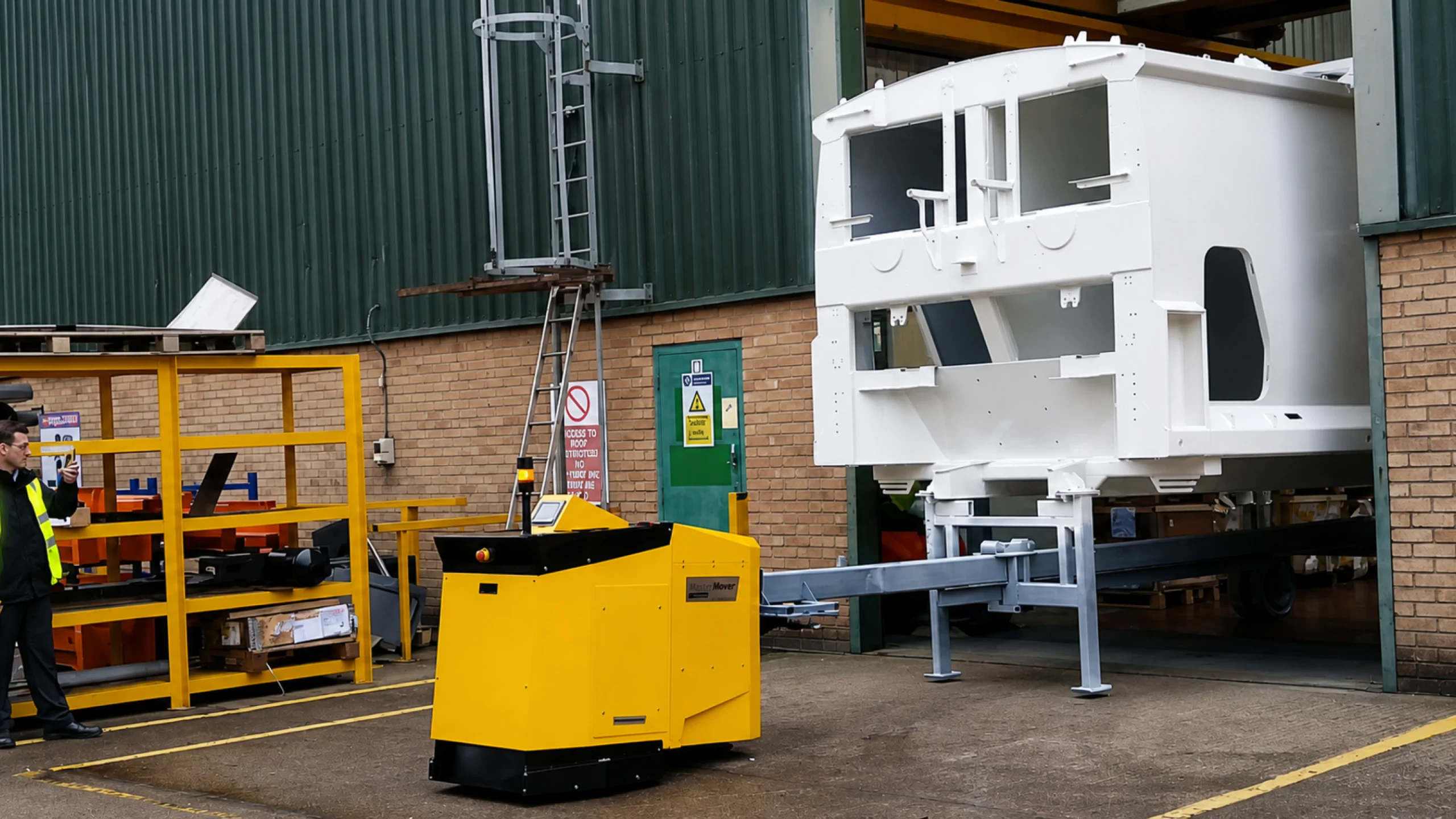
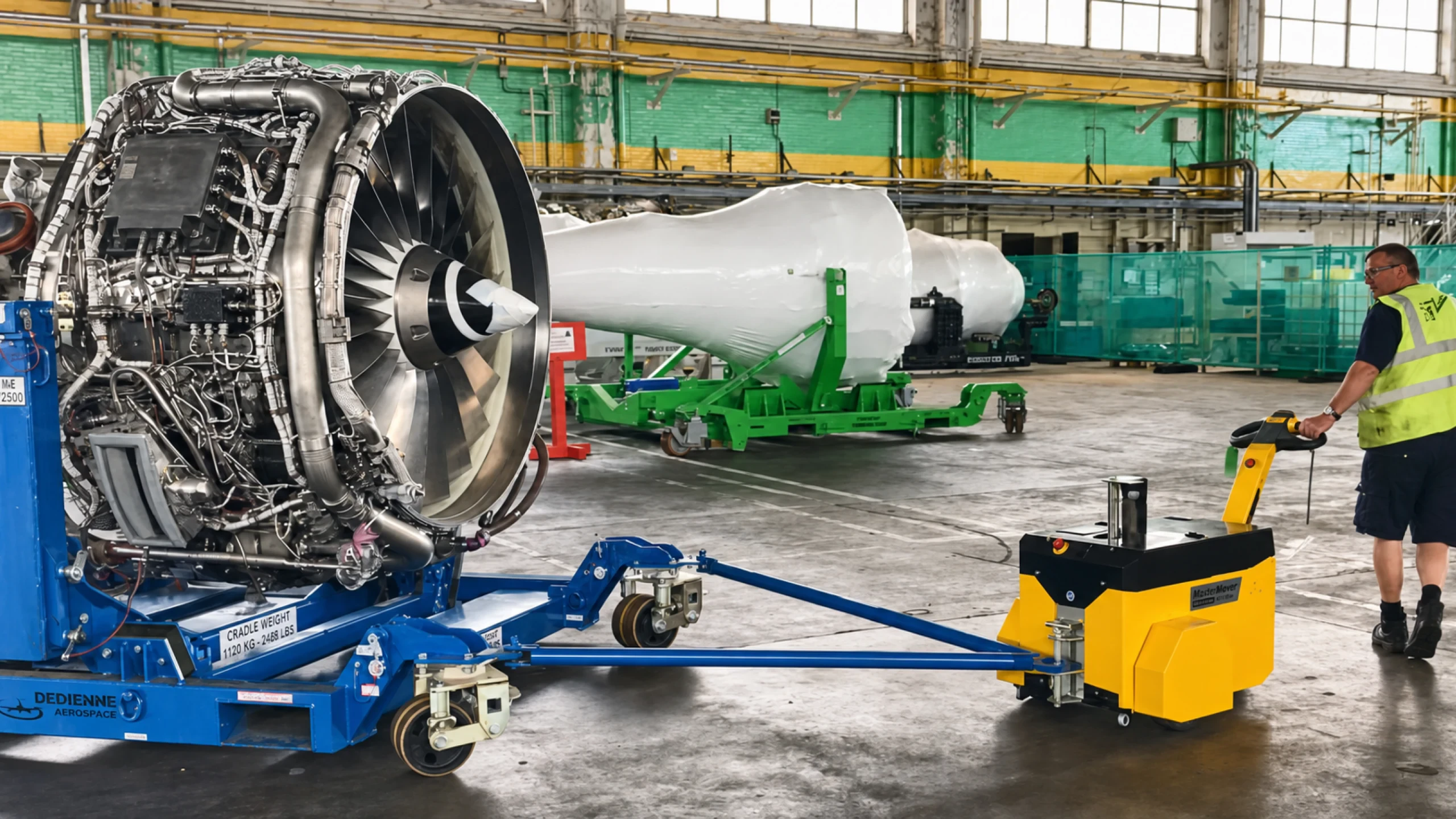
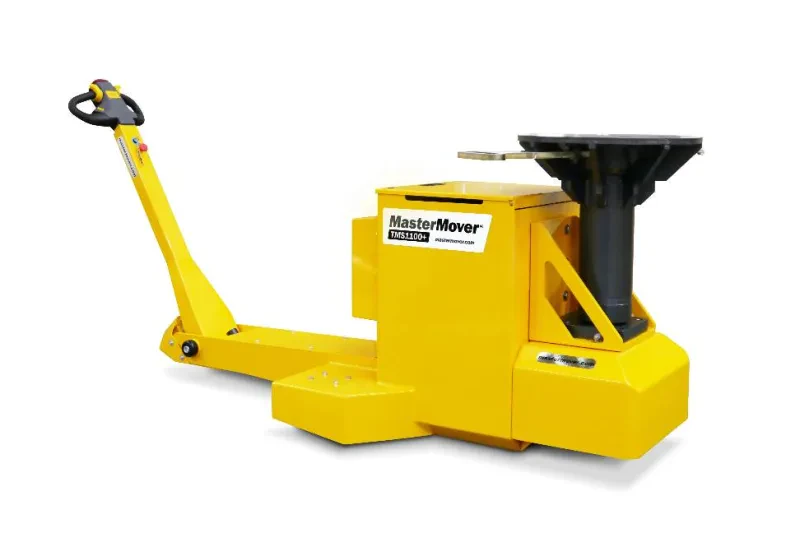
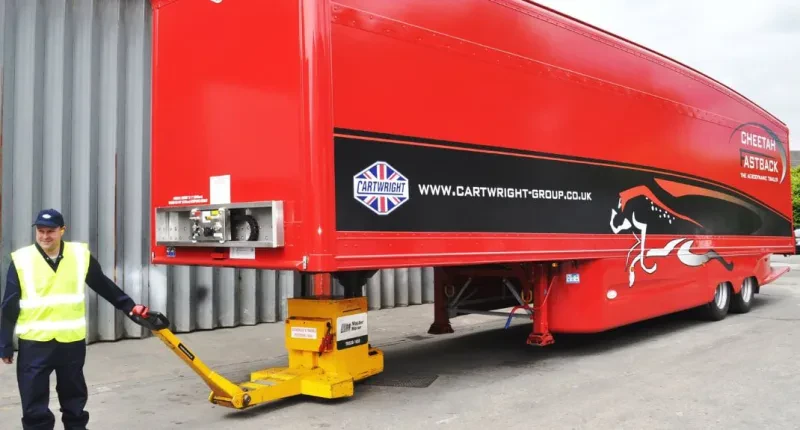
Do you have trailers or carts that are hard to manoeuvre?

With trailers and carts, total length, pivot point and coupling method strongly affect turning and stopping control.
The setup should be checked on the actual route: turning space, ramps, outdoor sections, visibility, frequency and who connects the load. Capacity alone is not enough.
Selection becomes more precise when it starts from the real application, not only from nominal capacity.
The most useful inputs are:
A short video often clarifies how the load starts, turns, resists movement and what the operator does to control it.
The coupling decides how force transfers between the mover and the load. A poor connection can make the load hard to start, loose in turns or difficult to stop.
A good coupling should be secure, realistic for the operator and matched to the load geometry. Some applications fit a standard coupling; others need an adaptor, hydraulic clamp or cart modification.
On long trailers and carts, the pivot point changes wheel tracking and the space required in a turn. A setup may start easily but cut corners, leave the aisle or need repeated corrections.
Total length, wheelbase, coupling point, turning radius and space at both ends of the route should be checked together.
Outdoor surfaces, water, uneven ground and gradient can change traction and stopping distance. Trailer mass and coupling must be reviewed with the surface and turning manoeuvres.
A route trial or supplier validation becomes important when slope, ground condition or stopping creates visible risk.