The forklift only pulls or pushes
The load stays on the floor, and the real operation is horizontal movement on wheels.

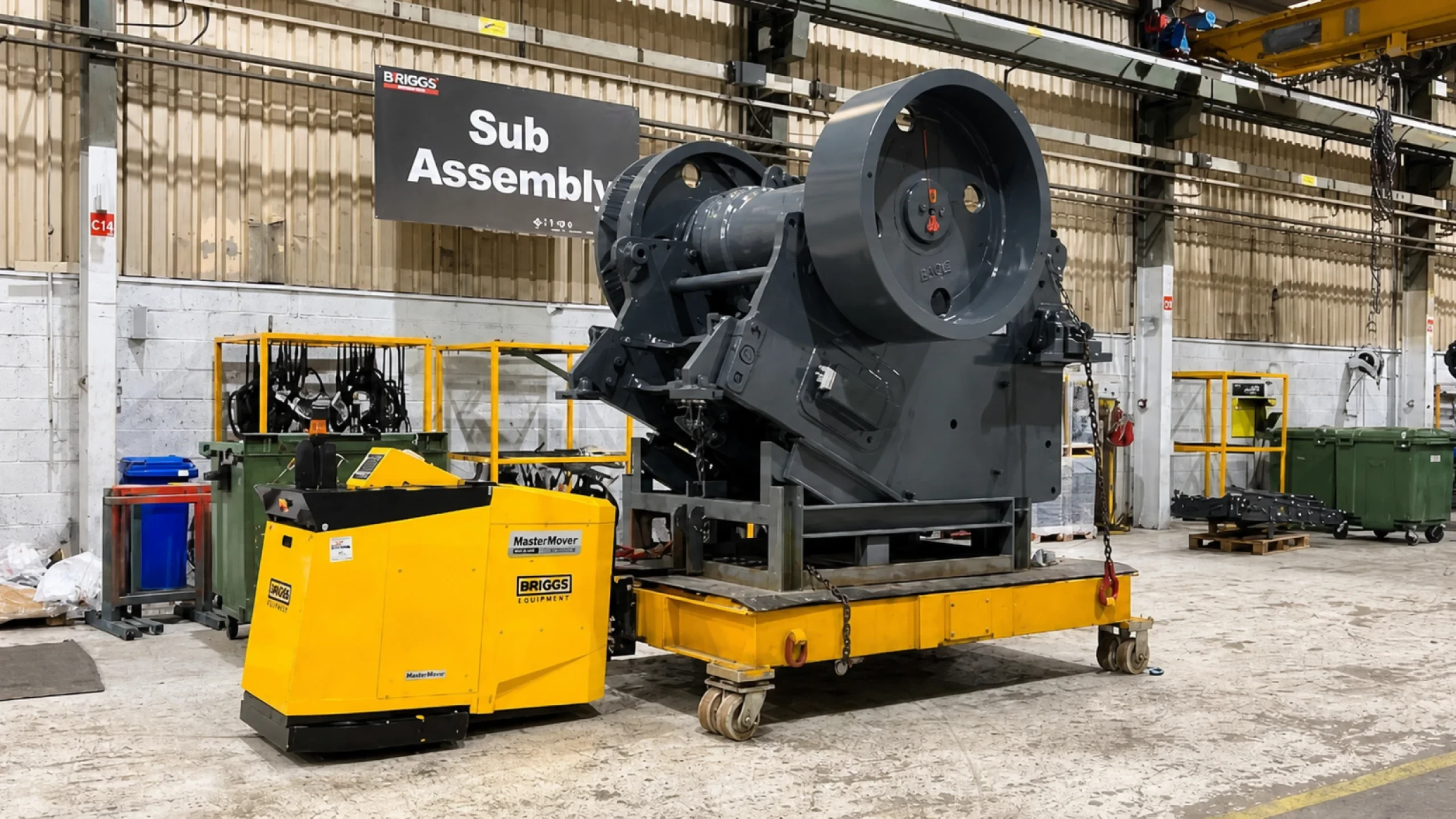
Forklifts remain right when you need to lift, stack or handle pallets. But if the forklift is used to pull a cart, push a frame or position a wheeled load, the decision changes: do you need lifting, or do you need controlled movement?
Before choosing equipment, look at the forklift role on that route. Does it lift pallets, feed a line, or get called because a wheeled load is hard to start, turn or stop by hand?
If the same move happens often and the load stays at floor level, the cost shows up as waiting, congestion, impact exposure, dependence on licensed equipment and weak start/stop control.
When the load has wheels and the route is known, compare the forklift with pedestrian or remote-controlled equipment. The choice depends on control, space, slope, coupling and movement rhythm.
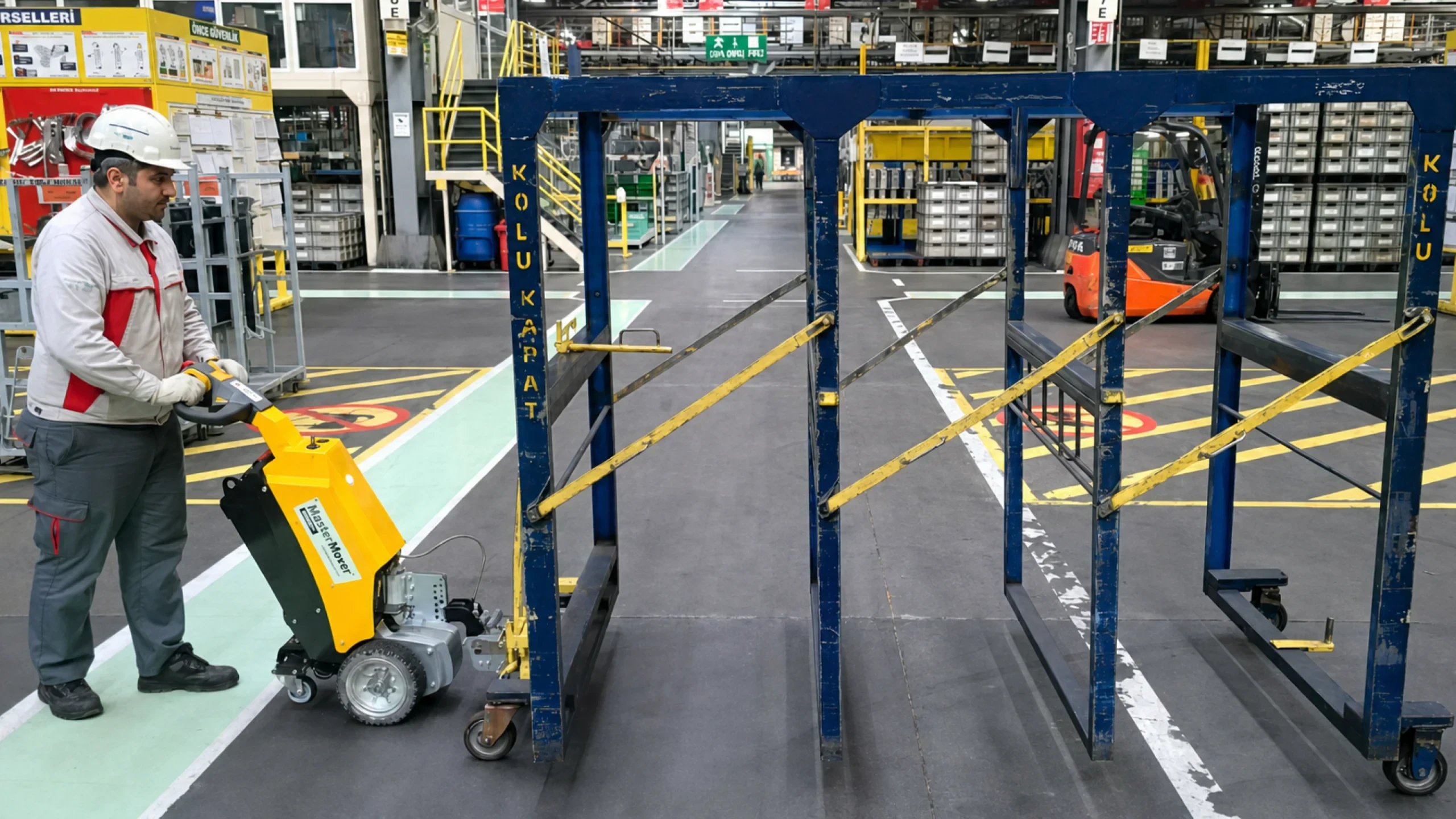
In production, many loads do not need to be lifted. They need predictable movement between areas, without blocking aisles or waiting for an available forklift.
For these applications, check total weight, wheel type, floor condition, movements per shift, coupling and where the operator needs to stand to see the route.
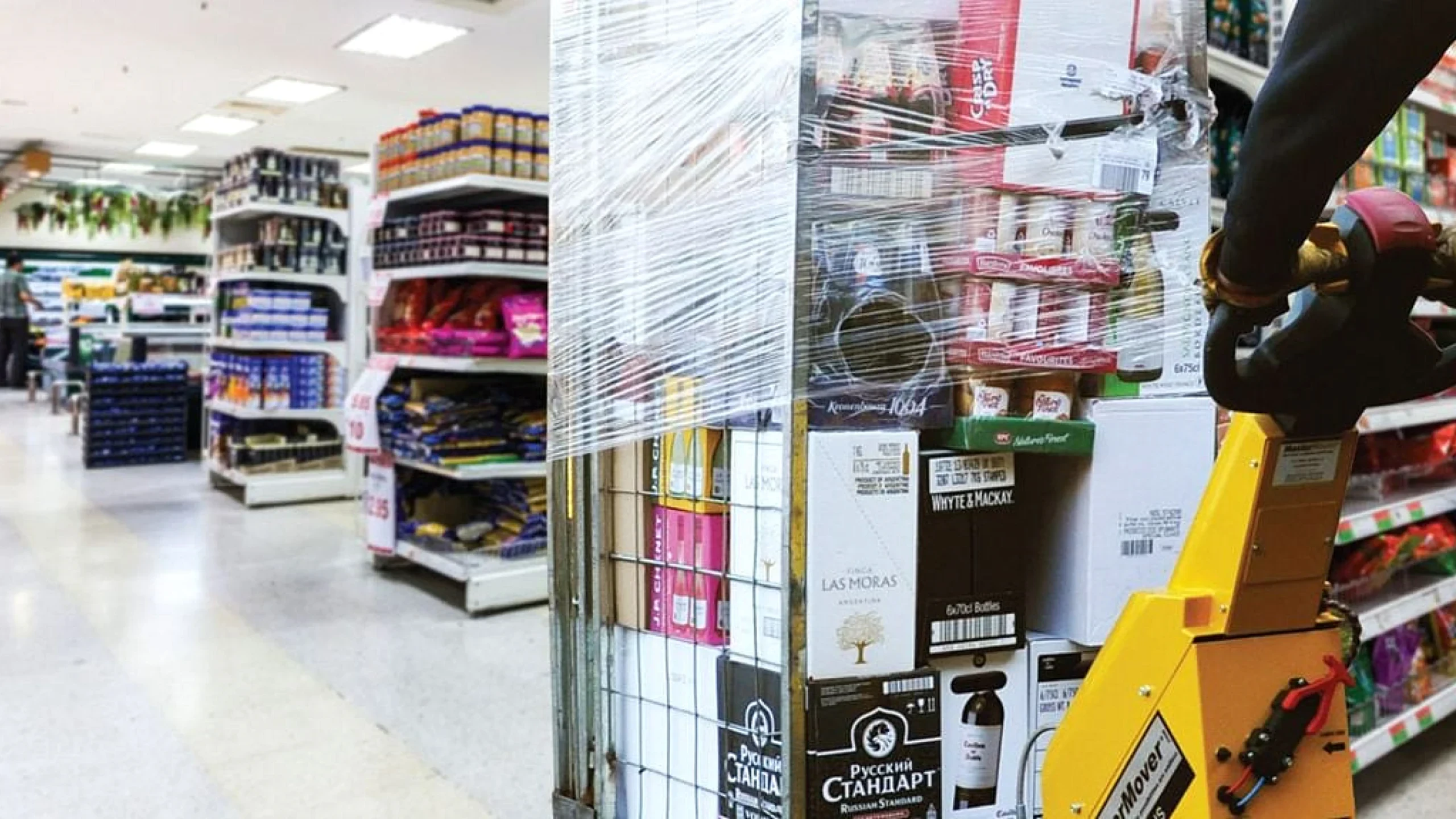
Roll cages, carts, mobile racks or wheeled containers can become hidden process cost when pushed manually or moved with equipment that is too large for the route.
Controlled movement becomes relevant when distance, frequency, slope, thresholds, floor or pedestrian traffic make the current method hard to sustain consistently.
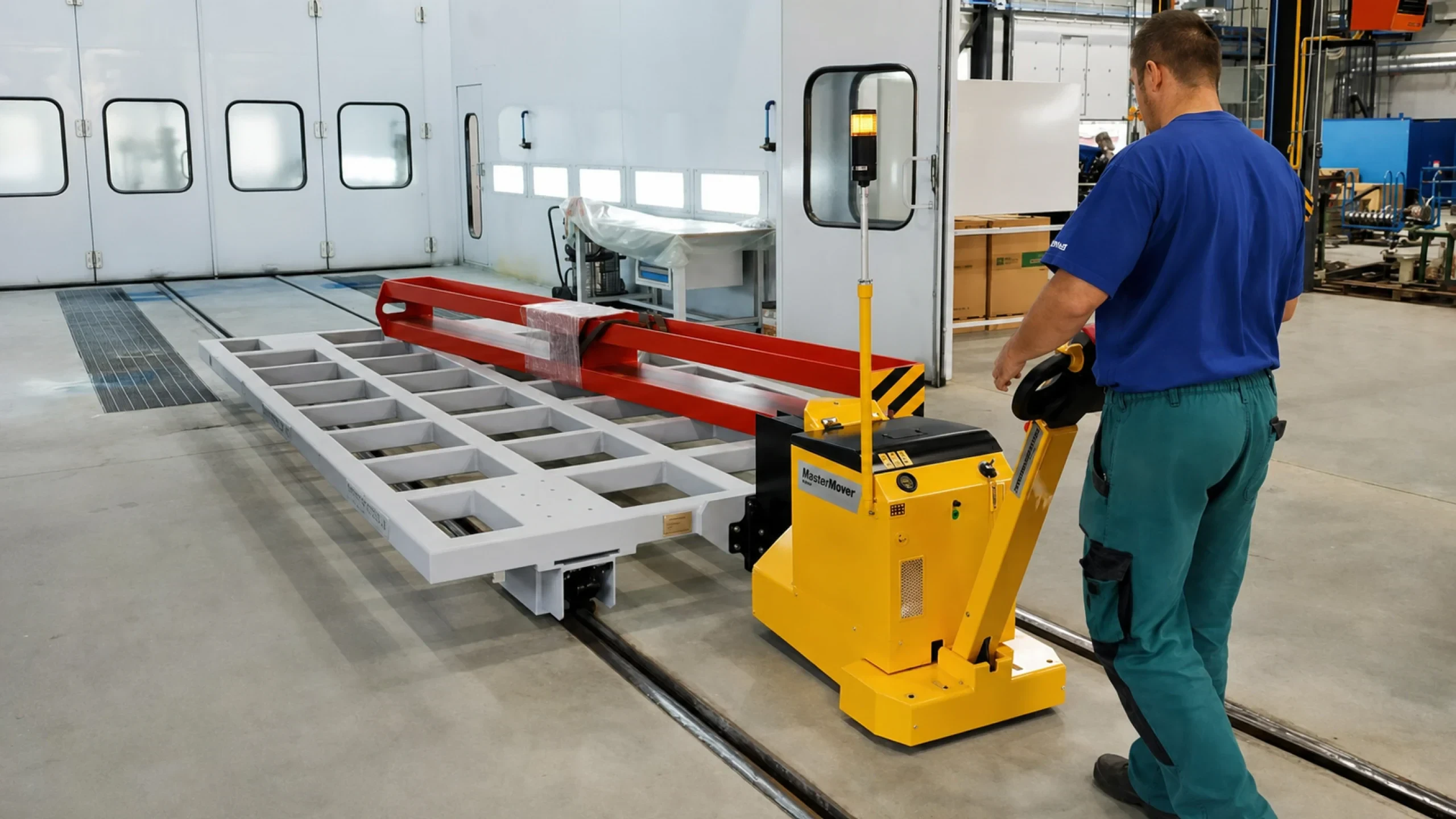
For large or high-value loads, a forklift may solve movement but not always control. In constrained spaces, visibility, coupling and stopping become part of the decision.
Before budgeting, clarify whether the load can be coupled correctly, whether wheels allow traction and whether floor, slope or stopping zone support the movement.
The forklift remains right when the operation requires lifting, stacking, pallet handling, truck loading or frequent movement between levels.
If the load has no wheels, cannot be coupled, the route changes constantly or the process needs mixed handling, an electric tug should not be forced into the application.
A MasterMover unit makes sense when the load is on wheels or can be adapted, and the move is frequent, ground-level and clear enough as a route.
The gain is not just reduced forklift use. You gain better control when starting, turning and stopping, less dependence on forklift availability and a route that can fit production more cleanly.
Weight alone does not select the equipment. Two loads with the same weight may need different directions if wheels, floor, slope, distance or coupling differ.
A good first review combines photos, a short video of the current movement and load data. This quickly separates a suitable application from a case that needs cart changes or should stay with a forklift.
Examples for comparing forklift movement with electric towing of a wheeled load.
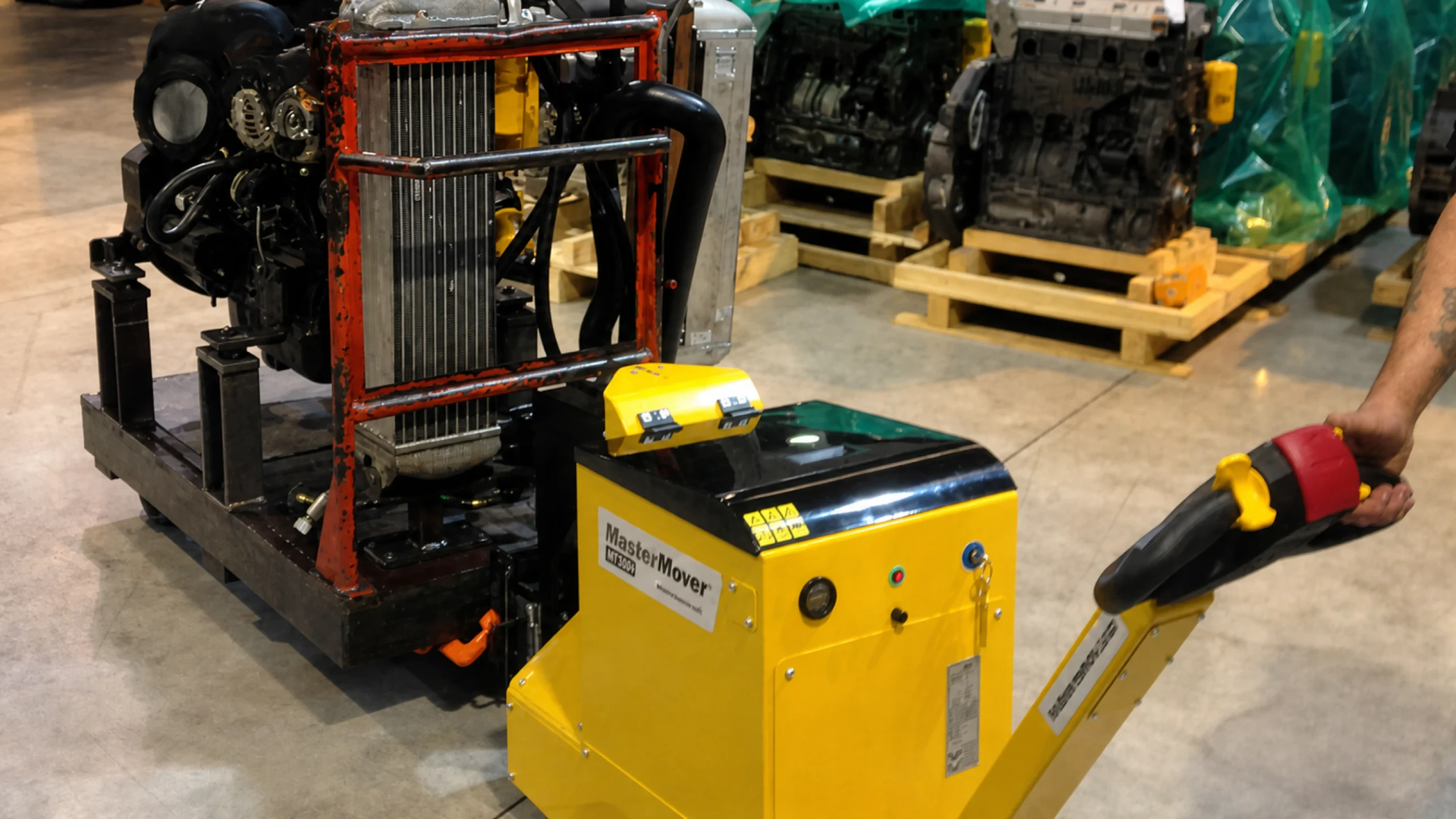
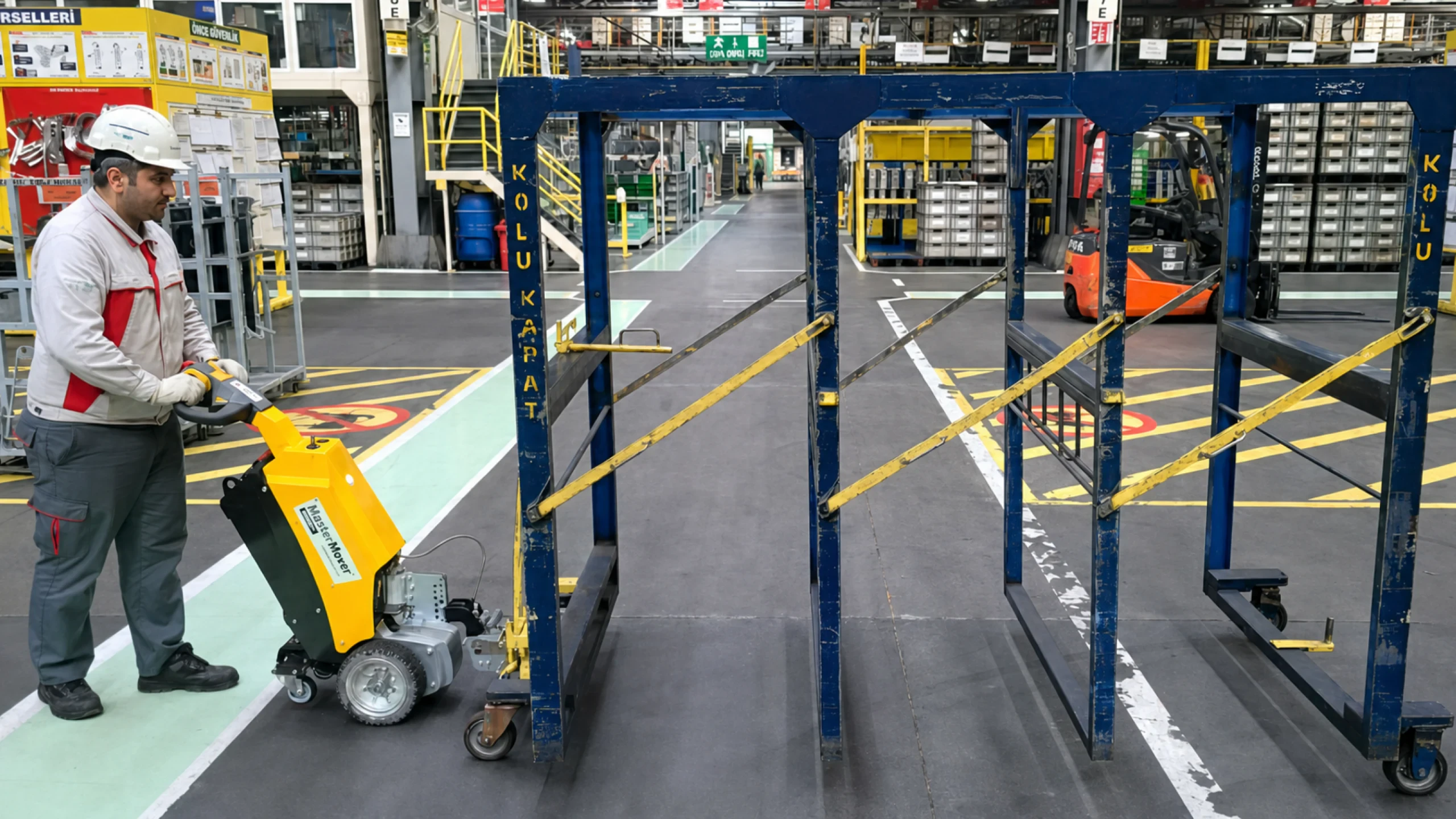
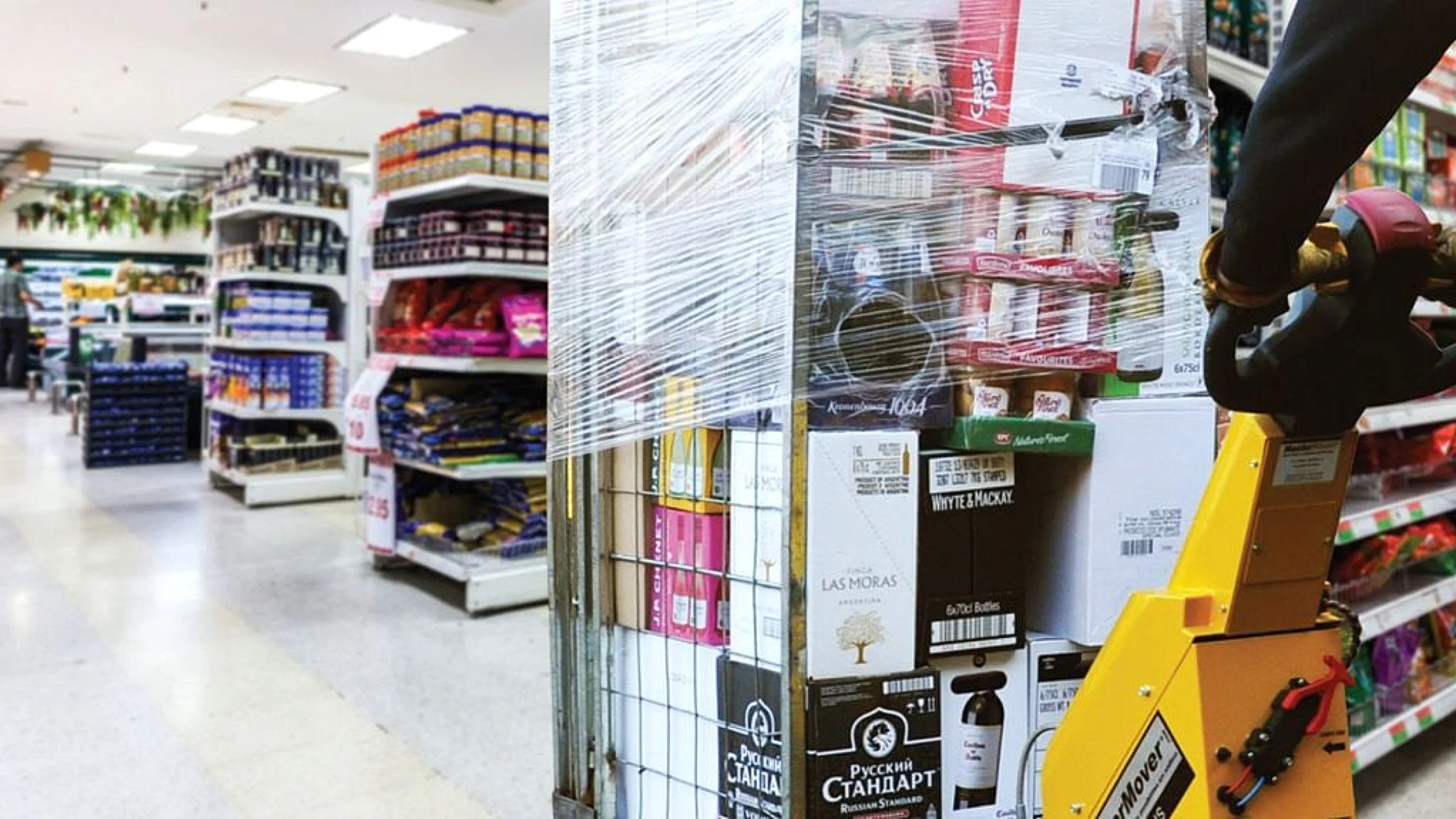
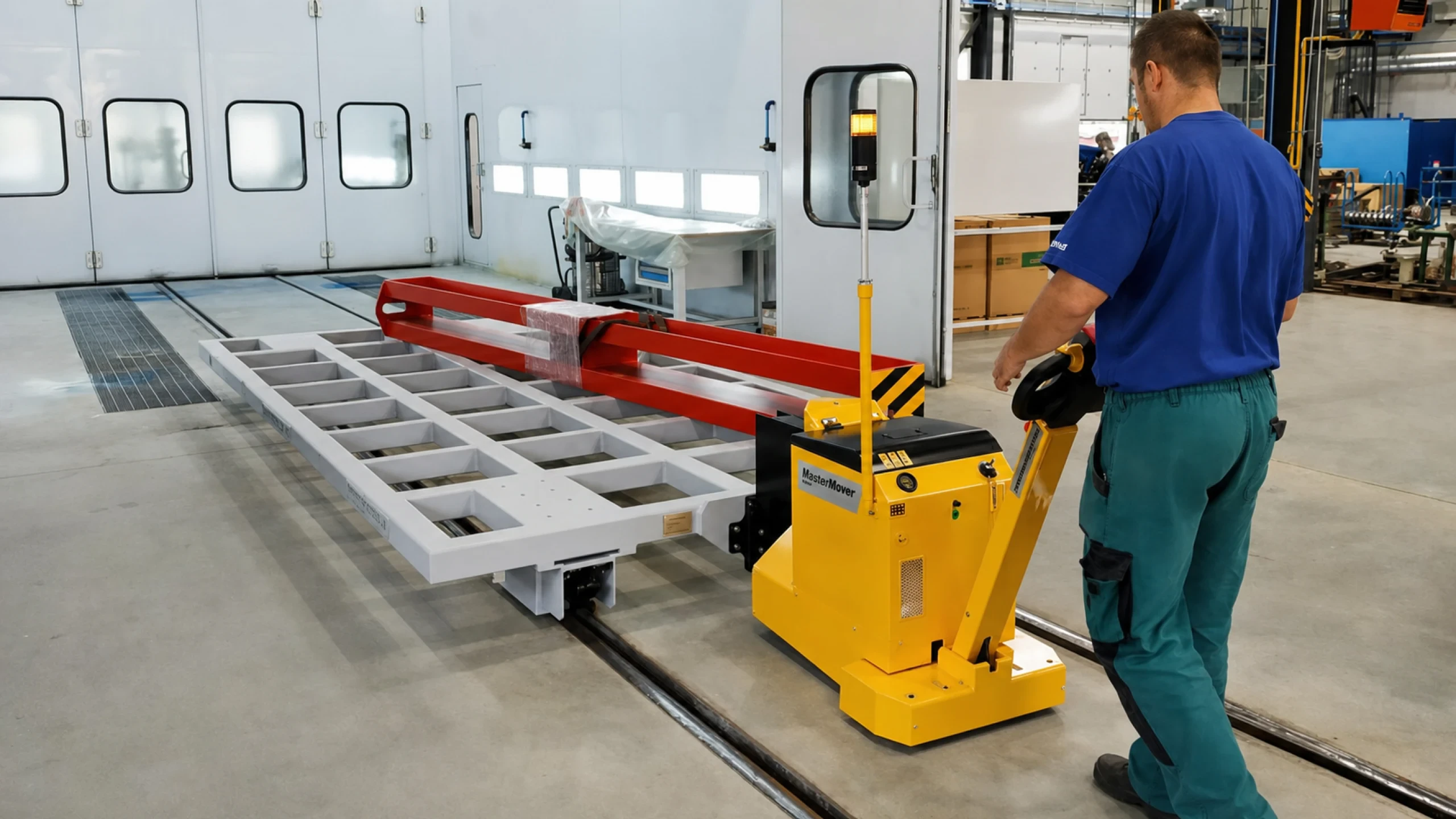
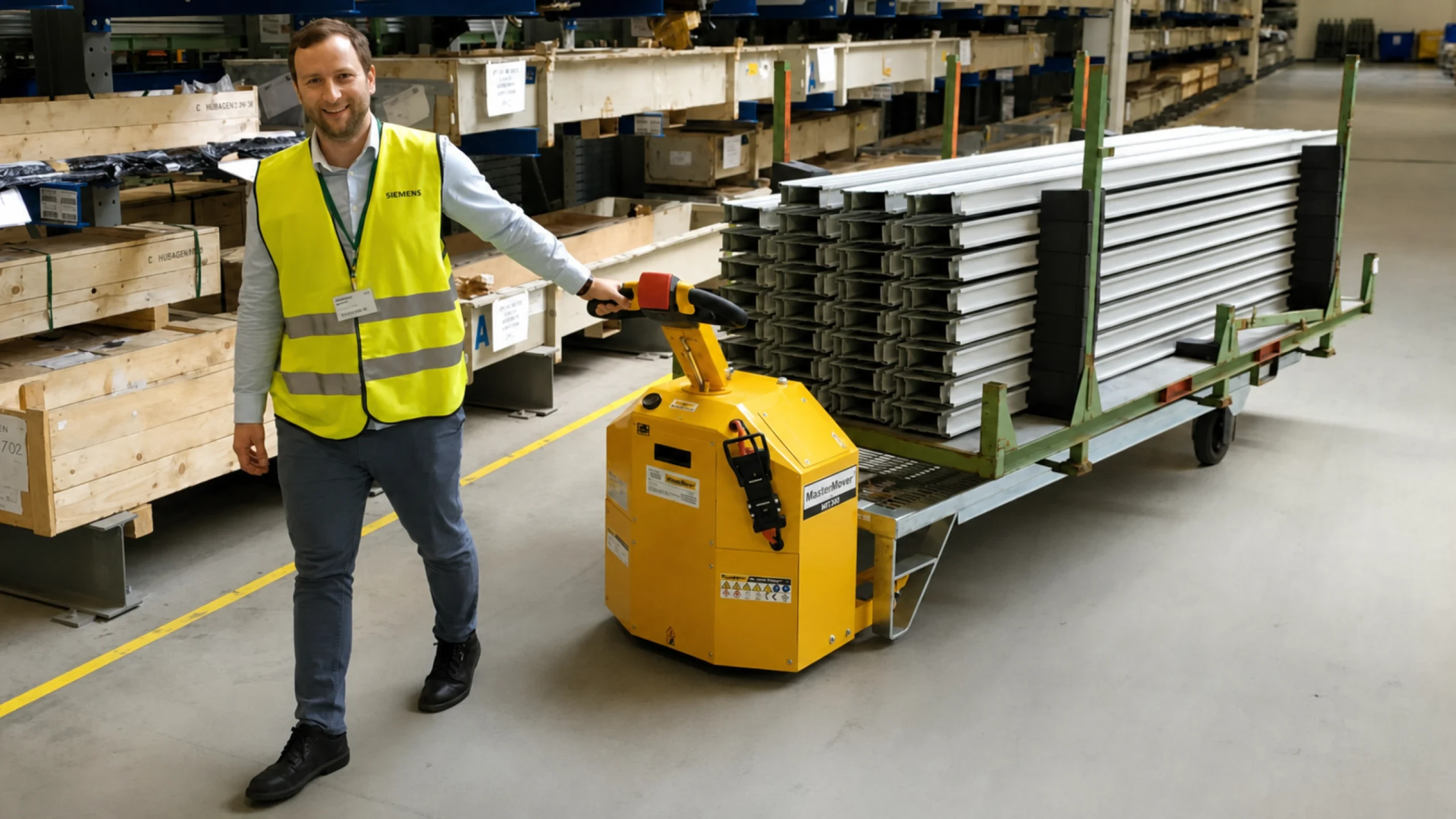
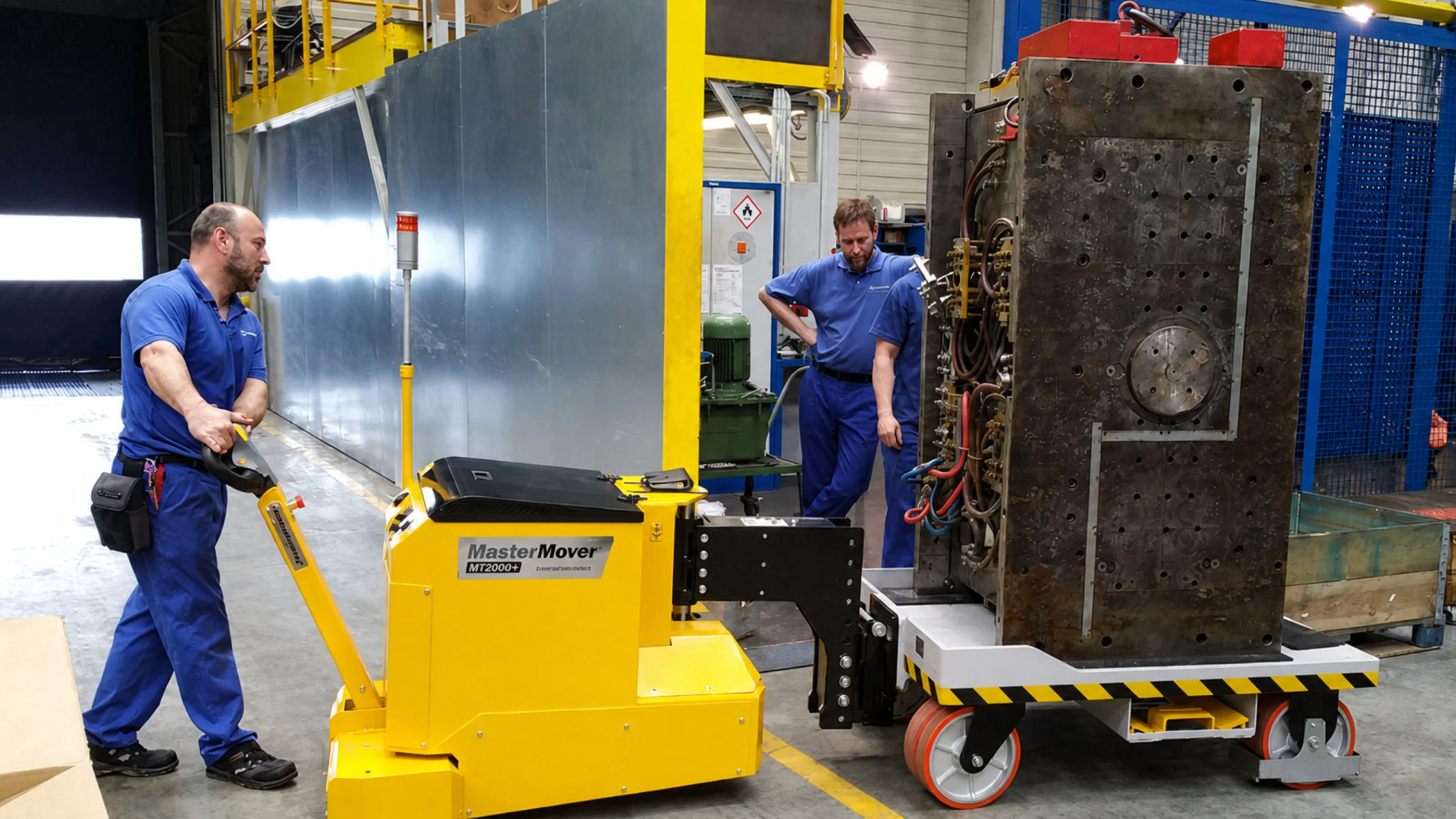
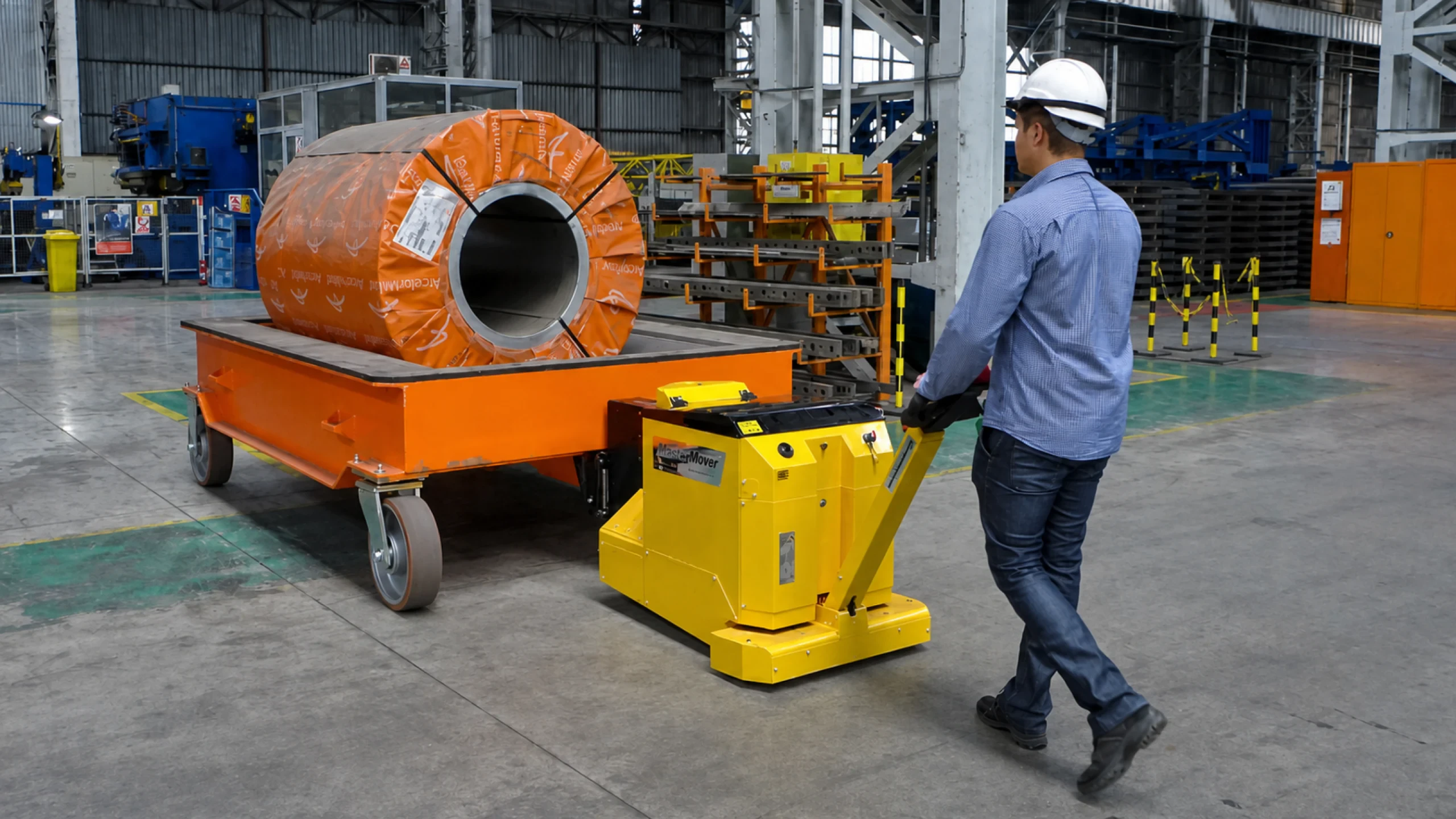
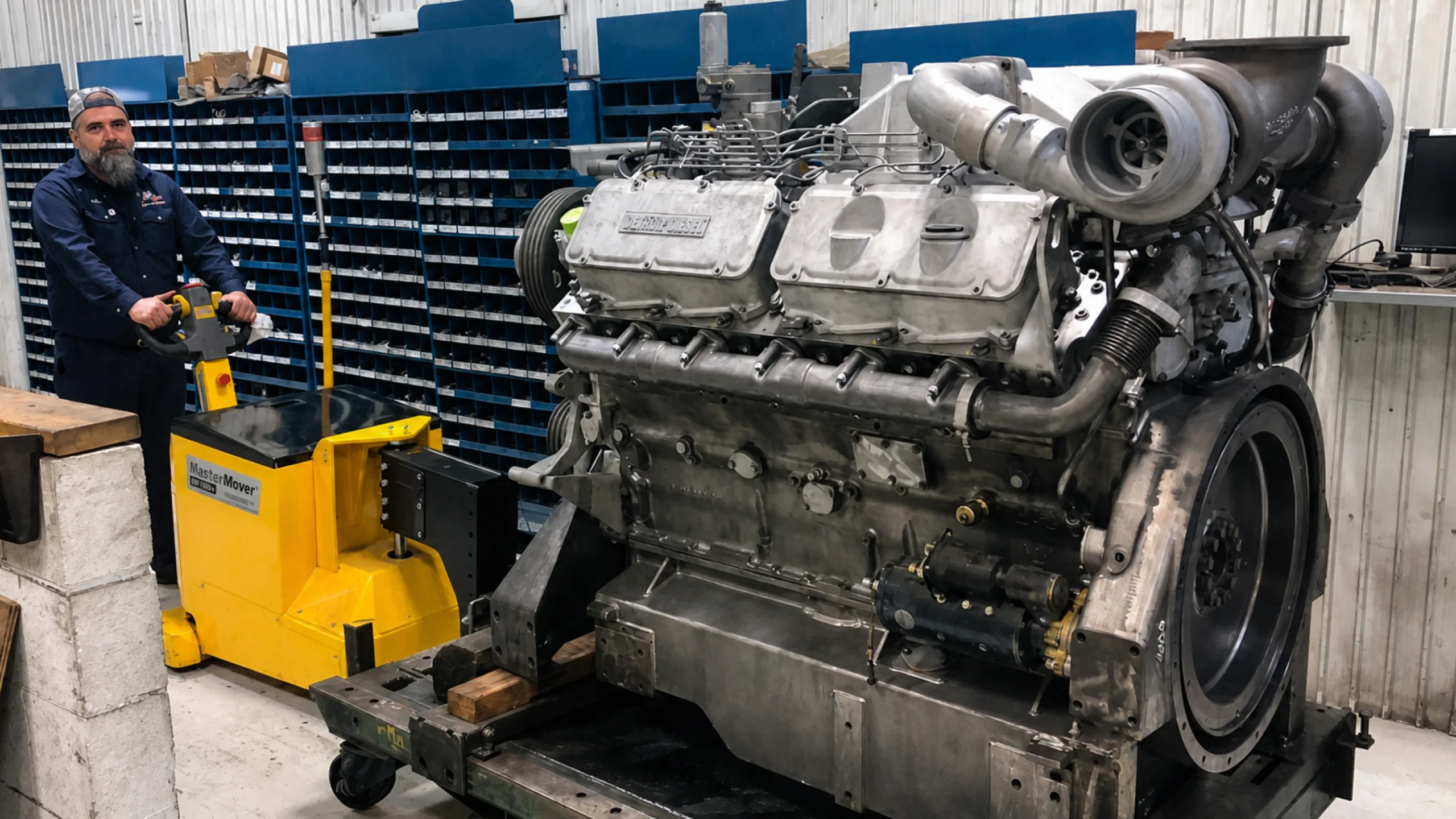
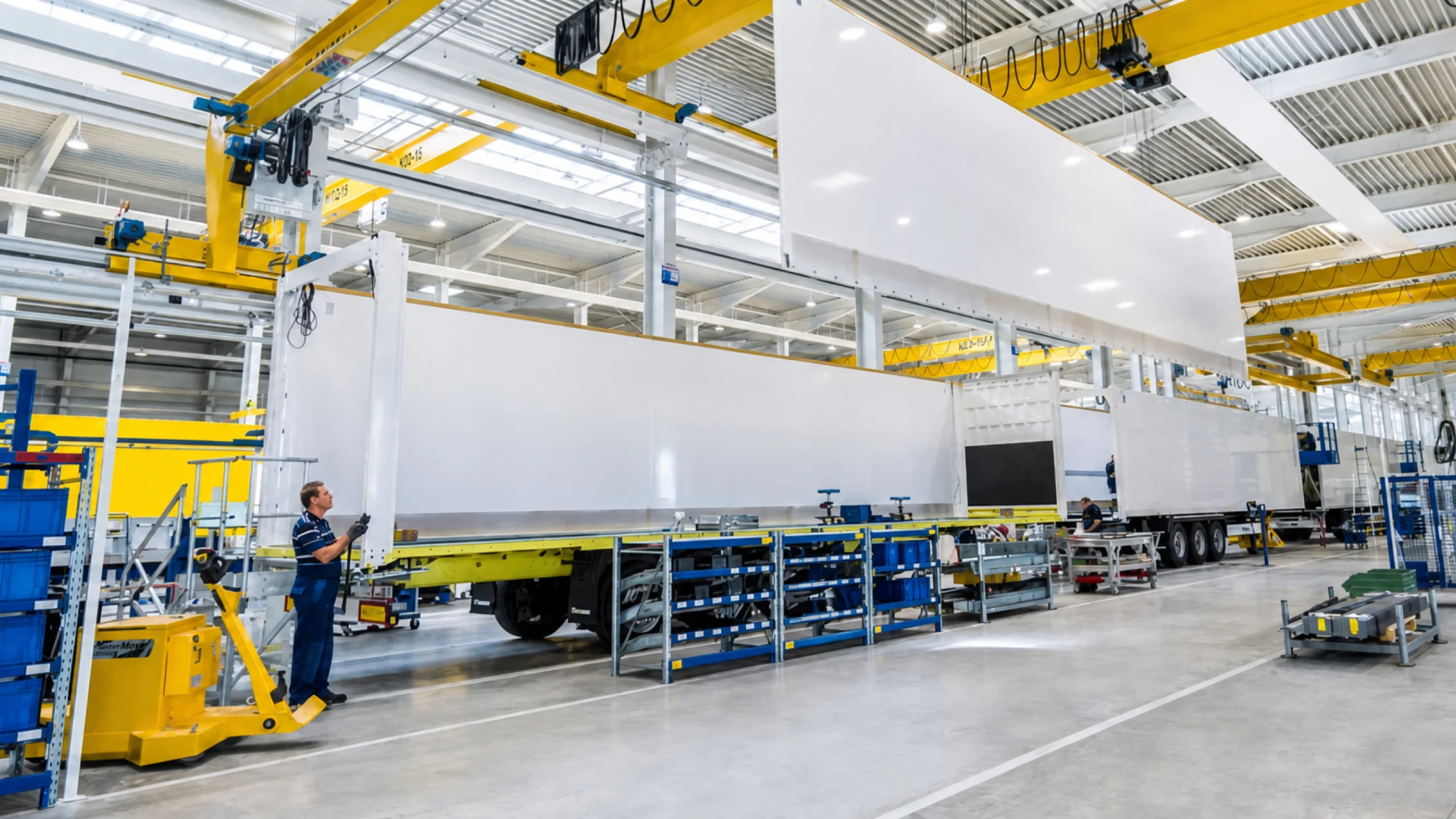
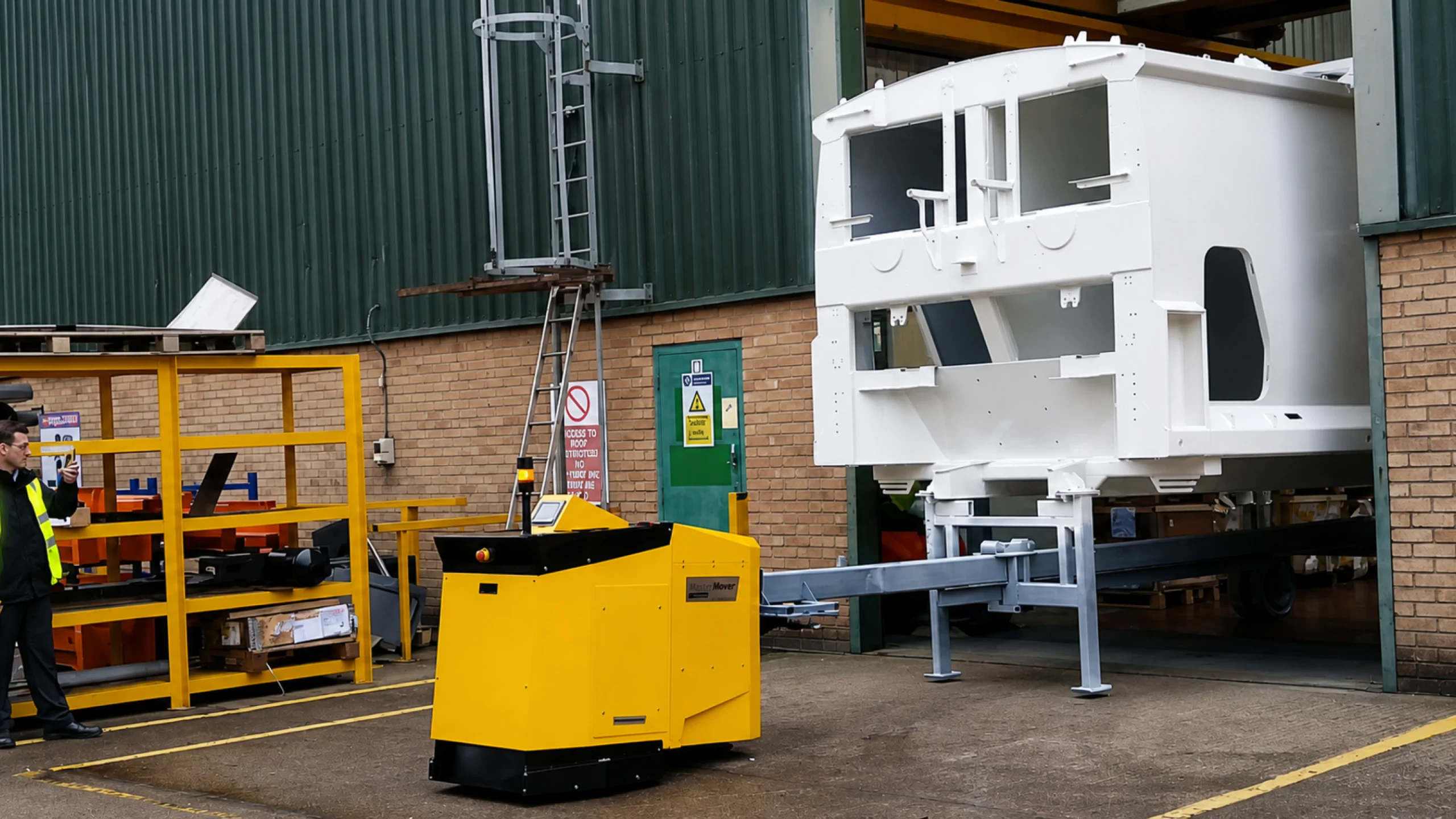
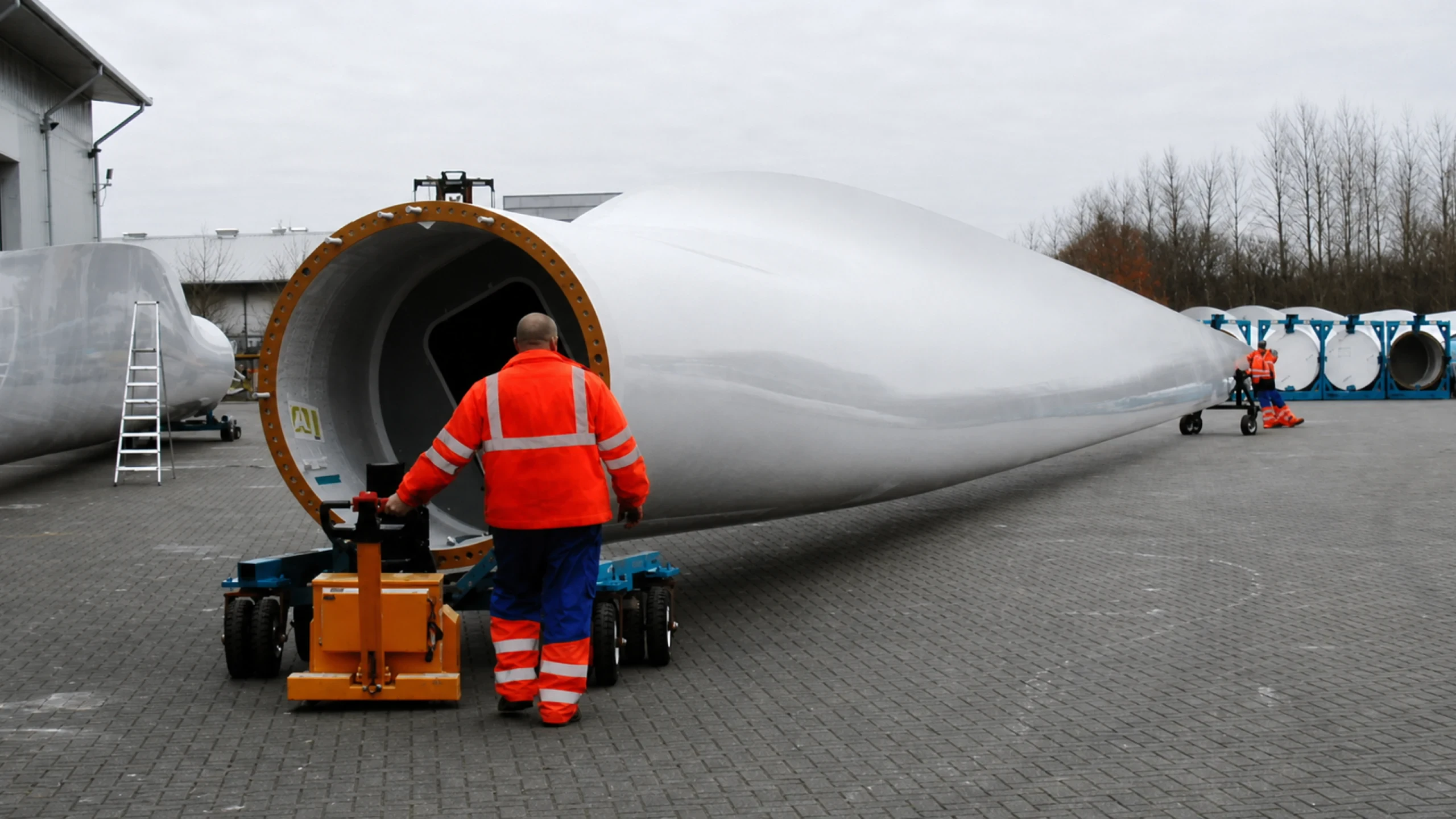
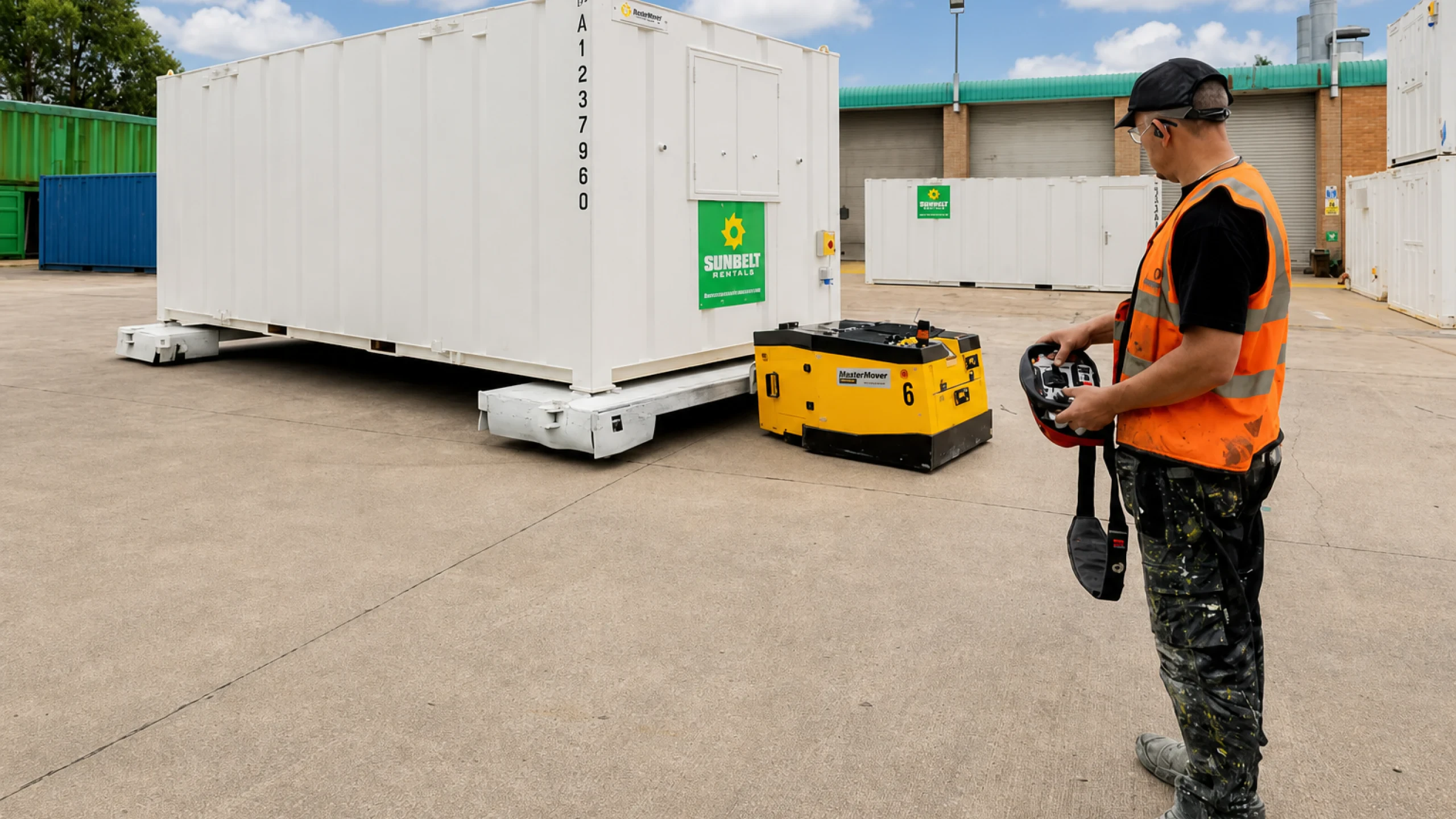
Are you using a forklift for a load that only needs controlled movement?

Start with repetitive ground-level movements where the forklift is used more for availability than for lifting. If the load has wheels, the route is relatively stable and the movement consumes time or creates congestion, the application is worth checking.
Useful signals:
Weight shows only part of the effort. Wheels, floor, slope, thresholds, start direction, coupling type and manoeuvring space can change the direction completely.
A light cart with poor wheels can be harder to control than a heavier load with suitable wheels and a good route. Photos, short video and wheel data are therefore as important as weight.
Keep the forklift when the application requires lifting, stacking, pallet handling, loading/unloading or high flexibility between different loads.
MasterMover becomes relevant when movement is ground-level, the load can be coupled, the route is known and movement control brings value: less waiting, more precision and reduced forklift traffic in that area.
The common blockers are wheels, coupling and route. Small, worn or swivel castors can make starting and steering unstable. Improvised coupling can reduce control or operator visibility.
The route completes the picture: slope, threshold, polished floor, narrow doors, pedestrian traffic or insufficient stopping zones. Each can change the right equipment or require load adaptation before quoting.
Frequency turns an apparently minor move into process cost. A movement done several times a day may consume operator time, block the forklift and create waiting near the line.
When the movement is rare, the forklift or current method may remain acceptable. When it is frequent, repetitive and predictable, controlled movement becomes easier to justify.
The best first details show the real movement, not only the declared load. One photo of the cart and a 20-30 second video can clarify more than a long description.
Prepare, where available: