
Maintenance hangars
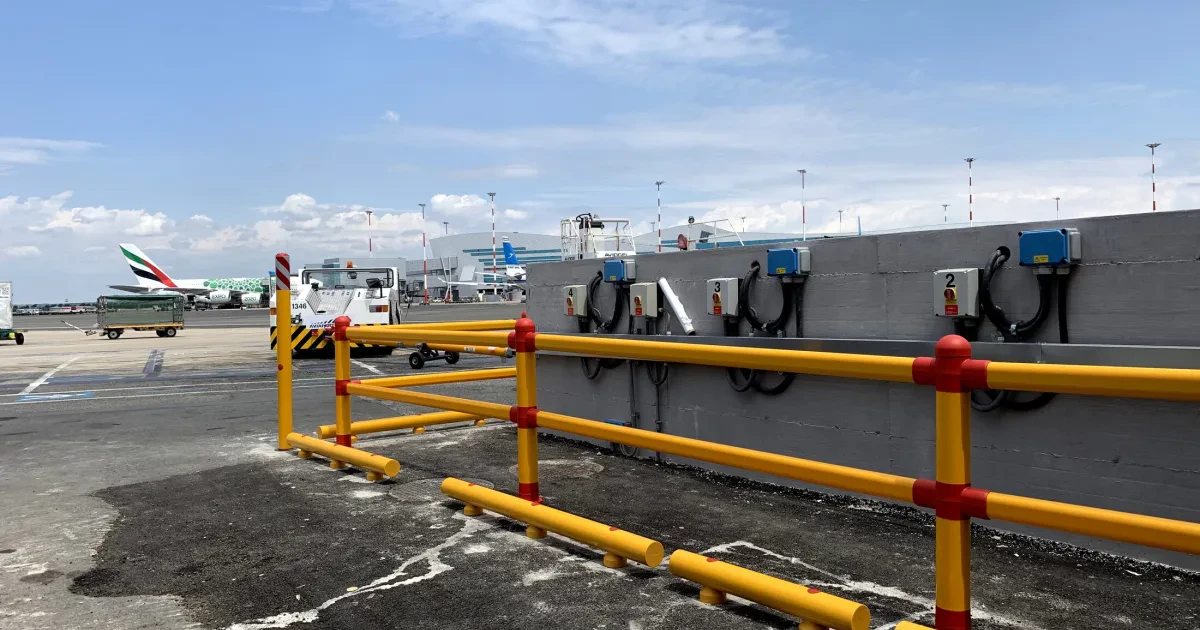
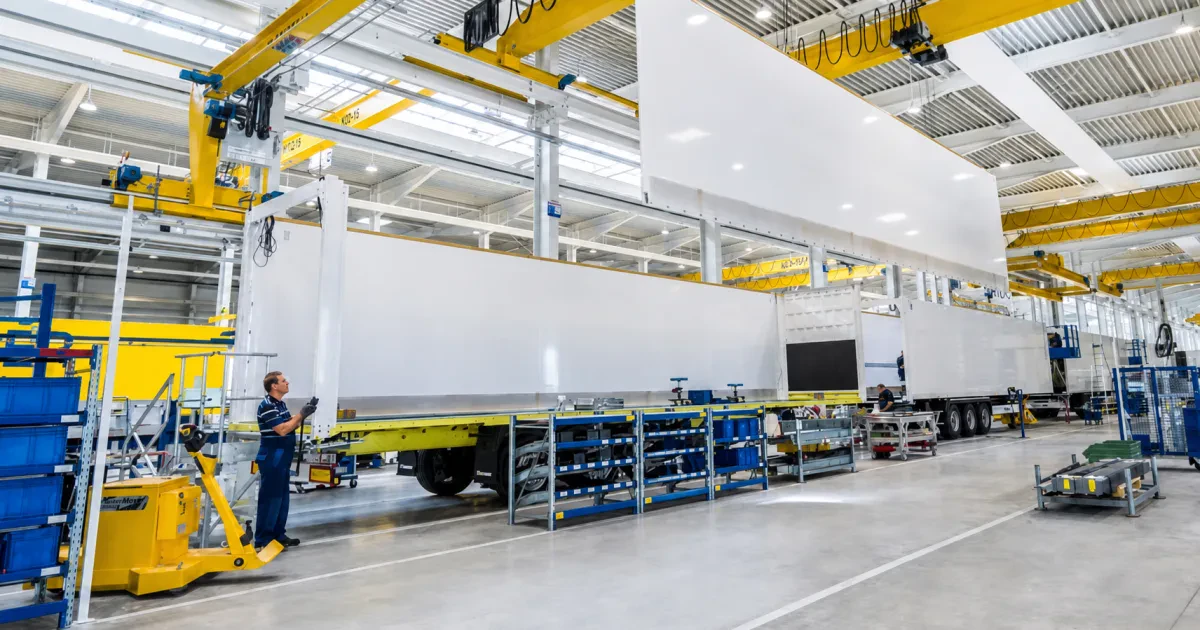
Aircraft, GSE, platforms, tools and temporary routes sharing the same space.

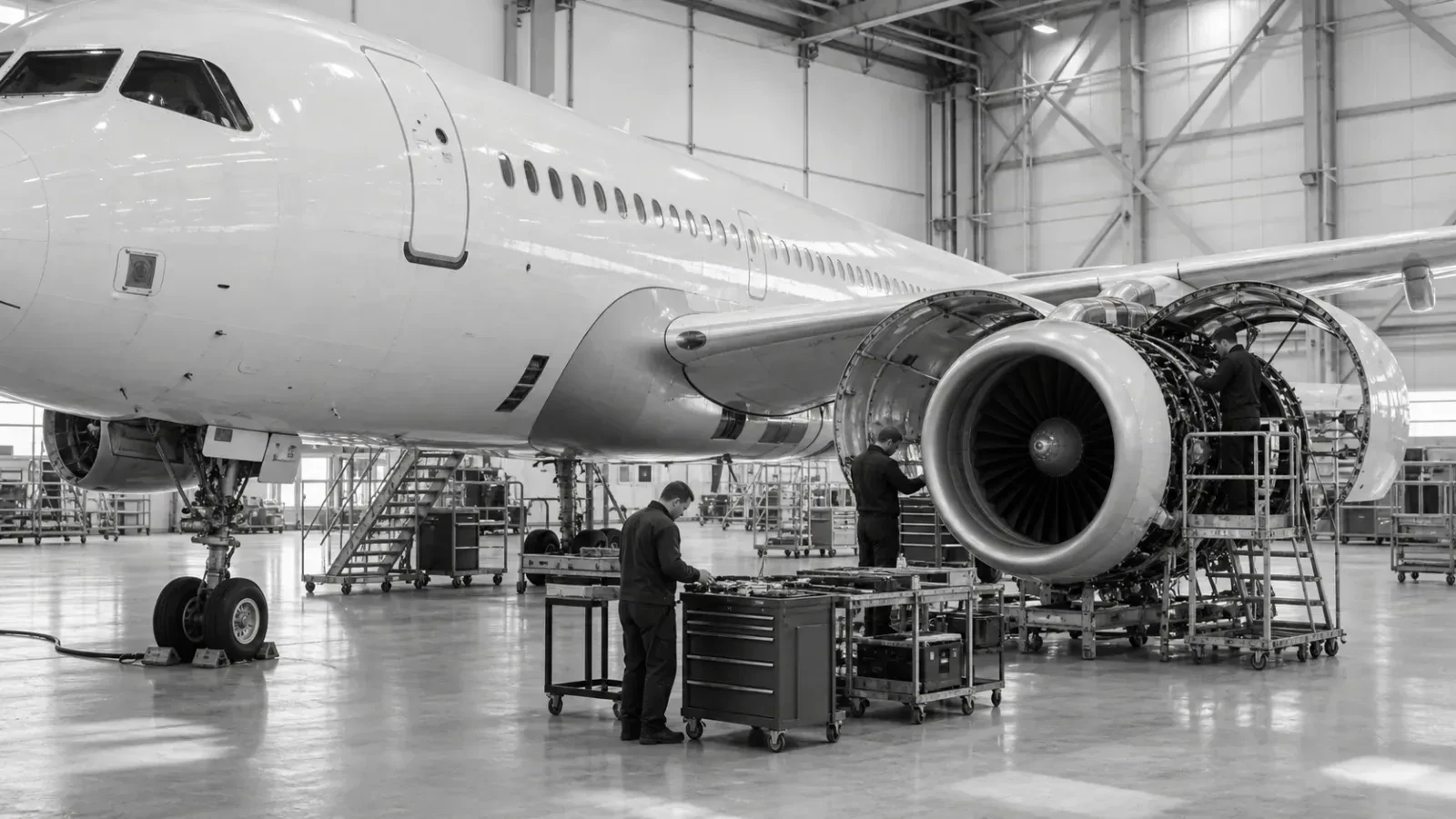
In aerospace production, MRO hangars, component workshops and test areas, a small detail can stop an expensive flow: particles carried along routes, foreign objects, tooling impacts or poorly controlled movement of heavy components.
In aerospace and MRO, FOD discipline is not just general cleanliness. It matters what enters a sensitive area, on which wheels or soles, what equipment passes exposed hardware and what can detach, hit or block work in progress.
The real flow matters: where the hardware is, what moves around it, which crossing points repeat and what consequence a foreign object, particle, impact mark or uncontrolled movement can have.
A good choice starts with what can reach the hardware, what can be hit and what needs to move with precision.
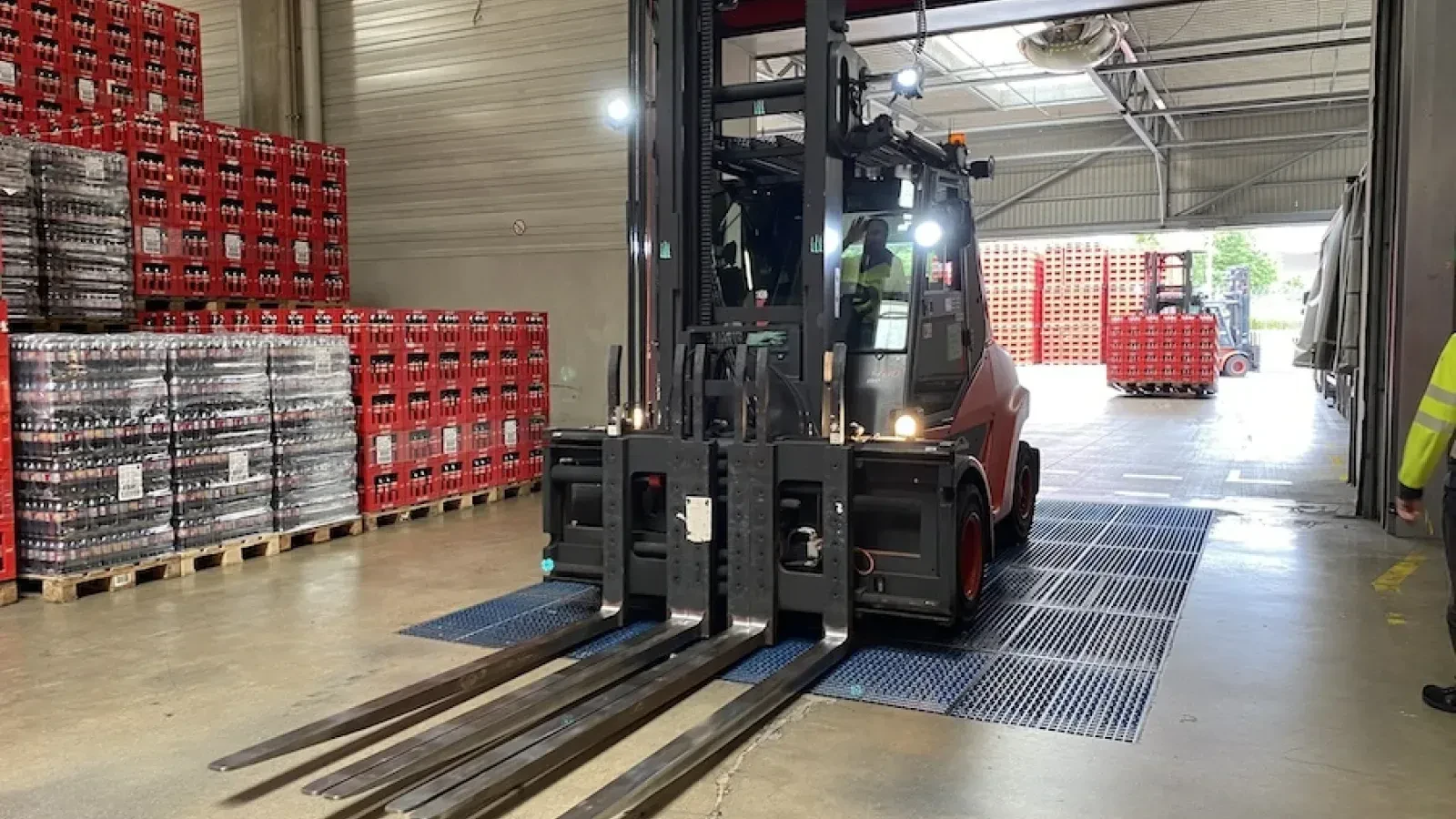
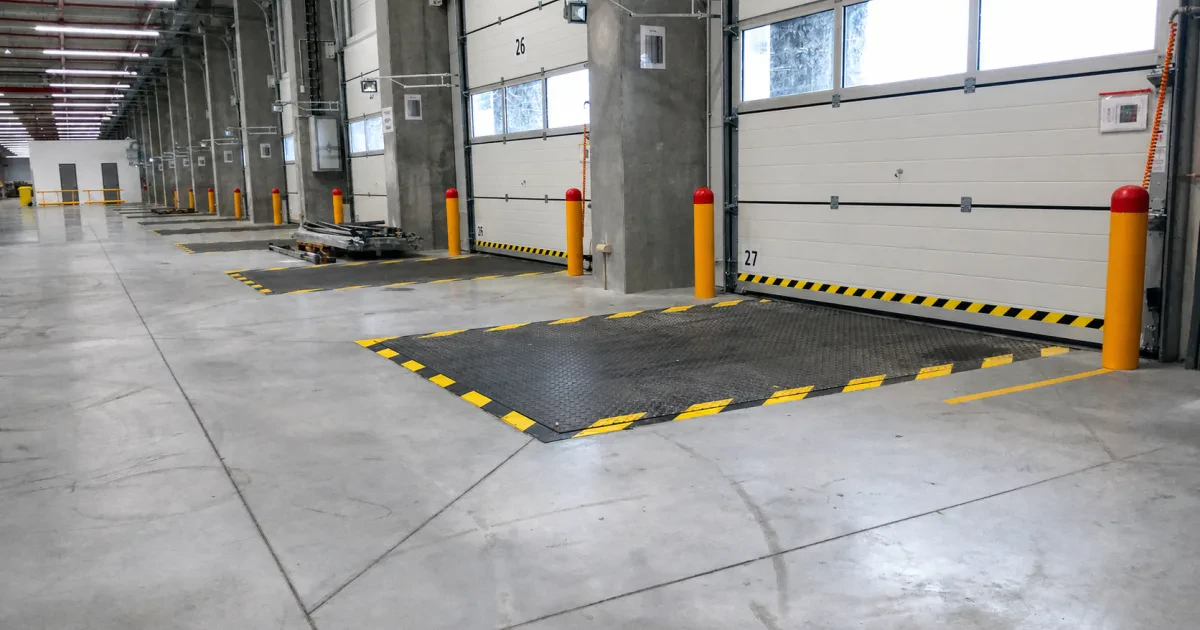
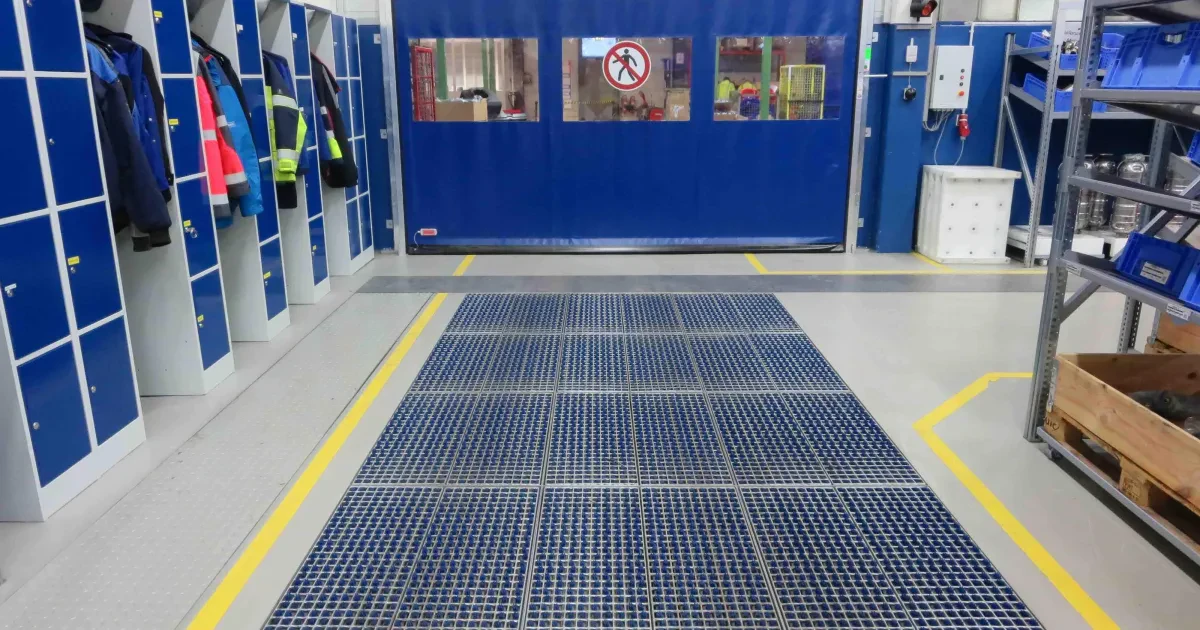
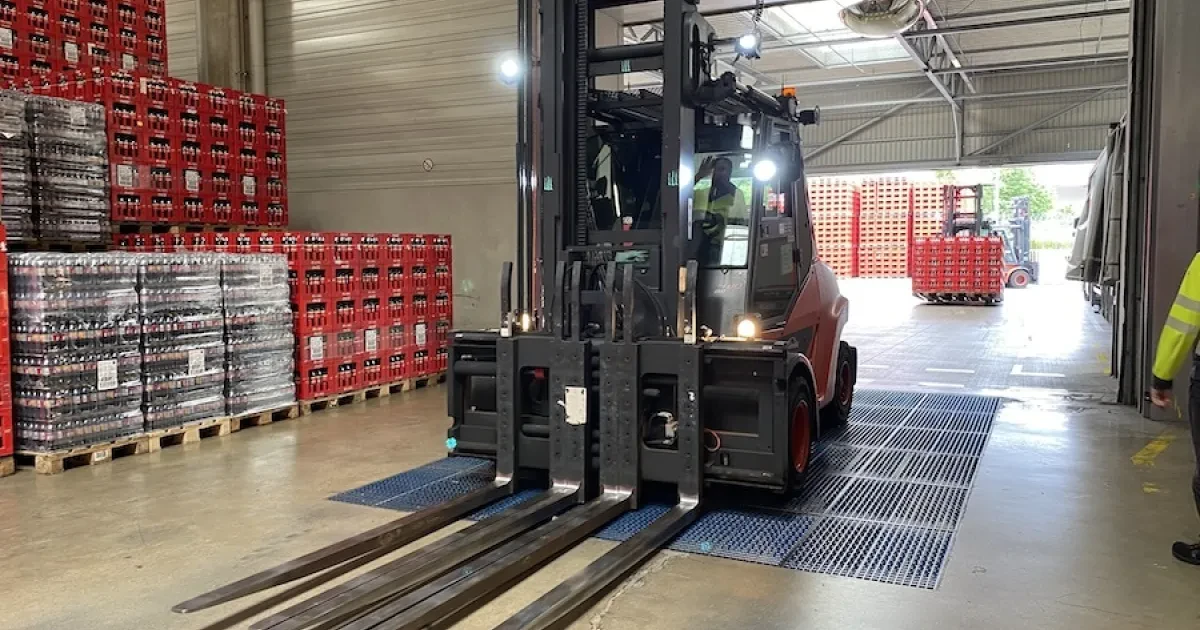
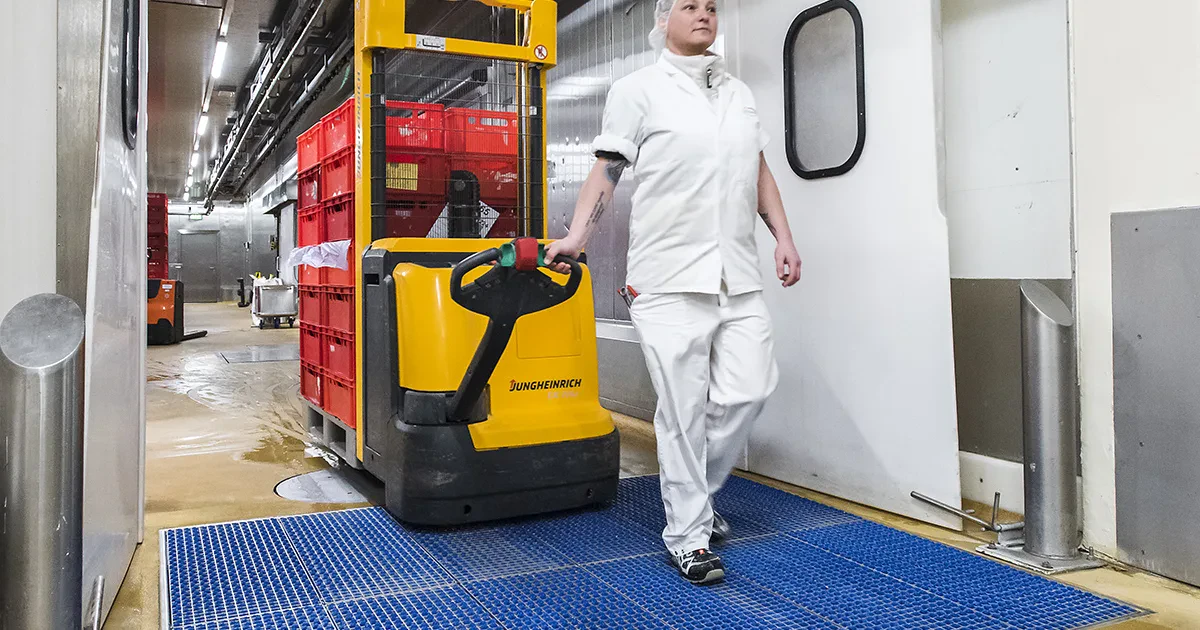
At hangar entries, between logistics and production, or before work areas with exposed hardware, wheels, soles and carts can carry particles, dust, fine chips or moisture. In aerospace, these signals connect to FOD discipline, quality and internal cleaning or verification routines.
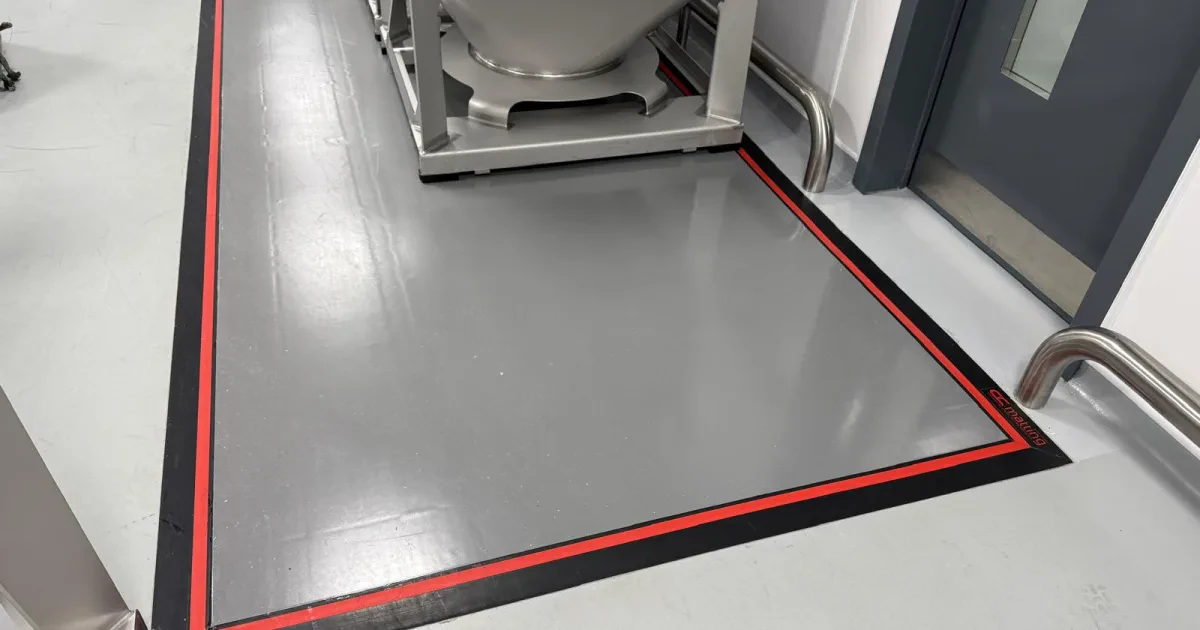
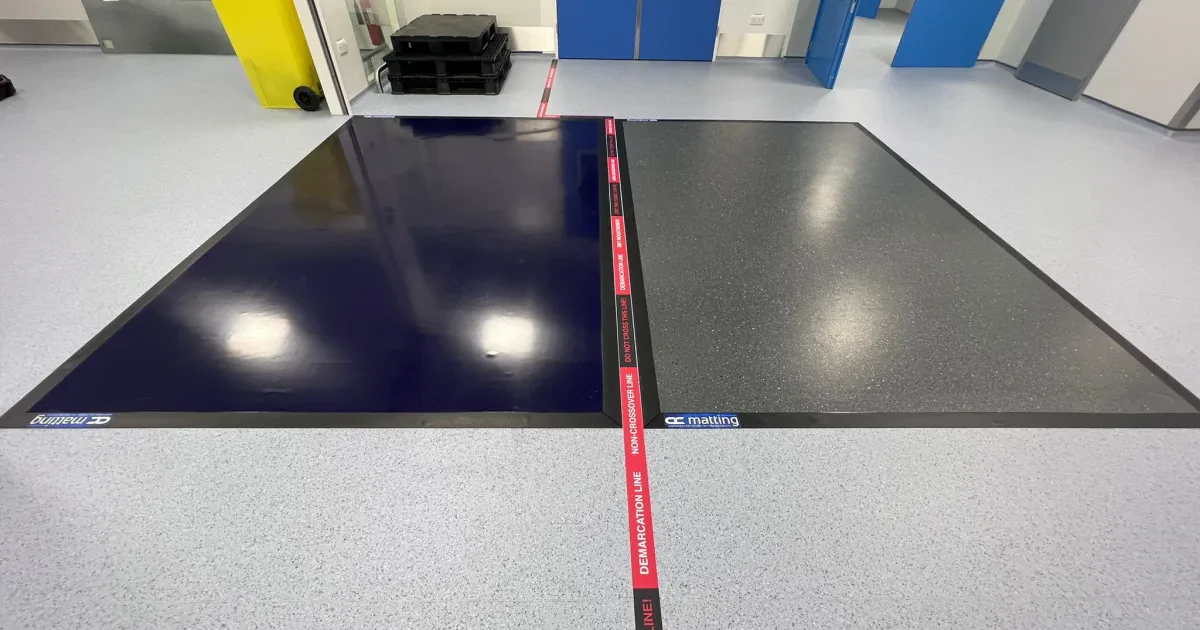
Relevant directions may include route contamination control, wheel and sole cleaning, polymer mats or route changes that make the control point realistic and difficult to bypass.
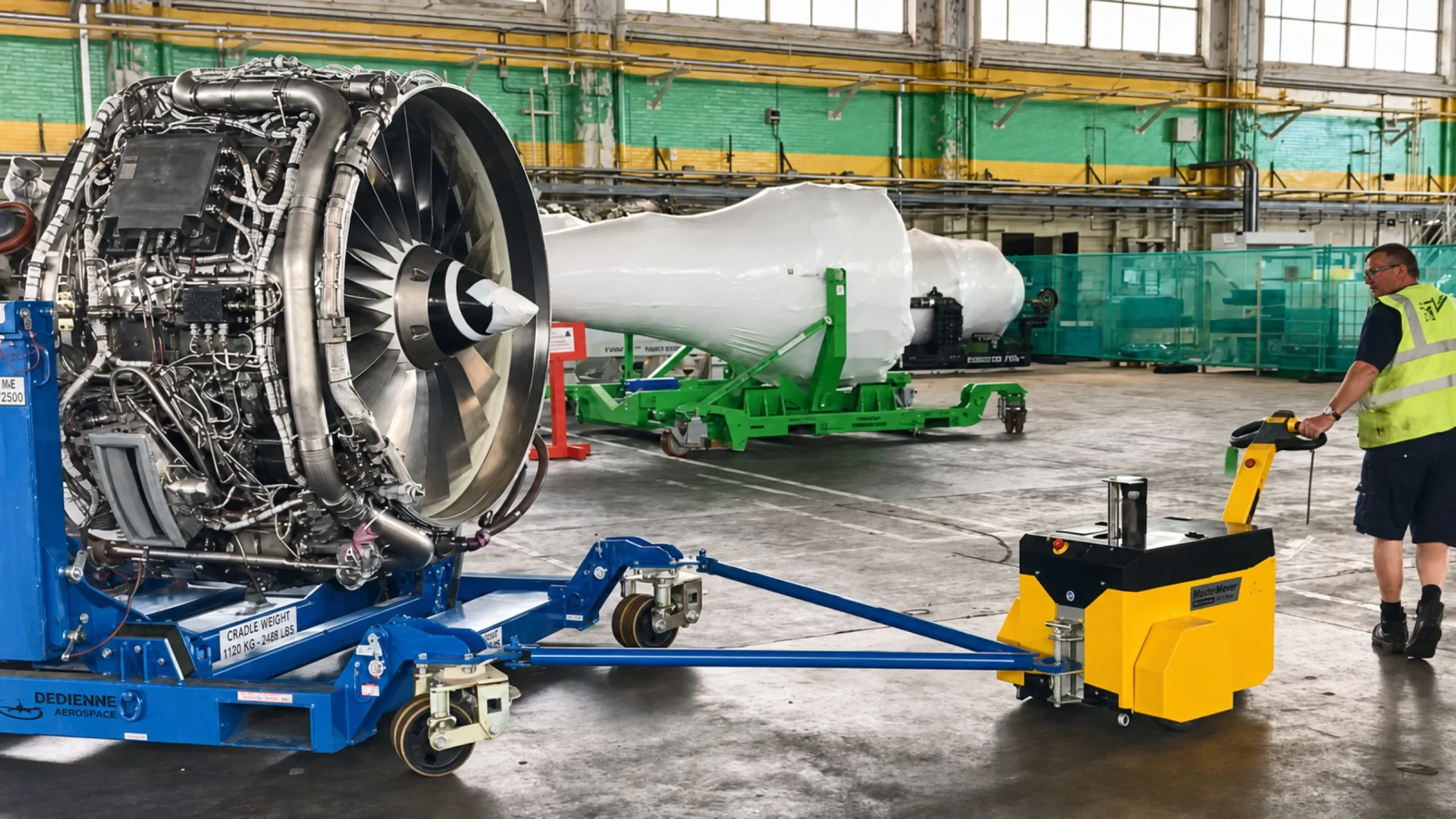
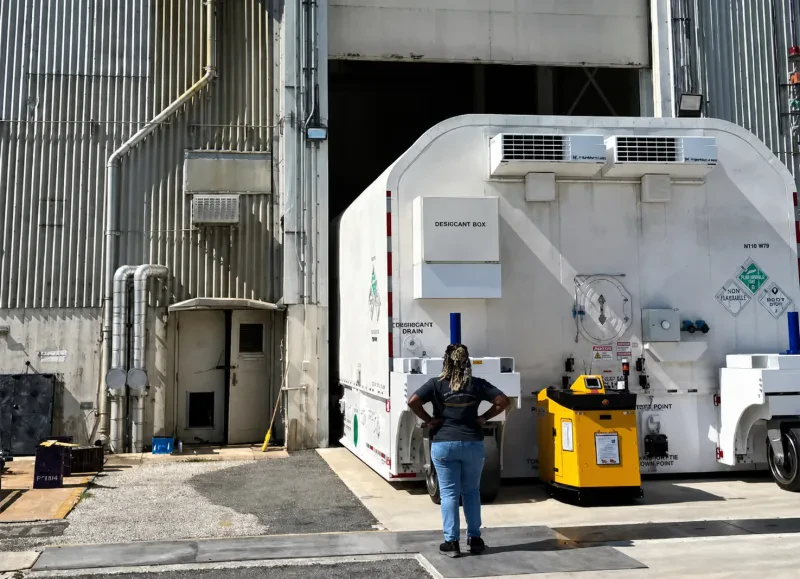
Engines, structures, platforms, jigs, tooling or test equipment can be too heavy, too valuable or too sensitive for improvised movement. When the route repeats or space is limited, starting, stopping, turning and final positioning need control.
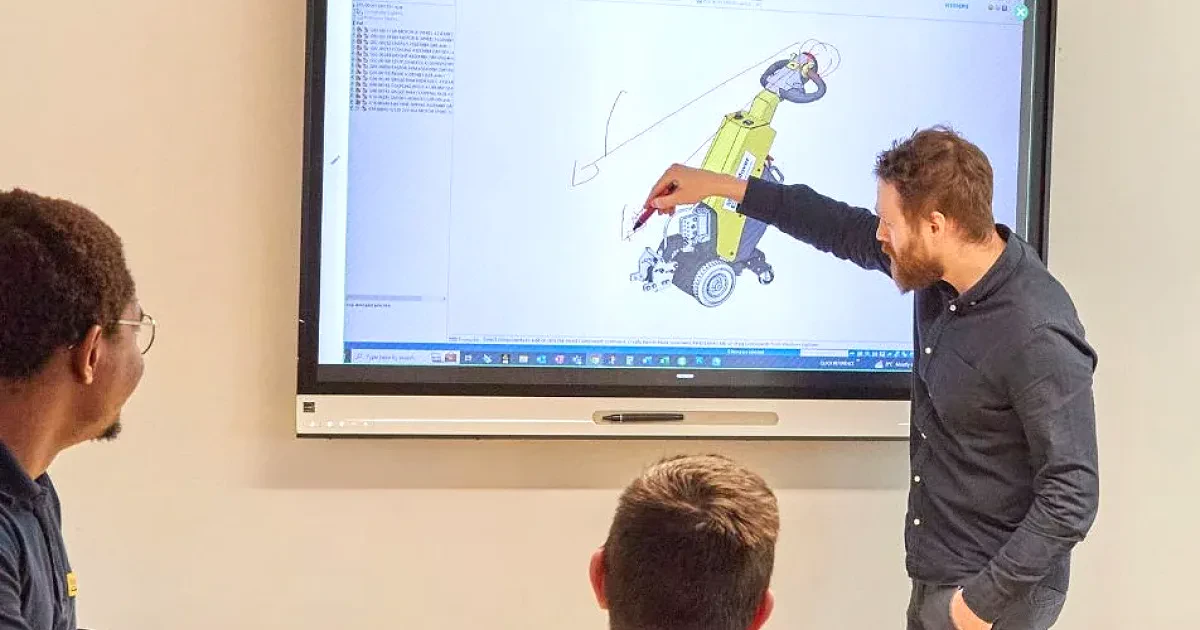
Electric tugs become relevant when the load is on wheels or can be adapted for coupling. Selection depends on weight, wheels, coupling, floor, gradient, turning radius and the precision required.
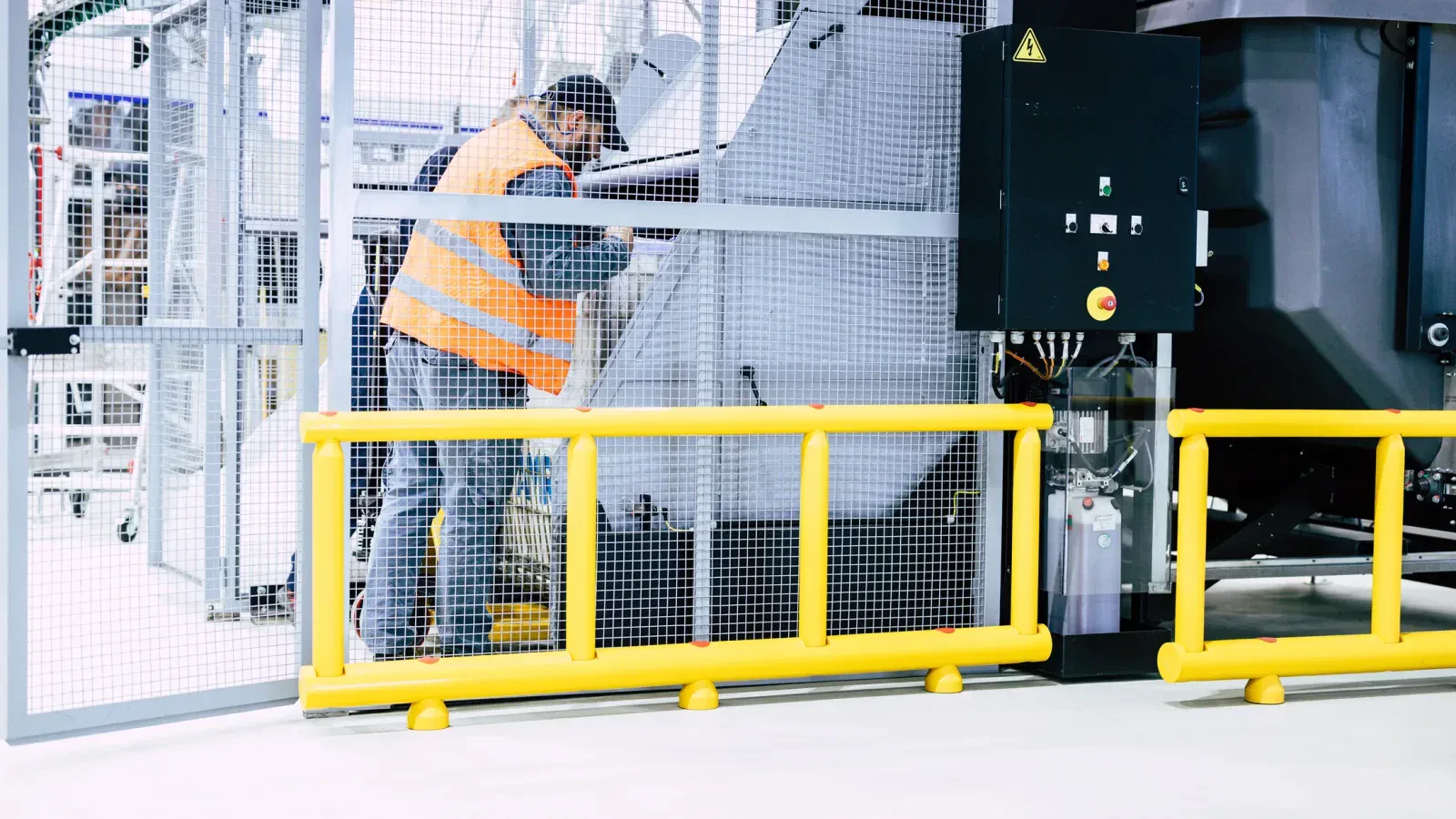
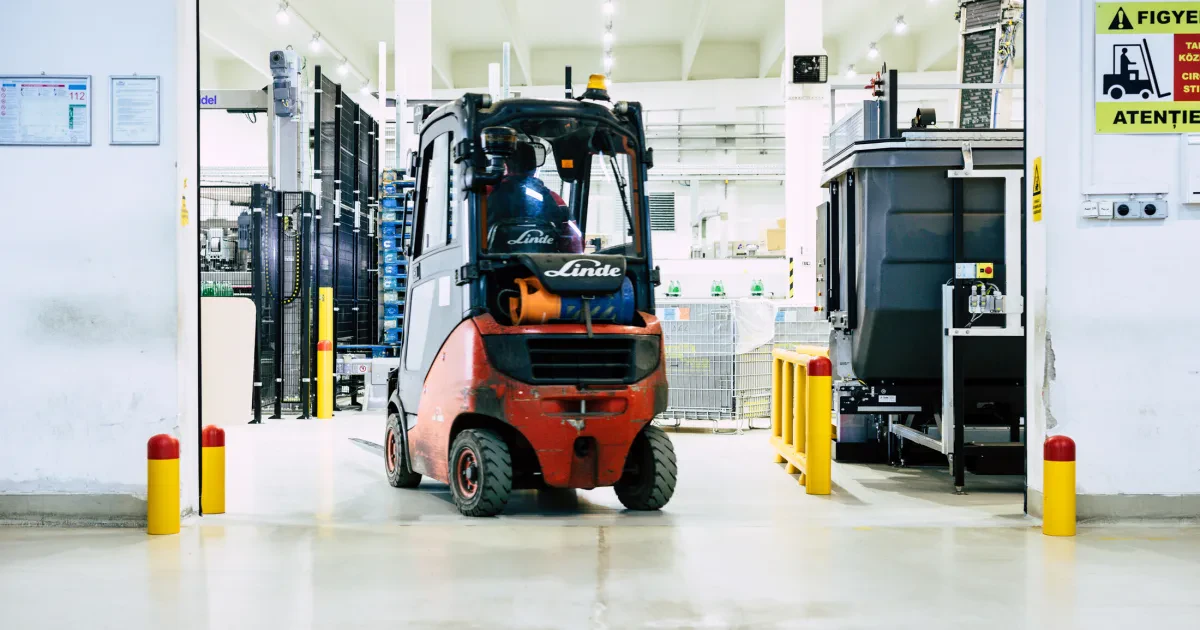
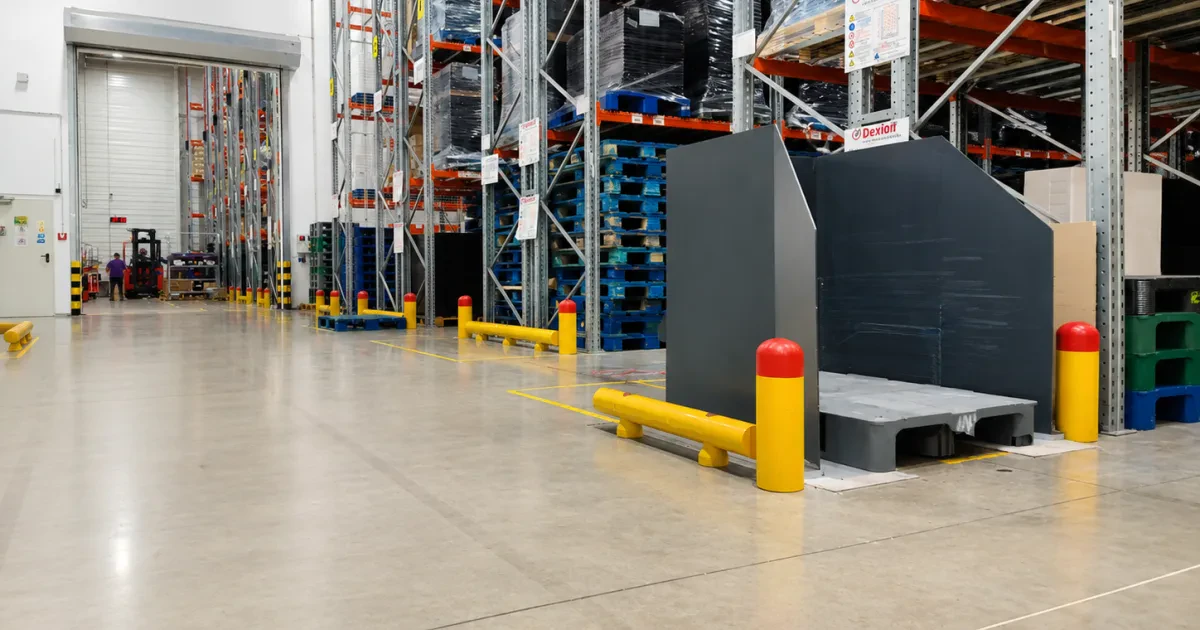
In hangars and MRO workshops, impact is not only a scratch on a corner. It can reach doors, gates, panels, benches, stands, technical areas, tooling or components temporarily in work.
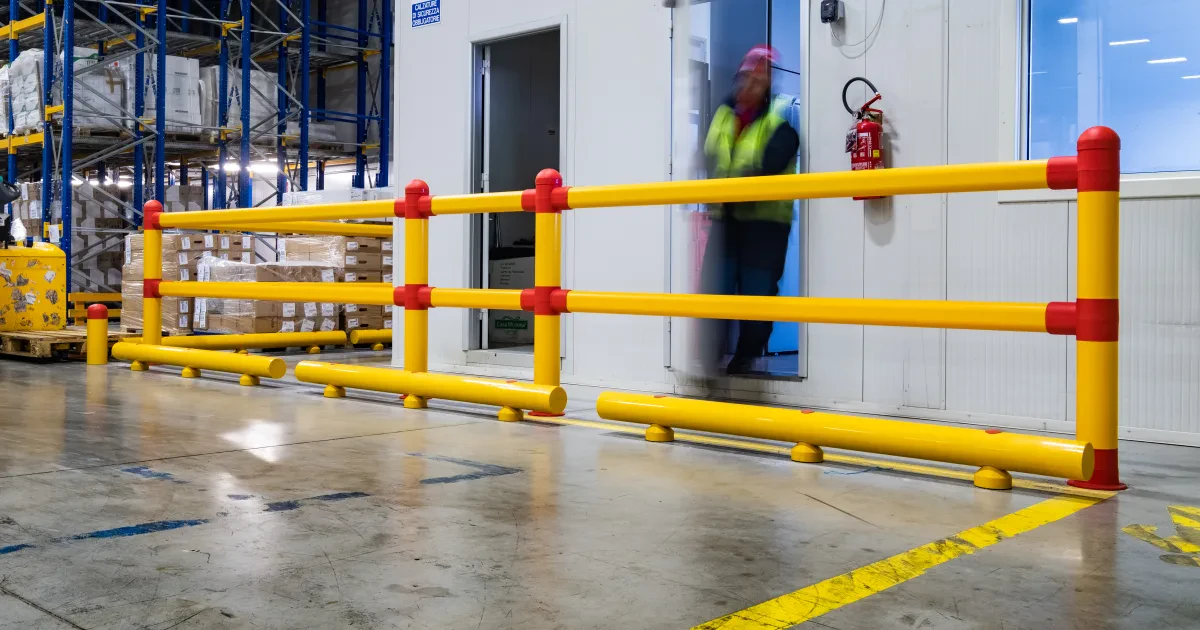
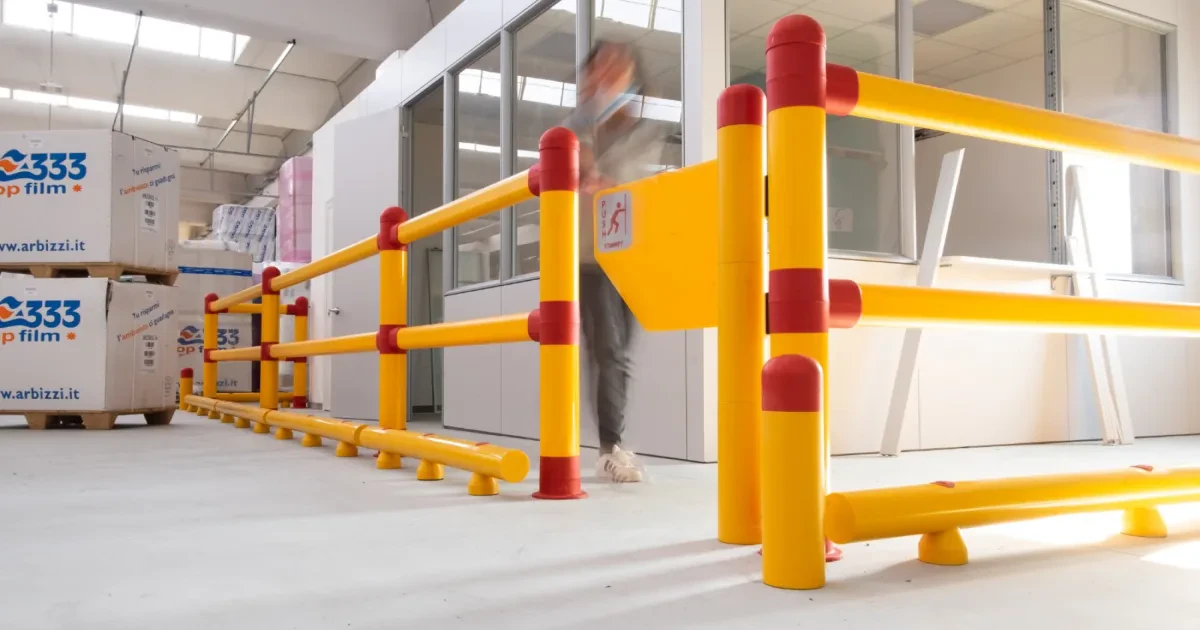
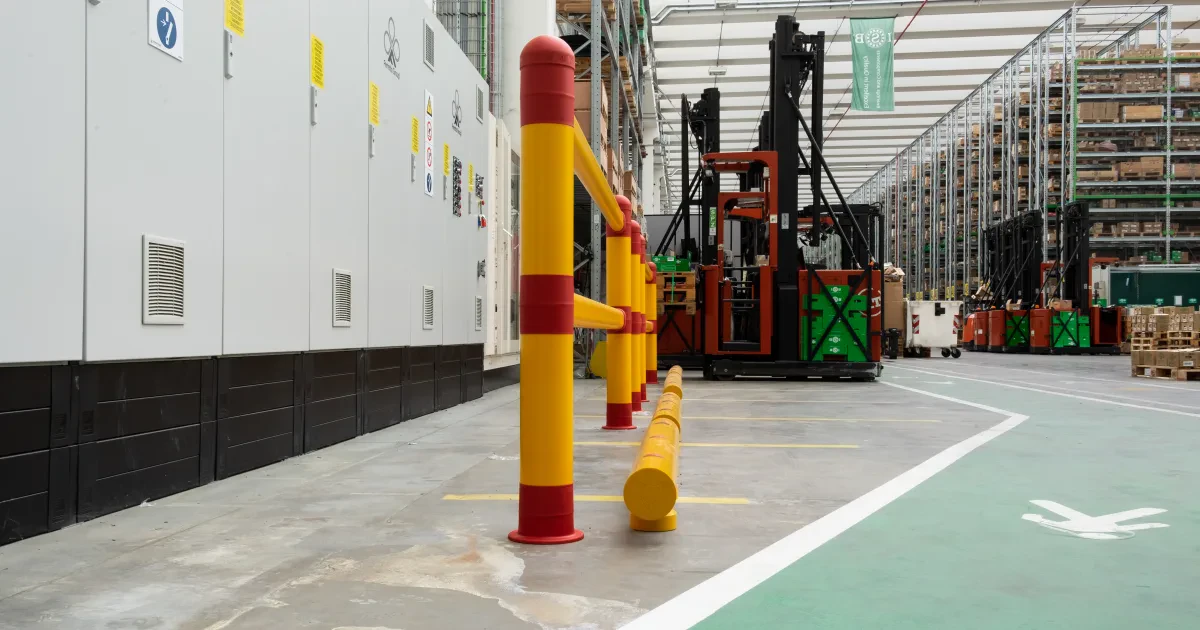
The right protection is checked against the real scenario: equipment mass and speed, impact angle, deflection space, anchoring requirements and what needs protection without blocking the flow.
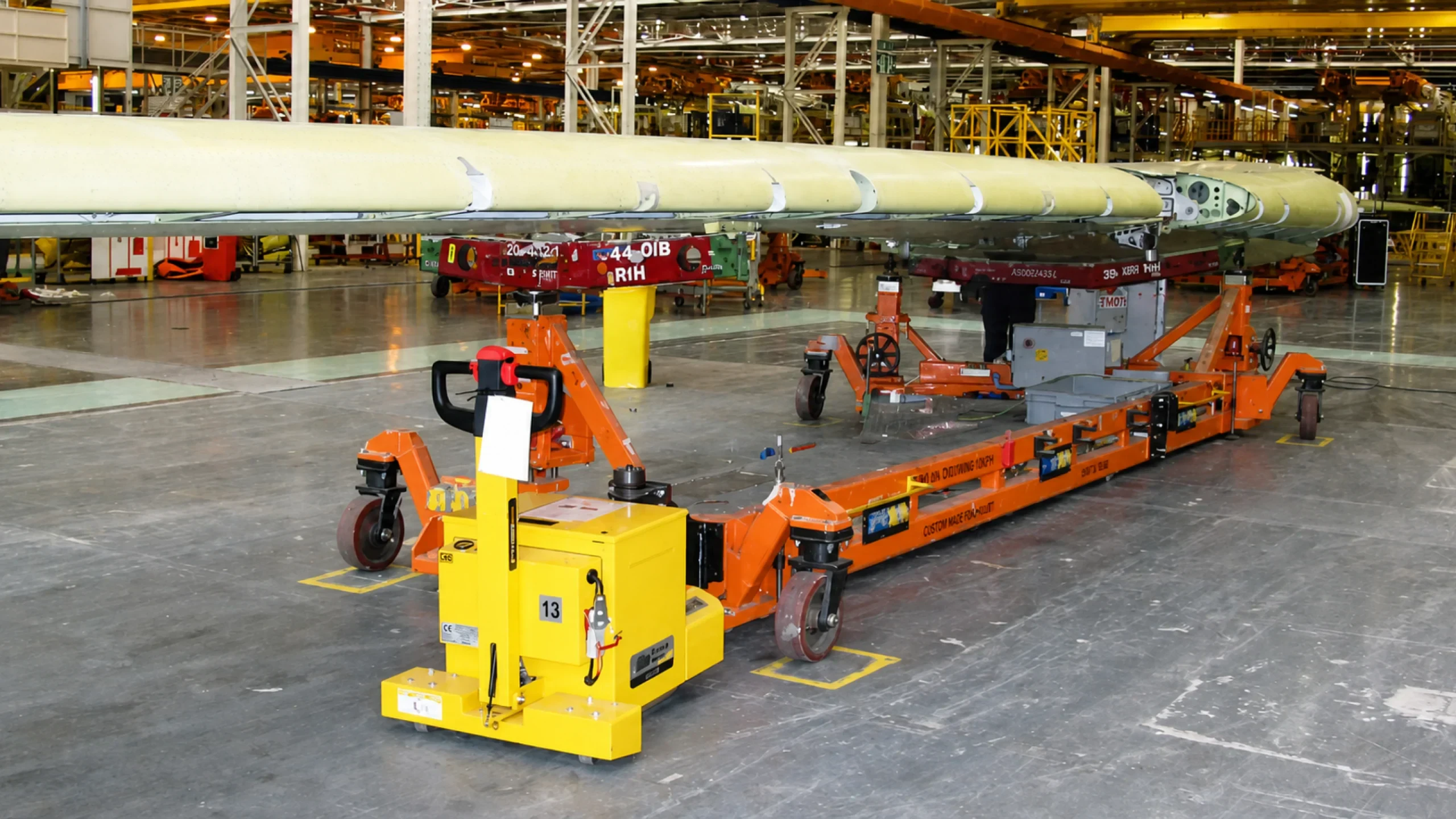
Before choosing a direction, the exact area, repeated routes, wheel and vehicle types, moved load, FOD sensitivity level, floor restrictions and existing internal procedures should be clear.
Standards, SMS and FOD requirements frame the right questions; the direction is selected by flow, exposure and how it can be maintained and verified in site routines.







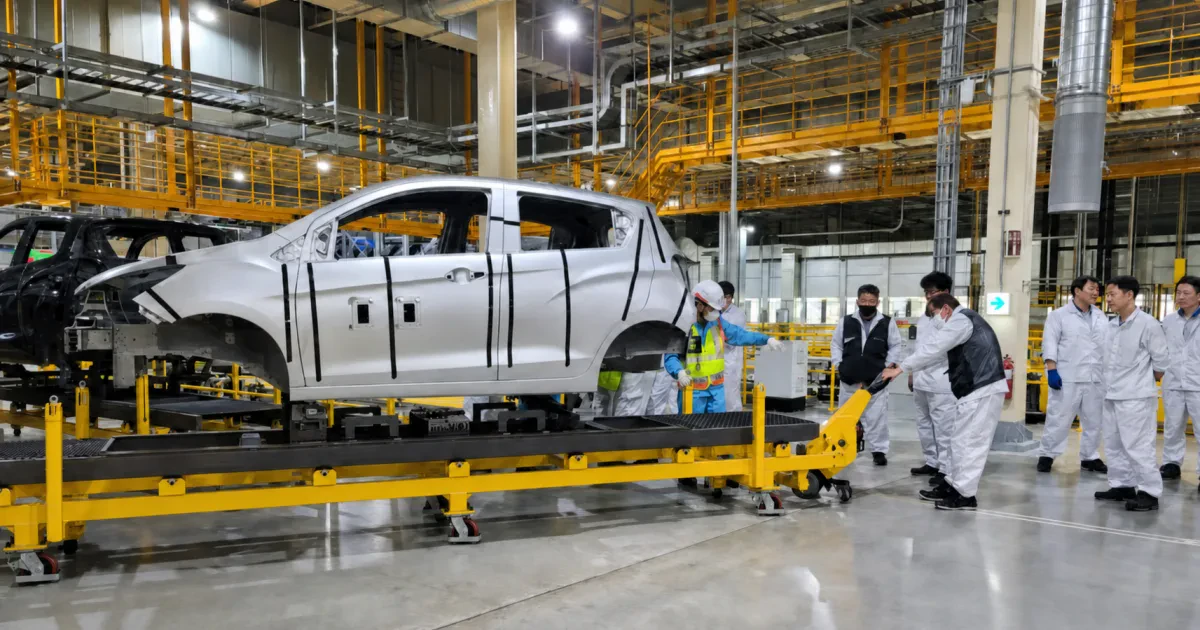
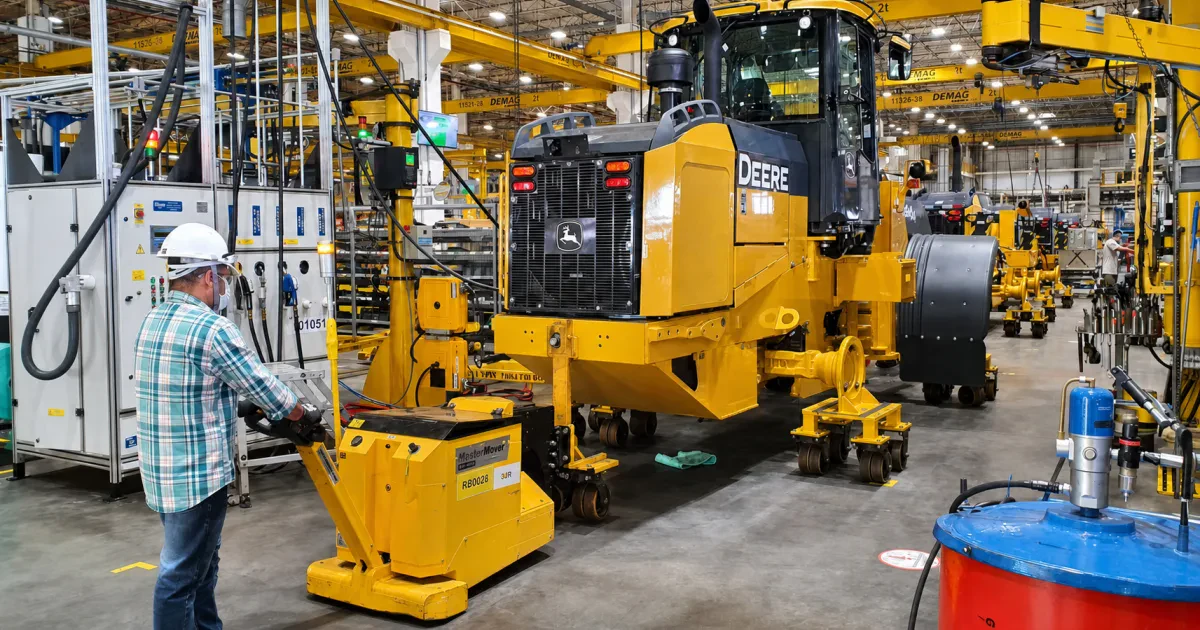
A guide for wheeled loads that are difficult to start, steer or stop by manual pushing and pulling.
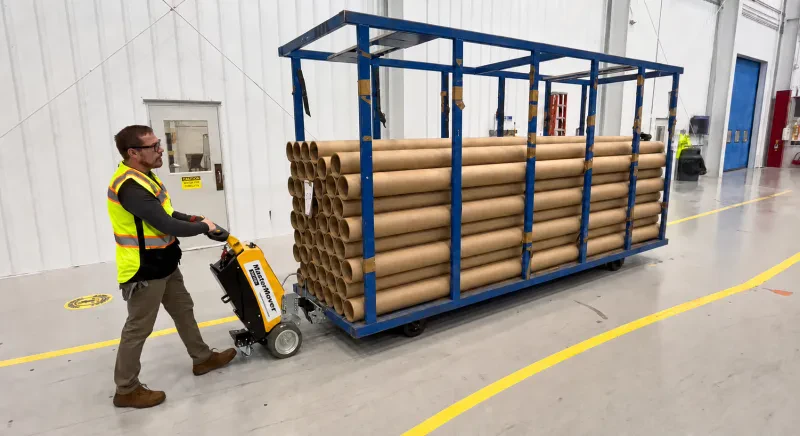
A MasterMover SM200+ case shows how a Fortune 500 plastic packaging manufacturer moved from manual pushing to mechanised movement for heavy carts.
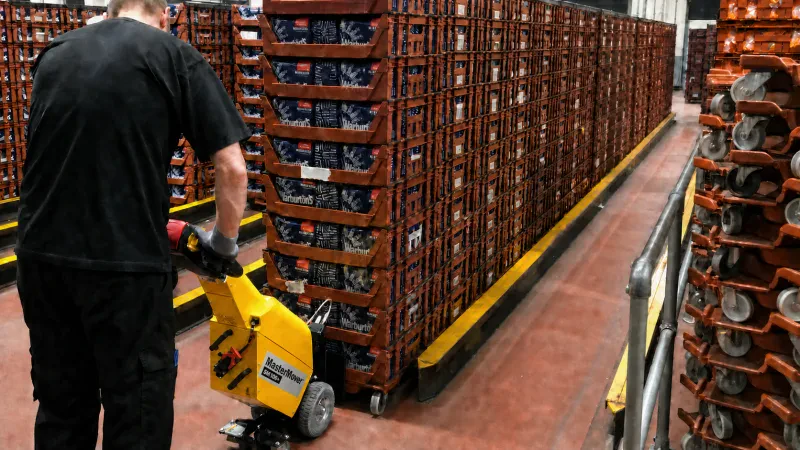
When a wheeled load is pushed or pulled by hand, electric tug selection starts with weight, wheels, floor, gradient, coupling and movement frequency.
FOD, impact or heavy movement in an aerospace/MRO area?

Useful signals repeat near hardware, tooling or sensitive routes: particles carried on wheels, small objects found in work areas, impact marks on stands or doors, loads that are difficult to position and temporary routes that become permanent.
When these signals appear together, the flow should be reviewed as a system: FOD-sensitive zones, internal transport, GSE, platforms, people and work-in-progress equipment may be moving too close together.
FOD is more than visible objects left on a surface. In a real flow, particles, dust, fine chips, moisture or material carried on wheels and soles can become part of the same prevention and verification discipline.
Route contamination control becomes relevant when the entry point repeats: between outside and hangar, between logistics and production, before a cleanroom, near paint areas or close to exposed hardware.
The solution has to be checked with the site routine: who passes through, how often, what wheel types are present, whether the control point can be bypassed and how it is cleaned or inspected after use.
Wheel, sole or cart cleaning becomes relevant when the same route carries particles into an area with exposed hardware, sensitive processes or stricter cleanliness requirements. Not every entry needs the same level of control.
Selection depends on the contamination type, wheel material, crossing frequency, floor contact, available space and whether the team can maintain the control point without turning it into a formality.
Impact protection is relevant when equipment, doors, panels, benches, stands or tooling can be hit by vehicles, carts or loads. Physical separation is justified when people and mobile equipment work too close to one another.
Active warning can support physical measures at corners, intersections, door exits or points where visibility is limited and delayed reaction matters. Where impact energy is high, physical protection remains part of the decision.
An electric tug can help when the load is on wheels or can be adapted for coupling, and the movement is repeated, heavy, sensitive or difficult to control manually. Aerospace examples can include platforms, tooling, jigs, special carts, stands or test equipment.
The strongest fit is horizontal movement where positioning matters and operators need better control during starting, stopping, turning and approaching the work area.
They should guide questions about the flow, exposure, verification and internal procedure. Part-145, SMS, AS9110 or FOD requirements remain tied to the operator system; the selected measure adds value when it supports that system at a defined point in the flow.
The discussion should stay site-specific: what the internal procedure requires, where exposure appears, what can be verified, who maintains the measure and how use or inspection is documented.
Before choosing a direction, the exact area, real routes, vehicles and wheels, moved loads, FOD sensitivity level, exposed objects or surfaces, floor, cleanliness, anchoring and space constraints should be clear.
A photo, sketch or short flow description can be enough for orientation if it shows where the signal repeats and what consequence it has in daily operation.