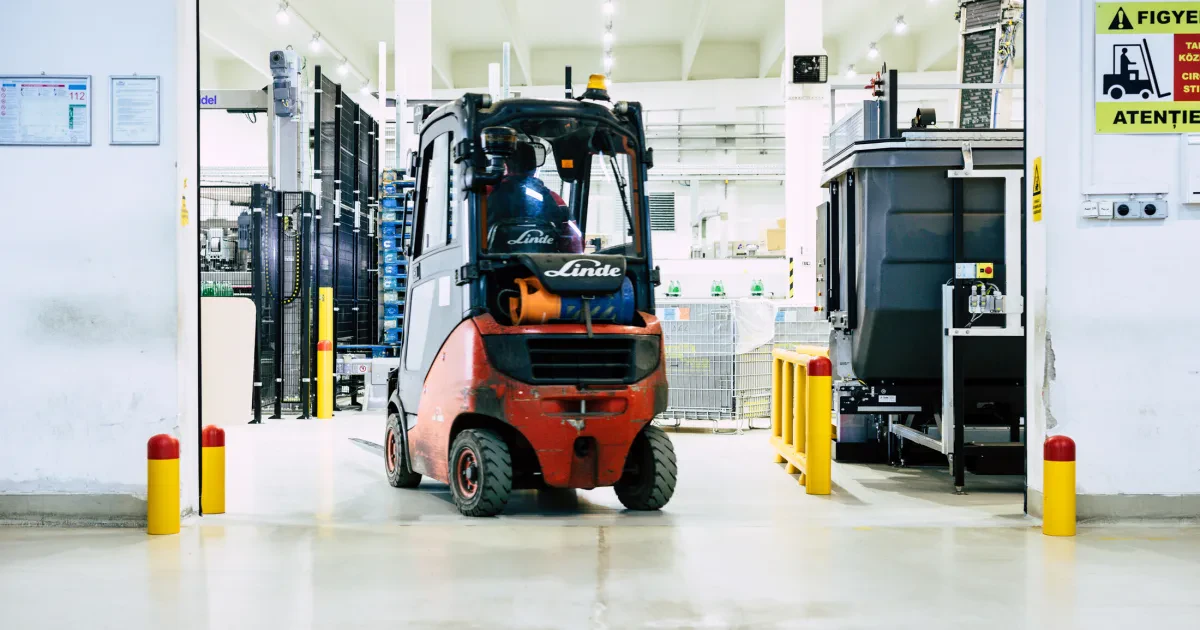

Controlled-area entries
Points where soles, wheels and carts arrive before an area with stricter cleanliness requirements.

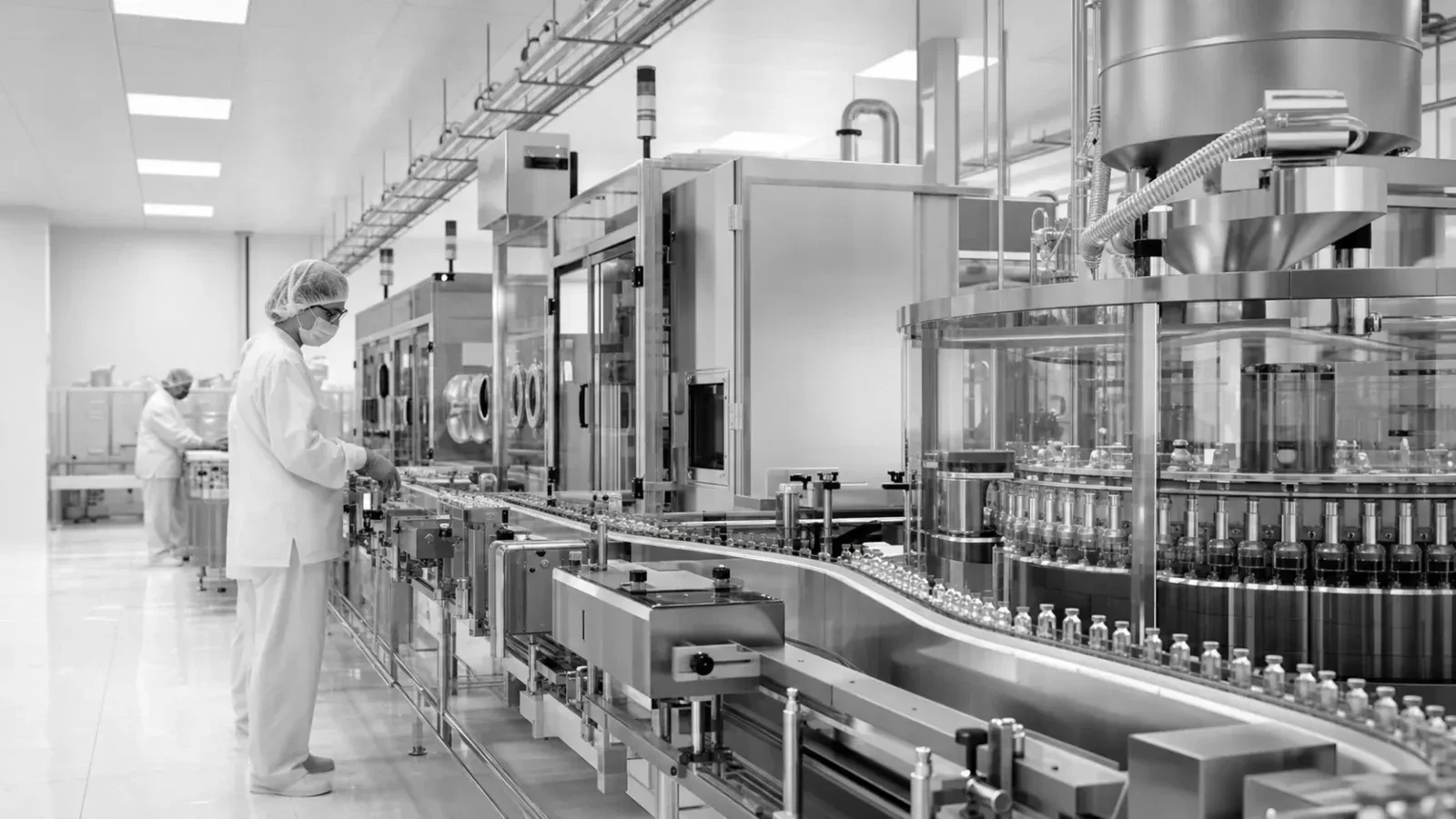
In cleanrooms and controlled areas, the entry route matters before air handling, procedures and monitoring can do their work. Soles, wheels, carts and mobile equipment can carry particles into points where area discipline has to stay consistent.
ISO 14644 addresses air cleanliness classification by particle concentration, while EU GMP Annex 1 focuses on contamination-control strategy, classification, qualification, monitoring and personnel. In selection, these references become design questions: what enters the area, what is verified and what must be validated internally.
In practice, many relevant interventions sit at the edge of the controlled area: before entry, in gowning or airlock zones, on material-transfer routes, near support corridors or where heavy wheeled equipment has to move without disrupting the cleaning routine.
The route shows what enters the controlled area, what can reach floor level, what is cleaned, what is verified and who validates internally.
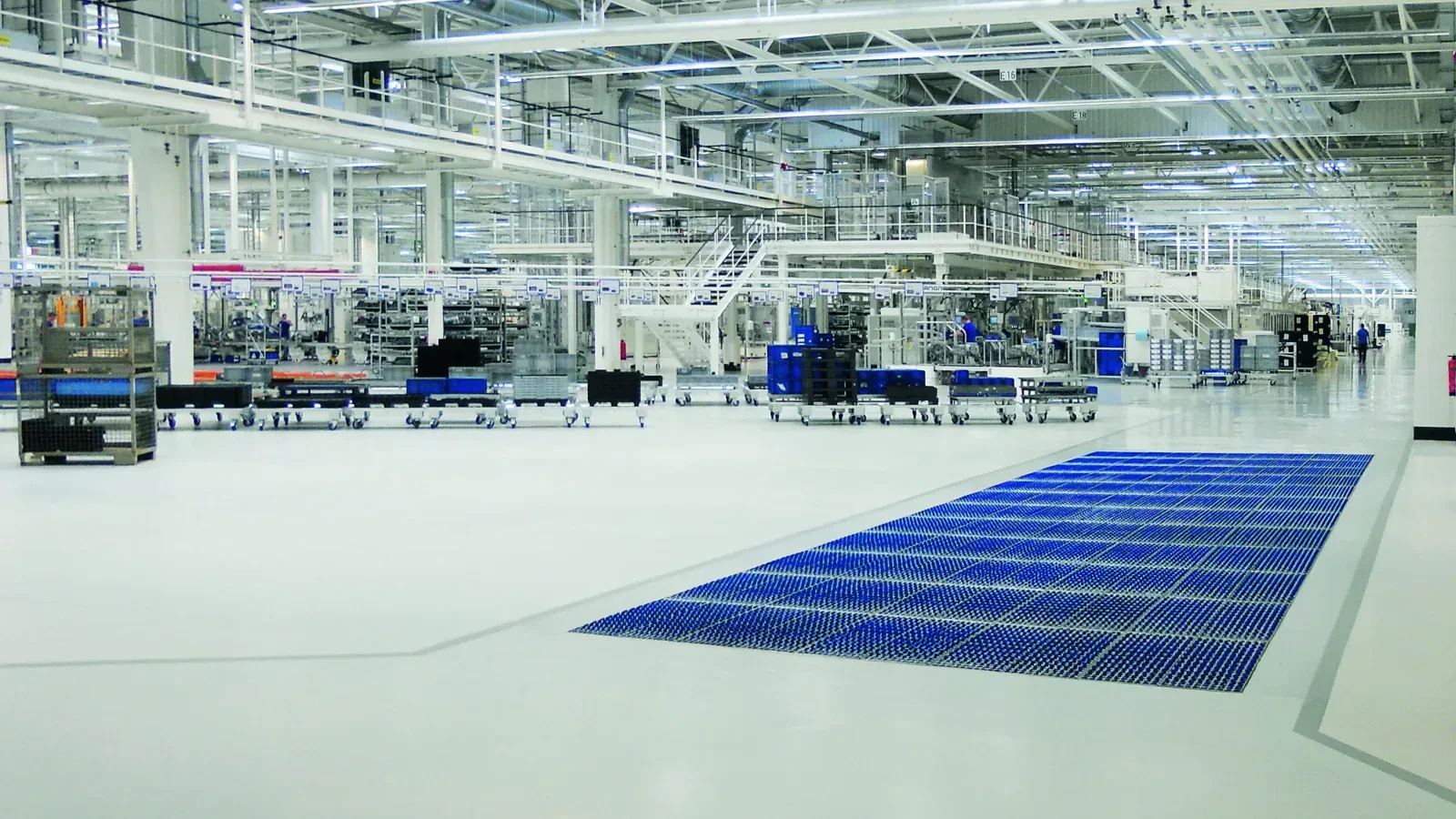
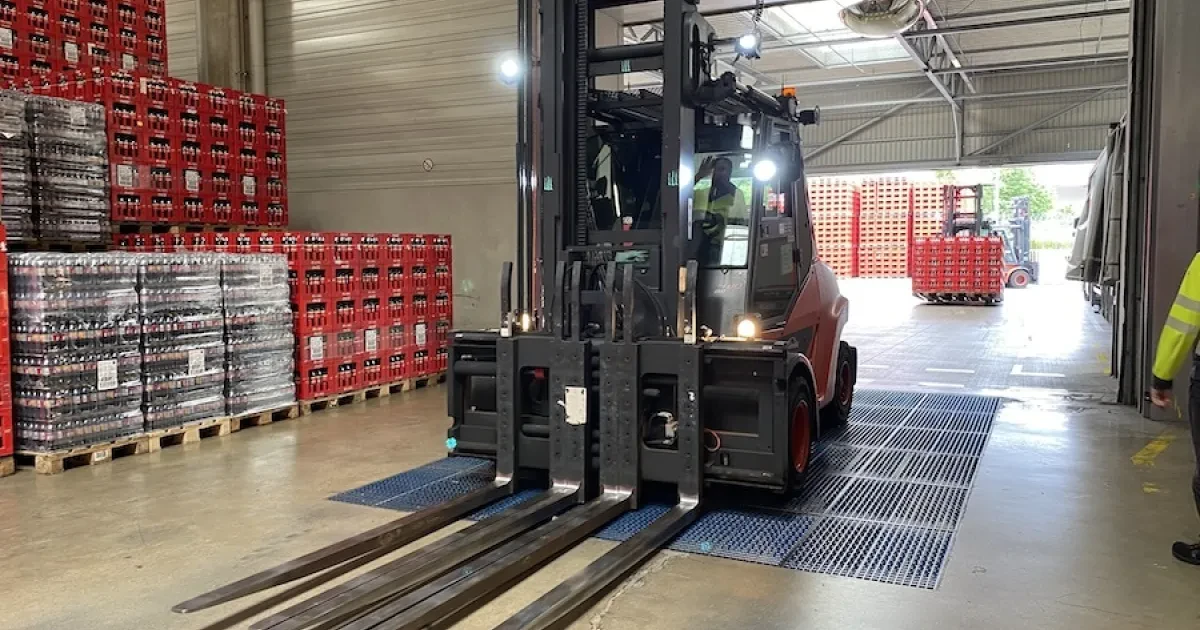
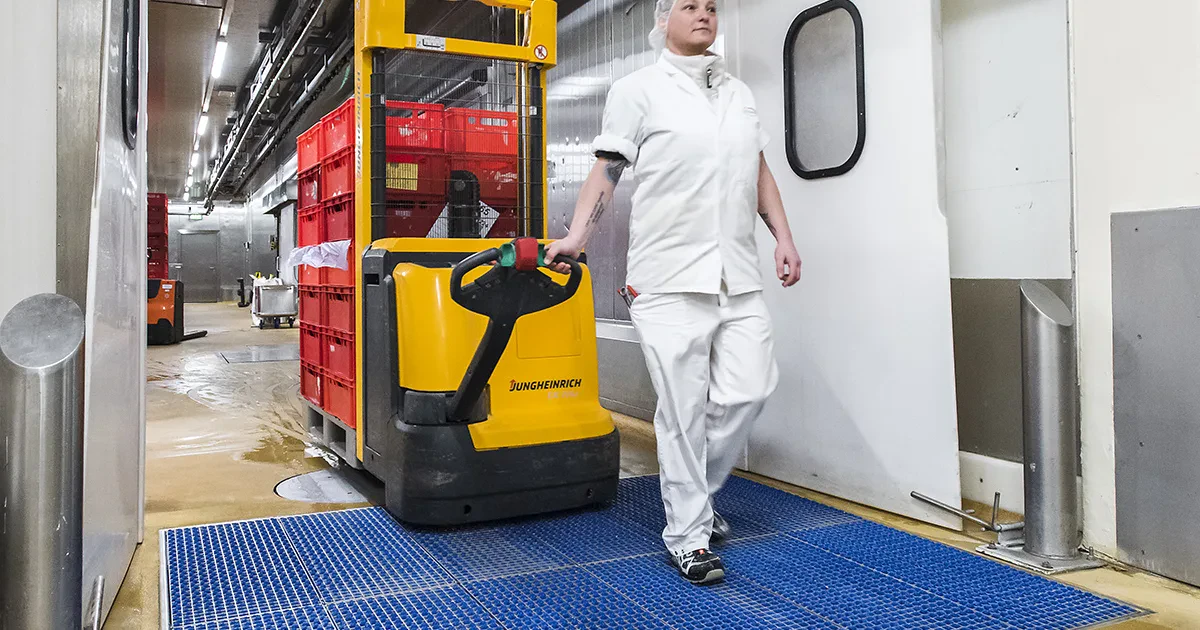
Before a classified or controlled area, outside, logistics, maintenance or support traffic can carry particles on wheels, soles and carts. What matters most is whether the route can be controlled at the natural crossing point, without bypass behaviour.
Wheel and sole cleaning mainly fits the preliminary stage before the clean area. The ProfilGate manual points to use before classified cleanrooms; this makes route position part of the selection logic.
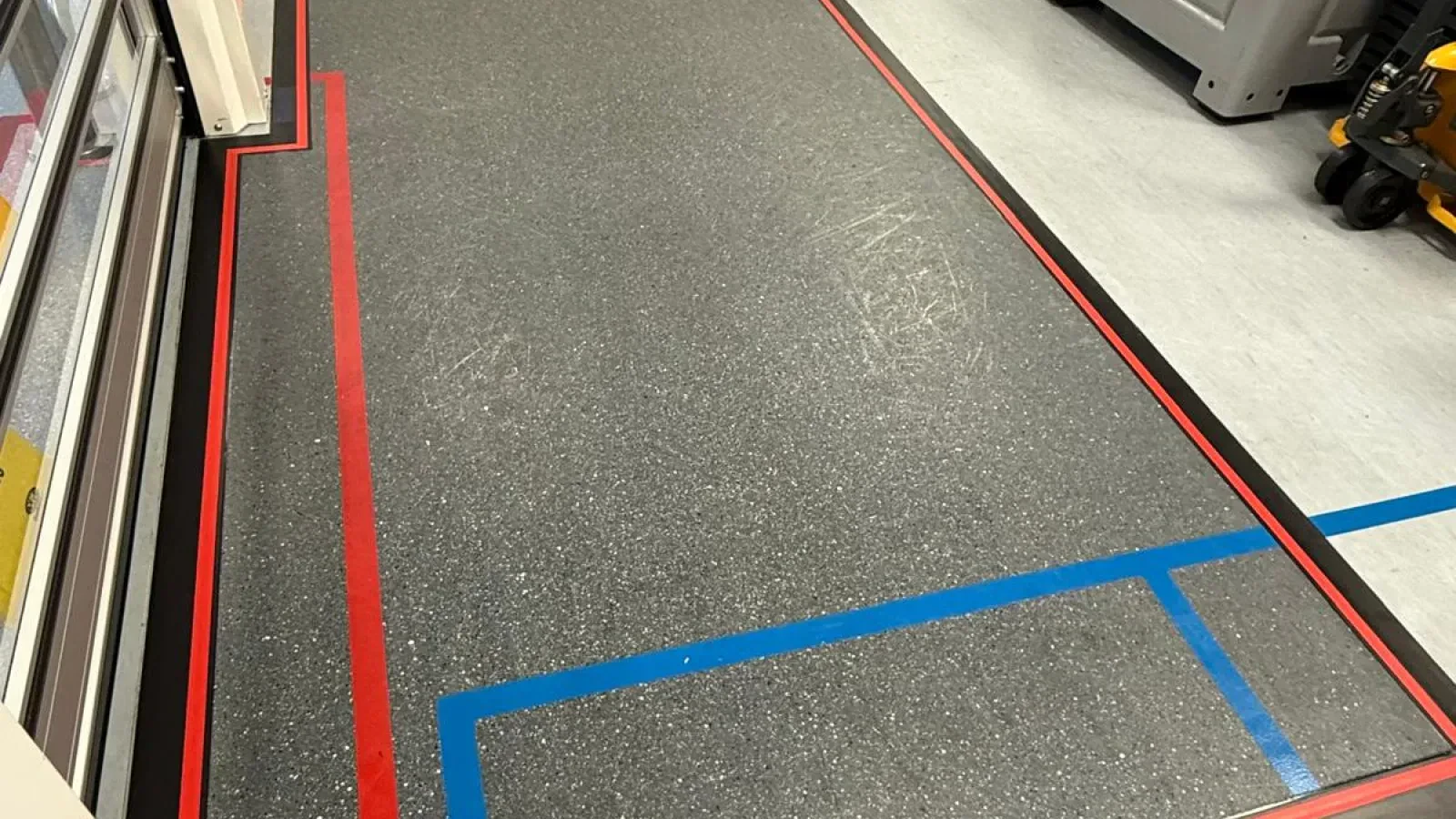
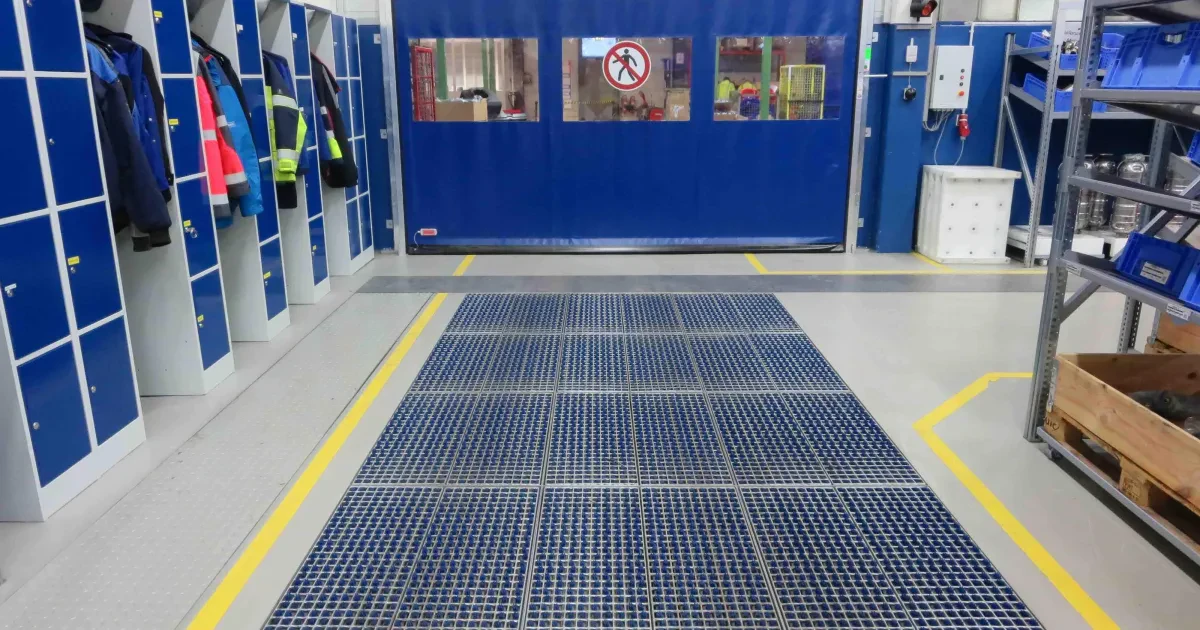
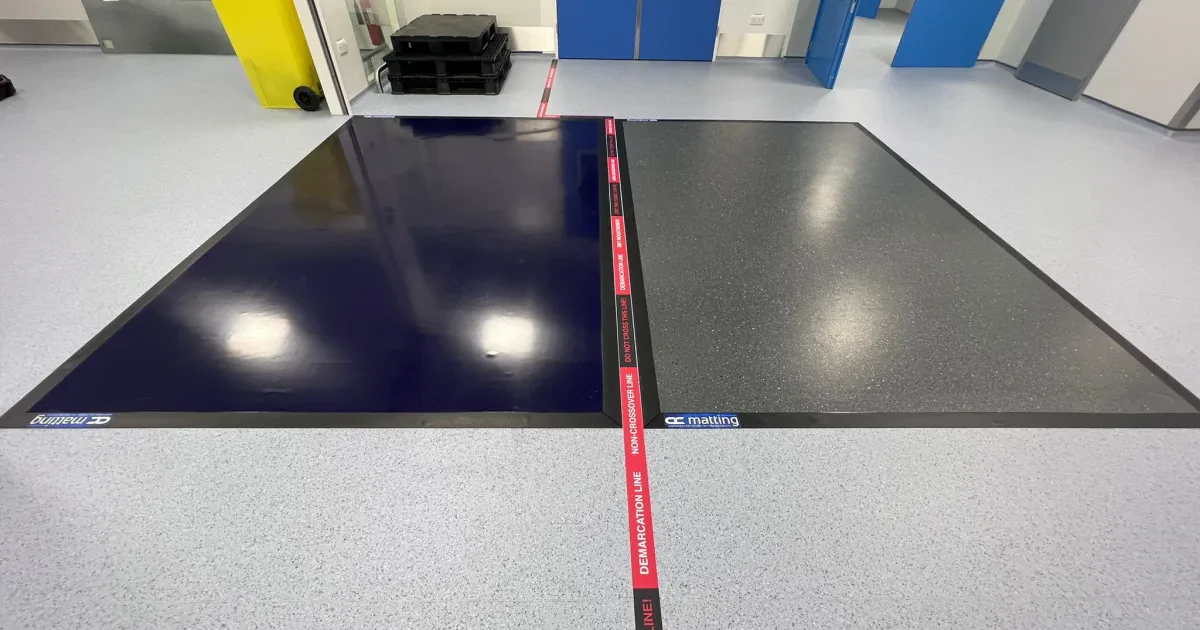
In gowning rooms, airlocks, clean corridors or before sensitive entries, polymer mats can make sense when the area has repeated traffic, enough contact and a realistic cleaning routine. Contact, positioning and maintenance matter here; braking, pivoting or missed cleaning can change the fit completely.
Selection should be connected to particles, pedestrian or light-wheeled traffic, frequency, appearance, cleaning, audit pressure and pilot acceptance when the area is sensitive.
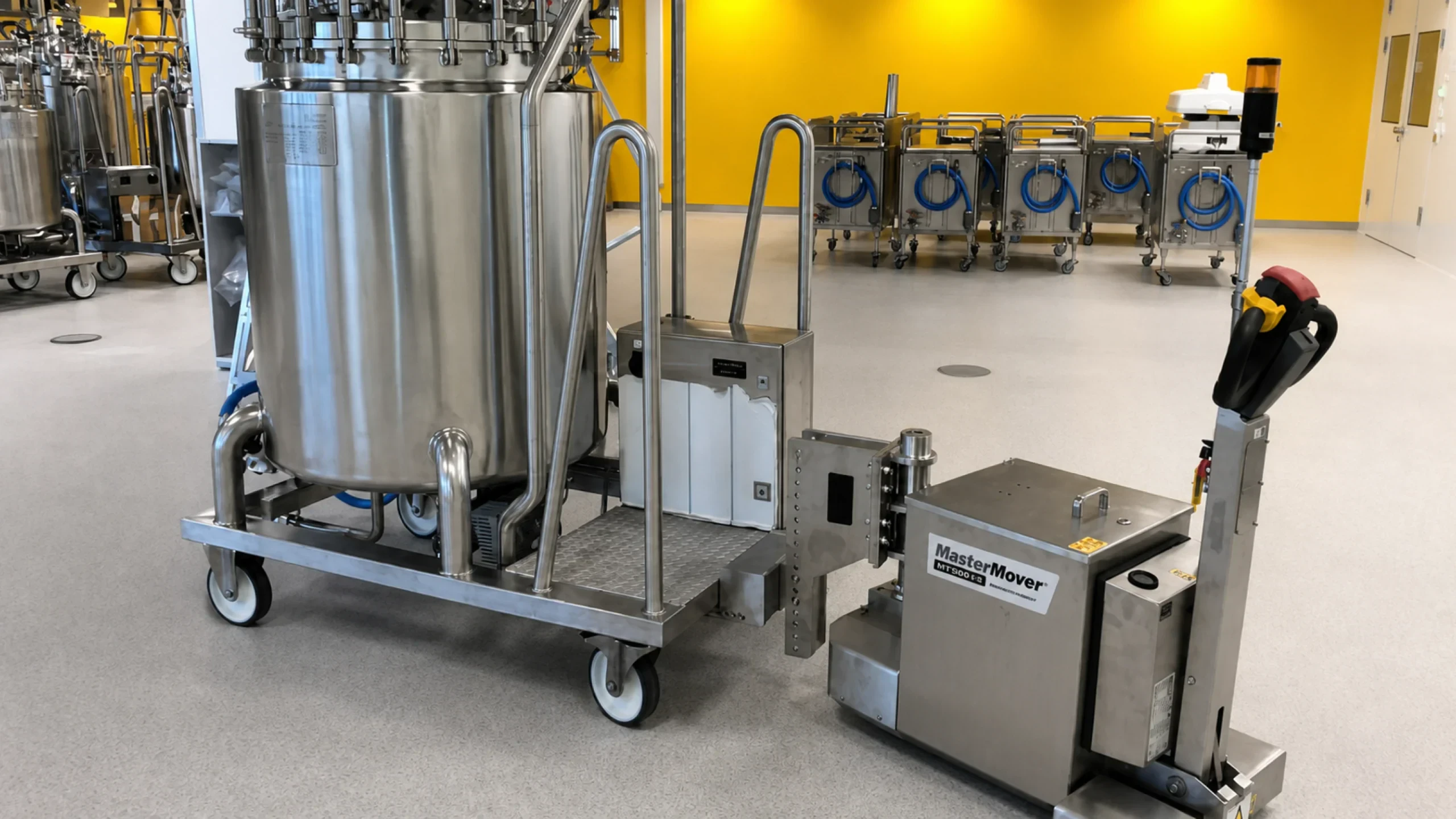
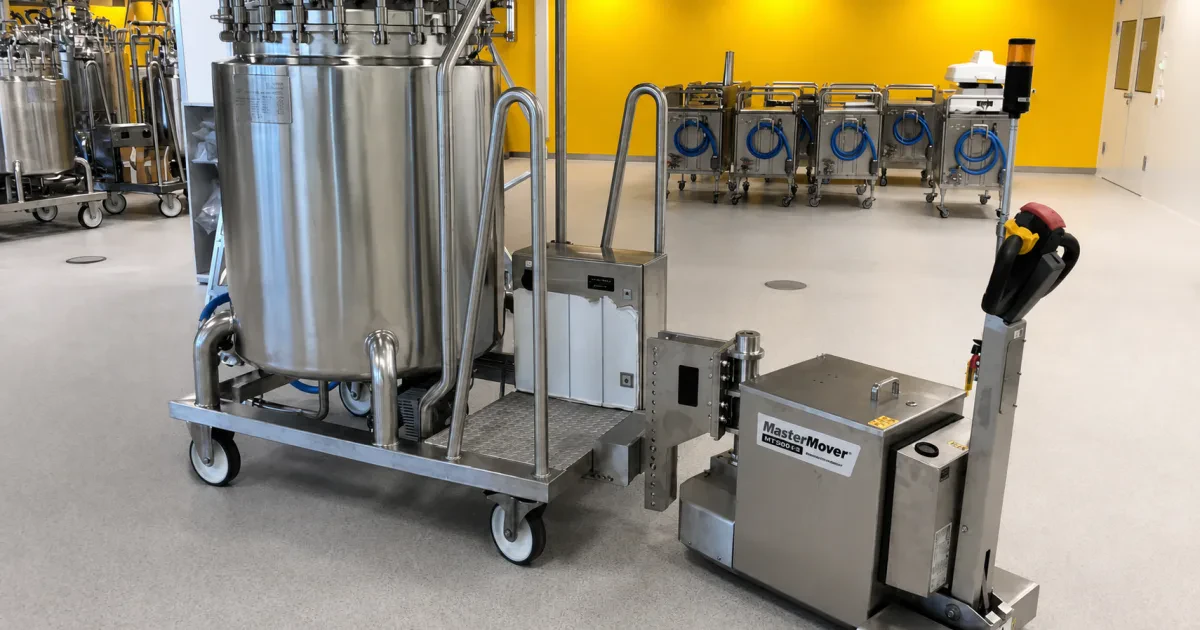
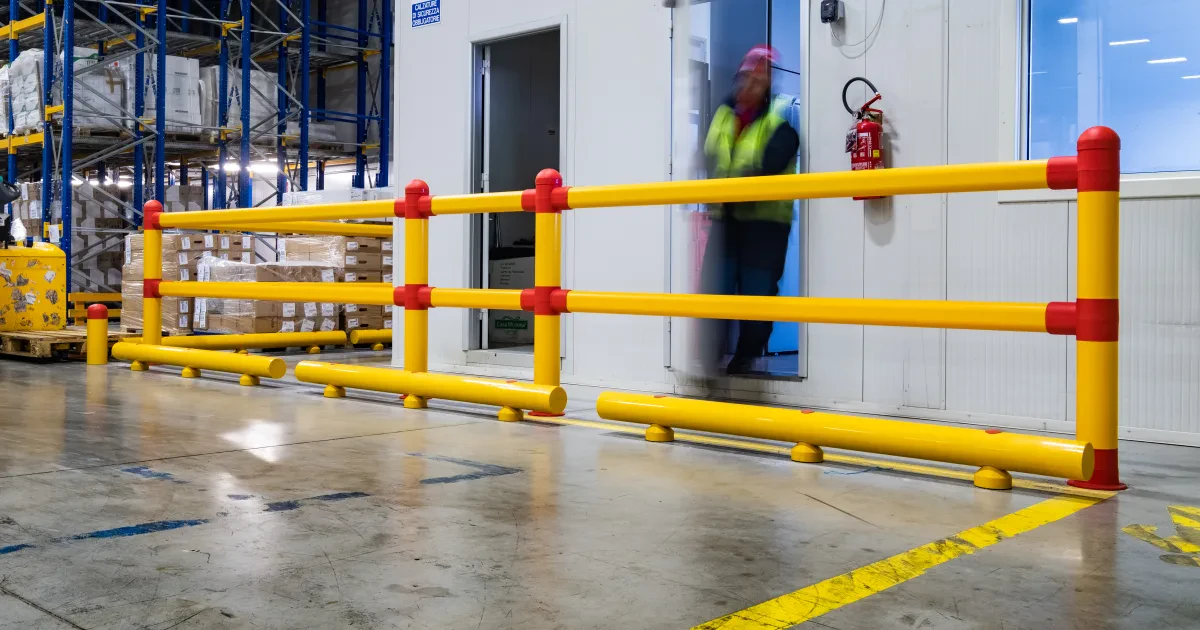
In pharma, biopharma, medical device or hygienic production, heavy equipment, containers, tanks, skids or special carts may need controlled movement. Manual movement can create effort, stops, route deviations or unwanted contact with the surrounding area.
Stainless electric tugs become relevant when the load is on wheels or can be coupled, and when material, cleaning, space, turning radius and local procedure allow their use in that environment.
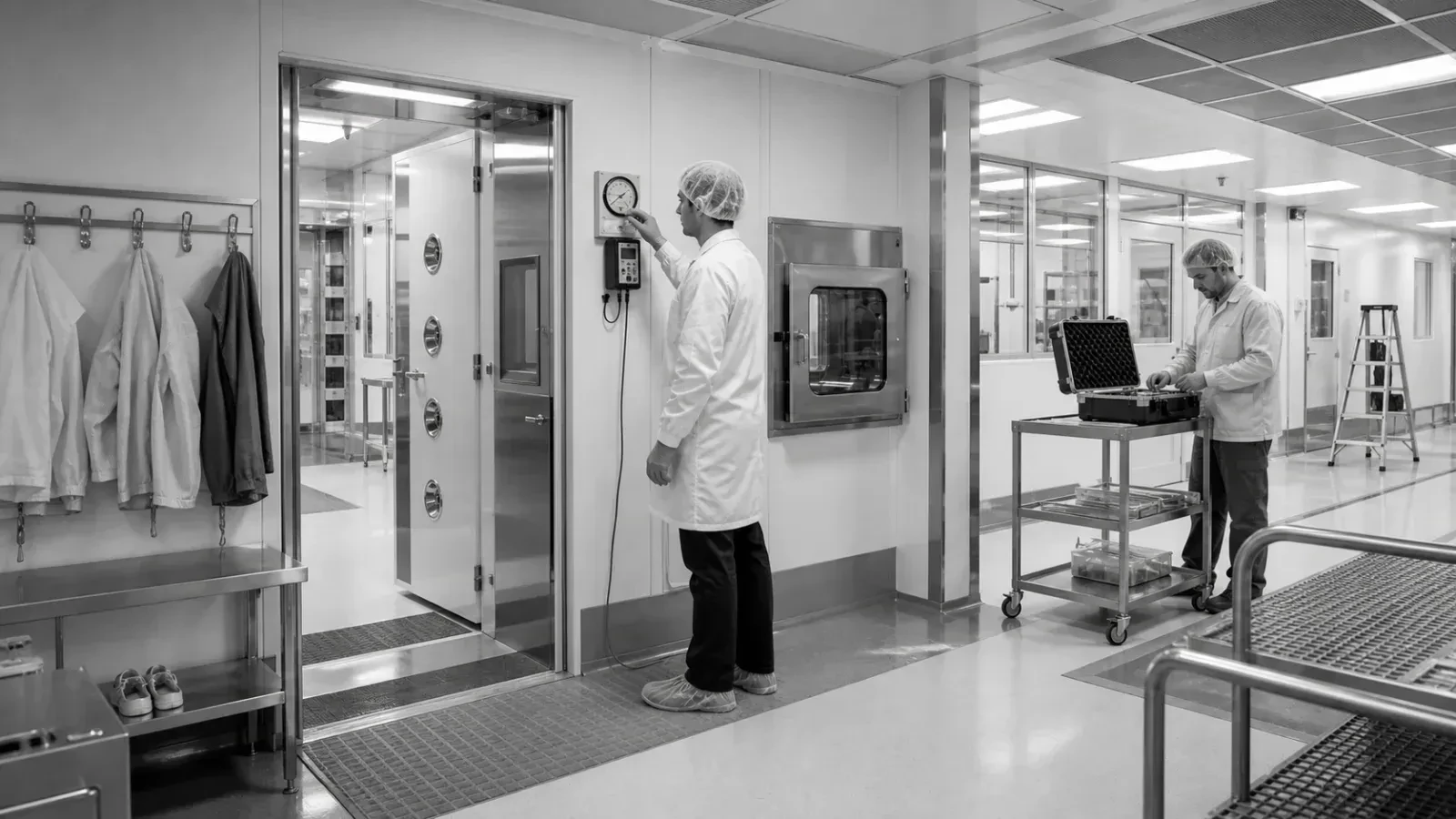
Before choosing a direction, it should be clear whether the area is classified, cleanroom-adjacent or simply hygiene-sensitive, which contamination type matters, who validates internally and what quality, engineering or production teams need to support.
Photos, a simple route sketch, wheel and footwear types, crossing frequency, cleaning procedure and quality/engineering requirements help more than a product list.









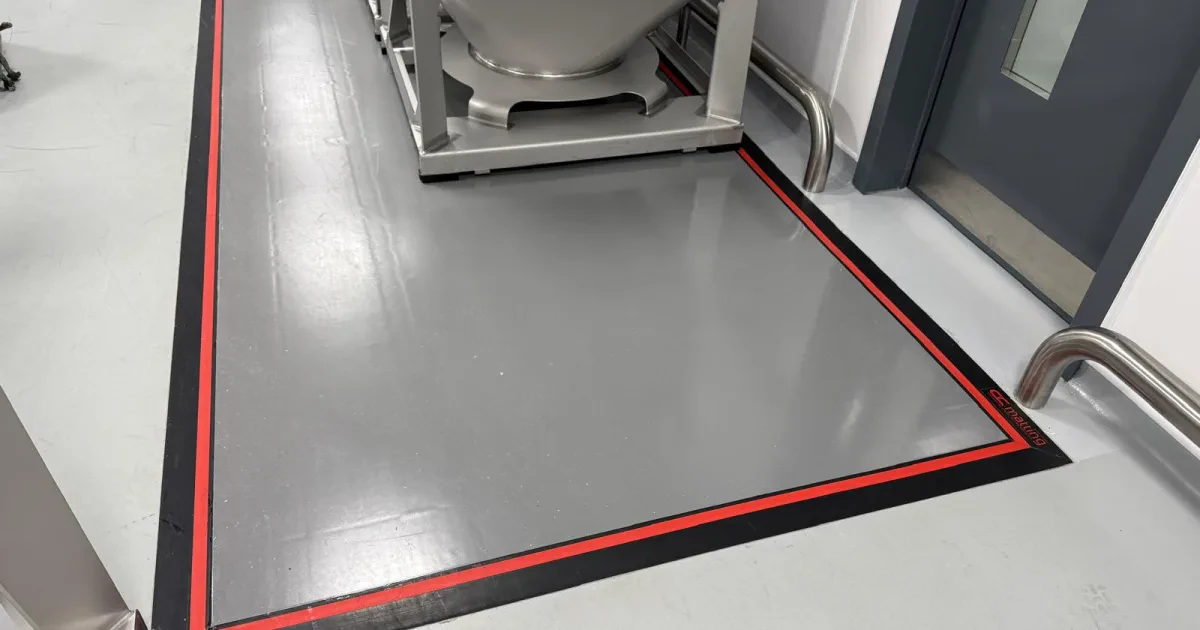
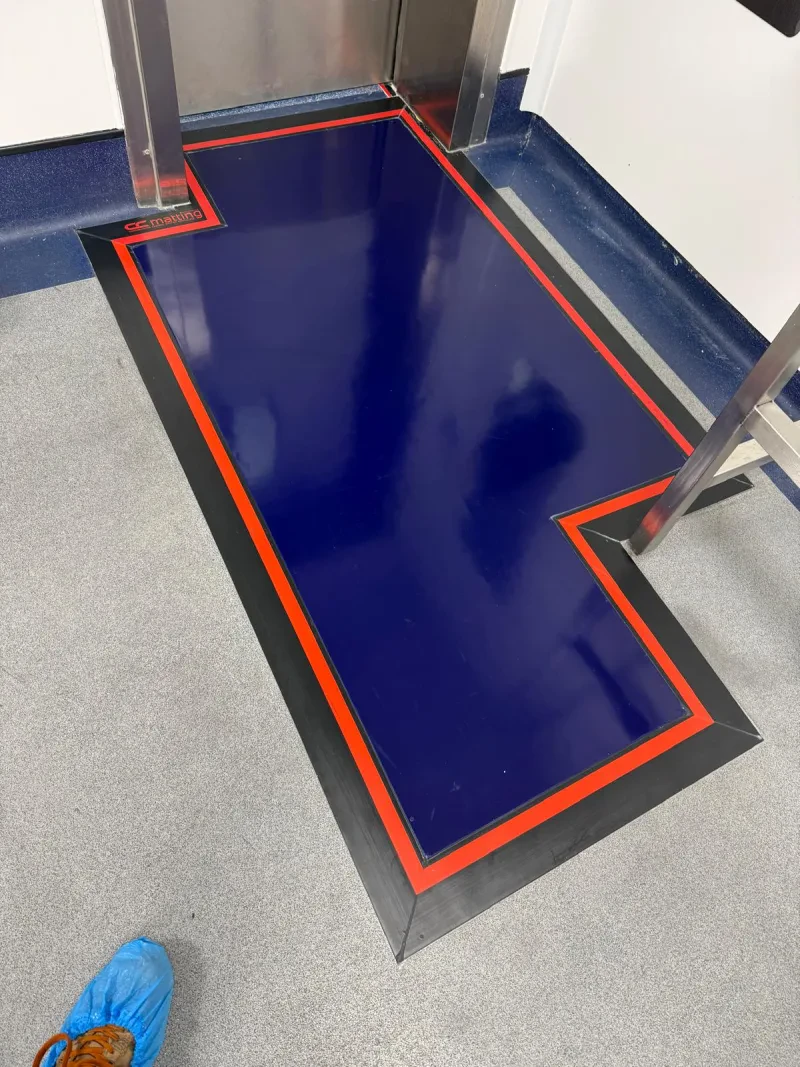
A guide to choosing polymer-mat length, width and position from successive sole contacts, wheel rotations, traffic and cleaning.
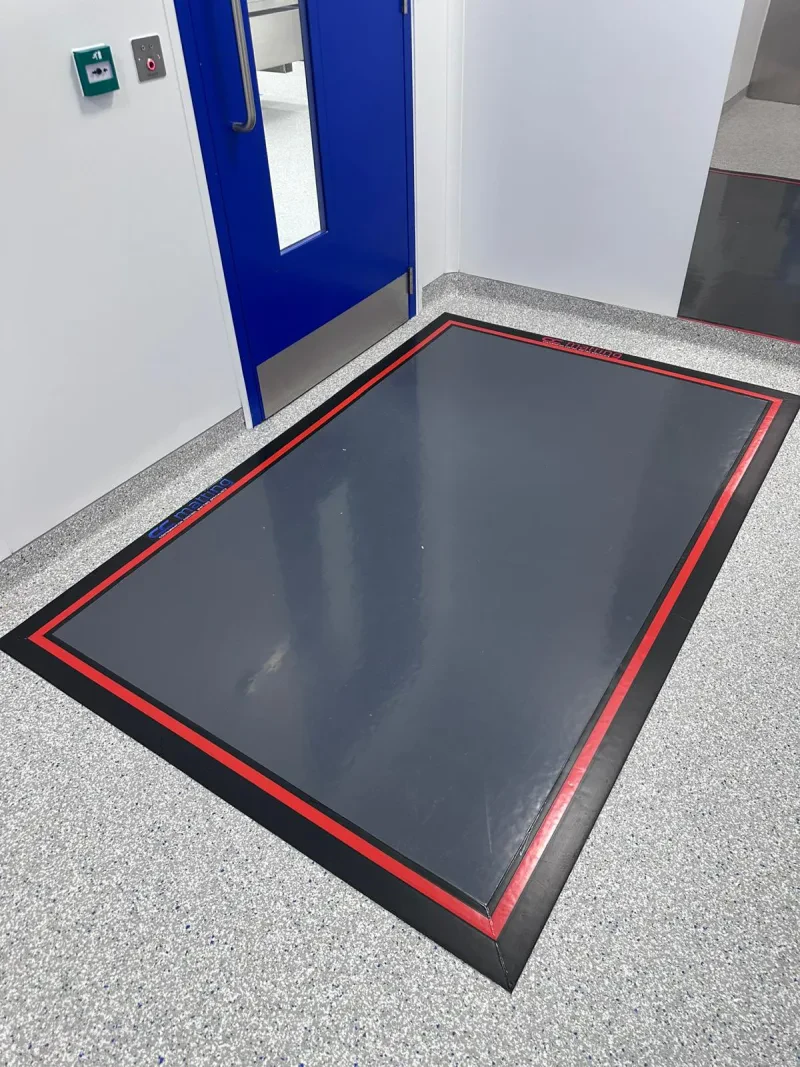
How to use CC Matting Heavy Duty documentation when the area needs ISO Class 5 material, particle control, clear cleaning and quality traceability.
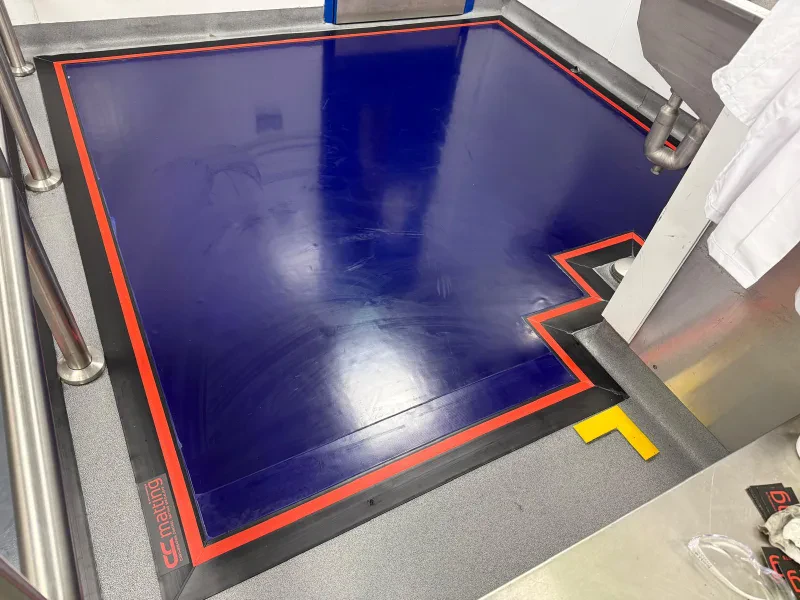
Why SEVENSEAS added CC Matting: washable, reusable polymer contamination-control mats with documentation checked against the application’s hygiene or ESD requirements.
Do you have a clean area where transfer, cleaning or movement needs clarification?

Useful signals are visible in the flow: particles at entry, dirt on the mat or floor, carts crossing from less clean areas, operators bypassing the control point or equipment that is difficult to move without contact and route deviations.
The signal can be reviewed before it becomes an audit observation, whenever the route matters for cleanliness, quality, maintenance or internal discipline.
These references clarify questions about classification, particles, contamination-control strategy, monitoring, personnel and internal validation. They help explain why route, entry and transfer should be reviewed before choosing a measure.
ISO classification, GMP, CCS and validation are established through the operator process and quality team. A measure belongs in the discussion when it supports that framework through a clearly defined entry, transfer or maintenance point.
ProfilGate fits the discussion mainly before the clean area or in the preliminary stage, when wheels and soles arrive from logistics, outside or areas with a higher particle load. The control point should sit on the natural route, with low bypass risk.
For inside classified cleanrooms, the starting point is the supplier instruction and the customer internal validation. The ProfilGate discussion stays connected to the preliminary stage and to how the route reaches the clean area.
They make sense at transfer points with frequent traffic, enough contact and a clear cleaning routine: airlocks, gowning rooms, clean corridors, entries into sensitive areas or routes with pedestrian and light-wheeled traffic.
Fit changes with the route. Braking, pivoting, acceleration, very heavy traffic or missed cleaning can turn a good idea into a difficult operational point.
When the load is on wheels or can be adapted for coupling, and the movement is frequent, heavy, sensitive or difficult to control manually. Examples can include equipment, special carts, tanks, skids, containers or pharma/biopharma loads.
Weight, wheels, centre of gravity, floor, gradient, turning radius, cleaning requirement, machine material and local operating procedure need to be checked.
Photos of the entry or route, a simple sketch, wheel and footwear types, crossing frequency, cleaning procedure, quality/engineering requirement and the validation boundary applied internally by the customer are useful.
A short set of inputs is enough for the first orientation. The important part is to show the transfer point and what decision has to be supported.