
Receiving and production entries
Transitions between outside, logistics, warehouse and areas where particles can move further in.

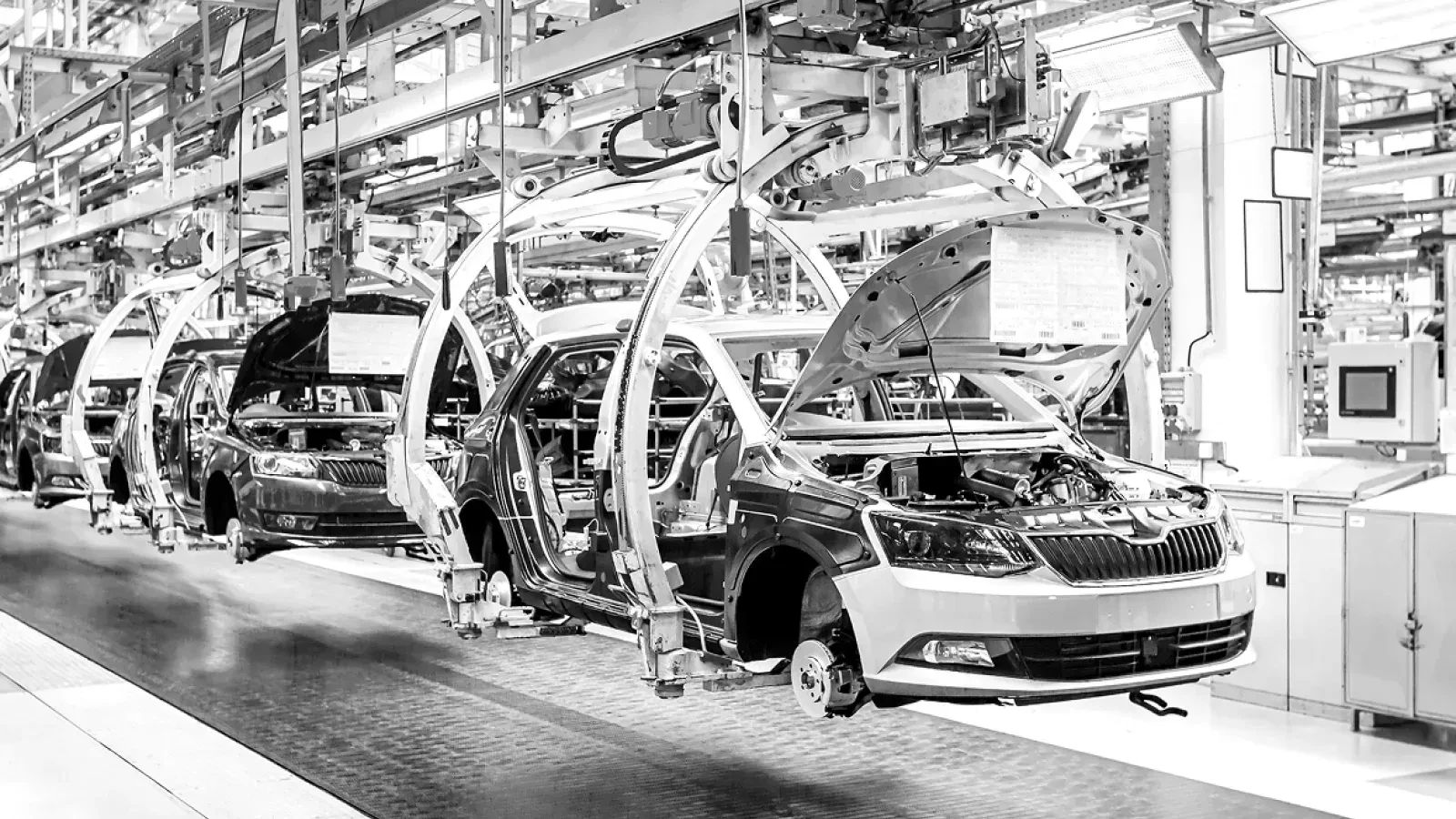
In automotive production, the same routes connect receiving, warehouse, press shop, machining, assembly, ESD or technical-cleanliness areas and internal delivery.
Automotive is not only the assembly line. Around the line, materials, containers, carts, tools, sensitive parts, operators and internal vehicles are constantly moving. If the route is unclear, the same crossing can carry particles, create a risky intersection or expose infrastructure to frequent impact.
References such as ISO 16232 and VDA 19.2 help frame the discussion around particles, environment, logistics, personnel and assembly equipment. The selected measures need to connect to the real flow, the operator procedure and the way the area can be verified internally.
A good direction starts with the route: what enters the area, what can be hit, what must be moved and what needs internal verification.
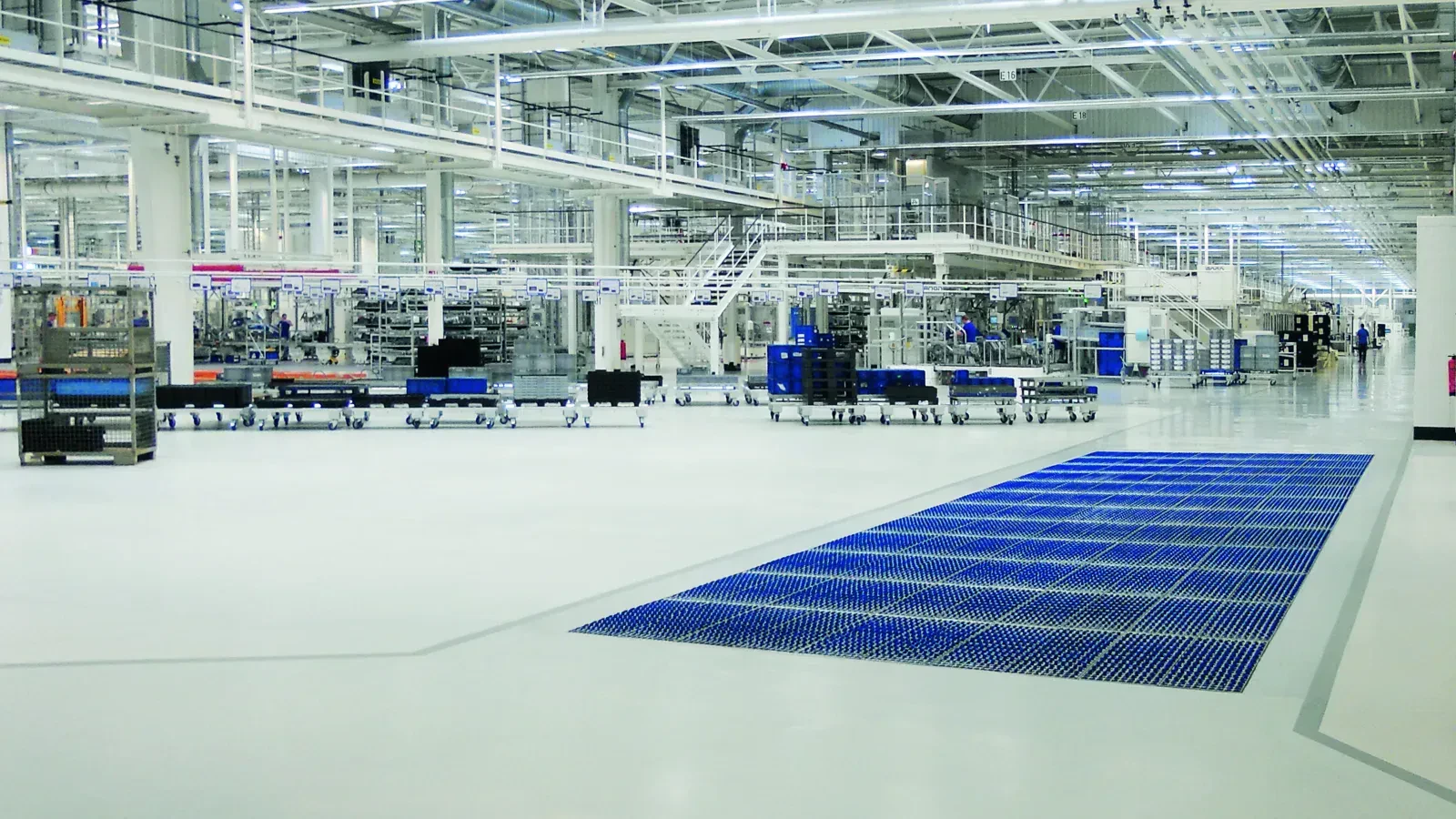
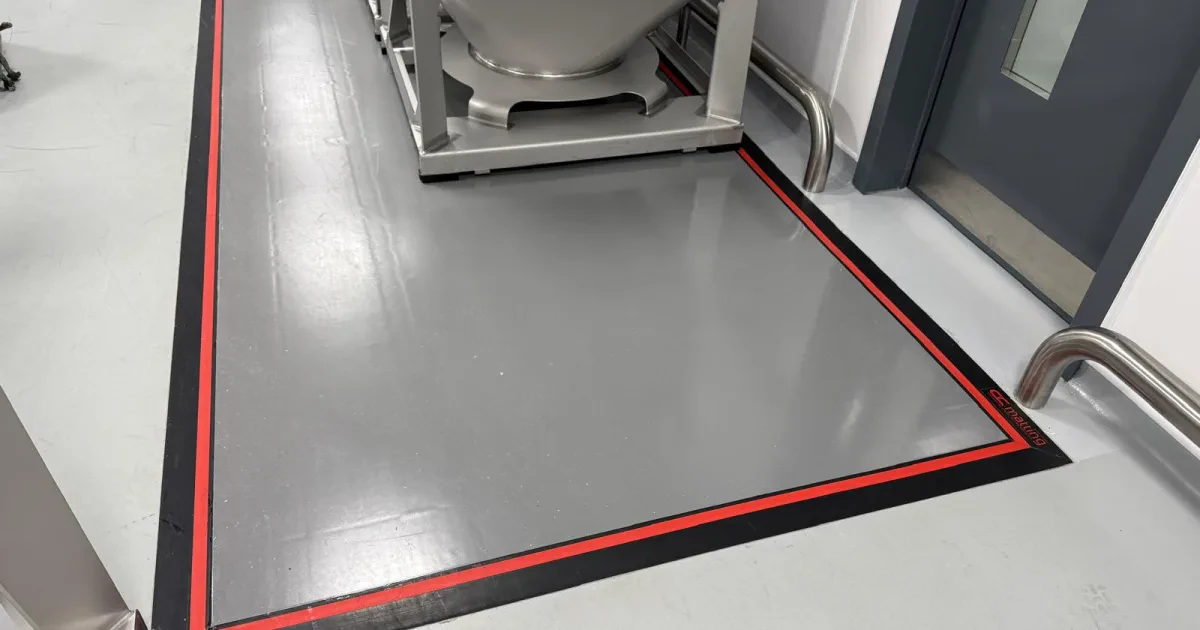
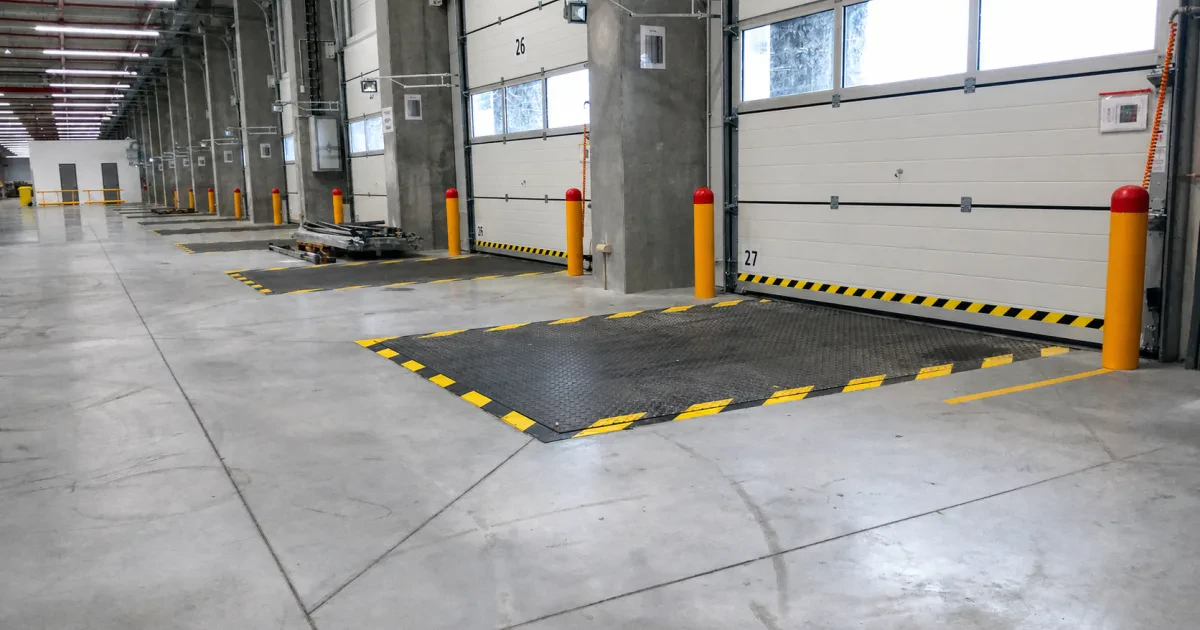
Before sensitive assembly, ESD areas, technical components or logistics-to-production transitions, wheels, soles and carts can carry dust, sand, fine chips, rubber, moisture or other particles into areas where cleanliness matters.
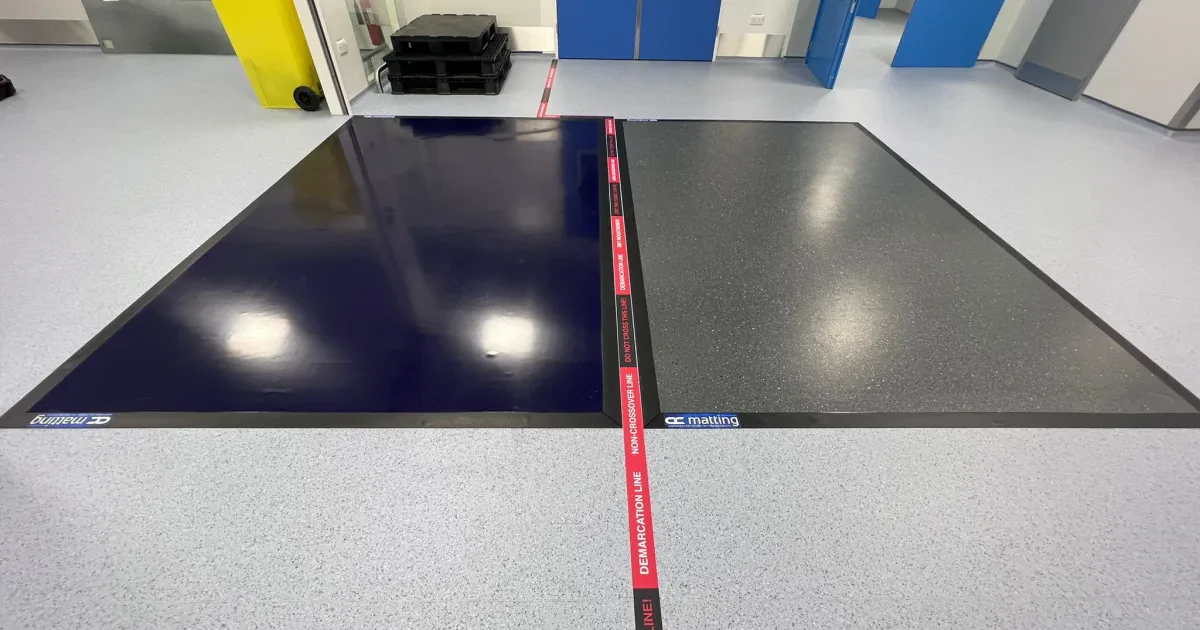
Wheel and sole cleaning, polymer mats, hard-to-bypass crossing points and the maintenance routine of the control area can all become relevant. Selection depends on contamination type, crossing frequency, wheels, contact, space and verification discipline.
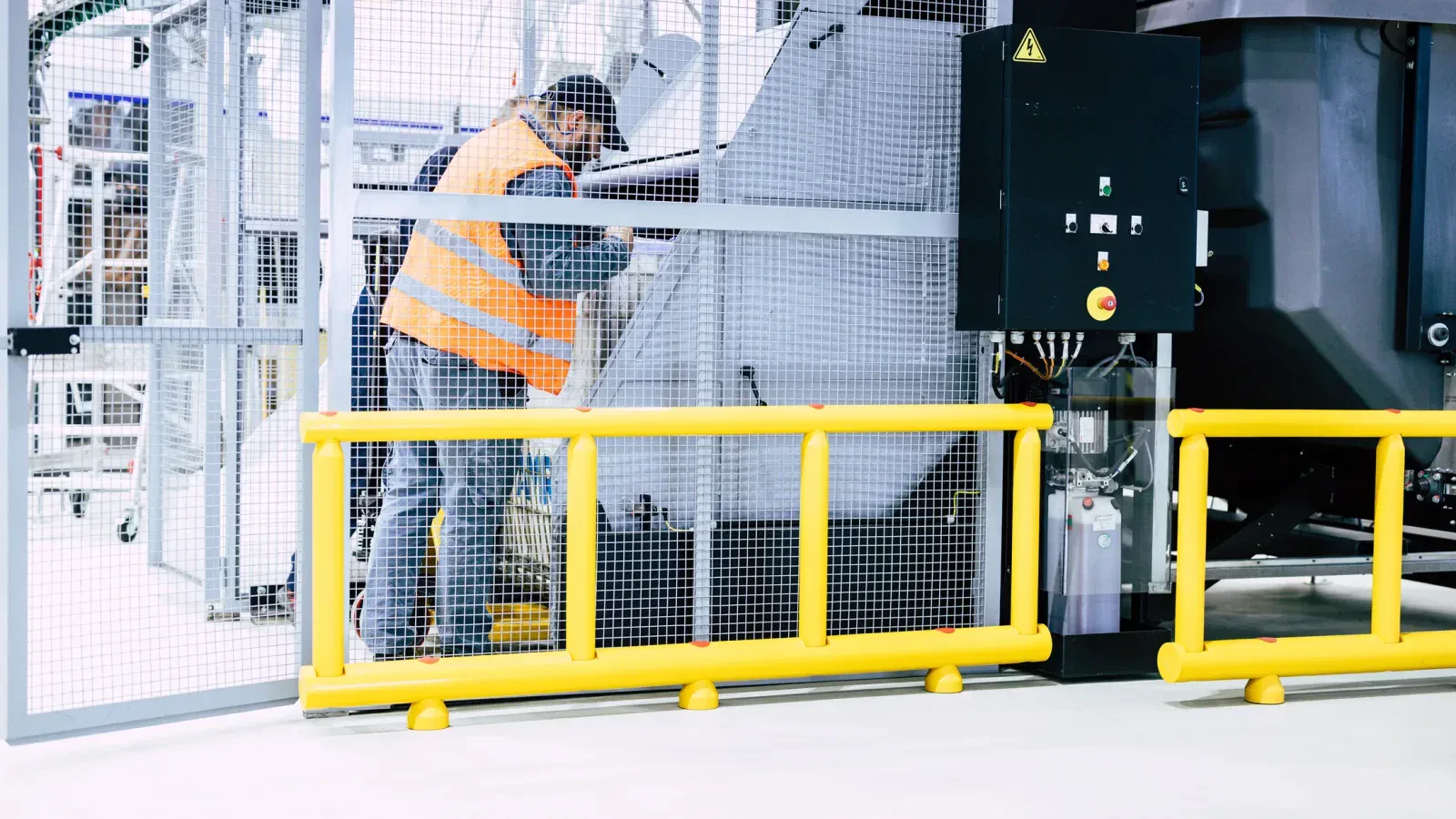
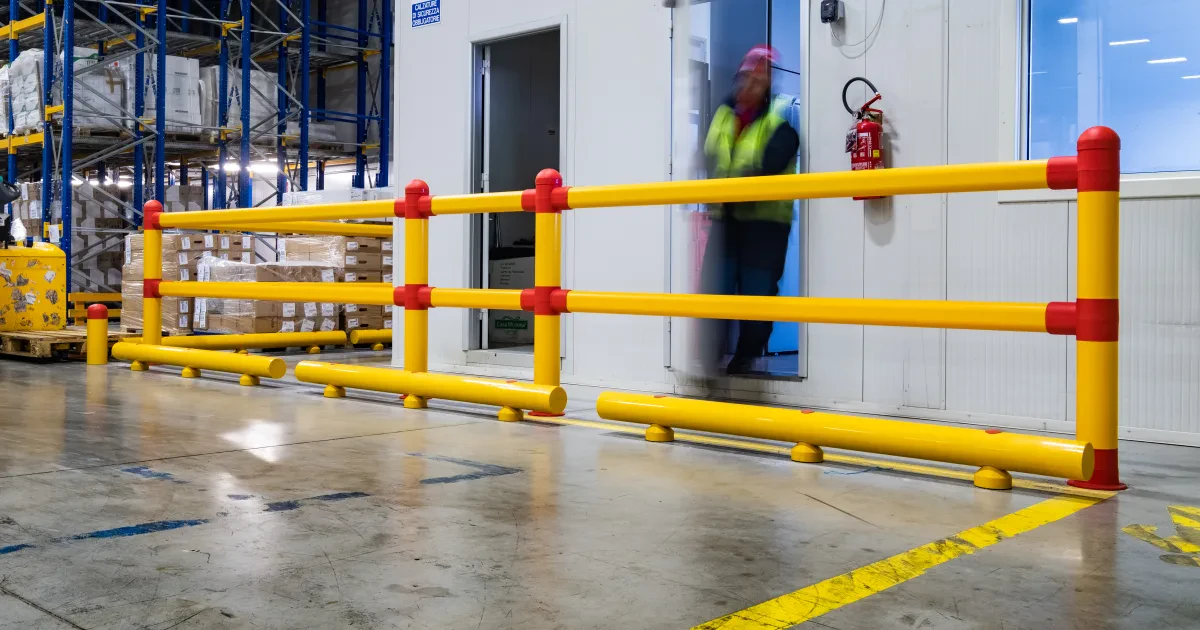
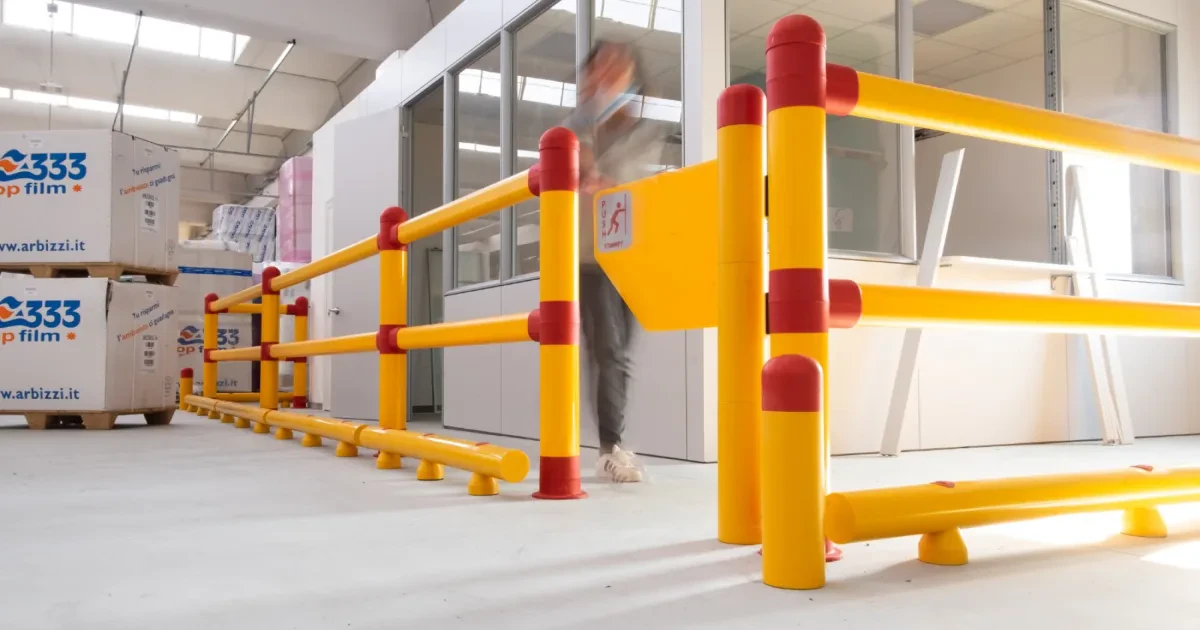
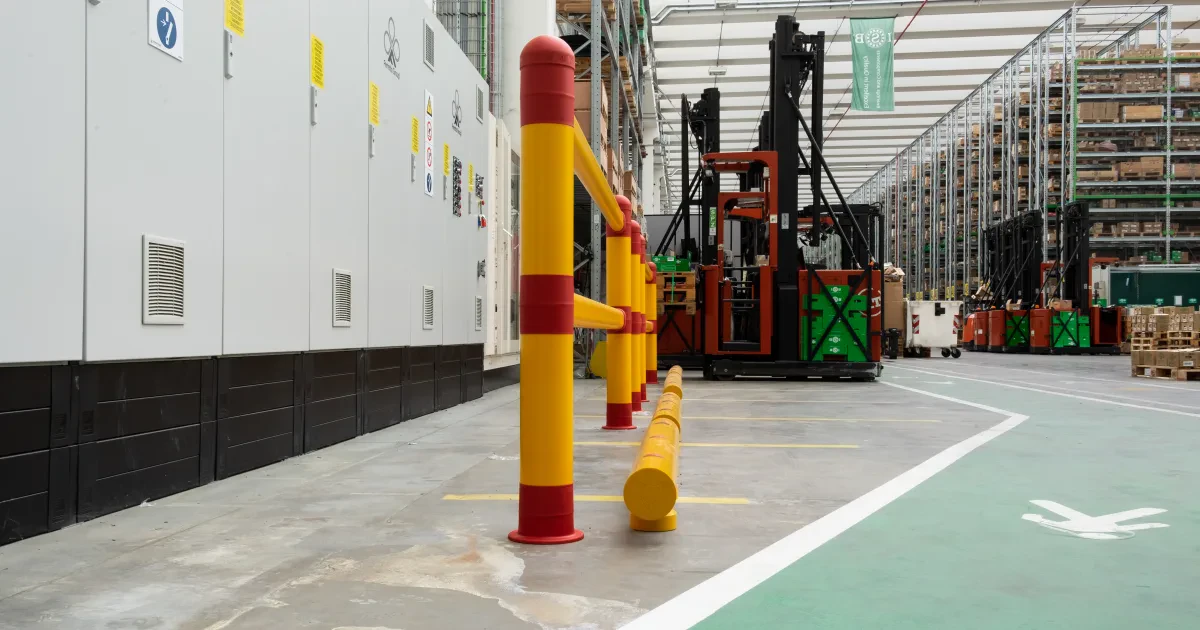
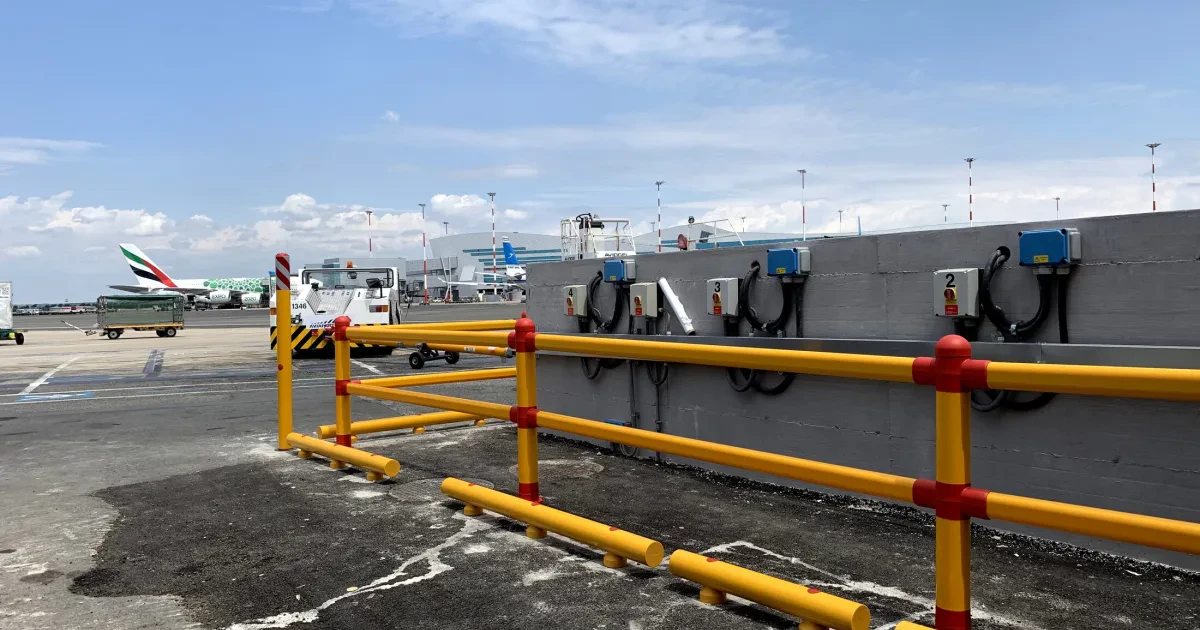
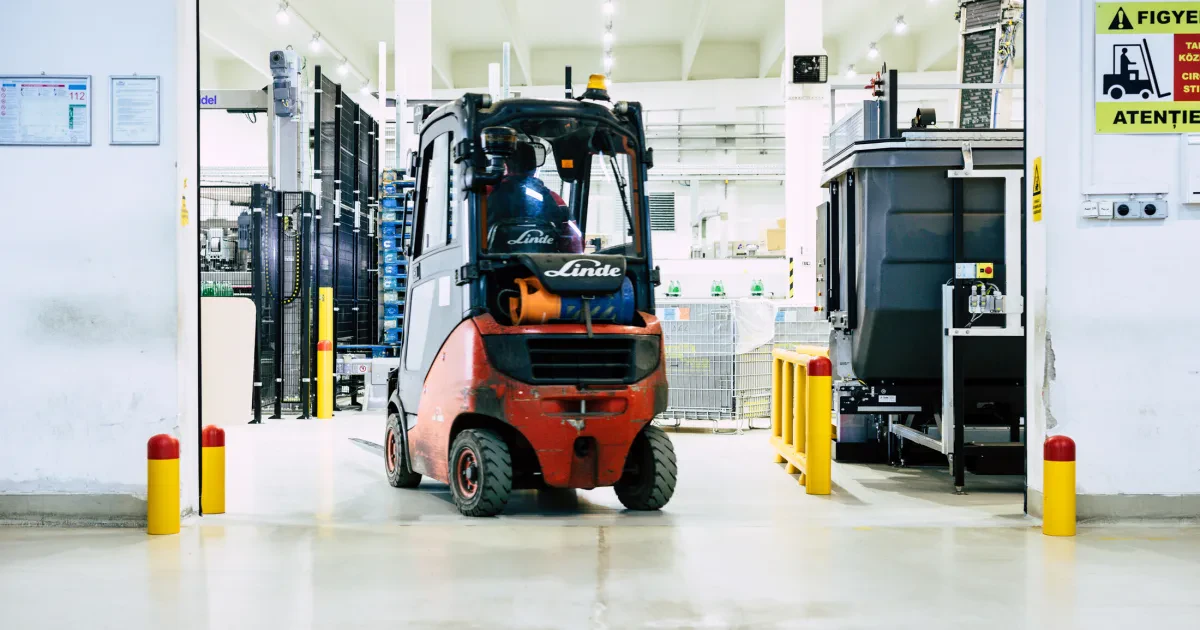
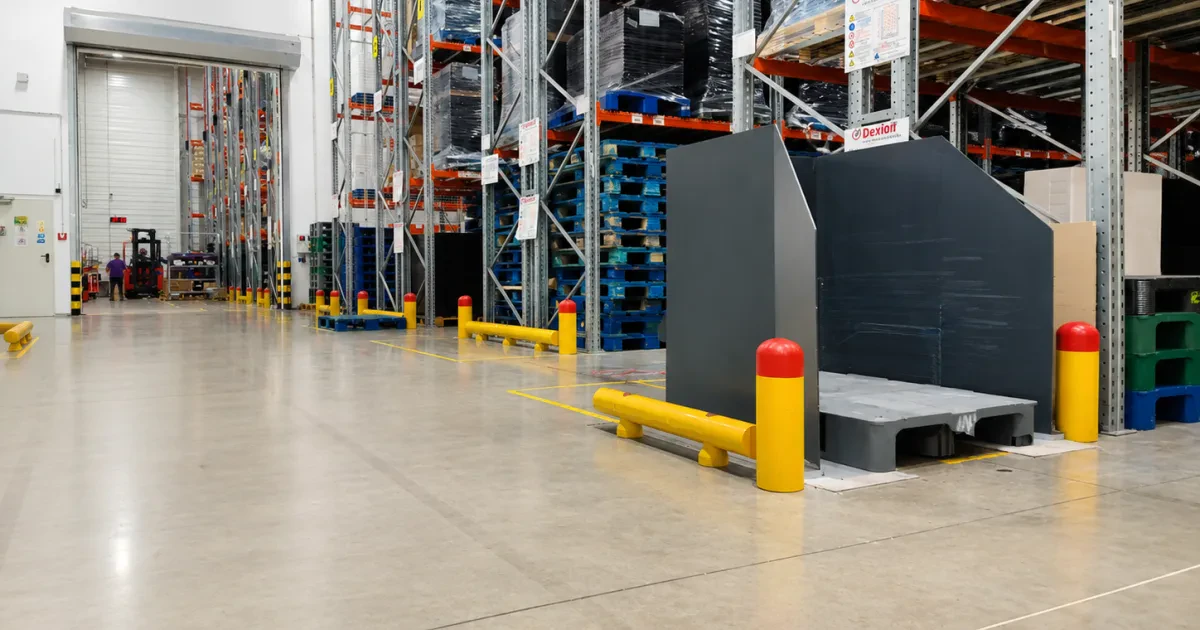
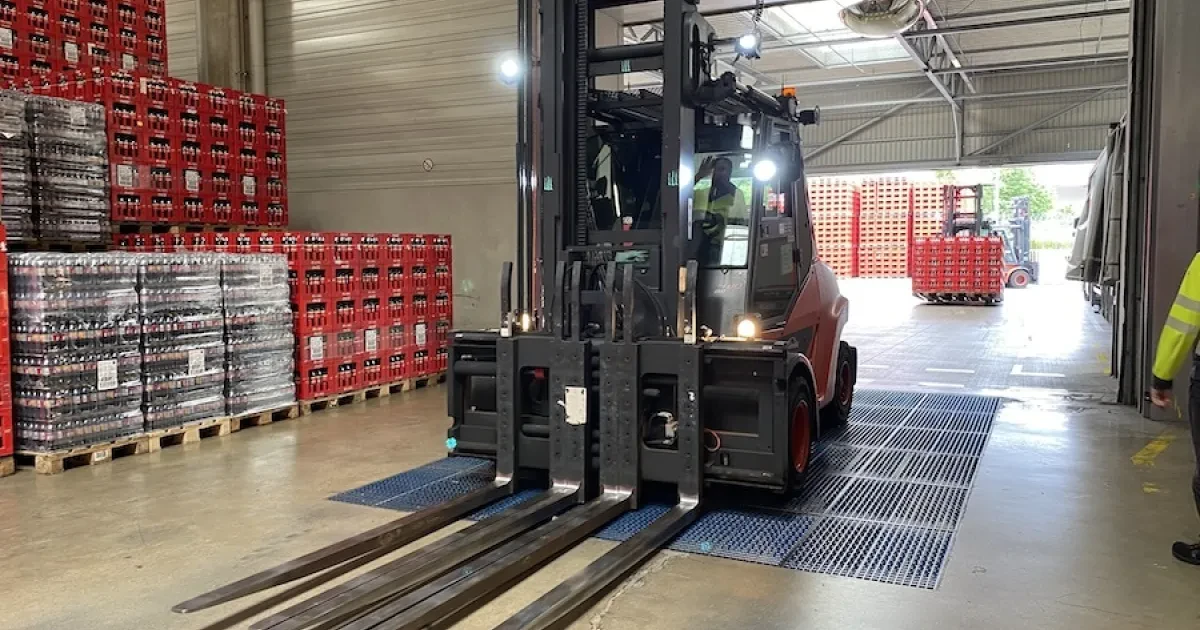
In automotive plants, doors, gates, conveyors, panels, columns, workstations and technical areas are often close to forklifts, AGVs, carts or tugger trains. A small impact can look local, but it can affect flow, maintenance and area safety.
Protection should be selected against the real impact scenario: vehicle, mass, speed, angle, deflection space, floor, anchoring and what needs protection without blocking access or maintenance.
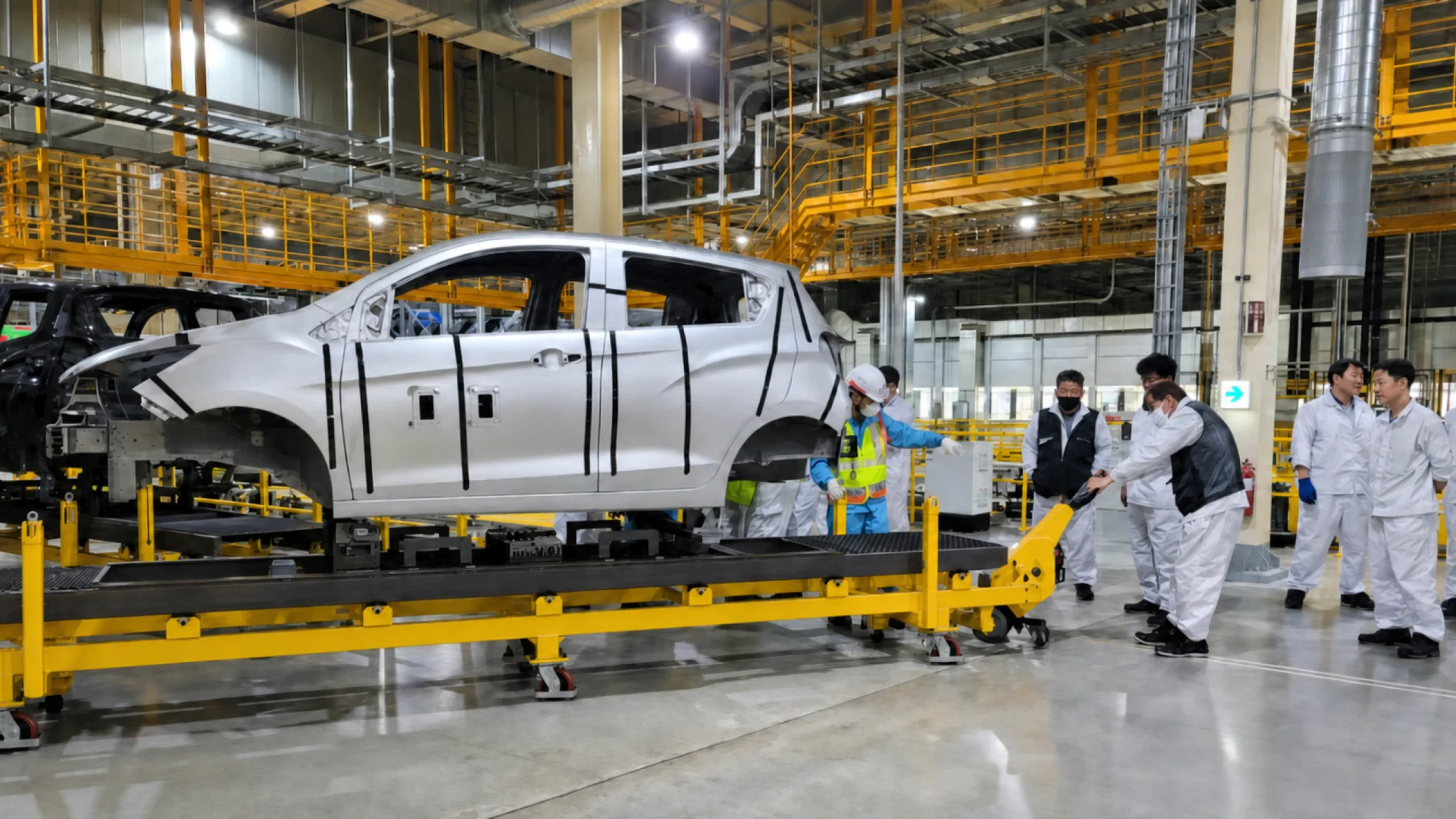
Automotive lines use containers, racks, tyre racks, tooling, moulds, sub-assemblies, powertrain components and special carts that do not always fit manual handling or forklift movement. When movement is frequent, control during starting, stopping, turning and final positioning becomes part of the flow.
Electric tugs become relevant when the load is on wheels or can be adapted for coupling. Weight, wheels, centre of gravity, floor, gradient, turning radius, frequency and available lineside space all need to be checked.
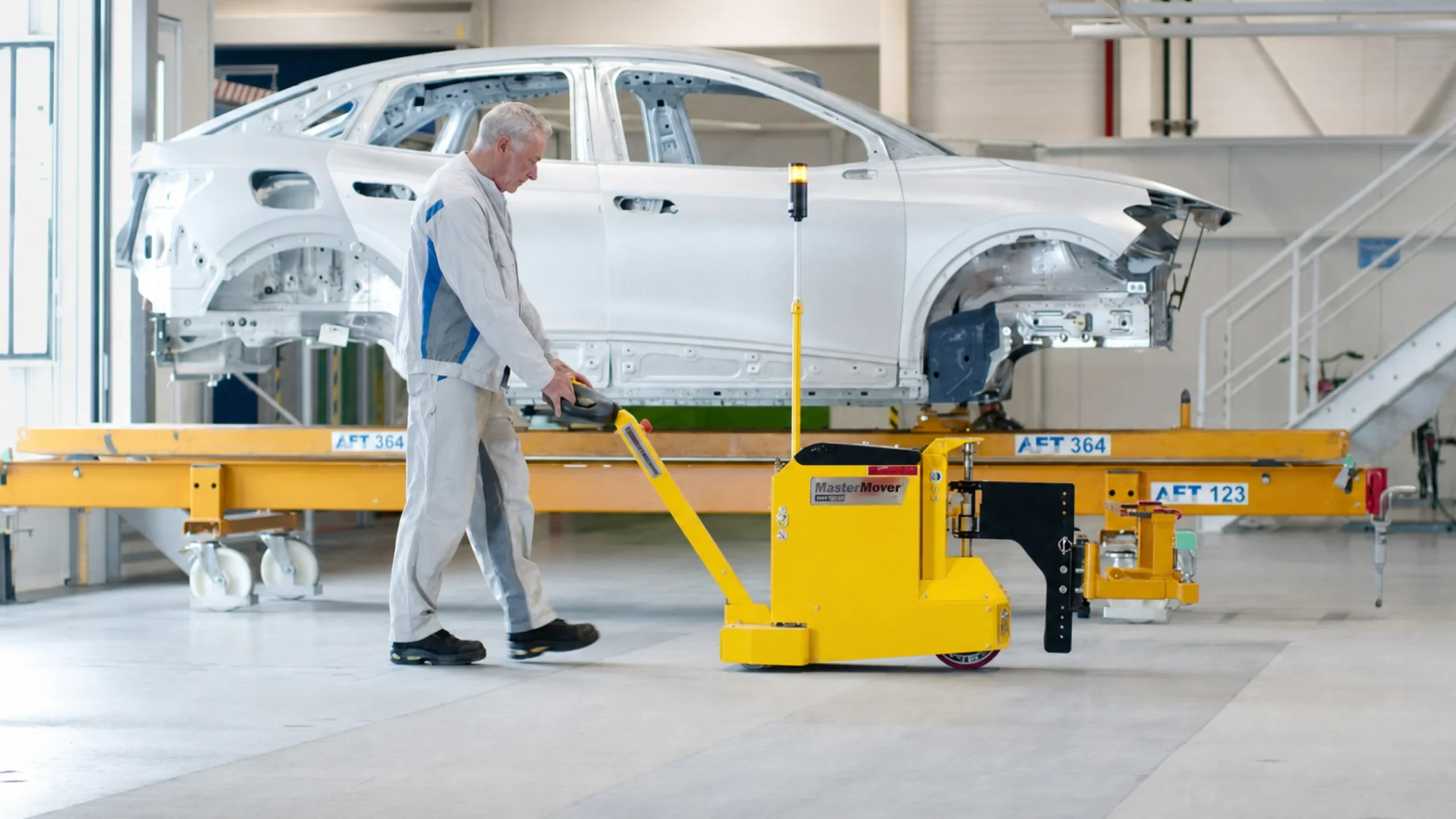
Before choosing a direction, the exact area, real routes, wheel and sole traffic, exposed components or equipment, frequent impact or dirt signals and the internal requirement that needs support should be clear.
For automotive, photos, a simple sketch, vehicle types, crossing frequency and internal quality or safety requirements help more than a product list. From there, it becomes clearer whether the issue is contamination control, impact protection, route separation or controlled movement.
















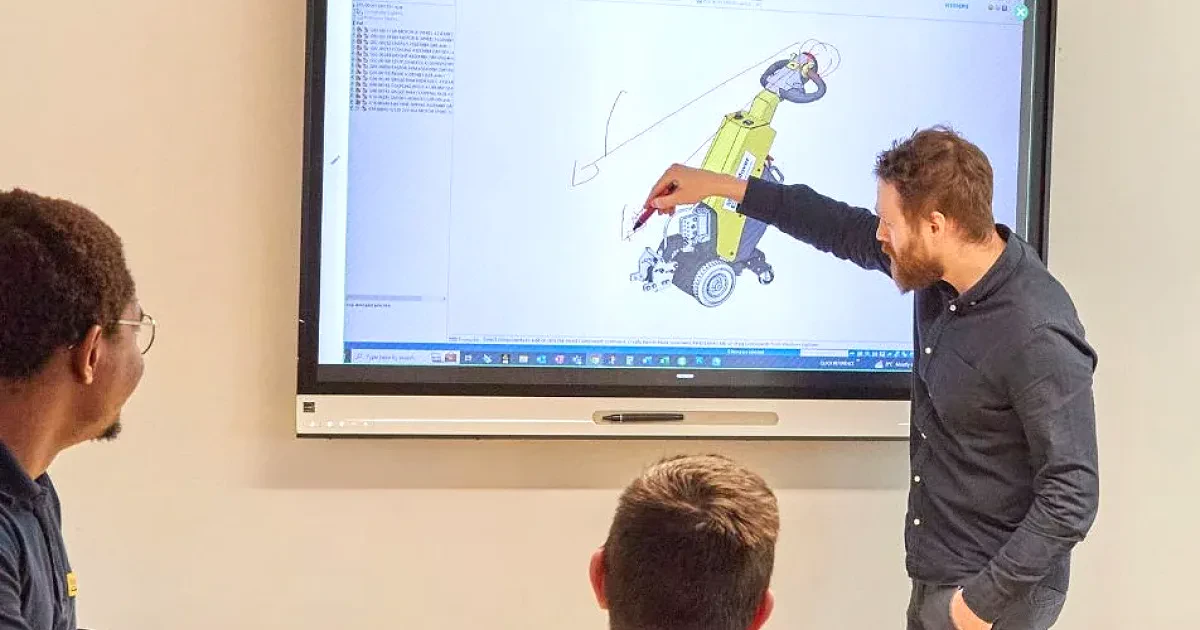
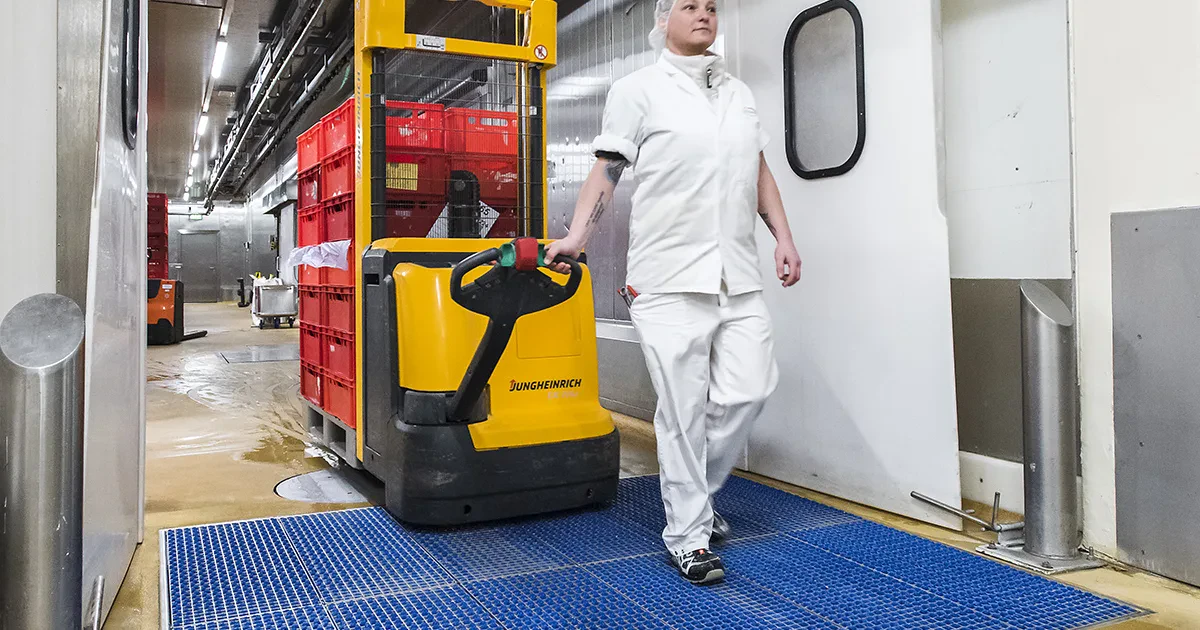
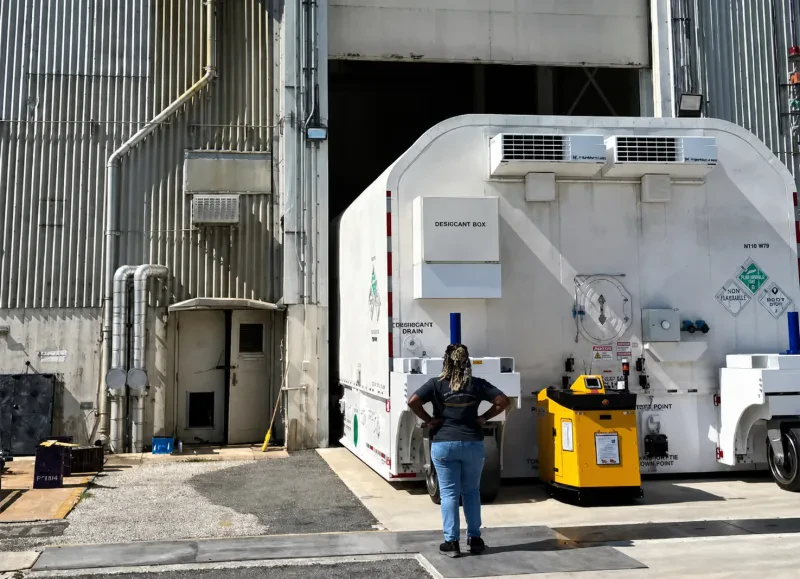
A guide for wheeled loads that are difficult to start, steer or stop by manual pushing and pulling.
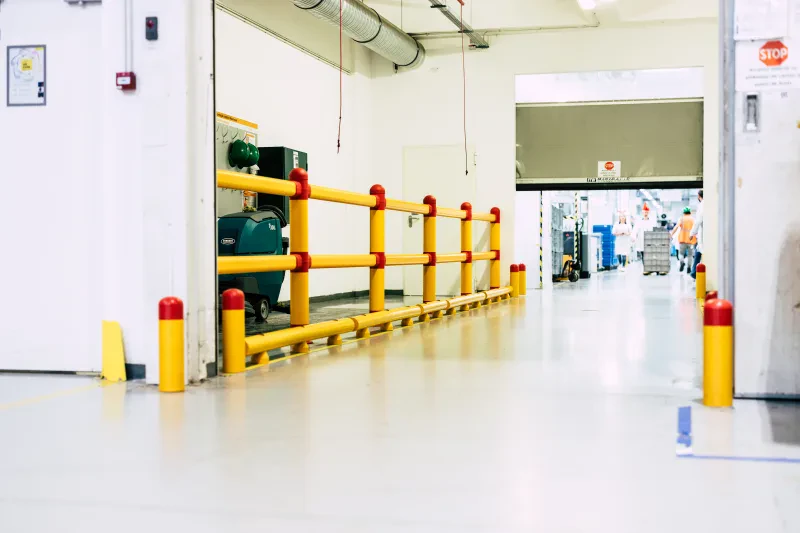
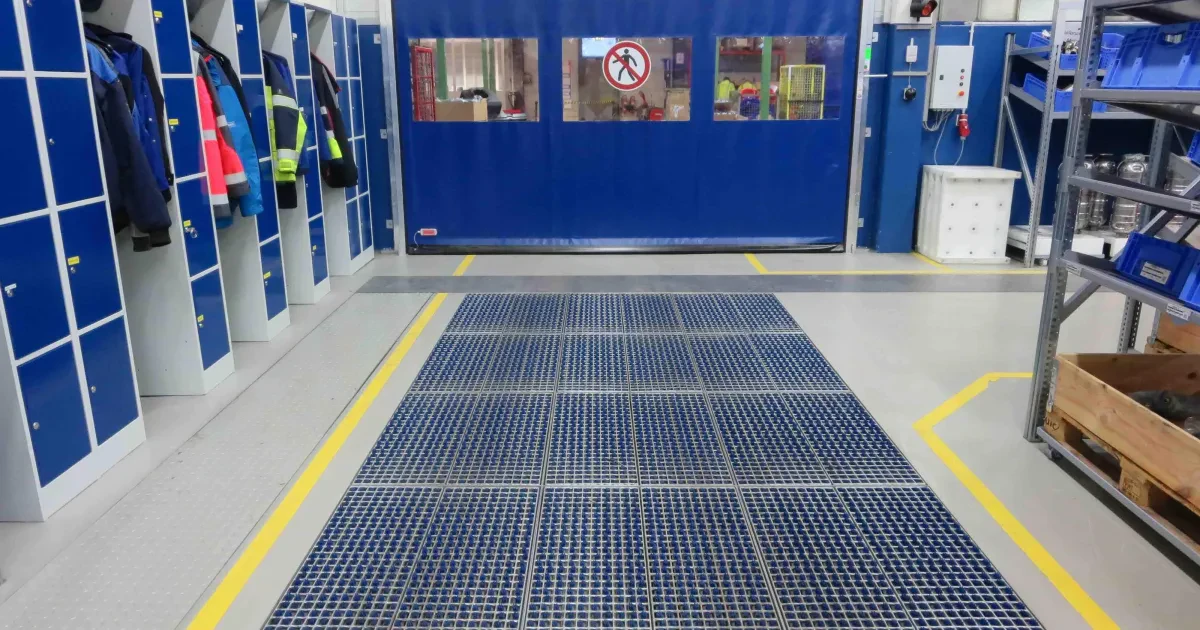
A guide to integrating wheel cleaning before doors, floors, drainage and routes are fixed.
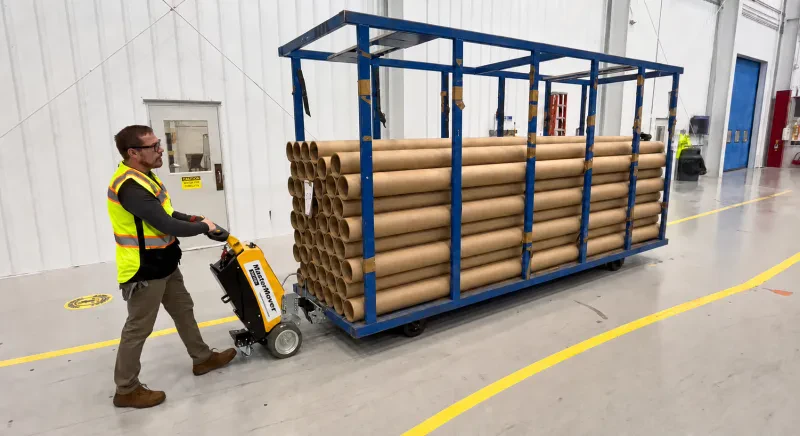
A MasterMover SM200+ case shows how a Fortune 500 plastic packaging manufacturer moved from manual pushing to mechanised movement for heavy carts.
Is route, cleanliness or movement hard to control in an automotive area?
Useful signals appear on the real route: particle traces near assembly, dirt carried by wheels, impact marks on doors or conveyors, stops at intersections, loads that are difficult to position or a crossing that operators bypass because it does not fit the flow.
When these signals appear together, the cause is rarely one missing product. It may be a route connecting areas with different requirements, mixed traffic too close to equipment or a load that needs to be moved differently.
They should guide questions about particles, environment, logistics, personnel, equipment and internal verification. They help explain why wheel, sole, cart or AGV routes should be reviewed in technical-cleanliness areas.
Compliance remains tied to the operator process, verification and internal requirements. A cleaning system, impact protection or electric tug can support a technical measure when it is connected to the right point in the flow.
It becomes relevant when the same route carries particles towards a more sensitive area: assembly, ESD, technical components, quality control, cleaner interim storage or logistics-to-production transitions. Not every entry needs the same control level.
The control point should be checked against the natural route, bypass risk, wheel types, number of rotations or contacts and how it will be cleaned or maintained in the site routine.
Impact protection is relevant when a vehicle or load can hit doors, conveyors, columns, panels, machines or technical areas. Physical separation becomes important when people and vehicles move too close to each other on frequent routes.
The choice depends on possible impact energy, visibility, vehicle speed, deflection space, maintenance access and what needs protection without blocking the flow.
It can help when the load is on wheels or can be adapted for coupling, and the movement is frequent, heavy, sensitive or difficult to control manually. Automotive examples include special carts, tyre racks, containers, tooling, sub-assemblies, moulds or powertrain components.
It becomes relevant when the movement is horizontal, the route is clear and control matters during starting, stopping, turning, approaching the line and final positioning.
A short area description, a few photos, a simple route sketch, vehicle or load types, crossing frequency, what becomes dirty or damaged and the internal requirement that needs support are useful.
A complete technical brief is not needed for the first orientation. The important part is to show where the signal appears and what consequence it has in daily operation.