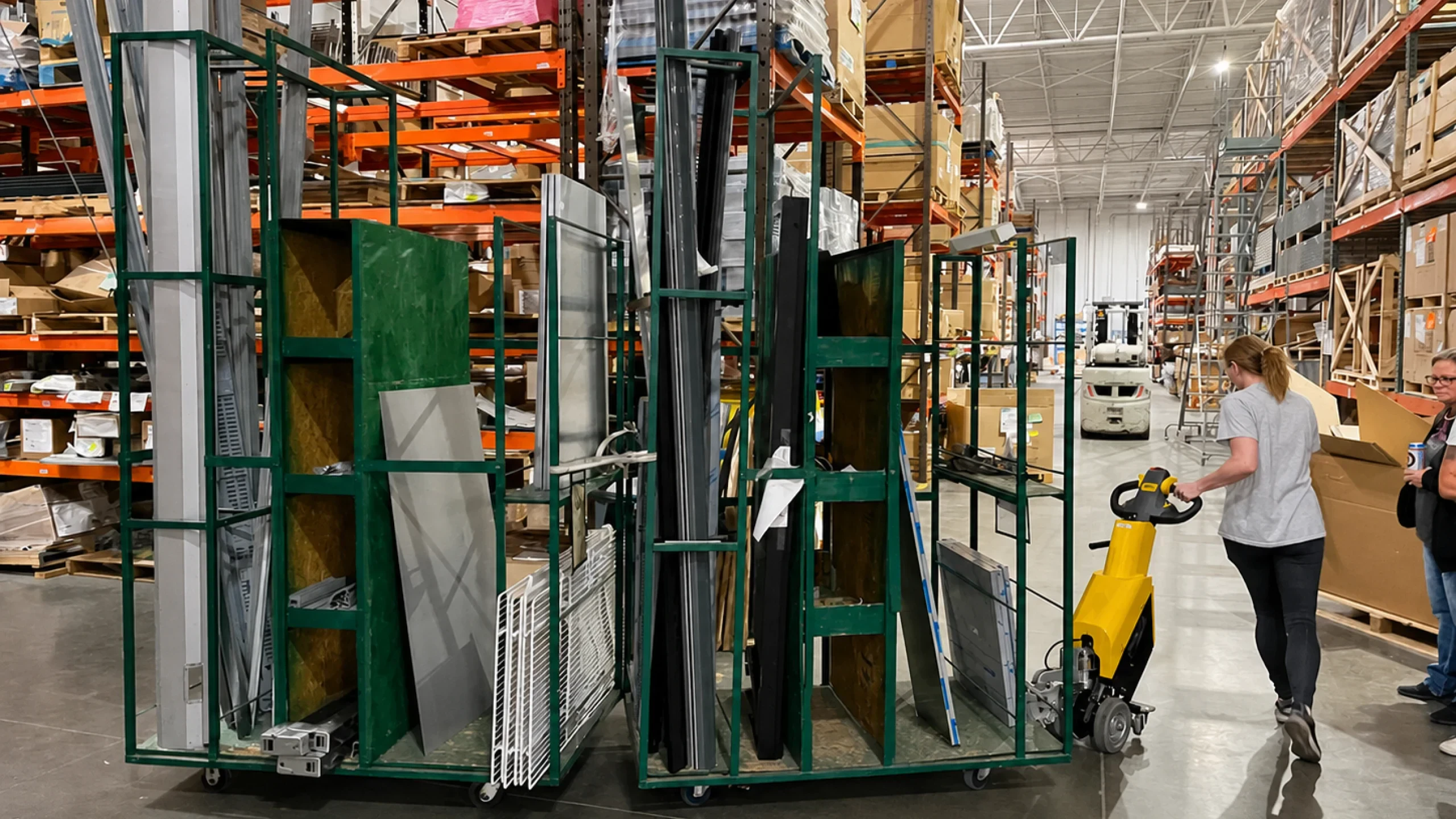
Load and running gear
Record total mass, distribution and wheel condition.
Small, worn or swivel wheels can change starting and steering substantially.

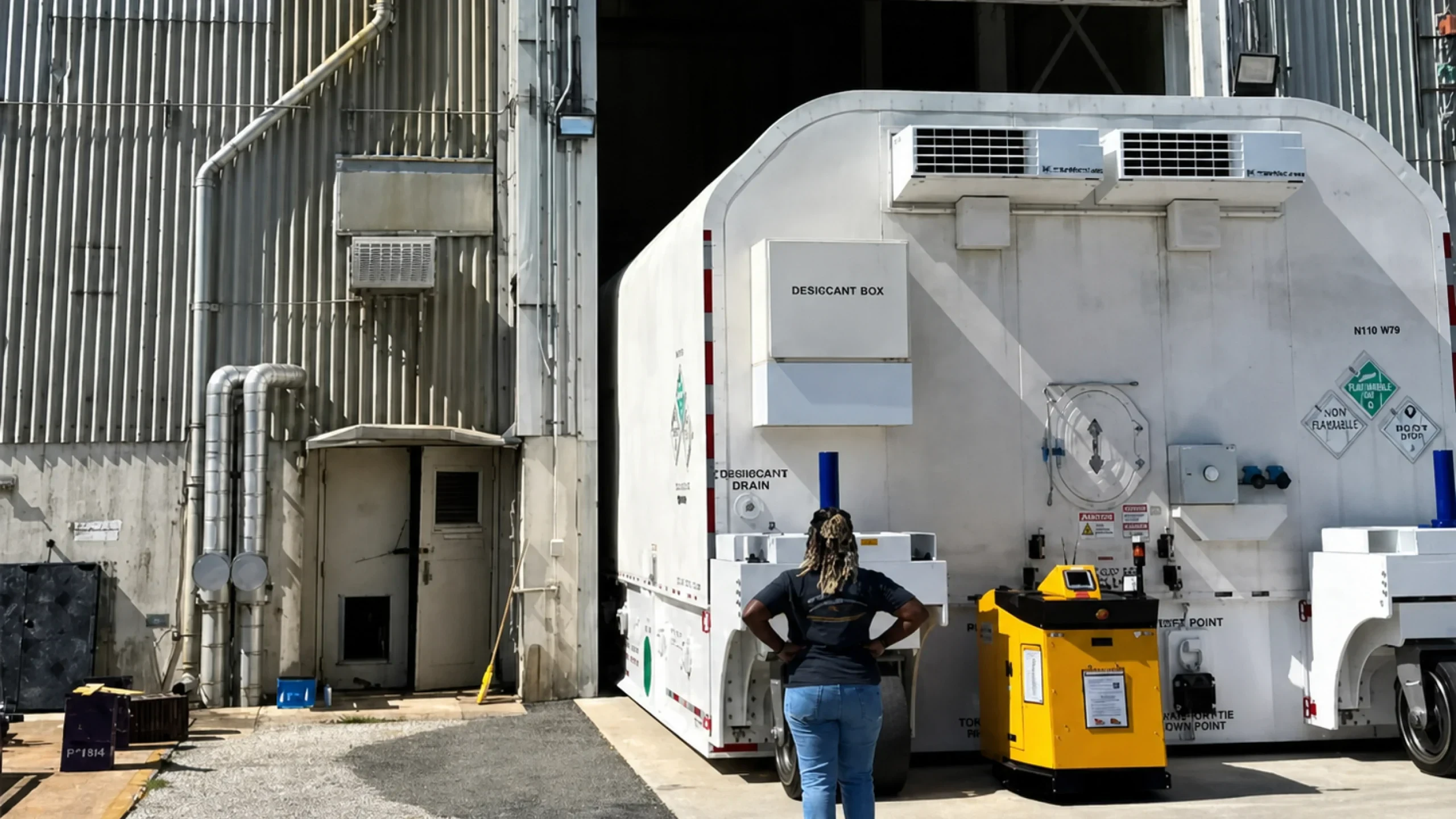
Weight alone does not show how difficult a cart is to control. Wheels, floor, slope and coupling change starting, steering and stopping.
Rated mass is only one input; rolling resistance, slope, wheels and coupling determine effort and control.
Each situation needs different traffic, surface and operating inputs.
Record total mass, distribution and wheel condition.
Small, worn or swivel wheels can change starting and steering substantially.
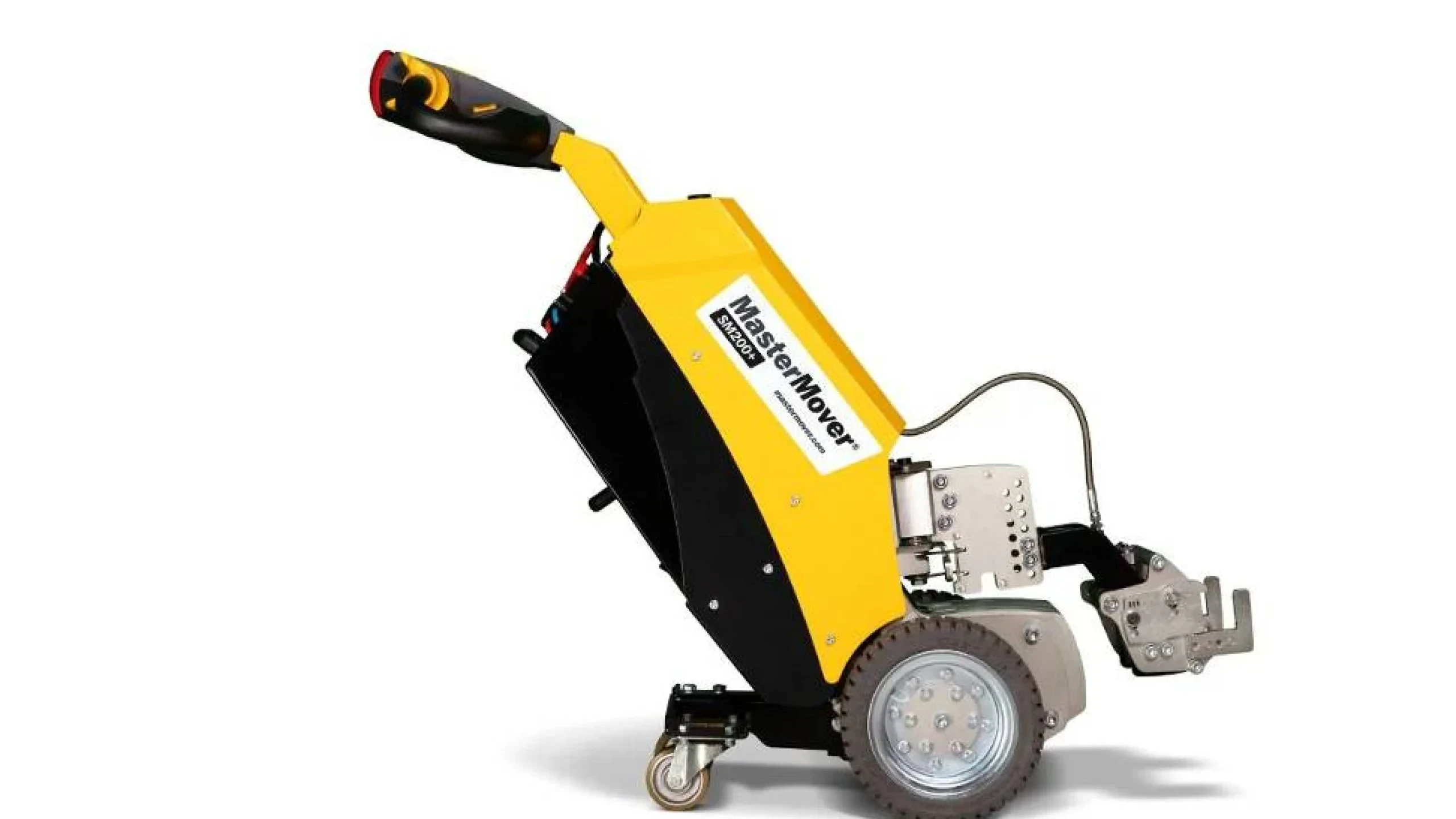
Slope, thresholds, turns and pedestrian traffic define braking and visibility needs.
Test the hardest section, not only a straight level floor.
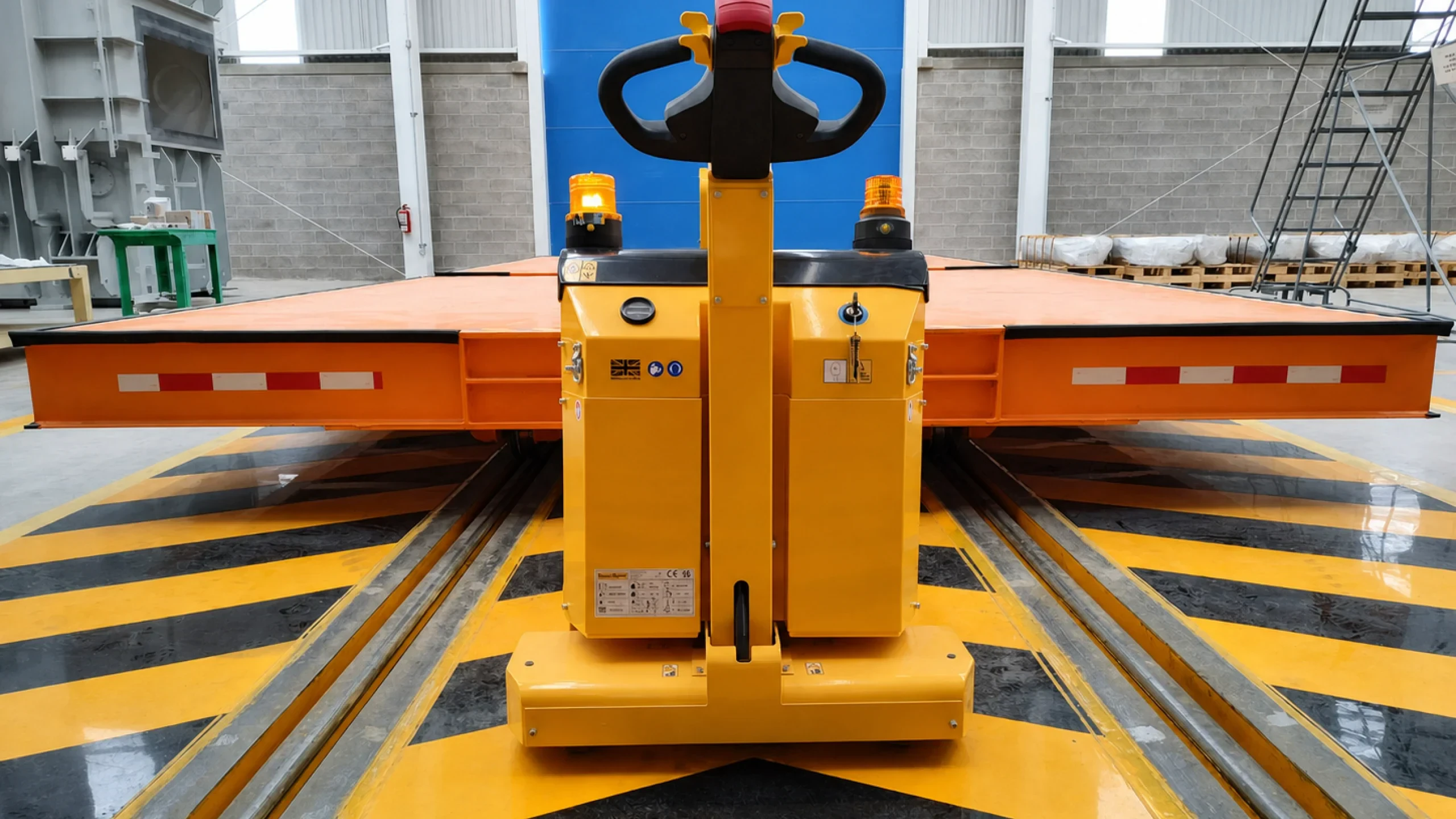
The coupling must transfer force without damaging the cart.
The operator needs visibility and controls suited to positioning.
Record total mass, distribution and wheel condition.
Small, worn or swivel wheels can change starting and steering substantially.
The coupling must transfer force without damaging the cart.
The operator needs visibility and controls suited to positioning.
When a wheeled load needs control, not manual force

Starting, steering, positioning and stopping should be reviewed separately because each stage can load the operator differently. A load may be hard to start but easy to stop, or it may roll well in a straight line and become difficult during positioning.
The configuration should follow the hardest stage on the route. Visibility, space around the load, controls and operator position matter as much as pulling force.
Total mass is only one input. Rolling resistance comes from wheel diameter and material, bearing condition, floor surface, slope, thresholds and load distribution.
Two carts with the same mass can behave completely differently. The review should include the actual load, actual wheels and the hardest section of the route.
Braking should be checked on the maximum slope and at the real stopping position, not only on a flat floor. The question is whether the operator can stop the load under control without holding it with their body.
Pedestrian traffic, available clearance, visibility, wet or slippery surfaces and the movement immediately after stopping all matter. A safe route should remain controllable at the end of the cycle.
Provide frame photographs and dimensions plus access around the load.
Confirm coupling on the actual cart.