

Forklifts and tugger trains
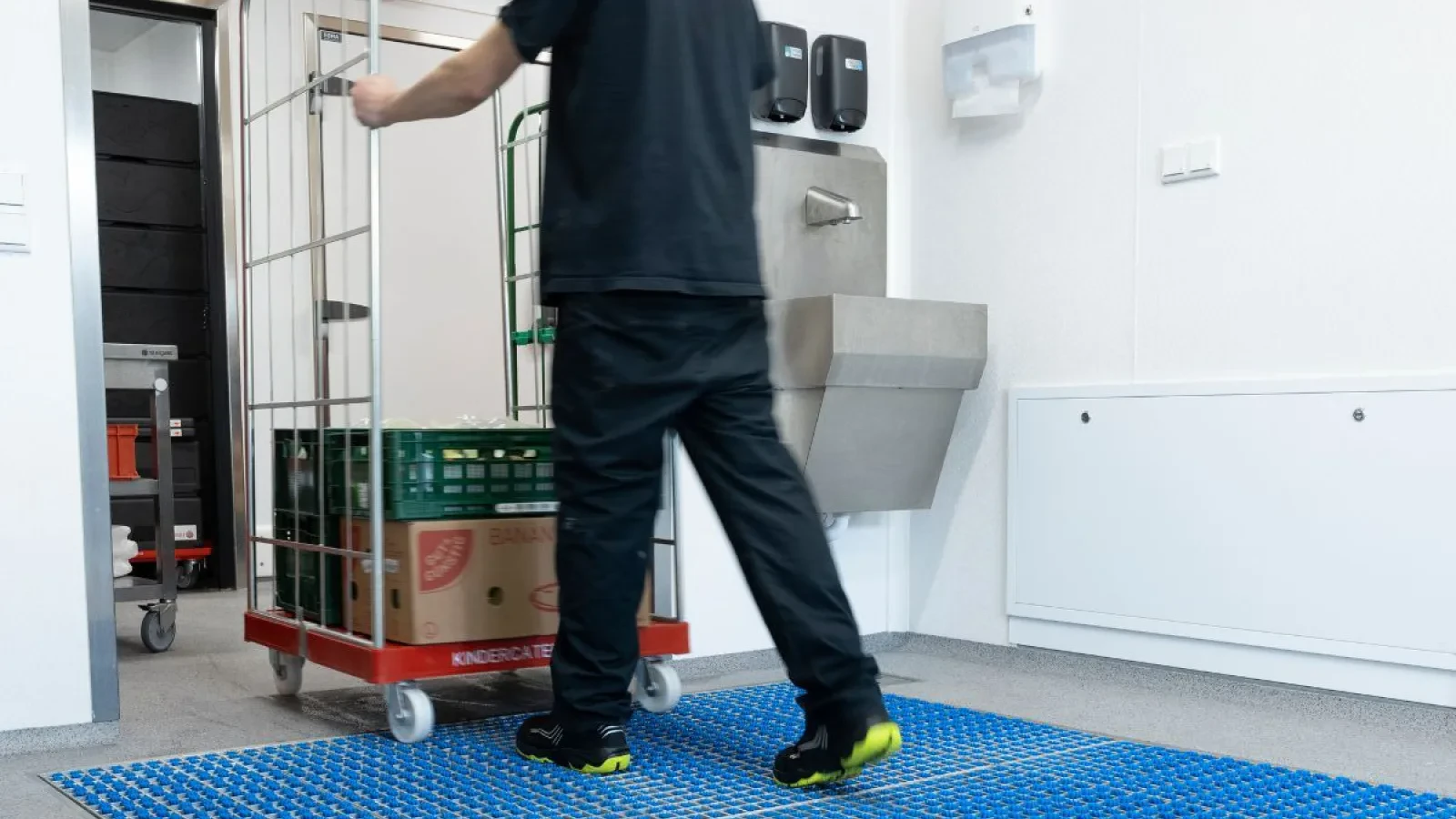
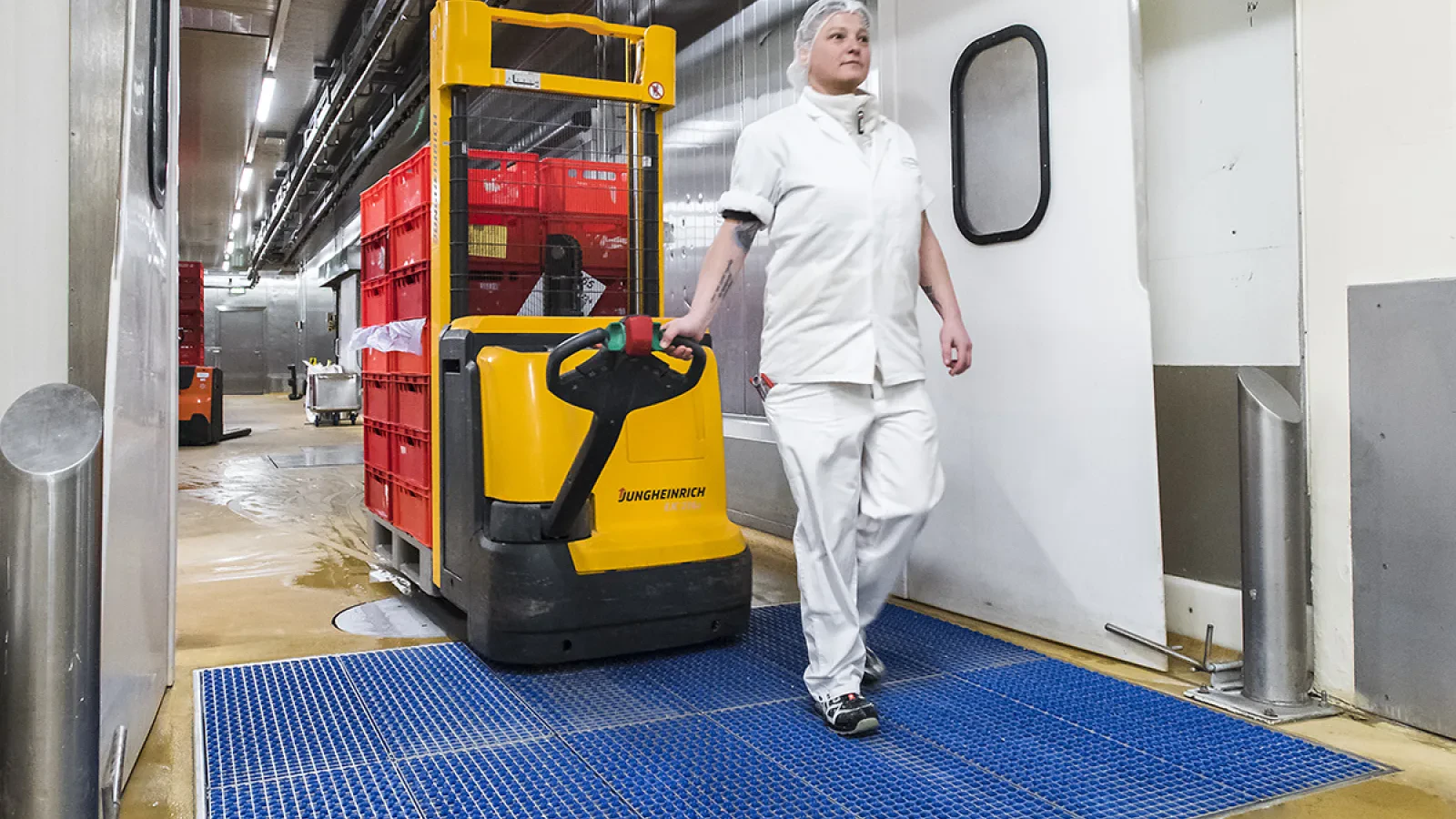
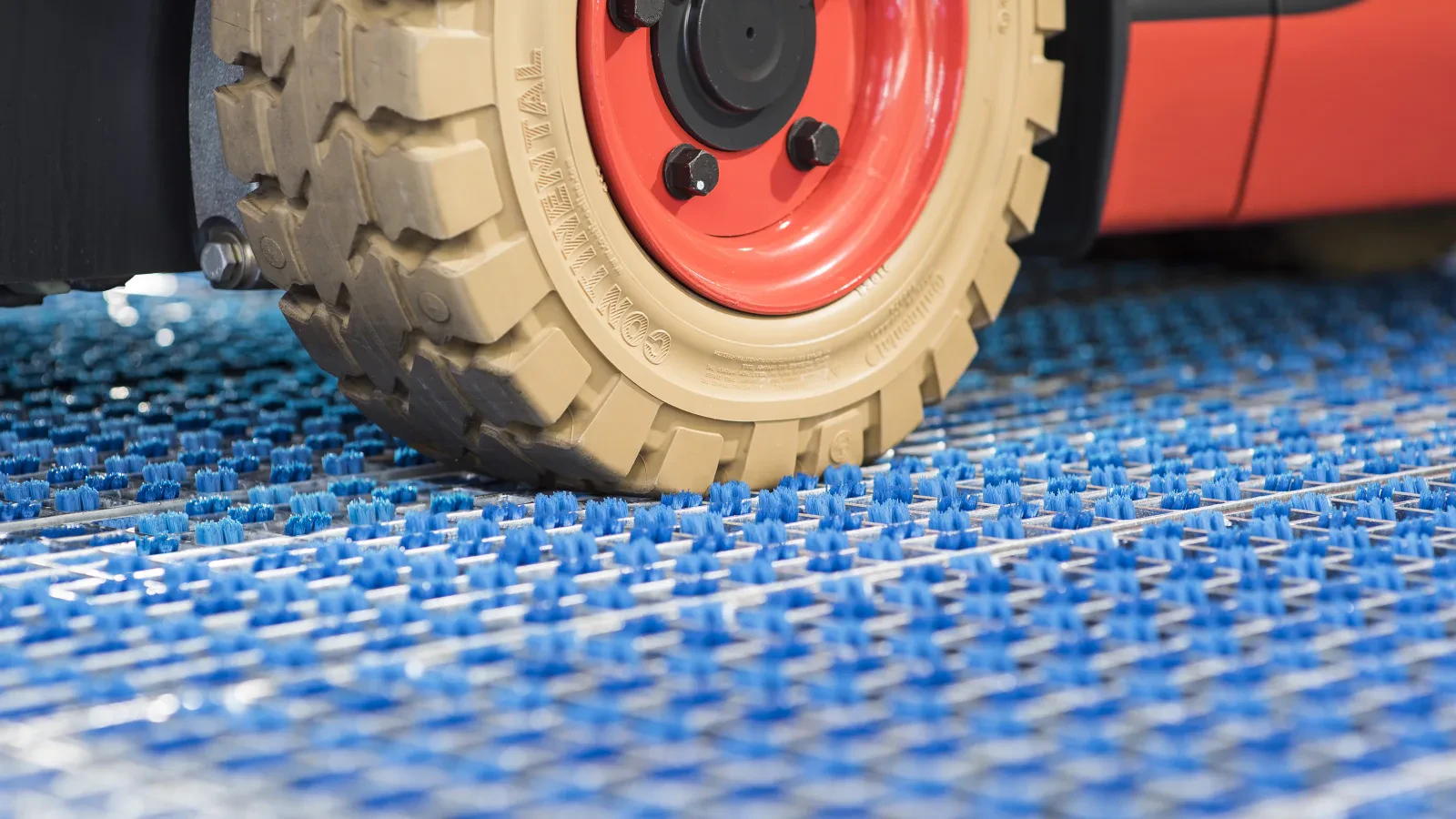
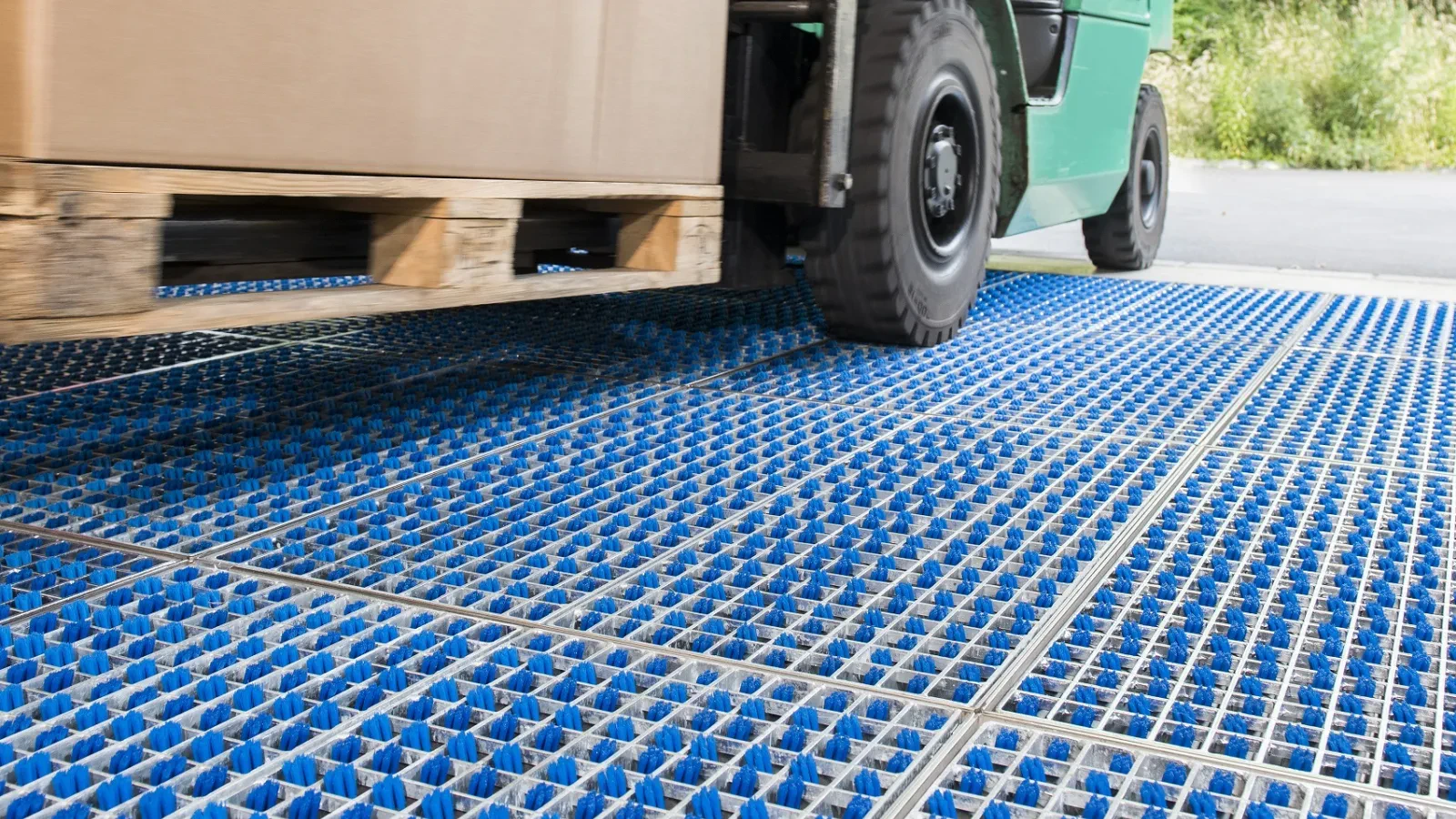
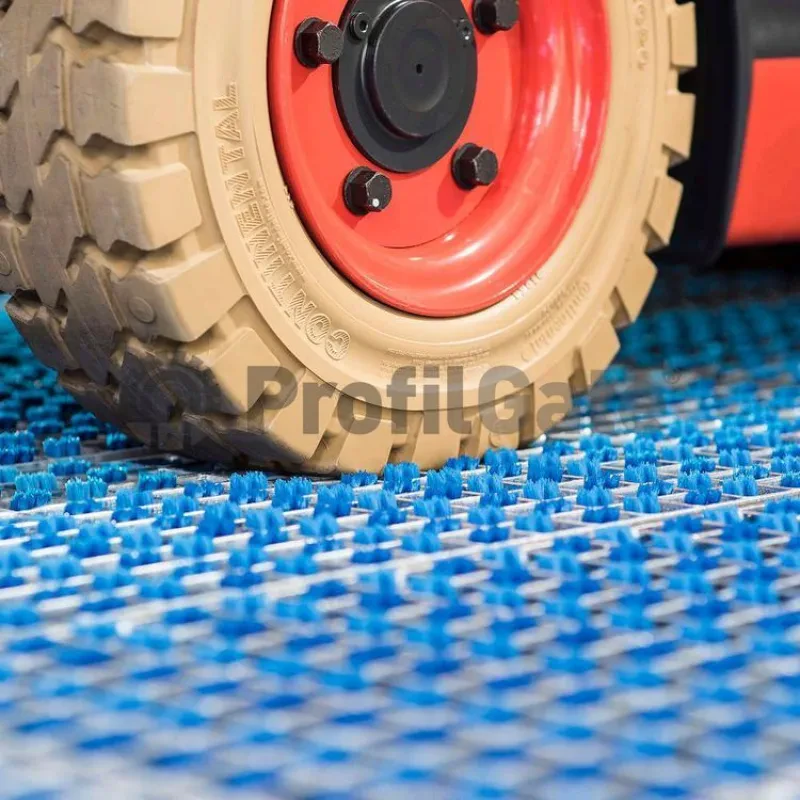
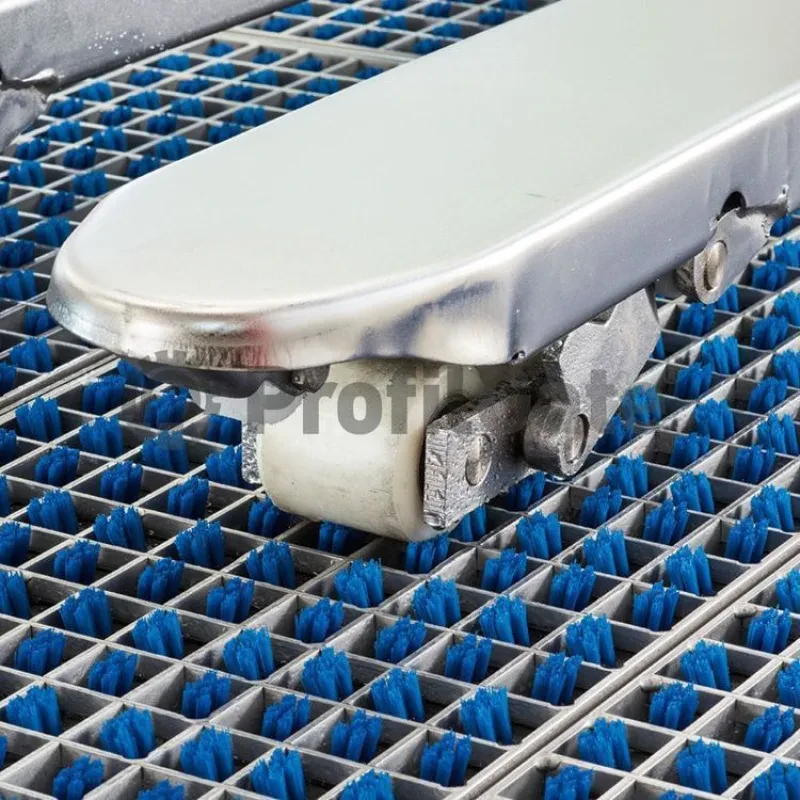
Forklifts and tugger trains on high-frequency routes involve larger wheels, heavier loads and turning movements between warehouses, outdoor areas, production and packing.

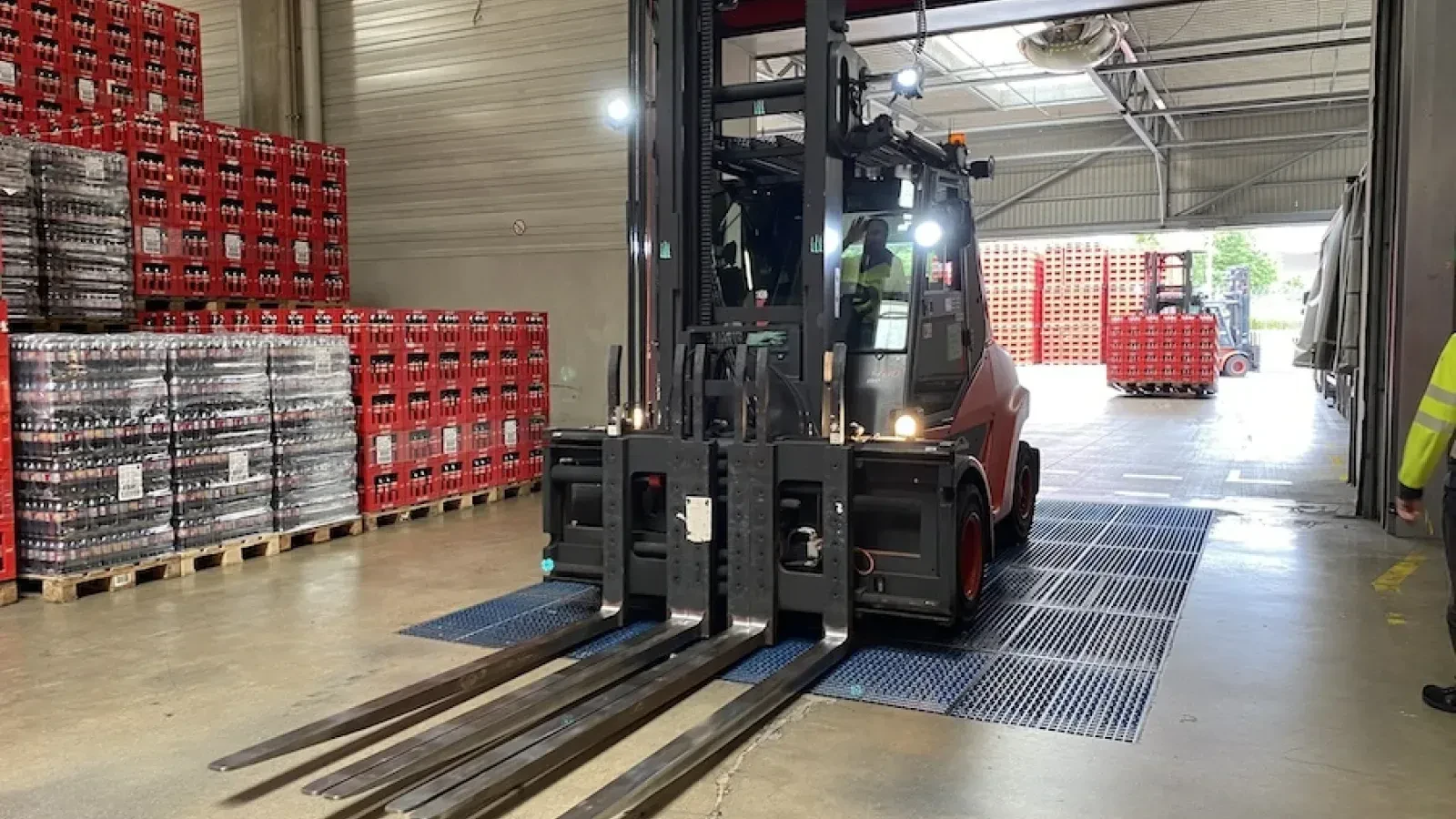
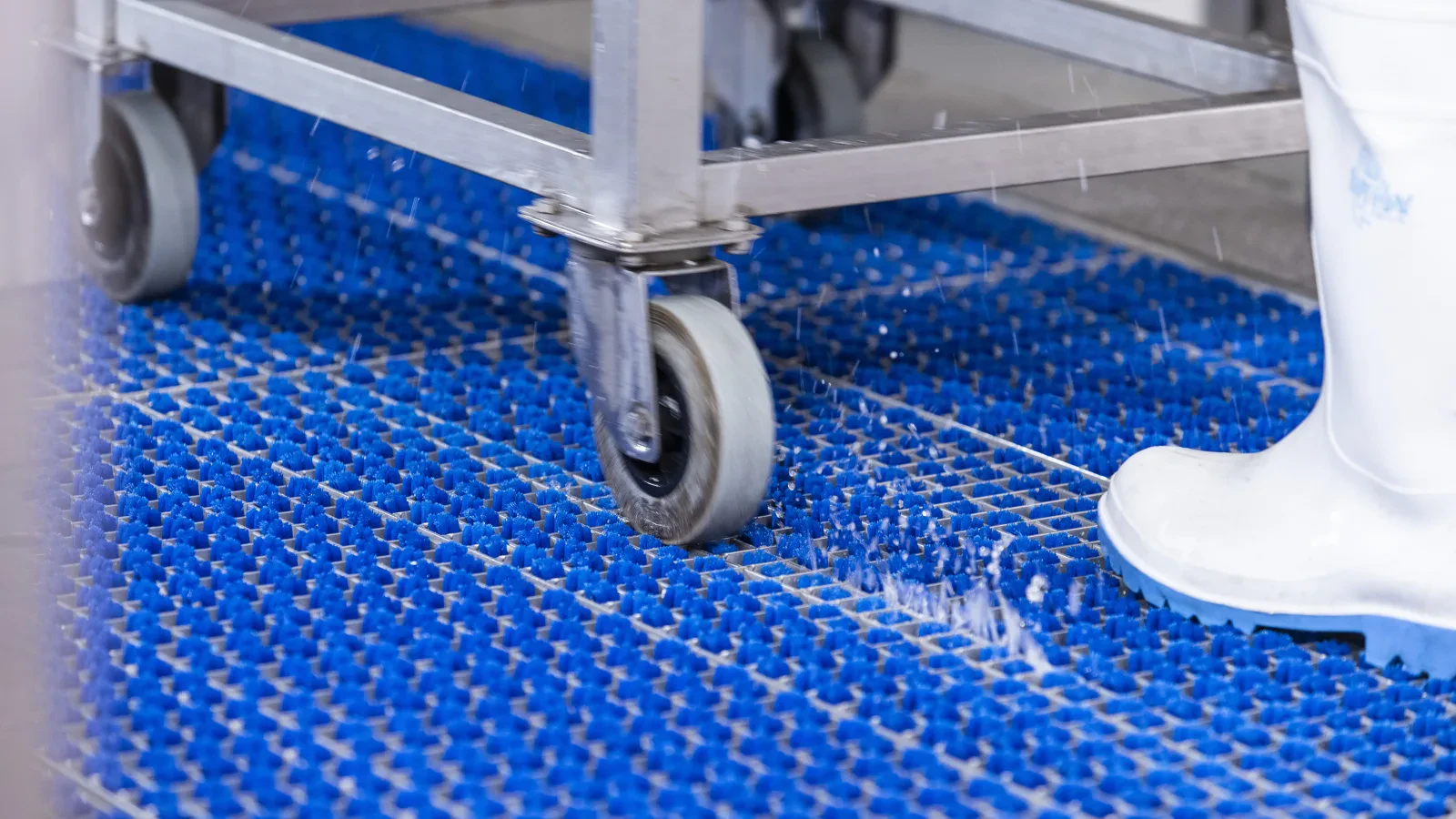
Wheels, soles, rollers and trolleys can carry contamination farther into the facility on every shift. If the route is not controlled, the floor is cleaned after dirt, particles or moisture have already crossed the boundary between areas.
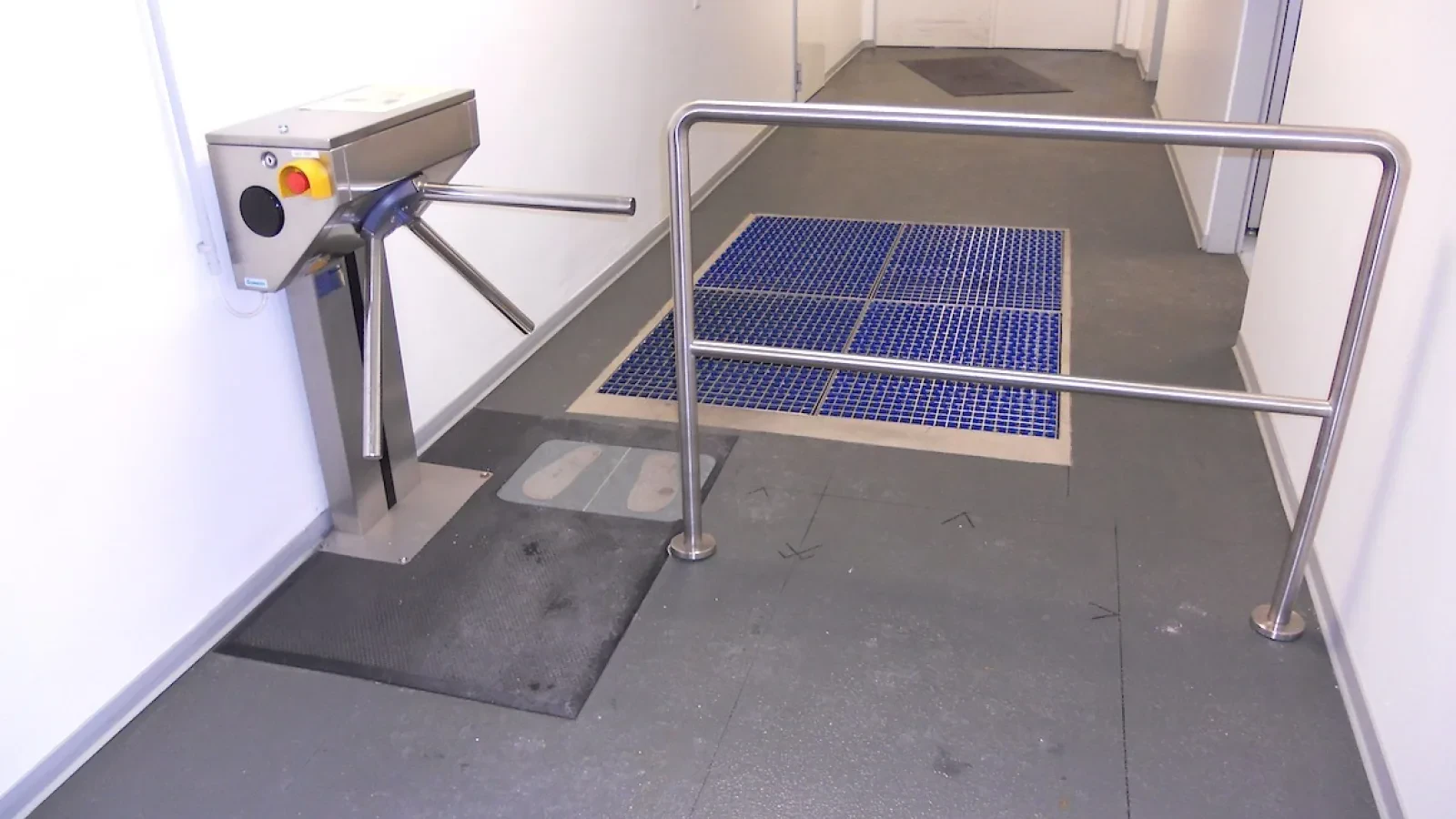
In factories, warehouses, food areas, cleanrooms or packing spaces, the cleanliness boundary is not always the main door. It may be the transition from receiving to production, warehouse to packing, one hall to another, low-care to high-care, an AGV/AMR route or a point shared by people and mobile equipment.
A good review starts with the route: who crosses, what they carry onward and where transfer can be reduced before it reaches the sensitive area. Only then does it make sense to compare mechanical cleaning, a liquid-based hygiene station, polymer matting or a route-specific combination.
In practice, selection starts from what reaches the floor and how traffic crosses the boundary between areas.
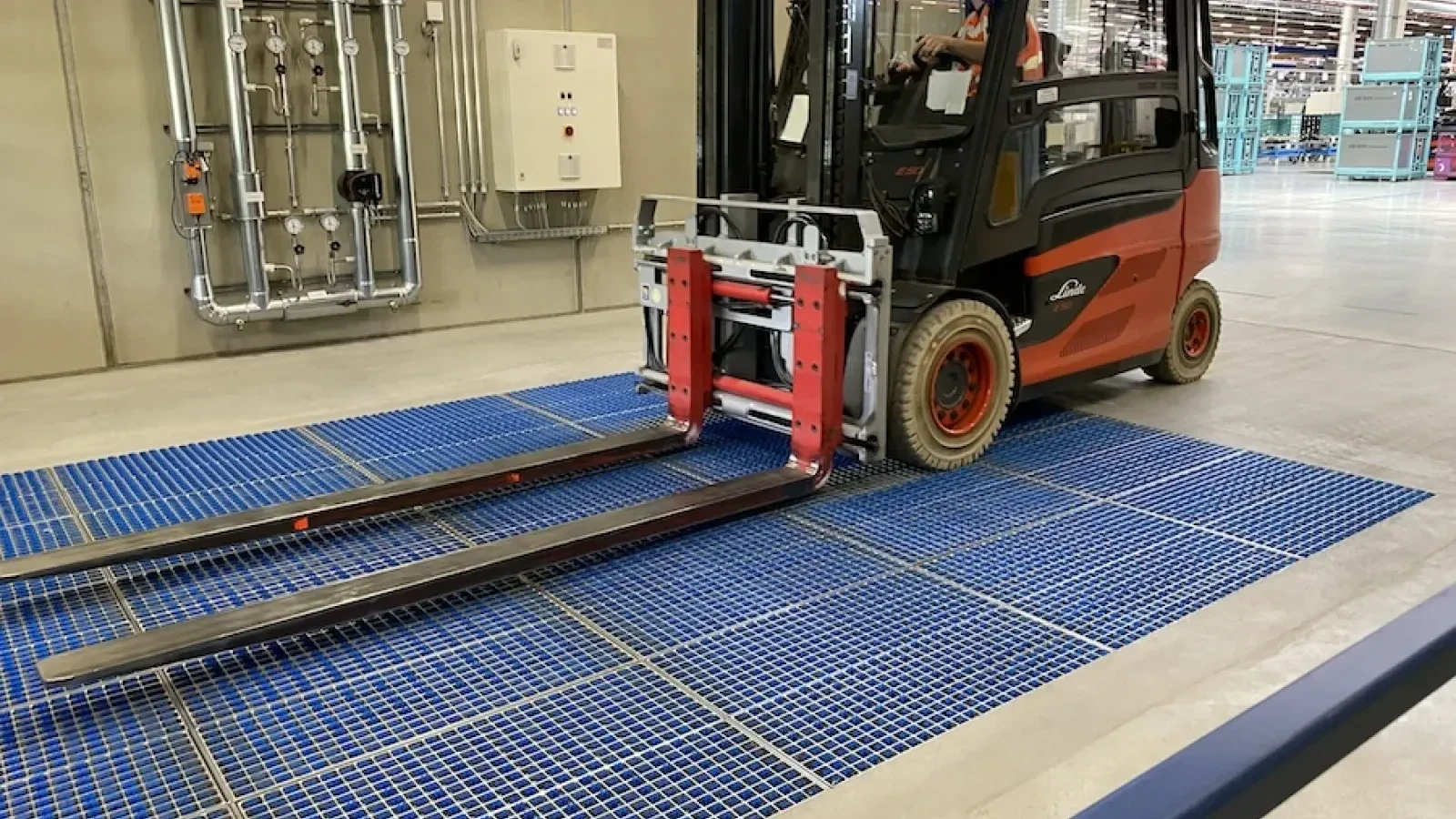
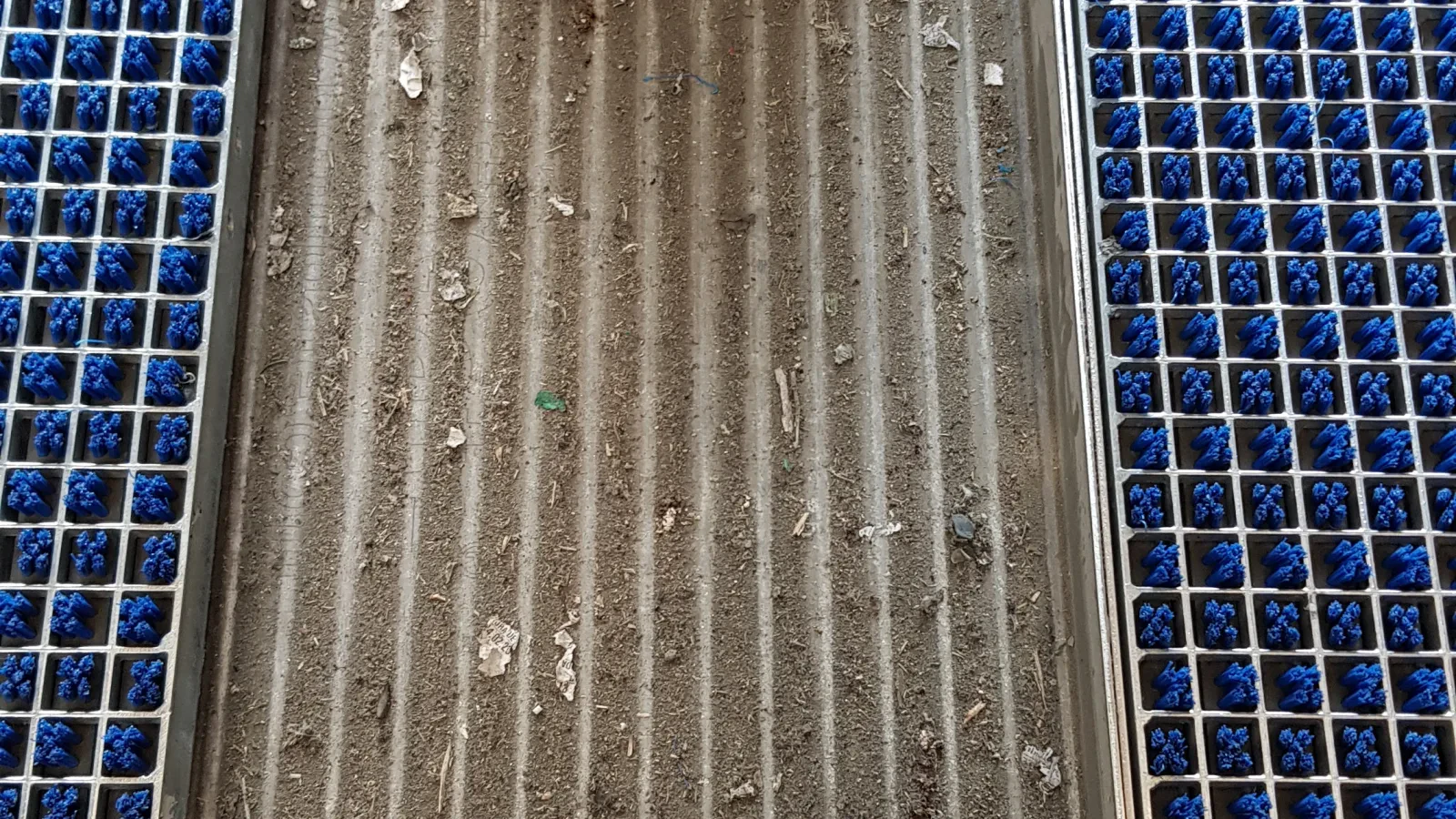
Relevant when the main transfer is physical dirt: dust, sand, grit, particles, powders or moisture on wheels, soles or rollers.
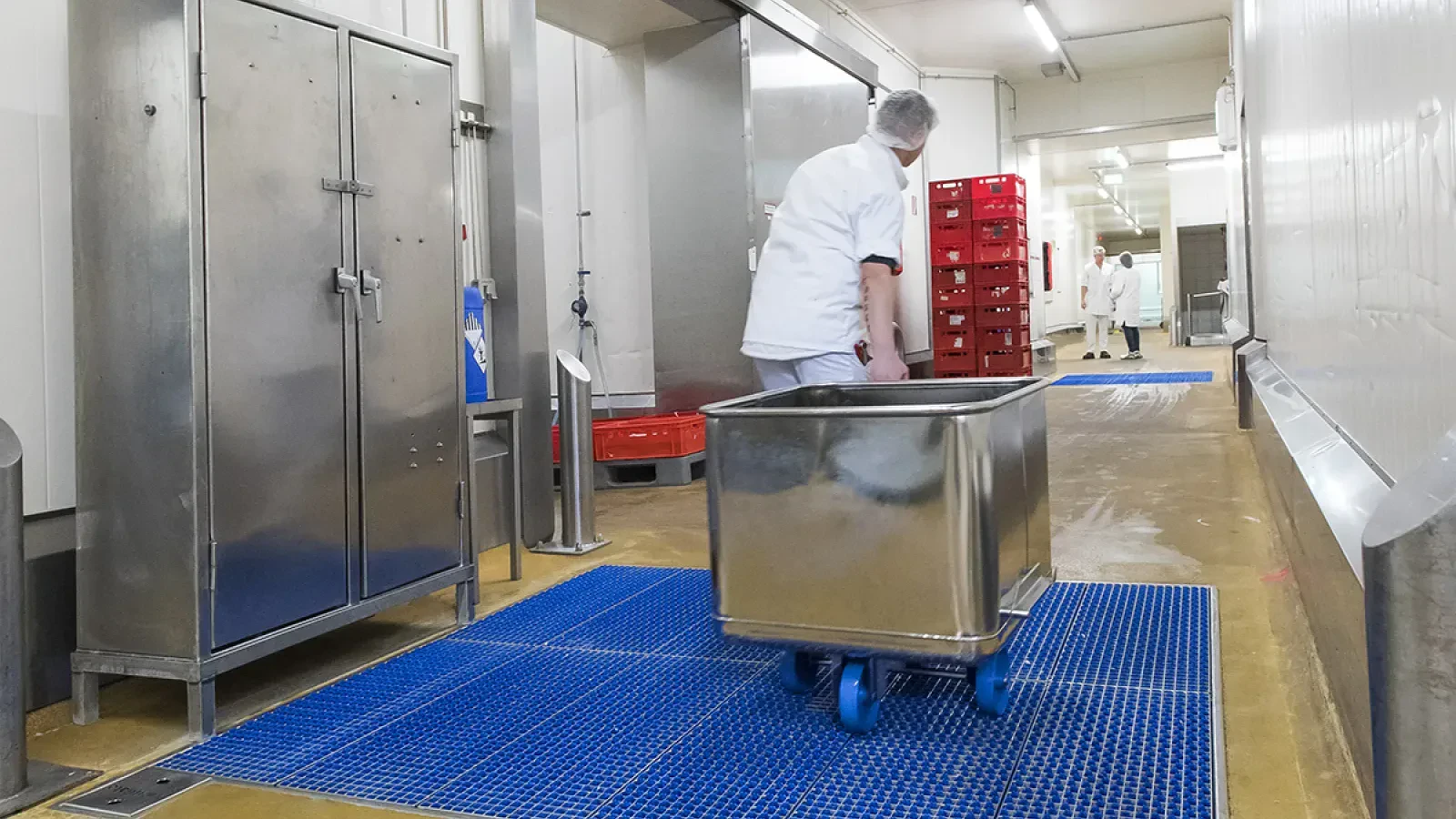
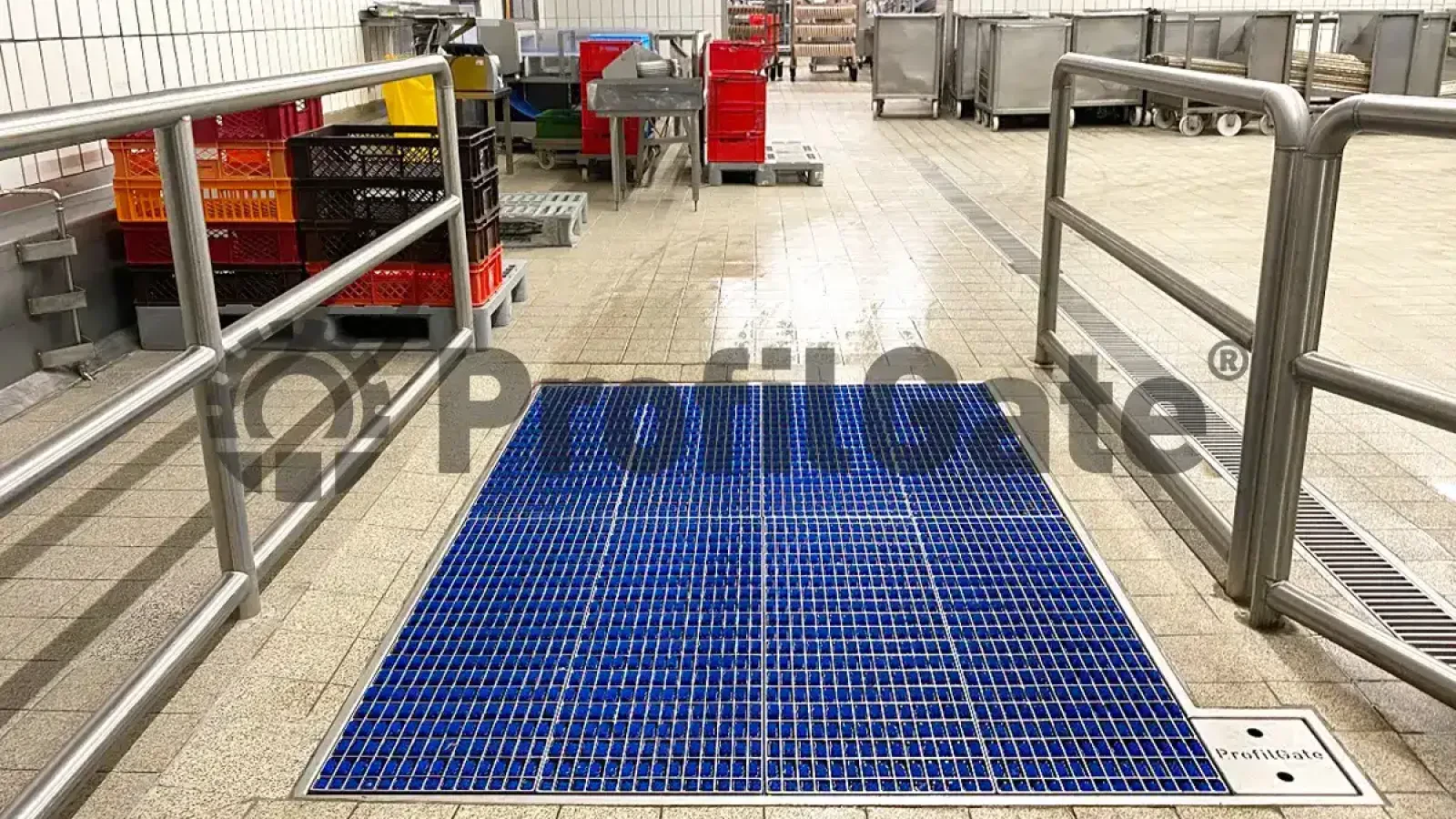
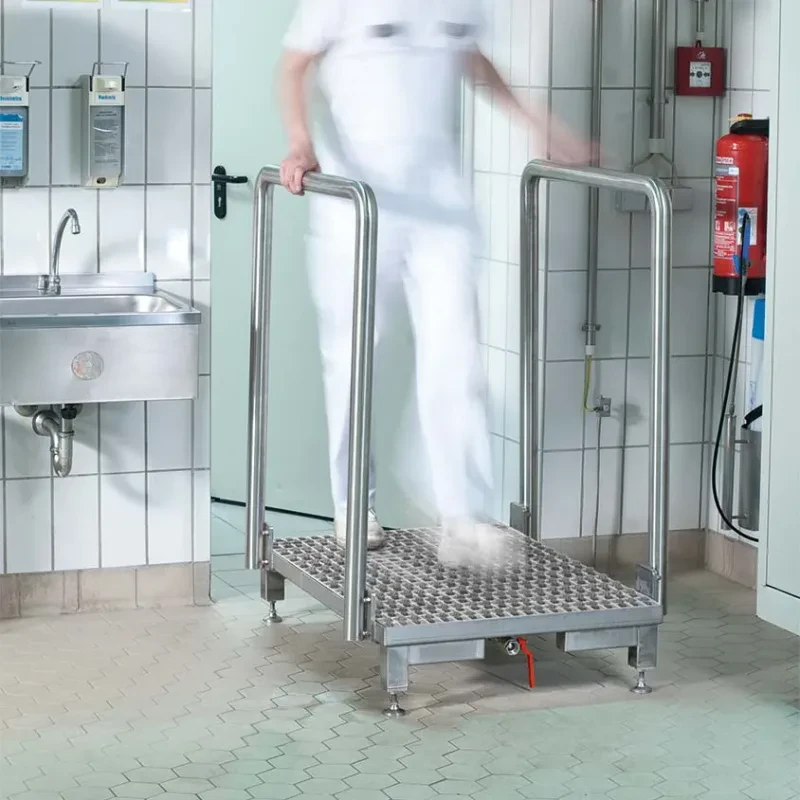
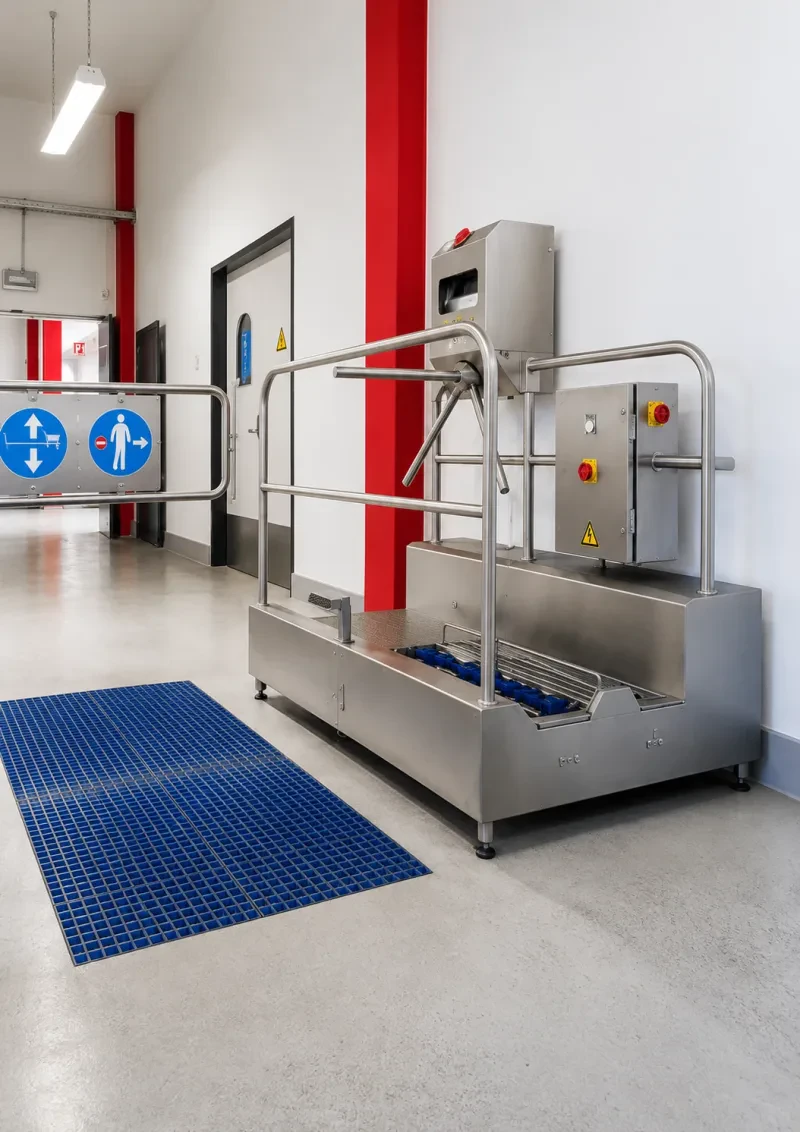
Relevant for hygiene transitions where wheels or soles need a controlled process with liquid, disinfectant solution, drainage and internal checks. This is where ProfilGate aqua applications belong.
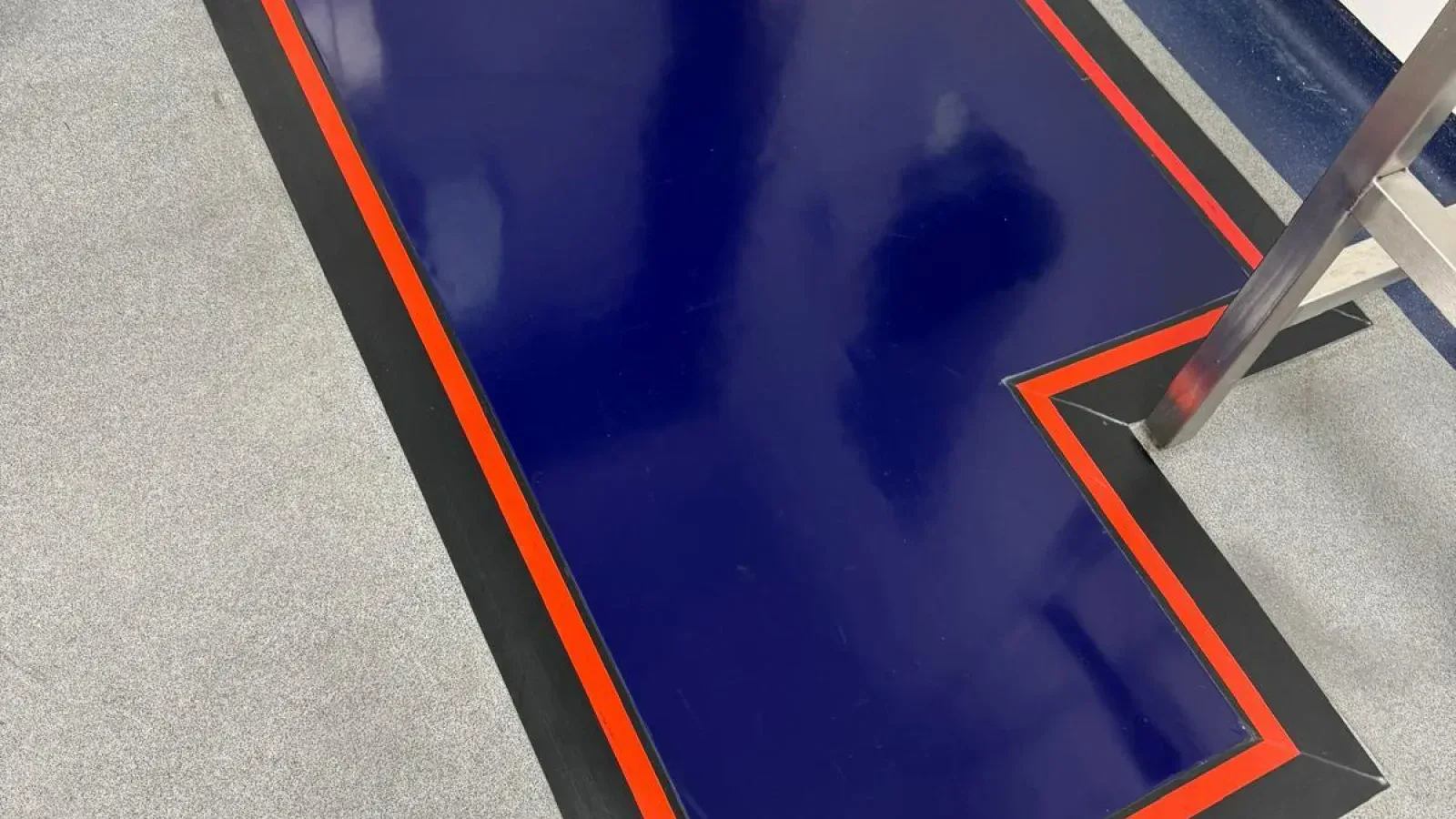
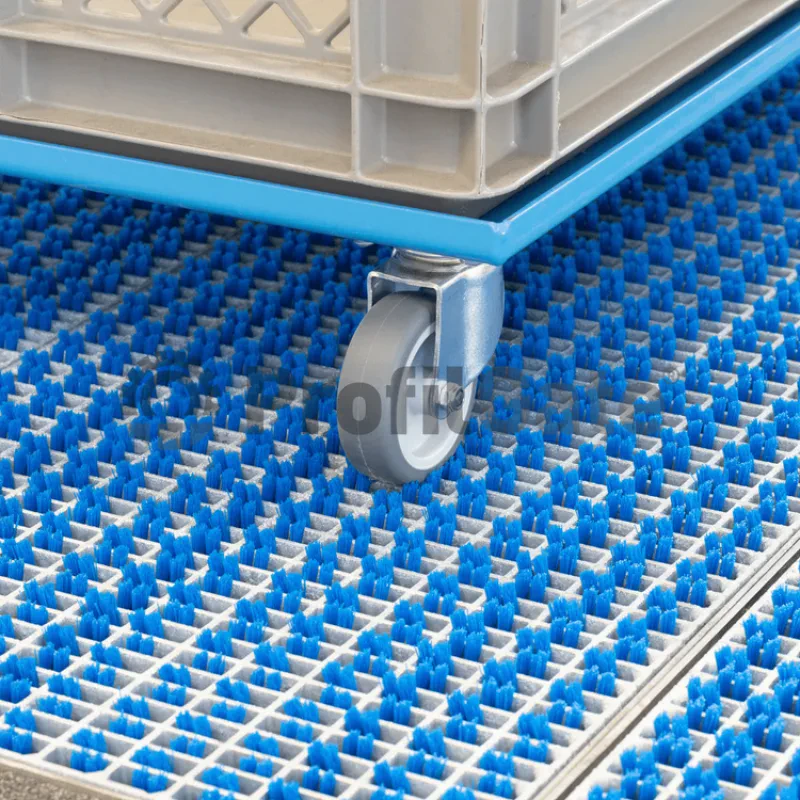
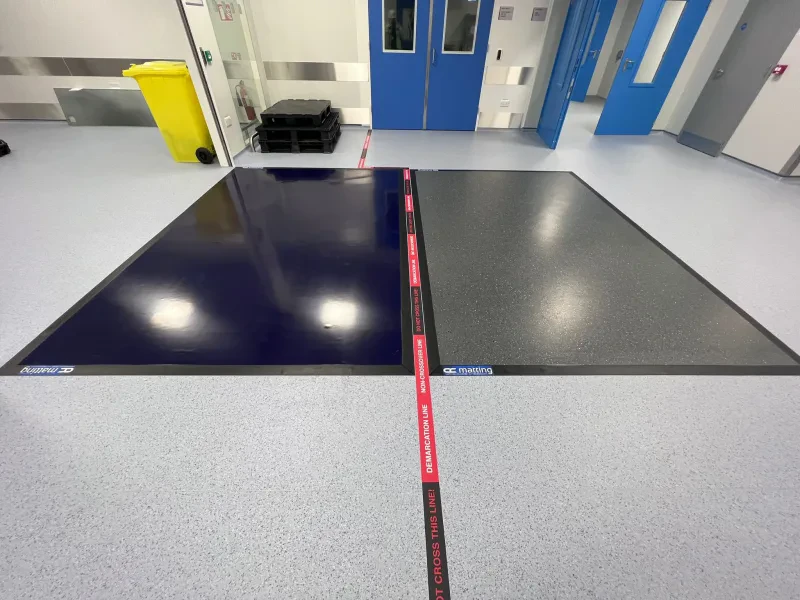
Can support entrances with particles, footwear, small wheels or trolleys when the mat’s washable surface fits the traffic and cleaning routine.
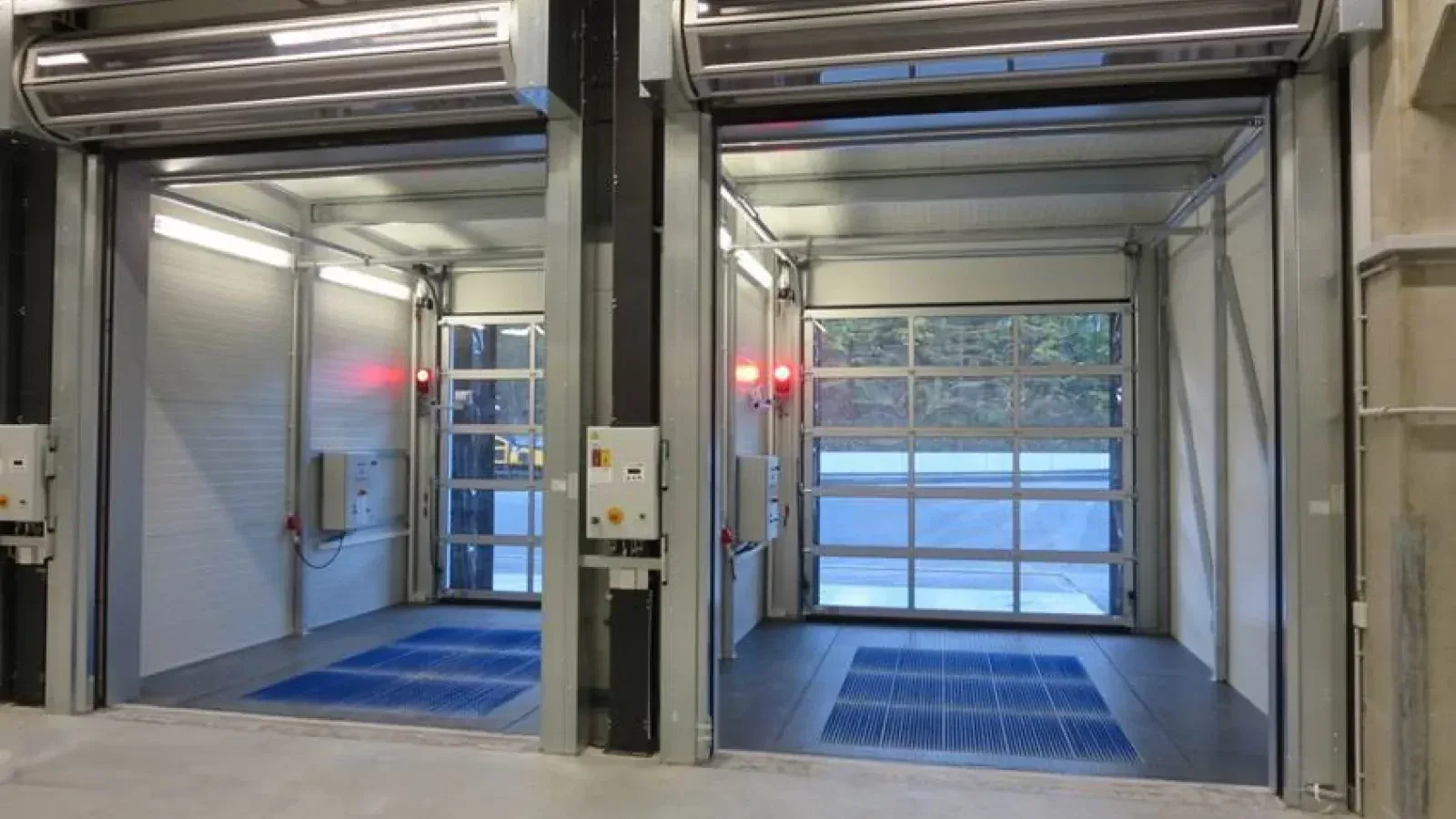
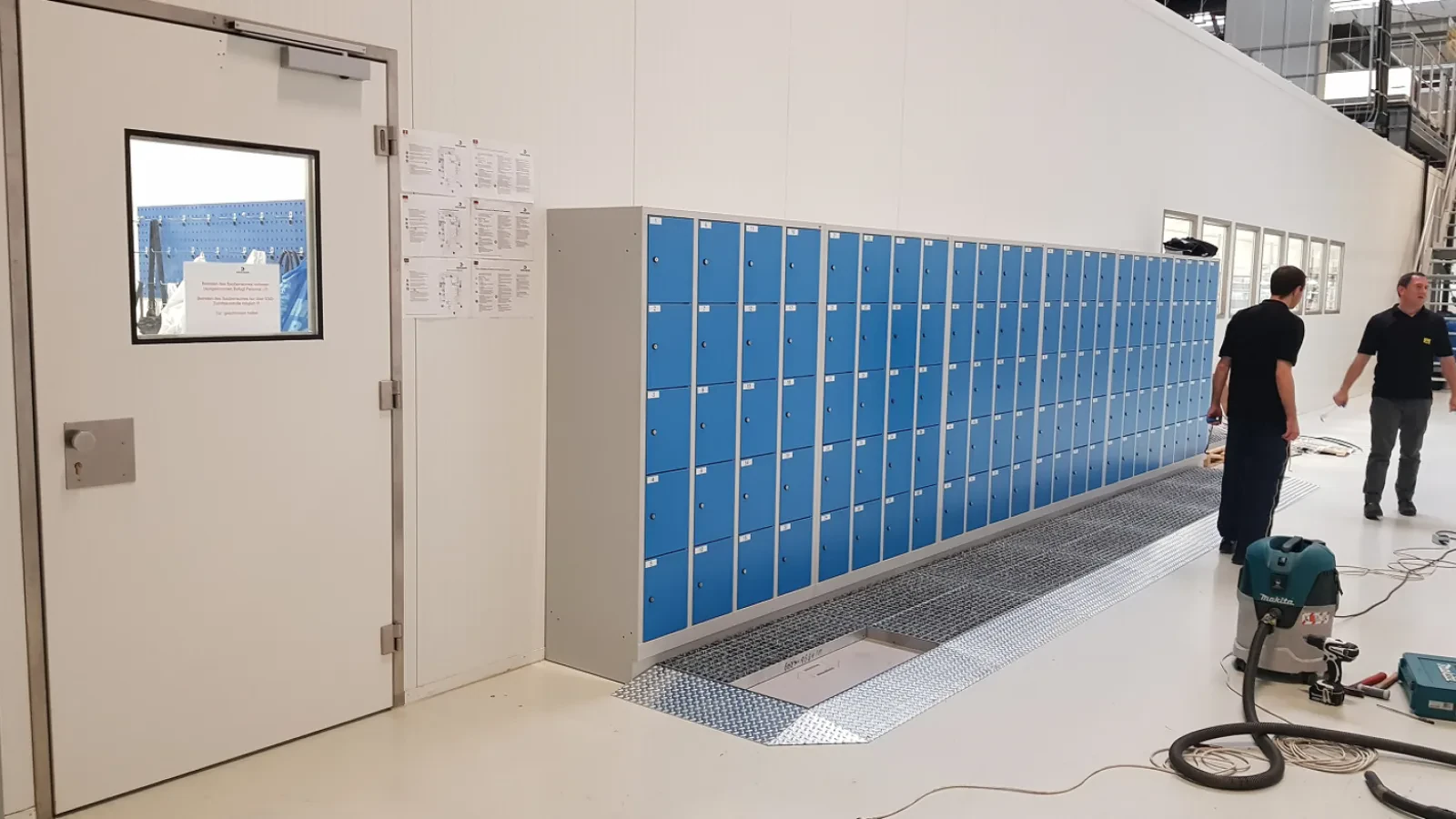
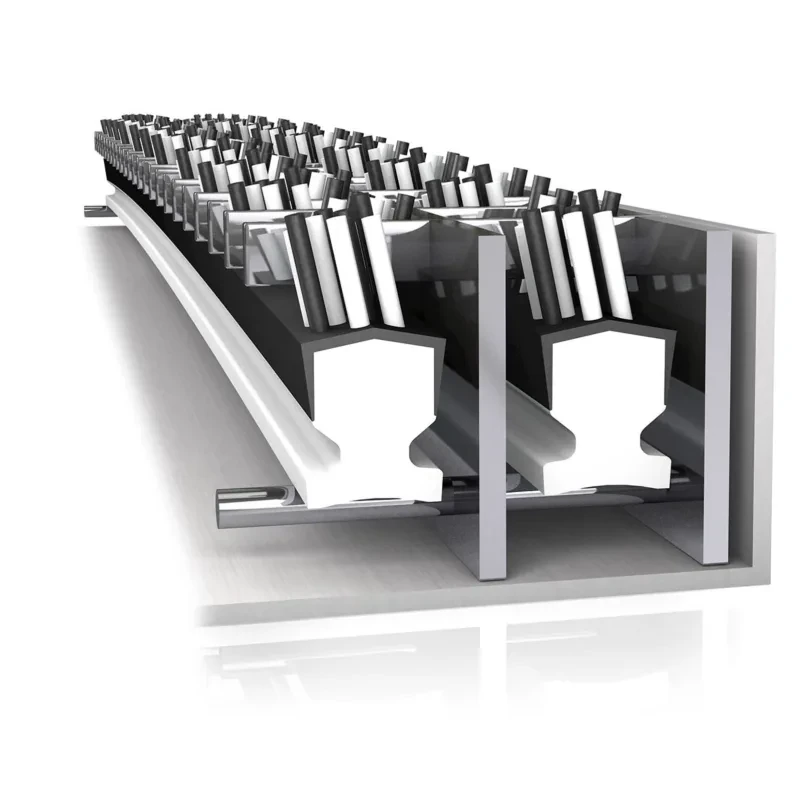
The system must sit where traffic actually passes through it, with enough contact length and no easy bypass. Otherwise transfer remains in the flow.
The real route and the daily routine the site can maintain determine whether the right choice is mechanical cleaning, liquid hygiene, polymer matting or route correction.
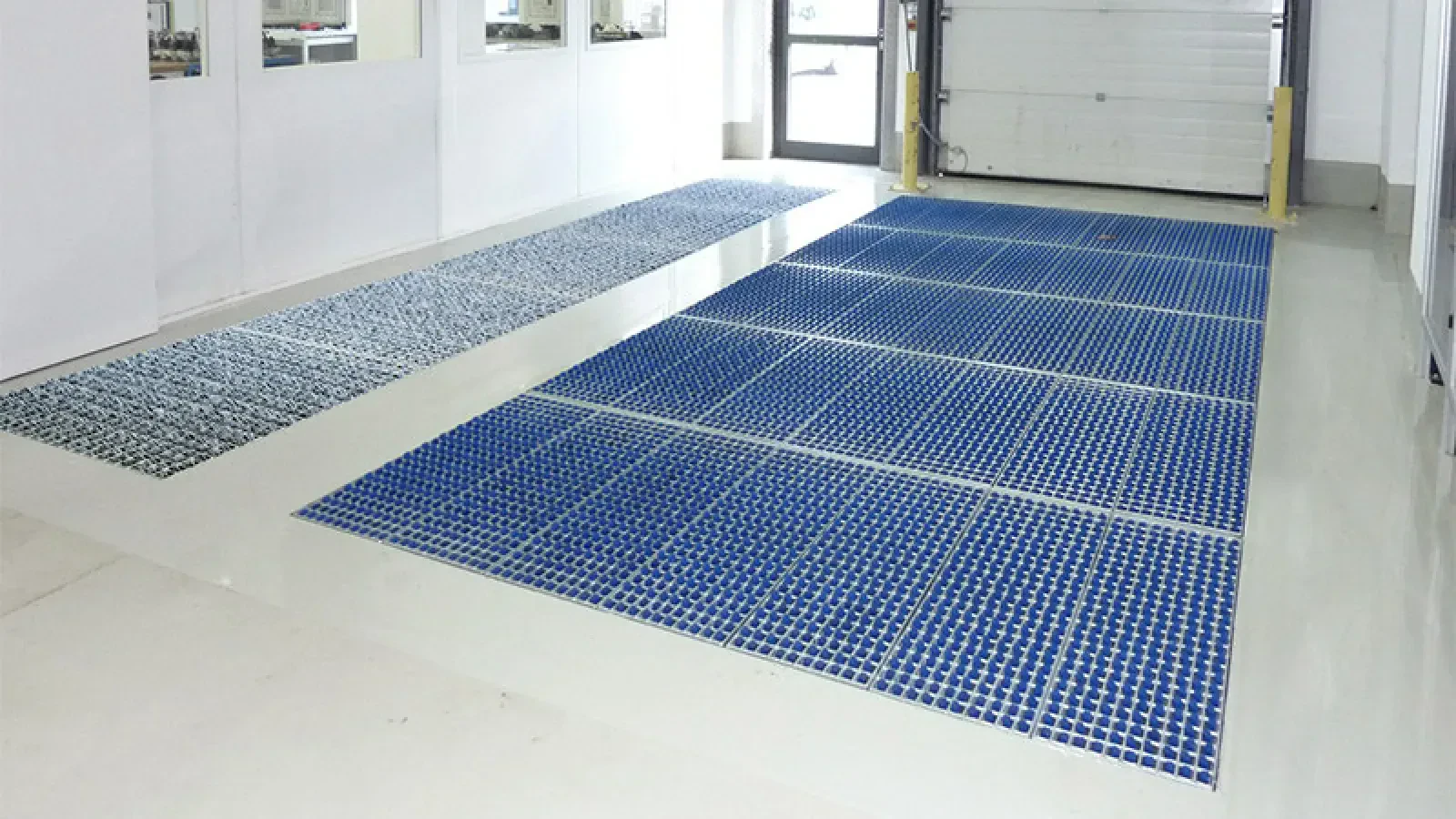
Clarify where traffic comes from, where it goes, what wheels, soles or rollers cross the area and whether traffic can pass straight with enough contact. If the intended route can be bypassed easily, the first decision is about placement, not the product.
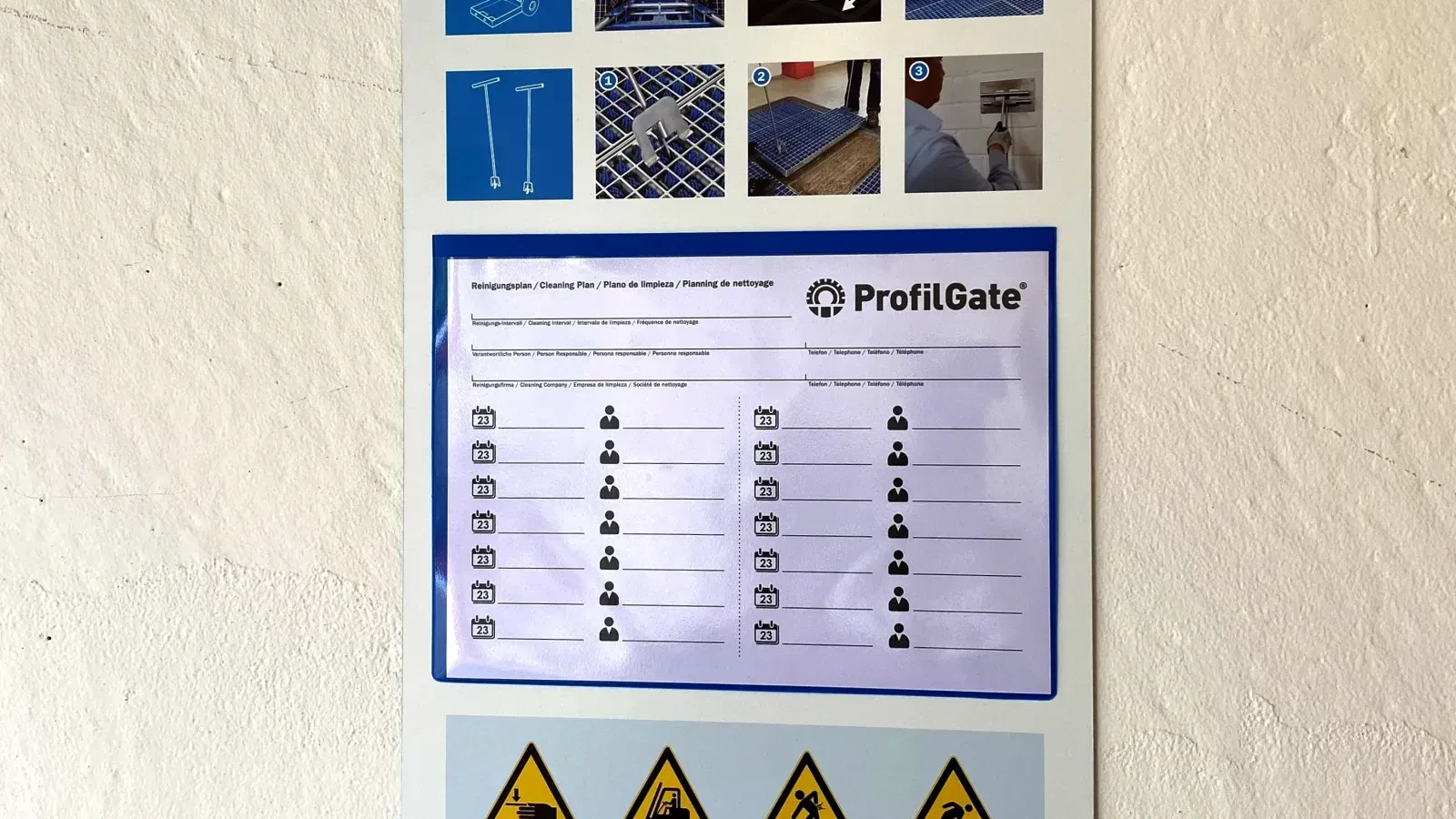
Dust, sand, grit, powders, moisture, foreign matter and hygiene risk do not require the same response. For liquid hygiene, chemistry, drainage, cleaning, dosing and internal checks matter; for polymer contamination-control mats, washing and daily ownership matter.
Large wheels, small wheels and soles need different control methods at transitions between areas; polymer mats fit where traffic and the washing routine allow it.
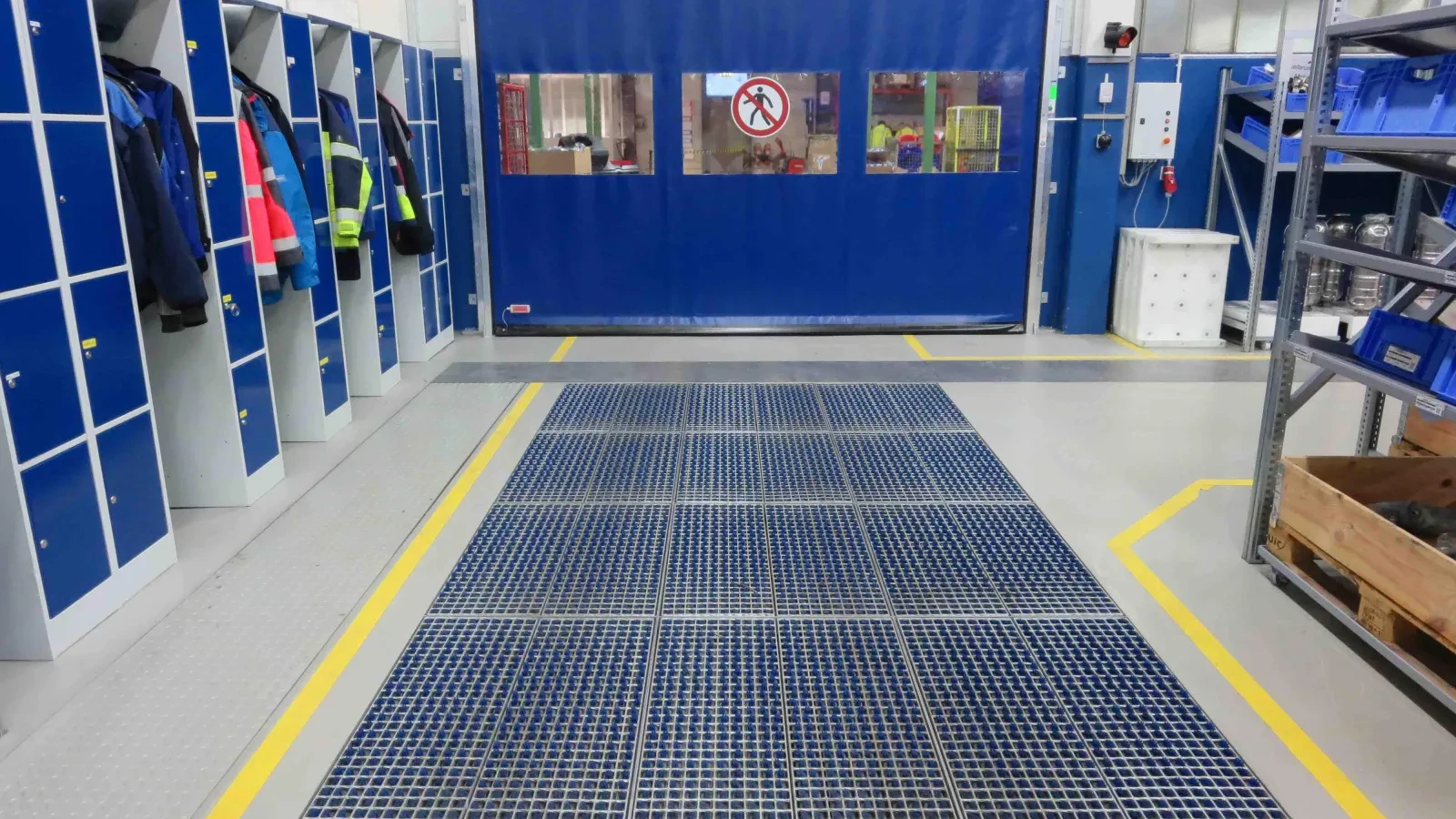
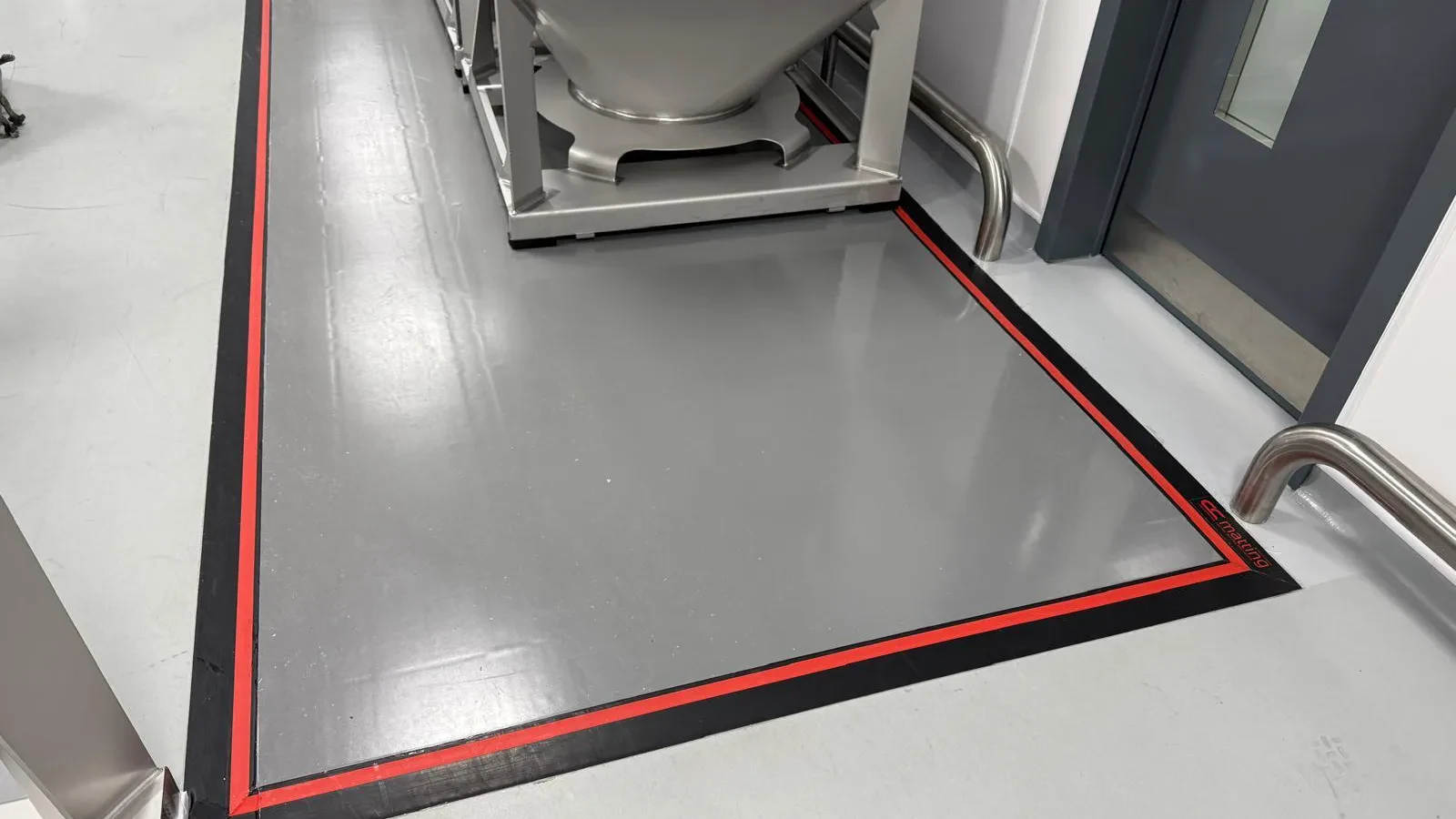
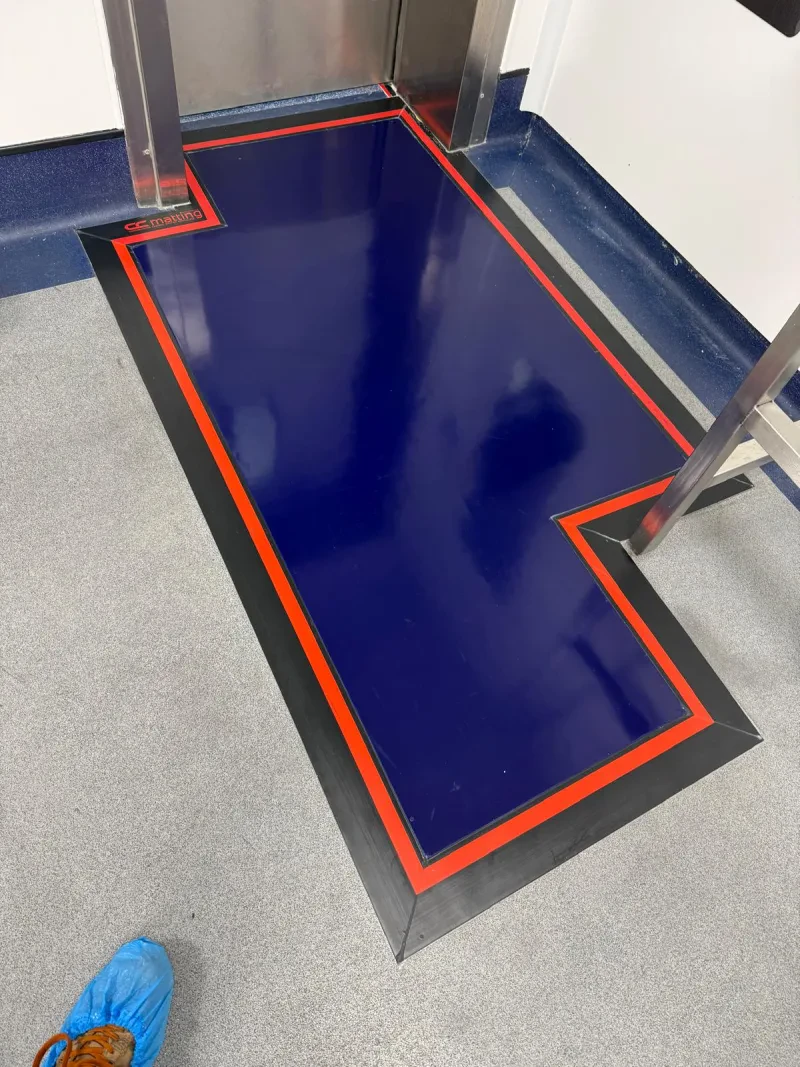
A guide to choosing polymer-mat length, width and position from successive sole contacts, wheel rotations, traffic and cleaning.
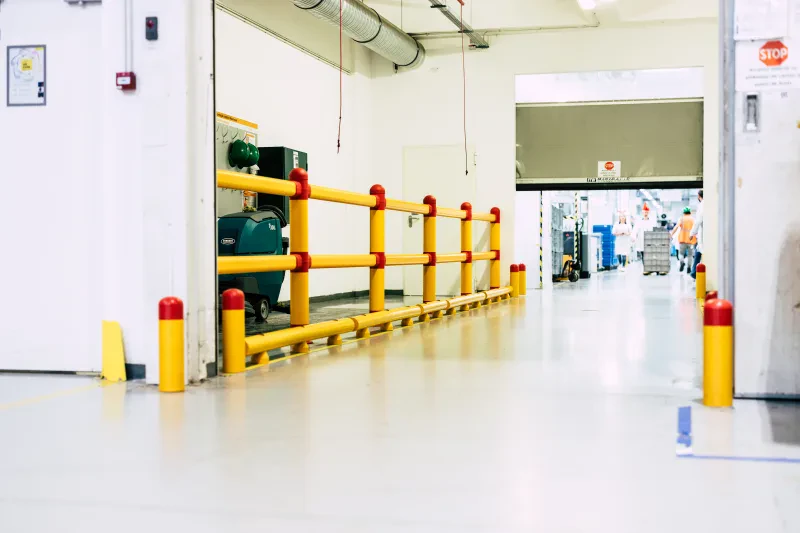
A guide to integrating wheel cleaning before doors, floors, drainage and routes are fixed.
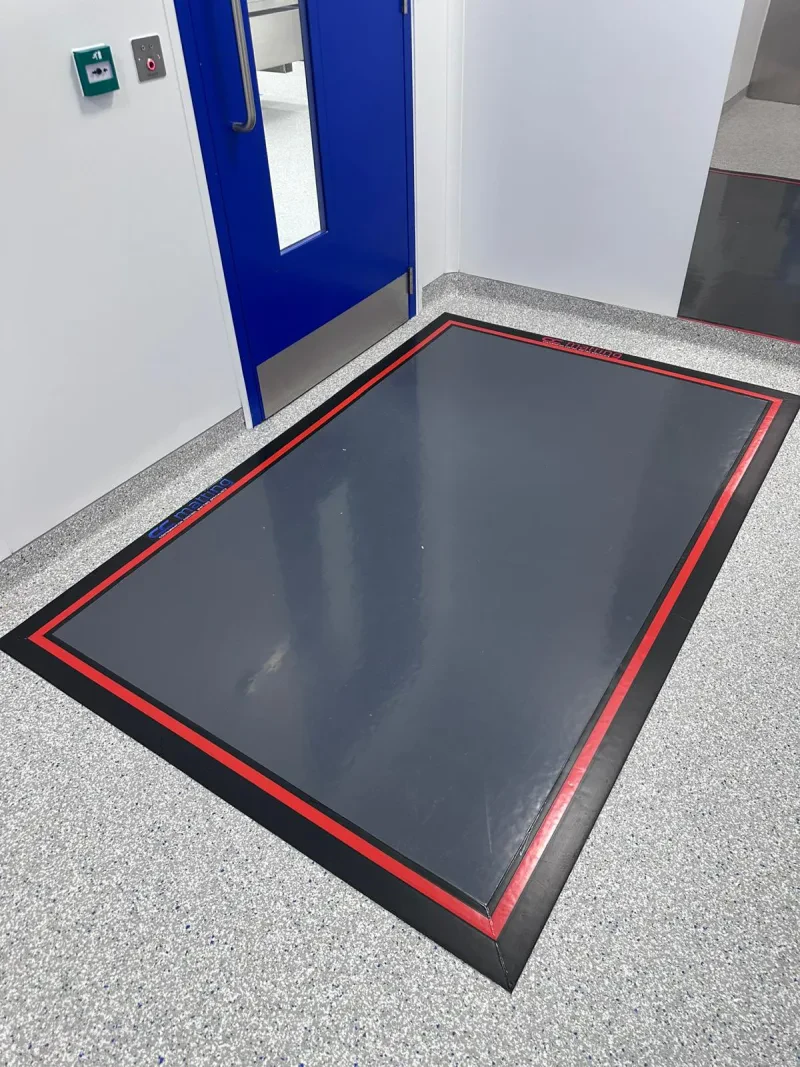
How to use CC Matting Heavy Duty documentation when the area needs ISO Class 5 material, particle control, clear cleaning and quality traceability.













Do you have a route where marks, particles or moisture move toward a sensitive area?

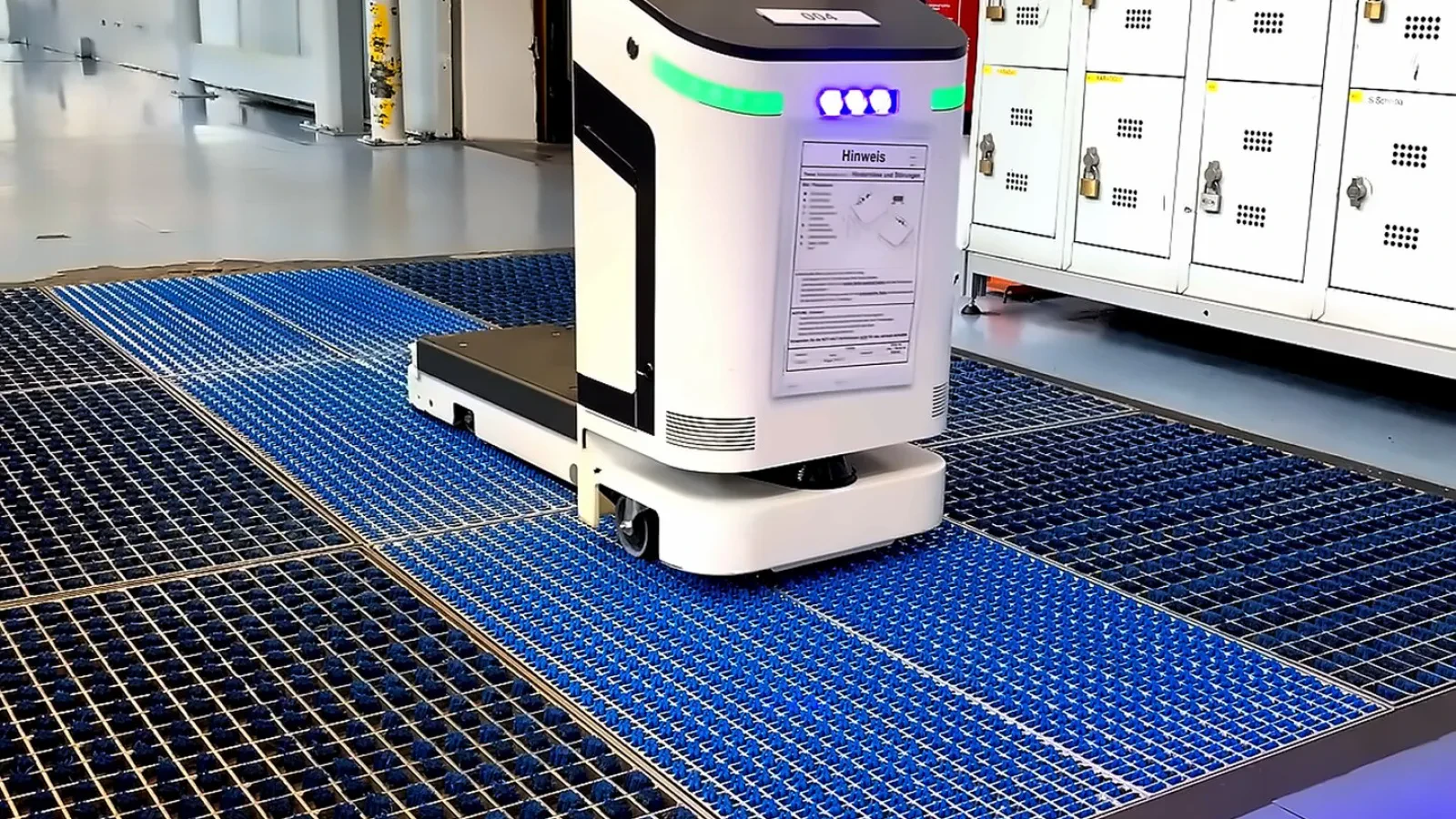
Many transition points are used by forklifts, pallet trucks, trolleys, AGV/AMR and people. If the review only looks at large wheels, it may miss soles, small wheels, rollers or pedestrian traffic using the same cleanliness boundary.
The choice starts with who or what crosses the area and what contamination is carried further: dust, moisture, grit, particles, foreign matter or hygiene risk. Sometimes the answer is wheel cleaning; sometimes it is footwear cleaning, mixed-traffic control, route correction or a different control point.
Once the real route is understood, the discussion can become more specific: wheel cleaning, sole cleaning, hygiene entrances, polymer mats, AGV/AMR routes or a combination of these.
Floor cleaning happens after dirt has already entered the area. Route control asks where the transfer can be reduced before wheels, soles or rollers carry particles into the sensitive zone.
If the same area needs repeated cleaning and the marks always follow the same traffic flow, the same route is repeatedly carrying contamination.
The two are not alternatives. Floor cleaning remains necessary, but a well-positioned control point can reduce how much contamination reaches that floor in the first place. This matters especially where visible cleanliness, fine particles, audits or product quality are part of the decision.
A liquid-based hygiene station becomes relevant when the crossing point has real hygiene requirements and the facility can manage liquid, chemistry, drainage, cleaning, maintenance and internal checks. This is where ProfilGate aqua applications belong, not dry systems.
It is a different branch from dry cleaning, not simply a stronger version. Microbiological claims must be tied to the product, chemistry, concentration, procedure and the customer’s own validation.
The review also needs a clear process owner after installation. Without ownership for liquid, dosing, drainage, cleaning and checks, a hygiene station can look good on the layout but fail to stay controlled in real shifts.
In automotive and engineering production, particles are not only about visual quality. ISO 16232 and VDA 19.2 help frame discussions around technical cleanliness, logistics, personnel, equipment and recontamination during production.
A route-level control point can support a defined, verifiable technical-cleanliness discipline where wheels, footwear or mobile equipment carry particles toward sensitive areas.
Connect the control point to the facility’s technical-cleanliness programme and verify which particles may enter, where they affect quality and how the process is checked internally.
A first review can start with photos from both directions, a simple sketch and a short description of the route: where traffic comes from, where it goes, what wheel or footwear types cross, how often and what contamination is visible.
Information about turning, braking, bypassing, available space, floor condition, drainage, current cleaning, audit observations and recurring transfer points also helps narrow the choice.
A full audit is not needed before the first conversation. A realistic route description helps separate cases for mechanical cleaning, liquid-based hygiene stations, polymer mats or control-point positioning.