Several people are needed
If one move often requires two, three or more people, the cost is not only time, but coordination, availability and uncontrolled movement risk.

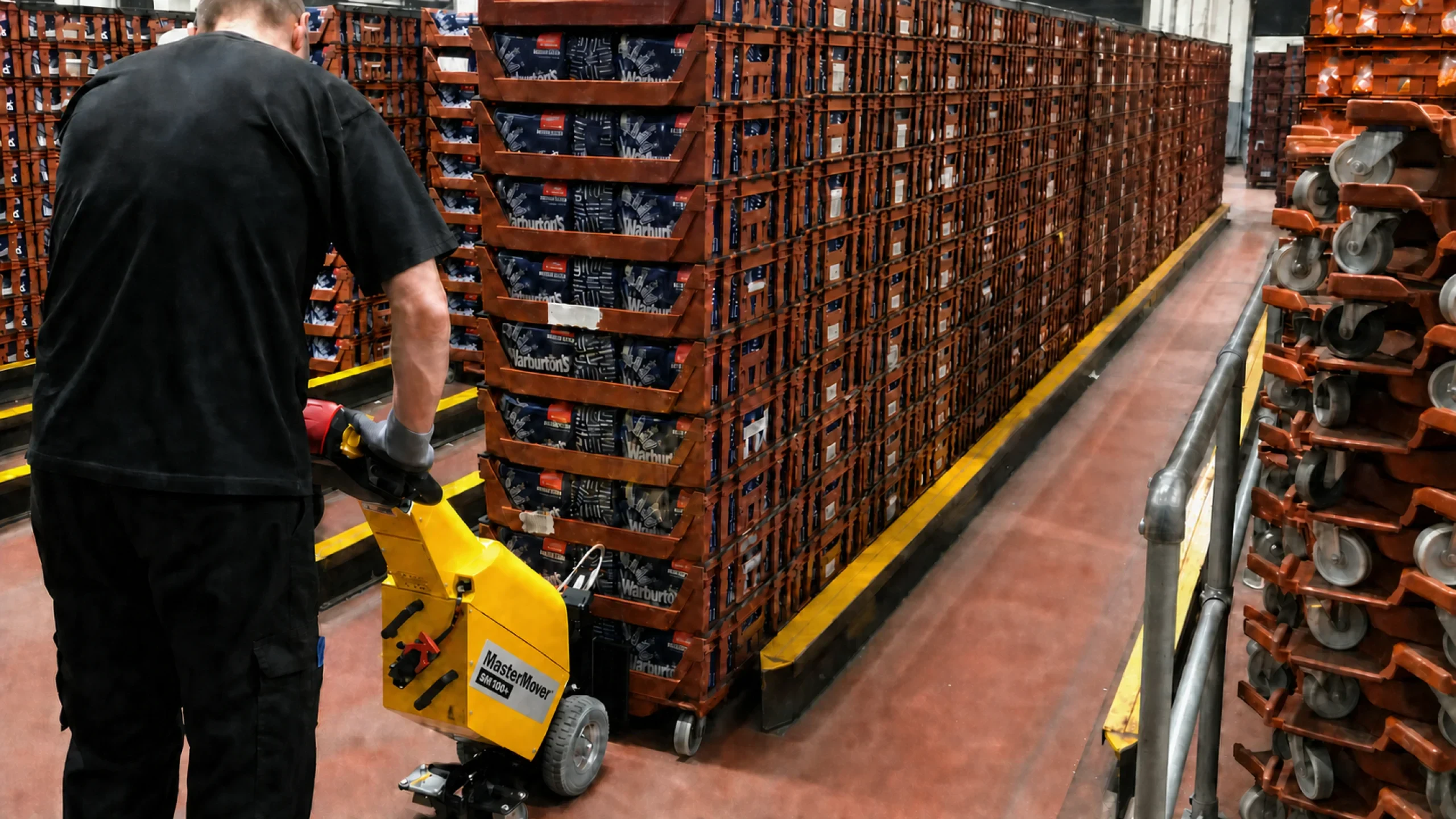
When pushing or pulling returns several times in a shift, an electric tug can bring movement back into the rhythm of the flow.
A manual move can look simple when it happens rarely. It changes when it happens daily, when it needs two or more people, when operators push from awkward positions or when the load must stop close to equipment, racks or people.
MasterMover enters the discussion for wheeled loads where control matters more than speed: smooth starting, turning, stopping, positioning and reduced physical strain. Not every load fits; that is why the review starts with application data.
MasterMover manual-handling and electric-tug resources point to the same logic: pedestrian tugs can take over pushing and pulling of heavy wheeled loads, but selection depends on weight, wheels, floor, gradient, coupling and how the load moves on the real route.
An electric tug makes sense when the load is on wheels, the route is clear enough, and the current method puts pressure on people, time or control.
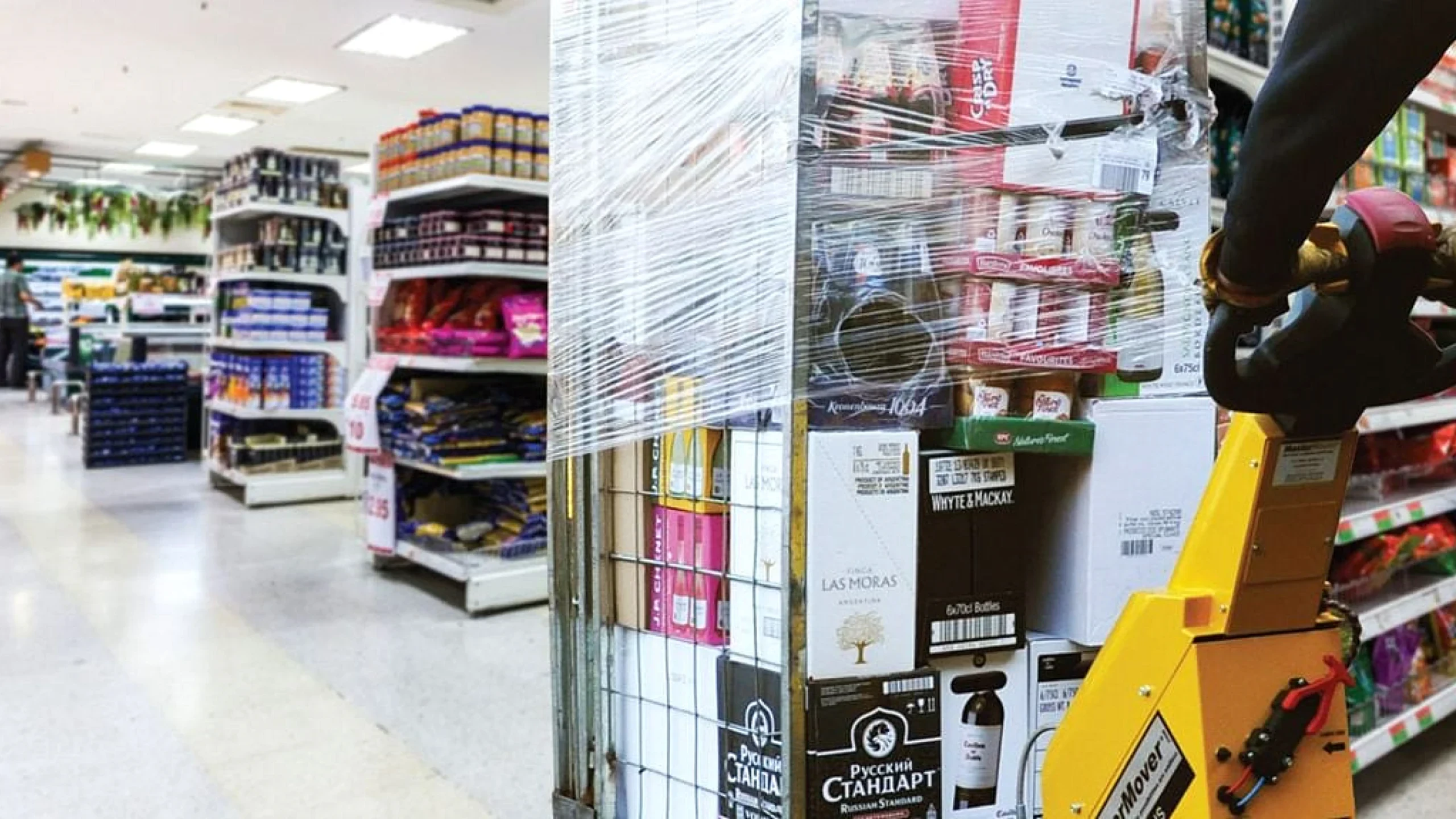
If the same load is pushed by hand every shift, check how much effort the movement really needs. Declared weight is not the whole story: wheels, floor and starting direction change the operator experience completely.
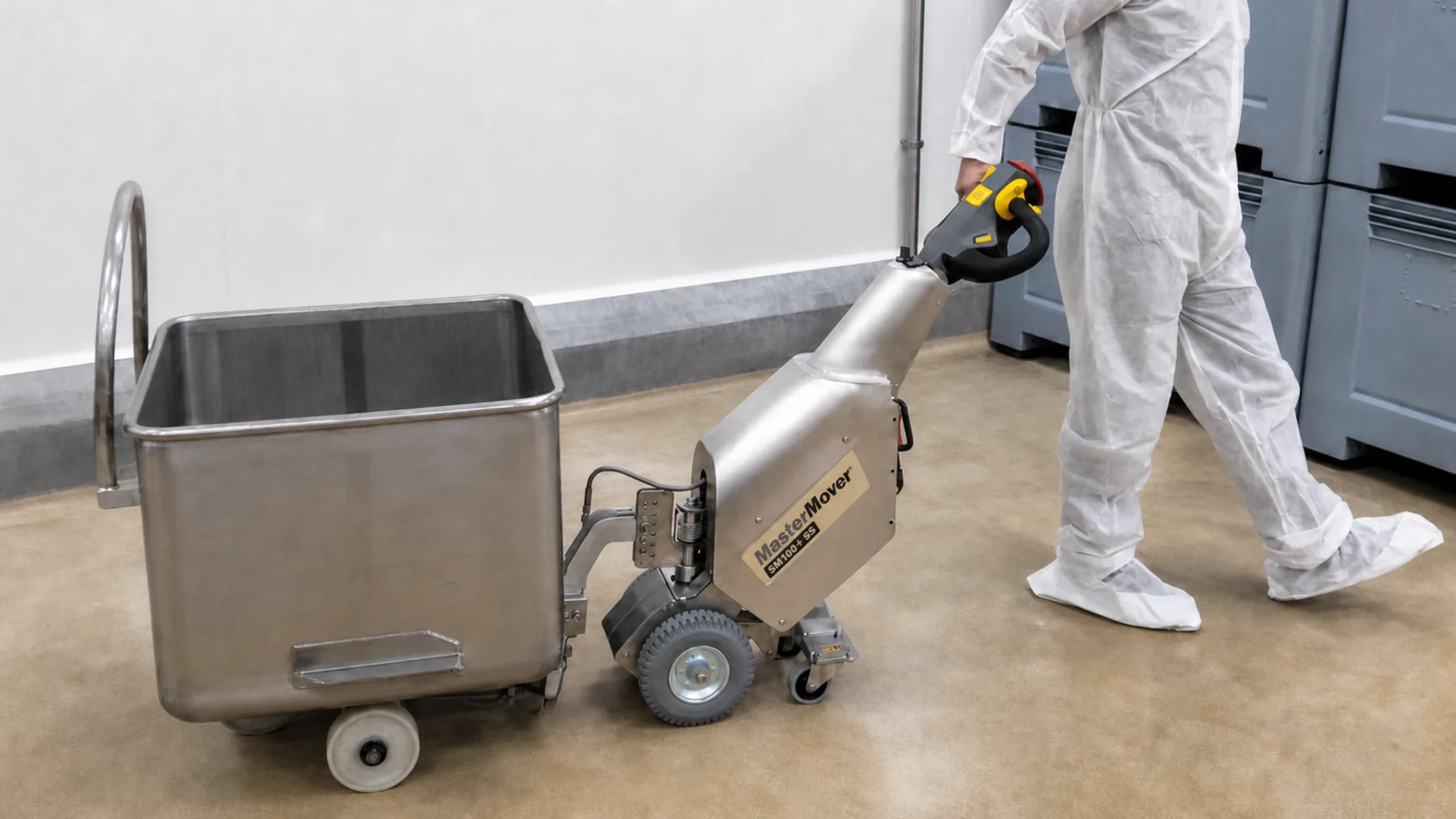
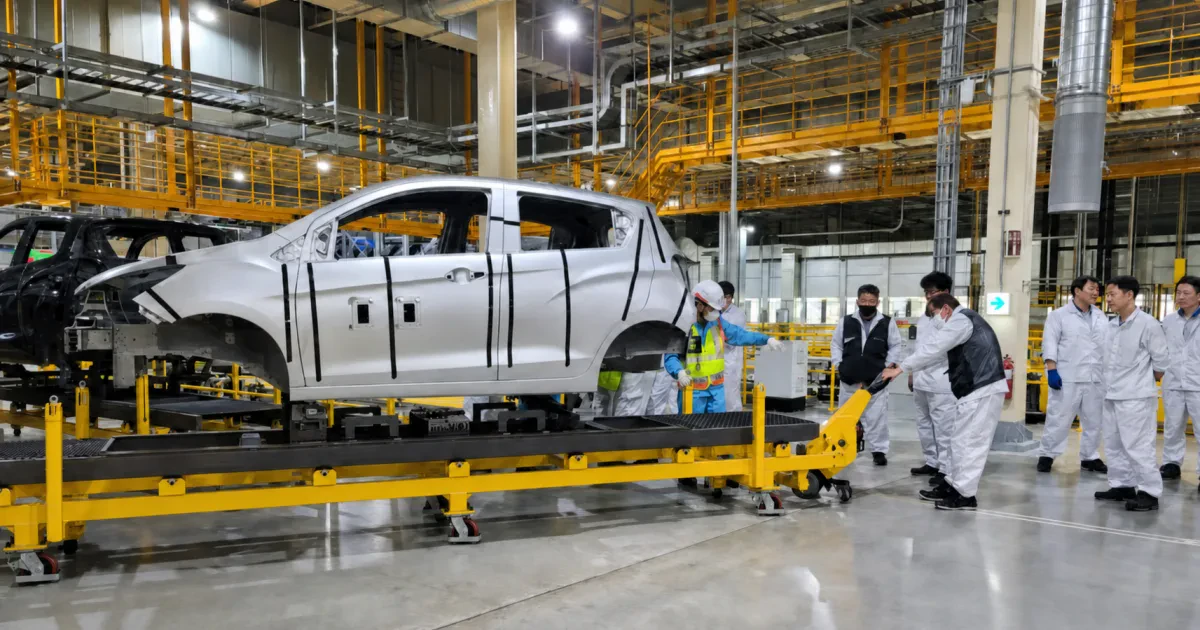
In narrow aisles, at thresholds, around corners or near production lines, the key difference is how predictably the load moves. A pedestrian tug can help when the operator needs visibility, controlled movement and safe stopping.
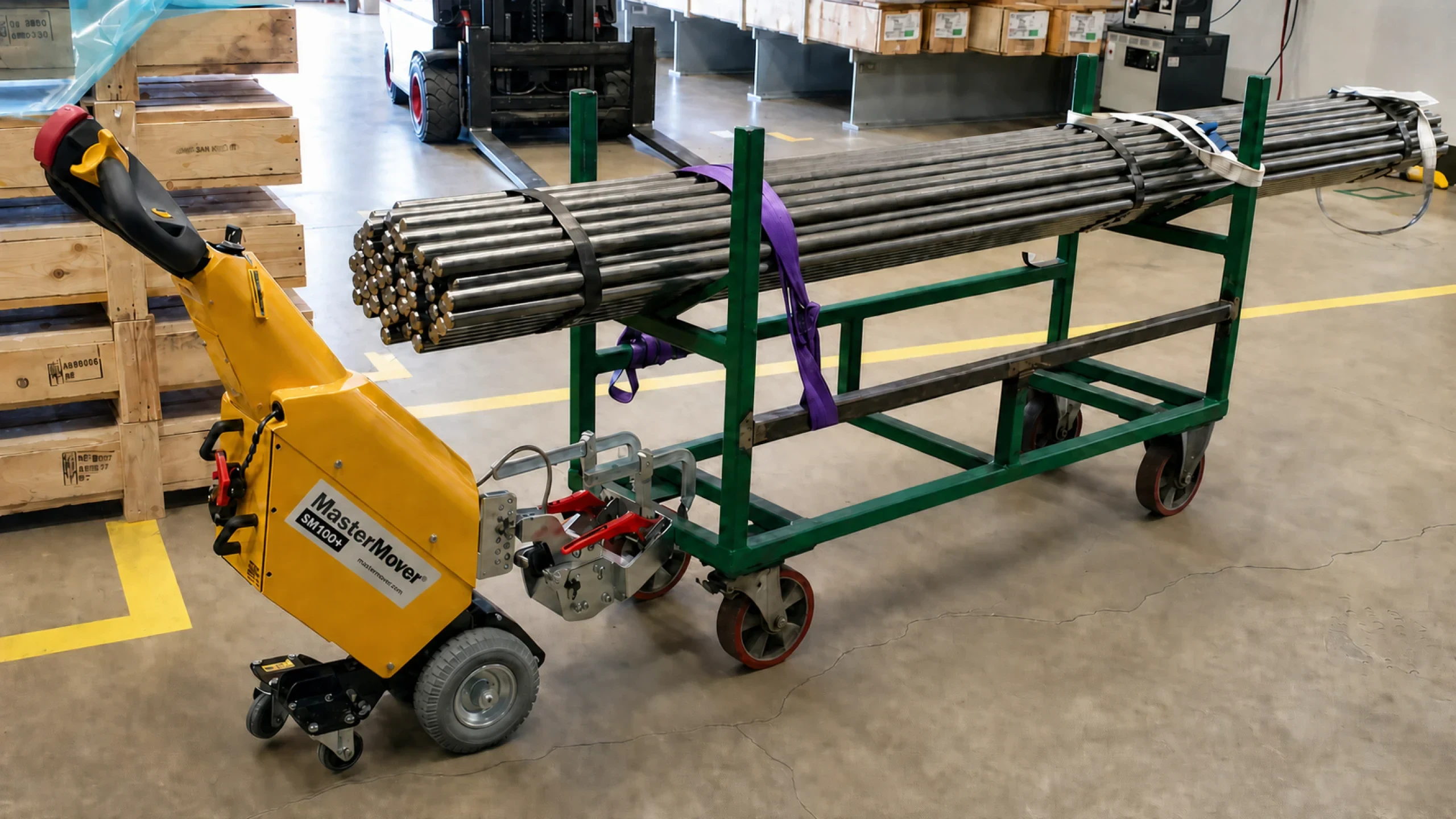
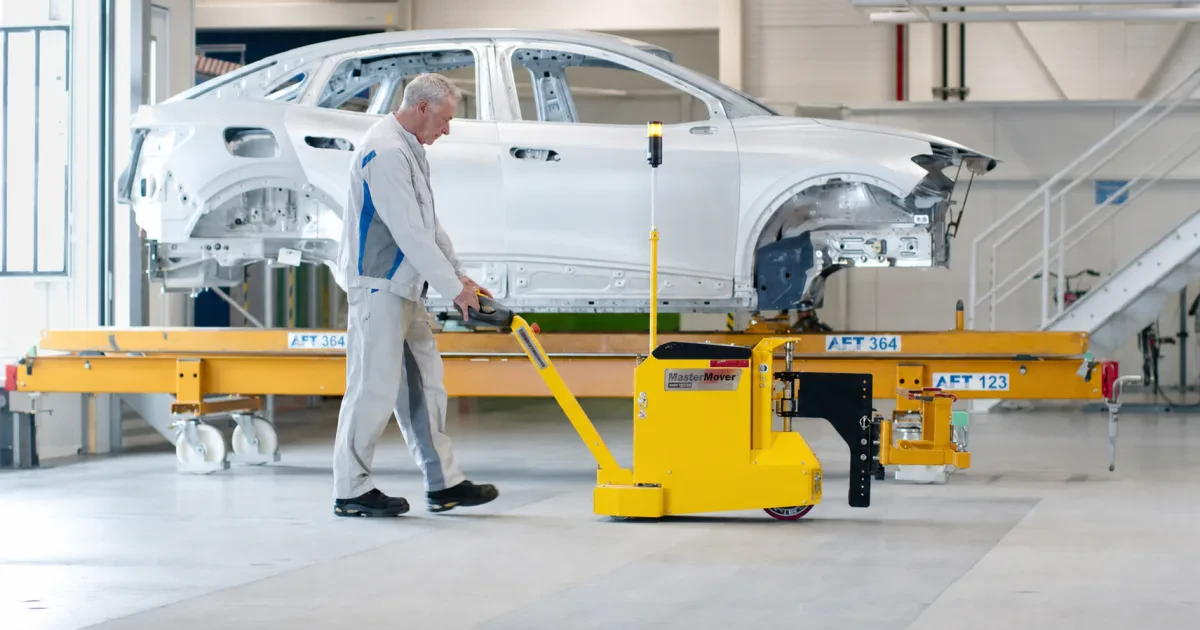
For assemblies, frames, containers, trays or mobile equipment, the risk is not only effort. Sudden movement can damage the product, infrastructure or operator. Before choosing, coupling and wheel behaviour must be clear.
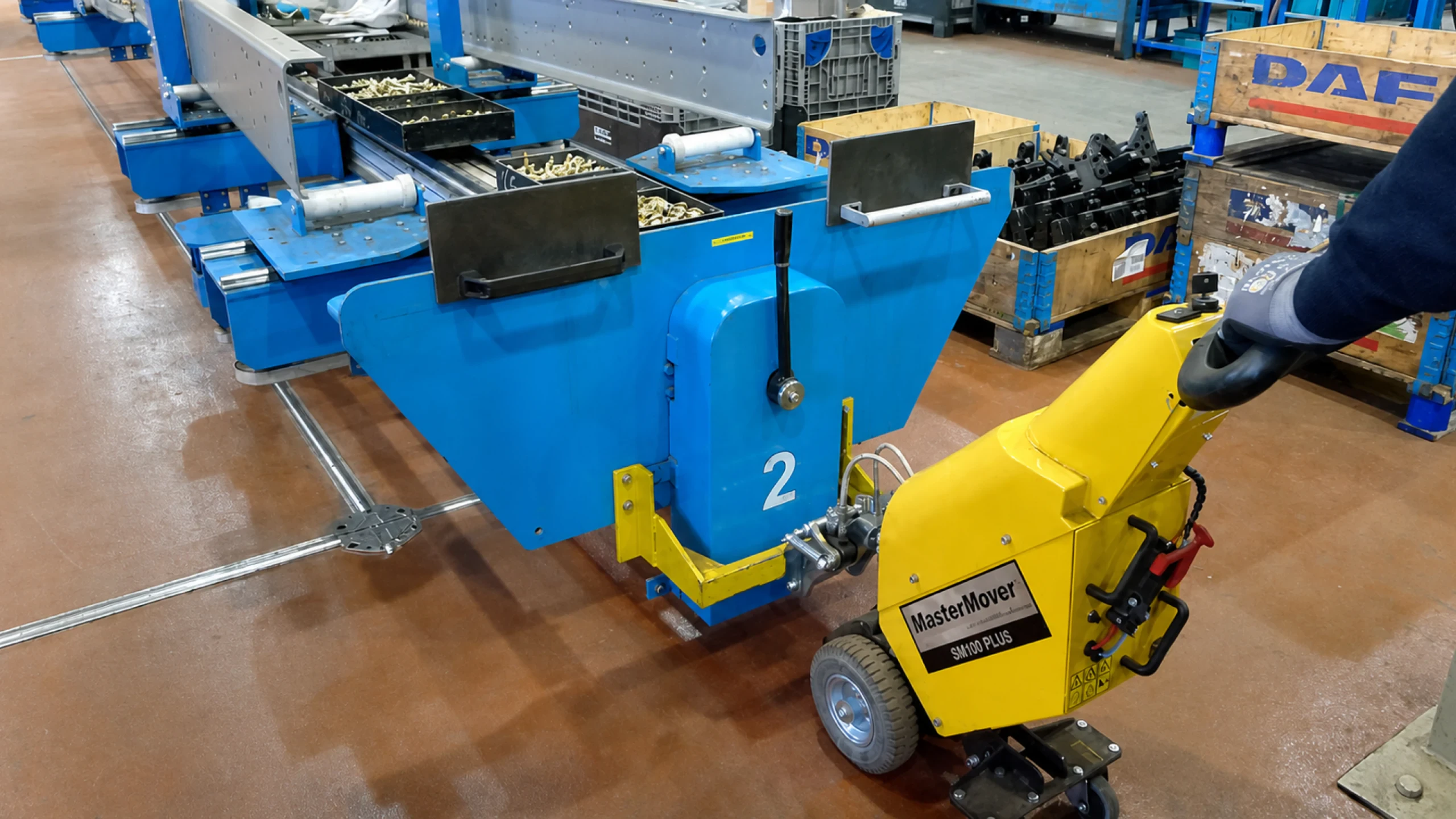
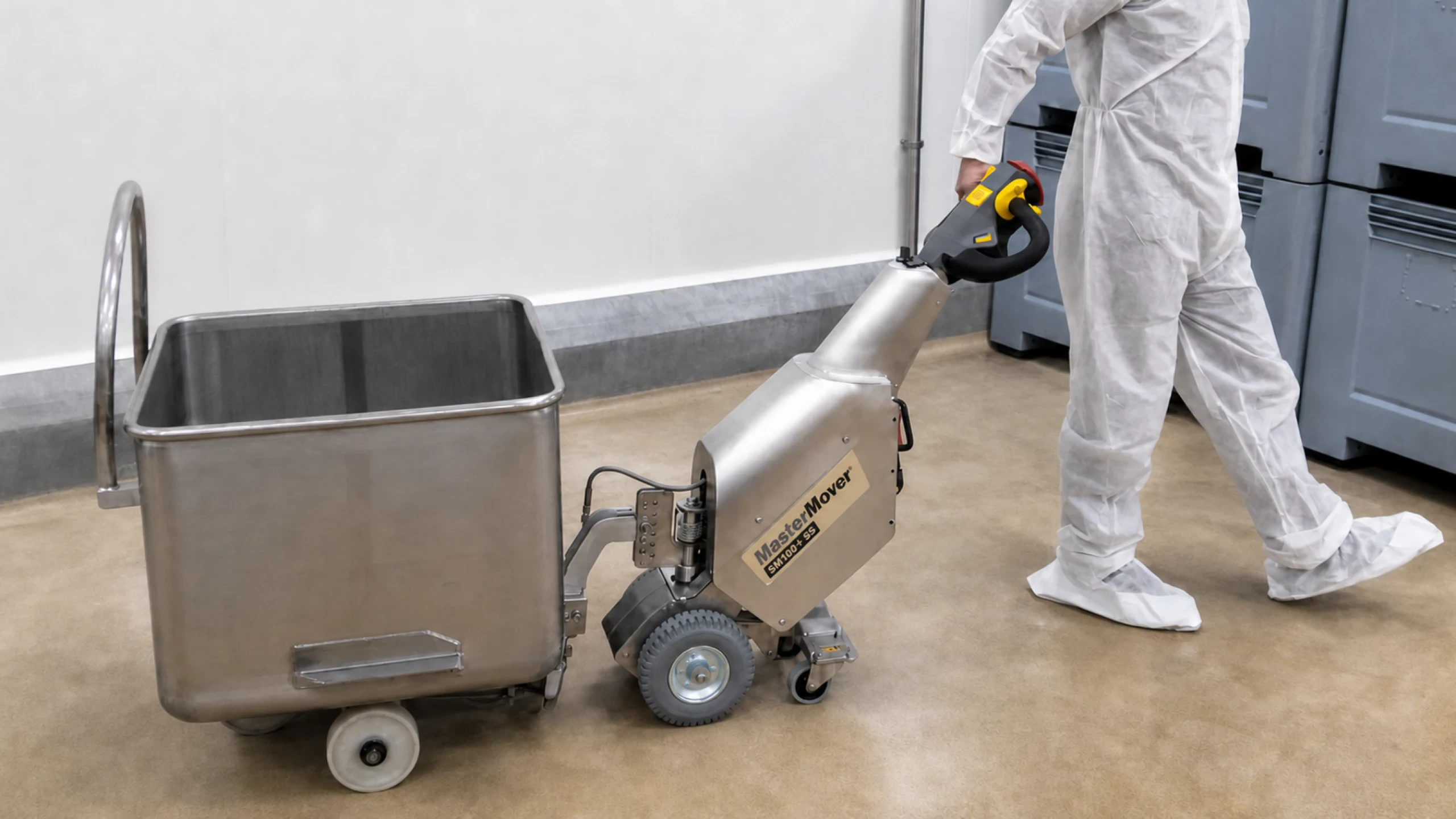
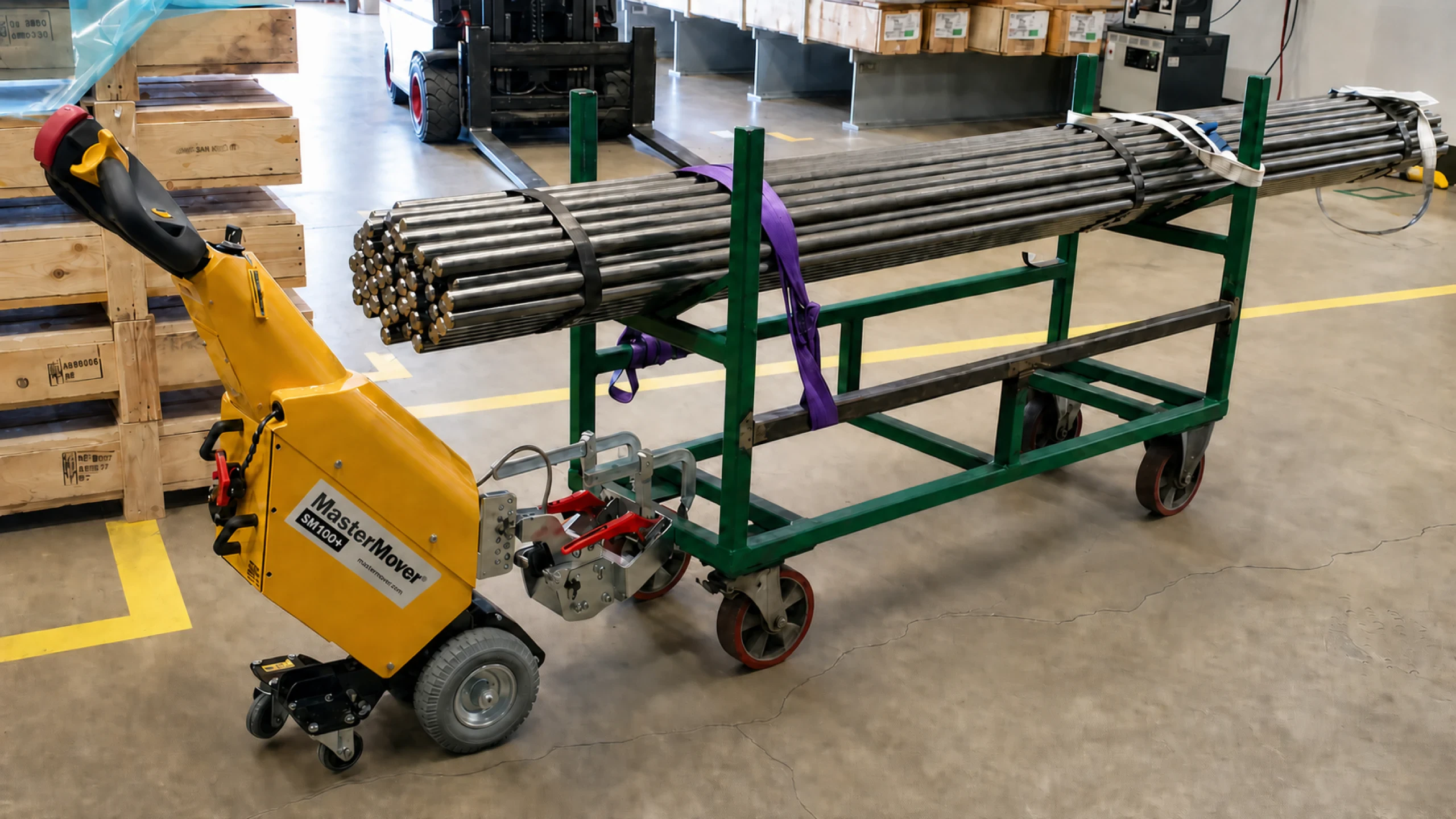
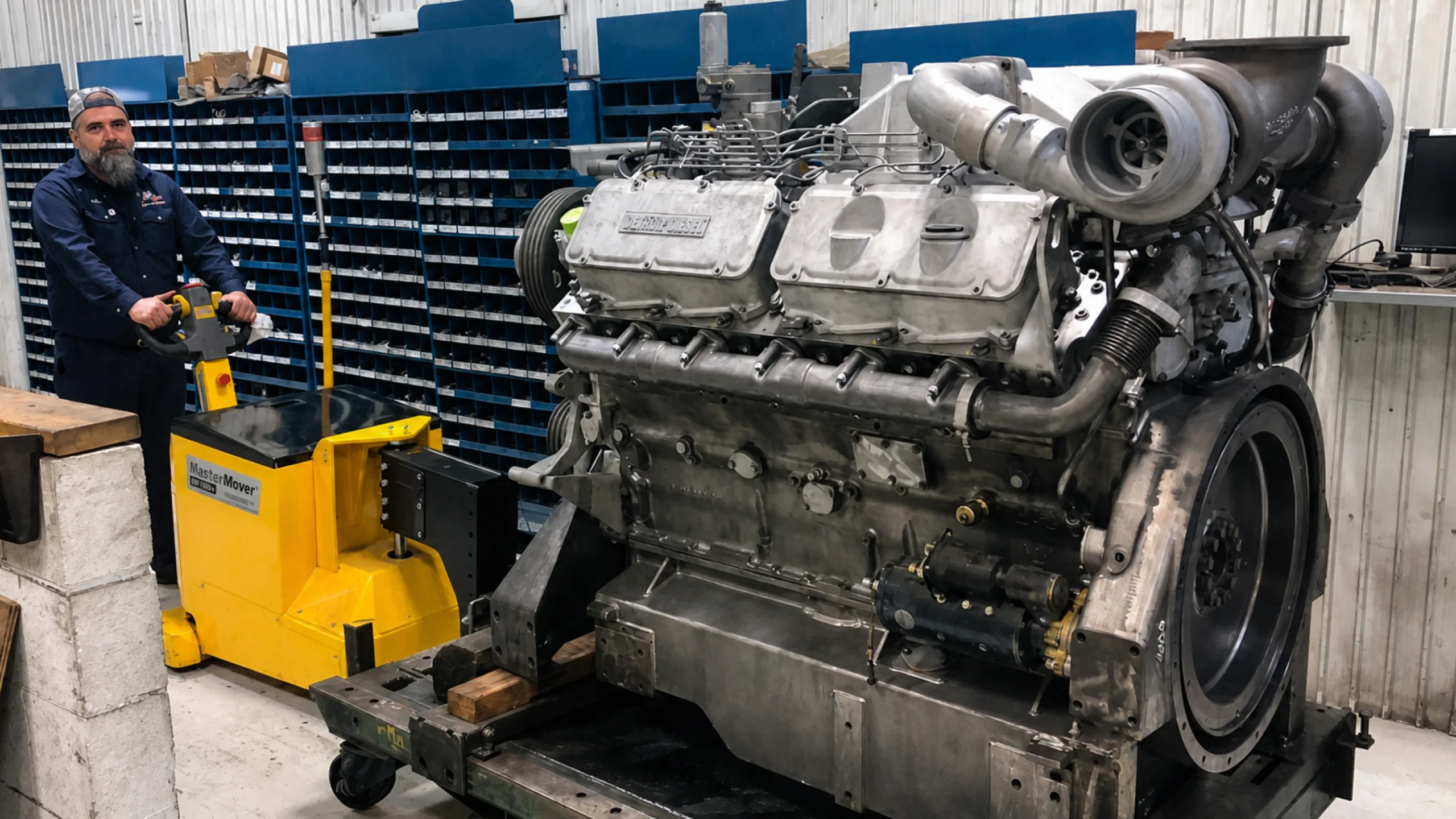
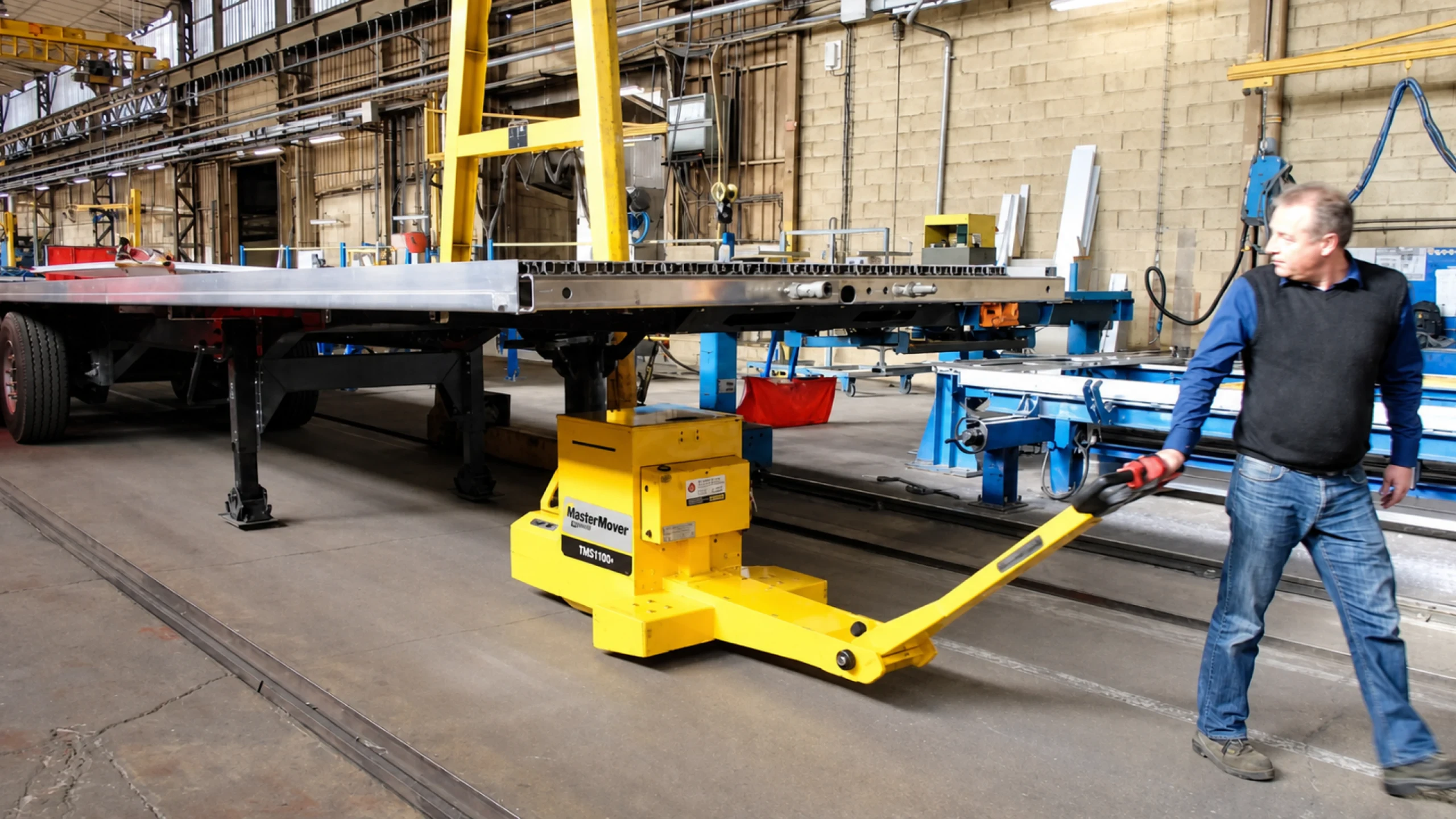
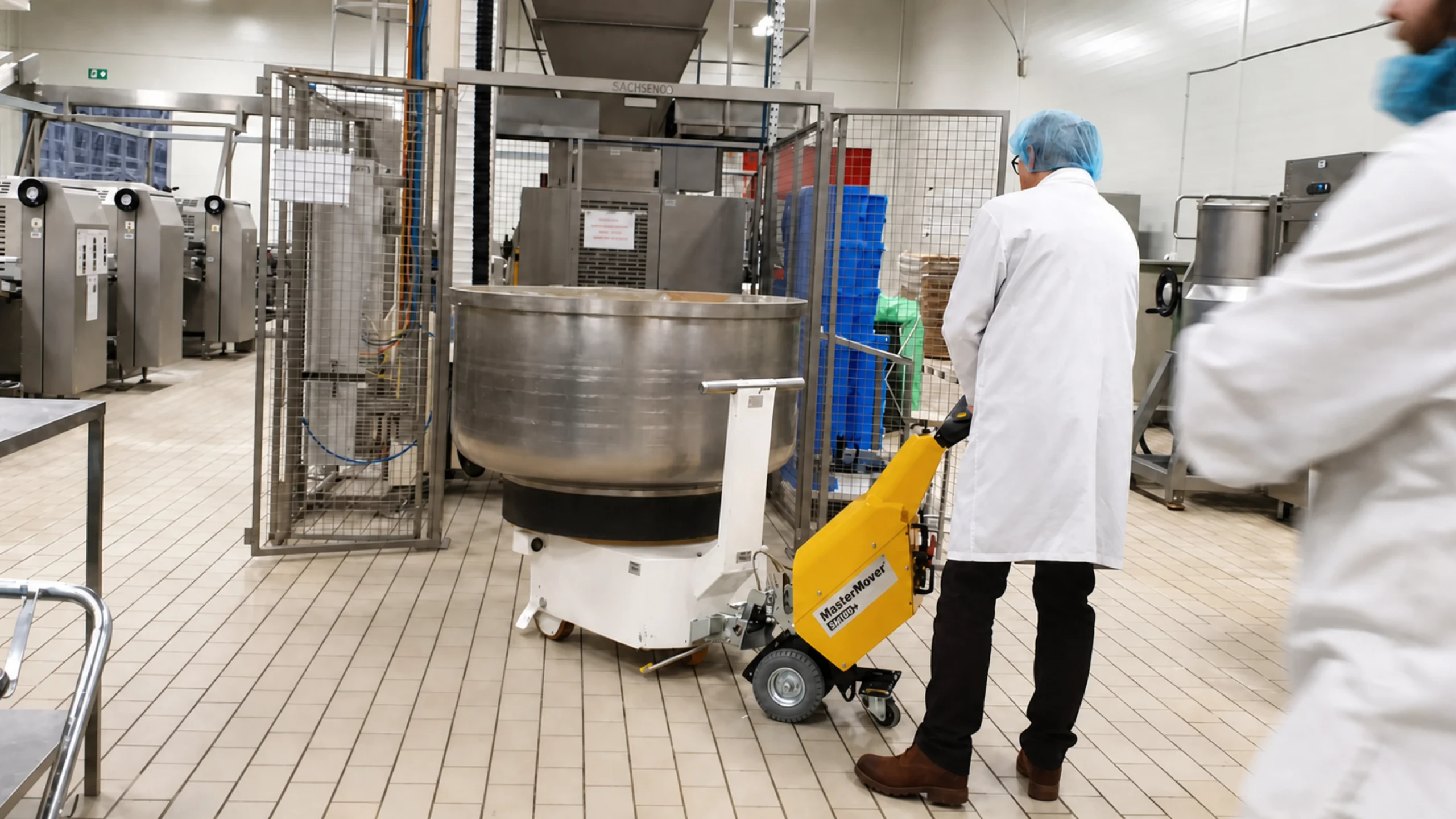
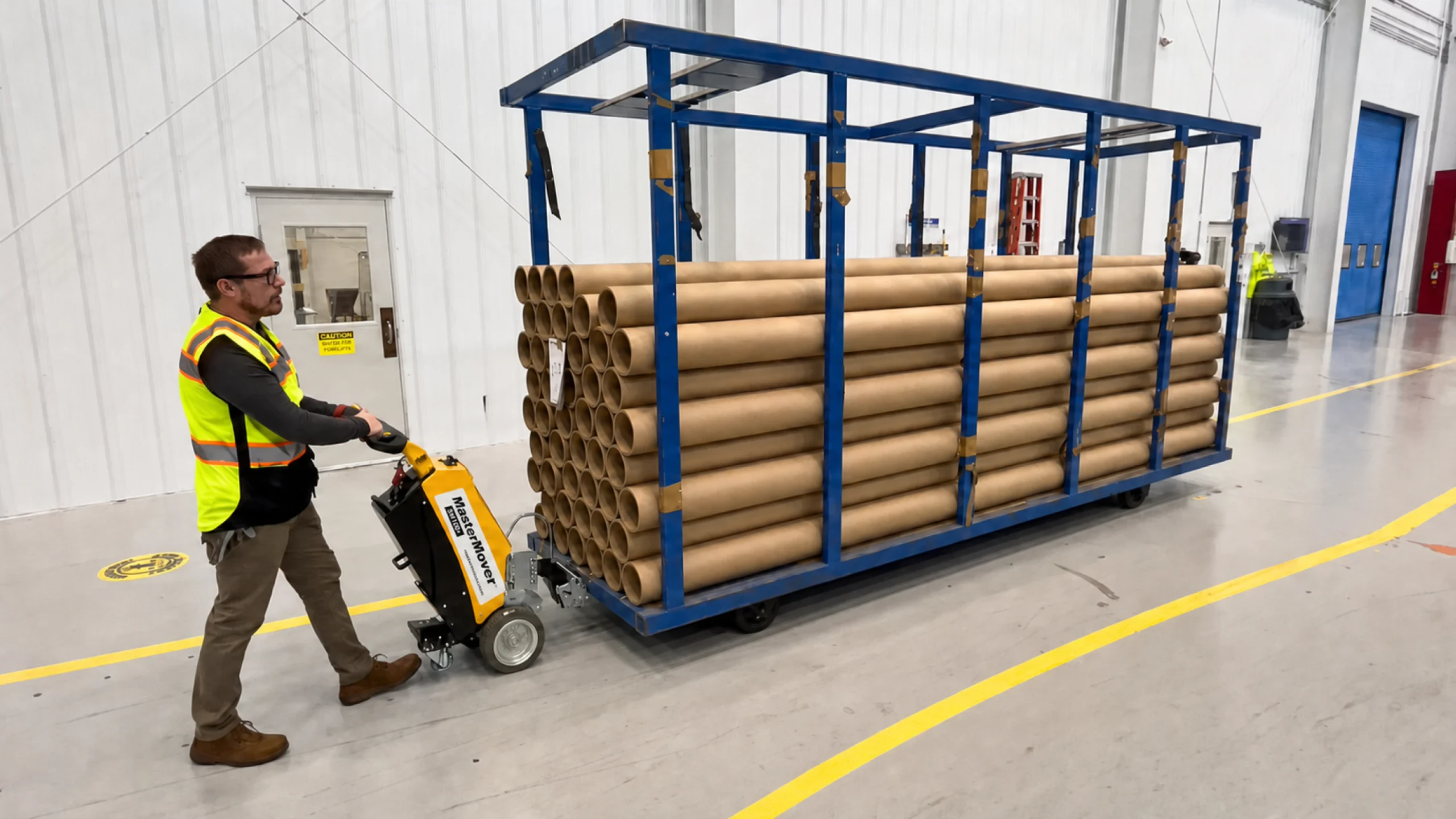
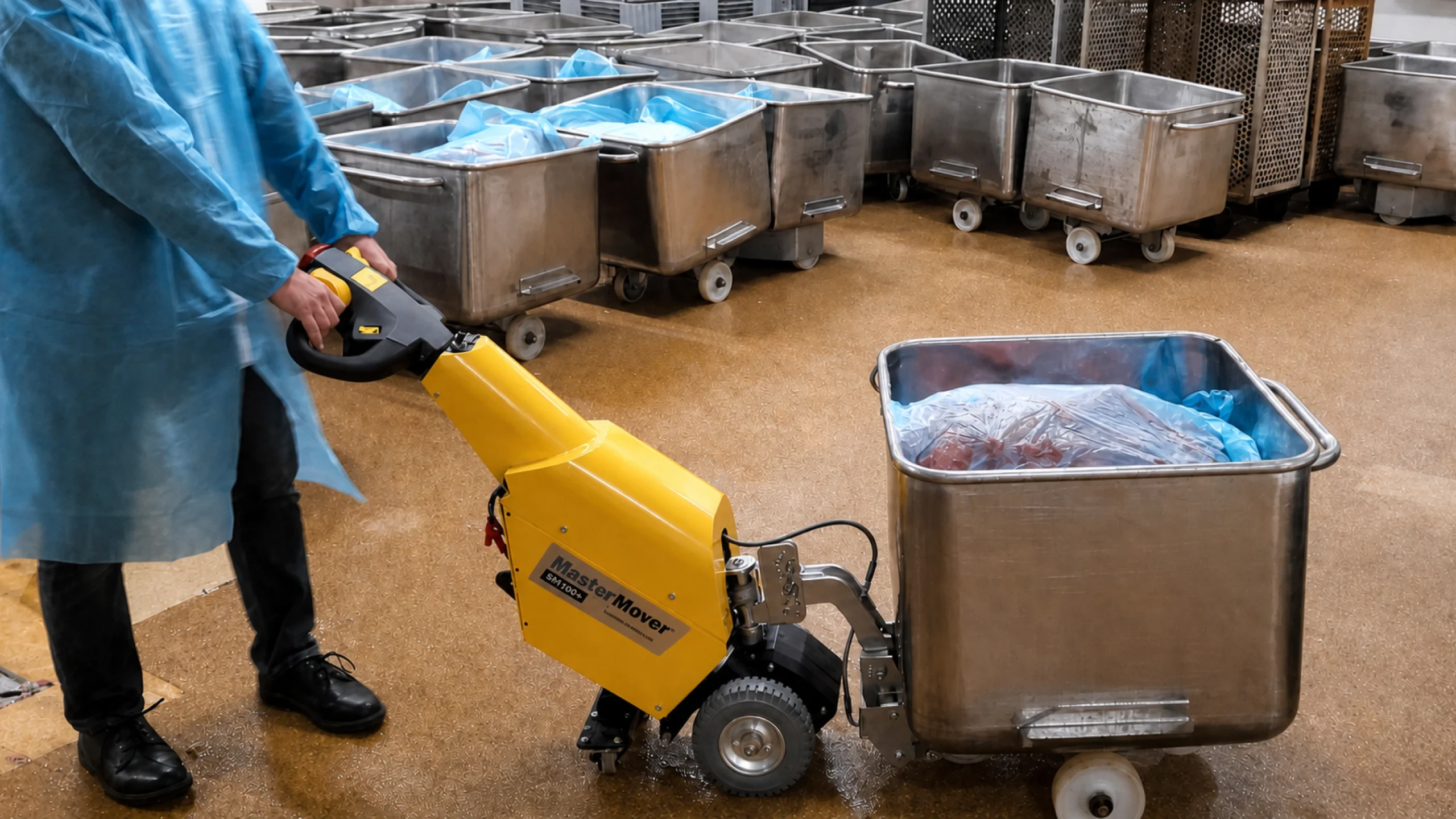
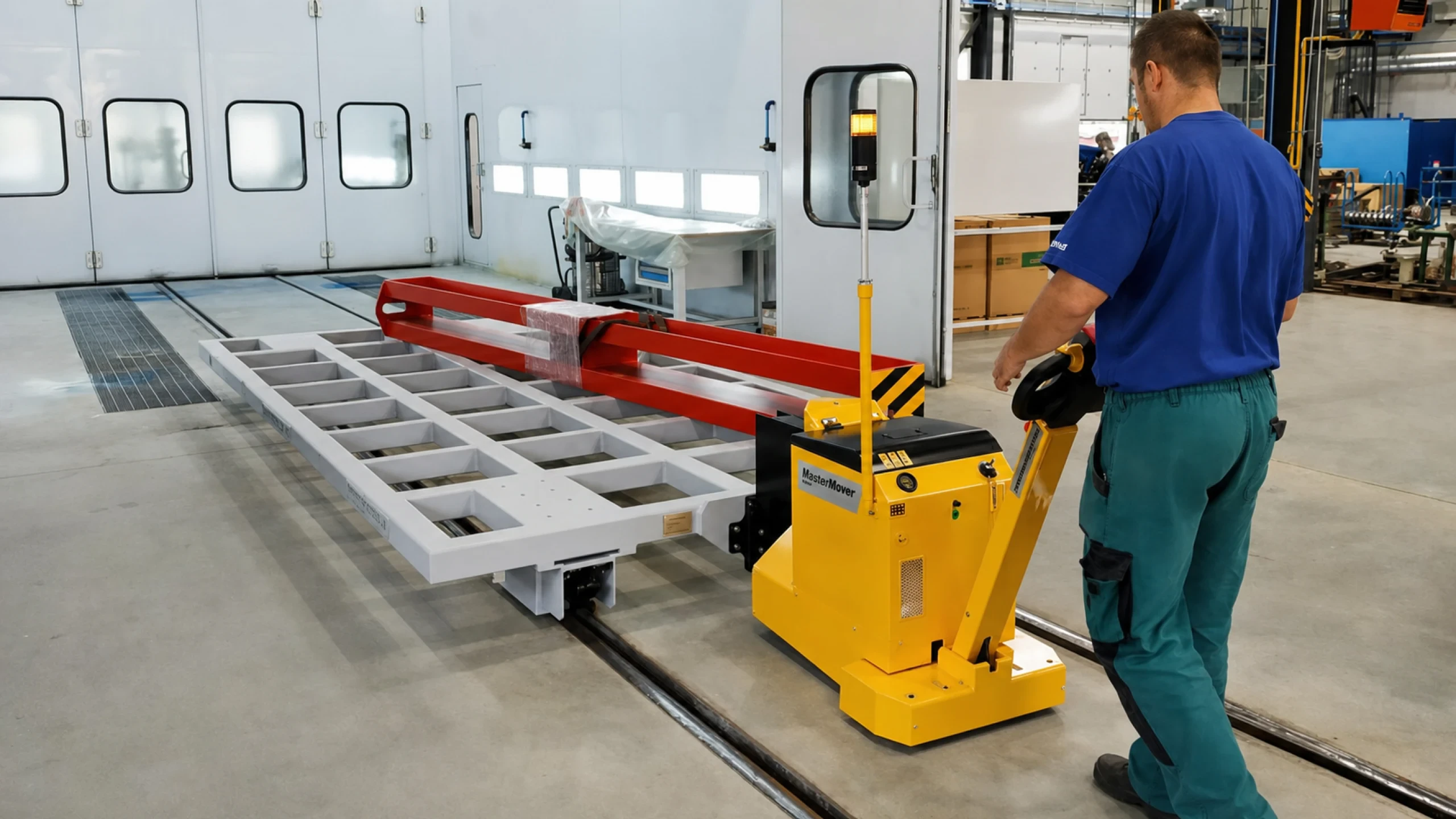
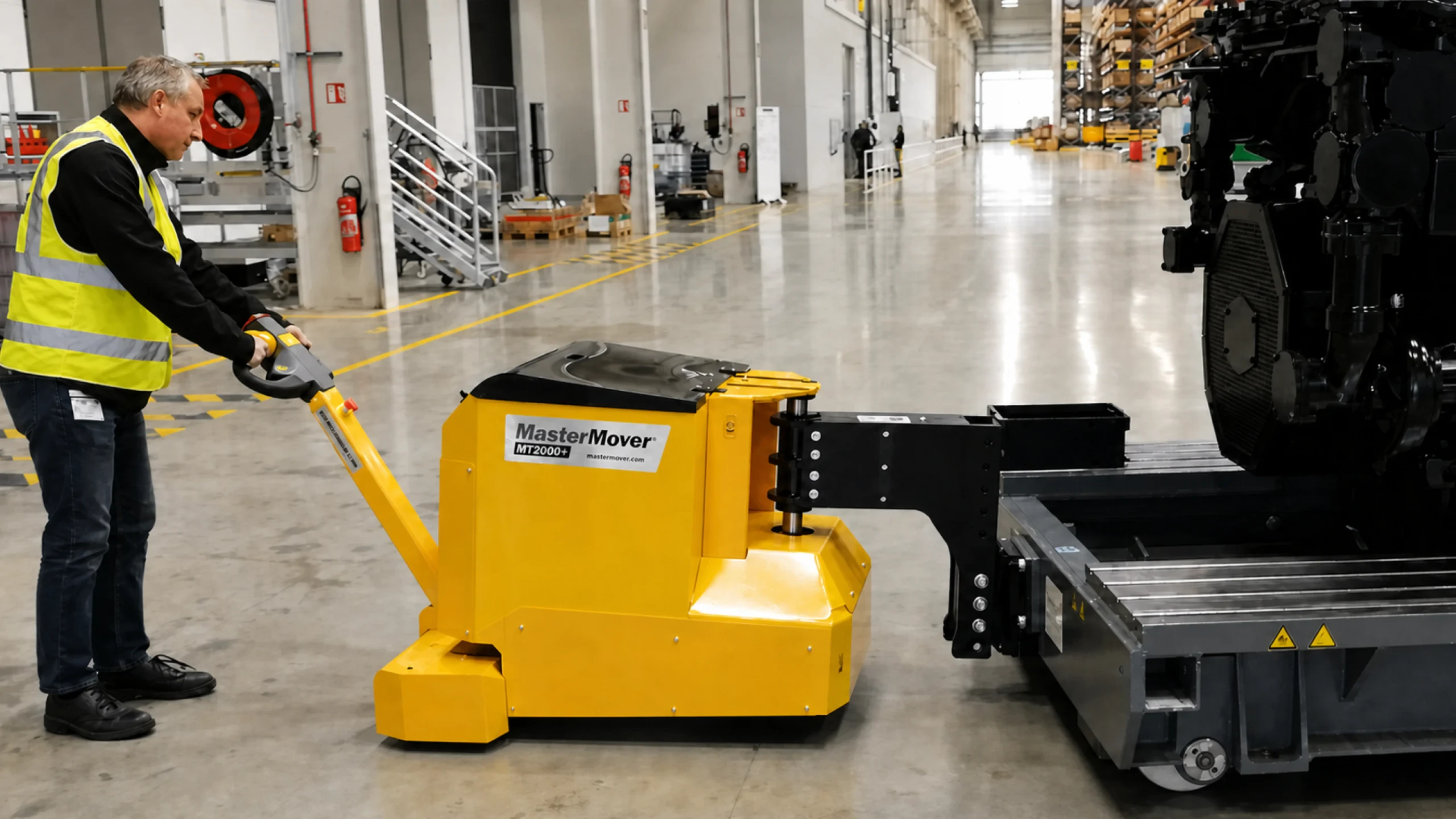
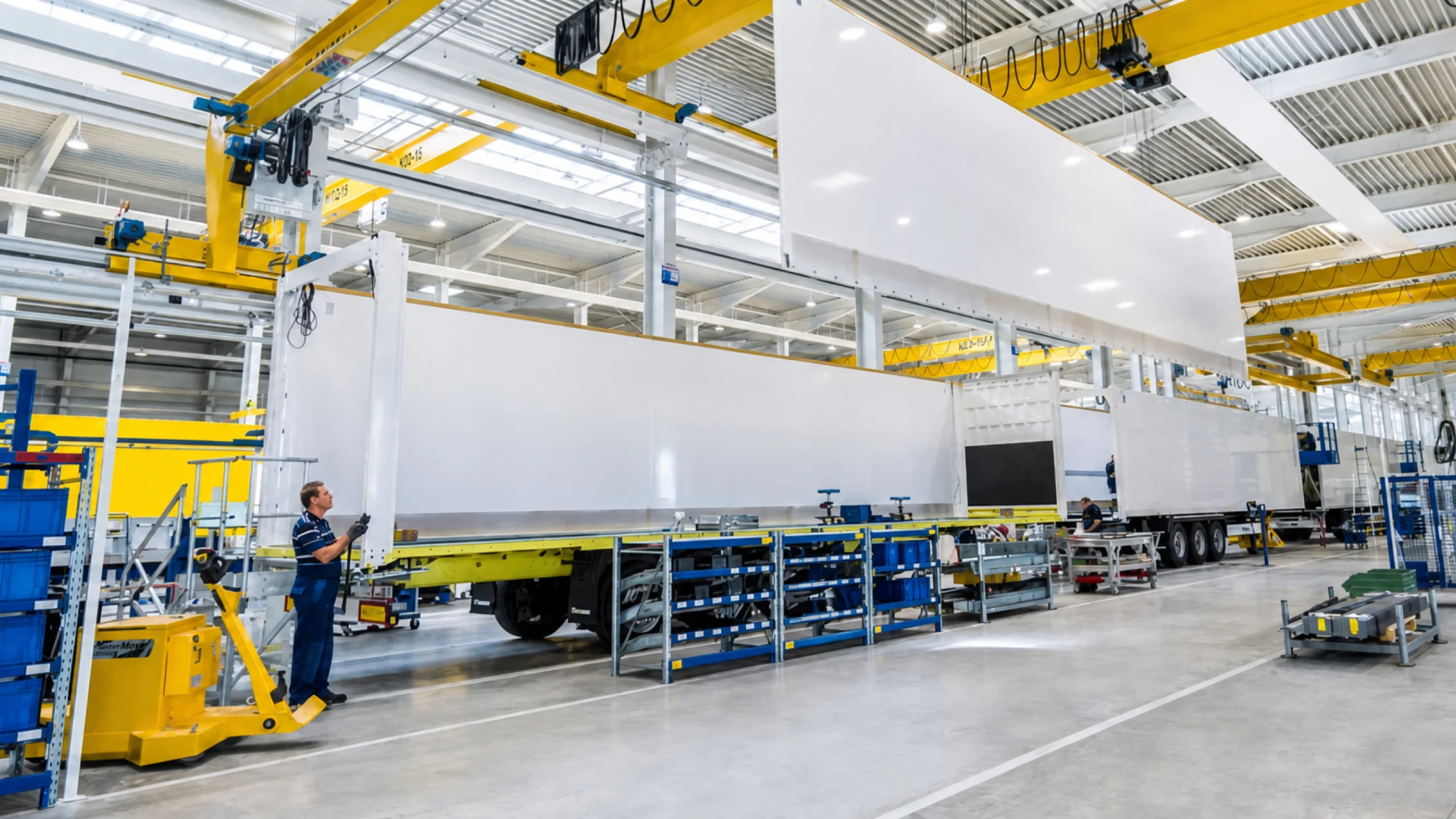
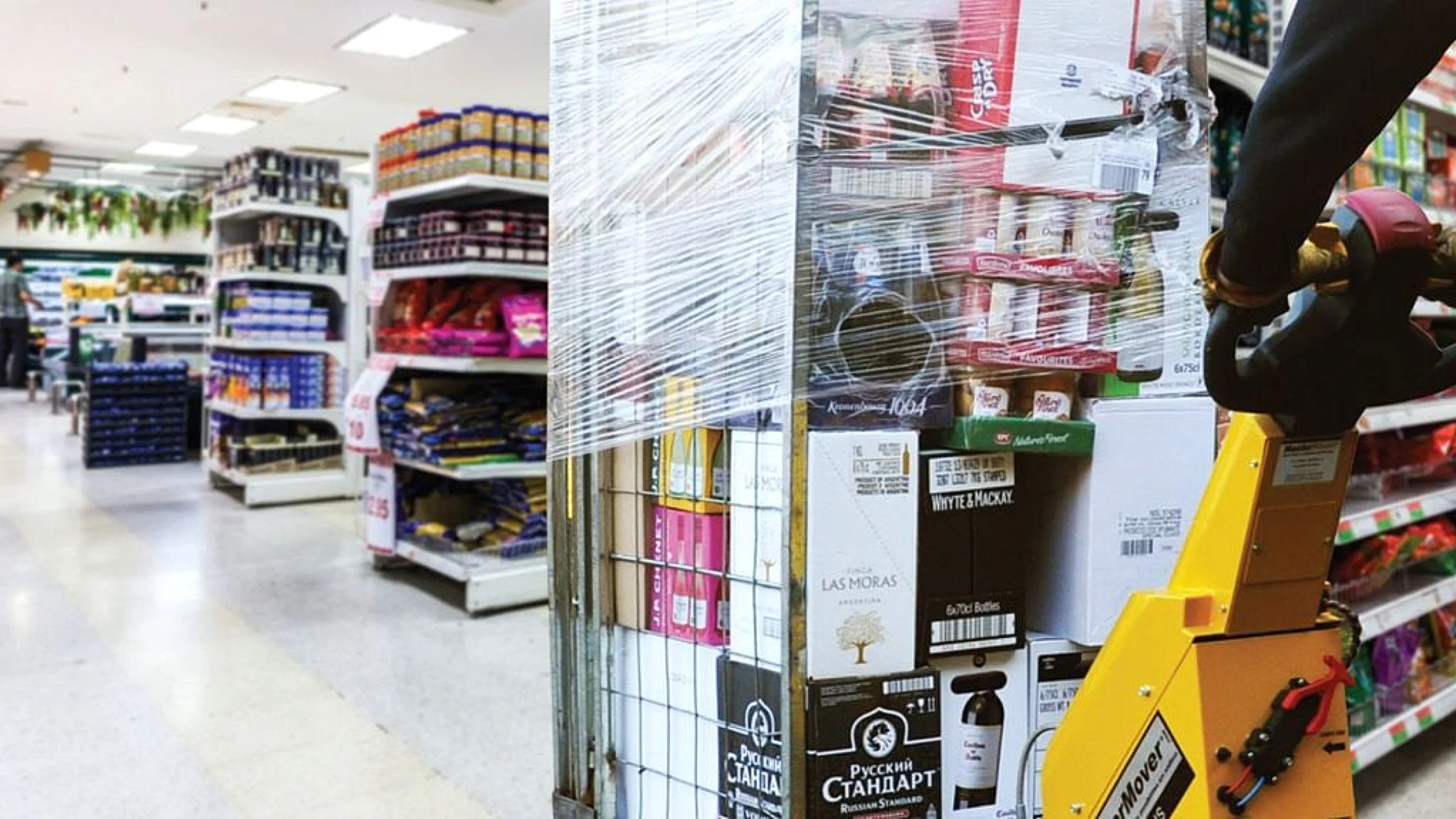
Total weight matters, but it is not enough. A lighter load with small wheels and a difficult floor can be harder to move than a heavier load with good wheels.
The route decides whether the tug can work naturally. Distance, turns, gradients, thresholds, pedestrian traffic, stopping zones and operator visibility all matter.
Do you have a load pushed or pulled by hand every day?

Start with moves that require high effort, happen frequently or put pressure on the flow. The most relevant are wheeled loads that are hard to start, difficult to turn in tight spaces or need to stop close to people, equipment, racks or high-value products.
A useful signal is when the team says “we can manage”, but the move always needs the same combination of people, attention and time. That is where the right tug may reduce effort and improve control.
Weight is only a starting point. Movement changes significantly with wheels, floor, gradient, inertia, coupling and how often the load must start and stop.
Two loads with the same weight can require different directions if one has large wheels and a good floor while the other has small wheels, floor joints or tight turns.
Manual pushing may remain acceptable when the load is light, moved rarely, the route is short and straight, the floor is good and the team does not need awkward posture or high effort at startup.
Even then, check whether the movement changes by season, shift or available operator. A technical solution becomes more relevant when the manual method depends too much on who performs it.
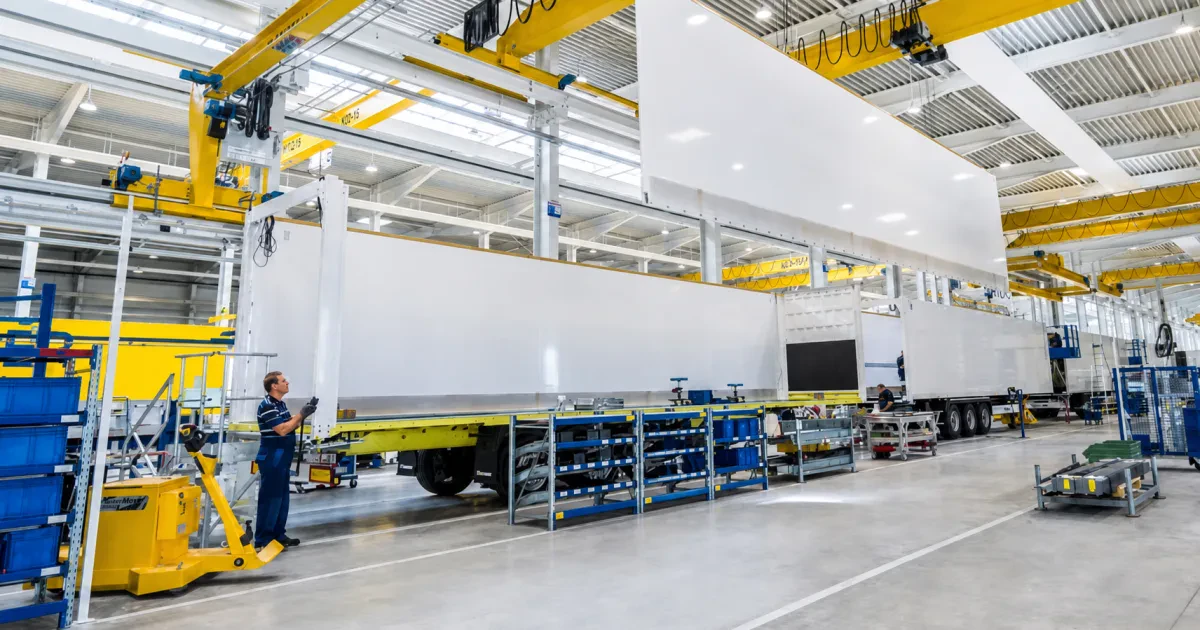
The direction is selected by load, wheels, route and coupling. A compact tug can fit carts, frames or containers on clear indoor routes. A heavy-duty tug enters the discussion when mass, inertia, gradient, frequency or load value require more traction and control.
Selection should not be based only on “how many kilograms it can move”. It should consider how force is transferred, how the tug connects to the load and how the system behaves during starting, turning and stopping.
Coupling is one of the central parts of the application. If the connection point is too low, too high, weak, hard to access or does not allow the correct angle, the tug can be technically strong and still work poorly.
Before quoting, it should be clear whether the load already has a coupling point, whether it can be adapted and whether the operator can connect and disconnect quickly without unsafe improvisation.
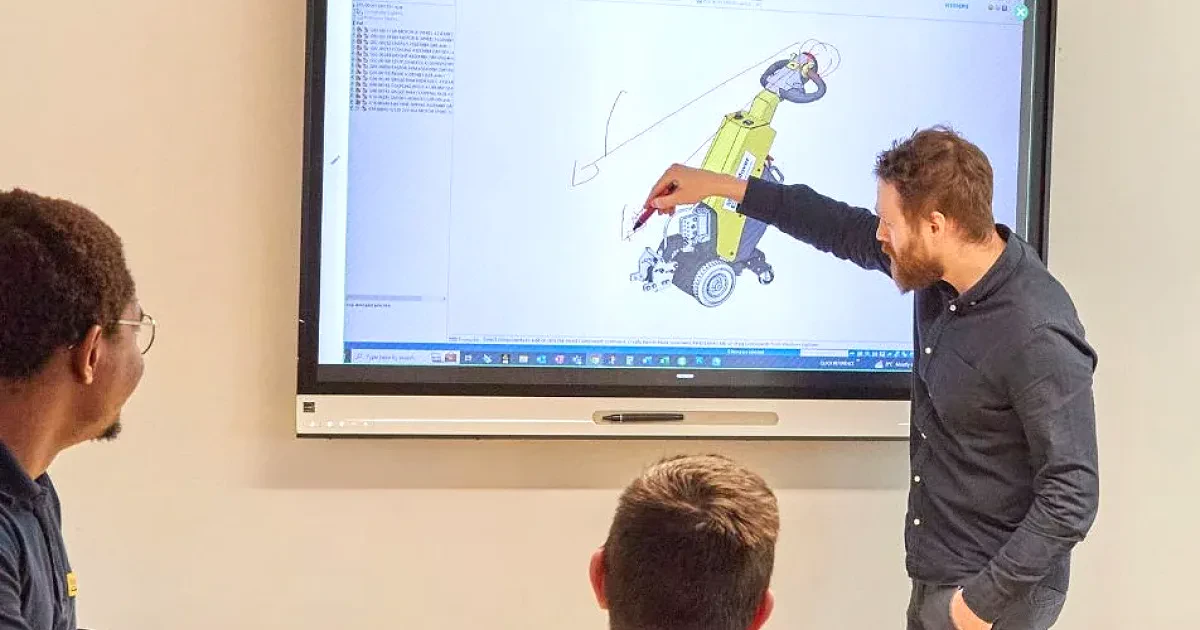
A small information pack makes the discussion much faster. Photos show the load and route; a short video shows exactly where the effort appears: starting, turning, threshold, gradient, stopping or final positioning.