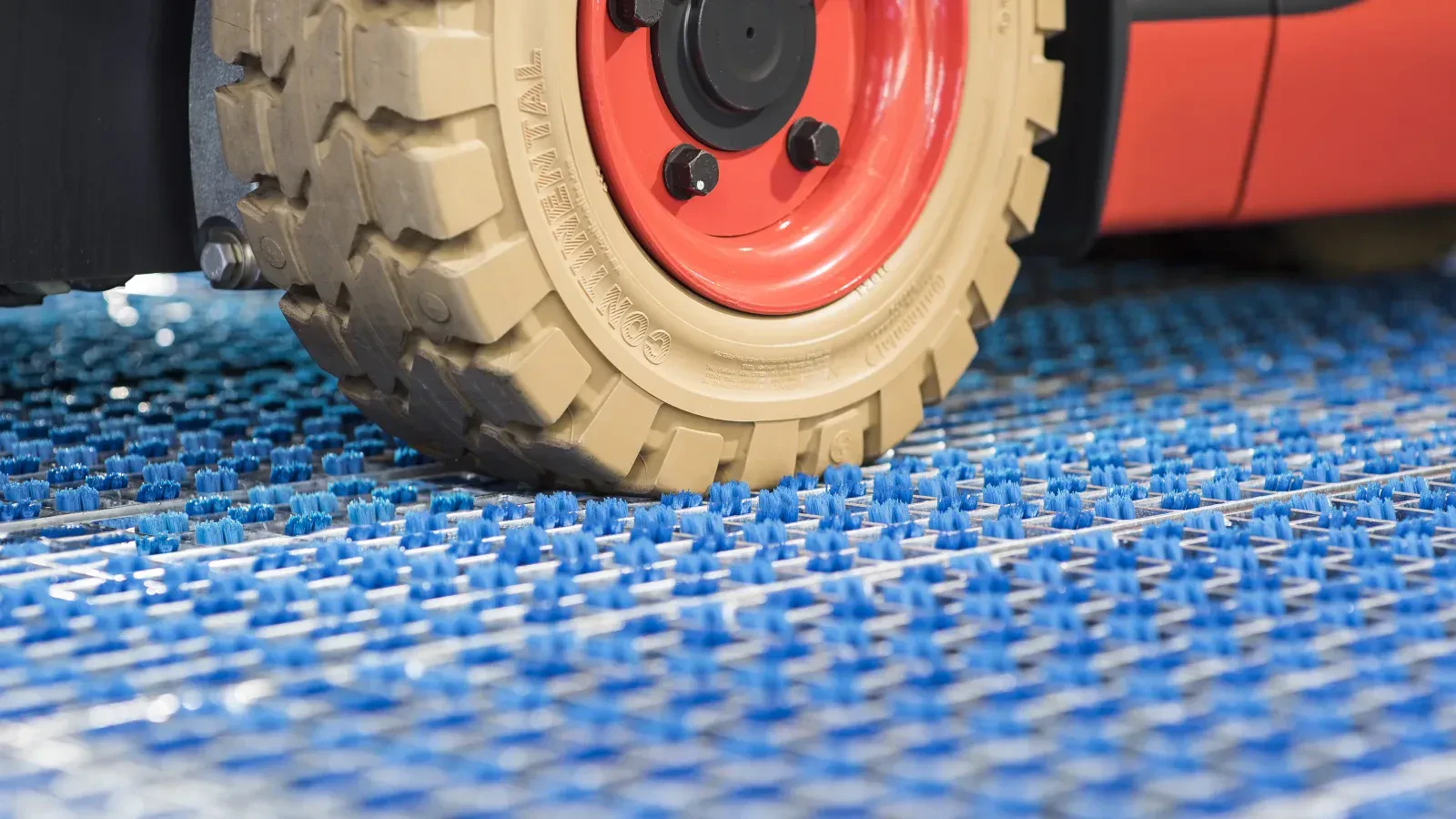
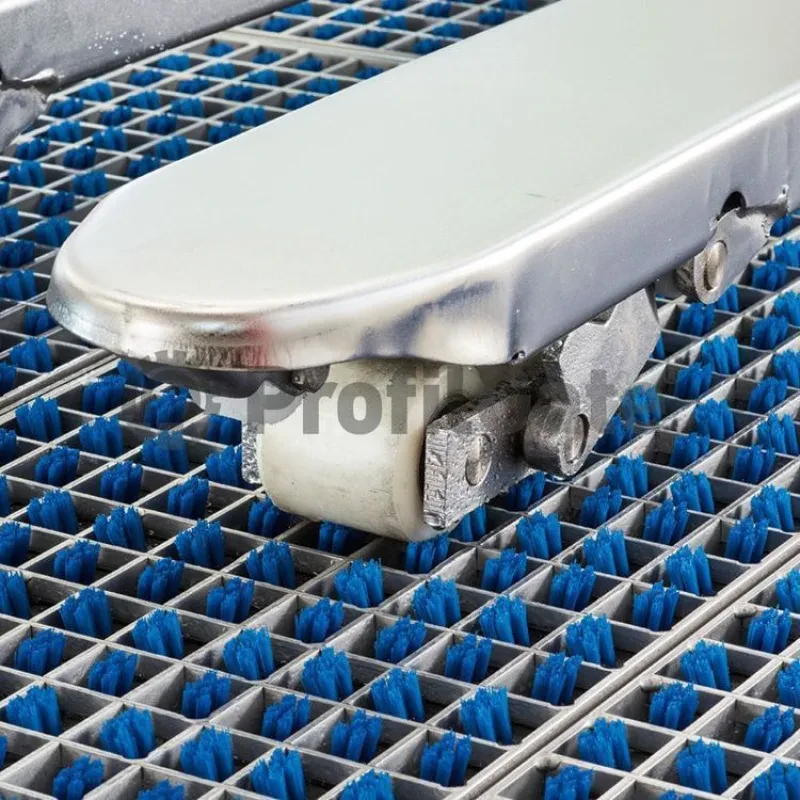
The brushes move under the wheel load
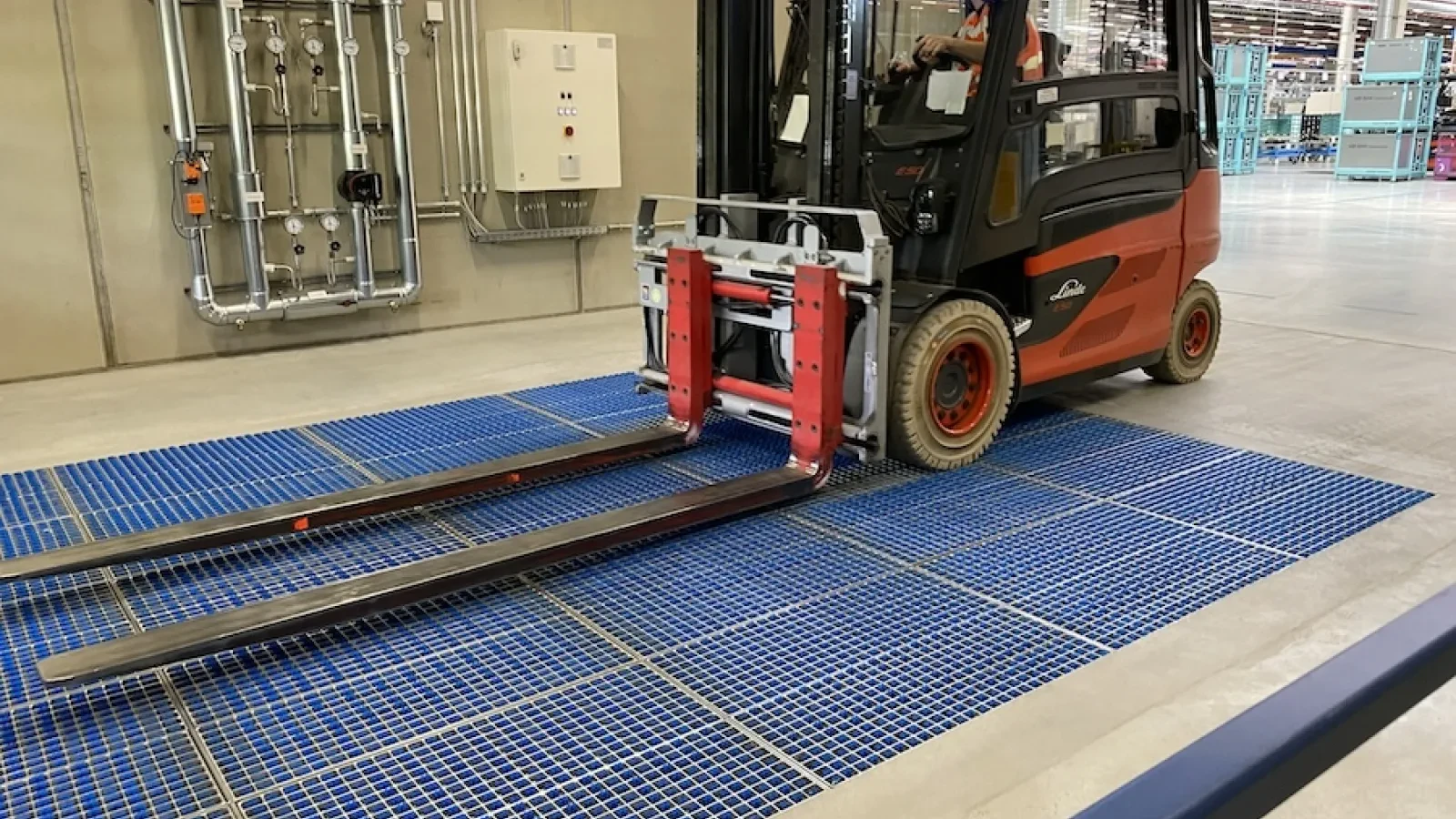
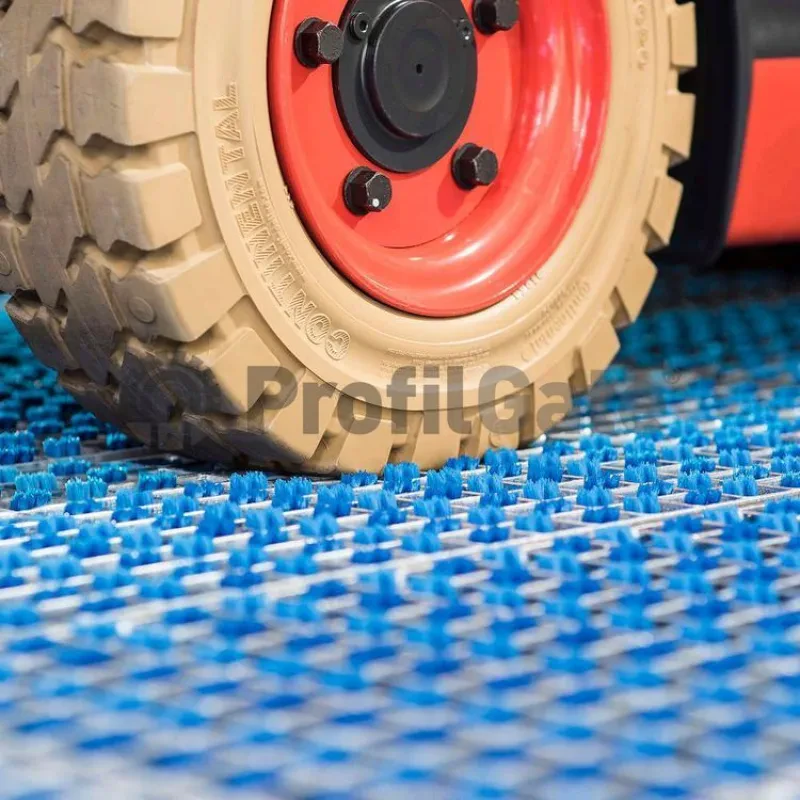
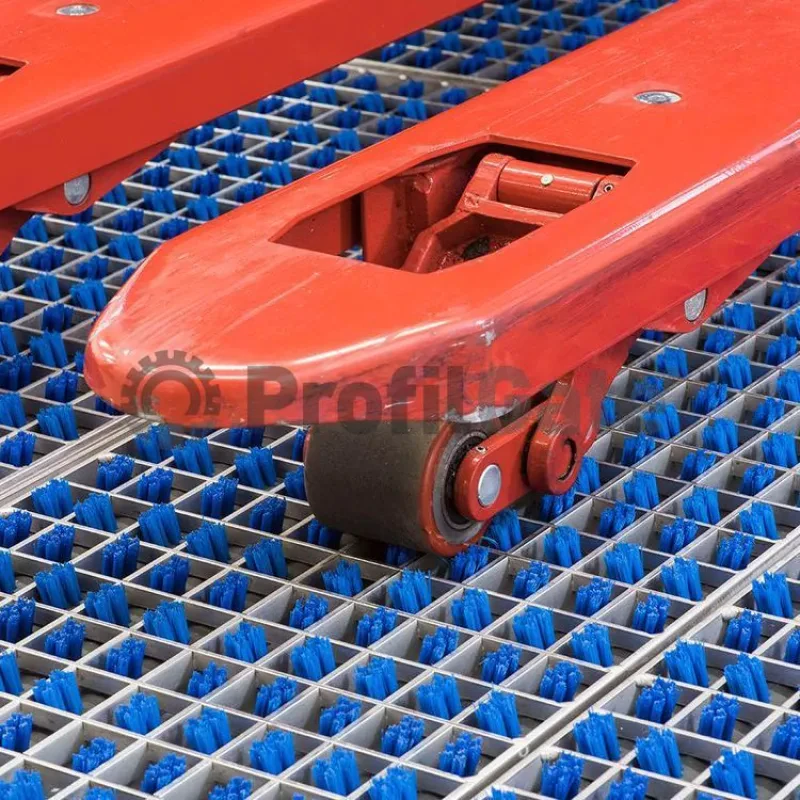
As the wheel crosses the grate, pre-tensioned brushes work mechanically on the tread. Removed dirt falls into the tray below, without the system needing an electrical supply.

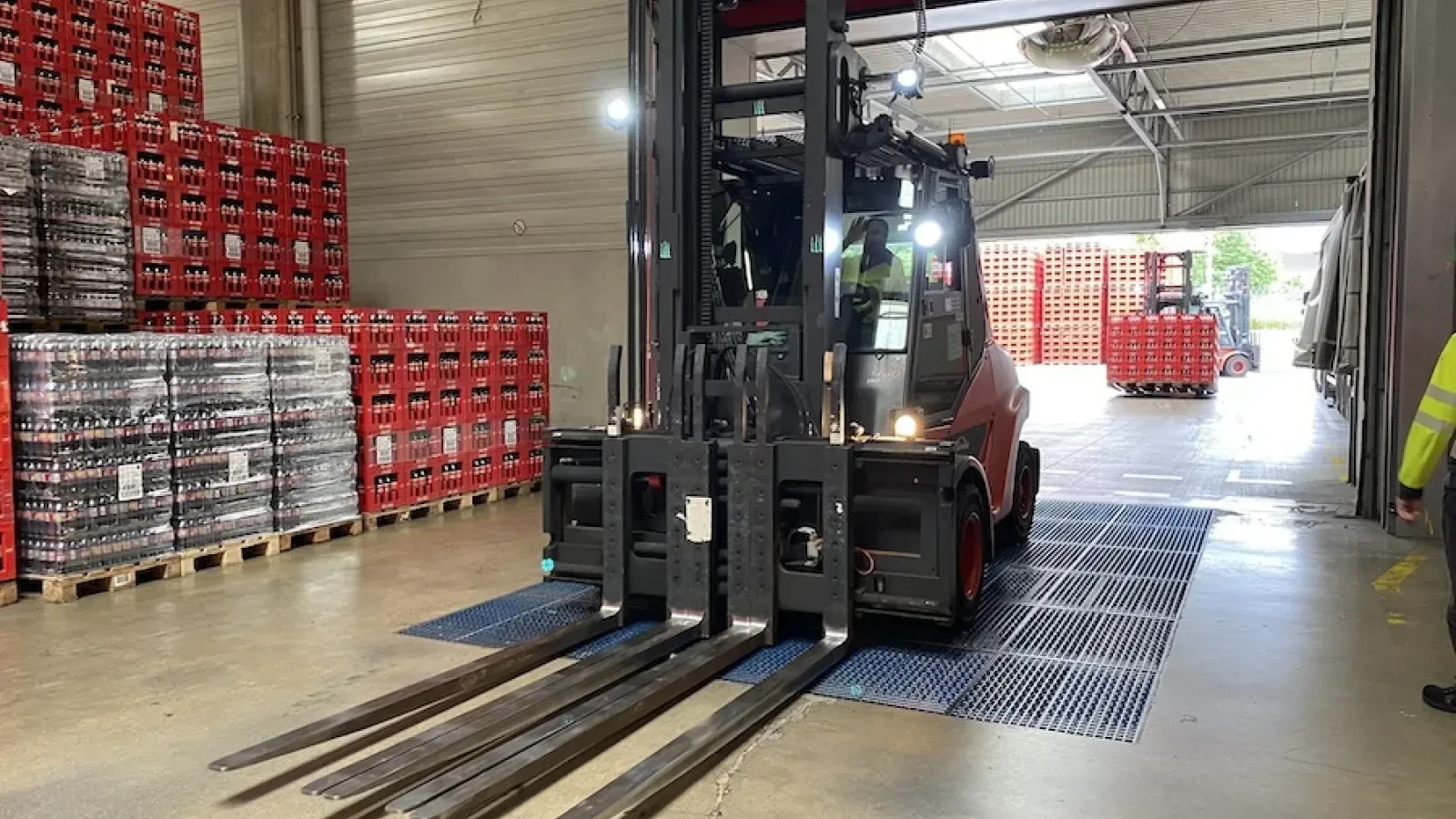
Forklifts carry dust, grit and moisture from one zone to another. A cleaning field placed on the route captures part of that dirt before it travels deeper into the building.
The floor has just been cleaned. Then a forklift enters from the outdoor yard, crosses the warehouse and leaves the same tracks towards production. Dust, grit and water do not appear at random. They follow the wheels.
At that point, more floor cleaning treats the result again. Control has to move onto the route, before dirt spreads through the building.
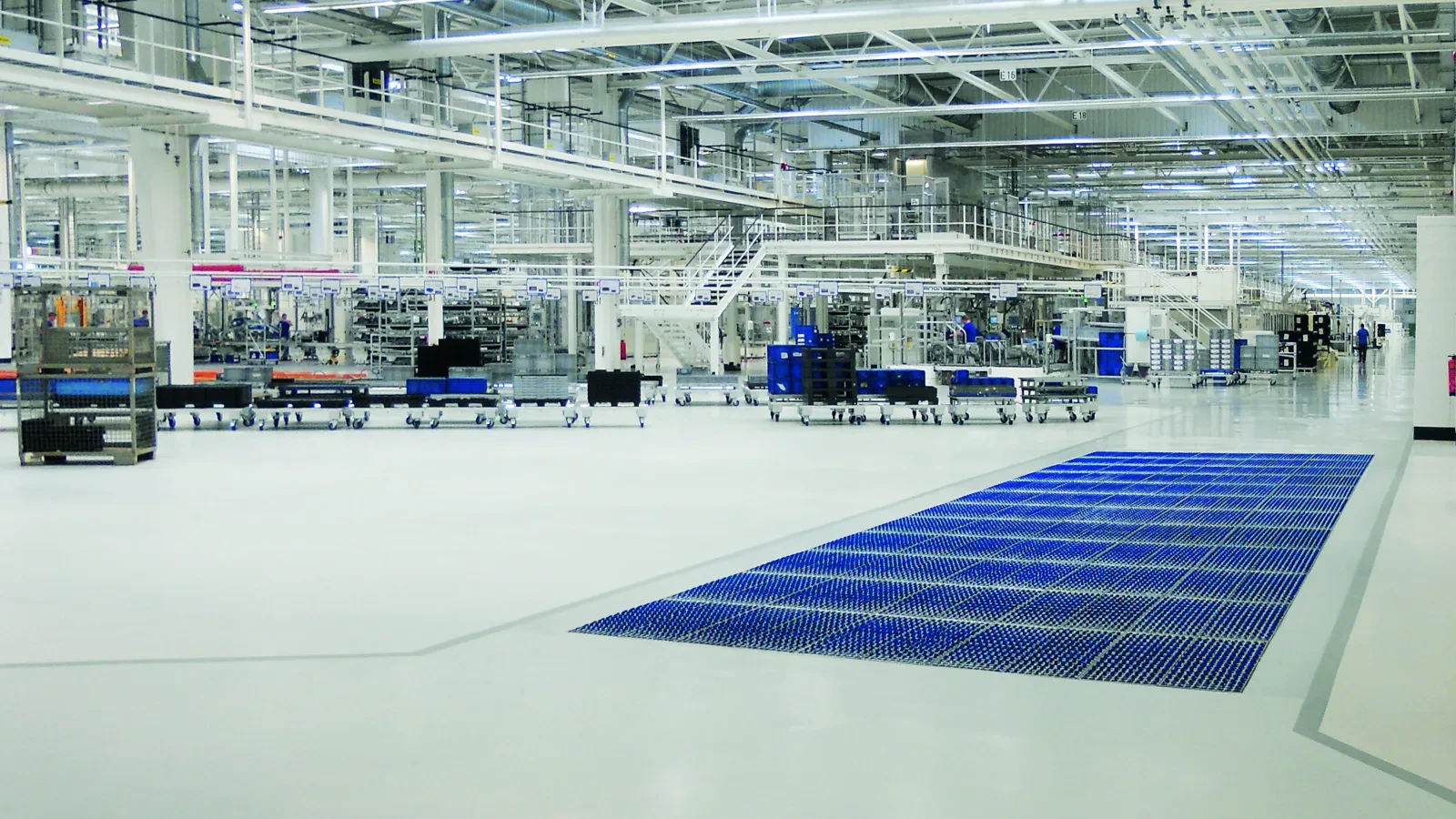
ProfilGate turns part of the route into an active cleaning field. The mechanism is simple, but its position and length still have to fit the real traffic.
As the wheel crosses the grate, pre-tensioned brushes work mechanically on the tread. Removed dirt falls into the tray below, without the system needing an electrical supply.
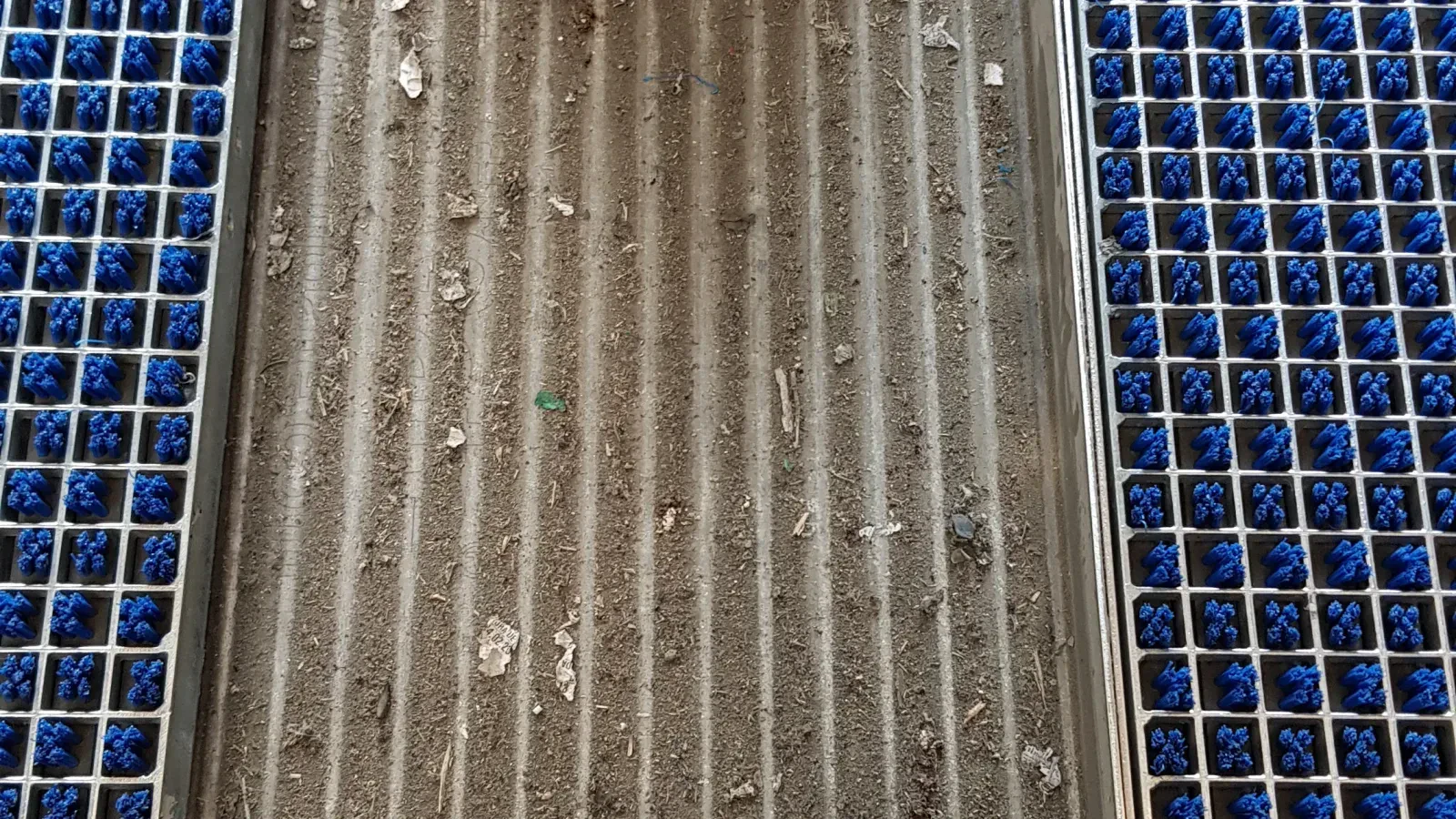
A large tyre needs a longer field than a small caster. The field is sized so the tread meets the brushes repeatedly rather than touching the system only once.
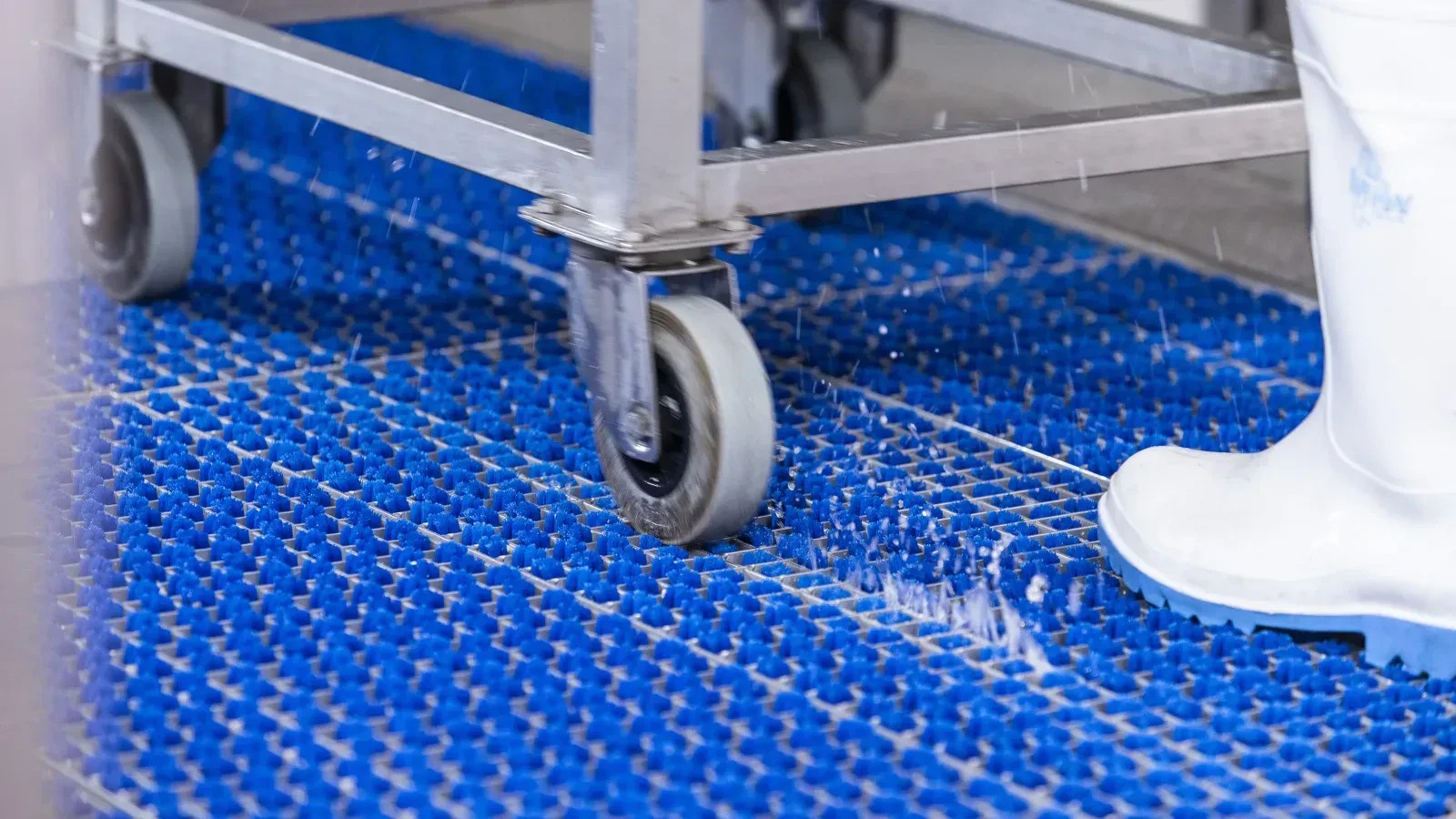
Where the process requires cleaning or disinfectant liquid, drainage and a hygiene procedure, the aqua configuration is sized for that routine. Dry and wet fields do not perform the same job.
The right location is not always the main gate. It is the crossing the wheels actually use before the area you want to keep cleaner.
Do the same tracks return after every shift? Show us the route and we will clarify where a cleaning point makes sense.
A good installation starts with a crossing the traffic cannot bypass and a maintenance routine that people can actually follow.
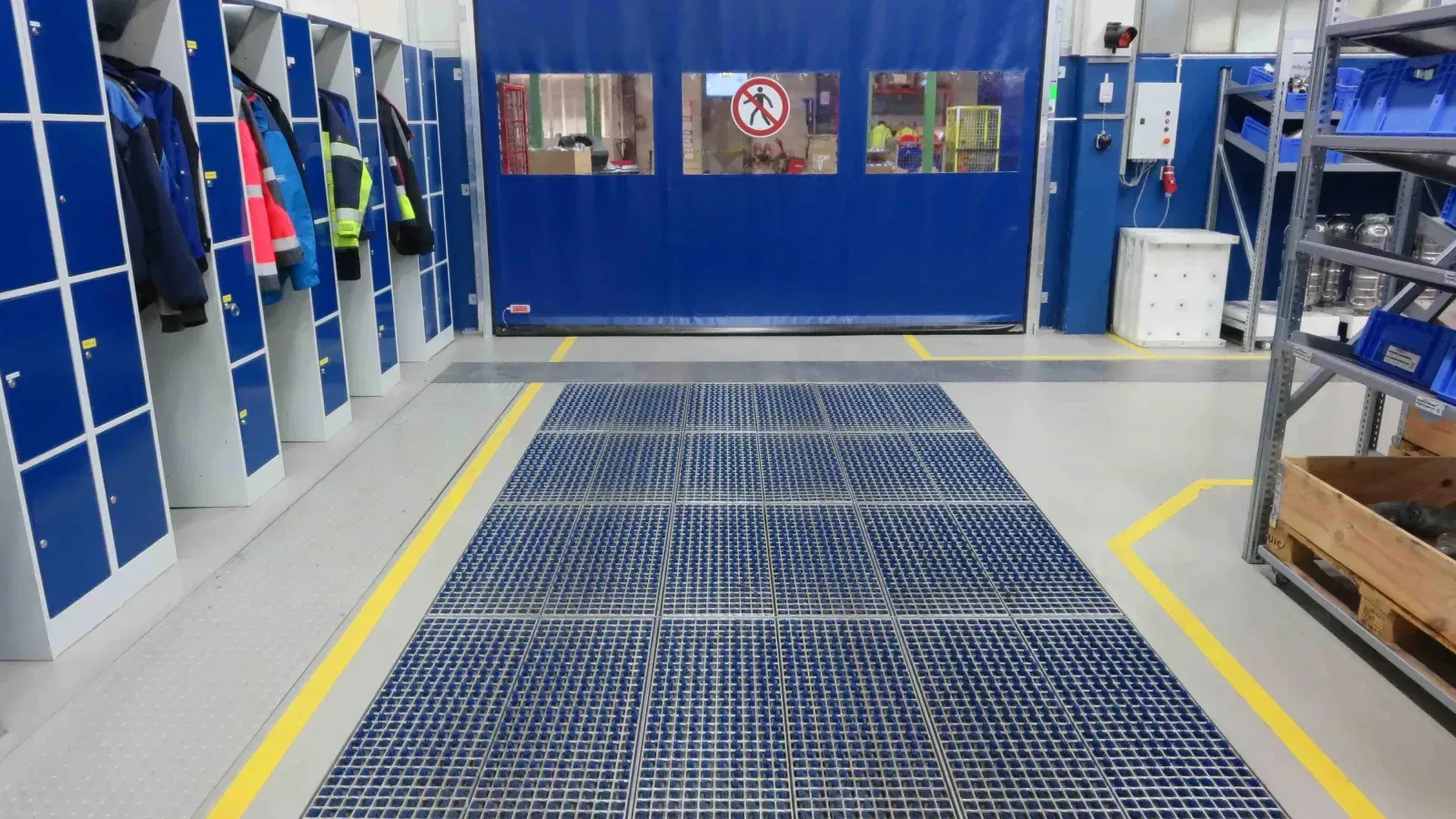
Photograph or describe the entrance from both directions. If forklifts can bypass the cleaning field, dirt will take the same shortcut.
Wheel diameter and available space determine the contact length. Vehicle type, load and crossing frequency indicate how robust the configuration must be.
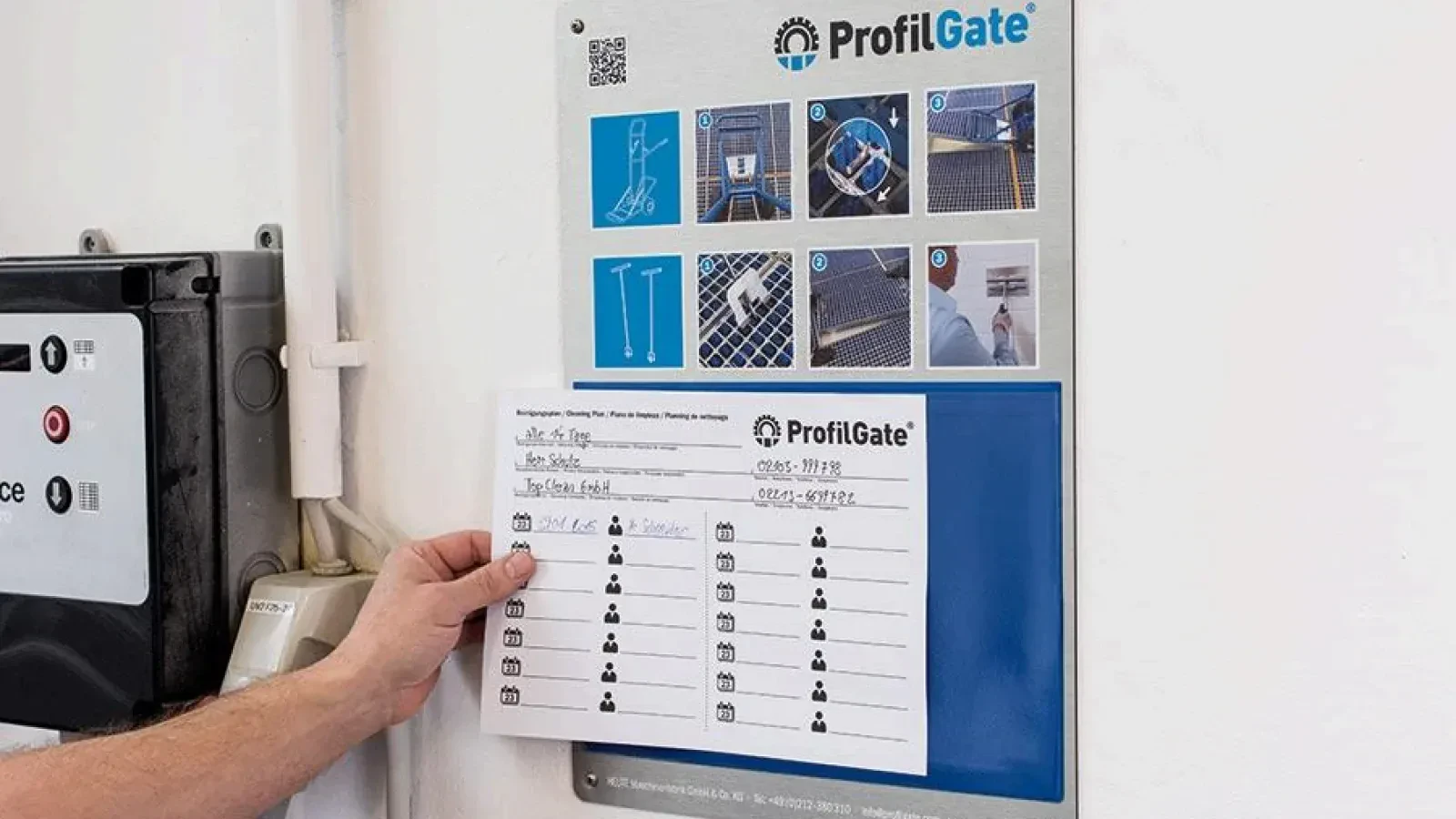
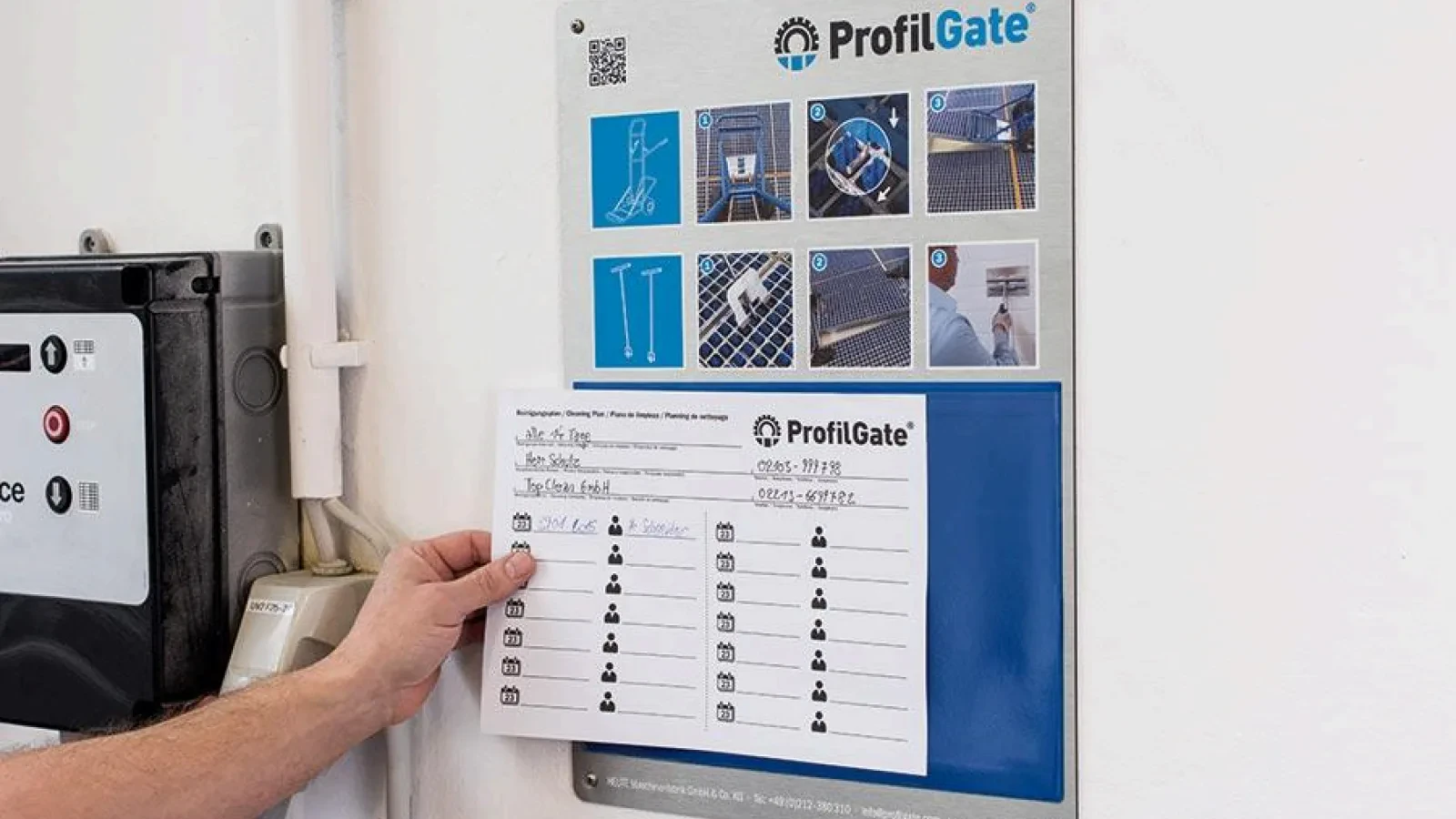
Dirt does not disappear. It collects beneath the grates. Easy access and clear ownership make the difference between a system that is used and one that is ignored.
The first review does not need a finished project. A few concrete details are enough to see whether the crossing can be controlled.
Tell us where the forklift comes from, where it goes and what appears on the floor.
We check whether traffic can be made to cross the system and what contact length is realistic.
We identify which system type fits the route and what else is needed for a quotation.

Describe the entrance, forklift type and what remains on the floor after traffic passes. We will follow up with the questions needed to define the position, length and system type that fits the route.
Floor cleaning removes dirt after the wheels have already carried it into the building. If the route remains unchanged, the tracks return with the next trips.
Wheel cleaning moves the intervention to the entrance. Normal hall cleaning remains necessary, but part of the dirt can be captured before it spreads.
The right point is a compulsory crossing before the area you want to protect. It may be at an outdoor entrance, between warehouse and production, or between halls with different cleanliness requirements.
Width, direction of travel and the possibility of bypassing the field should be checked before choosing.
The field needs to create repeated contact between the tyre tread and the brushes. The diameter of the largest wheel crossing the area is therefore a key input.
ProfilGate uses several wheel rotations as a planning reference. Final sizing also considers speed, traffic type and the space available.
Wet cleaning becomes relevant when the process requires cleaning or disinfectant liquid and has a defined routine for concentration, drainage, refilling and internal verification.
Dust and grit on an ordinary logistics route may call for a dry mechanical system. Microbiological requirements need a separate review.
Describe where traffic starts and ends, the largest wheel, the approximate number of crossings and the dirt observed.
Entrance dimensions and the current cleaning routine help confirm the location. Where hygiene requirements apply, liquid, drainage and monitoring ownership should also be clear.