
Medica Group: reducing route dust before biomedical storage
Case study

Medica Group: reducing route dust before biomedical storage

In biomedical storage, visible cleanliness is not only an aesthetic detail. When pallets, boxes and mobile equipment cross the same route, dust can quickly reach packaging and change how goods look before shipping.

Industry

Biomedical

Location

Mirandola, Italy

Number of employees

Logistics warehouse traffic

Medica Group needed a visibly higher warehouse standard: boxes without dust before shipment and less manual cleaning before dispatch.

When dust becomes visible on goods ready to ship

In a biomedical warehouse, packaging is not just transport material. It is part of how customers, inspectors and receiving teams read the supplier’s operational discipline.

If dust settles on boxes, the effect is immediately visible: the area feels harder to control, and operators have to clean packaging systematically before shipping.

From manual cleaning to a route control point

The useful selection input was the route where dust appeared and where traffic already passed, not a product catalogue.

Cleanliness depended too much on manual effort

Cleanliness depended too much on manual effort

Traditional cleaning methods required repeated work and did not remove the visible source: dust and particles reached boxes in high-traffic logistics areas.

The practical question was where particles could be controlled before moving further onto packaging, not how much extra cleaning could be added afterwards.
ProfilGate worked on the route already used

ProfilGate worked on the route already used

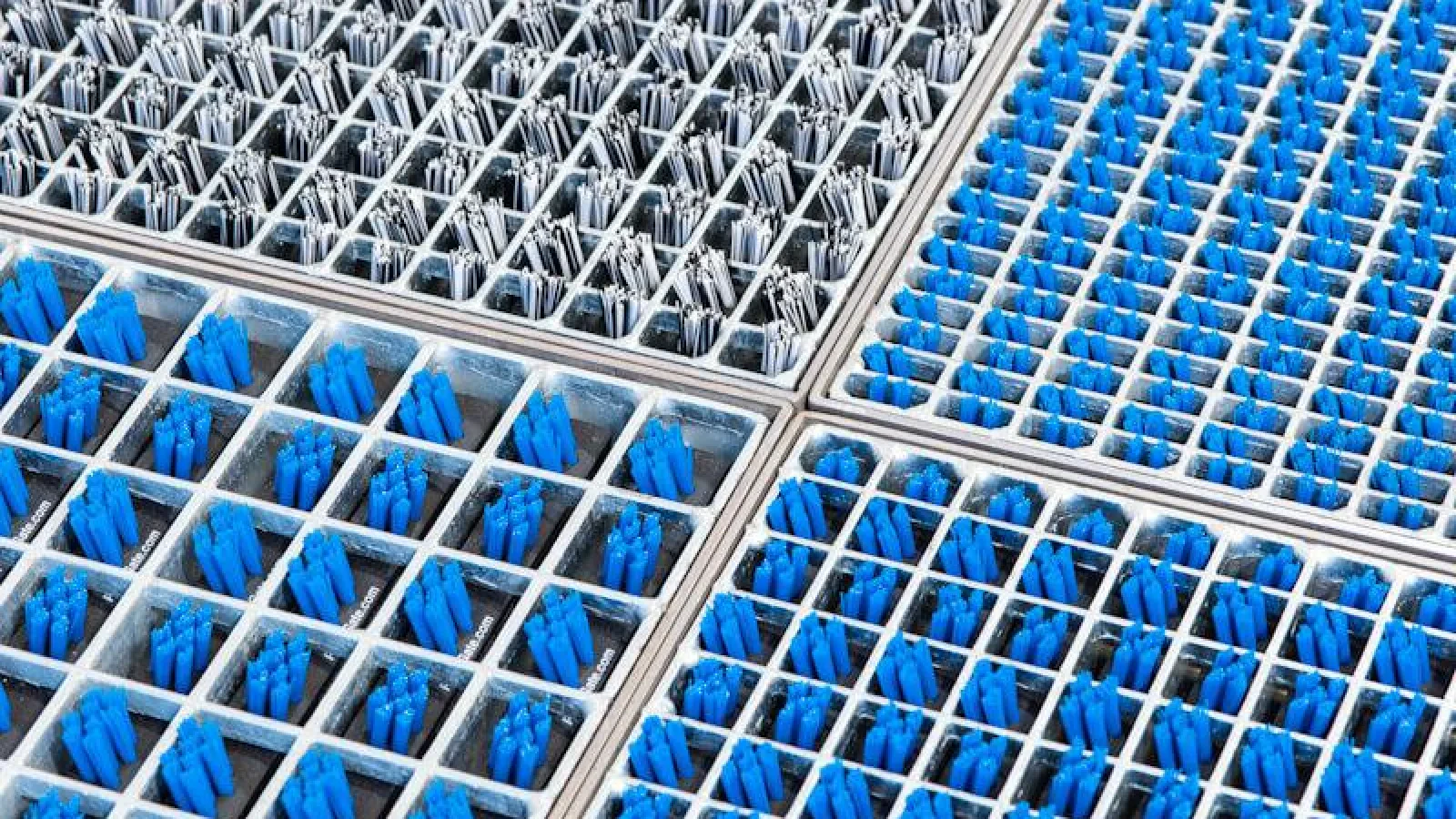
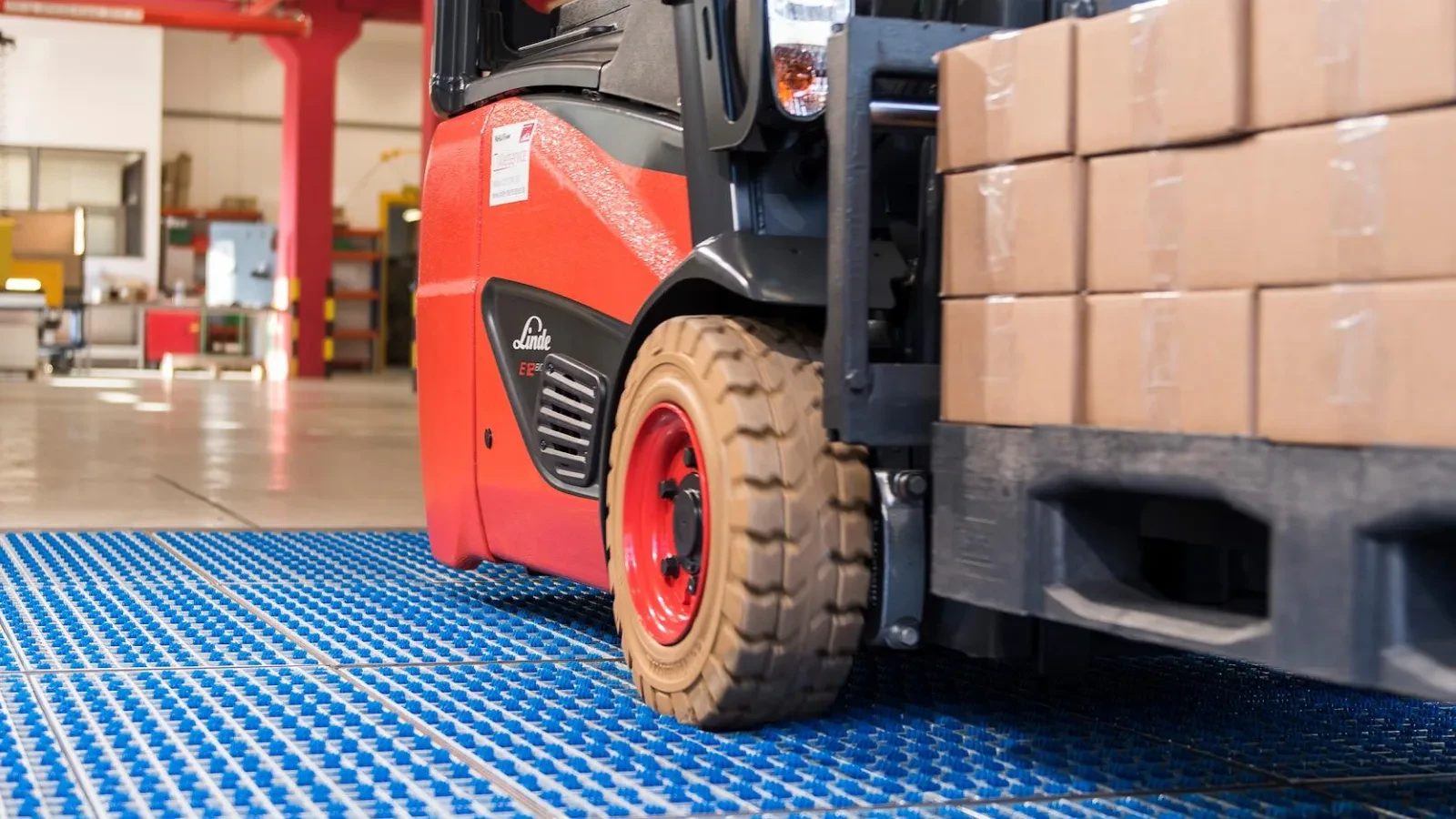
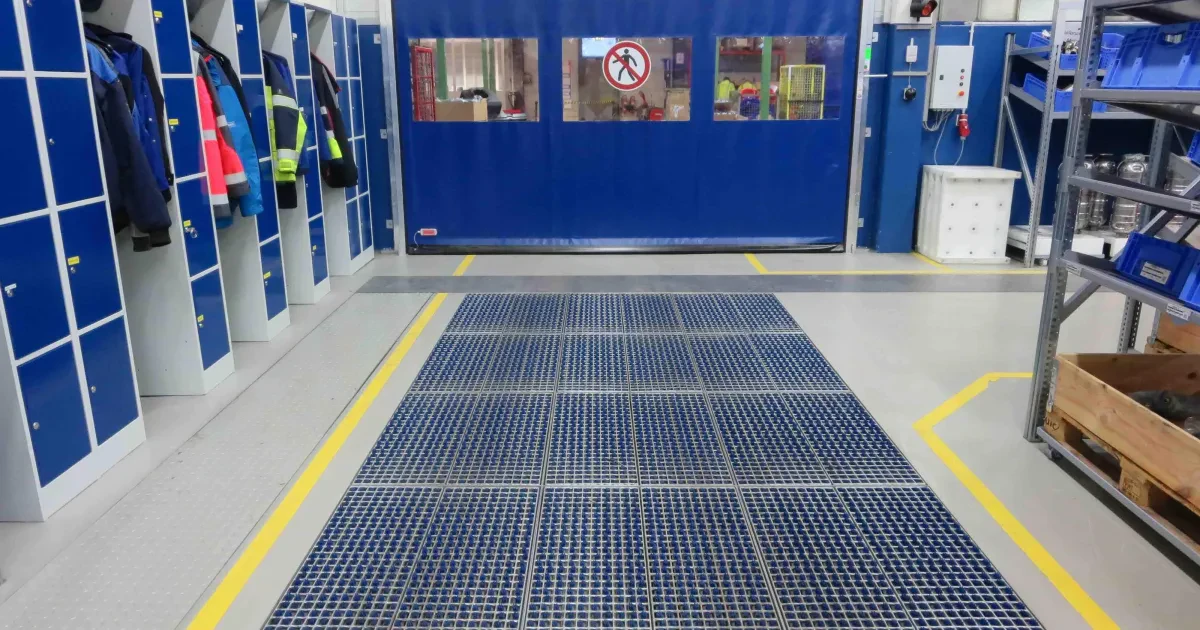
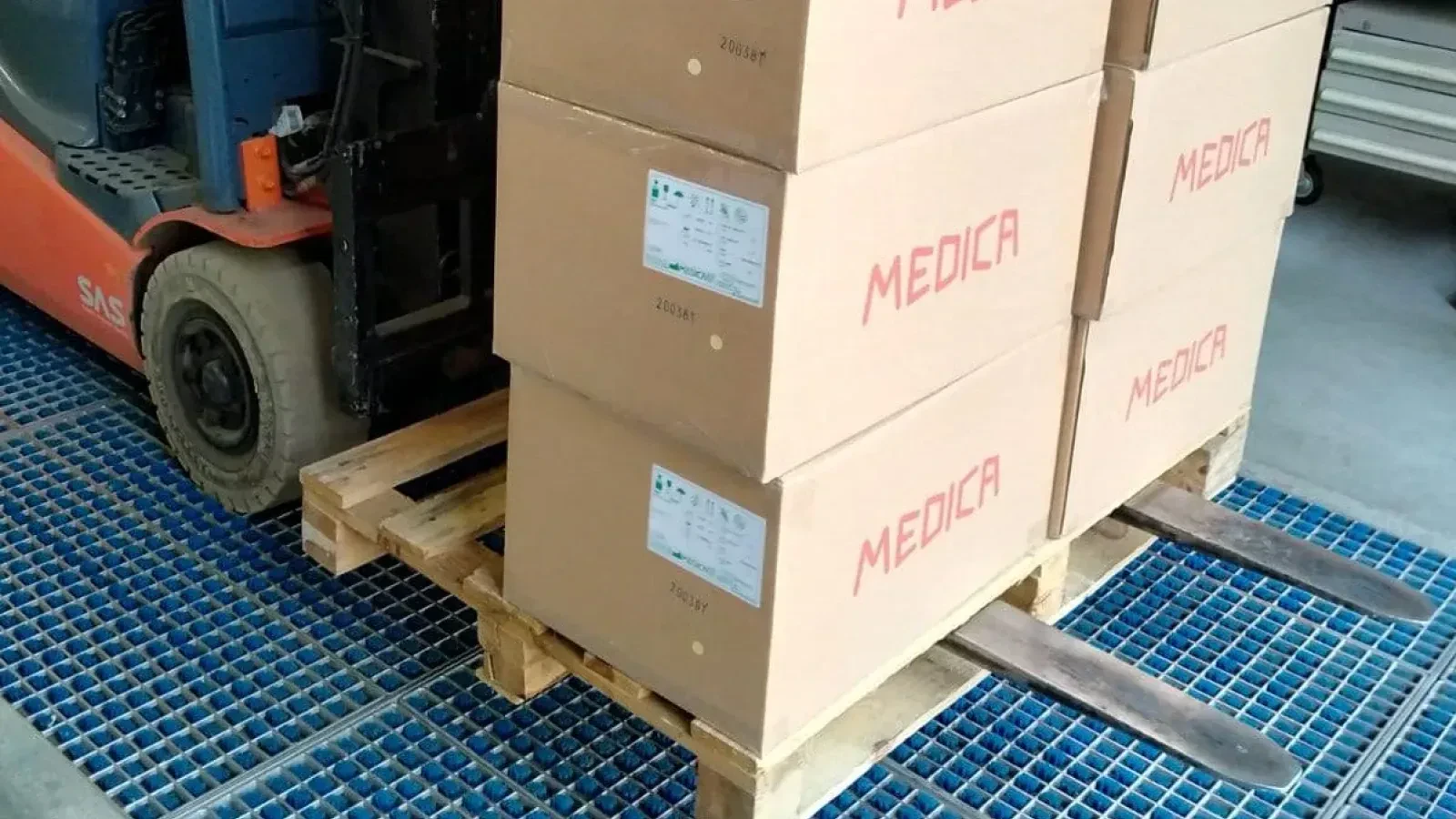
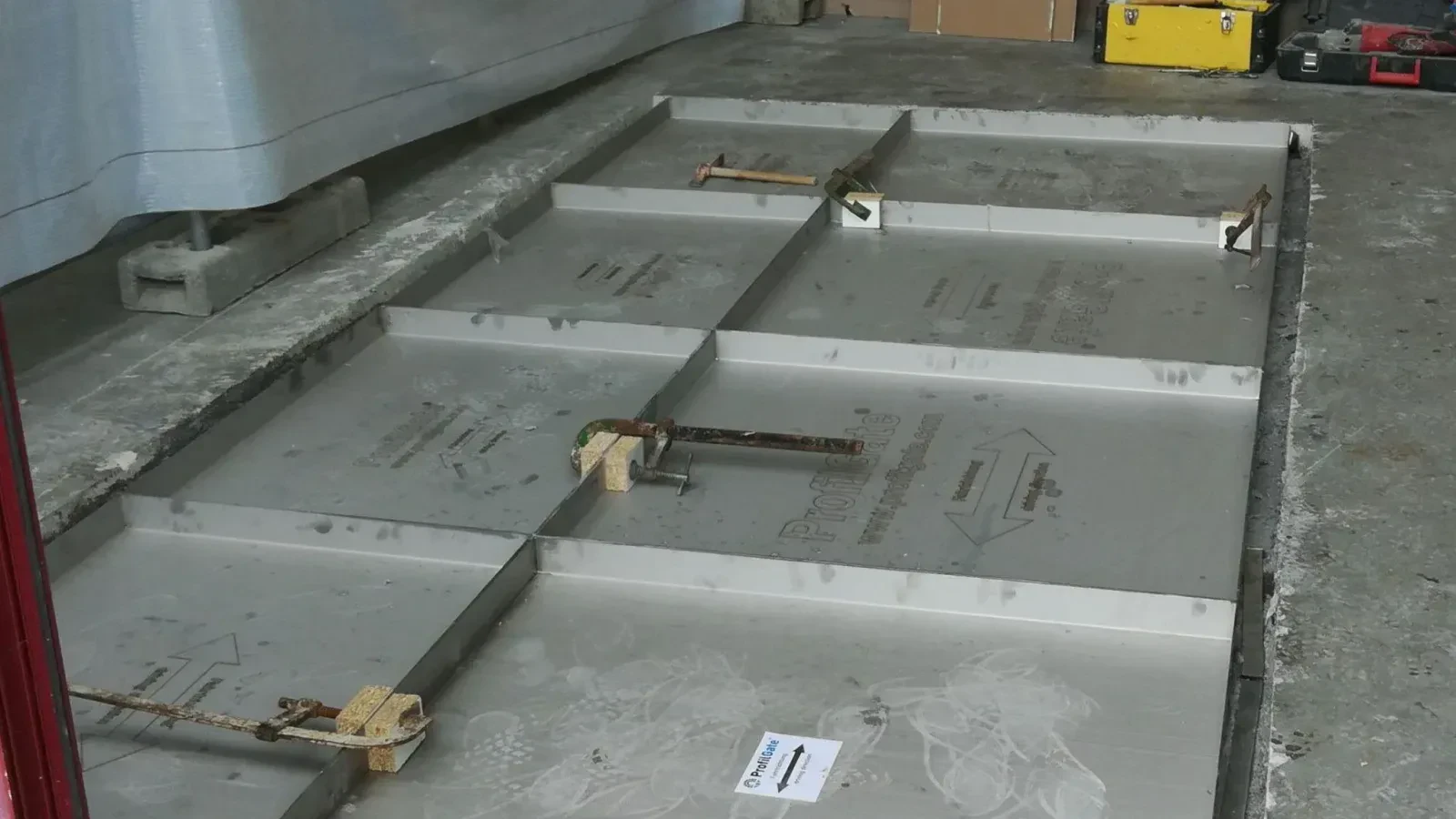
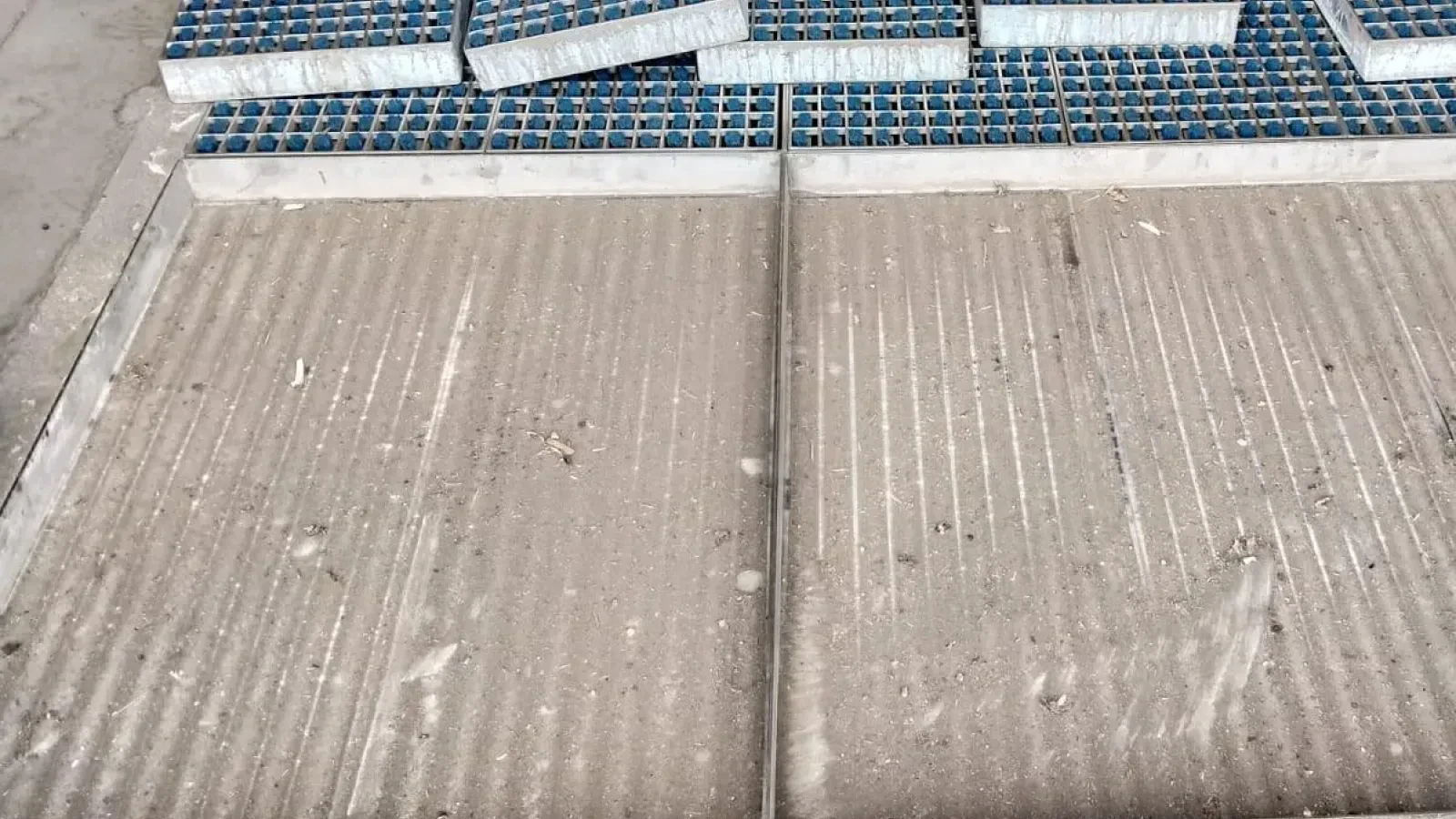
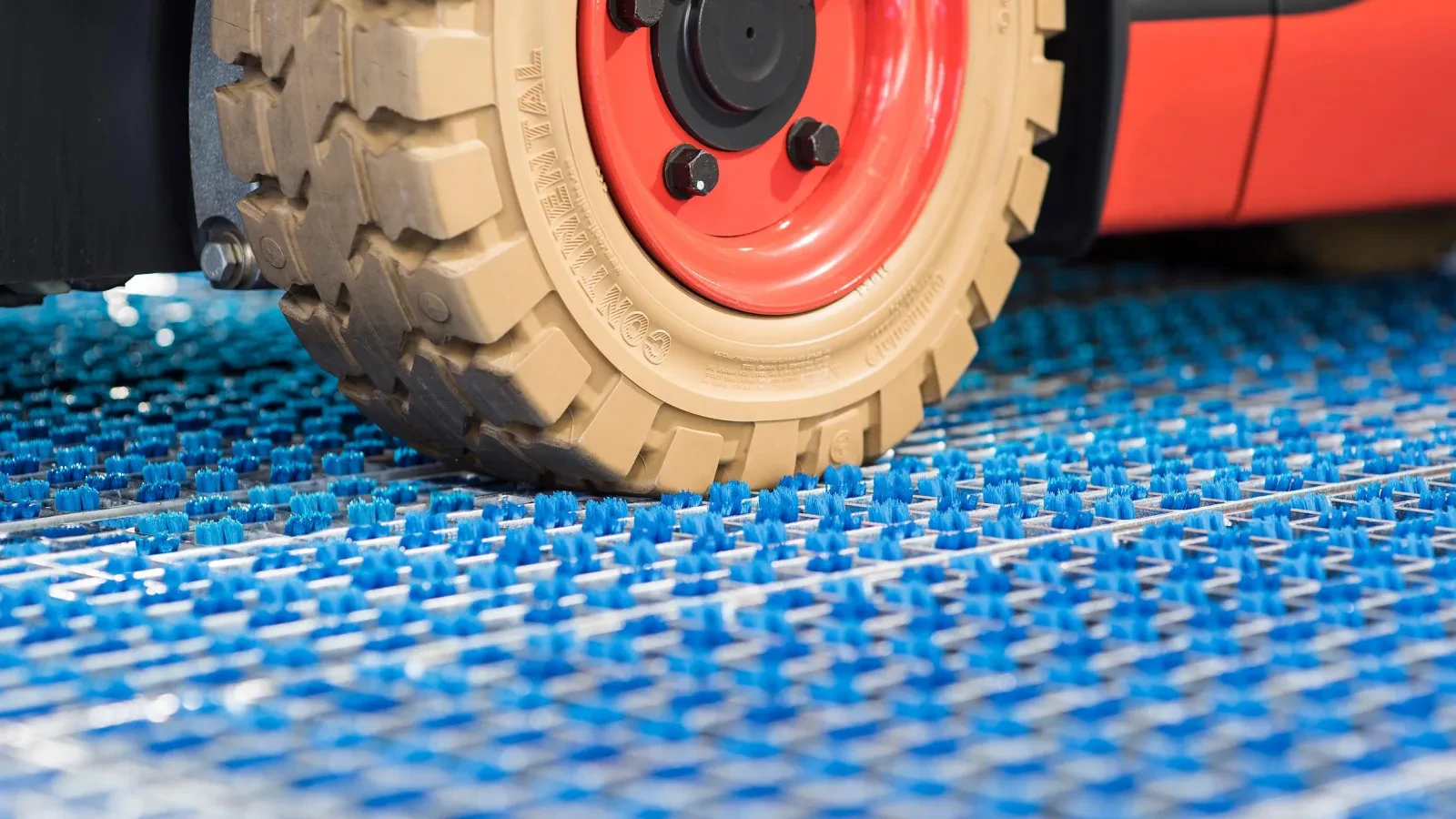
ProfilGate was positioned in high-traffic areas with dust accumulation potential. Wheels cross the cleaning field in the normal flow, without a separate cleaning step.

Medica Group reported a visibly cleaner warehouse and boxes that no longer had to be systematically cleaned before shipping.

What to clarify in a similar warehouse

A biomedical application is selected from route, traffic and internal verification routine, not sector sensitivity alone.

Start with the route: where dust comes from, which wheels or soles carry it further, how often pallets cross and where a control point can be installed without being bypassed.

Then look at maintenance: who cleans the system, how easily it can be inspected and how the site checks that the area stays within its internal standard.

For biomedical packaging, visible cleanliness can matter in the customer relationship even when formal requirements are managed through the operator process.

ProfilGate supports the crossing point; discipline, cleaning frequency and internal verification remain part of the operator process.

In the biomedical sector, the aesthetic aspect is very important. Whoever inspects the warehouse now sees cleanliness and boxes not covered with dust. We have raised our standard of presentation and appearance.

— Lorenzo Barbieri

Logistics Manager, Medica Group

Solution type used in the project

Do you have a route where dust reaches packaging?

+40 368 883 026

Discuss the dust-sensitive logistics route

Send a few details about the crossing point, traffic type and what appears on packaging or the floor.

Discuss the dust-sensitive logistics route

Send a few details about the crossing point, traffic type and what appears on packaging or the floor.

Useful questions for dust-sensitive warehouses

Decision prompts for biomedical warehouses, pharmaceutical storage, clean packaging and areas where product presentation matters.

Look for where dust becomes visible: on boxes, pallets, the floor near dispatch or the vehicle route. If the same area requires cleaning before shipping, the route is a strong candidate for review.

  • dust on packaging before dispatch;
  • wheel marks or particles on the aisle;
  • repeated manual cleaning before shipment;
  • forklift, pallet truck or cart traffic through a sensitive area.

ProfilGate only works as an active cleaning point when the wheel, caster or sole actually crosses the working surface. If the route can be bypassed, contact is weak or the dirt type does not fit the system, positioning has to be reviewed.

The useful point is usually before the area where packaging, material or goods need to remain visibly clean. It should sit on the natural route, avoid blocking flow and remain easy for the responsible team to clean.

The system supports route control, but the warehouse cleanliness standard is set by the operator: procedure, cleaning frequency, inspections, internal owner and acceptance criteria. These details matter as much as field size.

Photos of the route, wheel types, crossing frequency, observed particles, dust deposition points and the current cleaning routine help. For a sensitive warehouse, it also helps to know who verifies the internal standard: logistics, quality, facility or EHS.

Sending…