Marks near EPA access
If dust or dirt appears after entry, check the personnel route before benches, lines or sensitive packaging areas.

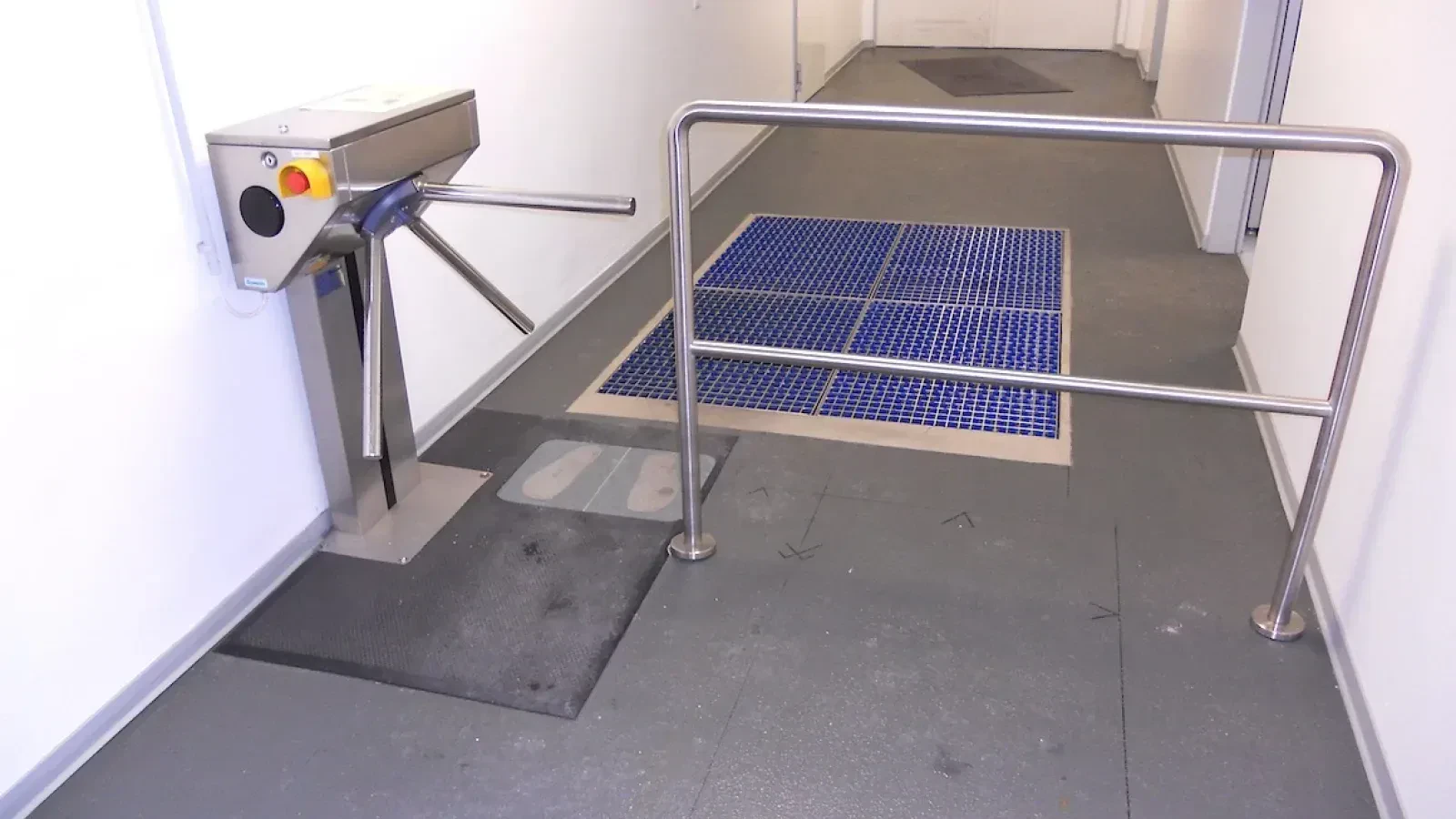
In an EPA area, footwear is not just an access formality. Soles can carry dust, fine particles or visible dirt exactly where operators, benches, ESD flooring and checking routines need to stay stable.
In electronics, automotive, fine assembly or controlled areas, dirt on soles often appears near the production entrance, after shift changes or on the route between changing area, warehouse and production line.
If the entrance already has ESD testers, markings, dedicated footwear or sensitive benches immediately after access, dirty soles become more than general housekeeping. They can affect checking routine, area appearance and confidence in access discipline.
The right direction starts with the real entrance: who crosses, how often, what appears on the floor and whether people can cross the cleaning zone without bypassing it.
Sole cleaning helps most when people already pass through that place and the contamination is physical: dust, powder, particles or visible dirt.
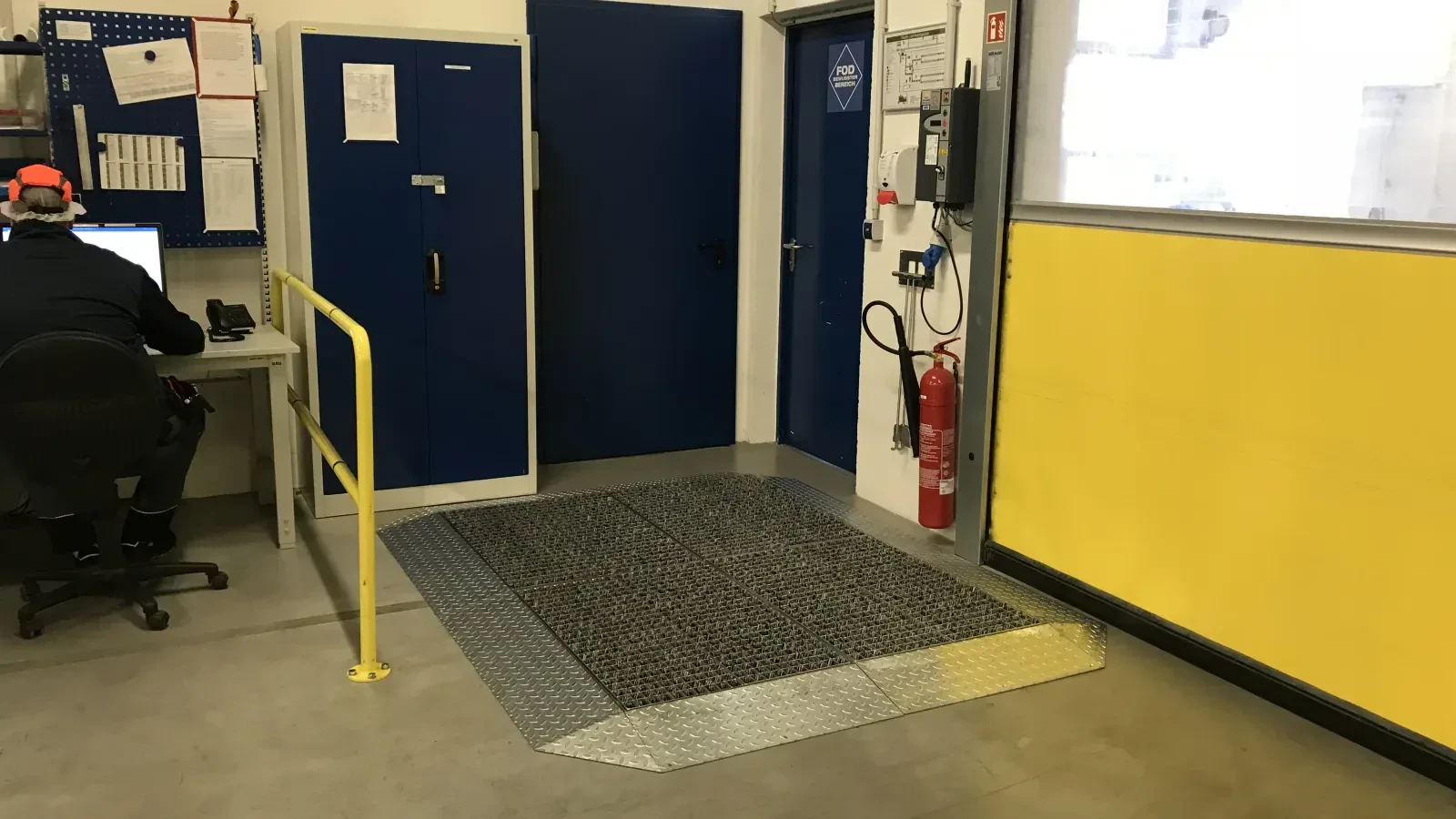
Crossing discipline matters here. If operators use the same entrance, a mechanical cleaning zone can become a natural part of access without artificial stopping points.
ProfilGate GO or similar sole-cleaning solutions are checked when the route is clear and dirt on the sole is the main signal.
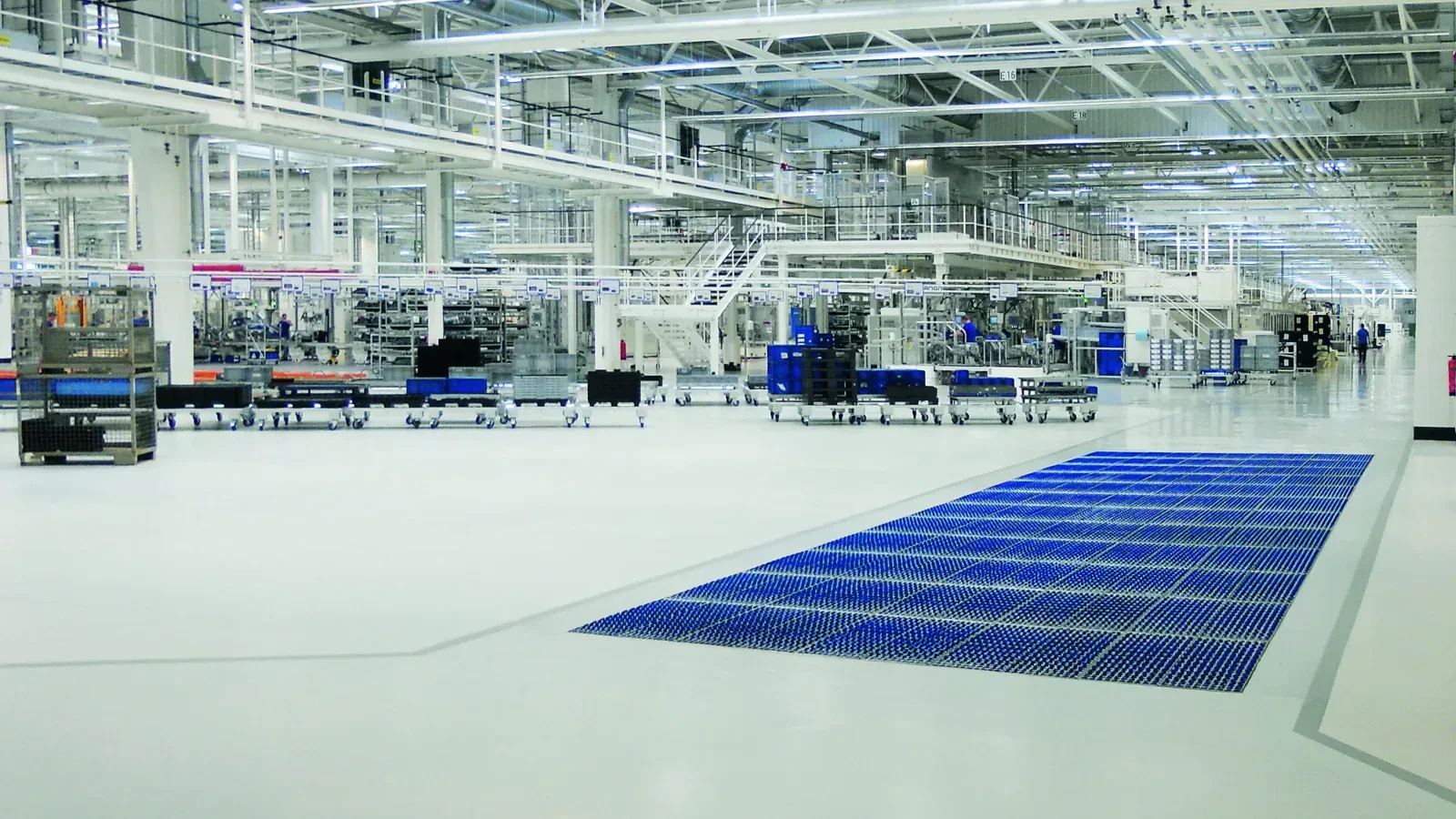
In an ESD programme, contact between footwear, body, floor and testing is managed through the internal procedure. Dirt on the sole should not be treated as the only factor, but it can make the routine harder to maintain.
Sole cleaning fits as an access-cleanliness measure, especially when the team sees deposits on the floor or variations linked to the entrance.
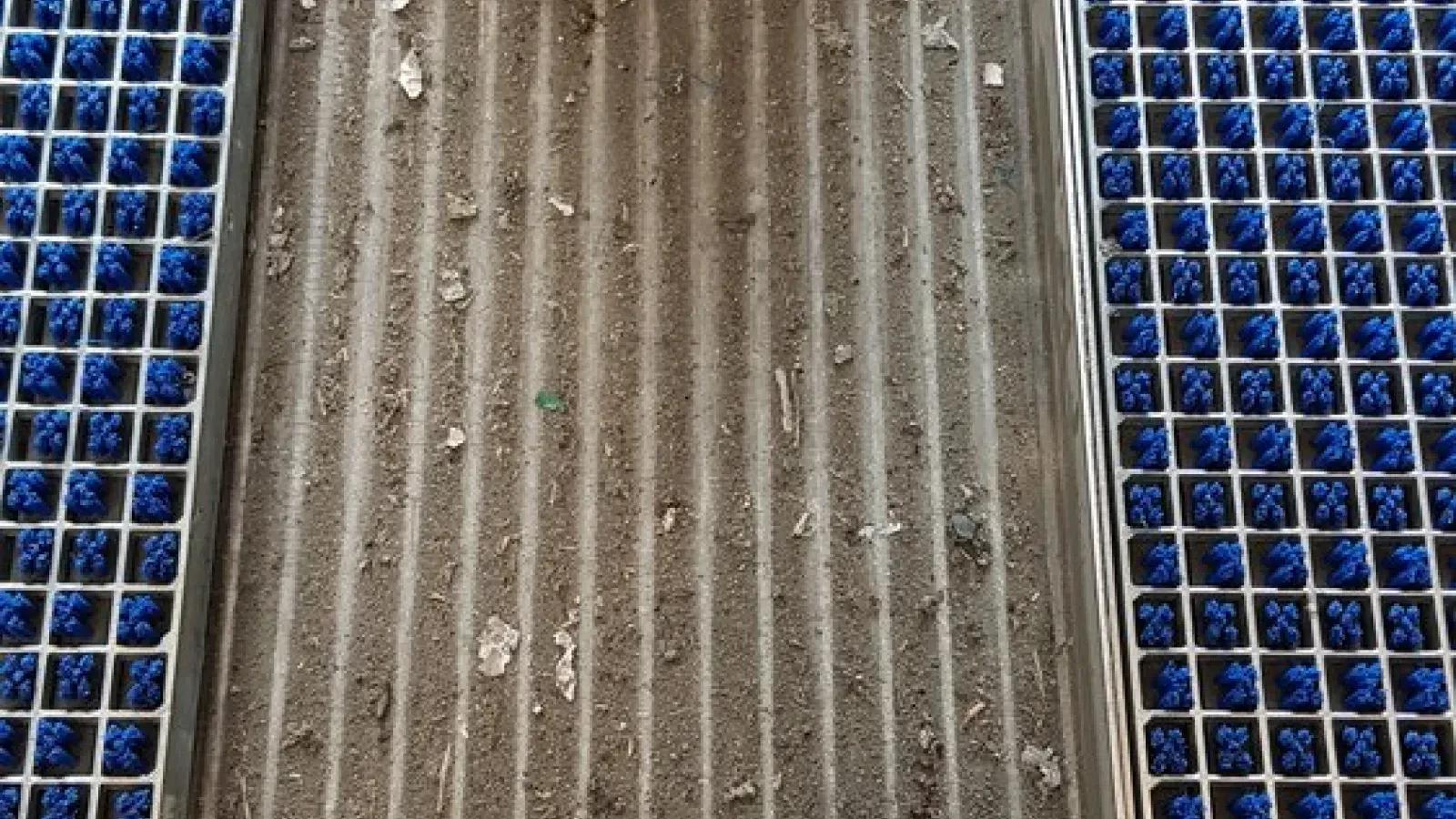
If the entrance also has carts, pallet trucks or logistics traffic, sole cleaning alone may be too narrow. What arrives on wheels should also be checked.
If the requirement is microbiological or wet hygiene, the discussion moves to liquid, procedure, drainage, maintenance and internal validation.
In EPA areas, ESD is managed as a full system: footwear or straps, flooring, testing, training, monitoring and acceptance criteria.
Sole cleaning can support route cleanliness, while the ESD result is established through the operator programme verification.
Mechanical cleaning is useful when contamination is physical and visible: dust, powder, particles or dry dirt carried on the sole.
For selection, contact length, route position, bypass risk and cleaning ownership after installation all matter.
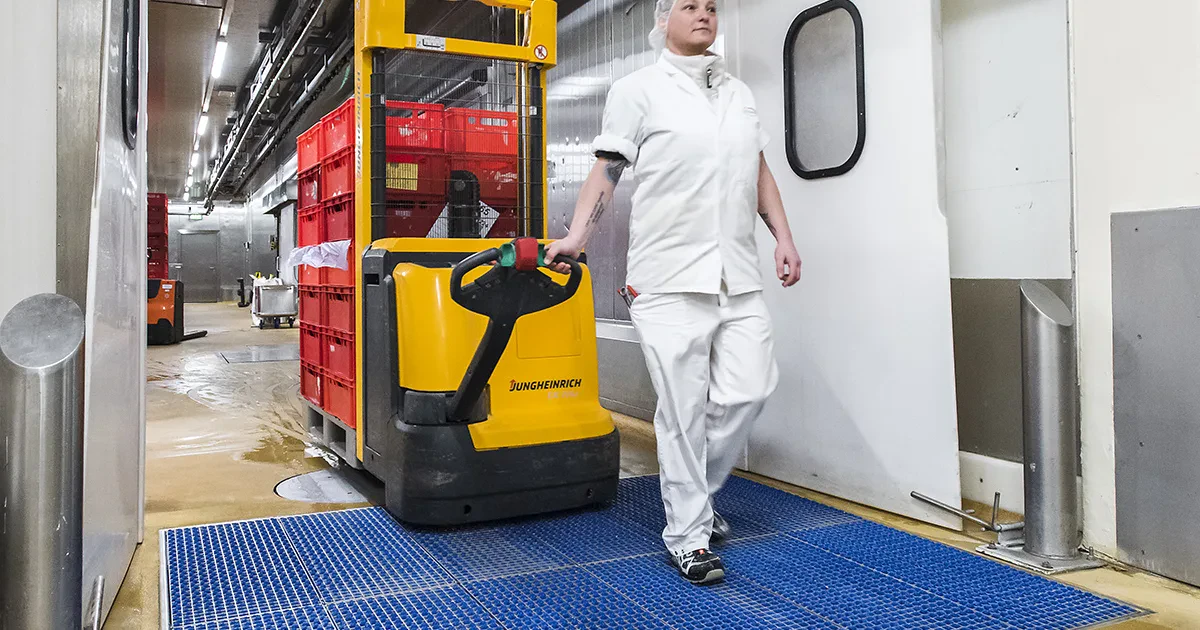
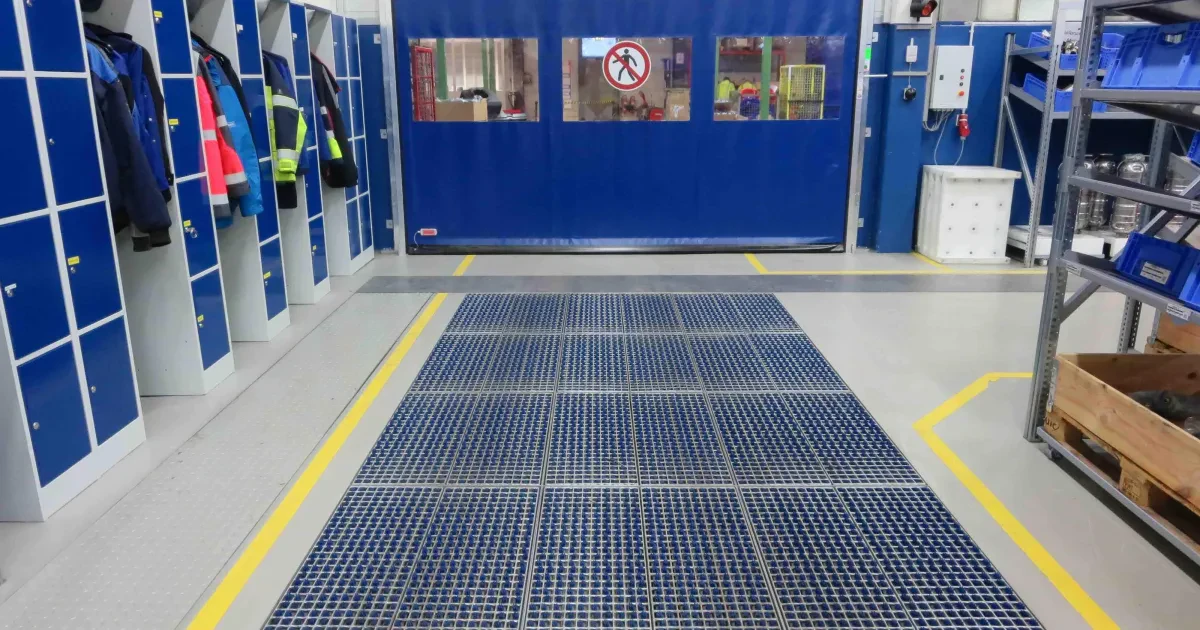
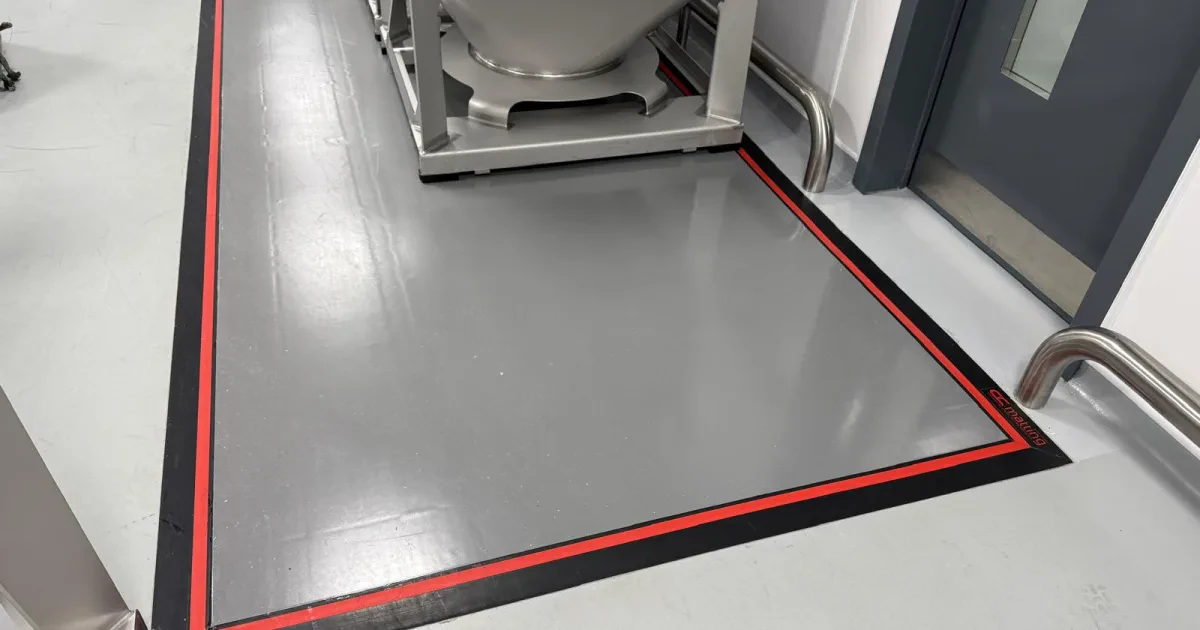
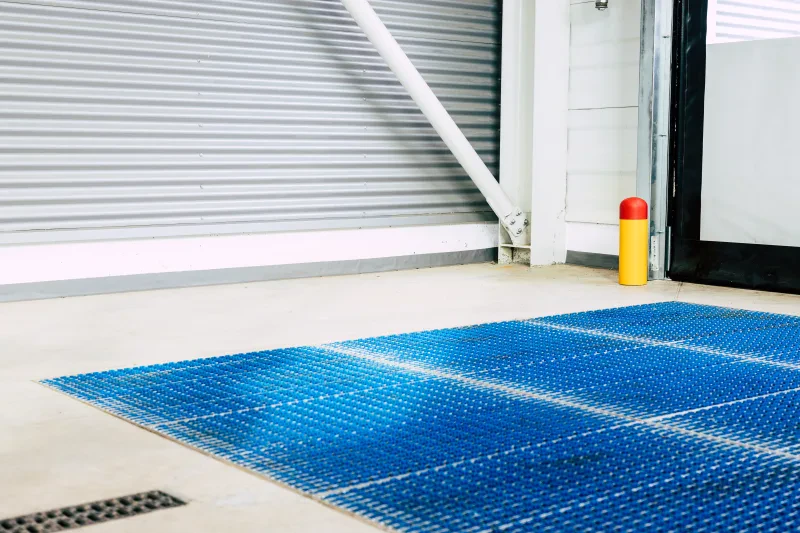
A practical guide for automotive, e-mobility and electronics plants where technical cleanliness also depends on logistics, wheel and personnel routes.
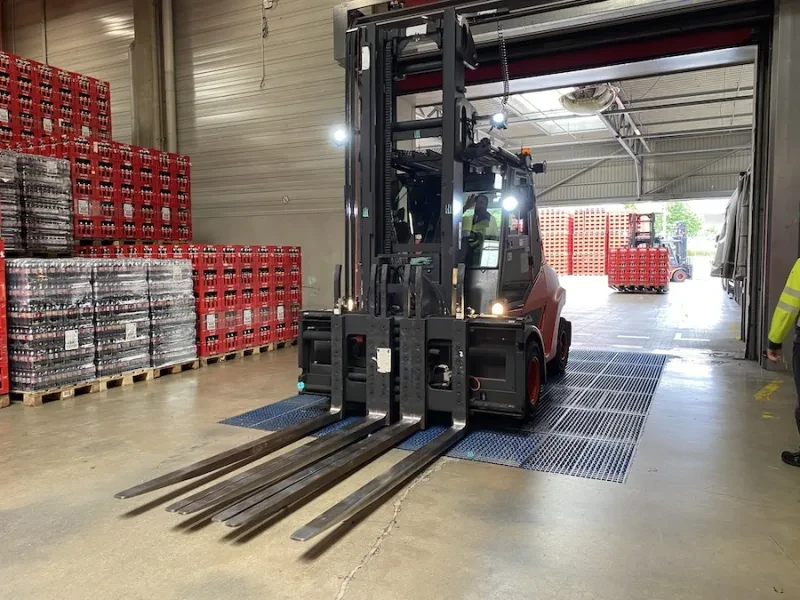
How to choose between ProfilGate active cleaning, CC Matting polymer matting and mixed points where traffic, contact and cleaning routine decide the direction.
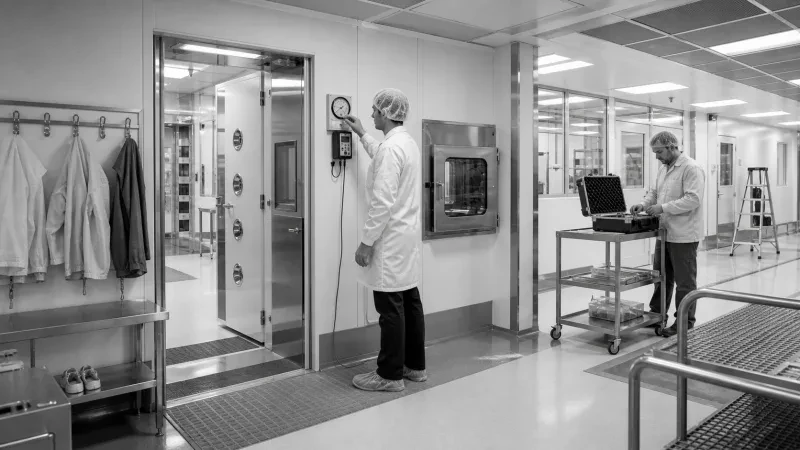
Standards become useful when connected with visible situations: dirt carried on wheels and footwear, hit zones, exposed pedestrian routes or audit documentation.
Do you have an ESD entrance where soles carry dirt into the sensitive area?

Check soles when dirt appears right after personnel entry, when ESD flooring needs frequent cleaning or when the difference is visible after shift changes.
The signal becomes stronger if people use one entrance and the sensitive area starts only a few steps after access.
A normal mat can retain some dirt, but it does not actively work into the sole profile. Where access discipline matters, contact should be consistent and easy to repeat.
Mechanical cleaning becomes relevant when the entrance needs controlled crossing, brushing and a clear cleaning routine for the system.
Sole cleaning looks at physical dirt on the route. The ESD programme looks at grounding, footwear, flooring, testing and internal criteria.
They support different parts of the same access discipline. A cleaner entrance can support the area routine, while ESD verification stays inside the operator procedure.
If carts, trolleys, pallet trucks or mobile equipment use the same route, soles are only part of the transfer.
Then check whether the area needs a measure for soles, small wheels, industrial wheels or two separate crossings.
A first orientation needs only a few simple details about the entrance and what appears on the floor.
A test is useful when the entrance is critical, when people can easily bypass the cleaning zone or when ESD, quality and maintenance teams have different criteria.
A simple test can show whether crossing feels natural, whether the surface gets dirty at the expected rate and whether the cleaning routine is realistic.